News related to
federal

President Donald Trump addressed a gathering of international financiers and technology leaders at the Future Investment Initiative Priority Summit in Miami Beach on Wednesday. The event, hosted by Saudi Arabia’s sovereign wealth fund, the Public Investment Fund , aimed to foster global investment partnerships and economic collaboration. In his opening remarks, President Trump declared, “The United States is back and open for business.” He emphasized his administration’s […]

The Central Bank of the United Arab Emirates has imposed a financial penalty of AED 3.5 million on an exchange house operating within the country. This action follows an examination that uncovered significant non-compliance with Anti-Money Laundering and Combating the Financing of Terrorism regulations. The CBUAE’s investigation revealed that the exchange house failed to implement adequate policies and procedures designed to prevent money laundering and terrorist financing […]

Confidence within the energy sector regarding the attainment of global net-zero emissions by 2050 has markedly decreased. The Energy Industries Council reports that only 16% of industry leaders now believe these climate goals are achievable, a significant drop from 45% the previous year. This decline is attributed to policy instability, financial uncertainties, and protracted project approval processes. The EIC’s “Net Zero Jeopardy Report II” highlights that inconsistent […]

By Cihan Tuğal DAMASCUS: As the smoke settles on the fall of Bashar al-Assad’s regime in Syria and its replacement by Islamist leadership under Hayat Tahrir al-Sham (HTS), it is clear that Turkey’s far-right governing bloc has emerged from the tumult strong and emboldened. What is less clear is whether this will mean that Recep […]

Matein Khalid An English poet once lamented, “golden boys and golden girls must, like chimney sweeps, also turn to dust”. The fate of pre-pandemic Silicon Valley unicorns, whose dreams of a wildly successful IPO amid the market mania of 2021 was deflated by a killer virus and the Powell Fed’s most draconian monetary tightening since the Volcker era may also turn to dust. This is as true […]

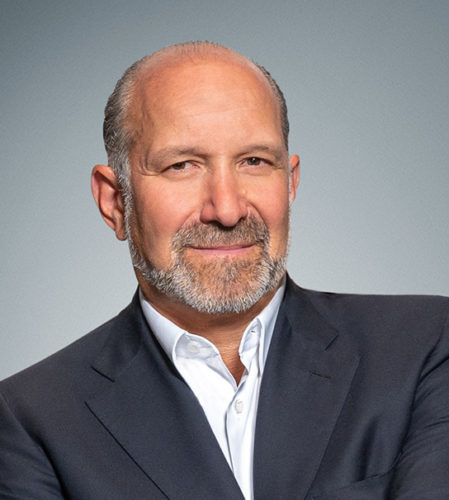
Howard Lutnick, the former CEO of Cantor Fitzgerald, has been confirmed by the U.S. Senate as the new Secretary of Commerce under President Donald Trump. The Senate approved his nomination with a 51-45 vote, positioning Lutnick to oversee a department responsible for a wide array of economic activities, from trade policy to technology regulation.

Lutnick’s confirmation marks a significant moment in the Trump administration’s efforts to reshape the nation’s economic and regulatory landscape. Known for his resilience in rebuilding Cantor Fitzgerald after the tragic loss of 658 employees during the September 11 attacks, Lutnick brings a wealth of experience from the financial sector. His leadership during that crisis, including the distribution of $180 million to victims’ families, has been widely recognized.

As Commerce Secretary, Lutnick is expected to play a pivotal role in implementing President Trump’s trade policies, which have recently included the announcement of potential 25% tariffs on foreign automobiles, semiconductors, and pharmaceuticals. These measures are part of a broader strategy to bolster domestic manufacturing and reduce reliance on foreign imports.

In addition to Lutnick’s appointment, the Trump administration is advancing a series of nominations for key regulatory positions, particularly in agencies overseeing financial markets and emerging technologies. Paul Atkins, a former Securities and Exchange Commission commissioner known for his free-market philosophy, has been nominated to lead the SEC. Atkins has a history of advocating for reduced regulatory burdens and is anticipated to foster a more accommodating environment for financial innovation, including cryptocurrencies.

Brian Quintenz, who previously served as a commissioner at the Commodity Futures Trading Commission from 2017 to 2021, has been nominated to return as the agency’s chairman. During his prior tenure, Quintenz was recognized for his expertise in both traditional finance and the burgeoning cryptocurrency sector. His recent role as head of policy at a16z Crypto, the cryptocurrency division of venture capital firm Andreessen Horowitz, underscores his deep engagement with digital assets. Quintenz’s return to the CFTC is expected to influence the agency’s approach to regulating complex financial instruments and fostering innovation in blockchain technologies.

Jonathan Gould, a legal professional with extensive experience in banking and financial regulation, has been nominated to lead the Office of the Comptroller of the Currency . Gould’s background includes serving as senior deputy comptroller and chief counsel at the OCC, where he provided legal oversight on a range of banking issues. His appointment is seen as a continuation of the administration’s trend toward installing regulators who are knowledgeable about and potentially supportive of cryptocurrency and fintech developments.

These nominations reflect President Trump’s broader strategy to reshape financial regulation in favor of innovation and reduced federal oversight. The administration has been critical of previous regulatory approaches that it perceives as overly restrictive, particularly concerning emerging financial technologies. By appointing individuals with pro-crypto leanings and a history of advocating for lighter regulatory frameworks, the administration aims to create an environment conducive to growth in the fintech and cryptocurrency sectors.

However, these appointments have not been without controversy. Critics argue that reducing regulatory oversight could lead to increased financial instability and potential exploitation within rapidly evolving markets. Supporters, on the other hand, contend that a more permissive regulatory environment is necessary to foster innovation and maintain the United States’ competitive edge in global financial markets.

The Senate’s confirmation of these nominees will be closely watched, as their leadership will significantly influence the direction of U.S. financial regulation in the coming years. As these individuals assume their respective roles, stakeholders across the financial spectrum—from traditional banking institutions to emerging fintech startups—will be assessing how the new regulatory landscape will impact their operations and strategic planning.

In the context of global trade, Lutnick’s role as Commerce Secretary will be particularly critical. His support for President Trump’s tariff policies suggests a continuation of protectionist measures aimed at strengthening domestic industries. This approach has garnered both praise and criticism, with proponents arguing that it safeguards American jobs and industries, while detractors warn of potential retaliatory measures from trading partners and the risk of escalating trade wars.

As the administration moves forward with its economic agenda, the interplay between these regulatory appointments and broader trade policies will be pivotal in shaping the U.S. economic landscape. The emphasis on accommodating financial innovation, particularly in the realm of cryptocurrencies, alongside a protectionist trade stance, represents a distinctive approach that will have lasting implications for both domestic and international economic relations.

The United Arab Emirates’ Ministry of Finance has unveiled a new certification program in International Public Sector Accounting Standards , developed in partnership with the Association of Chartered Certified Accountants . This initiative aims to enhance the financial acumen of federal government employees, aligning the nation’s public sector accounting practices with globally recognized standards.

The IPSAS certification program commenced with an inaugural training session in Dubai on 17 February 2025. This session marked the beginning of a comprehensive effort to equip finance professionals within the UAE’s federal entities with the necessary skills to implement accrual-based accounting effectively. By adopting these standards, the MoF seeks to improve the quality, consistency, and transparency of financial reporting across public sector institutions.

H.E. Younis Haji Al Khoori, Undersecretary of the Ministry of Finance, emphasized the significance of this collaboration, stating that it reflects the ministry’s commitment to fostering strategic partnerships and reinforcing its position as a global leader in public finance. He highlighted that the adoption of IPSAS is a critical step towards achieving financial sustainability and enhancing the efficiency of government financial operations.

The partnership with ACCA is particularly noteworthy, as the association is renowned for its expertise in accounting certifications worldwide. The ACCA’s Certificate in International Public Sector Accounting Standards is designed to provide participants with a thorough understanding of IPSAS, covering various aspects such as financial statement presentation, accounting policies, and the treatment of assets and liabilities. The program also delves into the nuances of financial performance, consolidation, and the disclosure of financial information, ensuring that participants are well-versed in the comprehensive application of these standards.

In addition to the IPSAS certification, the MoF has signed a Memorandum of Understanding with the American University in Dubai to launch an Executive Diploma Program in Government Financial Policy Sustainability. Scheduled for the 2024-2025 academic year, this diploma aims to delve into topics such as financial sustainability, emerging trends in government finance, and the impact of artificial intelligence on financial analysis. Dr. Kyle Long of AUD expressed enthusiasm about the collaboration, noting that it has the potential to transform financial management within federal agencies and prepare professionals to tackle contemporary challenges.

The MoF’s dual approach—offering both the IPSAS certification and the executive diploma—underscores its dedication to building a robust financial framework within the UAE’s public sector. By investing in the education and training of its financial workforce, the ministry aims to ensure that government entities are not only compliant with international standards but are also pioneers in adopting innovative financial practices.

This initiative is part of a broader strategy by the UAE government to modernize its financial systems and promote transparency. By aligning with international accounting standards, the UAE aims to enhance investor confidence and foster a more attractive environment for foreign investments. Moreover, the adoption of IPSAS is expected to facilitate better decision-making processes within government entities, as accurate and transparent financial information is crucial for effective policy formulation and implementation.

The training sessions are structured to provide participants with both theoretical knowledge and practical applications of IPSAS. Through case studies, interactive exercises, and real-world examples, attendees will gain insights into the challenges and solutions associated with implementing these standards. The program also offers a platform for finance professionals to engage in discussions, share experiences, and develop a network of peers committed to advancing public sector financial management.

Malik Sarieddine of ACCA highlighted the importance of this certification, stating that it equips finance professionals with the necessary tools to lead initiatives aligned with global standards. He emphasized that the training will enable participants to navigate the complexities of public sector accounting, ensuring that financial reports are both accurate and reflective of the true financial position of government entities.

The MoF’s commitment to continuous improvement is evident in its proactive approach to adopting international best practices. By collaborating with esteemed institutions like ACCA and AUD, the ministry is taking concrete steps to elevate the proficiency of its financial professionals. This, in turn, is expected to lead to more efficient public spending, improved resource allocation, and enhanced public trust in government financial operations.

Advertisements

Billionaire entrepreneur Elon Musk has suggested distributing $5,000 refund checks to American taxpayers, funded by savings from the Department of Government Efficiency . This proposal comes as the White House asserts that Musk holds no formal authority within the department. Musk’s idea, referred to as the “DOGE Dividend,” aims to return 20% of the projected $2 trillion in government savings to taxpayers, equating to approximately $400 billion. […]

In a development that has sent shockwaves through Argentina’s political and financial spheres, Hayden Davis, co-creator of the controversial cryptocurrency Libra, is alleged to have boasted about making payments to Karina Milei, sister and close advisor to President Javier Milei. These claims have surfaced amid a broader investigation into the president’s promotion of the now-collapsed memecoin.

Text messages purportedly sent by Davis in December 2024 suggest he had significant influence over President Milei through financial dealings with Karina Milei. In these messages, Davis allegedly stated, “I send $$ to his sister and he does whatever I say and does what I want.” These communications were reportedly reviewed by multiple media outlets, including CoinDesk and El País.

Karina Milei, who holds the position of General Secretary of the Presidency, is known for her influential role in her brother’s administration. She has been a prominent figure alongside President Milei during official engagements and policy deliberations. The allegations suggest that Davis believed his financial interactions with her granted him sway over presidential decisions.

In response to these claims, Davis has denied any wrongdoing. Through a spokesperson, he stated that he does not recall sending such messages and has no record of them on his device. He further emphasized, “I never made any payments to them, nor did they request any. Their only concern was ensuring proceeds from Libra would benefit Argentina’s people and economy.” This statement was reported by CoinDesk.

The controversy intensified when President Milei promoted the Libra token on social media in mid-February 2025. He described the cryptocurrency as an innovative tool to support small businesses in Argentina. However, shortly after his endorsement, the token’s value plummeted by over 90%, leading to significant financial losses for investors. This rapid decline has been characterized by some financial analysts as a “rug pull,” a term used to describe a scenario where a cryptocurrency’s creators abruptly withdraw, taking investors’ funds with them.

The political ramifications have been swift. Opposition leaders have called for an impeachment trial, accusing President Milei of engaging in fraudulent activities and compromising the integrity of his office. Federal Judge María Romilda Servini has been assigned to lead the investigation into the matter, as reported by Reuters. The judiciary is examining whether the president’s actions constitute fraud or other criminal offenses.

The scandal has also had a tangible impact on Argentina’s financial markets. The S&P Merval, the country’s primary stock index, experienced a significant drop of nearly 4% following the emergence of the controversy. This decline reflects investor apprehension regarding the potential economic and political instability resulting from the incident.

President Milei has addressed the nation, denying any misconduct and asserting that his promotion of the Libra token was intended solely to explore alternative financial solutions for Argentina’s struggling economy. He stated, “I did not promote that. What I did, I spread the word,” during an interview with Todo Noticias, as reported by CoinDesk. Despite these assertions, the president faces mounting scrutiny from both the public and political adversaries.

The role of Karina Milei in this unfolding situation remains a focal point of the investigation. As a trusted advisor and integral member of the president’s inner circle, any substantiated evidence of her involvement in unethical financial transactions could have profound implications for the administration. To date, neither Karina Milei nor her office has issued a public response to the allegations.

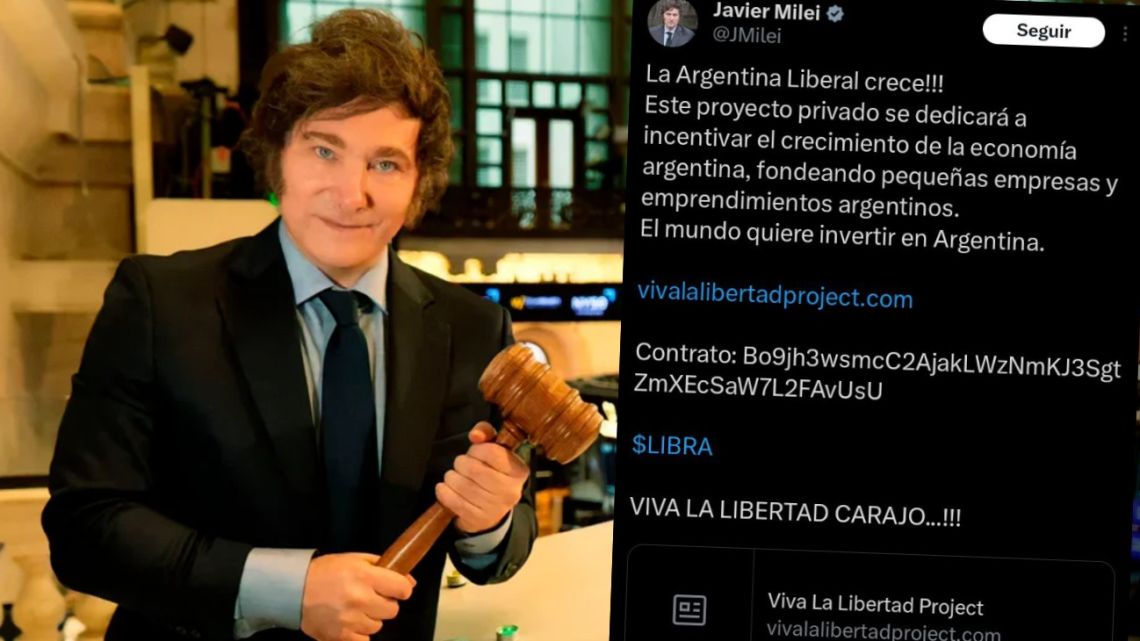
Argentine President Javier Milei is facing intense scrutiny following his promotion of the cryptocurrency $LIBRA, which experienced a dramatic collapse shortly after his endorsement. The incident has led to widespread financial losses among investors and has sparked legal and political challenges for the president.

On February 14, 2025, President Milei took to his social media platform X to highlight $LIBRA, a newly launched cryptocurrency. His endorsement led to a rapid surge in the token’s value, with prices soaring to nearly $5. However, this spike was short-lived; within hours, $LIBRA’s value plummeted by approximately 90%, leaving numerous investors with substantial losses.

The swift rise and fall of $LIBRA have raised questions about the legitimacy of the cryptocurrency. Critics have labeled it a “memecoin,” suggesting it lacked intrinsic value and was subject to speculative trading. Further investigations revealed that a significant portion of $LIBRA was concentrated in a few wallets, intensifying suspicions of market manipulation.

In the aftermath of the collapse, over 110 complaints were filed against President Milei, accusing him of fraud and illicit association. Federal Judge María Servini has been assigned to investigate these allegations, focusing on whether the president’s actions constituted a deliberate scheme to defraud investors. The Anti-Corruption Office has also initiated an inquiry to determine if there was any misconduct by government officials in connection with the promotion of $LIBRA.

President Milei has denied any wrongdoing, asserting that his intention was merely to share information about $LIBRA and that he did not receive any personal benefit from its promotion. He emphasized that his social media post was intended to support private enterprise initiatives and that investors were aware of the inherent risks associated with cryptocurrency investments. Despite these assertions, the president’s actions have been met with severe criticism from political opponents and the public.

The controversy has had a tangible impact on Argentina’s financial markets. The Buenos Aires Stock Exchange experienced a 5.6% decline, a reaction attributed to the uncertainty and loss of confidence stemming from the $LIBRA incident. Economists warn that such events could deter future investments and exacerbate the country’s existing economic challenges.

Political ramifications are also unfolding. Opposition leaders have called for President Milei’s impeachment, arguing that his actions have undermined the integrity of his office and the nation’s financial stability. Former President Cristina Kirchner referred to Milei as a “crypto fraudster,” highlighting the severity of the accusations. While the likelihood of impeachment remains uncertain, the calls reflect deepening political divisions and growing concerns over the president’s judgment.

The $LIBRA scandal has also drawn attention to the broader issue of cryptocurrency regulation in Argentina. The incident underscores the potential risks associated with digital currencies, particularly those lacking transparency and regulatory oversight. Financial experts advocate for the implementation of stricter regulations to protect investors and prevent similar occurrences in the future.

Personnel from SpaceX are joining the Federal Aviation Administration at the agency’s Air Traffic Control Command Centre in Virginia to assist in the redevelopment of its air traffic control systems, following a significant incident involving Washington airspace. This partnership marks a significant step in the ongoing efforts to modernise the US air traffic system and address critical vulnerabilities that were highlighted by the recent air traffic failure. […]

By Kunal Bose The world, much to its disappointment, is seeing the United States of America, which is the world largest economy and mightiest military power, rapidly embracing raw, unrestrained capitalism under the newly inaugurated second-term Presidency of Donald John Trump abandoning all traces of egalitarianism. Induction of Tesla chairman Elon Musk to head the […]

The U.S. Securities and Exchange Commission is encountering mounting challenges in its oversight of cryptocurrency exchanges, with key cases involving Binance and Coinbase experiencing temporary halts. These legal pauses have raised questions about the agency’s ability to regulate the burgeoning crypto industry effectively. Now, the potential for similar delays in the high-profile case against Ripple further complicates the SEC’s crypto enforcement strategy.

The SEC’s legal actions against Binance and Coinbase, two of the largest cryptocurrency exchanges in the world, have been central to its efforts to impose stricter controls on the sector. However, court decisions have led to delays in these proceedings, with both companies seeing temporary relief from their legal battles. These pauses have intensified the debate on whether the SEC is losing its grip on cryptocurrency regulation and whether its approach is becoming increasingly ineffective in the face of mounting industry resistance.

The SEC’s lawsuits against Binance and Coinbase have attracted significant attention due to their implications for the broader cryptocurrency market. Binance, which operates globally, has been accused of violating U.S. securities laws by facilitating the trading of unregistered securities. Meanwhile, Coinbase, based in the U.S., has faced similar allegations, drawing the SEC’s scrutiny for listing tokens deemed to be securities under federal law. Both exchanges have denied the allegations, with Binance calling the SEC’s charges “unfounded” and Coinbase asserting that it complies with all relevant regulations.

John Reed Stark, a former SEC official, has played a significant role in commenting on the ongoing legal landscape surrounding cryptocurrency. Stark, who served as Chief of the SEC’s Office of Internet Enforcement, recently speculated that the Ripple case could follow a similar path. He suggested that the outcome of the case, which involves accusations that Ripple’s XRP token constitutes an unregistered security, could determine the future direction of the SEC’s crypto-related litigation. Stark’s remarks highlight growing concerns that the SEC’s attempts to regulate the crypto space might face significant setbacks if its cases continue to stall.

As the legal battles continue, the broader cryptocurrency market is watching closely. Industry advocates and experts argue that regulatory clarity is essential for the sector’s long-term growth. The volatility surrounding these high-profile lawsuits underscores the challenge of applying traditional securities laws to a rapidly evolving technological field. The crypto community remains divided on the effectiveness of the SEC’s approach, with some advocating for a more tailored regulatory framework that considers the unique nature of digital assets.

The delays in the cases against Binance and Coinbase have also brought renewed attention to the SEC’s overall strategy. Some analysts believe that the agency’s aggressive stance may be backfiring, with legal challenges creating uncertainty for both investors and businesses within the crypto space. The possibility that the SEC’s approach may not result in swift, clear decisions has prompted calls for a more measured approach, one that balances enforcement with the need for regulatory clarity and innovation.

Ripple, which has been embroiled in its own legal battle with the SEC for several years, has been another focal point in this ongoing debate. The case hinges on whether XRP, Ripple’s native cryptocurrency, should be classified as a security under U.S. law. If the court rules in favour of Ripple, it could set a significant precedent that limits the SEC’s power to regulate other cryptocurrencies in the same way. However, if the SEC prevails, it could cement its authority over digital assets, further consolidating its control over the market.

Despite the uncertainty, the SEC’s enforcement actions have had tangible effects on the cryptocurrency industry. Many smaller exchanges and crypto firms have taken precautionary measures to ensure they comply with U.S. regulations, fearing similar legal repercussions. Additionally, some companies have begun to relocate their operations overseas to avoid the SEC’s jurisdiction, further complicating the regulatory landscape.

As the lawsuits progress, the SEC faces increasing pressure to demonstrate the effectiveness of its regulatory actions. Industry stakeholders are pushing for a more coherent framework that can accommodate the complexities of blockchain technology while ensuring investor protection. The pause in the cases against Binance and Coinbase, coupled with the ongoing uncertainty surrounding Ripple, leaves the SEC’s crypto enforcement strategy in a state of flux.

Argentine President Javier Milei is under judicial investigation following his endorsement of the cryptocurrency $LIBRA, which experienced a dramatic collapse shortly after his promotion. Federal Judge María Servini de Cubría has initiated a probe into allegations of fraud and misconduct associated with the digital currency’s rapid devaluation.

The controversy erupted when President Milei shared a post on social media platform X, highlighting $LIBRA as a promising investment opportunity. The cryptocurrency’s value surged to nearly $5 per token, attracting a substantial number of investors. However, within hours, the token’s price plummeted below $1, leading to significant financial losses for many. In response to the backlash, Milei deleted his original post and has since denied any wrongdoing. He stated, “I did not promote that. What I did, I spread the word.” He emphasized that his intention was to inform the public about potential financial tools, not to endorse them.

The fallout from the $LIBRA incident has been extensive. The Argentine fintech chamber described the situation as a potential “rug pull,” a term used to denote a fraudulent scheme where developers abandon a project and abscond with investors’ funds. The opposition, particularly the Peronist bloc, has seized upon the scandal, with some legislators calling for impeachment proceedings against President Milei. They accuse him of leveraging his position to promote a volatile financial product without adequate oversight.

Financial markets have also reacted negatively to the turmoil. The S&P Merval index experienced a decline of nearly 4.7%, and government bonds saw a decrease of approximately 0.5%. Economists attribute this downturn to the political instability spurred by the cryptocurrency debacle. Despite these challenges, ongoing negotiations with the International Monetary Fund for a new credit agreement remain active. Economy Minister Luis Caputo has reassured stakeholders that the $LIBRA controversy will not impede discussions with the IMF.

Further complicating matters, one of $LIBRA’s creators, American entrepreneur Hayden Mark Davis, characterized the cryptocurrency as an “experiment” that did not yield the desired results. Davis’s admission has intensified scrutiny of the project’s legitimacy and the due diligence conducted prior to its promotion. Legal experts suggest that if the investigation reveals intentional deception, both civil and criminal charges could be pursued against those involved.

KUALA LUMPUR, MALAYSIA – Media OutReach Newswire – 18 February 2025 – The global cryptocurrency market has seen unprecedented growth in the previous year, spearheaded by Bitcoin and Ethereum. Institutional participation was very important in driving prices higher, with Bitcoin reaching an all-time high above $100,000 in December 2024. With the spreading adoption of crypto assets, regulators have paid even more attention to the industry. Kar Yong […]

A fresh debate has erupted surrounding the United States’ vast gold reserves, with Tesla CEO Elon Musk’s latest initiative drawing significant attention. The billionaire entrepreneur’s venture into auditing the nation’s most famous gold vault, Fort Knox, has sparked a chain of reactions among US lawmakers, financial experts, and the general public. Musk’s involvement, via his cryptocurrency project D.O.G.E., has reignited long-standing questions about the transparency and true scale of the nation’s gold holdings.

The Fort Knox vault, located in Kentucky, has long been a symbol of American financial security. It is home to thousands of tonnes of gold, which are believed to be held as part of the US’ reserve assets. While the facility itself has been shrouded in mystery for decades, Musk’s recent remarks have breathed new life into theories that question the actual existence and accessibility of these gold reserves. His call for an independent audit using his company’s resources has added fuel to an ongoing fire, leading to broader scrutiny of the US government’s financial transparency.

At the centre of this new controversy is Musk’s claim that there are inconsistencies regarding the Fort Knox vault’s gold inventory. The entrepreneur’s involvement with cryptocurrency, particularly through D.O.G.E., has raised eyebrows due to the rapid growth and volatility of digital currencies. Musk, who has been known to influence markets with his statements, now aims to apply the same approach to the traditional gold market. By introducing D.O.G.E., a cryptocurrency linked to his ambitious tech empire, Musk is positioning the digital asset as a tool for conducting an audit of the US gold reserves.

US lawmakers have quickly joined the debate, with several key figures calling for a full audit of the nation’s gold holdings. Senator Joe Manchin, a senior figure in US politics, has been vocal about the need for transparency in the government’s financial affairs. He has expressed concern that the gold may not be where it is supposed to be or that the quantities may have been overstated. His remarks have sparked both support and criticism, with some arguing that the audit would help restore public trust in the US financial system, while others believe it could undermine faith in the nation’s economic stability.

The idea of auditing Fort Knox is not new. Over the years, various proposals to open the vaults for a comprehensive check have been raised, but none have gained significant traction. Some believe that the gold has been subject to changes in ownership or use, potentially as collateral for government loans or other financial arrangements. Musk’s recent comments, however, have added a new layer of intrigue, with his backing of a high-profile audit pushing the issue to the forefront once again.

Many experts view the current debate as part of a larger trend in which billionaires and tech moguls, such as Musk, use their influence to challenge established systems. These figures are increasingly venturing into areas traditionally dominated by governments and central banks, and their ability to sway public opinion has become more pronounced in recent years. By combining the potential of cryptocurrency with a highly publicised investigation into one of the US government’s most guarded assets, Musk is demonstrating the growing convergence of traditional finance and emerging technologies.

The issue of transparency surrounding Fort Knox also taps into wider concerns about the US economy. The country’s debt continues to rise, and there are growing calls for a revaluation of the assets held by the Federal Reserve. Gold has long been seen as a hedge against inflation and economic uncertainty, and questions about its true volume in government hands have led to speculation about the US’ ability to back its currency with tangible assets. Critics of the current system argue that a more accurate and transparent audit of the gold reserves could shed light on the government’s financial health and provide clearer insight into the US dollar’s future stability.

Adding further complexity to the situation is the role of cryptocurrency in this conversation. Musk, through his involvement with D.O.G.E., has embraced digital currencies as a powerful financial tool. Cryptocurrency’s decentralised nature contrasts sharply with the traditional and highly centralised nature of national gold reserves. By advocating for an independent audit using his crypto project, Musk is signalling a challenge to the long-standing dominance of traditional financial systems, proposing that digital currencies could offer a more transparent, equitable method of handling government assets.

Financial analysts have mixed opinions on whether Musk’s proposed audit will succeed. On one hand, the billionaire’s reputation for challenging norms has earned him a dedicated following, particularly among younger investors and cryptocurrency enthusiasts. His involvement with D.O.G.E., which has grown rapidly in value, has brought significant media attention to the project, and some believe this could give it the momentum needed to gain government approval for the audit. On the other hand, critics argue that such a move could lead to unforeseen consequences for both the US economy and the global financial landscape.

The debate is also gaining traction among gold industry leaders, some of whom argue that Musk’s initiative could be disruptive. They contend that an audit of Fort Knox could create market volatility, particularly for the gold markets, which are already subject to fluctuations based on geopolitical events and investor sentiment. These concerns highlight the complexity of aligning digital and traditional financial systems, especially when such powerful figures enter the fray.


Elon Musk, leading the Department of Government Efficiency , has ignited controversy by asserting that the U.S. Social Security database lists over 5 million individuals aged 140 or older as beneficiaries. These remarks, made during a press conference in the Oval Office alongside President Donald Trump, have prompted discussions about the integrity of government records and the potential for systemic errors.

Musk stated, “We’ve discovered that the system is so outdated it limits federal employee retirements to 10,000 per month, due to manual processing and storage of paperwork in a 1950s-style limestone mine called Iron Mountain in Pennsylvania.” He further highlighted significant issues within the Social Security system, including recipients listed as over 150 years old and unverified payments. These findings expose the inefficiencies and archaic record-keeping in the federal government, raising questions about the misuse of taxpayer dollars.

The Department of the Treasury has acknowledged that Musk’s team was granted “read-only access” to its payment system codes. In a letter to Senator Ron Wyden, Treasury official Jonathan Blum clarified that this access aims to “maximize payment integrity for agencies and the public.” Blum emphasized that the review has not resulted in the suspension or rejection of any payment instructions, including those for Social Security and Medicare.

Despite these assurances, Musk’s assertions have faced skepticism. Critics argue that the claims lack substantiation and may undermine public trust in government programs. Social media platforms have seen a surge of reactions, with users questioning the veracity of Musk’s statements. One user remarked, “The oldest living American is 114, and people are really stupid enough to believe Elon Musk found social security payments to people who are 150.”

The controversy has also led to legal challenges. A coalition of labor unions, led by the American Federation of Teachers, filed a lawsuit aiming to block DOGE’s access to sensitive personal data at various federal agencies. The unions allege that the administration violated privacy laws by providing Musk’s team access to systems containing personal information of millions of Americans without their consent. The lawsuit seeks to halt data access and ensure the destruction of any already disclosed records.

In response to the uproar, President Trump defended Musk’s efforts, stating that the investigation could potentially save up to $1 trillion by identifying and eliminating inefficiencies. He emphasized the importance of reallocating resources to improve productivity and economic growth.

A significant shift in American financial trends has emerged: the number of U.S. adults owning Bitcoin now exceeds those carrying student loan debt. This development highlights the growing adoption of cryptocurrency amidst ongoing concerns over educational debt.

Recent data indicates that approximately 65.7 million American adults, or 28% of the adult population, currently own cryptocurrency, with Bitcoin being the predominant asset. This marks a substantial increase from 15% in 2021, suggesting a rising public confidence in digital currencies. In contrast, about 42.7 million Americans hold federal student loan debt, collectively amounting to $1.693 trillion. This figure represents a 42% increase over the past decade, reflecting both the escalating costs of higher education and the broader accessibility of college degrees.

The surge in cryptocurrency ownership can be attributed to several factors. The “crypto winter” of 2022, characterized by significant market downturns, appears to have been a temporary setback. Since then, the market has rebounded, with Bitcoin’s value reaching record highs. Notably, in December 2024, Bitcoin rallied past $107,000, fueled by President-elect Donald Trump’s proposal to establish a U.S. Bitcoin strategic reserve. This policy initiative, coupled with the inclusion of companies like MicroStrategy in major stock indices, has bolstered investor confidence and attracted substantial capital inflows.

Demographic analyses reveal that cryptocurrency adoption varies across different groups. Men aged 18 to 29 are the most prominent investors, with 42% reporting that they have engaged with cryptocurrencies. This contrasts with 17% of women in the same age bracket. Racial and ethnic disparities are also evident: 28% of Asian adults have invested in cryptocurrencies, compared to approximately 20% of Black and Hispanic adults, and 14% of White adults. Income levels further influence investment patterns, with 23% of adults in upper-income households participating in the crypto market, versus 14% in lower-income households.

Despite the increasing popularity of cryptocurrencies, skepticism persists. A survey conducted in October 2024 found that 63% of U.S. adults lack confidence in the safety and reliability of cryptocurrencies. This sentiment underscores the volatile nature of digital assets and the regulatory uncertainties surrounding them.

Conversely, the student loan landscape presents its own challenges. The percentage of households with student debt has more than doubled from 10% in 1992 to 21% in 2022. This rise is partly due to more Americans pursuing higher education and the escalating costs associated with it. The financial burden of student loans has far-reaching implications, affecting borrowers’ ability to purchase homes, start businesses, and save for retirement.

Policy responses to these issues have been varied. The Trump administration has expressed skepticism towards widespread student debt forgiveness, favoring targeted relief measures instead. In contrast, Vice President Kamala Harris has advocated for more comprehensive solutions, including significant debt cancellation and the promotion of free college education to address systemic inequalities.

Chinese state-sponsored hacking group Salt Typhoon has intensified its cyber-espionage activities, targeting telecommunications providers worldwide by exploiting known vulnerabilities in Cisco network devices. Despite previous exposure and sanctions, the group continues to infiltrate critical infrastructure, compromising sensitive communications data. Between December 2024 and January 2025, Salt Typhoon successfully breached at least five telecommunications networks, including two based in the United States. Other affected entities include a U.S.-based […]

The Trump administration has directed the Department of Homeland Security to terminate all climate-related activities, effectively removing climate considerations from the agency responsible for managing disaster responses across the United States. This directive, issued through an internal memo, signifies a substantial shift in federal disaster preparedness and response strategies. The memo, disseminated to DHS leadership, mandates the cessation of programs and initiatives that address climate change impacts, […]

A federal judge in Washington, D.C., has approved a 60-day halt to the U.S. Securities and Exchange Commission’s civil lawsuit against Binance, the world’s largest cryptocurrency exchange. This decision follows a joint motion by both parties, aiming to allow time for the SEC’s newly established crypto task force to potentially influence the case’s resolution.

The lawsuit, initiated by the SEC in June 2023, accuses Binance and its founder, Changpeng Zhao, of multiple violations, including artificially inflating trading volumes, diverting customer funds, and misleading investors about regulatory oversight. These allegations have been a significant point of contention between the regulatory body and the crypto exchange.

The recent establishment of the SEC’s crypto task force, led by Commissioner Hester Peirce, known for her supportive stance on digital assets, signifies a potential shift in the agency’s approach to cryptocurrency regulation. This development comes under the administration of President Donald Trump, who has expressed intentions to position the United States as a global hub for the crypto industry. The nomination of Paul Atkins, a pro-crypto attorney, as the new SEC chair further underscores this directional change, although his confirmation by Congress is still pending.

In their joint motion, the SEC and Binance highlighted that the task force’s work “may impact and facilitate the potential resolution of this case.” They proposed to submit a joint status report at the end of the 60-day period to inform the court about the case’s status and the necessity of extending the stay.

This pause in legal proceedings reflects a broader trend within the SEC, as the agency reassesses its regulatory framework concerning digital assets. Under the previous leadership of Gary Gensler, the SEC adopted a stringent stance towards cryptocurrency platforms, leading to multiple lawsuits and enforcement actions. The current shift suggests a more collaborative approach, aiming to develop clear guidelines that balance investor protection with industry innovation.

Binance has welcomed this development, reiterating its commitment to compliance and regulation. A spokesperson for the company stated, “The SEC’s case has always been without merit, and we are eager to put this behind us and to continue our focus on keeping Binance the most secure, licensed, and trusted exchange in the world.”

Elon Musk’s Department of Government Efficiency has commenced significant layoffs within the U.S. federal workforce, issuing termination notices to over a dozen employees at the U.S. Digital Service . This action aligns with President Donald Trump’s directive to streamline government operations and reduce expenditures. The layoffs have sparked nationwide protests, with demonstrators targeting Tesla showrooms to express their dissent against Musk’s cost-cutting measures and perceived influence over […]

By T N Ashok WASHINGTON: Indian Prime Minister Narendra Modi’s visit the United States is more significant than ever at a time when the geo-political situation is fast changing, and new leaders take over in many countries. Modi’s scheduled meeting with US President Donald Trump on Thursday in White House offered positive results for the […]
By P. Sudhir The BJP has won the Delhi assembly election with a tally of 48 seats, polling 45.6 per cent of the vote. The Aam Aadmi Party (AAP) won 22 seats getting 43.6 per cent of the vote. The difference between the two was only 2 per cent but it translated into 40 seats […]

VISHNU RAJA
RYO YAMADA
HITORI GOTOH
IKUYO KITA