News related to
federal

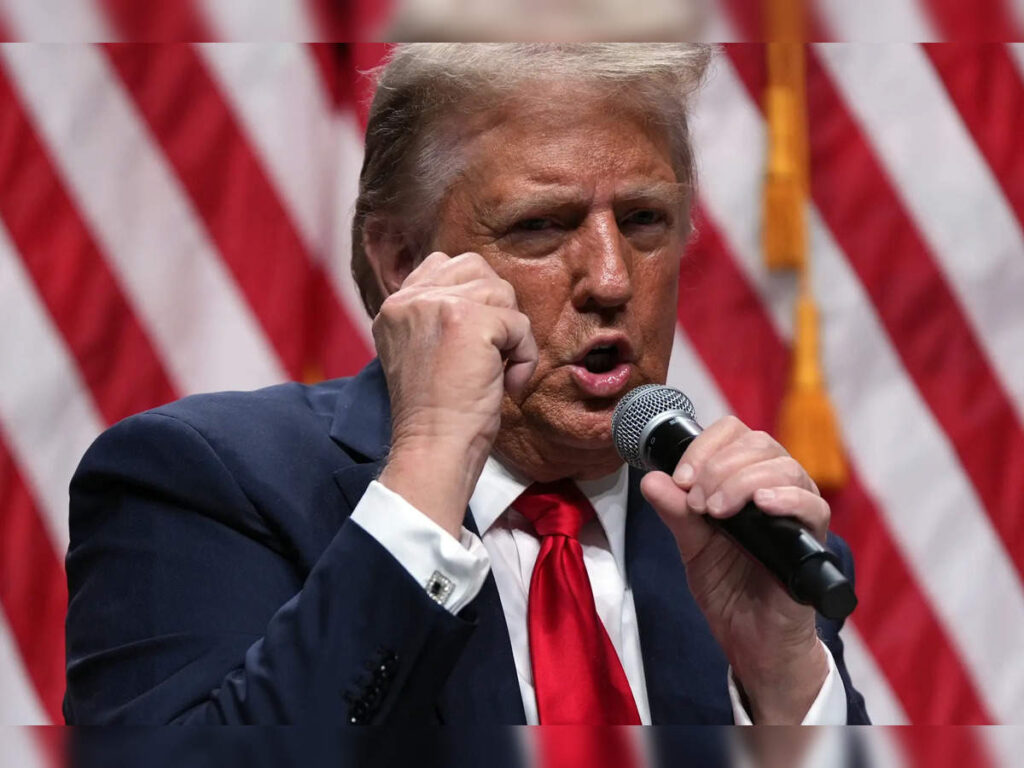
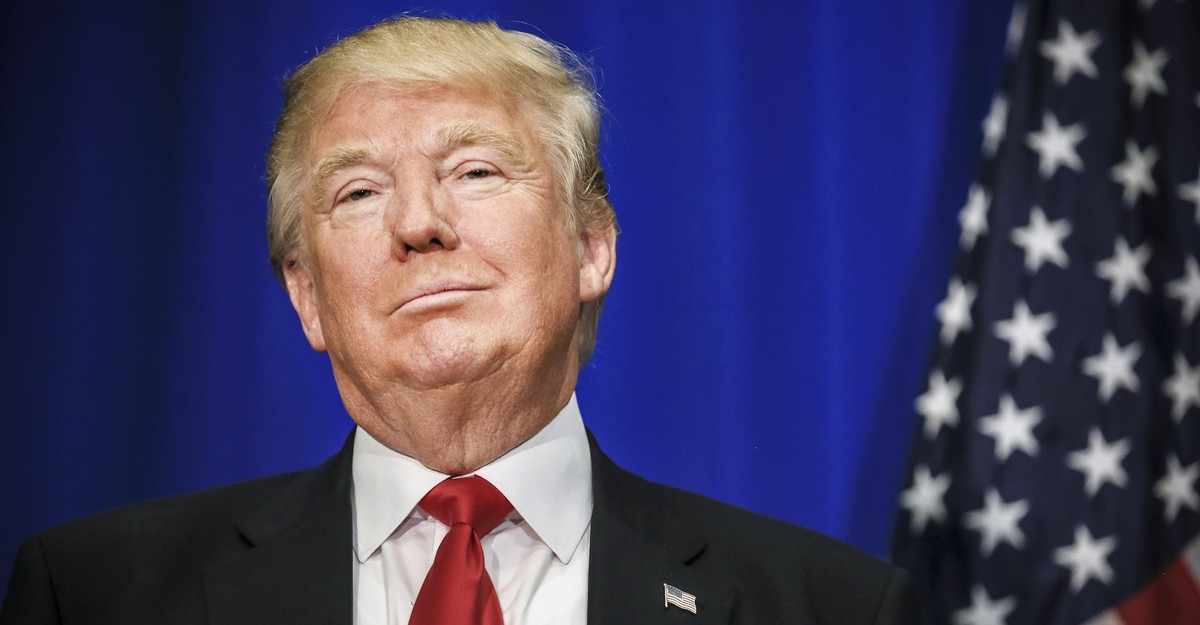
Bitcoin has surged to unprecedented heights, nearing the $90,000 mark as a combination of market optimism, increased institutional interest, and geopolitical shifts continue to fuel its momentum. This remarkable rise in the cryptocurrency’s value has been closely tied to a series of economic developments, notably the political climate surrounding former U.S. president Donald Trump, whose influence appears to be a significant factor in the growing bullish sentiment.

The cryptocurrency market’s volatility has long been a defining characteristic, but the latest surge in Bitcoin prices signals a shift in the forces driving demand. Analysts are pointing to a confluence of factors, with the Trump factor emerging as a particularly potent catalyst. The former president’s potential return to power has sparked both optimism and uncertainty, prompting traders to flock to Bitcoin as a hedge against political instability and inflationary pressures.

Bitcoin’s ascent began accelerating in mid-2024, following a series of positive regulatory signals, particularly in the United States. The market has also been buoyed by major institutional investors increasing their exposure to digital assets, solidifying Bitcoin’s position as a mainstream asset class. However, it is the increasing political unrest, particularly tied to the upcoming U.S. presidential election, that has helped propel the price to near-record highs.

Trump, whose political future remains uncertain but undeniably impactful, has been a key figure in driving risk-on sentiment within the financial markets. His public statements, rallying for policies that are viewed as pro-business, have ignited optimism among investors, particularly those who see Bitcoin as a store of value. The U.S. dollar’s weakness, in combination with potential political shifts, has fueled the flight to alternative assets, with Bitcoin positioned as the prime beneficiary of this trend.

The U.S. Federal Reserve’s monetary policy, focusing on cautious interest rate adjustments, also plays a role in the cryptocurrency’s rally. As traditional asset classes like equities and bonds face headwinds due to inflationary concerns and tightening policy, Bitcoin’s appeal as an inflation hedge has grown. The digital currency’s decentralized nature makes it an attractive option for those looking to protect their wealth from government interference, and this narrative is gaining traction amid a backdrop of rising populist movements and economic uncertainty.

Meanwhile, the ongoing developments in the global financial landscape are amplifying Bitcoin’s appeal. International geopolitical tensions, such as the growing U.S.-China rivalry and the instability in certain emerging markets, have led to increased interest in decentralized currencies. Bitcoin, as the flagship cryptocurrency, is seen by many as a safe haven in times of crisis. With central banks around the world adopting increasingly accommodative monetary policies in the face of economic challenges, Bitcoin’s value proposition is strengthened.

Institutional investors, who were once cautious about the volatile nature of cryptocurrencies, are now diving into the market with more confidence. Publicly traded companies and hedge funds have significantly increased their Bitcoin holdings over the past year, signaling growing acceptance of digital assets within traditional investment portfolios. This trend has been accelerated by high-profile endorsements, including that of companies like Tesla, MicroStrategy, and Fidelity, which have shifted a portion of their treasury reserves into Bitcoin, further legitimizing it as an investment vehicle.

In addition to institutional interest, the retail market has also played a key role in Bitcoin’s price surge. The proliferation of crypto-focused investment platforms and decentralized finance (DeFi) protocols has enabled easier access for individual investors, resulting in a broader base of market participants. As Bitcoin approaches the $90,000 threshold, its growing popularity among mainstream investors has prompted renewed speculation about the possibility of a $100,000 price target.

Despite the market’s optimism, there are still underlying risks that could hinder Bitcoin’s rally. Regulatory scrutiny remains a significant concern, particularly in major markets like the U.S., where regulators are working to establish clearer frameworks for cryptocurrency trading and taxation. The future of Bitcoin’s price may be shaped by how policymakers choose to approach these challenges.

Another risk factor is the volatility of the broader crypto market. While Bitcoin has shown remarkable resilience, other cryptocurrencies have seen more dramatic fluctuations in value, raising questions about the sustainability of the current rally. Altcoins such as Ethereum, Solana, and others are often subject to greater price swings, which can influence investor sentiment and spill over into Bitcoin’s price.

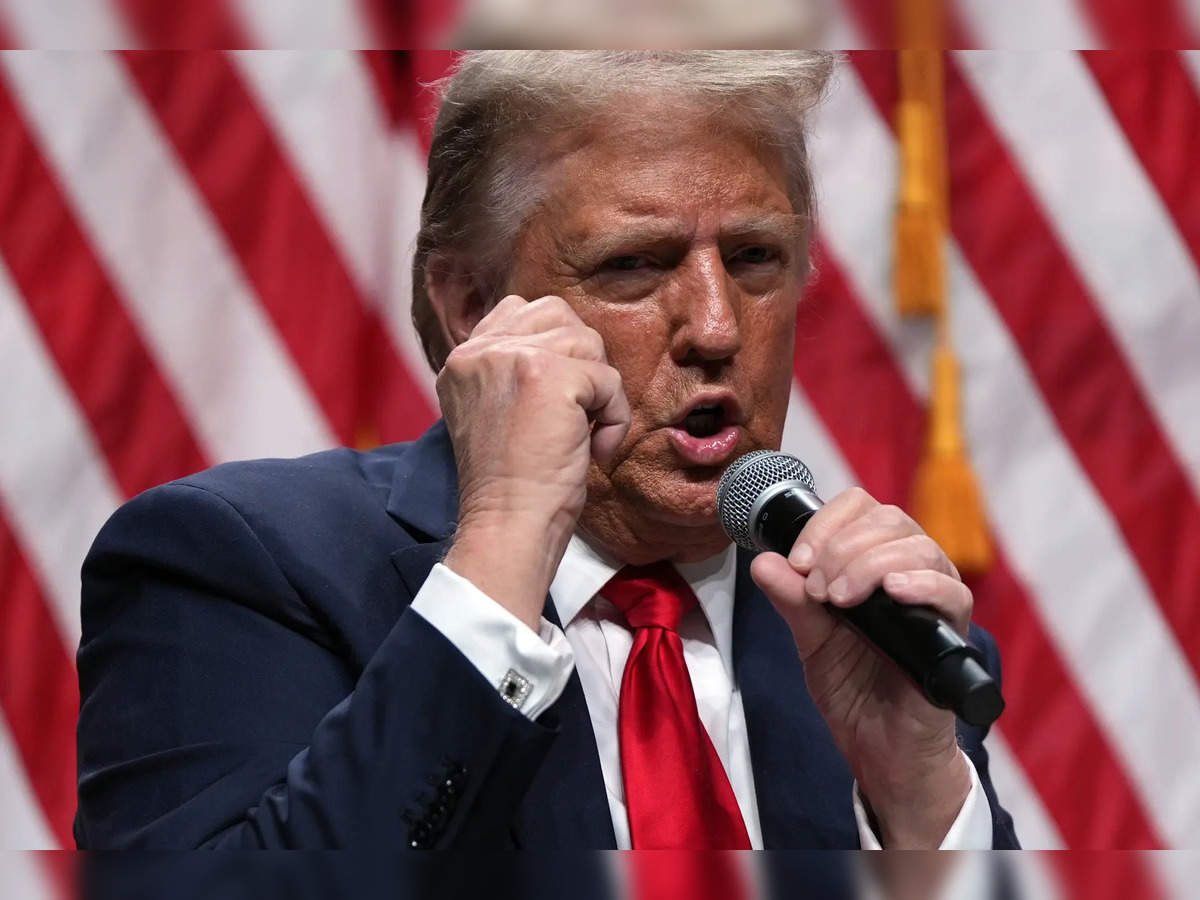
Solana’s native cryptocurrency, SOL, has soared to a significant milestone, surpassing a $100 billion market capitalization for the first time. The rise in SOL’s price to $212 marks its highest value in over three years, reflecting a broader surge in the cryptocurrency market. This rally is being fueled by multiple factors, including the increasing momentum following Bitcoin’s own breakthrough above $80,000, alongside recent market catalysts such as Donald Trump’s electoral victory and the Federal Reserve’s decision to cut interest rates.

As the broader crypto market rebounds, Solana has emerged as one of the key beneficiaries, marking a dramatic rise that has reinvigorated investor interest in the digital assets space. This surge places Solana firmly in the ranks of the top five cryptocurrencies by market capitalization, signaling its growing influence in the industry. Despite the volatility that often characterizes digital currencies, Solana has managed to carve out a niche with its innovative approach to blockchain technology, which offers scalability and faster transaction speeds compared to many competitors.

The price surge is seen as a continuation of Solana’s broader recovery since the sharp decline in its value experienced during the crypto winter of 2022. Over the past year, the blockchain has regained substantial traction, driven by both technical advancements and increasing adoption by developers and decentralized finance (DeFi) platforms. As of now, Solana’s price stands well above its March-April cycle highs, marking an important psychological level for traders and investors.

Much of Solana’s recent growth is tied to its ecosystem’s increasing popularity in decentralized applications (dApps) and non-fungible tokens (NFTs). The blockchain’s high throughput capabilities, combined with low transaction fees, make it a preferred platform for developers building on Web3 and DeFi applications. These characteristics have garnered Solana a significant user base and investment, which is now paying off as market conditions favor the broader crypto sector.

The crypto rally has also been propelled by the changing economic landscape. The Federal Reserve’s decision to cut interest rates has had a ripple effect across financial markets, contributing to increased liquidity and risk appetite among investors. Cryptocurrencies, often seen as a hedge against inflation and traditional financial systems, have benefited from this environment. As the Fed’s monetary policy continues to evolve, many market participants see digital assets as a safer investment compared to traditional stocks and bonds, especially in uncertain economic times.

Meanwhile, Bitcoin’s rise above $80,000 has created a halo effect for other cryptocurrencies, including Solana. The world’s largest cryptocurrency has often set the tone for market movements, and its surge has bolstered investor confidence in the broader digital asset class. Many traders view the rally in Bitcoin as an indication that the overall cryptocurrency market is in the midst of a bull phase, with altcoins like Solana and Ethereum seeing heightened interest from institutional and retail investors alike.

Solana’s technological advancements also play a crucial role in this price surge. The blockchain’s focus on scalability through its Proof of History (PoH) mechanism allows it to process thousands of transactions per second, which significantly enhances its capacity to handle large-scale decentralized applications. This technology has made Solana an attractive choice for developers looking to build decentralized exchanges (DEXs), NFT marketplaces, and other dApps that require high throughput and low transaction fees.

Another key factor contributing to Solana’s growth is the backing it has received from prominent venture capitalists and institutional investors. Over the past few years, Solana has secured major funding rounds, positioning it as one of the most well-funded projects in the cryptocurrency space. This has helped solidify its position as a strong competitor to Ethereum, which has historically dominated the decentralized application space but has struggled with scalability issues due to high transaction costs and slower confirmation times.

Despite these positive developments, the cryptocurrency market remains volatile, and Solana’s price could still face significant fluctuations. While many analysts remain bullish on the future of Solana, there are concerns regarding broader market corrections, regulatory scrutiny, and the sustainability of the current rally. Some experts caution that the rapid rise in Solana’s price could be driven by speculation rather than fundamental growth, which could lead to a pullback in the future.

Solana’s ability to maintain its current market momentum will likely depend on its ability to scale and meet the growing demand for decentralized applications. While its technical advantages set it apart from many of its competitors, the blockchain space remains highly competitive, with Ethereum and other Layer-1 chains continuously improving their offerings. Moreover, the potential regulatory challenges posed by governments and financial institutions around the world could impact Solana and other cryptocurrencies in the coming months.

By K Raveendran Trump divides people like nobody else does. The liberal Left all over the world are united in their assessment that there would be a presidential onslaught against whatever they stand for. It is not just people who detest Trumps return; even the elements are affected. Gold is particularly allergic to Trump, as […]


The Federal Reserve’s stance on interest rates has been a focal point of market speculation, with recent indications suggesting that policymakers may maintain the current rates as long as inflation shows signs of control. In the Fed’s latest policy statements, officials have conveyed a cautious tone, emphasizing the importance of achieving a “soft landing” in the economy—a scenario where inflation falls without triggering a recession. Yet the uncertainty surrounding future rate adjustments has kept investors and economists divided on the potential impacts on markets, labor, and spending.

The most pressing issue for the Fed is whether inflationary pressures can continue easing without the need for additional rate hikes. Fed Chair Jerome Powell has highlighted that while inflation has moderated from its highs, it remains above the central bank’s 2% target. Current labor market conditions—characterized by strong employment and moderate wage growth—are essential to the Fed’s calculus, as they impact both consumer spending and pricing power. Any signs of a slowing job market or dip in economic growth could prompt a reevaluation of the Fed’s approach.

Complicating the Fed’s decision-making process is the delicate balance between keeping inflation in check and preventing economic growth from stalling. Some Fed officials have suggested that the current rate levels, which are at their highest in over two decades, may already be sufficient to steer inflation downward in the long run. However, the evolving economic indicators and mixed market reactions continue to fuel debate within the Fed and beyond.

Market analysts point to the possibility of extended high rates, with expectations that the Fed may not begin to cut rates until mid-2024, depending on inflation and economic data trends. This approach reflects the Fed’s strategy to avoid a premature reduction in rates that could risk reigniting inflationary pressures. Meanwhile, some critics argue that the Fed’s communication could be clearer to help market participants anticipate its moves. A recent analysis by the Brookings Institution highlights this communication challenge, suggesting that the Fed’s shifting language often adds to investor uncertainty, even when its actions are steady.

Several central banks in the Gulf Cooperation Council (GCC) have moved in close alignment with the United States Federal Reserve, adjusting interest rates as a preemptive measure against inflationary trends and to stabilize financial markets. In the latest developments, central banks in the UAE, Saudi Arabia, Bahrain, and Qatar have either maintained their rates or slightly adjusted them in response to the Fed’s monetary policy shifts, which […]

Europe is preparing for the potential implications of a second Trump presidency, concerned about renewed trade tensions and significant shifts in the transatlantic security framework. European leaders recall the policies of Trump’s first term, marked by tariffs on European imports, withdrawal from the Paris Climate Accord, and a confrontational approach to NATO contributions. With 2024 U.S. elections looming, European officials are not only bracing for a resurgence of similar tactics but also assessing ways to assert greater autonomy in defense and trade.

European officials and diplomats have begun emphasizing readiness to avoid a repeat of the challenges that caught many off-guard in 2016. Some leaders, including former French President François Hollande, advocate for a proactive stance, urging the European Union to prepare for a United States that may distance itself from Europe. This contingency plan comes amid heightened anxieties that Trump, unbound by re-election concerns, might intensify his stance on Europe’s defense spending and reduce American military presence in the region.

A renewed Trump administration could increase pressure on Europe to adjust its strategic and defense priorities. With his past criticisms of NATO members’ defense spending, particularly Germany’s, Trump’s possible return to the White House has led to a revival of European conversations on strategic autonomy. During Trump’s initial tenure, he consistently advocated for NATO countries to boost their contributions, often singling out Germany, which at the time did not meet NATO’s 2% GDP defense expenditure target. While Germany has since increased its defense spending, concerns persist that Trump may push for even more significant European financial commitments or explore alternative alliances outside NATO.

In Germany, which has experienced some of the most direct effects of Trump’s policies, the federal government is intensifying its preparations. German Foreign Minister Annalena Baerbock’s outreach to U.S. Republican counterparts exemplifies a strategic approach to establish dialogue channels with influential American conservatives. However, many German policymakers, including influential parliamentarian Norbert Röttgen, question the depth of current preparation efforts, noting that Europe’s primary response to Trump’s 2016 election was inadequate and highlighting the importance of independent defense planning as a hedge against potential U.S. policy shifts.

Across the EU, there is a growing trend to diversify defense and trade partnerships beyond the U.S. European Commission officials have coordinated increased production of military supplies, such as ammunition, to bolster Ukraine’s defense—a move that reflects a broader commitment to strengthening the EU’s defense capabilities independently of the U.S. Former Estonian President Toomas Hendrik Ilves observed that Europe has substantially ramped up its weapons support for Ukraine, surpassing even U.S. assistance in some aspects, which has reinforced confidence in Europe’s evolving defense autonomy.

Another key area of concern is the potential impact on U.S.-EU trade relations. Trump’s previous term saw the imposition of tariffs on European steel and aluminum, sparking a transatlantic trade dispute. A new administration could see these tariffs reintroduced or new tariffs placed on high-value European exports, such as automobiles, which could disrupt key European industries. European economies, particularly Germany’s automotive sector, could experience significant repercussions from any new tariffs, given the close integration of global supply chains. In light of these risks, the EU has been ramping up its trade outreach to diversify markets and secure alternative trade agreements.

The strategic and political implications of a second Trump term also extend to the sensitive issue of European alliances. Poland, for instance, has maintained strong relations with the U.S. regardless of leadership, with initiatives like “Fort Trump”—a symbolic reference to enhanced U.S. troop presence in Poland. While Poland has benefited from U.S. support, including defense cooperation, Trump’s campaign rhetoric about achieving a “peace deal” with Russia within a day has stirred unease. Given Poland’s critical position in NATO’s eastern flank and its robust support for Ukraine, Polish officials are wary of any potential pivot by Washington that could undermine NATO’s collective stance against Russia.

In response to these uncertainties, several European countries have taken steps to build relationships with influential American Republicans, including House and Senate members. Efforts to enhance diplomatic engagement have been evident in the diplomatic visits of figures like former British Prime Minister Boris Johnson, who held talks with Texas Governor Greg Abbott to anticipate changes in U.S.-UK ties in a Trump-led America.

By Anjan Roy Never before, an American presidential election evoked such widespread interest and concern across the world. This is because the presumptive president has given rise to fears and concerns about America’s policies which do not promise to follow the scripted lines. There is a sense of uncertainty all the way in the power […]
Advertisements

KUALA LUMPUR, MALAYSIA – Media OutReach Newswire – 6 November 2024 – Current developments and key facts As of 7:00 a.m. UTC, most data providers, including ABC, CBS, NBC, and CNN, projected that Donald Trump would become the next president of the United States. However, even as Trump’s victory looks almost guaranteed at this point, it is the balance of power in the U.S. Congress that will […]

Bitcoin has surged to an all-time high as traders factor in the possibility of a Donald Trump victory in the upcoming U.S. presidential election. The cryptocurrency reached new heights, surpassing the $40,000 mark for the first time, driven by a combination of factors, including growing political uncertainty, the appeal of Trump’s economic policies, and an increasing demand for decentralized assets as hedges against inflation.

As the election race intensifies, market analysts are closely monitoring how Trump’s political resurgence could impact traditional markets and the broader economy. Traders seem to be betting that a second Trump presidency would lead to favorable conditions for Bitcoin, particularly given his past rhetoric on the benefits of digital currencies and his critical stance toward centralized financial systems.

Bitcoin’s rapid rise comes at a time when the broader global economy is grappling with uncertainty. The U.S. economy, though resilient in many ways, faces challenges such as inflation, supply chain disruptions, and a fluctuating stock market. With the Federal Reserve’s interest rate hikes and the push for tightening monetary policy, many investors are looking for assets that provide an alternative to traditional banking systems. Bitcoin, often viewed as a store of value similar to gold, fits the bill.

Trump’s influence on Bitcoin’s price movement is not entirely new. In 2017, during his first presidential campaign, Bitcoin saw significant price appreciation, as his anti-establishment rhetoric resonated with many investors seeking refuge from a perceived unstable traditional financial system. His leadership style, coupled with calls to deregulate the financial sector, has always aligned with the ideals of the crypto community, which champions decentralization and reduced government oversight.

The current market sentiment surrounding Bitcoin reflects growing confidence in the cryptocurrency’s long-term potential, especially among traders who perceive Trump’s economic policies as supportive of asset appreciation. Trump’s stance on cryptocurrencies has evolved over time. Initially dismissive, his recent statements have indicated a more favorable approach, particularly with the rise of Bitcoin’s mainstream appeal.

While Bitcoin’s value continues to climb, it has also drawn attention from traditional financial institutions, who are taking a closer look at the asset class. Major financial firms are increasingly open to the idea of incorporating Bitcoin into their portfolios, with some even offering products that allow clients to invest directly in the cryptocurrency. This shift represents a growing mainstream acceptance of Bitcoin, which was once viewed as a speculative and volatile asset.

The surge in Bitcoin’s price is not solely attributable to political factors. The rise of institutional investment, the increasing adoption of blockchain technology, and regulatory clarity are all contributing to the cryptocurrency’s appeal. In countries like El Salvador, where Bitcoin has been adopted as legal tender, the digital currency’s role as a financial tool has become more apparent. The growing use of blockchain technology in industries ranging from supply chain management to healthcare also bodes well for Bitcoin’s future, as it becomes increasingly intertwined with global economic systems.

In the U.S., Bitcoin’s role in the political sphere is also gaining attention. Some political figures, particularly those aligned with the Republican Party, have expressed support for digital currencies, viewing them as a way to counterbalance the influence of the Federal Reserve and the U.S. dollar. Trump, despite his criticisms of the current administration, has been vocal in supporting policies that could benefit the cryptocurrency market. His stance on cryptocurrency has been a mixture of endorsement and skepticism, but his broader economic agenda, which favors lower taxes, deregulation, and less government intervention, aligns with the pro-crypto sentiment prevalent in the market.

Despite Bitcoin’s bullish momentum, there are concerns about the potential risks associated with such rapid price increases. Critics warn that Bitcoin’s volatility could result in a market correction, particularly if traders begin to overextend their positions. Additionally, global regulatory pressures could affect the asset’s price trajectory. Some governments, including China and the European Union, have signaled that they may take a more stringent approach to cryptocurrency regulation, which could influence market sentiment and investor behavior.

China’s strategic move to sell its inaugural sovereign dollar bonds in Saudi Arabia marks a significant step in its international finance ambitions, reflecting its broader goal of bolstering ties within the Middle East. This issuance aligns with China’s ongoing efforts to deepen its influence in global bond markets, strategically selecting Riyadh as a financial hub to tap into capital flows and investment networks in the region. By […]

Price fluctuations for Bitcoin have surged, reaching levels not seen in three months as the U.S. presidential election approaches. This spike in volatility reflects the heightened uncertainty and speculation among investors in both cryptocurrency and traditional financial markets. As the electoral landscape becomes more complex, analysts suggest that market participants are increasingly turning their attention to the potential impacts of the upcoming election on economic policies and financial regulations.

Bitcoin’s price, a benchmark for the broader cryptocurrency market, recently showed significant swings, underscoring the tendency of digital assets to react strongly to political developments. Analysts note that this uptick in volatility is closely linked to investor sentiment regarding regulatory frameworks that could emerge post-election. With candidates from both major political parties holding contrasting views on cryptocurrency regulation, the stakes for Bitcoin and other digital currencies have escalated.

Investors are particularly attentive to signals from leading candidates, such as the incumbent President and potential challengers. Their positions on digital currency policies and broader economic strategies are being closely monitored, as they could influence the legislative environment surrounding cryptocurrencies. The outcome of the election could determine the trajectory of regulatory measures impacting the sector, which many see as critical for the long-term viability of digital assets.

Market observers emphasize that the correlation between political events and Bitcoin price movements is becoming increasingly pronounced. The volatility jump is viewed as a precursor to more significant price adjustments that could follow the election. Historically, political events have played a crucial role in shaping investor behavior in financial markets, and cryptocurrencies are no exception.

In addition to regulatory concerns, macroeconomic factors such as inflation rates and monetary policy are also contributing to Bitcoin’s volatility. The Federal Reserve’s stance on interest rates and inflationary pressures are vital considerations for investors. A potential change in the administration could result in shifts in fiscal policy that directly affect financial markets, leading to speculative trading behavior.

With analysts predicting increased trading volumes in the lead-up to the election, the interplay between market sentiment and political developments is likely to intensify. Investors in Bitcoin are now more focused on potential outcomes and their implications for the digital currency space, which could lead to rapid price changes. The market’s response to the election will also be influenced by key economic indicators released in the weeks leading up to voting day, such as job reports and inflation data.

The heightened volatility comes amid a broader trend of increasing institutional interest in Bitcoin. Major financial institutions are beginning to incorporate cryptocurrencies into their portfolios, signaling a shift in acceptance and potential mainstream integration of digital assets. This institutional involvement adds another layer of complexity to market dynamics, as larger players with substantial capital can amplify price movements in response to political news.

As traders navigate these turbulent waters, the focus remains on strategies to mitigate risks associated with price swings. Many are employing advanced trading techniques, including options and futures contracts, to hedge against potential losses. This trend reflects a growing sophistication in the cryptocurrency market, as participants become more adept at managing volatility.

The decentralized nature of Bitcoin and its underlying technology, blockchain, continues to attract attention as a revolutionary force in finance. As debates around digital currency regulations unfold, advocates for cryptocurrency assert that the technology can provide financial inclusion and transparency, regardless of the election outcome. However, concerns regarding security, fraud, and consumer protection remain central to discussions on regulation.

In the context of international markets, Bitcoin’s performance is also being viewed against the backdrop of global economic conditions. Investors are keenly aware of how changes in U.S. policy could ripple through global markets, influencing everything from trade relationships to investment flows. The interconnectedness of financial systems means that developments in the U.S. can have significant implications for the broader cryptocurrency ecosystem.

As election day approaches, investors and analysts alike are keeping a close eye on sentiment shifts and potential surprises in the political landscape. The ability of Bitcoin to weather these fluctuations will likely depend on the clarity and stability of regulatory frameworks established post-election. Market participants are poised for action, recognizing that the outcomes of political contests often reverberate far beyond the ballot box, impacting investment strategies and market valuations.

Venture capital funding in the Americas took a significant lead in Q3 2024, according to KPMG’s Q3 Venture Pulse Report, reflecting both the strength of U.S. technology sectors and ongoing international interest in AI, defense technology, and clean energy. Despite an overall decline in global funding volume, the Americas have continued to dominate, with North American firms capturing the lion’s share of investments, led by growth in generative AI, defense tech, and other high-stakes innovations, even as other regions recorded slower capital inflows.

The third quarter saw roughly $38 billion raised by VC-backed companies globally, with over half of this funding directed to American companies. AI alone accounted for an impressive 33% of all U.S. venture capital funding, showing the sector’s resilience even as some high-profile names, such as Anthropic and OpenAI, completed multimillion-dollar funding rounds this year. Notably, VC funding in Europe, the Middle East, and Asia has contracted compared to previous quarters. In Europe, market watchers note that funding has slowed down, especially in fintech and climate tech, previously fast-growing sectors. In Asia, investments have shown mixed results; China’s subdued economic environment impacted overall venture capital inflows, although China saw continued investment in artificial intelligence, robotics, and advanced manufacturing.

A shift in defense technology investments has emerged in 2024, with the U.S. and allied nations emphasizing strategic technologies that support national security. This has resulted in significant funding growth for American defense-tech firms, which benefited from increased federal spending and private sector collaboration. Noteworthy deals included significant rounds raised by emerging defense-tech firms that are leveraging AI to enhance surveillance, reconnaissance, and cybersecurity operations. The U.S. government’s increased focus on countering security risks from AI-related technologies has spurred both private and public investment in dual-use tech—civilian technologies with potential military applications, which are becoming increasingly prioritized.

Generative AI has maintained its role as a primary driver of VC funding. According to data from Accel, AI-related startups received nearly two-thirds of all generative AI funding across the U.S., Europe, and Israel. This trend was most visible in large-scale investments in foundational AI infrastructure, including cloud services, model training, and neural network development. Market research indicates that U.S. firms like OpenAI continue to set records, raising approximately $18.9 billion since early 2023, with Anthropic following closely with $7.8 billion. Notably, new players such as Elon Musk’s xAI have also seen significant investments, reflecting the strategic importance and market enthusiasm for AI innovation.

In Europe, artificial intelligence continues to attract capital, albeit at a slower pace. Notable AI recipients included Wayve, a UK-based autonomous driving startup, and Mistral, a French AI firm focusing on natural language processing. While European investment levels have softened overall, AI and defense-related sectors show continued resilience, aligning with national priorities and security considerations.

Globally, clean energy investments also attracted substantial VC interest, especially in areas related to hydrogen and battery technologies. Despite the sector’s promise, climate tech funding was one of the hardest-hit areas globally, affected by economic uncertainties and fluctuating energy prices. This has led to a more conservative approach from investors, although breakthroughs in energy storage, carbon capture, and hydrogen fuel cells remain attractive for long-term investors looking at green energy’s potential within sustainability mandates and decarbonization policies.

A growing bipartisan consensus among key political leaders in the United States is emerging regarding the establishment of a sovereign wealth fund aimed at enhancing national economic stability. This initiative is gaining traction as both Republican and Democratic lawmakers express optimism about its potential benefits. However, this enthusiasm is met with skepticism from various economic experts and stakeholders who question the fund’s practical implications and operational challenges. […]

The U.S. Internal Revenue Service (IRS) has clarified that cryptocurrency rewards credited to taxpayers’ accounts are taxable in the year they are received, regardless of subsequent access restrictions due to platform freezes or account restrictions. This new guidance, issued to clarify reporting requirements, confirms that staking and similar rewards in digital assets are subject to immediate taxation upon credit, not contingent upon actual accessibility.

Cryptocurrency staking, which has surged in popularity, involves participants locking up their digital assets to help validate blockchain transactions. In return, users receive rewards, often credited directly to their accounts. However, in scenarios where these assets are later frozen—whether due to platform insolvency, regulatory issues, or account suspensions—the IRS asserts that the taxable event occurred upon the crediting of rewards, making any freeze irrelevant to the taxation timeline. By contrast, rewards not yet credited at the time of a freeze do not incur immediate tax liability until they become accessible, providing some respite for affected users.

This guidance comes amid an uptick in high-profile digital asset platform freezes, such as those involving the collapses of Celsius Network and FTX. Both companies encountered severe liquidity crises, leading to account freezes and, in some cases, bankruptcy proceedings. This left many customers with inaccessible assets, sparking concerns about the implications for tax obligations. The IRS’s updated stance directly addresses these scenarios, underscoring that taxpayers must report income based on receipt rather than accessibility, a principle likely to affect tax planning strategies for cryptocurrency holders.

Cryptocurrency tax obligations have been increasingly emphasized by the IRS as it expands oversight on digital assets, which are treated as property for U.S. tax purposes. Digital asset income, including rewards from staking and airdrops, must be reported as part of gross income, with the valuation pegged to fair market value at the time of receipt. Failure to report such income accurately can lead to penalties or interest on unpaid taxes. The IRS recently introduced a specific question on digital asset transactions for 2023 federal tax filings, indicating a heightened focus on compliance within this sector.

The IRS’s approach, which reflects the “constructive receipt” doctrine, is consistent with its treatment of other income types. This doctrine considers income as taxable when credited, regardless of when it becomes accessible, aiming to close loopholes for deferring tax obligations. However, this rule could impact many taxpayers, particularly those reliant on staking platforms or involved with platforms that limit liquidity. Industry experts have noted the need for further transparency, as taxpayers may face challenging situations when dealing with platforms in financial distress.

Aleksei Andriunin, the founder of Gotbit, along with directors Fedor Kedrov and Qawi Jalili, has been indicted by U.S. prosecutors on charges of market manipulation and fraud. The allegations stem from their involvement in artificially inflating cryptocurrency trading volumes between 2018 and 2024, a strategy purportedly designed to facilitate listings on major exchanges. This indictment marks a significant legal move in the ongoing scrutiny of practices within the cryptocurrency sector, where regulatory oversight has become increasingly stringent.

The indictment outlines a scheme in which Gotbit, through its executives, allegedly manipulated trading activities to create a false appearance of market activity. The U.S. Attorney’s Office for the Southern District of New York has characterized these actions as a blatant attempt to mislead investors and exchanges alike, potentially jeopardizing the integrity of the financial system. Prosecutors argue that the defendants engaged in practices that not only distorted the market but also violated federal securities laws.

According to the court documents, Gotbit utilized various tactics to inflate its trading volumes. This included wash trading, where the same assets are bought and sold in a circular manner to create the illusion of increased trading activity. By presenting a facade of liquidity and investor interest, Gotbit sought to attract more traders and investors, thereby elevating its profile in a highly competitive marketplace. The indictment indicates that this fraudulent activity was systematically orchestrated over several years, potentially impacting a wide range of investors and the broader market.

The consequences of such actions could be severe. If convicted, the defendants face a maximum sentence of 20 years in prison for wire fraud, underscoring the serious nature of the charges. The case not only highlights individual accountability within the cryptocurrency industry but also reflects the larger narrative of regulatory crackdowns on practices deemed harmful to investors and market integrity. As authorities intensify their efforts to regulate the cryptocurrency market, this indictment serves as a warning to other market participants regarding the legal ramifications of manipulative practices.

Gotbit has positioned itself as a significant player in the cryptocurrency trading arena, providing a platform that allows users to engage in trading various digital assets. However, the allegations against its leadership could tarnish the company’s reputation and operations. The indictment is likely to raise questions about the operational practices within Gotbit and the broader implications for other cryptocurrency platforms that may be engaging in similar activities.

The growing concern over market manipulation within the cryptocurrency sector has prompted regulators to take a closer look at trading practices. The U.S. Securities and Exchange Commission (SEC) and other regulatory bodies have been actively pursuing cases against individuals and entities accused of engaging in fraudulent activities, with an emphasis on protecting investors from deceptive practices. The case against Andriunin, Kedrov, and Jalili represents just one of many instances where regulators are taking decisive action to maintain market integrity.

As the legal proceedings unfold, there may be broader implications for the cryptocurrency market as a whole. Investors are increasingly wary of potential fraud and manipulation, leading to calls for clearer regulations and increased transparency in the industry. This situation could catalyze changes in how cryptocurrency exchanges operate, pushing for stricter compliance measures and more rigorous oversight to protect investors and uphold market integrity.

The indictment could spark discussions within the industry regarding the ethical responsibilities of cryptocurrency platforms. As more individuals and institutions enter the cryptocurrency market, the need for robust ethical standards and practices becomes paramount. The fallout from this case may encourage stakeholders to reassess their operational practices, ensuring that they are in alignment with legal and ethical expectations.

A wave of E. coli cases across ten U.S. states led to a temporary suspension of McDonald’s Quarter Pounder sales as federal health officials investigated its potential role in the outbreak. At least 49 people reported illness after consuming meals from McDonald’s, with a significant number indicating that they had ordered the Quarter Pounder burger. These reports linked to confirmed cases of E. coli O157:H7— a bacterium […]

Delta Air Lines has initiated legal proceedings against cybersecurity firm CrowdStrike, attributing a widespread system outage this summer to the company’s alleged oversight. The malfunction, reportedly triggered by an improperly tested software update, disrupted Delta’s operations during peak travel season, resulting in approximately 7,000 flight cancellations and extensive delays. Delta claims the incident led to over $500 million in revenue losses and additional operational costs, according to […]

With the upcoming U.S. presidential election casting a shadow over global financial markets, cryptocurrency stands out as an asset class poised for high volatility based on the election’s outcome. As former president Donald Trump reenters the electoral scene against Vice President Kamala Harris, crypto investors are paying close attention to how a Trump win could reshape cryptocurrency regulation and performance, particularly for Bitcoin and other key digital assets.

Historically, presidential election cycles have shown significant influence on cryptocurrency market behavior, especially for Bitcoin. Data from previous elections indicates that Bitcoin prices tend to experience substantial movements post-election, irrespective of the winning candidate. Following the 2020 election, for example, Bitcoin’s value surged, marking an increased interest among investors amid the heightened economic uncertainty tied to COVID-19 relief measures and concerns over inflation. However, as the 2024 election approaches, Trump’s potential return to the presidency introduces a new level of uncertainty that differs markedly from 2020. According to a report by Bitwise Asset Management, Bitcoin’s value could rise by an estimated 10.7% should Trump secure victory. Conversely, a Harris win is forecasted to prompt a similar decline, likely due to her administration’s alignment with current regulatory approaches under President Joe Biden.

Regulatory policies in the U.S. have tightened considerably over the past year, with the SEC leading several enforcement actions aimed at crypto firms, exchanges, and initial coin offerings (ICOs). As such, Trump’s stance on cryptocurrency, which has previously wavered, now appears more lenient compared to Harris. During Trump’s previous administration, oversight was relatively hands-off, providing crypto investors a fertile environment for market growth, albeit without structured guidelines. In contrast, Harris is expected to continue Biden’s approach, emphasizing consumer protection through regulatory frameworks, a trend currently contributing to restrained market enthusiasm among retail investors. Observers suggest that Trump’s promise to relax crypto regulations could rekindle enthusiasm among retail and institutional investors, who view clearer guidelines and reduced scrutiny as conducive to growth in both valuation and adoption rates of cryptocurrencies.

Crypto market responses are also anticipated to align with Bitcoin’s Halving cycle, a built-in scarcity feature that reduces block rewards by half approximately every four years, with the most recent event occurring in April 2024. Historically, Bitcoin rallies have closely followed Halvings, influenced further by investor interest in assets with perceived scarcity. Analysts expect this dynamic to be heightened under a Trump presidency, as reduced regulation coupled with supply restrictions could make Bitcoin a more attractive inflation hedge. Conversely, a continuation of current regulatory trends under a Harris administration might suppress these price escalations, as crypto businesses face heightened scrutiny and potential restrictions on stablecoin and DeFi protocols.

Market watchers note that alongside Bitcoin, certain altcoins such as Dogecoin and Cardano could be notably impacted by the election result. Both coins have shown sensitivity to Trump’s political narratives, especially as Dogecoin, with its origins as a meme asset, often aligns with social and speculative trends. Cardano, known for its environmentally-conscious proof-of-stake model, may also benefit from a shift in sentiment toward alternative digital assets under Trump’s policy approach, which is expected to favor financial deregulation broadly. Meanwhile, Ethereum and other blockchain projects emphasizing regulatory compliance may perform better under Harris’ administration, whose regulatory approach aligns with a systematic scrutiny of decentralized finance ecosystems.

Despite these speculations, experts caution that market sentiment may experience only short-lived spikes based on the election outcome. The long-term impact, they argue, hinges on substantial regulatory actions and the economic policies pursued post-election, especially concerning inflation and recessionary pressures. Crypto market reactions have been muted in the face of uncertainty over potential policy shifts, given that many investors prefer tangible policy enactments over rhetoric.

Economic fundamentals also play a role in investor strategies, with inflation rates, interest rate hikes, and the potential for recession forming a significant backdrop. Analysts at Coinbase Research point to the likelihood of heightened volatility for both traditional and digital assets amid interest rate adjustments and global economic challenges. The Federal Reserve’s monetary policy, particularly regarding interest rate hikes, remains a critical factor, as crypto’s inverse relationship to interest rates often leads to valuation adjustments in line with broader financial markets. Should a Trump administration adopt an expansionary fiscal stance, this may lower interest rates, encouraging borrowing and spending in financial markets, including crypto. A more cautious fiscal policy from Harris could contribute to slower crypto market growth, potentially accelerating a shift toward stablecoins as a hedge against market swings.

A new federal decree-law aimed at overhauling traffic regulations has been enacted by the UAE Government, reflecting a strategic effort to modernize the nation’s transportation framework. This legislation responds to the dynamic global shifts in mobility, focusing on emerging technologies and innovative vehicle classifications.

This decree-law places significant emphasis on self-driving vehicles and electric cars, as well as personal mobility devices. It lays the groundwork for a robust regulatory environment that supports the integration of advanced technologies into everyday transportation. By updating vehicle classifications, the UAE is preparing for the broader adoption of innovative mobility solutions that align with global trends.

The legislative move also includes provisions for utilizing cutting-edge technology within the nation’s extensive road network. This approach is in line with the UAE’s vision to foster smart city initiatives, emphasizing sustainable and efficient transportation options. The country aims to ensure that its infrastructure not only supports conventional vehicles but is also equipped to accommodate futuristic mobility solutions.

One of the key features of the new traffic law is the establishment of a cabinet resolution that will outline the necessary requirements for the inspection, licensing, and renewal of self-driving vehicles. This is a significant step, as it creates a clear framework for regulating these advanced vehicles, ensuring that safety standards are maintained while promoting innovation.

The decree-law further stipulates procedures for trials of new vehicle technologies, which is crucial for fostering an environment conducive to innovation. By streamlining these processes, the UAE hopes to attract global automotive and technology companies to conduct trials and introduce their products within its borders. This could position the UAE as a leading hub for automotive innovation in the region, stimulating economic growth and job creation.

The legislation acknowledges the importance of personal mobility devices such as e-scooters and electric bicycles, which are increasingly popular in urban areas. By formally recognizing these modes of transportation, the UAE is taking proactive steps to regulate their use, ensuring public safety while encouraging sustainable transport options.

The decree-law aligns with the UAE’s broader commitment to sustainability and environmental responsibility. As the world shifts towards greener alternatives, the promotion of electric vehicles and advanced mobility solutions reflects the UAE’s dedication to reducing its carbon footprint. The government’s initiatives in this regard are also in keeping with global environmental goals, enhancing the nation’s reputation as a responsible player on the international stage.

Stakeholders in the transportation sector, including automotive manufacturers and technology firms, have welcomed the new law as a significant advancement. They believe that a clear regulatory framework will encourage investment and innovation, enabling the UAE to compete effectively in the rapidly evolving global automotive market. By creating a conducive environment for new technologies, the UAE is likely to attract investments from companies seeking to test and deploy their innovations in a forward-thinking market.

Industry experts assert that the shift toward self-driving and electric vehicles is not merely a trend but represents a fundamental change in how transportation systems operate. The updated regulations will allow for a more seamless integration of these technologies into existing infrastructure, which is essential for the safe operation of autonomous vehicles.

The decree-law addresses the growing need for smart transportation solutions that can adapt to changing urban landscapes. The focus on advanced technology will allow for better traffic management and improved safety protocols, essential for accommodating the influx of vehicles and personal mobility devices expected in the coming years.

As the UAE continues to invest in its infrastructure and embrace innovative transportation solutions, the implications of this new traffic law extend beyond mere regulation. It represents a strategic vision for the future of mobility in the region, setting a precedent for other nations to follow. The potential benefits include improved urban mobility, enhanced safety, and a greener environment, which collectively contribute to a higher quality of life for residents and visitors alike.

Diplomatic negotiations have led to the Nigerian government officially dropping charges against Tigran Gambaryan, a senior executive at Binance Holdings, who was facing legal action over allegations of money laundering. His release is seen as a crucial step in resolving the broader tensions between Nigerian authorities and the cryptocurrency industry, which has been under intense scrutiny due to concerns over foreign exchange manipulation and money laundering.

Gambaryan, a U.S. citizen, had been detained in Nigeria since February 2024 following his visit for discussions aimed at addressing Nigeria’s regulatory concerns over cryptocurrency trading. His arrest and subsequent trial became a flashpoint in Nigeria’s ongoing efforts to regulate the digital currency market, which has been accused of contributing to currency volatility and evasion of foreign exchange rules. The detention also attracted significant attention from U.S. officials, with some members of Congress calling for stronger intervention to secure his release.

After months of legal wrangling and growing diplomatic pressure, Nigeria’s Federal Inland Revenue Service (FIRS) decided to drop tax-related charges against Gambaryan. In an official statement, Binance expressed relief, stating that Gambaryan was not involved in decision-making at the company, and his detention was unnecessary for resolving the broader dispute between the Nigerian government and Binance. The FIRS’s decision has been hailed as a significant breakthrough in what had become a protracted standoff.

Binance has reiterated its commitment to cooperating with Nigerian authorities to address regulatory concerns. The exchange remains at the center of Nigeria’s wider crackdown on cryptocurrency activities, with Nigerian regulators expressing unease about the role of digital currencies in capital flight and foreign exchange violations. Binance’s legal troubles in the country are not entirely over, as it still faces other charges, primarily linked to alleged money laundering.

The executive’s detention was fraught with challenges, including deteriorating health conditions. According to Binance, Gambaryan, who had spent 110 days in custody, had contracted both malaria and pneumonia while being held in Kuje prison. Despite court orders for his medical treatment, delays in his care raised concerns about the conditions of his detention, further complicating diplomatic efforts to secure his release.

Binance’s legal representatives expressed hope that the Economic and Financial Crimes Commission (EFCC) would soon follow the FIRS’s example by dropping its case against Gambaryan, thereby allowing him to return to his family in the United States. Gambaryan’s arrest also drew wider international attention, with several U.S. lawmakers addressing the issue. This diplomatic angle added another layer of complexity to an already high-profile case that has implications for international business relations and cryptocurrency regulation.

Nigeria’s decision to drop the charges is seen as a potential turning point in the strained relationship between Binance and African regulators. Binance’s dominance in the global cryptocurrency market has made it a target of regulatory actions across several jurisdictions. As cryptocurrency adoption grows in regions like Africa, governments are grappling with how to regulate digital assets while protecting their economies from the risks associated with unregulated financial flows.

The Nigerian government’s initial crackdown on Binance and other cryptocurrency exchanges was part of a broader move to clamp down on speculative trading activities that were blamed for exacerbating the country’s foreign exchange crisis. The Central Bank of Nigeria (CBN) had earlier banned cryptocurrency transactions in 2021, but enforcement challenges and continued use of digital currencies led to ongoing tensions between the authorities and crypto platforms.

As part of the government’s efforts to rein in the sector, Nigerian authorities detained two senior Binance executives in early 2024 following allegations of foreign exchange manipulation. The authorities argued that speculative trading of cryptocurrencies had contributed to the depreciation of the naira. These actions were taken within the broader context of Nigeria’s struggle to stabilize its currency amidst economic pressures and rising inflation.

Although the charges against Gambaryan have been dropped, the broader regulatory environment for cryptocurrencies in Nigeria remains uncertain. Many see this case as indicative of the Nigerian government’s stance on cryptocurrency regulation. The government has been attempting to balance the need for financial innovation with the risks that come from unregulated digital markets. While the decision to release Gambaryan is being welcomed by the crypto community, it remains to be seen how future cases involving cryptocurrency firms will be handled by Nigerian regulators.

Donald Trump has unveiled a tax reform proposal aiming to exempt approximately 93.2 million Americans from federal income taxes. This ambitious plan focuses on eliminating income tax liabilities for individuals earning below a certain threshold, which aligns with Trump’s ongoing efforts to reshape the tax system and promote economic growth. The initiative proposes significant changes, including the removal of taxes on tips and Social Security benefits, signaling a shift in fiscal policy that may impact millions of low- and middle-income workers.

Central to Trump’s tax strategy is the introduction of a new revenue framework based on tariffs, which he argues will replace the traditional income tax model. The proposal outlines a universal 20% tariff on all imports, with an even steeper 60% tariff on goods imported from China. By doing so, the former president aims to generate substantial revenue that would fund his tax cuts and other fiscal initiatives. This approach represents a fundamental change in how the government would collect revenue, relying more heavily on trade rather than direct taxation of citizens’ incomes.

The proposed reforms have sparked debate among economists and policymakers regarding their viability and potential consequences for the economy. Proponents argue that the elimination of income taxes for a large segment of the population would increase disposable income, thereby stimulating consumer spending and fostering economic growth. They contend that individuals who currently face a significant tax burden would have more resources to invest in goods, services, and savings.

Critics, however, caution that such a tax overhaul could lead to considerable budget deficits if the anticipated tariff revenues do not materialize as projected. They highlight that a universal 20% tariff on imports could provoke retaliation from trade partners, particularly China, potentially escalating into a trade war. The economic implications of increased tariffs could also ripple through domestic industries that rely on imported materials, resulting in higher costs for consumers and businesses alike.

Key players in the political landscape are beginning to respond to Trump’s tax plan. Some members of Congress have expressed cautious optimism, suggesting that the proposal may resonate with constituents frustrated by high taxes. Others remain skeptical, voicing concerns about the long-term fiscal implications and the impact on essential government services funded by income tax revenue.

The plan’s reliance on tariffs raises questions about its impact on inflation. With increased costs associated with imported goods, the price of everyday items could rise, disproportionately affecting low-income families who already spend a larger share of their income on necessities. Economists warn that the resulting inflationary pressures could negate any short-term benefits gained from tax exemptions.

Public opinion regarding tax reforms is mixed. A recent survey indicates that while many Americans favor tax cuts, there is significant apprehension about how those cuts would be funded. The possibility of higher consumer prices due to increased tariffs creates a dilemma for many voters, who may find themselves caught between lower taxes and rising costs of living.

Amid this backdrop, Trump’s proposal has found both support and resistance within the Republican Party. Some party members see this as an opportunity to fulfill a long-standing goal of overhauling the tax system in a way that aligns with conservative principles. Others warn against the potential fallout from abandoning traditional income tax structures, emphasizing the need for a balanced approach to tax reform that safeguards government revenue and public services.

As discussions surrounding the proposal continue, financial markets are watching closely. The uncertainty around tariff policies and their economic repercussions could lead to increased volatility, especially in sectors sensitive to trade. Investors are likely to assess how the tax plan and its implementation will influence consumer behavior and corporate profits.

While the tax reform proposal seeks to simplify the tax code and alleviate the burden on a significant portion of the American population, the broader implications of such changes remain to be fully understood. Stakeholders from various sectors are encouraged to engage in the debate, weighing the benefits of tax relief against the potential economic risks associated with an untested revenue model reliant on tariffs.

Global oil prices have started to recover after last week’s sharp decline, which saw a 7% loss driven by concerns over supply and demand dynamics. Factors such as higher output from major oil-producing nations and fears of slowing demand due to global economic uncertainty had sent prices tumbling. However, industry analysts now anticipate a gradual recovery, citing potential geopolitical risks and tightening supply measures from key producers like Saudi Arabia and Russia. Market participants are closely monitoring the evolving situation, especially with winter approaching, which traditionally bolsters demand.

Several contributing factors have influenced the market volatility. Last week’s sharp drop was linked to bearish demand signals, particularly from China, one of the largest importers of crude oil. China’s economic slowdown has continued to worry energy traders, as the country’s lower-than-expected industrial activity and economic data cast a shadow over oil demand projections.

Meanwhile, on the supply side, major oil exporters have maintained elevated production levels, adding to the downward pressure on prices. Saudi Arabia and Russia, both key members of the OPEC+ alliance, have previously agreed on voluntary cuts to manage the market, but production has remained higher than some traders anticipated. The United States, too, has seen an increase in shale production, further influencing the global oil supply glut.

Despite the recent pullback, market experts believe a rebound is on the horizon. Seasonal factors, including colder weather in the northern hemisphere, are likely to drive demand for heating oil, helping to support prices. In addition, geopolitical tensions in key energy regions, such as the Middle East, remain a wildcard that could lead to supply disruptions and drive prices higher in the near term. Any further developments in the Israel-Gaza conflict, for example, could ripple through the global energy markets, with potential repercussions for oil flows.

Energy traders have also been closely watching U.S. crude inventories, which play a crucial role in balancing global supply-demand. A significant drop in stockpiles could prompt oil prices to move upward. Additionally, the Federal Reserve’s approach to interest rates and inflation continues to impact broader market sentiment, including energy commodities.

The European Central Bank (ECB) has decided to lower its key interest rates by 25 basis points, bringing the benchmark rate to 3.25%. This move aligns with the ECB’s ongoing strategy to combat inflation and stabilize the economy amidst various pressures. The reduction, which is the latest in a series of adjustments, reflects the central bank’s commitment to achieving its inflation target of around 2%.

The decision to cut interest rates is part of a broader trend observed among central banks as they navigate economic challenges post-pandemic. Many economists anticipated this move, given the mixed signals from inflation data and the need to support economic growth. ECB President Christine Lagarde indicated that the bank will remain vigilant, balancing the need for inflation control with the risks associated with slowing economic activity.

Inflation in the Eurozone has been a persistent issue, fueled by supply chain disruptions and rising energy costs. The latest figures show that consumer prices rose by approximately 5.3% year-on-year in September, down from a peak of 10.6% in October 2022. While the downward trend is encouraging, it remains above the ECB’s target, prompting the need for further monetary policy adjustments.

Market analysts are closely monitoring the ECB’s actions, as the central bank’s approach will have significant implications for various sectors, particularly banking and consumer spending. Lower interest rates typically encourage borrowing and spending, which can stimulate economic growth. However, there are concerns that prolonged low rates could lead to asset bubbles and encourage excessive risk-taking among investors.

The ECB’s decision comes as other major central banks, such as the Federal Reserve and the Bank of England, are also reassessing their monetary policies. The Federal Reserve has maintained a more hawkish stance, keeping rates elevated in its fight against inflation. In contrast, the Bank of England is adopting a more cautious approach, reflecting the UK’s unique economic challenges.

Following the ECB’s announcement, stock markets across Europe reacted positively, with major indices experiencing gains as investors welcomed the prospect of cheaper borrowing costs. Financial markets had largely priced in this rate cut, leading to a relatively muted response in bond yields. Analysts suggest that while this rate reduction may provide short-term relief, the ECB will need to continue monitoring inflation closely.

Amidst this backdrop, the European economy faces several headwinds. Economic growth forecasts have been revised downward, with the International Monetary Fund projecting a growth rate of 0.9% for the Eurozone in 2024. Factors such as high energy prices, geopolitical tensions, and tightening global financial conditions pose significant risks to the economic outlook.

The ECB’s approach to managing inflation will be pivotal in shaping the trajectory of the Eurozone economy. The bank has emphasized the importance of a data-driven approach, indicating that future decisions will hinge on incoming economic indicators. Analysts expect further discussions regarding the balance between stimulating growth and controlling inflation at upcoming ECB meetings.

The ECB is under pressure from various stakeholders, including member states and financial institutions, to ensure that its policies support sustainable growth. There are ongoing debates about the effectiveness of low interest rates in addressing the structural issues facing the Eurozone economy, such as productivity stagnation and demographic challenges.

Looking ahead, the ECB is likely to face a complex economic landscape. With inflation pressures expected to persist, the central bank may need to implement additional measures to ensure price stability. Market participants will be keenly watching for any signals from the ECB regarding its future policy direction, particularly in light of evolving economic conditions.

As the Eurozone navigates this multifaceted economic environment, the ECB’s recent rate cut represents a significant step in its efforts to achieve a balanced approach to monetary policy. The implications of this decision will be felt across various sectors, influencing everything from consumer spending to investment strategies.

KUALA LUMPUR, MALAYSIA – Media OutReach Newswire – 16 October 2024 – The U.S. dollar holds significant sway over global markets, particularly for traders in India and Southeast Asia. This release highlights the critical importance of monitoring the dollar’s value and explores how its fluctuations affect currency pairs, commodity prices, and market strategies in the region. The U.S. dollar’s dominance in global trade and finance is unparalleled. […]

VISHNU RAJA
RYO YAMADA
HITORI GOTOH
IKUYO KITA