News related to
federal

KUALA LUMPUR, MALAYSIA – Media OutReach Newswire – 6 May 2025 – This Thursday, Bank Negara Malaysia (BNM) will announce its policy rate decision. While most analysts expect no change, Octa Broker suggests that a rate cut is on the table and is highly likely to take place later this year due to subdued inflation, stronger ringgit, and a higher likelihood for Fed rate cuts. On Thursday, […]

OpenAI is advancing towards acquiring Windsurf, an AI-powered coding assistant formerly known as Codeium, in a transaction valued at approximately $3 billion. If finalized, this acquisition would represent OpenAI’s largest to date, underscoring its commitment to enhancing its capabilities in AI-driven software development. Windsurf, founded in 2021 by MIT alumni Varun Mohan and Douglas Chen, has rapidly gained prominence in the developer tools sector. The company offers […]

United Airlines has cut 35 daily flights at Newark Liberty International Airport, citing a critical shortage of air traffic controllers and repeated failures in the Federal Aviation Administration’s infrastructure. The move, which affects approximately 10% of United’s domestic round-trip operations at the airport, follows days of severe delays, cancellations, and diversions that have rippled across the national aviation network. Chief Executive Scott Kirby described the situation as […]

Meta Platforms Inc., the parent company of Facebook and Instagram, has warned it may be compelled to suspend both platforms in Nigeria, citing mounting regulatory pressures and substantial financial penalties imposed by the country’s authorities. The warning follows a series of fines levied against Meta by Nigerian regulatory bodies. The Federal Competition and Consumer Protection Commission imposed a $220 million fine for alleged anti-competitive practices. Additionally, the […]

Greenlogue/AP Nearly 400 scientists and experts involved in the sixth National Climate Assessment were abruptly dismissed by the Trump administration, casting doubt on the future of the congressionally mandated report. The NCA, a comprehensive study produced every four years since 1990, guides federal and local governments in preparing for climate change impacts. The administration also disbanded the Global Change Research Program, which coordinated the NCA, and removed […]

Bitcoin has climbed above $90,000, recovering from a sharp decline that followed the November 2024 U.S. presidential election. This rebound has reignited discussions about its potential role as a safe-haven asset, especially as it outperforms gold in the current market environment.

After reaching a low of approximately $74,500 in early April, Bitcoin’s price has surged nearly 25%, erasing a significant portion of its earlier losses. This upward trajectory is attributed to a combination of factors, including renewed investor interest and shifting macroeconomic conditions.

Analysts point to the increasing appeal of Bitcoin as a hedge against traditional financial instruments. Geoff Kendrick, head of digital assets research at Standard Chartered, forecasts Bitcoin reaching $120,000 in the second quarter of 2025. He cites economic uncertainties, such as rising tariffs and questions over Federal Reserve policies, as catalysts driving investors toward Bitcoin over traditional assets like U.S. Treasurys.

The cryptocurrency’s performance has also been bolstered by institutional interest. Upcoming SEC 13F filings are anticipated to reveal increased Bitcoin holdings by pension and sovereign wealth funds. Additionally, the approval of Bitcoin exchange-traded funds earlier this year has facilitated greater mainstream adoption, contributing to its price appreciation.

Comparatively, gold has experienced a more modest performance. While it reached a record high of over $3,500 per ounce in April, its gains have been overshadowed by Bitcoin’s rapid ascent. The Bitcoin-to-gold price ratio, a metric used to compare the value of the two assets, hit a record-breaking 40 in December 2024, reflecting Bitcoin’s growing dominance in the alternative asset space.

Despite these developments, some experts urge caution. Mark Hackett from Nationwide Financial emphasizes that it’s premature to classify Bitcoin as a safe-haven asset due to its historical volatility. He notes that while Bitcoin’s recent performance is promising, it must demonstrate sustained stability and low correlation with traditional risk assets to be considered a reliable store of value.

The broader market context also plays a role in Bitcoin’s resurgence. President Trump’s economic policies, including delayed tariffs, have influenced investor behavior, prompting a reevaluation of asset allocations. As traditional markets grapple with these policy shifts, alternative assets like Bitcoin are gaining traction among investors seeking diversification.

Charles Schwab, one of the largest investment firms globally with over $10 trillion in assets under management, is set to launch spot cryptocurrency trading within the next 12 months. CEO Rick Wurster confirmed the timeline during the company’s first-quarter earnings call, stating that the firm is preparing to offer direct access to digital assets like Bitcoin and Ethereum by April 2026.

Wurster attributed the move to a significant surge in client interest, noting a 400% increase in traffic to Schwab’s cryptocurrency-related content. Approximately 70% of this traffic came from prospective clients, indicating a strong demand for crypto trading services among new investors.

The firm’s decision aligns with a broader trend among traditional financial institutions entering the cryptocurrency market. Morgan Stanley is also preparing to offer crypto trading through its E*Trade platform, aiming for a launch next year.

Schwab’s cautious approach to cryptocurrency is evident in its current offerings, which include indirect exposure through exchange-traded funds and other investment products. The company has previously warned clients about the risks associated with digital assets, emphasizing that cryptocurrencies could become worthless.

Despite these warnings, Schwab has been laying the groundwork for a more direct entry into the crypto space. In 2023, the firm co-founded EDX Markets, a non-custodial cryptocurrency exchange backed by Fidelity and Citadel Securities. EDX Markets began trading Bitcoin, Ether, Litecoin, and Bitcoin Cash, providing a platform for institutional investors to engage in cryptocurrency trading.

The regulatory environment in the United States has become more favorable for cryptocurrency trading under the current administration. The Federal Reserve has eased restrictions, removing supervisory letters that previously discouraged banks from engaging in crypto-related activities. This shift has encouraged financial institutions like Schwab and Morgan Stanley to expand their cryptocurrency offerings.

Schwab’s planned rollout of spot crypto trading is expected to make digital asset trading more accessible to everyday investors through its trusted platform. The firm aims to meet rising investor demand for easier access to cryptocurrencies, positioning itself as a competitive player in the evolving financial landscape.

While the firm is optimistic about the potential of digital assets, it continues to approach the sector with caution. Schwab’s website still warns that crypto investments carry the risk of becoming entirely worthless, asserting that digital assets like Bitcoin lack intrinsic value.

Advertisements
Donald Trump, upon commencing his second term as the 47th President of the United States, proclaimed the onset of a “golden age” for the nation. His inauguration speech outlined an ambitious agenda aimed at reshaping domestic and foreign policies, with immediate and far-reaching implications.

Central to Trump’s address was a commitment to restoring national sovereignty and security. He announced the declaration of a national emergency at the southern border, emphasizing the cessation of illegal immigration. This move aligns with his broader immigration strategy, which includes the suspension of refugee admissions and the initiation of efforts to end birthright citizenship.

In a significant restructuring of the federal government, Trump introduced the Department of Government Efficiency , led by Elon Musk. This new department is tasked with streamlining government operations and reducing bureaucratic inefficiencies. Early reports indicate that D.O.G.E. has already identified potential savings amounting to $150 billion.

Trump’s economic policies focus on revitalizing American industry and addressing trade imbalances. He announced the implementation of steep tariffs, particularly targeting imports from China, Mexico, and Canada. Additionally, he introduced the concept of an “External Revenue Service” to collect tariffs and taxes from foreign entities, aiming to bolster domestic revenue streams.

Environmental regulations underwent immediate revisions, with Trump revoking the electric vehicle mandate and withdrawing from the Paris Climate Agreement. He emphasized a return to fossil fuel production, including the reinstatement of coal mining operations, positioning these actions as measures to protect American jobs and energy independence.

On social policy, Trump declared that the U.S. government would officially recognize only two genders: male and female. He also announced the dismantling of the Department of Education and the repeal of diversity and inclusion measures, advocating for a merit-based, colorblind society.

Internationally, Trump signaled a shift in foreign policy by expressing intentions to reclaim the Panama Canal and by withdrawing from the World Health Organization. He also imposed sanctions on the International Criminal Court, reflecting a broader strategy of redefining U.S. engagement with global institutions.

Notably absent from Trump’s speech was any mention of cryptocurrency or Bitcoin. This omission had immediate repercussions in the financial markets. Bitcoin’s value dropped by 3.2%, and the $TRUMP memecoin experienced a 15% decline. The broader cryptocurrency market saw liquidations exceeding $1.2 billion, marking one of the most significant downturns in the sector’s history.

Tether, the issuer of the world’s most traded stablecoin, is preparing to launch a new U.S.-based digital dollar product as early as late 2025 or early 2026, contingent on the progress of stablecoin legislation in Congress. The move signals a strategic pivot as the company seeks to enter the domestic market it has long avoided.

Chief Executive Paolo Ardoino confirmed that the company is developing a separate stablecoin tailored to U.S. regulatory requirements and consumer preferences. Unlike its flagship token, USDT—which dominates global stablecoin circulation with a market capitalisation of nearly $150 billion—this new offering would be issued through a U.S.-based entity and designed to comply with forthcoming federal oversight.

Ardoino described USDT as one of the most successful financial exports of the United States, noting its widespread use in emerging markets as a hedge against inflation and currency instability. However, he acknowledged that U.S. consumers have largely gravitated toward alternatives like Circle’s USDC, which has gained traction amid growing bipartisan support for stablecoin regulation.

The proposed U.S.-specific stablecoin is expected to function as a digital checking account, integrating with point-of-sale systems and offering seamless transaction capabilities. Tether envisions a broader blockchain-powered payment network that could rival existing platforms like Square, potentially transforming the way consumers and merchants interact with digital assets.

This initiative coincides with a significant shift in the U.S. regulatory landscape. President Donald Trump’s administration has expressed support for cryptocurrency innovation, with key legislation such as the STABLE Act and the GENIUS Act advancing through Congress. These bills aim to establish clear guidelines for stablecoin issuers, including mandatory reserve requirements and regular audits, to enhance transparency and financial stability.

Tether’s decision to develop a U.S.-compliant stablecoin reflects its commitment to aligning with these regulatory changes. The company has engaged in discussions with U.S. lawmakers and regulators to ensure that its new product meets the necessary standards. Ardoino emphasized Tether’s proactive collaboration with law enforcement agencies, including the FBI and the Department of Justice, to address concerns related to illicit activities and compliance.

Despite its global success, Tether has faced scrutiny over the transparency of its reserves and its lack of formal audits. In response, the company has appointed a Chief Financial Officer and is pursuing a full audit, engaging with major accounting firms to bolster credibility. These steps are part of a broader effort to enhance trust and demonstrate Tether’s readiness to operate within the U.S. regulatory framework. , Tether considers US-only stablecoin as Trump loosens crypto rules)

Dubai hosted the TOKEN2049 crypto conference on Wednesday, drawing approximately 15,000 attendees, including executives from major firms like BlackRock, Goldman Sachs, and Binance. The event, featuring a scheduled appearance by Eric Trump, highlighted both the sector’s resilience and the diminishing enthusiasm surrounding President Donald Trump’s pro-crypto stance.

President Trump, once a sceptic of digital currencies, has positioned himself as a champion of the crypto industry, launching his own cryptocurrency and pledging to ease regulatory constraints. However, the anticipated surge in market performance has not materialised; Bitcoin has declined by over 10% from its peak of $109,225 since Trump’s inauguration, reflecting investor concerns over the pace of policy implementation and broader economic uncertainties.

Despite these challenges, the crypto sector has witnessed significant investment activity. In the first quarter of 2025, global venture capital funding in the industry reached $5.4 billion, marking the strongest performance since mid-2022. Notable deals include Twenty One Capital’s planned $3.6 billion SPAC merger, Ripple’s $1.25 billion acquisition of Hidden Road, and Kraken’s $1.5 billion deal with futures broker NinjaTrader. Galaxy Digital is also set for a Nasdaq listing after securing SEC approval.

Dubai’s emergence as a crypto hub is evident, with initiatives such as Binance receiving a $2 billion investment from Abu Dhabi’s MGX, developers accepting Bitcoin for real estate transactions, and Emirates NBD launching crypto services. The Dubai Multi Commodities Centre has announced plans for a new “crypto tower” by 2027, further cementing the city’s position in the global crypto landscape.

In the United States, the Trump administration has taken steps to foster a more crypto-friendly environment. Regulatory agencies, including the Federal Reserve, FDIC, and OCC, have rolled back previous guidance that urged caution for banks engaging in cryptocurrency activities. The SEC has dropped lawsuits against major crypto firms like Coinbase and Ripple, and a dedicated crypto task force has been established to address the regulatory needs of the evolving digital asset space.

President Trump’s executive order establishing the U.S. Strategic Bitcoin Reserve, holding approximately 200,000 BTC from seizures, has positioned the United States as the largest sovereign Bitcoin holder. However, the announcement initially caused Bitcoin’s price to drop by 5.7% before recovering, indicating market sensitivity to policy developments.

While the administration’s pro-crypto stance has invigorated the market, some investors remain cautious. The launch of Trump-themed cryptocurrencies, such as the $Trump coin, has faced criticism and underperformance, with the coin’s value plummeting by 50% following the debut of a similar token by First Lady Melania Trump.

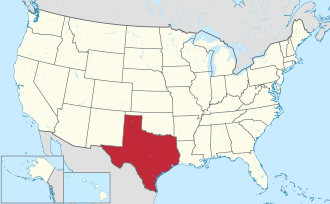
A federal judge in Texas has ruled that the U.S. Treasury Department’s Office of Foreign Assets Control acted beyond its legal authority when it sanctioned the cryptocurrency mixer Tornado Cash, permanently barring the agency from reimposing such sanctions.

Judge Robert Pitman of the U.S. District Court for the Western District of Texas issued the decision on April 28, stating that OFAC’s designation of Tornado Cash’s smart contracts in August 2022 exceeded the agency’s statutory powers. The court’s ruling follows OFAC’s earlier action on March 21, 2025, when it officially removed Tornado Cash from its Specially Designated Nationals and Blocked Persons List, effectively lifting the sanctions.

The sanctions had been imposed on Tornado Cash for allegedly facilitating the laundering of over $7 billion in virtual currencies, including funds stolen by North Korea’s Lazarus Group. However, the court found that OFAC’s action against the platform’s autonomous smart contracts was not supported by the International Emergency Economic Powers Act , which governs the agency’s sanctioning authority.

In November 2024, the U.S. Court of Appeals for the Fifth Circuit had already determined that OFAC had overstepped its authority by sanctioning Tornado Cash’s immutable smart contracts, which do not qualify as “property” under federal law. This appellate decision laid the groundwork for the Texas district court’s subsequent ruling, which emphasized that OFAC cannot reimpose sanctions on Tornado Cash in the future.

Despite the lifting of sanctions, the legal challenges for Tornado Cash’s developers persist. Roman Storm and Roman Semenov, co-founders of the platform, were indicted in August 2023 by the U.S. Department of Justice on charges including conspiracy to commit money laundering, conspiracy to operate an unlicensed money transmitting business, and conspiracy to violate the IEEPA. The DOJ alleges that Tornado Cash was used to launder more than $1 billion in criminal proceeds, including hundreds of millions of dollars for the Lazarus Group.

Roman Storm was arrested in Washington State and is currently awaiting trial, scheduled for July 2025. Roman Semenov remains at large and has been added to OFAC’s sanctions list. Additionally, Alexey Pertsev, another developer associated with Tornado Cash, was arrested in the Netherlands in August 2022 and was sentenced in May 2024 to five years and four months in prison for money laundering.

The court’s decision has significant implications for the regulation of decentralized technologies. By ruling that OFAC cannot sanction autonomous smart contracts, the judgment underscores the challenges regulators face in applying traditional legal frameworks to decentralized platforms that operate without centralized control.

Hashdex, the prominent crypto asset management firm based in Brazil, has launched the world’s first spot XRP exchange-traded fund on B3, the São Paulo-based stock exchange. The ETF, known as the Hashdex XRP Fund , started trading this week, marking a significant milestone not only for Latin America’s evolving crypto landscape but also for the global cryptocurrency investment market.

Trading commenced after months of regulatory processes and product development, during which Hashdex worked closely with Brazil’s Comissão de Valores Mobiliários , the national securities regulator. The fund offers direct exposure to XRP, the digital asset created by Ripple Labs, without requiring investors to manage the underlying cryptocurrency themselves. The launch of XRP11 follows a broader trend of growing institutional acceptance of crypto assets in Brazil, where regulatory frameworks have been more accommodating compared to major markets like the United States.

Hashdex’s move underscores Brazil’s increasingly assertive position as a hub for cryptocurrency innovation. Marcelo Sampaio, CEO of Hashdex, said during the fund’s launch that the introduction of a spot XRP ETF aligns with the company’s mission to “bridge the gap between traditional finance and digital assets”. Sampaio added that the demand for diversified crypto investment vehicles has been consistently growing among Brazilian investors, citing the success of earlier Hashdex crypto ETFs such as HASH11, which tracks a basket of cryptocurrencies.

Brazil’s regulatory environment has played a key role in facilitating this development. The CVM has exhibited a proactive stance towards regulating crypto assets while encouraging innovation. In contrast, regulatory bodies like the US Securities and Exchange Commission have taken a more cautious approach, creating delays and uncertainties around the approval of spot crypto ETFs, particularly for assets beyond Bitcoin and Ethereum.

XRP, the digital token linked to Ripple Labs, has had a complex relationship with regulators globally. A significant development came after Ripple secured a partial legal victory against the SEC, wherein a US federal court ruled that XRP sales on public exchanges did not constitute investment contracts. This ruling, while still subject to ongoing litigation and appeals, provided a degree of clarity that has emboldened issuers like Hashdex to pursue XRP-focused financial products in other jurisdictions.

The Hashdex XRP Fund is structured similarly to traditional ETFs. Units of XRP11 are backed 100% by physically held XRP tokens, which are stored in institutional-grade custody solutions provided by trusted crypto custodians. The fund is priced and settled in Brazilian reals, and its portfolio is independently audited to ensure transparency and security for investors.

The move by Hashdex is seen by analysts as a strategic attempt to cement its leadership in the crypto asset management sector within Latin America. Hashdex has already been at the forefront of innovation, having earlier collaborated with Nasdaq to launch a Bitcoin futures ETF in the United States through a hybrid strategy. The launch of XRP11 marks the company’s first foray into offering single-asset spot ETFs focused on altcoins.

Investor response to the new product has been encouraging. Trading volumes for XRP11 on the first day exceeded initial expectations, indicating substantial appetite among retail and institutional investors for regulated crypto products. Paulo Mesquita, Head of Business Development at Hashdex, commented that “the robust reception signals a maturation of crypto investing in Brazil, with investors seeking broader exposure beyond Bitcoin.”

Attention now turns to the potential for similar products in the United States, where the SEC’s approach to spot crypto ETFs has been cautious, despite recent approvals of Bitcoin spot ETFs involving major financial institutions like BlackRock, Fidelity, and Grayscale. Market participants are closely monitoring whether Hashdex’s success in Brazil might embolden US asset managers to push harder for spot ETFs centred on altcoins such as XRP.

Several experts suggest that the SEC’s attitude towards XRP remains a critical obstacle. James Seyffart, an ETF analyst at Bloomberg Intelligence, noted that “until the regulatory status of XRP is definitively settled in the United States, it is unlikely that a spot XRP ETF will gain approval”. However, he added that legal outcomes favourable to Ripple could eventually open the door to similar products in the American market.

Brazil’s advancement comes at a time when global demand for cryptocurrency investment vehicles continues to evolve. Investors are increasingly seeking exposure to digital assets through traditional financial instruments, particularly those offering regulated, easy access without the complexities of direct crypto ownership. Latin America, driven by countries like Brazil, is emerging as a significant frontier for such innovations, offering lessons for larger markets grappling with regulatory hesitations.

Beyond XRP, Hashdex is reportedly exploring the possibility of launching additional single-asset ETFs focused on other major cryptocurrencies such as Solana and Polygon , depending on market conditions and regulatory developments. Such diversification could position Brazil as a critical player in the next wave of crypto investment products, rivalling traditional centres like the US, Europe, and parts of Asia.

Technology stocks surged on April 24, 2025, lifting broader U.S. markets as optimism grew over easing tariff tensions between the United States and China. Investors responded positively to reports suggesting that trade officials from both countries were nearing a compromise to de-escalate tariffs imposed over the past two years. The Nasdaq Composite climbed 2.5% to close at 16,012.34, marking its highest level in over five months. The […]

Temperatures soared close to 50°C across the United Arab Emirates today as fierce dusty winds swept through several areas, amplifying already sweltering conditions and causing widespread disruption. Authorities issued multiple weather alerts, urging residents to take precautions against heat-related illnesses and reduced visibility caused by the dust-laden atmosphere.

The National Centre of Meteorology confirmed that desert regions and inland cities recorded some of the highest temperatures, with Al Dhafra region touching 49.2°C by mid-afternoon. Urban centres such as Abu Dhabi, Dubai, and Sharjah experienced highs ranging between 45°C and 47°C, with humidity levels compounding the oppressive weather. The agency also noted that wind speeds varied between 15 to 25 kilometres per hour, occasionally surging to 45 kilometres per hour, stirring up dense dust clouds that blanketed highways and neighbourhoods.

In a parallel statement, emergency services intensified public advisories, warning of potential heat strokes and respiratory difficulties due to the airborne dust particles. Hospitals reported an uptick in patients exhibiting symptoms linked to dehydration and breathing complications, prompting health officials to reinforce messages about hydration and limited exposure during peak hours.

Traffic authorities reported several minor accidents and traffic snarls across the country, attributing them to diminished visibility caused by the dust storms. Motorists were urged to maintain safe distances and use fog lights even during daytime driving. Residents living in low-lying desert suburbs faced particularly challenging conditions, with winds strong enough to whip up sand dunes onto major roads, affecting mobility and safety.

While the UAE is no stranger to harsh summer conditions, the severity of today’s heatwave stands out, underscoring the growing frequency of extreme weather patterns in the region. Meteorologists pointed to a combination of regional atmospheric pressure systems and seasonal climatic shifts driving the sudden spike in temperatures. These changes mirror a broader trend observed across the Gulf, where weather extremes have become more pronounced over the past few years.

Labour authorities called for strict enforcement of the mandatory midday break for outdoor workers, which bars any construction or manual labour under direct sunlight between 12:30 pm and 3:00 pm. Inspectors were dispatched across industrial zones and construction sites to ensure compliance. Non-adherence carries substantial penalties under UAE labour regulations aimed at safeguarding workers’ health during summer months.

Energy consumption surged as residents and businesses ramped up air conditioning use to combat the intense heat. Officials from the Federal Electricity and Water Authority advised the public to conserve energy wherever possible to prevent grid overloads. Measures included setting thermostats to a minimum of 24°C and limiting the use of heavy appliances during peak demand hours.

Educational institutions that remained operational through the summer period either shifted classes online or modified school timings to avoid exposing students to extreme outdoor temperatures. Parents were advised to ensure children stayed indoors, wore light cotton clothing, and remained hydrated at all times.

Air quality across major emirates deteriorated markedly as a result of the dust storms. Environmental agencies recorded significant rises in particulate matter concentrations, warning that prolonged exposure could aggravate pre-existing respiratory conditions such as asthma and bronchitis. Health experts advised wearing masks outdoors and using air purifiers indoors to mitigate the health risks associated with poor air quality.

Tourist activities also took a hit, with desert safaris, outdoor markets, and public beach outings largely suspended. Many tour operators either cancelled excursions or adjusted schedules to early morning and late evening slots to avoid the worst of the heat. Shopping malls, indoor parks, and entertainment complexes saw a sharp rise in footfall as residents and visitors sought respite in air-conditioned venues.

Agricultural communities in rural parts of the Emirates voiced concern over crop damage due to the combination of excessive heat and abrasive winds. Farmers noted that young plants, particularly those without adequate shade or irrigation, showed signs of wilting and dehydration. Agriculture departments mobilised support initiatives to help farmers protect their yields, including advisories on irrigation management and shade-net installations.

Looking ahead, forecasters predict that elevated temperatures and dusty conditions are likely to persist over the coming days, though a marginal drop may occur towards the end of the week. Authorities continue to monitor the situation closely and are prepared to escalate measures if conditions worsen.

Healthcare providers across the Emirates remained on high alert. Medical professionals reiterated the importance of staying hydrated, avoiding caffeinated drinks, and recognising early signs of heat exhaustion, such as dizziness, headache, and muscle cramps. People with chronic illnesses, the elderly, and young children were especially advised to remain indoors and maintain cool environments.

The civil aviation sector reported no major flight disruptions despite the challenging weather. However, operational teams were instructed to remain vigilant, and minor adjustments were made to ground handling procedures at airports to ensure worker safety amid high temperatures and dusty winds. Pilots and crew members were also advised to factor in weather conditions during flight operations, especially during take-offs and landings.

Retailers noted a spike in sales of cooling appliances, water bottles, sunscreens, and protective wear such as hats and UV-resistant sunglasses. Pharmacies experienced heightened demand for electrolyte solutions and hydration tablets. Businesses adapted by launching promotional campaigns aimed at helping residents equip themselves against the heatwave.


The SPDR Gold Shares ETF , the world’s largest gold-backed exchange-traded fund, experienced a significant outflow of $1.3 billion on April 22, 2025—the largest single-day withdrawal since 2011. This substantial movement reflects a notable shift in investor sentiment, as market participants reallocate assets in response to evolving economic indicators and geopolitical developments. Sees Largest Weekly Outflow Since 2022 on Trump Win – Bloomberg)

The outflow coincided with a decline in gold prices, which fell nearly 2% to $3,318.71 per ounce. This drop followed U.S. President Donald Trump’s decision to retract his threat to dismiss Federal Reserve Chair Jerome Powell and his expression of optimism regarding a potential trade agreement with China. These developments reduced the perceived need for safe-haven assets like gold, prompting investors to reassess their portfolios.

Simultaneously, the U.S. dollar and stock markets rebounded, further diminishing gold’s appeal. Analysts, including OANDA’s Kelvin Wong, cited these factors as triggers for the selloff, though he noted that potential upside movement in gold remains. Despite this short-term dip, gold had previously surged to a record high of $3,500 per ounce, and JP Morgan anticipates it could exceed $4,000 next year.

The broader context includes a significant surge in gold prices earlier in April, driven by investor concerns over the weakening U.S. dollar and President Trump’s economic policies. Gold reached a new peak of over $3,500 per ounce before settling at $3,426, marking a nearly 30% increase since Trump’s return to office. Analysts at JPMorgan predict gold could hit $4,000 by mid-2026, fueled by purchases from central banks and retail investors.

However, the easing of trade tensions and positive developments in U.S.-China relations have led to a reassessment of risk, with investors moving away from traditional safe havens. European gold funds, for instance, experienced significant inflows earlier in April, with approximately €1 billion poured into gold exchange-traded commodities during the week ending April 18, 2025. This marked the highest level of inflows since mid-January, reflecting rising investor demand for safe-haven assets amid escalating market volatility sparked by U.S. trade tariffs.

Despite these inflows, the subsequent outflows from GLD indicate a shift in investor strategy. The Bank of America’s April 2025 Fund Manager Survey revealed that institutional investors are adjusting their portfolios in response to global economic fears driven by U.S. tariff policies and escalating concerns of a recession. The survey indicated that investor expectations for economic growth have dropped to 30-year lows, with 82% predicting a weaker global economy this year. In response, money managers are moving away from high-risk sectors like technology and U.S. equities, instead turning to safer investments.

Gold has emerged as the top asset, with 42% of fund managers favoring it—up from 23% in March—due to its reputation as a safe haven in volatile markets and hedge against inflation. This surge in interest is mirrored by the SPDR Gold Shares ETF surpassing $100 billion in assets under management and gold prices hitting record highs above $3,300 an ounce.

The Crypto Fear & Greed Index has surged 25 points to 72, marking a significant shift in market sentiment and re-entering the “Greed” zone—a level last observed on February 4, 2025.

This sharp rise from a neutral reading of 47 the previous day and a “Fear” level of 29 a week prior underscores a notable change in investor outlook. The index, ranging from 0 to 100 , is a widely used barometer for gauging emotions driving the cryptocurrency market.

Several factors contribute to this uptick in optimism. Bitcoin’s price stability, particularly its ability to maintain key support levels, has bolstered confidence among traders. Additionally, the sustained inflows into Bitcoin exchange-traded funds suggest growing institutional interest, further reinforcing bullish sentiment.

Altcoins have also played a role in this sentiment shift. Increased investor interest in Ethereum and Solana, along with heightened activity in decentralized finance and AI-powered tokens, indicates a broader enthusiasm beyond Bitcoin.

Macroeconomic elements are influencing this trend as well. Expectations surrounding Federal Reserve rate decisions have impacted risk asset investments, with traditional markets showing signs of recovery. This broader economic context has added to the confidence in the crypto sector.

The Fear & Greed Index’s methodology involves analyzing various market indicators: volatility and market momentum each account for 25% of the index, while social media sentiment and surveys contribute 15% each. Bitcoin’s market dominance and Google search trends make up the remaining 20%. The current readings across these components collectively point toward increased bullish sentiment.

Oil prices experienced a significant decline of over 2% on Monday, with Brent crude falling to $66.81 per barrel and West Texas Intermediate dropping to $63.58. This downturn is attributed to progress in US-Iran nuclear negotiations and escalating concerns over the impact of US tariff policies on global demand. The potential easing of sanctions on Iran could reintroduce over a million barrels per day of crude into the market, intensifying supply pressures.

The decline in oil prices poses a substantial challenge to Gulf economies, particularly those heavily reliant on hydrocarbon revenues. S&P Global Market Intelligence has indicated that Oman, Bahrain, and Iraq are at heightened risk of financing pressures if the current price trends persist. These nations, already contending with fiscal deficits and limited sovereign reserves, may face increased borrowing costs and potential credit downgrades.

Conversely, the United Arab Emirates and Qatar are better positioned to withstand prolonged periods of lower oil prices. Their diversified economies and substantial sovereign wealth funds provide a buffer against market volatility. However, even these nations are not immune to the broader economic implications of sustained low oil prices.

The broader financial markets have also reacted to these developments. Major Gulf stock indices experienced declines, with Saudi Arabia’s TASI index falling by 0.7% and Qatar’s index decreasing by 0.3%. These market movements reflect investor apprehension regarding the stability of oil-dependent economies in the face of fluctuating energy prices.

Adding to the complexity is the political climate in the United States. President Donald Trump’s renewed criticism of Federal Reserve Chair Jerome Powell has raised concerns about the central bank’s independence. This political interference is contributing to market uncertainty and could have implications for global economic stability.

The potential for a US recession further exacerbates concerns. Analysts warn that the combination of tariff policies and political instability could dampen economic growth, leading to decreased demand for oil. This scenario would place additional strain on oil-exporting nations, particularly those with less diversified economies.

Harvard University has initiated legal proceedings against the Trump administration following the suspension of over $2.2 billion in federal research funding. This action comes after the university’s refusal to comply with federal directives demanding significant changes to its governance, admissions policies, and campus activities. The administration’s directives included overhauling leadership structures, modifying admissions criteria, auditing campus diversity initiatives, and discontinuing recognition of certain student organizations. These demands […]

Anchorage Digital Bank, the only federally chartered crypto bank in the United States, is under investigation by the Department of Homeland Security’s El Dorado Task Force. The inquiry focuses on the bank’s financial practices, particularly its compliance with anti-money laundering regulations. This development follows Anchorage’s recent appointments as a custodian for major crypto products, including those of BlackRock and 21Shares.

The El Dorado Task Force, established to combat financial crimes, has initiated the probe by reaching out to former employees of Anchorage Digital. While specific details of the investigation remain undisclosed, it aligns with the bank’s ongoing challenges in meeting AML compliance standards. In April 2022, the Office of the Comptroller of the Currency issued a consent order against Anchorage for failing to implement an adequate AML program, citing violations of the Bank Secrecy Act.

In response to regulatory pressures, Anchorage has made significant leadership changes aimed at strengthening its compliance framework. In January 2023, the bank appointed Mark duBose as Chief Compliance and Risk Officer and brought in Palmer, a former Department of Homeland Security attorney, to enhance its AML controls. These appointments are part of Anchorage’s broader strategy to address regulatory concerns and reinforce its commitment to compliance.

Despite these efforts, Anchorage’s role in the crypto industry has expanded. The bank has been selected as a custodian for several high-profile crypto exchange-traded funds , including the ARK 21Shares Bitcoin ETF and the 21Shares Core Ethereum ETF. These appointments underscore Anchorage’s growing influence in the institutional crypto custody space, even as it navigates regulatory challenges.

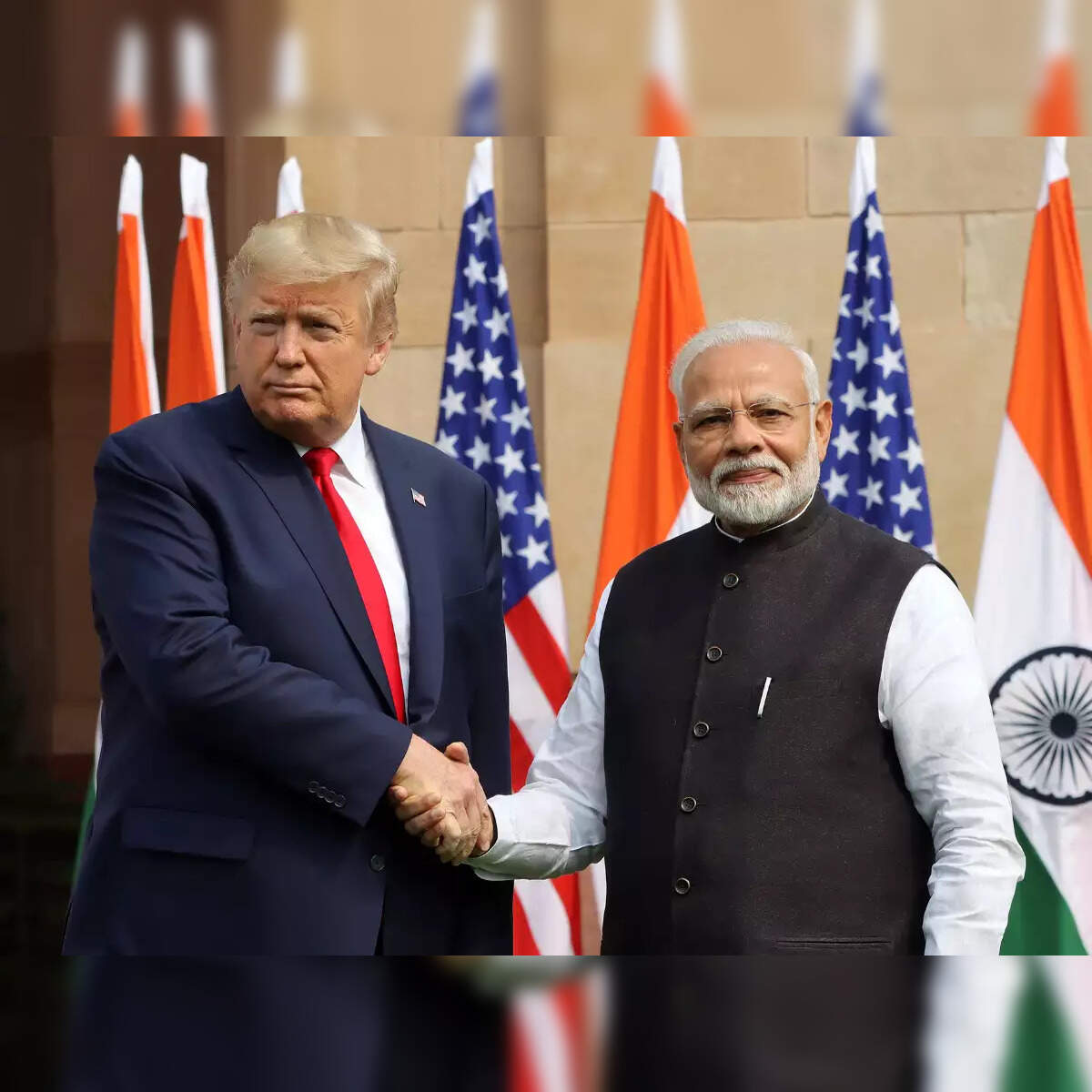
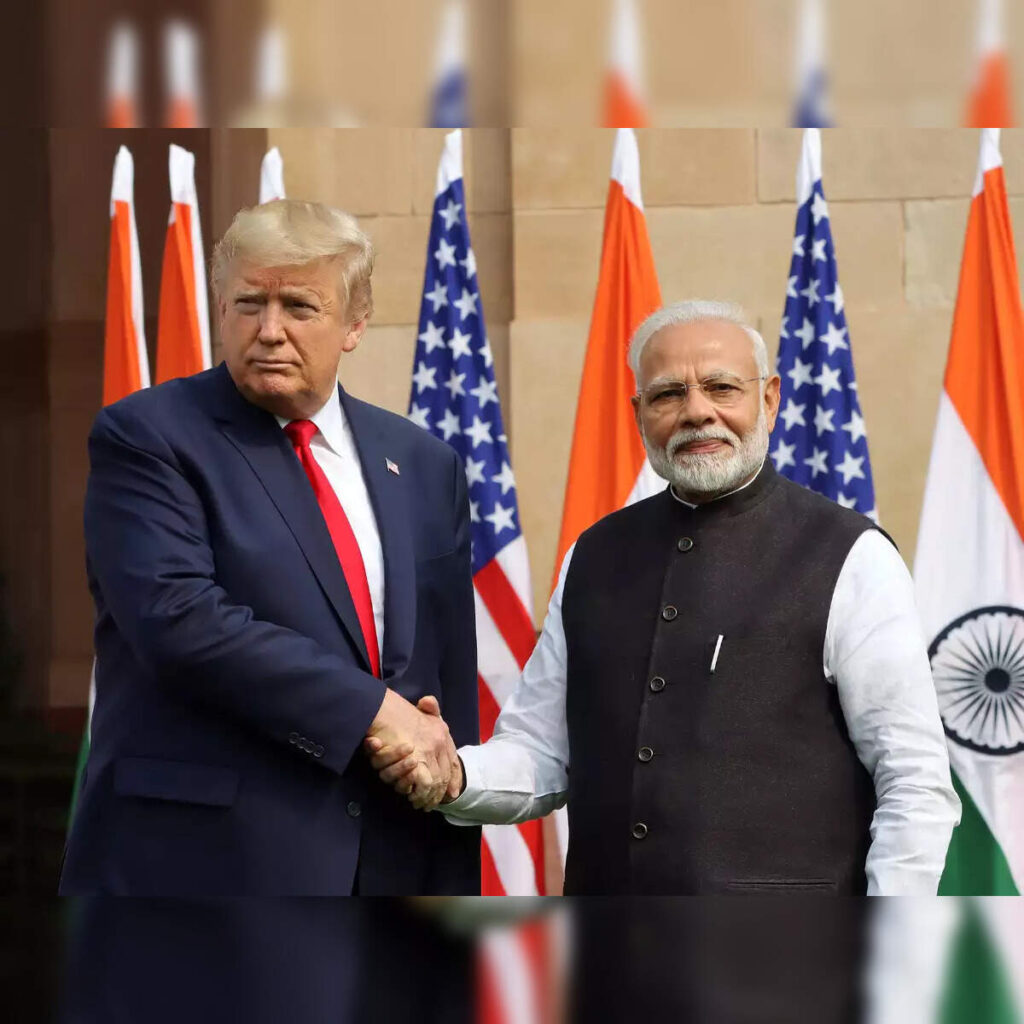
By K Raveendran In both foolhardiness in decision making and shameless flip-flop in dealing with disastrous aftermaths, Narendra Modi and Donald Trump have exhibited a total lack of honesty in admitting their mistakes. The similarity is too striking to be missed. Thanks to recklessness and impulsiveness in decision making—Narendra Modi with demonetization and Donald Trump […]
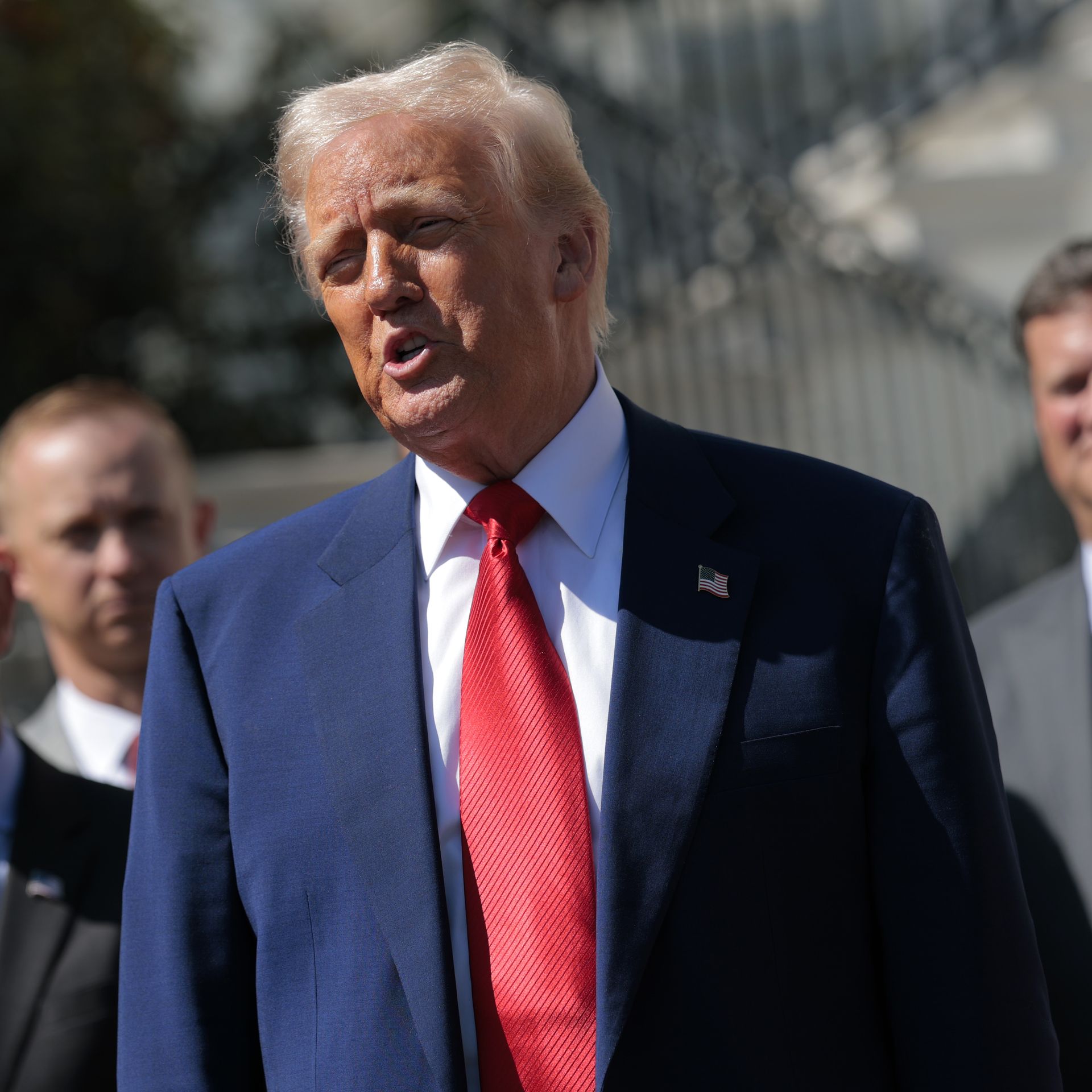
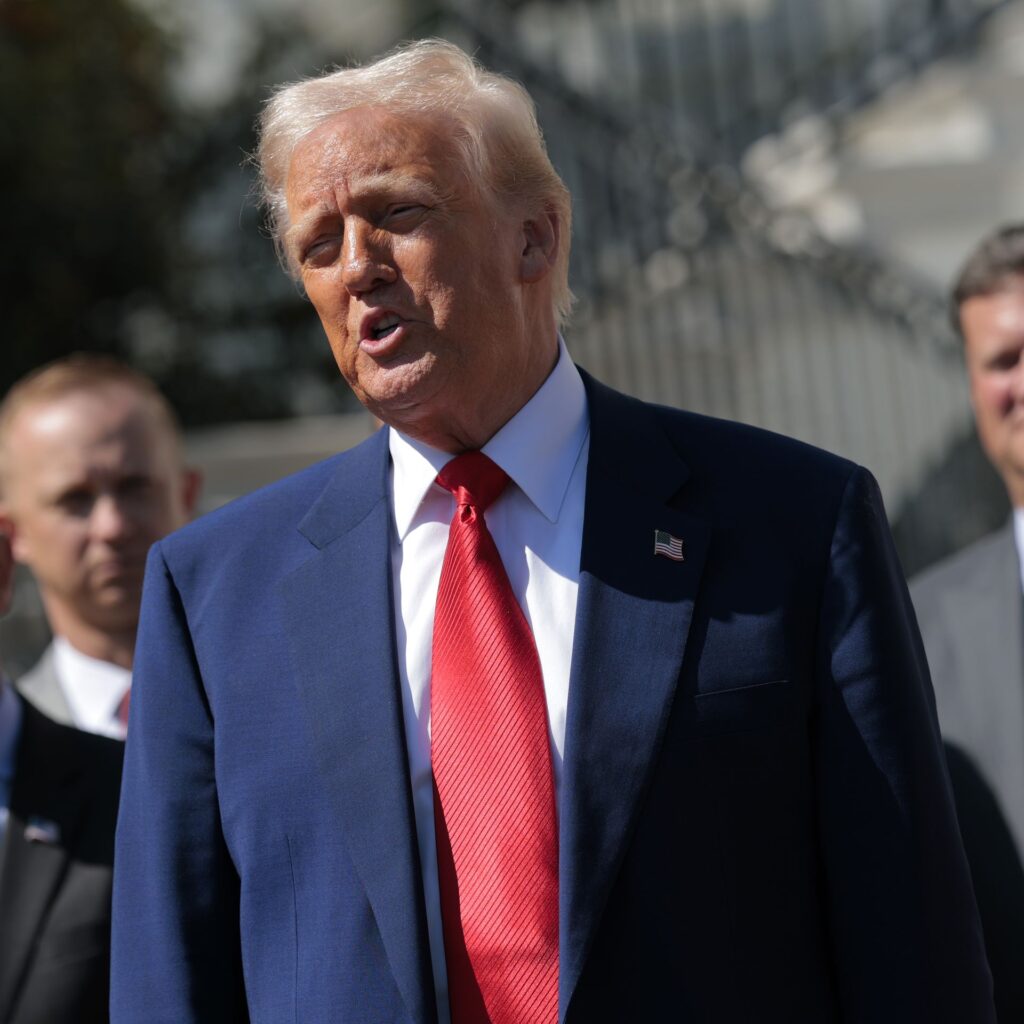
By Anjan Roy Just as Donald Trump’s tariffs had shaken the world and the financial markets, a sudden brake on their implementation had equally shocked leaders to market sloggers as much. President Trump had equally abruptly pushed back the time when his “reciprocal” tariffs were to kick in. He deferred it by ninety days and […]

President Donald Trump has signed legislation repealing a Biden-era Internal Revenue Service rule that mandated cryptocurrency brokers, including decentralised finance platforms, to report user transactions via Form 1099s. The rule, finalised in December 2024, aimed to extend tax reporting obligations to DeFi platforms, treating them similarly to traditional financial intermediaries.

The repeal follows bipartisan votes in both the House and Senate, utilising the Congressional Review Act to overturn the regulation. Critics argued that the rule imposed unworkable requirements on DeFi platforms, which, by design, lack centralised control and user data necessary for compliance. Industry stakeholders contended that enforcing such reporting standards on DeFi would stifle innovation and drive activity offshore.

The original IRS rule was part of a broader effort to enhance tax compliance in the digital asset sector, stemming from the 2021 Infrastructure Investment and Jobs Act. It sought to align cryptocurrency reporting with that of traditional financial instruments, estimating an increase in federal revenue. However, the DeFi community maintained that the decentralised nature of their operations made adherence to the rule impractical.

Supporters of the repeal, including Senator Ted Cruz and Representative Mike Carey, emphasised the importance of fostering innovation and avoiding regulatory overreach. They argued that the rule exceeded congressional intent and posed significant burdens on emerging technologies.

Opponents of the repeal expressed concerns about potential revenue losses and the risk of increased tax evasion. The Joint Committee on Taxation projected that rescinding the rule could reduce federal revenue by $3.9 billion over the next decade. Tax experts warned that the absence of reporting requirements might complicate efforts to monitor illicit activities within the crypto space.

By P. Sudhir The 24th Congress of the CPI(M), which concluded at Madurai on April 6 with a massive rally, was notable in many respects. There were changes both in the agenda and content of the Congress discussions. First of all, a Political Review Report which reviewed the implementation of the political-tactical line adopted at […]


Grade A office rents remained under pressure in Q1, while a tourist inflow recovery is yet to boost retail market confidence Smaller-sized residential units have been more sought-after following the relaxation of the maximum property value chargeable at a HK$100 stamp duty level as announced in the latest government budget speech, supporting first-hand residential sales. The total residential unit transaction number for Q1 climbed 24% y-o-y to […]

VISHNU RAJA
RYO YAMADA
HITORI GOTOH
IKUYO KITA