News related to
global

By Sushil Kutty External Affairs Minister S Jaishankar never seems to finish his thoughts. People might mistake him to be a hesitant hacker. But that isn’t the case. EAM Jaishankar is the second longest serving foreign minister after Jawaharlal Nehru, who kept the external affairs portfolio with him, for the entirety of his tenure as […]

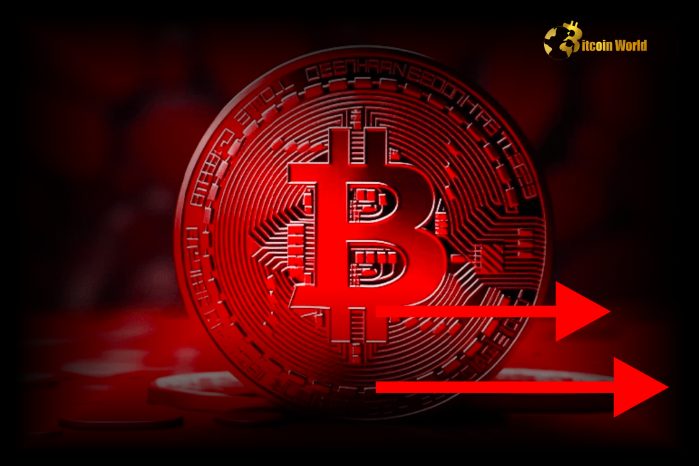
On February 26, 2025, spot Bitcoin exchange-traded funds experienced significant outflows, with close to $940 million being withdrawn, as the cryptocurrency saw a sharp decline, dropping below $88,000. This marks its lowest value since November 2024, sparking a wave of investor concern.

The latest data reveals that Bitcoin’s sudden drop sent shockwaves through the ETF market, causing investors to pull back. The vast outflow from spot Bitcoin ETFs represents a major shift in sentiment, highlighting the growing uncertainty surrounding the cryptocurrency’s future performance. Investors seem to have become increasingly risk-averse, with fears about Bitcoin’s short-term volatility playing a role in their decisions.

The sudden downturn in Bitcoin’s value has been attributed to a variety of factors. Experts point to a series of negative developments in both the macroeconomic environment and the cryptocurrency sector. The tightening of global monetary policies has put pressure on high-risk assets, and Bitcoin, often considered a speculative investment, has not been immune. Additionally, regulatory concerns and heightened scrutiny from government bodies have increased investor anxiety, particularly in major markets like the United States and Europe.

The sharp drop in Bitcoin’s price also coincides with a decline in broader market sentiment. Global equity markets have been experiencing their own challenges, with growing concerns over inflation, interest rates, and geopolitical tensions, leading investors to seek safer assets. Bitcoin, traditionally seen as a hedge against inflation, has not lived up to this reputation in the face of broader economic pressures.

Despite these challenges, Bitcoin still retains a strong following among long-term investors and institutional players. However, the massive outflows from spot Bitcoin ETFs suggest that some investors are recalibrating their positions in response to the volatile market conditions. ETF providers, particularly those offering exposure to Bitcoin, have faced significant headwinds as a result of the turbulence in the cryptocurrency market.

In the wake of the outflows, some analysts suggest that Bitcoin’s current price could stabilise as a result of the selling pressure being alleviated. Others, however, warn that the cryptocurrency remains highly vulnerable to further downward price movements. With Bitcoin’s value being particularly sensitive to both macroeconomic and regulatory shifts, many investors are adopting a wait-and-see approach, unwilling to commit more capital until the market finds more clarity.

Bitcoin’s price fluctuation has had ripple effects across the broader cryptocurrency ecosystem. Other digital assets, particularly altcoins, have followed Bitcoin’s downward trajectory. Investors, particularly those involved in the broader crypto market, are keenly watching Bitcoin’s price action, as it has historically been a barometer for the health of the entire market.

The broader impact of Bitcoin’s slide on the cryptocurrency market has raised concerns about the viability of some smaller cryptocurrencies. While Bitcoin remains the dominant player, the fall in its price has reminded many of the inherent risks in the market, particularly for investors who had hoped for sustained growth. Analysts warn that the volatility seen in Bitcoin’s price could spill over into the altcoin sector, potentially exacerbating the losses across the board.

The massive outflows from spot Bitcoin ETFs have also raised questions about the long-term prospects of Bitcoin ETFs as a financial product. While they have offered investors a more accessible route to exposure in the past, the current downturn could lead to a reevaluation of their appeal. Some experts believe that the volatility in Bitcoin’s price could ultimately limit the growth potential of Bitcoin ETFs, especially if the cryptocurrency continues to experience sharp price swings. In contrast, others argue that the evolution of Bitcoin and cryptocurrency regulations will likely determine the future growth of these investment products, regardless of short-term market fluctuations.

The cryptocurrency market is experiencing significant volatility, with Bitcoin’s value dropping below $90,000 and the Crypto Fear and Greed Index falling to levels indicative of heightened investor anxiety.

Bitcoin, the leading cryptocurrency by market capitalization, has seen a substantial decline, trading at $88,420, a decrease of approximately 3.9% from the previous close. This downturn is part of a broader market sell-off affecting various digital assets.

The Crypto Fear and Greed Index, a tool that gauges market sentiment by analyzing factors such as volatility, market momentum, and social media trends, has dropped to 25, categorizing the current sentiment as “Extreme Fear.” This marks a significant shift from the previous day’s neutral position at 49.

Several factors have contributed to this decline in market confidence. A notable incident is the $1.5 billion hack of Ether from the Bybit exchange, which has raised concerns about the security of digital assets and the robustness of trading platforms. Additionally, global economic uncertainties, including potential shifts in U.S. economic policies and impending tariffs on imports from Canada and Mexico, have added to investor apprehension.

The impact of this sentiment is evident across various cryptocurrencies. Ethereum is currently trading at $2,476.08, reflecting a 1.2% decrease. Other major cryptocurrencies such as Solana , XRP, and Dogecoin have also experienced declines, with SOL plunging 14% and both XRP and DOGE down by over 8% in the past 24 hours.

Market analysts suggest that the current bearish sentiment may be overextended. They emphasize the importance of macroeconomic decisions in influencing market trajectories and caution against reactionary trading based solely on short-term market movements.

In response to the growing institutional interest in cryptocurrencies, Citadel Securities, under the leadership of Ken Griffin, has announced plans to enter the cryptocurrency market-making sector. This move aims to provide liquidity for cryptocurrencies on global exchanges, signaling a shift from the firm’s previously cautious stance on digital assets.

Despite the prevailing market downturn, some industry leaders remain optimistic about the long-term prospects of cryptocurrencies. Cathie Wood, CEO of ARK Investment Management, highlighted that institutional adoption of Bitcoin is still in its early stages. She anticipates a significant increase in Bitcoin’s value as more institutions engage with the cryptocurrency, suggesting that the current market consolidation is a healthy phase before potential growth.

Conversely, the rapid proliferation of meme-based cryptocurrencies has introduced additional volatility into the market. These meme coins, often driven by speculative trading and lacking fundamental value, have led to financial losses for many investors. High-profile endorsements and subsequent failures of such coins have underscored the need for clearer regulations to protect investors and maintain market integrity.

The recent downturn has also led to significant liquidations across the market, with over $1.5 billion in positions being liquidated within a 24-hour period. This wave of liquidations has further exacerbated the downward pressure on cryptocurrency prices, contributing to the prevailing atmosphere of fear and uncertainty among investors.

The United Arab Emirates is making significant strides in transforming its entertainment and tourism sectors by accelerating the licensing of international gaming operators. Notably, Wynn Resorts has been granted the nation’s first commercial gaming license, marking a pivotal shift in the region’s approach to gaming. In October 2024, the UAE’s General Commercial Gaming Regulatory Authority awarded Wynn Resorts a commercial gaming operator’s license. This approval paves the […]

Cryptocurrency exchange Bybit has reinstated its full suite of services in India following successful registration with the country’s Financial Intelligence Unit . As of 25 February 2025, existing users can once again open new trades and access all products, with new user onboarding set to commence gradually.

This development comes after Bybit faced regulatory challenges earlier this year. On 31 January 2025, the FIU-IND imposed a fine of ₹9.27 crore on Bybit for operating without the necessary authorization under the Prevention of Money Laundering Act . In response, Bybit suspended its services in the country to address compliance concerns and worked diligently to align its operations with local regulations.

Bybit’s return to the Indian market is significant, considering the country’s growing interest in cryptocurrency trading. With over 60 million users worldwide, Bybit’s reinstatement offers Indian traders renewed access to a global platform, potentially enhancing the local crypto trading landscape.

However, Bybit’s resurgence in India is not without challenges. On 21 February 2025, the exchange experienced a significant security breach, with over $1.4 billion in Ether-related tokens stolen. The North Korean-affiliated Lazarus Group has been identified as the perpetrator of this heist, marking it as one of the largest recorded crypto thefts to date. Despite this setback, Bybit’s swift action to restore services underscores its commitment to security and compliance.

The broader cryptocurrency market has been experiencing fluctuations. Bitcoin is currently trading at $88,774, reflecting a decrease of 3.41% from the previous close. Ethereum stands at $2,487.72, down 0.64%, while Binance Coin has seen a rise of 2.53%, now priced at $624.42. These movements indicate a dynamic market environment, influenced by various global events and regulatory developments.

Bybit’s proactive measures to comply with Indian regulations and its prompt response to security incidents highlight the exchange’s dedication to providing a secure and compliant trading environment. As the cryptocurrency landscape continues to evolve, such efforts are crucial in fostering trust and reliability among users and regulators alike.

In the context of India’s regulatory framework, Bybit’s successful registration with the FIU-IND sets a precedent for other cryptocurrency exchanges aiming to operate in the region. It emphasizes the importance of adhering to local laws and regulations to ensure uninterrupted services and maintain user trust.

e&, formerly known as Etisalat Group, has reported a consolidated net profit of AED 10.8 billion for the fiscal year 2024, marking a 4.3% increase compared to the previous year. This financial milestone underscores the company’s strategic transformation over the past three years, solidifying its position as a global technology conglomerate. The group’s consolidated revenues reached AED 59.2 billion, reflecting a 10.1% year-over-year growth. When adjusted for […]

Arabian Post Staff -Dubai The United Arab Emirates is experiencing heightened competition in its job market due to a significant influx of expatriate professionals. This surge has led to a reassessment of salary structures, with legacy expatriates witnessing a decline in the lucrative packages once prevalent. According to the Robert Half 2025 Salary Guide, the UAE’s growing expatriate population has expanded the talent pool, enabling employers to […]

Advertisements

HONG KONG SAR – Media OutReach Newswire – 26 February 2025 – Dofo Tea is thrilled to announce the launch of its premium Phoenix Dancong tea, a rare and exquisite tea variety that captures the essence of China’s rich tea heritage. Sourced from the high-altitude Phoenix Mountain in Chaozhou, Guangdong, this tea represents the perfect fusion of tradition, craftsmanship, and natural flavor. Known as the “noble of […]

YMCrypto, a cryptocurrency platform regulated by U.S. financial authorities, has unveiled a free cloud mining service aimed at global investors interested in Bitcoin and Dogecoin. This initiative allows users to mine these cryptocurrencies without the need for expensive hardware or technical expertise.

The platform emphasizes security by partnering with McAfee® and Cloudflare®, ensuring end-to-end encryption and robust protection against potential threats. This collaboration aims to provide users with a secure environment for their mining activities.

YMCrypto’s cloud mining service is designed to be user-friendly, enabling both beginners and seasoned investors to participate in cryptocurrency mining effortlessly. By eliminating the traditional barriers associated with mining, such as high initial costs and complex setups, YMCrypto aims to democratize access to digital currency generation.

The platform’s compliance with U.S. financial regulations underscores its commitment to operating within legal frameworks, offering users peace of mind regarding the legitimacy and security of their investments. This adherence to regulatory standards distinguishes YMCrypto in the rapidly evolving cryptocurrency landscape.

In addition to its free cloud mining services, YMCrypto provides a range of tools and resources to help users maximize their cryptocurrency portfolios. These include real-time analytics, market insights, and educational materials tailored to various experience levels.

The launch of YMCrypto’s free cloud mining service comes at a time when interest in cryptocurrencies continues to surge globally. By offering accessible mining solutions, the platform positions itself as a significant player in the digital asset space, catering to the growing demand for alternative investment opportunities.

As the cryptocurrency market evolves, platforms like YMCrypto are pioneering services that lower entry barriers, enabling a broader audience to engage with digital currencies. Their focus on security, compliance, and user accessibility sets a benchmark for future developments in the sector.

Litecoin, a prominent cryptocurrency known for its swift and cost-effective transactions, has unveiled the .LTC domain, enabling users to establish personalized onchain identities. This initiative, developed in partnership with Unstoppable Domains, aims to enhance user interaction within the Litecoin ecosystem by replacing complex wallet addresses with memorable domain names.

The .LTC domain offers several advantages to the Litecoin community. Users can now send and receive Litecoin using easily recognizable names, eliminating the need for lengthy alphanumeric wallet addresses. This simplification is expected to improve user experience and reduce errors in transactions. Additionally, owning a .LTC domain allows individuals to showcase their affiliation with Litecoin, fostering a sense of identity and pride within the community.

Beyond simplifying transactions, .LTC domains are designed to integrate seamlessly with various onchain applications, including decentralized finance platforms, gaming, and encrypted messaging services. This versatility positions the .LTC domain as a comprehensive tool for users seeking to engage more deeply with blockchain-based applications.

In a move to further legitimize the .LTC domain, Unstoppable Domains is collaborating with Litecoin on an ICANN generic top-level domain application. If approved, this would incorporate .LTC into the global domain name system, providing users with a universally recognized digital identity. This development underscores the commitment to integrating blockchain technology with existing internet infrastructure, offering users a blend of innovation and familiarity.

The introduction of .LTC domains reflects a broader trend in the cryptocurrency industry, where digital assets are increasingly focusing on user-friendly solutions to drive adoption. By providing tools that simplify interactions and enhance personal branding, cryptocurrencies like Litecoin are positioning themselves for broader acceptance and utility in everyday transactions.

As of February 26, 2025, Litecoin is trading at $119.03 USD, reflecting a change of $4.43 from the previous close. The intraday high stands at $120.87 USD, with a low of $107.02 USD. This price stability indicates a steady interest in Litecoin, potentially bolstered by innovations such as the .LTC domain initiative.

65 percent of employees are willing to sacrifice existing benefits for a better choice of benefits 45 percent agree that their compensation is fair compared to similar roles SINGAPORE – Media OutReach Newswire – 26 February 2025 – Aon plc (NYSE: AON), a leading global professional services firm, today released results from its 2025 Human Capital Employee Sentiment Study. The global study of more than 9,000 employees […]

https://www.census.gov/foreign-trade/balance/c5700.htmlhttps://www.census.gov/foreign-trade/balance/c5700.htmlBy Dr. Nilanjan Banik The US-China trade war has been a focal point of economic discussions for a significant period, as the world’s two largest economies have imposed tariffs on each other’s goods. The Trump administration imposed 10% tariffs on Chinese imports, while China, in turn, levied 15% tariffs on US liquid natural gas (LNG) […]

Aimed at businesses of any size and at any sustainability stage, the partnership service has already engaged nearly 50 global partners since its soft launch HONG KONG SAR – Media OutReach Newswire – 25 February 2025 – The Mills Fabrica, a global collaborative hub propelling sustainability-focused innovations in the techstyle and agrifood sectors, today announces the launch of its partnership service, designed to help brands and organisations […]

New advanced solutions in climate control and energy management promise greater operational efficiency and reduced environmental impact for multiple applications Suzhou, China – Copeland, a global provider of sustainable climate solutions, announced today the expansion of its variable speed technology platform, integrating compressors, drives, and controllers for heating, cooling and refrigeration systems. This integrated solution drives enhanced efficiency, precise control, and sustainability across a wide range of […]

HONG KONG SAR – Media OutReach Newswire – 25 February 2025 – DFI Retail Group (“DFI”) today announced important leadership changes to strengthen its strategic capabilities and drive growth. Ella Chan has been appointed as Group Chief Strategy Officer, effective 1 April 2025. Ella brings over two decades of leadership experience in global strategy, transformation, and innovation within the retail and consumer sectors. In her new role, […]

SINGAPORE and ANAHEIM, USA – Media Outreach Newswire – 25 February 2025 – Allwin Medical Devices Inc. (“Allwin”), a leading manufacturer of a wide range of medical devices addressing women’s health (IVF), urology, gastroenterology and interventional radiology has partnered with Esco, a leading global provider of life sciences equipment that serves multiple global markets including the in vitro fertilization (IVF) market, via a strategic partnership. Financial terms […]

Hasbro Inc. has reported a significant surge in its digital and licensed gaming segment, with revenues climbing 22% year-over-year to $471.7 million in 2024. A substantial portion of this growth is attributed to the mobile game Monopoly Go!, which alone contributed $112 million to the company’s coffers.

Monopoly Go!, developed by Scopely in collaboration with Hasbro, has emerged as a standout success in the mobile gaming arena. Launched in April 2023, the game has captivated a vast audience, blending classic Monopoly gameplay with engaging new features tailored for mobile users. By November 2023, the game had generated over $1 billion in revenue, solidifying its position as one of the most lucrative mobile game launches of the year. This momentum continued into 2024, with the game surpassing the $2 billion revenue mark by March.

The financial impact of Monopoly Go! on Hasbro’s earnings is noteworthy. In the fourth quarter of 2024 alone, the game contributed $38 million, averaging approximately $10 million per month. Hasbro’s CEO, Chris Cocks, expressed confidence in the game’s ongoing performance, stating, “We feel pretty confident in that $10 million number.”

Beyond Monopoly Go!, Hasbro’s digital gaming portfolio has shown resilience and growth. The company’s Wizards of the Coast and Digital Gaming division reported a 4% increase in revenue, reaching $1.51 billion in 2024. This uptick is partly due to the enduring popularity of titles like Magic: The Gathering and the unexpected success of Baldur’s Gate 3. The latter’s royalties nearly doubled initial forecasts, underscoring the game’s strong market reception.

Despite these digital successes, Hasbro faced challenges in other areas. The company’s overall revenue for 2024 stood at $4.13 billion, marking a 17% decline compared to the previous year. This downturn is attributed to various factors, including the sale of its eOne film and television business and a dip in demand for traditional toys such as Star Wars action figures and Nerf products.

In response to these challenges, Hasbro has unveiled a strategic plan titled “Playing to Win,” aiming to achieve $1 billion in cost savings and mid-single-digit compound annual revenue growth by 2027. This strategy focuses on meeting global consumer demand across various price points and enhancing engagement through online platforms. CFO Gina Goetter emphasized the company’s commitment to profitability, stating that Hasbro aims to emerge as “one of the most profitable toy and game companies globally.”

The company’s stock has reflected these developments, with shares rising over 11% following the announcement of the fourth-quarter results and the new strategic plan. This surge indicates investor confidence in Hasbro’s direction, particularly its emphasis on digital gaming and strategic cost management.

Dubai authorities have imposed fines of Dh50,000 on 159 companies for violating telemarketing regulations, intensifying efforts to protect consumer privacy and enhance business practices. The Dubai Corporation for Consumer Protection and Fair Trade , operating under the Dubai Department of Economy and Tourism , announced these penalties following the enforcement of Cabinet Decision No. 56 of 2024, which came into effect in August 2024.

The DCCPFT initially issued warnings to 174 companies, urging compliance with the new telemarketing rules. Despite these warnings, 159 companies failed to adhere to the guidelines, resulting in substantial fines. These regulations are part of a broader initiative to reduce intrusive telemarketing calls, ensuring consumer comfort and privacy.

Key provisions of the telemarketing regulations include prohibiting calls to consumers listed on the ‘Do Not Call Registry’ managed by the Telecommunications and Digital Government Regulatory Authority , restricting marketing calls to between 9 am and 6 pm, and requiring telemarketers to inform consumers at the outset if the call is being recorded. Additionally, the regulations forbid the disclosure of personal data without explicit consent and the trading of such data for marketing purposes.

These rules apply to all licensed companies in the UAE, including those operating within free zones. The DCCPFT emphasised that the implementation of these regulations aims to foster a business-friendly environment, bolster consumer trust, and create a fair competitive landscape that enhances economic stability.

The introduction of these stringent measures aligns with Dubai’s D33 economic agenda, launched in 2023, which aspires to position the city among the top three global destinations over the next decade and double the size of its economy by 2033. In the first nine months of 2024, Dubai’s economy experienced a growth of 3.1%, reaching Dh339.4 billion, driven by expansions in sectors such as transport and financial services.

The DCCPFT’s decisive actions reflect a commitment to upholding consumer rights and ensuring that businesses engage in ethical marketing practices. By enforcing these regulations, Dubai aims to minimise market-disruptive practices and promote a positive business climate conducive to sustainable economic growth.

In addition to financial penalties, the TDRA has taken measures against individuals using personal numbers for marketing purposes, detecting over 2,000 violations since the regulations were implemented. Penalties for first-time offenders include a Dh5,000 fine and suspension of all phone numbers registered under the individual’s name until payment is made. Repeat offenders face escalating fines and extended suspensions, with third-time violators being prohibited from obtaining any telecommunications services in the UAE for 12 months.

These comprehensive efforts underscore Dubai’s dedication to protecting consumers from unwanted solicitations and ensuring that telemarketing activities are conducted within the bounds of respect and legality. As the city continues to evolve as a global business hub, maintaining stringent consumer protection standards remains a pivotal aspect of its economic strategy.

Careem, the region’s leading multi-service platform, has announced a partnership with Bustanica, the world’s largest vertical farm, to deliver fresh, pesticide-free produce directly to customers across the United Arab Emirates . This collaboration aims to enhance access to high-quality, locally grown vegetables, reinforcing the nation’s commitment to food security and sustainable agricultural practices.

Bustanica, a $40 million investment by Emirates Flight Catering and Crop One Holdings, operates a 330,000-square-foot facility near Al Maktoum International Airport in Dubai. Utilising advanced hydroponic technology, the farm produces over 1,000,000 kilograms of leafy greens annually, including lettuce, spinach, parsley, and kale. The innovative farming methods employed allow for cultivation without soil, natural sunlight, or pesticides, and use 95% less water than traditional agriculture.

Through this partnership, Careem’s customers can order Bustanica’s fresh produce via the Careem app, ensuring convenient access to nutritious greens harvested daily. The produce is grown in a controlled environment, free from pesticides, herbicides, and chemicals, guaranteeing high-quality, clean, and safe food options for consumers.

Bustanica’s facility operates on a continuous production cycle, driven by machine learning, artificial intelligence, and a team of experts in agronomy, engineering, horticulture, and plant science. This approach ensures a consistent supply of fresh produce, unaffected by external factors such as weather or pests. The closed-loop system employed in the farm recycles water, leading to significant conservation of resources—saving over 250 million litres annually compared to traditional farming methods.

The collaboration between Careem and Bustanica not only provides consumers with easy access to fresh, locally grown produce but also supports the UAE’s National Food Security Strategy 2051. This strategy emphasises sustainable food production through advanced technology and smart solutions, aiming to balance food security with resource conservation and economic diversification.

By integrating Bustanica’s produce into its delivery platform, Careem is contributing to the promotion of healthy eating habits and the reduction of the UAE’s reliance on imported foods. This initiative aligns with the global trend of adopting vertical farming and other innovative agricultural practices to address food security challenges, especially in regions with arid climates and limited arable land.

The partnership also highlights the role of technology in revolutionising the agriculture sector. Bustanica’s use of artificial intelligence and machine learning optimises growing conditions, enhances crop yields, and ensures the efficient use of resources. This model of farming presents a viable solution for sustainable food production in urban settings, reducing the carbon footprint associated with food transportation and promoting environmental conservation.

As the UAE prepares to host the COP28 summit, initiatives like the Careem-Bustanica partnership underscore the nation’s commitment to environmental sustainability and innovative solutions to global challenges. By investing in and supporting such projects, the UAE is positioning itself as a leader in sustainable agriculture and food security on the world stage.

International Holding Company , under the leadership of Chairman Sheikh Tahnoon bin Zayed Al Nahyan, has reported a remarkable 54.2% increase in revenue for the fiscal year 2024, reaching AED 92.7 billion, up from AED 60.1 billion in 2023. This significant growth is attributed to strategic portfolio management and the integration of AI-driven efficiencies across its diverse business units. The company’s total assets expanded by 52% to […]

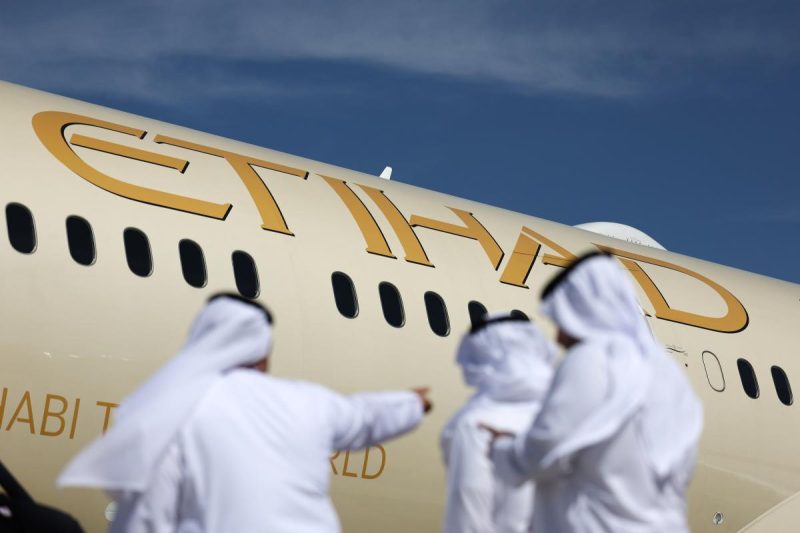
Etihad Airways is set to announce the launch of an initial public offering worth $1 billion, sources have revealed. This marks a significant milestone in the aviation industry, as it would be the first public listing by a major Gulf airline in nearly two decades.

The airline, which is fully owned by Abu Dhabi’s sovereign wealth fund ADQ, intends to offer 20% of its business to the public, with the funds raised being allocated towards accelerating its expansion plans. The decision to go public highlights Etihad’s ambitions to position itself as a stronger player in the global airline industry.

The move also underscores the growing trend among Gulf-based companies to raise capital through IPOs, following a wave of high-profile listings in the region. The Middle East has witnessed a surge in IPO activity in recent years, driven by a desire for diversification and economic growth, in line with the region’s broader efforts to reduce reliance on oil revenues.

Etihad’s decision to open up its equity to public investors is part of a larger strategy aimed at enhancing its operational capabilities and competing more effectively with regional and international rivals. The airline’s plans include expanding its fleet, increasing flight frequencies, and potentially adding new routes to cater to growing demand in key global markets.

The IPO also reflects the broader changes taking place in the aviation sector, particularly in the Gulf region. Airlines in the region, such as Emirates and Qatar Airways, have been aggressively investing in their fleets and expanding their networks in a bid to capture more market share. Etihad’s move to become a publicly traded entity comes as the airline looks to consolidate its position as a leading regional carrier, competing with its peers.

Sources close to the matter suggest that Etihad’s management team is optimistic about the potential success of the IPO, given the ongoing recovery in the global travel industry following the challenges posed by the COVID-19 pandemic. The airline is reportedly confident that investors will be attracted to its growth prospects, as air travel demand rebounds and the aviation sector experiences a strong recovery.

The IPO will be managed by a consortium of financial institutions, which are expected to handle the share sale process. The precise timing of the launch is yet to be confirmed, but it is anticipated to take place in the coming days. As part of the offering, Etihad is likely to sell a portion of its shares to institutional investors, with a smaller portion allocated to retail investors.

Etihad Airways has faced a challenging few years as it navigated the impacts of the global pandemic, which resulted in a significant decline in air travel demand. However, the airline has implemented a series of cost-cutting measures and streamlined its operations in an effort to adapt to the changing market environment. These efforts, coupled with its focus on expanding its network and enhancing its product offering, have positioned Etihad for long-term growth.

Despite the challenges faced by the airline, Etihad has remained committed to its vision of becoming a global aviation leader. The airline’s investment in new technologies, customer service initiatives, and sustainability measures has helped bolster its reputation and attract a loyal customer base. By tapping into the capital markets, Etihad hopes to strengthen its financial position and continue to invest in its future growth.

The IPO is expected to be closely watched by market analysts, investors, and industry experts alike, as it could signal the beginning of a new era for Gulf airlines. If successful, Etihad’s IPO could set a precedent for other regional carriers considering similar moves. Airlines in the region are under increasing pressure to modernize their fleets, improve operational efficiencies, and adapt to changing consumer preferences.

Etihad’s decision to go public is part of the wider trend in the Gulf region, where state-owned companies are increasingly seeking to diversify their operations and raise funds to support growth initiatives. The UAE government has been actively encouraging the privatization of certain state-owned entities to promote economic development and attract foreign investment.


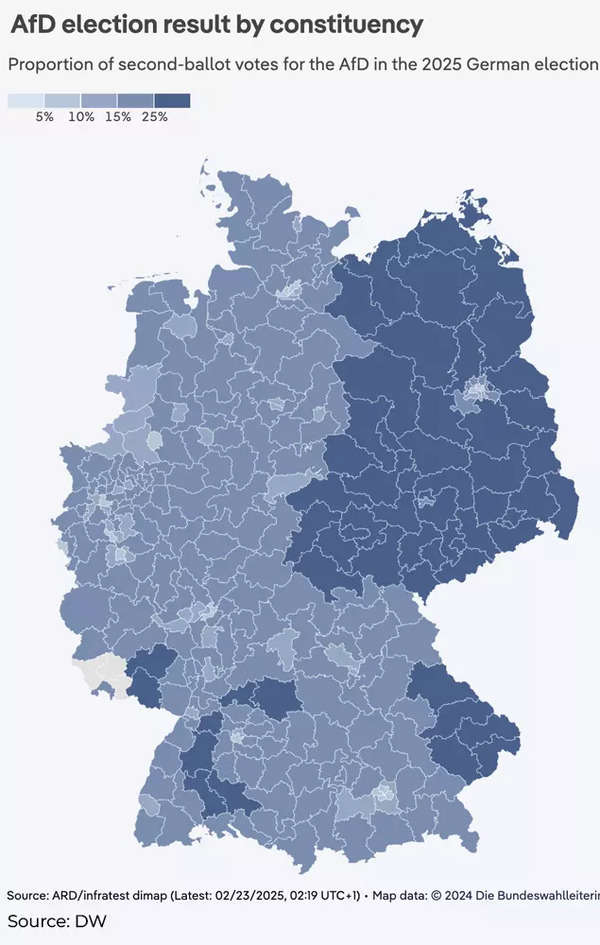
By Nitya Chakraborty The final results of Germany’s national elections held on February 23 are being debated intensively in the global media, especially in the European media about the upsurge of the far right party AFD which virtually doubled its voting percentage in the 2025 elections compared to the 2021 national elections. The ruling Social […]

KUALA LUMPUR, MALAYSIA – Media OutReach Newswire – 25 February 2025 – France has over 100 different apple varieties thanks to its unique climate and fertile soil. Recently, climate change has significantly impacted global agriculture, particularly affecting fruit cultivation. Following a challenging harvest in 2023, Europe’s apple production faces its second-lowest level of the century, primarily due to severe frost conditions in Eastern Europe, which results in […]

India’s technology sector is poised to exceed the $300 billion revenue mark in the 2025-26 financial year, reflecting a 6% growth over the previous fiscal year, according to the National Association of Software and Service Companies . In the 2024-25 fiscal year, the industry experienced a 5.1% increase, adding $13.8 billion to reach a total of $282.6 billion. This upward trajectory underscores the sector’s resilience and its pivotal role in the nation’s economic landscape.

The tech industry’s contribution to India’s Gross Domestic Product stands at 7.3%, highlighting its significant impact on the economy. Export revenues have been a major driver of this growth, with projections indicating a 4.6% rise to $224.4 billion in 2024-25, up from $214.4 billion in the prior year. Notably, for the first time, export revenues are evenly split between multinational corporations and Indian IT firms, each contributing $112 billion. This balance reflects a harmonious coexistence and collaboration between global entities and domestic service providers.

On the domestic front, the sector witnessed a 7% growth, reaching $58 billion in revenue during the same period. This expansion is attributed to increased digital adoption across various industries within the country, driven by a surge in demand for emerging technologies and digital solutions.

Employment within the tech sector has also seen a positive trend. In the 2024-25 fiscal year, the industry added approximately 126,000 new jobs, bringing the total workforce to 5.8 million. This growth in employment is a testament to the sector’s expanding operations and its commitment to nurturing talent. Looking ahead, the industry is expected to continue its hiring momentum, with projections suggesting a 15-20% increase in job opportunities across various industries in 2025. Roles specializing in artificial intelligence and machine learning are anticipated to see a 30-35% surge in demand, reflecting the global shift towards these advanced technologies.

The adoption of AI is particularly noteworthy. India’s AI market is projected to reach $17 billion by 2027, driven by proactive integration of AI across sectors. The government’s investment of $1.25 billion in the “IndiaAI Mission” aims to bolster AI infrastructure and public sector applications, positioning the country as a significant player in the global AI arena. Major corporations, such as Reliance Industries with its “JioBrain” AI suite, are leading the charge in leveraging AI to revolutionize various industries.

VISHNU RAJA
RYO YAMADA
HITORI GOTOH
IKUYO KITA