News related to
global

Owned and operated by JustCo, the 24,000 sqft space blends refined hospitality, experience and design inspired by the rhythm of Tokyo Station SINGAPORE – Media OutReach Newswire – 19 February 2025 – The Collective opens its inaugural flagship at GranTokyo South Tower, presenting a new era of inspired workspace for discerning professionals. Owned and operated by JustCo, Asia’s leading flexible workspace solutions provider, the new luxury coworking […]

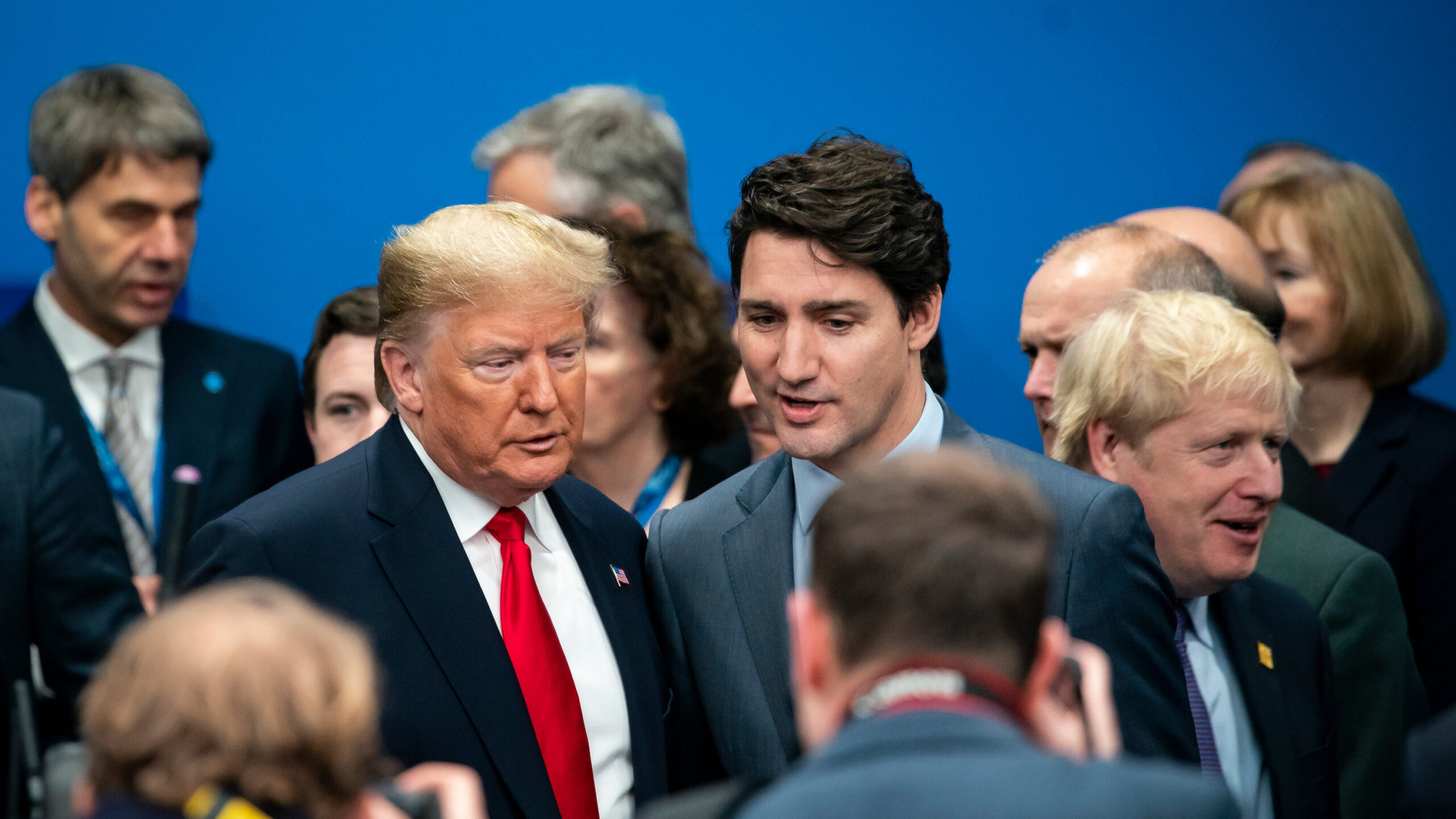
By Nitya Chakraborty Eighty years after the end of the Second World War in 1945, Europe, especially Western Europe is in disarray, as their transatlantic ally for eight decades, the United States, is refusing to guarantee the security of the European nations belonging to the NATO under the new Trump doctrine. Earlier, there were differences […]

HONG KONG SAR – EQS Newswire – 18 February 2025 – On February 18, HUAWEI revealed its latest products at a launch event in Malaysia, including the HUAWEI Mate XT | Ultimate Design, while announcing a strategic collaboration with Macau Pass. This partnership integrates MPay—Macao’s leading mobile payment platform—making it one of the first three international e-wallets supporting the HUAWEI watch. This not only represents an innovative […]

Solitario Lab Grown Diamonds, an emerging player in the sustainable jewellery sector, has raised USD 3.6 million in pre-IPO funding. This investment will enable the company to bolster its retail presence, expand into new markets, and enhance its manufacturing capabilities. The round was led by a mix of institutional and private investors, highlighting the growing interest in the eco-friendly diamond industry.

Founded by Vivek Oberoi, Solitario has quickly gained traction in the lab-grown diamond market, a sector that has seen significant growth as consumers increasingly prioritise sustainability. The company’s focus on creating high-quality diamonds using ethical and environmentally conscious methods has positioned it as a notable brand in the competitive landscape of lab-grown jewellery.

The funds raised will primarily be allocated to scaling up production facilities and boosting the brand’s footprint in key retail markets. With a solid track record of innovation and a growing customer base, Solitario aims to tap into the demand for sustainable luxury products. The investment will also support the company’s efforts to expand internationally, bringing its lab-grown diamonds to markets beyond its current footprint.

Lab-grown diamonds have become a significant part of the global diamond industry, driven by rising consumer demand for ethically sourced and environmentally friendly alternatives to mined diamonds. These diamonds, produced using cutting-edge technology that mimics natural diamond formation, have garnered attention for their sustainability and traceability. As traditional diamond mining faces increased scrutiny due to its environmental and human rights impacts, lab-grown alternatives provide a solution that meets both consumer demand and global sustainability goals.

Solitario’s strategy is to capitalise on this shift in consumer preferences, positioning itself as a premium brand in the lab-grown diamond space. The company has been refining its production processes to ensure its diamonds meet the highest quality standards while reducing the environmental footprint associated with traditional mining. This includes utilising renewable energy sources and employing innovative methods to minimise waste and carbon emissions during the manufacturing process.

The success of the funding round is a strong indicator of investor confidence in Solitario’s business model and growth prospects. The funds will allow the company to strengthen its market position as a leader in the growing lab-grown diamond sector. By focusing on both quality and sustainability, Solitario is well-positioned to attract a diverse consumer base, from environmentally conscious millennials to luxury buyers seeking ethically sourced diamonds.

The demand for lab-grown diamonds is not limited to just the jewellery sector; it also extends to the broader luxury market, where consumers are increasingly scrutinising the origins of the products they purchase. As more brands across industries adopt sustainable practices, the appeal of lab-grown diamonds continues to rise. This trend is reflected in the broader retail sector, with many major jewellery retailers now offering lab-grown options alongside traditional diamonds. Solitario’s commitment to quality, coupled with its innovative approach to sustainability, has enabled the company to carve out a niche in this competitive market.

Solitario has already established a strong presence in the domestic market, with plans to expand into key international regions. The company’s focus on building a solid retail network will enable it to reach a wider audience, offering its products through both direct-to-consumer channels and partnerships with established retail chains. By leveraging this combined approach, Solitario aims to capitalise on the increasing shift towards lab-grown diamonds among luxury consumers.

The company’s growth trajectory also reflects the broader trends within the lab-grown diamond industry. While still in its early stages compared to the traditional diamond market, the sector has seen rapid expansion in recent years. This growth is driven by advances in technology, which have significantly lowered the cost of production, making lab-grown diamonds more accessible to a wider range of consumers. Additionally, as the technology behind lab-grown diamonds continues to evolve, there is potential for even further improvements in quality and cost-effectiveness.

WELLINGTON, NEW ZEALAND – Media OutReach Newswire – 19 February 2025 – The capital came alive this weekend with thousands of Wellingtonians enjoying all the range of activities on offer at the Lunar New Year Festival, organised by Asian Events Trust, held on 16 February at TSB Arena, Shed 6 and Frank Kitts Park to welcome in the Year of the Snake. [from Left to Right] Tory […]

Prointek, a prominent player in the interactive technology and unified communication sectors, has officially opened its latest manufacturing facility in Greater Noida, marking a significant step towards bolstering India’s self-reliance in high-tech production. This new facility, strategically located in the National Capital Region, is expected to not only increase the company’s production capacity but also enhance its contribution to the rapidly expanding sector.

The 250,000-square-foot plant, which has been in development for several months, will focus on the production of a variety of interactive displays and unified communication solutions. The facility is a response to the growing demand for high-quality tech products that support modern communication systems, particularly as businesses and educational institutions continue to embrace digital transformation.

Prointek’s expansion aligns with the government’s ongoing push for “Atmanirbhar Bharat” , which encourages domestic manufacturing and aims to reduce dependency on foreign imports. By investing in local production capabilities, Prointek seeks to not only cater to the local market but also expand its presence globally, making the plant a crucial element in the company’s long-term strategy.

The company’s expansion is poised to have a significant impact on the regional economy as well. The facility is expected to create numerous job opportunities, both in the manufacturing sector and in associated roles such as research and development, logistics, and sales. Local suppliers of materials and components are also likely to benefit from the enhanced production activity, fostering growth in ancillary industries.

Prointek’s decision to build the facility in Greater Noida reflects the area’s attractiveness for tech-focused investments. The region has become a hub for IT and electronics manufacturing, with proximity to Delhi and well-established infrastructure facilitating easier access to global markets. The presence of skilled labour and a supportive business environment has also made Greater Noida an ideal location for such expansions.

The new manufacturing plant will primarily focus on producing cutting-edge interactive displays, smartboards, and video conferencing systems. These products are highly sought after in various sectors, including education, corporate communications, government services, and healthcare. As hybrid work models and remote learning continue to gain popularity, the demand for advanced technology solutions that bridge physical and virtual spaces has seen substantial growth.

In line with its commitment to sustainability, Prointek has incorporated green technologies into the facility’s design and operations. The plant is equipped with energy-efficient systems and has adopted a zero-waste policy, reflecting the company’s dedication to minimizing its environmental footprint while meeting the demands of the digital age. This move positions Prointek as a leader in eco-conscious manufacturing practices within the technology sector.

The expansion is not only about increasing production capacity but also about enhancing the company’s research and development efforts. Prointek plans to leverage the new facility as a hub for innovation, where cutting-edge technologies can be developed to meet the evolving needs of global markets. With a growing focus on artificial intelligence and machine learning in interactive systems, the company aims to integrate these technologies into its products to provide more dynamic and user-friendly solutions.

Prointek’s growth trajectory has been impressive, with the company already enjoying a strong presence in key international markets. The establishment of the Greater Noida facility is expected to strengthen its competitive edge, enabling the company to meet increasing demand across the globe. As technology continues to play an integral role in communication and business operations, Prointek’s commitment to quality and innovation positions it for continued success.

This move comes at a time when the Indian government is actively encouraging foreign direct investment and supporting the growth of the manufacturing sector through initiatives such as the Production Linked Incentive scheme. These policies are designed to attract global tech companies and encourage domestic companies like Prointek to expand their capabilities. The opening of the new facility is likely to act as a catalyst for further investments in India’s tech manufacturing space.

The growth of Prointek’s operations in India reflects the broader trend of tech companies increasing their local manufacturing presence. This shift is driven by various factors, including the desire to mitigate supply chain risks, reduce lead times, and take advantage of the favourable business environment in India. The opening of Prointek’s plant is a clear indication that India is becoming an increasingly important player in the global tech manufacturing landscape.

Industry analysts expect that Prointek’s new facility will further strengthen India’s position in the global technology market. As more companies follow suit and ramp up domestic manufacturing capabilities, India could become a key hub for the production of high-tech products, offering a competitive alternative to traditional manufacturing centres in Asia and beyond.

The defence sector is no longer a niche or cyclical play—it is becoming a structural necessity in investor portfolios. With rising geopolitical tensions and global security realignments, the financial case for defence stocks has never been stronger. The surge in defence equities over the past year suggests a fundamental shift, not just a reaction to short-term events. At the Munich Security Conference last weekend, European leaders signalled […]

Advertisements

Nigeria is set to implement new regulations taxing cryptocurrency transactions and digital activities, aiming to boost fiscal revenue and integrate compliant exchanges into the formal tax system. The Securities and Exchange Commission is developing rules to ensure eligible transactions on regulated exchanges are taxed appropriately.

A bill proposing a 7.5% value-added tax on cryptocurrency service fees has been submitted to lawmakers and is expected to pass this quarter. This initiative reflects Nigeria’s proactive approach to adapting its financial landscape and strengthening revenue administration.

In tandem, the SEC plans to accelerate the licensing of cryptocurrency exchanges in 2025, aiming to establish a clear regulatory framework that protects consumers and fosters market integrity. Since launching the Accelerated Regulatory Incubation Programme in June 2024, the SEC has granted provisional licenses to two Nigerian crypto startups, Quidax and Busha. The regulator intends to expedite approvals to address the need for clear regulations in the largely unregulated market.

Nigeria’s active cryptocurrency market sees individuals and businesses using digital currencies to hedge against inflation and exchange rate volatility. However, the lack of a clear regulatory framework has created significant uncertainty for users and investors. The introduction of taxation and licensing aims to provide clarity and integrate the crypto economy into the nation’s financial system.

The SEC acknowledges that cryptocurrency trading could generate substantial tax revenue but has not disclosed specific projections. By expanding the scope of cryptocurrency exchange licenses, the SEC aims to allow residents to trade on regulated centralized exchanges, enhancing monitoring and taxation. As these regulatory measures are implemented, investors are expected to gravitate towards centralized exchanges for greater protection.

This move aligns with global trends where governments are increasingly focusing on regulating the cryptocurrency sector to prevent illicit activities and ensure appropriate taxation. Nigeria’s efforts to tax digital transactions and license exchanges signify a significant step towards a more structured and secure crypto environment in the country.

As the legislative process progresses, stakeholders in Nigeria’s cryptocurrency market are closely monitoring developments. The successful implementation of these regulations could position Nigeria as a leading example in Africa for integrating digital assets into the formal economy while safeguarding investor interests.

r/developersIndia is hosting its inaugural online hackathon, offering participants the opportunity to earn ₹1,50,000 in prizes while contributing to the open-source community. The event, which is a collaboration with DeepSource, aims to strengthen code security and enhance developers’ contributions to improving software ecosystems.

The hackathon, dubbed “Globstar,” invites developers of all levels to participate and demonstrate their coding prowess. Participants will be tasked with solving challenges that specifically focus on code security, an increasingly important aspect of software development in today’s digital world. The competition is open to individuals or teams, allowing flexibility in collaboration.

According to the event organisers, the Globstar hackathon is an excellent platform for developers to make a meaningful impact on open-source projects. Open-source software has become essential in today’s technological landscape, with numerous businesses and organisations relying on these community-driven projects for the development of critical applications. This event seeks to build on the growing interest in open-source contributions by engaging developers in meaningful challenges that contribute to the improvement of code quality and security.

DeepSource, a key partner in the event, is known for its tools that help developers write secure, reliable, and efficient code. By providing support to the hackathon, DeepSource aims to foster a stronger community of developers committed to ensuring that security remains at the forefront of development practices. The company’s collaboration with r/developersIndia underscores a shared goal of improving the state of code security, something that has become even more urgent as the world increasingly relies on software in every aspect of life.

Participants will have the chance to win prizes in various categories, with the total prize pool amounting to ₹1,50,000. The competition is designed to be accessible to developers with different skill sets, from beginners to advanced coders. Each challenge is structured in a way that promotes learning and growth, allowing even newcomers to the field to gain valuable insights into security practices and coding techniques. This approach aligns with the organisers’ mission to support the development of a more skilled and security-conscious software development community.

In addition to the prizes, participants will also receive recognition for their contributions to open-source software. The importance of open-source projects cannot be overstated, as they often serve as the backbone for innovations in technology. Contributions from hackathon participants may lead to the implementation of security improvements in widely used tools, further enhancing the ecosystem’s security.

The event also provides a valuable networking opportunity for developers, as participants can collaborate with others and connect with industry experts. With a focus on collaboration and learning, the hackathon fosters an environment where developers can exchange ideas, gain mentorship, and refine their skills in a competitive yet supportive setting.

As for the registration details, developers must sign up for the hackathon by February 20, 8:00 PM IST. Those interested can visit the official event page on r/developersIndia’s platform for more information about the challenges, guidelines, and instructions on how to participate. The registration process is straightforward, with all the necessary details available to ensure participants are fully prepared to take part in the competition.

This hackathon is part of a broader trend of online coding challenges that have become increasingly popular over the past few years. With the rise of remote work and digital collaboration, virtual events like the Globstar hackathon have become an essential tool for fostering global communities of developers. They not only provide a platform for competition but also encourage a collaborative approach to solving complex problems, especially those related to security and open-source development.

The rise of cyber threats has made it imperative for developers to prioritise security in their coding practices. Hackathons like Globstar serve as a reminder of the critical role developers play in safeguarding software systems from vulnerabilities. The Globstar hackathon also highlights the growing recognition of the importance of secure coding in the developer community, which is now more than ever aware of the need to address potential risks in their work.

MACAU SAR – Media OutReach Newswire – 18 February 2025 – Galaxy Macau™ presents the world-renowned Italian crossover king of classic and pop music, Andrea Bocelli, who will perform his first concert in Macau at Galaxy Arena on March 29, 2025. This marks the first time the legendary tenor has appeared at Macau’s largest indoor arena. This concert will feature a unique setlist, offering fans in Macau, […]

Robinhood is set to enter the Singaporean cryptocurrency market in 2025, marking a significant expansion of its services beyond traditional stock trading. The platform, known for democratizing investing in stocks, will leverage Bitstamp’s entities to facilitate its cryptocurrency operations in the region.

This move comes as the global cryptocurrency industry gains more traction, and the demand for user-friendly platforms has grown in Asia. Singapore, a thriving hub for fintech and digital assets, is an ideal location for Robinhood’s expansion into cryptocurrencies, as its government has embraced crypto regulation and blockchain technology.

Robinhood’s partnership with Bitstamp, a prominent European cryptocurrency exchange, is expected to strengthen the platform’s operational capabilities and credibility. The collaboration will allow Robinhood to conduct its cryptocurrency trading activities through Bitstamp’s established infrastructure, which complies with local regulations and security standards.

Singapore has long been a leader in cryptocurrency adoption, with regulatory frameworks that support the growth of blockchain technology. The Monetary Authority of Singapore , the country’s financial regulator, has taken a proactive approach in shaping the digital asset landscape, offering a regulatory sandbox for cryptocurrency firms and ensuring robust consumer protection measures. Robinhood’s entry into this environment signals its commitment to expanding its portfolio in a market with substantial growth potential.

The decision to extend Robinhood’s offerings to include cryptocurrency trading aligns with the company’s broader strategy to diversify its services and tap into the growing demand for digital currencies. Cryptocurrencies have witnessed increased interest in Asia, particularly in Singapore, where retail and institutional investors are keen to explore new opportunities in the space. With the backing of Bitstamp’s infrastructure, Robinhood will be well-positioned to cater to both individual investors and those looking for more secure and regulated trading platforms.

Robinhood’s move into cryptocurrency services follows its increasing focus on diversifying its product offerings. Initially renowned for its commission-free stock trading, the platform has expanded into other asset classes such as options, ETFs, and now digital assets. The company’s emphasis on low-fee trading options aligns with its mission to make financial services more accessible to a broader audience.

The global cryptocurrency market has become increasingly competitive, with established players such as Binance, Coinbase, and Kraken dominating the space. Robinhood’s entry into the market, however, could stir competition by attracting its large user base from its stock trading platform. The platform’s user-friendly interface and commitment to low fees have made it a popular choice among retail investors, and the addition of cryptocurrency services will likely appeal to this demographic.

Analysts predict that Robinhood’s move into the crypto market could bring about significant changes to the competitive landscape, particularly in Singapore. The country’s strong regulatory framework, combined with a growing appetite for digital asset investment, positions Robinhood to tap into a diverse range of customers. As a result, the company’s operations in Singapore will likely influence how cryptocurrency exchanges interact with regulators and consumers in the region.

By entering Singapore, Robinhood also demonstrates its broader vision of becoming a global player in the cryptocurrency market. The company has previously stated its intentions to expand its cryptocurrency offerings beyond the United States, and the Singapore initiative represents a key milestone in that strategy. The move could pave the way for further international expansion into other markets in Asia and beyond.

Despite the promising prospects, Robinhood’s foray into cryptocurrencies may face challenges, particularly concerning regulation and market volatility. Although Singapore’s regulatory environment is regarded as supportive, crypto firms must navigate stringent compliance requirements. Additionally, the volatile nature of cryptocurrency prices may create uncertainty in the market, impacting investor confidence and trading volumes. These risks will require Robinhood to maintain a robust risk management framework as it launches its services in Singapore.

The entry of a major player like Robinhood into the cryptocurrency space is indicative of the growing mainstream acceptance of digital currencies. As traditional financial institutions and established companies continue to embrace cryptocurrencies, the industry is expected to mature and become more integrated with the global financial system. This trend is expected to accelerate as regulatory clarity improves and more investors become comfortable with the risks and rewards of digital assets.

OKX has made a significant stride in its European expansion by securing a Markets in Crypto-Assets license, positioning itself as one of the first global exchanges to comply with the European Union’s new regulatory framework for digital assets. The MiCA license, a milestone in crypto regulation, enables the exchange to legally operate across 28 countries within the European Economic Area , further solidifying OKX’s position as a key player in the global cryptocurrency landscape.

This development comes at a time when the crypto industry is facing increasing regulatory scrutiny, particularly in Europe. The MiCA framework aims to establish a comprehensive regulatory environment for digital assets, addressing concerns such as investor protection, market integrity, and financial stability. By obtaining this license, OKX demonstrates its commitment to operating within the regulatory boundaries set by the EU, enhancing trust and reliability for both individual and institutional users.

With the MiCA license now in place, OKX has expanded its services to include euro-denominated trading pairs, providing a seamless integration for European users. This move allows customers in the EEA region to trade digital assets directly with euros, facilitating smoother transactions and reducing the need for conversions. Furthermore, OKX has introduced free bank transfers and fiat payment options, making it easier for European customers to deposit and withdraw funds.

The decision to offer free bank transfers and fiat payment options is particularly notable, as it addresses one of the common pain points for cryptocurrency users: high transaction fees. By eliminating these charges, OKX is able to enhance its competitiveness in an already crowded market, attracting users who may have been deterred by traditional exchange fees. These efforts also align with the company’s broader strategy to provide a user-friendly and cost-effective platform for its European clientele.

OKX’s expansion into the European market marks a new chapter in the company’s international growth. The exchange, which was founded in 2017, has quickly established itself as one of the largest and most reputable platforms in the crypto space. Its growth has been driven by a focus on innovation, security, and customer service, which has earned it a loyal user base in regions around the world. The company’s expansion into Europe reflects its commitment to diversifying its reach and tapping into the growing demand for crypto services across the continent.

As one of the first global exchanges to secure a MiCA license, OKX is now well-positioned to capitalise on the evolving regulatory environment in Europe. The MiCA framework, which is set to come into full effect in 2024, aims to provide legal certainty for crypto businesses operating in the EU. For exchanges like OKX, compliance with MiCA is essential for maintaining a strong presence in the European market, as regulators seek to ensure that crypto activities are conducted safely and transparently.

The move is also significant because it comes at a time of heightened regulatory uncertainty in other parts of the world. In the United States, for example, the crypto industry is facing increasing pressure from lawmakers and regulators, who are working to create a more structured approach to digital asset regulation. In this context, Europe’s MiCA framework offers a more defined path forward for crypto businesses looking to operate within a regulated environment.

Beyond the regulatory benefits, OKX’s decision to offer localized services tailored to the needs of European users is a key aspect of its strategy. The company has long emphasised the importance of localisation, recognising that each market has its unique requirements and challenges. By offering euro pairs and a range of fiat payment options, OKX is making it easier for European users to engage with the platform and participate in the growing digital asset economy.

OKX’s success in securing the MiCA license also highlights the company’s ongoing efforts to prioritise compliance and security. Over the years, OKX has made significant investments in strengthening its security infrastructure, which is a critical factor in maintaining the trust of its users. The exchange has implemented a variety of measures to safeguard customer assets, including robust encryption protocols, multi-signature wallets, and insurance funds for potential losses due to breaches.

The MiCA license also places OKX in a favourable position to expand its range of services across Europe. As the regulatory environment in Europe becomes clearer, OKX will have the opportunity to offer additional products and services, such as staking, lending, and asset management, to a wider audience. The company’s ability to operate in 28 EEA countries provides it with a significant competitive edge over other exchanges that may be restricted by more stringent regulations.

However, the regulatory landscape for crypto assets remains dynamic, and OKX’s ability to maintain its position in the European market will depend on its continued compliance with MiCA and other evolving regulations. As the EU finalises the implementation of MiCA in the coming years, exchanges like OKX will need to adapt to new rules and requirements that could affect everything from anti-money laundering measures to customer due diligence.

Around 75,000 traders have reportedly incurred significant losses in LIBRA transactions, amounting to an estimated $286 million. This massive financial blow has sent ripples through the crypto and financial communities, raising concerns over the stability and security of digital trading platforms. The losses come after a series of volatile shifts in the LIBRA market, prompting numerous investigations into the platform’s practices and risk management.

The traders affected by the crash were primarily retail investors, many of whom joined the platform in pursuit of quick gains in the volatile cryptocurrency market. The large-scale losses have ignited debates surrounding the transparency of digital asset platforms and the level of regulatory oversight needed to protect users. As the market for cryptocurrencies continues to grow, incidents like these have underlined the risks associated with trading on decentralised exchanges.

LIBRA, once hailed as a promising player in the burgeoning cryptocurrency market, has now found itself at the centre of a storm. The platform’s reliance on algorithms and automated trading systems for price determination has come under scrutiny. Experts argue that the system’s vulnerability to market manipulation and price volatility contributed heavily to the massive losses. Traders reported sudden, drastic price fluctuations on their accounts without adequate warnings, leading to large-scale liquidations of positions.

Crypto platforms like LIBRA are typically built on blockchain technology, which enables decentralised trading of digital currencies. While this offers a level of transparency, it also means that users are often left to navigate a complex, and sometimes chaotic, environment on their own. Regulatory bodies worldwide are facing increased pressure to introduce stricter rules to ensure that platforms like LIBRA provide adequate consumer protection.

Many traders have expressed frustration with the platform’s lack of clear communication during the price swings. Some reported that they were unable to reach customer support representatives when they needed assistance, exacerbating the losses they incurred. The absence of a safety net for users trading in such high-risk markets has led to calls for stronger regulations within the sector.

The immediate response from LIBRA’s team has been to offer partial compensation for those affected by the losses. However, the company’s ability to fully cover the $286 million in damages remains uncertain. Legal experts believe that the situation could lead to widespread litigation, with traders seeking compensation through class action lawsuits. The platform has indicated that it will review its risk management policies to prevent future incidents, but this has done little to quell the dissatisfaction among its users.

A growing number of critics argue that platforms like LIBRA should be subject to the same level of regulation as traditional financial institutions. They stress the need for clearer guidelines around margin trading, the use of automated trading bots, and the protection of retail investors. The current lack of oversight in the crypto sector leaves consumers vulnerable, and experts warn that more safeguards are needed to prevent further widespread losses.

The legal landscape surrounding cryptocurrencies is rapidly evolving, with governments around the world considering how best to regulate digital currencies and exchanges. While some countries have implemented strict regulations, others have taken a more hands-off approach. This disparity in regulations has made it difficult for global traders to navigate the crypto market safely. Experts believe that a unified international framework could help standardise protections for users across platforms like LIBRA.

As the aftermath of the LIBRA debacle unfolds, many are questioning whether the cryptocurrency market is ready for the mainstream. While some remain optimistic about the long-term prospects of digital currencies, others are increasingly sceptical, citing the risks highlighted by the recent events. The losses suffered by thousands of traders have highlighted a critical flaw in the way some platforms operate, and it remains to be seen whether this will lead to a shift in how cryptocurrencies are regulated globally.

The MICHELIN Guide announced its arrival in Manila and Environs & Cebu for an upcoming 2026 selection The restaurant selection for the inaugural edition will be revealed in the last quarter of 2025 The renowned anonymous MICHELIN Inspectors are already in the field MANILA, PHILIPPINES – Media OutReach Newswire – 18 February 2025 – The MICHELIN Guide announced today its latest expansion into the vibrant culinary landscapes […]

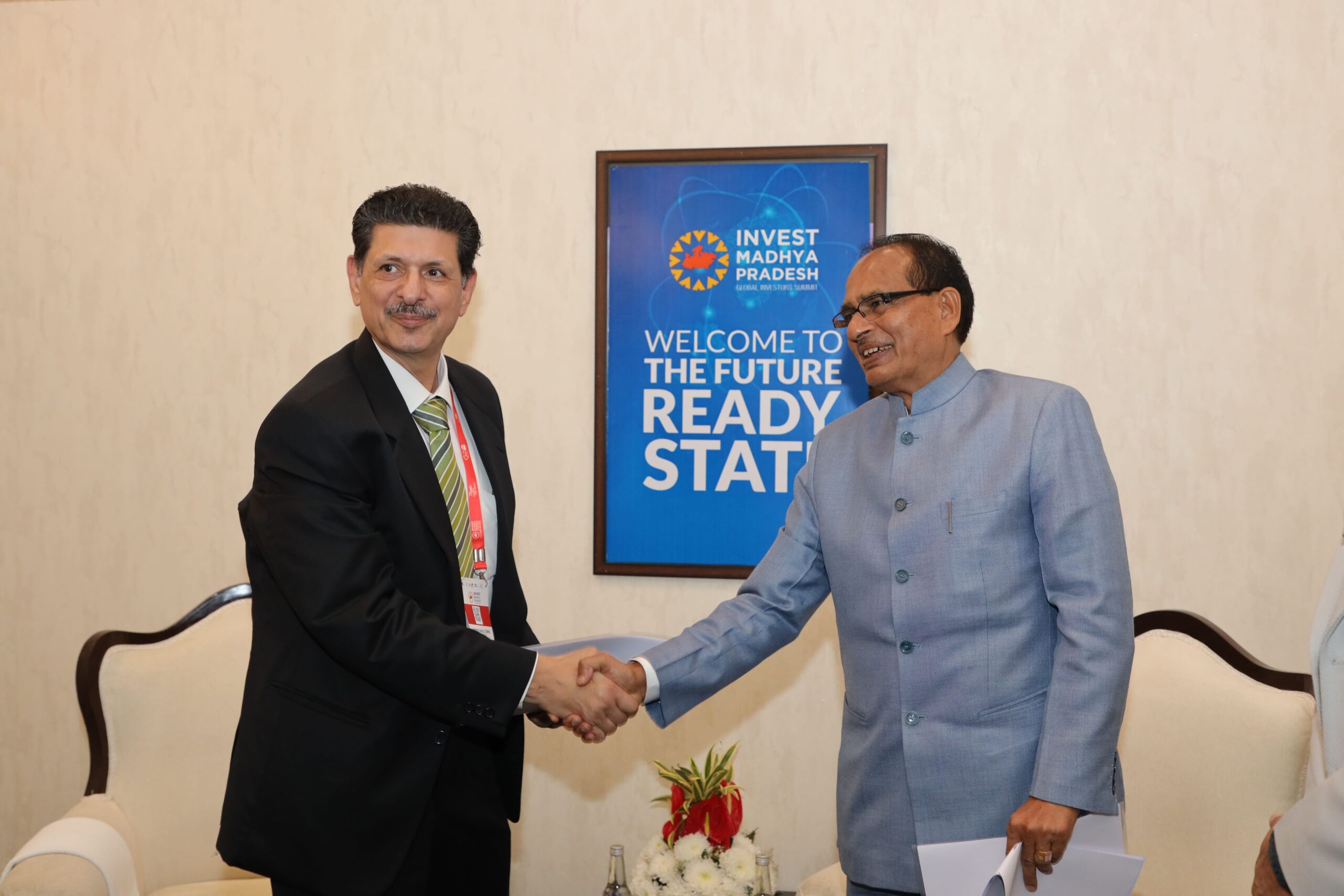
By L S Herdenia BHOPAL: Bhopal is decorating itself to accord warn welcome to over 100 big industrial magnets who will be in the capital city to attend Madhya Pradesh government sponsored Industrial Summit. The Summit will be inaugurated by the Prime Minister Narendra Modi on February 24. Nearly a hundred distinguished industrialists and chiefs […]

Tesla Inc. has made a significant move towards entering the Indian market, as evidenced by a surge in job openings across key locations like Mumbai and Delhi. The company is currently seeking to fill 13 roles, spanning customer-facing and back-end positions, marking a clear commitment to establishing a foothold in India’s growing electric vehicle sector.

The announcement comes after Elon Musk’s high-profile meeting with Prime Minister Narendra Modi, a discussion that appears to have catalysed Tesla’s decision to pursue expansion in the region. The timing of this strategic move is especially relevant given the recent developments in India’s trade policies, with the government reducing import duties on luxury cars, a measure that could provide Tesla with a more favourable environment for operations.

India’s electric vehicle market, while still in its infancy compared to China’s, is poised for considerable growth. The country’s rapid urbanisation, increased government focus on sustainability, and rising interest in eco-friendly transportation solutions position it as a key player in the global EV landscape. Tesla, with its reputation for high-performance, premium EVs, stands to benefit from these trends.

Tesla’s recruitment efforts are seen as an indication of the company’s intention to tap into the vast potential of India’s automotive sector. The roles available span various areas, including technical support and operations, aimed at building the company’s infrastructure in the region. This is not the first time Tesla has shown interest in India; however, the recent policy changes have provided a more favourable environment for international companies looking to expand their operations.

Prime Minister Modi’s engagement with Elon Musk is likely to have been a pivotal factor in advancing Tesla’s plans for India. During the meeting, both parties discussed ways to enhance cooperation, particularly in sectors such as renewable energy and electric vehicles. Tesla’s entry into India aligns with the government’s push to reduce carbon emissions and transition towards sustainable energy solutions.

The reduction in import duties on luxury vehicles is a significant policy shift that could greatly benefit Tesla’s plans. Previously, India imposed high import duties on foreign-made vehicles, making it challenging for companies like Tesla to price their products competitively in the local market. The recent reduction, part of a broader effort to stimulate the EV sector, is seen as a move to attract global automakers. Tesla, which manufactures its vehicles primarily in the United States, is expected to benefit from these lower tariffs, potentially making its vehicles more affordable for Indian consumers.

India’s EV market, while smaller than China’s, is growing at a rapid pace. The country’s government has set ambitious targets for electric vehicle adoption, with a focus on reducing air pollution and decreasing dependence on imported oil. The Indian government has also introduced several incentives to promote the sale and manufacturing of electric vehicles, including subsidies for EV buyers and manufacturers, as well as tax exemptions for charging infrastructure.

Despite these encouraging trends, Tesla will face stiff competition in the Indian market. Homegrown automakers, such as Tata Motors and Mahindra & Mahindra, have already established themselves as key players in the EV sector, offering affordable electric cars that cater to Indian consumers’ needs. Additionally, the infrastructure for electric vehicles in India remains underdeveloped in many regions, with limited charging stations and a lack of widespread awareness among consumers about EV technology.

Nevertheless, Tesla’s brand recognition and technological expertise are expected to give it an edge in the Indian market. The company’s high-performance vehicles, coupled with its focus on sustainable energy solutions, could appeal to India’s growing middle and upper classes, who are increasingly concerned with environmental issues. Additionally, Tesla’s potential to create local manufacturing jobs and contribute to India’s green energy goals may help the company secure government support.

Tesla’s entry into India also signals the increasing importance of emerging markets in the global automotive industry. As more companies look to expand beyond their traditional markets in North America and Europe, countries like India and China are becoming central to the automotive industry’s future growth. India, with its large population, growing middle class, and rising environmental awareness, presents a significant opportunity for Tesla to expand its global footprint.

stc.AI, the artificial intelligence arm of Saudi Arabia’s leading digital enabler stc Group, has launched a groundbreaking large language model sovereign cloud platform. This move positions the kingdom at the forefront of the AI revolution, marking a key milestone in its ambition to become a global technology hub. The platform is set to run Llama 405B, one of the most advanced AI models in existence, and is […]

Europe’s public cloud services sector is set for remarkable growth, with projections indicating spending will hit $221 billion by 2025 and skyrocket to $373 billion by 2028. This surge is being driven by the increasing adoption of Platform-as-a-Service , a key cloud model that offers businesses the flexibility and scalability needed to support evolving technology needs. As digital transformation accelerates across industries, organisations are increasingly turning to […]

By Shanil Yakoob Almost a month to this day, on January 16, 2025, Andhra Pradesh Chief Minister N. Chandrababu Naidu made a startling proposal. Individuals with fewer than two children, he suggested, should be disqualified from contesting local body elections. This announcement came just two months after his government passed the Andhra Pradesh Panchayat Raj […]
By Kunal Bose The world, much to its disappointment, is seeing the United States of America, which is the world largest economy and mightiest military power, rapidly embracing raw, unrestrained capitalism under the newly inaugurated second-term Presidency of Donald John Trump abandoning all traces of egalitarianism. Induction of Tesla chairman Elon Musk to head the […]

AM Green, a prominent producer of green hydrogen and ammonia, has entered into a strategic partnership with DP World, a global logistics leader, to establish a sustainable supply chain for green fuels and chemicals. This collaboration aims to position India as a central hub for the export of green ammonia and methanol, significantly contributing to global decarbonization efforts. Under the Memorandum of Understanding (MoU) signed in December, the […]

Spotify is set to introduce a new subscription tier, “Music Pro,” which will provide users with enhanced audio quality and other features for an additional $6 per month. This move comes as part of the company’s ongoing efforts to differentiate itself in the competitive music streaming market, where users are increasingly demanding high-quality audio experiences. The new “Music Pro” tier will reportedly offer a premium streaming experience, […]

Global Aerospace Logistics , a key player in the UAE’s aerospace and defence sector, has entered into a strategic partnership with GE Aerospace to enhance the development of Emirati talent in the aerospace industry. The Memorandum of Understanding was officially signed on the opening day of the International Defence Exhibition and Conference 2025, marking a significant step forward in the region’s efforts to bolster its workforce in this high-tech, specialised field.

Under the terms of the agreement, GAL and GE Aerospace will collaborate on a series of initiatives aimed at providing Emirati students and professionals with practical, hands-on training and exposure to cutting-edge technologies. The partnership is designed to equip young Emiratis with the skills and knowledge needed to drive innovation and growth within the aerospace sector.

The initiative focuses on creating a pipeline of highly skilled professionals who will contribute to the UAE’s broader vision of becoming a global hub for aerospace innovation. This aligns with the nation’s strategic goals of diversifying its economy, reducing reliance on oil, and investing in high-value industries such as space exploration and defence technology. The collaboration between GAL and GE Aerospace represents a concerted effort to meet these objectives while simultaneously addressing the growing demand for skilled talent in the sector.

The MOU details a comprehensive approach to talent development, combining academic partnerships, vocational training, and industry placements. A key aspect of the programme will be providing training in the latest aerospace technologies, as well as leadership and management skills. Both companies are committed to nurturing the next generation of engineers, technicians, and innovators who will shape the future of the aerospace industry in the UAE.

“This collaboration is a testament to the UAE’s commitment to fostering local talent and ensuring that Emiratis are at the forefront of technological advancements in the aerospace industry,” said a representative from GE Aerospace. The partnership will not only address the skills gap in the local workforce but also build a sustainable framework for long-term growth in the sector.

In addition to technical training, the MOU also focuses on providing opportunities for Emiratis to gain practical experience in aerospace operations. This hands-on exposure is seen as essential in preparing the workforce for the complex challenges of the industry. By working closely with GE Aerospace, GAL aims to create a robust system for skill development that will equip Emiratis with the expertise needed to succeed in both the domestic and international aerospace markets.

The UAE has already made significant strides in developing its aerospace sector. Over the past few years, the country has invested heavily in space exploration, launching the Mars mission and becoming one of the few nations to send an interplanetary probe to the Red Planet. Furthermore, the UAE has built a strong presence in defence technology, with an increasing number of local companies supplying high-tech systems to regional and global markets.

However, the growing aerospace industry also poses a challenge in terms of workforce readiness. There is a pressing need to ensure that Emiratis are well-equipped to take on leadership roles in this rapidly evolving field. This partnership with GE Aerospace is seen as a crucial step in addressing that challenge and ensuring that the UAE’s aerospace ambitions are realised.

The partnership also underscores the UAE’s broader strategy of building international collaborations to drive innovation. By working with global leaders in aerospace technology, the country is positioning itself as a key player on the world stage. GE Aerospace, with its long history and extensive expertise in the field, is an ideal partner for GAL as they work together to build a new generation of aerospace professionals in the UAE.

The signing of the MOU at IDEX 2025 is part of a broader push by the UAE government to position the nation as a global leader in defence and aerospace technologies. The country is actively seeking international partnerships to enhance its technological capabilities, foster innovation, and create job opportunities for Emiratis. The aerospace sector, with its focus on cutting-edge technologies and high-skilled labour, is a central part of this vision.

IDEX 2025, the largest defence exhibition in the region, served as the perfect venue for this announcement, bringing together leading industry players from around the world. The event provided a platform for GAL and GE Aerospace to showcase their shared commitment to advancing the UAE’s aerospace capabilities and talent development initiatives.

Dubai’s Roads and Transport Authority has unveiled its fourth-generation traditional abras, a key initiative aimed at modernising the city’s iconic water transport system. The new abras, which combine traditional design with innovative technology, are expected to enhance the overall passenger experience while maintaining the charm and heritage of Dubai’s waterways.

The new fleet marks a significant step in the evolution of Dubai’s abras, which have long been a cornerstone of the city’s transport network, offering both locals and tourists a scenic and practical way to cross the Dubai Creek. These traditional boats, often seen as a symbol of the emirate’s rich maritime history, will now feature advanced features including more eco-friendly propulsion systems, improved safety measures, and greater passenger comfort.

In an announcement made by the RTA, it was revealed that the new generation of abras will include enhanced materials for durability, better fuel efficiency, and a more comfortable ride. These innovations come as part of a broader push to modernise Dubai’s transport infrastructure, positioning the city as a global leader in integrating sustainable technologies with its cultural heritage.

The fourth-generation abras will include air-conditioning systems for passenger comfort, and a more streamlined design to reduce fuel consumption and emissions, aligning with Dubai’s environmental goals. This new fleet is also part of RTA’s efforts to boost Dubai’s tourism sector by providing an upgraded and attractive water transport option for visitors while ensuring the traditional spirit of the abras is retained.

“The launch of the fourth-generation abras is a major milestone in the evolution of public transport in Dubai,” said Mattar Al Tayer, Director-General and Chairman of the RTA. He highlighted that the initiative represents the authority’s ongoing commitment to enhancing mobility solutions that balance modernity with tradition. “This project exemplifies Dubai’s vision of fostering sustainable growth while embracing its rich cultural heritage.”

The new generation of abras will also feature state-of-the-art navigation systems, offering more efficient scheduling and tracking of the fleet. These improvements are designed to further enhance the operational efficiency of the boats, making travel along the Creek smoother for both commuters and tourists alike.

The decision to modernise the traditional abras aligns with the UAE’s long-term commitment to sustainability and technological integration. The nation has already made substantial investments in green technologies across various sectors, with a particular focus on reducing carbon emissions and promoting energy-efficient systems. The RTA’s new abras are expected to play a key role in helping the city achieve its ambitious sustainability targets, especially as the global focus on eco-friendly transportation intensifies.

In addition to their sustainability features, the new abras will incorporate advanced safety features, including GPS tracking and communication systems, which will allow for better coordination and faster response times in case of emergency. This is expected to reassure passengers and enhance the overall reliability of the service, especially in high-traffic areas of Dubai Creek.

The RTA’s initiative is expected to not only improve the experience for daily commuters but also attract more tourists to the waterway, which has long been a popular attraction in Dubai. The new abras, with their modern features and enhanced comfort, will likely offer an even more appealing way to explore the historic district of Bur Dubai, Deira, and other key areas along the Creek.

The traditional abras have been a feature of Dubai’s public transport network for decades, offering a scenic and affordable way to navigate the city’s waterways. However, the evolving needs of residents and visitors, alongside the city’s rapid growth, have necessitated changes to the system. The RTA’s decision to upgrade the abras aims to address these needs while ensuring the city’s water transport continues to serve as both a practical mode of transport and a cultural symbol.

RTA’s modernisation efforts are also seen as part of a broader trend across Dubai, where a mix of traditional values and modern technological advancements is shaping the city’s transport landscape. From driverless taxis to electric buses and sustainable metro services, the RTA has been at the forefront of integrating innovation into the city’s public transport network.

The new abras are also expected to be more inclusive, with design modifications that make the boats more accessible to people with disabilities. The RTA has stated that it is committed to ensuring all its public transport services meet the needs of the entire population, including those with mobility challenges. The new abras will have specially designed seating and ramps to accommodate passengers with physical disabilities, further enhancing the inclusivity of Dubai’s transport system.

As the global transportation industry increasingly turns towards sustainability, the RTA’s new abras demonstrate how cities like Dubai are seeking to preserve their cultural heritage while embracing new technologies. The launch of these boats highlights the emirate’s commitment to becoming a leader in sustainable urban development and reflects the growing importance of integrating green solutions into public transport systems worldwide.

Passengers on the new abras will also benefit from enhanced security features, with additional surveillance cameras and safety protocols in place. These measures are expected to ensure that Dubai’s water transport remains one of the safest and most reliable in the region, with a focus on passenger welfare at every stage of the journey.


VISHNU RAJA
RYO YAMADA
HITORI GOTOH
IKUYO KITA