Just in:
Beyond the exhibition floor: How robots, AI and networks are moving into the real world // Trump’s Iran War Has A Share Of Contribution To His Midterm Debacle // Xi Jinping Preparing For A Trilateral Summit With Trump And Putin At APEC Summit On Nov 18-19 // Ousted top Kochi cop gets IG post // Millions Of Indians May Soon Be Deprived Of Government Assistance // OpenAI introduces GPT-6 Cyber with restricted security access // Dubai boat show confirms international shipyard line-up for November // Oil advances towards $100 as tanker attacks persist // UK air traffic outage inflicted £33m financial losses // OpenAI abandons secrecy agreements for future data centres // Private varsities bill all set to face the axe // Motorola introduces Signature 27 flagship priced at $1,599 // Geely’s i-HEV Intelligent Hybrid Technology Offers a New Direction for Gasoline-Powered Vehicles // CR Longdation Aethereal Cybersecurity × Global Cybersecurity Alliance (GCSA) Join Hands to Establish the “AI and Cybersecurity Research Centre” // TVM –Mangaluru Vande Bharat claims top spot // Hong Kong mandates crypto transaction disclosures to tax authorities // Asia Left Behind: Ten international companies have yet to report delivering on their cage-free egg pledges across the region // The “1st Greater Bay Area Health and Longevity Summit & Awards Ceremony” concludes successfully in Macao // Oil and chip shares retreat after Democratic victories // Technology shares plunge as Nasdaq enters correction //

News related to
global

Singapore’s Prime Minister, Lawrence Wong, announced the formation of a dedicated task force to address the nation’s economic vulnerabilities in light of escalating global trade tensions. This initiative aims to safeguard Singapore’s economic interests and mitigate potential adverse effects on its growth trajectory.

The catalyst for this strategic move is the United States’ recent imposition of a universal 10% tariff on imports, a policy that appears non-negotiable regardless of existing trade balances or agreements. Prime Minister Wong expressed deep concern over this development, highlighting that Singapore, with its heavy reliance on global trade, could face significant economic disruptions. He indicated that the nation’s GDP growth projections for 2025, currently set between 1% and 3%, may require downward revision.

Despite the existing free trade agreement and close bilateral ties between Singapore and the U.S., the city-state has not been exempted from these tariffs. Trade Minister Gan Kim Yong voiced disappointment over the U.S. decision, noting that while the agreement permits countermeasures, Singapore has chosen not to retaliate with counter-tariffs to avoid escalating tensions and increasing import costs. Instead, the focus will be on diplomatic engagement to address specific concerns raised by the U.S. administration.

The newly established task force will comprise key government officials, industry leaders, and economic experts. Its mandate includes analyzing the potential impact of global trade policies on Singapore’s economy, formulating strategic responses, and recommending measures to bolster economic resilience. Particular attention will be given to supporting sectors most vulnerable to trade disruptions and exploring opportunities to diversify trade partnerships.

Economists anticipate that the Monetary Authority of Singapore may adjust its monetary policy in response to these challenges. The MAS, which manages policy through the Singapore dollar nominal effective exchange rate , is expected to reduce the slope of the S$NEER band. This adjustment aims to enhance export competitiveness and cushion the economy against external shocks. Analysts, including those from Fitch Solutions and Maybank, have highlighted the potential for U.S. tariffs to significantly impact Singapore’s GDP, underscoring the need for proactive policy measures.

The global economic landscape is further complicated by rising protectionism and geopolitical tensions, particularly between major economies such as the U.S. and China. These dynamics have prompted countries to adopt more assertive trade policies, leading to a fragmented global economy. Prime Minister Wong has previously cautioned that such fragmentation could result in less trade, reduced investments, and hindered economic advancement, emphasizing the importance of maintaining open economic cooperation.

Goldman Sachs Group Inc. has cautioned that Brent crude oil prices could plummet below $40 per barrel under extreme scenarios, as escalating trade tensions between the United States and China exacerbate fears of a global economic downturn. This warning follows the bank’s recent downward revision of its 2025 Brent crude forecast to $77 per barrel, a $5 reduction from earlier estimates, citing unexpected increases in oil inventories and sluggish demand growth from China.

The ongoing trade dispute has led to significant market volatility, with President Donald Trump’s administration imposing tariffs of up to 60% on Chinese goods and 25% on steel imports. These aggressive measures have rattled global markets, leading to a bear market for the S&P 500 and substantial losses across major indices, including the FTSE 100 and DAX.

In response to these developments, OPEC+, the alliance of the Organization of the Petroleum Exporting Countries and its partners, announced an unexpected production increase of 411,000 barrels per day starting in May. This move aims to discipline non-OPEC supply but has contributed to a surplus, further depressing oil prices.

Analysts at Goldman Sachs have outlined several scenarios that could lead to a sharp decline in oil prices. For instance, if Chinese oil demand remains flat, Brent crude could drop to $60 per barrel. Additionally, the imposition of a comprehensive 10% tariff on imported goods by the U.S. could drive prices down to $63 per barrel. A full reversal of OPEC’s additional production cuts of 2.2 million barrels per day could further push prices to $61 per barrel.

The repercussions of these developments are multifaceted. While consumers may benefit from lower fuel prices, energy companies, particularly those involved in U.S. shale production, face significant financial strain. Major firms such as Chevron, Occidental Petroleum, and Diamondback Energy have already experienced notable stock declines.

The broader economic implications are equally concerning. The combination of escalating trade tariffs and increased oil production has heightened fears of a global recession. Financial institutions, including JPMorgan, have raised their recession forecasts, reflecting the growing economic uncertainties.

Stock markets across the United Arab Emirates have witnessed notable declines, influenced by escalating global trade tensions and fluctuating oil prices. The Dubai Financial Market and the Abu Dhabi Securities Exchange have both been affected, reflecting broader regional economic concerns.

The DFM’s main index recorded a 3.1% drop, with Dubai Islamic Bank experiencing a 5.7% decline. Similarly, the ADX index fell by 2.6%, influenced by a 5% decrease in ADNOC Gas shares. These downturns align with a broader trend observed across Gulf Cooperation Council markets, as investors react to the intensifying trade disputes between major global economies.

U.S. President Donald Trump’s recent implementation of comprehensive tariffs has heightened fears of a global recession. In retaliation, China announced a 34% tariff on American goods, effective April 10. President Trump stated he would not engage in negotiations with China until the U.S. trade deficit is addressed. These developments have contributed to increased volatility in global markets, with the S&P 500 companies in the U.S. losing $5 trillion in value over two days.

Oil prices, a critical component of Gulf economies, have also been affected. Brent crude prices declined nearly 15% over five days to just over $64 per barrel, marking a 30% decrease from the previous year. This decline is well below the break-even point for many Middle Eastern oil producers, adding to the economic strain in the region.

The Saudi stock market has not been immune to these pressures. The Saudi benchmark index experienced a 6.8% drop, its sharpest fall since May 2020. Major financial institutions like Al Rajhi Bank and Saudi National Bank lost nearly 6%, while oil giant Saudi Aramco fell 5.3%. These declines underscore the pervasive impact of global trade tensions on the region’s financial markets.

Analysts suggest that Gulf nations may need to consider austerity measures and fiscal cutbacks in response to these economic challenges. The increased tariffs and declining oil revenues could compel governments to reassess their spending and economic strategies to navigate the turbulent financial landscape.

The broader implications of these developments are significant. The escalating trade war between the U.S. and China has the potential to disrupt global supply chains, affecting economies worldwide. For the Gulf region, which is heavily reliant on oil exports and international trade, the ramifications could be particularly severe.

HONG KONG SAR – Media OutReach Newswire – 8 April 2025 – Cristiano Ronaldo is set to redefine the shopping experience with the grand opening of the first-ever CR7® LIFE Official Flagship Store at Times Square in Hong Kong celebrating his museum and legacy. Set to open its doors on June on the 7th floor of the iconic shopping hub, the first worldwide CR7® LIFE Store promises […]

SEALSQ Corp, a company specializing in semiconductors and post-quantum technology, has announced a strategic partnership with IC’ALPS, a French ASIC design house, to develop advanced Application-Specific Integrated Circuits aimed at enhancing functional safety in the automotive sector. This collaboration seeks to address the emerging cybersecurity challenges posed by quantum computing advancements. IC’ALPS brings to the partnership its expertise in power management integrated circuits and adherence to automotive […]

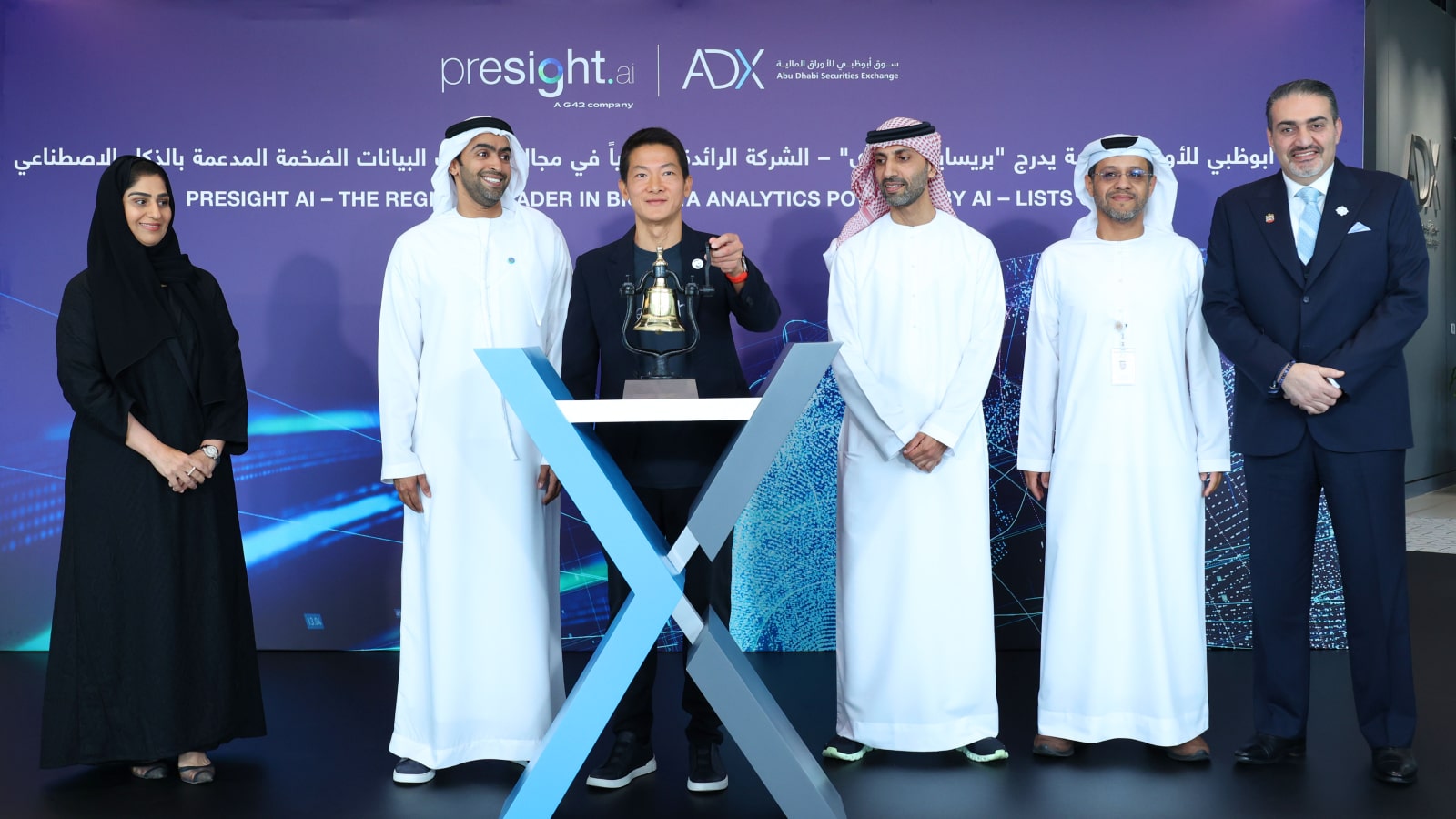
Beacon Red, a subsidiary of the EDGE Group specializing in national security solutions, has entered into a strategic Memorandum of Understanding with Presight AI, a leading provider of big data analytics powered by artificial intelligence. The agreement aims to explore synergies between Presight’s advanced AI and omni-analytics capabilities and Beacon Red’s mission-focused security solutions. The partnership was formalized during the LAAD Defence & Security 2025 exhibition at the Riocentro Exhibition and Convention Center in Rio de Janeiro, Brazil.

The collaboration between Beacon Red and Presight AI is set to leverage the strengths of both entities to develop innovative security solutions. Beacon Red has a track record of tackling complex national security challenges, offering advanced solutions in areas such as cyber defense and secure communications. Presight AI, on the other hand, has established itself as a key player in the AI and big data analytics sector, with partnerships aimed at revolutionizing crisis and disaster management through the integration of advanced data analytics and AI into emergency response systems.

This alliance is expected to focus on integrating Presight’s AI-driven analytics with Beacon Red’s security platforms to enhance situational awareness and decision-making processes in security operations. By combining Presight’s capabilities in processing and analyzing vast amounts of data with Beacon Red’s expertise in security solutions, the partnership aims to deliver comprehensive tools for threat detection and response.

The MoU signifies a commitment to joint research and development efforts, with the goal of creating solutions that address emerging security challenges. Both companies have previously demonstrated a commitment to innovation and collaboration in their respective fields. Presight AI has engaged in partnerships to enhance video analytics capabilities for smart city initiatives, while Beacon Red has been recognized for fostering a high-performance culture and developing cutting-edge security solutions.

The formalization of this partnership at LAAD Defence & Security 2025 underscores the importance of international collaboration in advancing security technologies. The exhibition serves as a platform for defense and security companies to showcase innovations and forge strategic alliances. The Beacon Red and Presight AI partnership exemplifies the trend of cross-sector collaborations aimed at leveraging technological advancements to address complex security issues globally.

As the security landscape continues to evolve with the advent of new technologies and emerging threats, collaborations such as this are poised to play a crucial role in developing solutions that are both effective and adaptable. The integration of AI and big data analytics into security operations offers the potential for more proactive and informed decision-making, ultimately contributing to enhanced security outcomes.

The partnership between Beacon Red and Presight AI reflects a strategic move to harness the power of artificial intelligence in the realm of national security. By combining their respective expertise, the two companies aim to develop solutions that not only address current security challenges but also anticipate and adapt to future threats. This collaboration is indicative of a broader industry trend where technology and security firms are joining forces to create integrated solutions that leverage the latest advancements in AI and data analytics.

While specific details of the joint initiatives have not been disclosed, the partnership is expected to focus on areas where AI can significantly enhance security operations, such as predictive analytics, real-time threat detection, and automated response mechanisms. By integrating AI into security platforms, the collaboration aims to provide security professionals with tools that offer deeper insights and more efficient processes, ultimately leading to more effective security measures.

The collaboration also aligns with broader efforts within the EDGE Group to expand its capabilities in electronic warfare and cyber technologies. The group’s focus on integrating advanced technologies into its portfolio reflects a commitment to staying at the forefront of the defense and security industry. By partnering with technology firms like Presight AI, EDGE entities such as Beacon Red are positioned to offer more sophisticated and comprehensive solutions to their clients.

In the context of global security, partnerships that bridge the gap between technology and defense are becoming increasingly important. The integration of AI into security operations offers the potential to transform how threats are detected and managed, enabling more proactive and adaptive responses. As such, collaborations like the one between Beacon Red and Presight AI are not only beneficial for the companies involved but also for the broader security landscape.

The formalization of this partnership at an international event like LAAD Defence & Security 2025 highlights the global nature of security challenges and the need for cross-border collaborations to address them effectively. By coming together, companies from different regions and sectors can combine their strengths to develop solutions that are more robust and versatile.

Matein Khalid In a financial panic, investors sell what they can and not what they must. So the most ominous data points for me is the dramatic widening in US corporate credit/high yield spreads, which means Mr. Market is now certain that default risk will strangle capital markets as varied as auto finance, subprime mortgages, student loan and credit card receivables. The widening of Asian sovereign credit […]

Advertisements

President Donald Trump has announced plans to impose an additional 50% tariff on Chinese goods starting April 9, escalating tensions in the ongoing trade dispute between the United States and China. This move comes in response to Beijing’s recent implementation of a 34% tariff on U.S. imports, which was itself a countermeasure to earlier U.S. tariffs. The administration’s decision has sent shockwaves through global financial markets. The […]

Investors should brace for volatility to remain a defining feature of financial markets until at least September, as a new era of trade disruption, inflation pressures, and global realignments gathers pace. Markets are still reeling from the deepening fallout of President Donald Trump’s sweeping tariff offensive. After his aggressive trade moves last week — dubbed Liberation Day by the White House — equities have suffered one of […]

New global thought leadership series spotlighting the HKSTP I&T powerhouse, uniting its soft power of visionaries to rally the world to keep up with Hong Kong’s innovation HONG KONG SAR – Media OutReach Newswire – 7 April 2025 – HKSTP’s Keep Up global brand campaign has taken the world by storm, reaching over 19 million people across 240+ destinations worldwide since its launch in July 2024—a testament […]

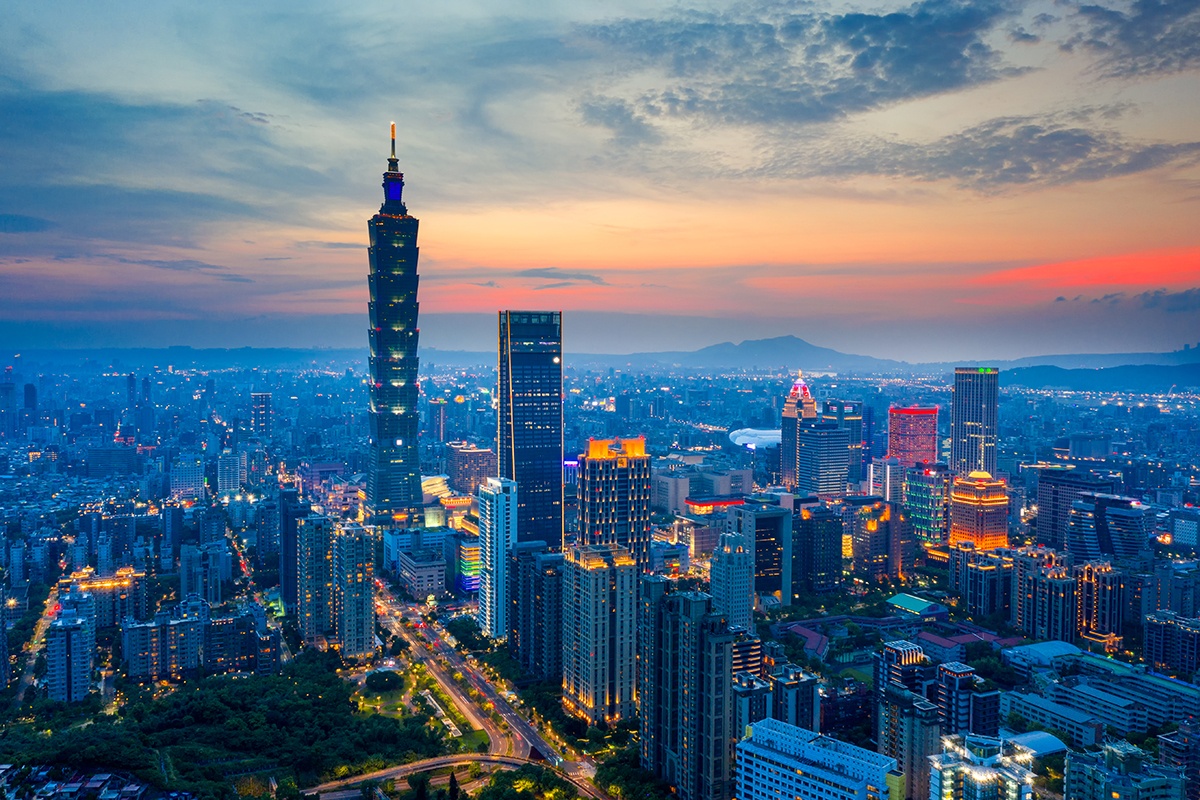
Taiwan’s Financial Supervisory Commission has announced a temporary ban on short selling, effective from April 7 to April 11, in response to a significant market downturn triggered by newly imposed U.S. tariffs. This measure aims to stabilize the financial markets after the benchmark TAIEX index experienced a 12% decline since the beginning of April.

The U.S. administration, under President Donald Trump, recently imposed a 32% tariff on Taiwanese imports, citing concerns over trade imbalances. This action has had immediate repercussions on Taiwan’s export-driven economy, particularly affecting the semiconductor sector, which is a major contributor to the nation’s exports. In response, the FSC has increased the margin requirement for short selling from 90% to 130% and limited the volume of shares available for such transactions. These steps are intended to mitigate speculative trading and reduce market volatility.

President Lai Ching-te has stated that Taiwan does not intend to retaliate against the U.S. tariffs. Instead, the government plans to collaborate with other Asian nations and engage in negotiations with the United States to seek a reduction or elimination of the imposed tariffs. Lai emphasized Taiwan’s significant contribution to the U.S. economy and proposed increasing Taiwanese purchases of American goods as a strategy to address the trade deficit. A delegation led by the deputy premier, including trade and security officials, is set to initiate these discussions.

The global financial markets have also felt the impact of the U.S. tariffs. Major indices, including the S&P 500, Dow Jones, and Nasdaq, have experienced declines ranging from 2% to 2.5%. In Asia, markets have been particularly affected, with Hong Kong’s Hang Seng index dropping by 13.2% and Taiwan’s TAIEX falling by 9.7%. Commodity markets have not been spared, with oil prices decreasing by 2.7% and cryptocurrencies such as Bitcoin and Ether also experiencing losses.

Grade A office rents remained under pressure in Q1, while a tourist inflow recovery is yet to boost retail market confidence Smaller-sized residential units have been more sought-after following the relaxation of the maximum property value chargeable at a HK$100 stamp duty level as announced in the latest government budget speech, supporting first-hand residential sales. The total residential unit transaction number for Q1 climbed 24% y-o-y to […]

Private equity investments in India’s real estate sector have experienced a downturn, with total inflows decreasing by 16% to USD 3.67 billion in the fiscal year ending March 2024, down from USD 4.36 billion the previous year. This decline is primarily attributed to reduced interest from foreign investors, influenced by global economic uncertainties and geopolitical tensions.

The office segment, traditionally a significant recipient of PE funding, witnessed a substantial reduction in investments. In the first half of FY25, investments in office assets plummeted by 79%, contributing to an overall 4% decline in PE investments during this period. Shobhit Agarwal, Managing Director and CEO of ANAROCK Capital, noted that foreign investors, who predominantly drive office sector investments, have scaled back due to factors such as geopolitical tensions and elevated interest rates.

Conversely, the industrial and logistics sector emerged as a bright spot, capturing 67% of total PE investments in the first half of FY25. This surge was significantly bolstered by a landmark deal wherein Abu Dhabi Investment Authority and KKR invested USD 1.54 billion in Reliance Logistics and Warehouse Holdings’ assets across multiple locations. This transaction alone accounted for a substantial portion of the sector’s investment inflow during this period.

The residential segment also saw an uptick in PE interest, with its share rising to 17% in the first half of FY25, up from 8% in the same period the previous year. This increase reflects growing investor confidence in the residential market’s potential.

Despite the overall decline in PE investments, the average deal size has seen an upward trajectory. In the first nine months of FY25, the average deal size increased by 32.5%, reaching USD 117.3 million, compared to USD 88.5 million in the corresponding period of FY24. This rise underscores the impact of large-scale transactions on the market, with the top 10 deals comprising 93% of total PE transactions during this timeframe.

Foreign capital continues to play a dominant role in India’s real estate PE landscape, accounting for 87% of total investments in the first half of FY25. However, this represents a slight decrease from the previous fiscal year, where foreign investments constituted 76% of the total. The decline is indicative of the cautious approach adopted by foreign investors amid global economic challenges.

Bitcoin has experienced a notable decline, falling below the $75,000 mark, a level not seen in five months. Ethereum has also faced a substantial drop, trading below $1,500, reaching its lowest point since March 2023.

As of April 7, 2025, Bitcoin’s price stands at approximately $74,500, marking a decrease of over 10% within the past 24 hours. This decline reflects investor anxiety over escalating trade tensions between the United States and China. China’s recent imposition of retaliatory tariffs in response to U.S. measures has intensified fears of a prolonged trade conflict, potentially leading to a global economic downturn.

Ethereum has mirrored this downward trend, with its price dropping below $1,500. This represents a significant decrease from its position earlier in the year and underscores the broader market’s volatility. The decline in Ethereum’s value is partly attributed to a surge in liquidations, with approximately $890 million in crypto positions liquidated over a 24-hour period. Of these, $758 million were long positions, indicating that many traders were forced to exit their bullish bets at a loss.

The broader cryptocurrency market has not been immune to these fluctuations. Major altcoins have also seen double-digit percentage declines, emphasizing the current instability within the digital asset space. This market turbulence is occurring alongside significant downturns in traditional financial markets, particularly in Asia and Europe. For instance, Japan’s Nikkei 225 index closed 7.8% lower, while China’s Shanghai Composite Index fell by over 7.3%. These substantial drops have triggered circuit breaker events, temporarily halting trading to prevent further losses.

Technical analysis of Bitcoin’s price movement reveals the formation of a “death cross,” a bearish indicator that occurs when the 50-day moving average crosses below the 200-day moving average. This pattern suggests the potential for further declines in Bitcoin’s value. Key support levels to monitor include $74,000, $65,000, and $57,000, each corresponding to previous performance benchmarks and trendlines. Conversely, resistance is anticipated around the $87,000 mark, where significant moving averages converge.

Greenlogue/AP NEOM Green Hydrogen Company has initiated a substantial recruitment campaign to staff its forthcoming green hydrogen facility at Oxagon in Saudi Arabia’s northwestern region. This initiative seeks to attract skilled professionals across various departments, including Corporate, Environment, Health, Safety, and Security , Risk Management, Operations & Maintenance, Finance, Information Technology, and Cyber Security. The construction of this plant is progressing on schedule, with full operational capacity […]

World’s Pioneering Drone Solution Achieving Millimetre-level Precision Setting a New Benchmark for Smart Sites in Hong Kong HONG KONG SAR – Media OutReach Newswire – 7 April 2025 – ​The Hong Kong Productivity Council (HKPC), the Civil Engineering and Development Department, and the Hyder-Meinhardt Joint Venture have co-developed the “Autonomous Air-ground Cooperative Tunnel Inspector” in the Trunk Road T2 and Cha Kwo Ling Tunnel project. This system […]

Saturday Morning Breakfast Cereal by Zach Weinersmith Andertoons By Mark Anderson | 4554 Followers Read Ad-Free! Navigate this comic without interruption from ads. $4.99/month Billed as $4.99/monthly start a 7-day free trial Already a member? Sign In Advertisement Five Favorites from Andertoons If you love Andertoons, you might also like: Advertisement Adblock test (Why?)

Saudi Arabia’s Tadawul All Share Index experienced a significant decline, closing down 7.4% on Sunday, marking its steepest single-day drop since March 2020. This downturn erased over $130 billion in market value, reflecting investor concerns over the escalating oil price war and the kingdom’s economic adjustments. The sharp decline in TASI was primarily driven by the collapse of negotiations between the Organization of the Petroleum Exporting Countries […]

Goldman Sachs has increased the probability of a United States recession in the next 12 months to 45%, aligning with a wave of revised risk assessments by major investment banks as escalating trade tensions and tighter financial conditions unsettle global markets. The adjustment from Goldman’s previous estimate of 35% reflects the firm’s assessment that a sharp tightening in financial conditions and heightened policy uncertainty will significantly hinder […]

Oil prices have experienced a significant decline, reaching their lowest levels since April 2021, driven by escalating trade tensions between the United States and China, coupled with strategic decisions by OPEC+ regarding oil production. Brent crude futures dropped by $2.28, settling at $63.30 per barrel, while U.S. West Texas Intermediate crude decreased by $2.20 to $59.79 per barrel. This marks a continuation of a downward trend, with […]

The United Arab Emirates Ministry of Finance has introduced Cabinet Decision No. 35 of 2025, outlining specific criteria under which non-resident juridical persons—entities not incorporated in the UAE—are considered to have a taxable presence, or ‘nexus’, in the country. This decision supersedes the earlier Cabinet Decision No. 56 of 2023 and provides clarity on the tax obligations of foreign investors, particularly those involved with Qualifying Investment Funds and Real Estate Investment Trusts .

Under the new guidelines, non-resident juridical persons are deemed to have a nexus in the UAE if they earn income from immovable property located within the country. Immovable property encompasses land, buildings, and fixtures permanently attached to the land or structures. This definition aligns with international tax norms, ensuring that income derived from such properties is taxable in the jurisdiction where the property is situated.

The decision specifies that foreign entities investing in UAE real estate, whether directly or through vehicles like QIFs or REITs, will be subject to corporate tax on income generated from these investments. This taxation applies regardless of whether the property is held for business operations or as an investment asset. The income will be taxed on a net basis, permitting the deduction of relevant expenditures that comply with the conditions set out in the Corporate Tax Law.

Younis Haji Al Khoori, Undersecretary of the Ministry of Finance, emphasized that this approach is consistent with international best practices, which stipulate that income derived from immovable property is taxable in the country where the property is located. He noted that the UAE’s Corporate Tax Law incorporates features that honor international taxation principles and ensures neutrality between domestic and foreign companies earning income from immovable property in the UAE.

The introduction of these guidelines is part of the UAE’s broader efforts to establish a fair and transparent tax system that aligns with global standards. In December 2024, the UAE announced plans to implement a 15% minimum top-up tax on large multinational companies starting January 2025, in accordance with the Organisation for Economic Co-operation and Development’s global minimum corporate tax agreement. This tax targets companies with consolidated global revenues of €750 million or more in at least two of the four financial years preceding its implementation.

The Ministry of Finance is considering the introduction of corporate tax incentives to promote research and development activities and high-value employment within the country. The proposed R&D tax incentive, expected to take effect for tax periods starting on or after January 1, 2026, would offer a refundable tax credit ranging from 30% to 50%, depending on the size of the company’s operations and revenue. Similarly, a refundable tax credit for high-value employment activities is under consideration, potentially applicable from January 1, 2025.

The UAE’s commitment to aligning its tax policies with international standards reflects its dedication to fostering a competitive and transparent business environment. By clarifying the tax obligations of non-resident investors and introducing measures to prevent tax avoidance, the UAE aims to enhance its economic competitiveness and attract sustainable investments.

Arabian Post Staff -Dubai The United States has imposed a series of tariffs on countries within the Middle East and North Africa region, aiming to address what the administration describes as long-standing unfair trade practices. While these measures are poised to affect various sectors, exemptions granted to oil exports are expected to mitigate the overall economic impact on the region’s leading exporters. Gulf Cooperation Council countries—including Saudi […]

Chinese social media platforms are abuzz with users expressing strong opposition to suggestions that Beijing should acquiesce to U.S. trade demands following President Donald Trump’s recent tariff escalations. The online discourse reflects a nationalistic sentiment, with many netizens urging the Chinese government to stand firm against what they perceive as economic intimidation.

President Trump announced a 10% baseline tariff on all imports, with significantly higher duties targeting specific countries, including a 54% tariff on Chinese goods. This move has intensified trade tensions between the world’s two largest economies. In retaliation, China imposed a 34% tariff on various American products, signaling its resolve to counter U.S. measures.

The Chinese Foreign Ministry’s spokesperson, Guo Jiakun, highlighted the global market’s adverse reaction to the U.S. tariffs, stating, “The market has spoken.” This remark underscores Beijing’s position that the U.S. actions are disruptive to international trade stability.

State-run media outlets have also weighed in, criticizing the U.S. administration’s approach. The Global Times labeled the tariff threats as “ridiculous” and indicative of “deep arrogance,” while China Daily warned that such actions could lead to a “mutually destructive tariff war.”

On platforms like Weibo and WeChat, Chinese citizens are vociferously rejecting any notion of capitulation. Users are calling for unity and resilience, emphasizing the importance of safeguarding national interests and economic sovereignty. This collective online sentiment reflects a broader public consensus supporting the government’s stance in the escalating trade dispute.

HONG KONG SAR – Media OutReach Newswire – 7 April 2025 – The Department of International Trade Promotion (DITP), Ministry of Commerce, successfully hosted Thai Night: Where Films Come Alive 2025 at JW Marriott Hong Kong during FILMART 2025, reinforcing Thailand’s position as a global hub for the film and entertainment industry. Presided over by Her Royal Highness Princess Ubolratana Rajakanya Sirivadhana Barnavadi, the event brought together […]

VISHNU RAJA
RYO YAMADA
HITORI GOTOH
IKUYO KITA
Just in:
Miss Universe Hong Kong Jen Zhou Departs for Puerto Rico to Compete in the 75th Miss Universe World Final // Geely’s i-HEV Intelligent Hybrid Technology Offers a New Direction Vision for Gasoline-Powered Vehicles // The “1st Greater Bay Area Health and Longevity Summit & Awards Ceremony” concludes successfully in Macao // Millions Of Indians May Soon Be Deprived Of Government Assistance // Emaar approves Development buyout ahead of planned delisting // OpenAI introduces GPT-6 Cyber with restricted security access // Dubai details five-year visa benefits for returning visitors // UK air traffic outage inflicted £33m financial losses // CR Longdation Aethereal Cybersecurity × Global Cybersecurity Alliance (GCSA) Join Hands to Establish the “AI and Cybersecurity Research Centre” // Emirates Group records AED 4.1 billion half-year profit // Oil and chip shares retreat after Democratic victories // e-Crime Bureau Signs Cybersecurity Partnership With Smart Africa, Reinforcing Its Global Expansion // Dubai boat show confirms international shipyard line-up for November // Geely’s i-HEV Intelligent Hybrid Technology Offers a New Direction for Gasoline-Powered Vehicles // Motorola introduces Signature 27 flagship priced at $1,599 // Kochi police detain two actors over bid to honey trap doctor // Meraas showcases five residential zones at Dubai Design Week // TVM –Mangaluru Vande Bharat claims top spot // Technology shares plunge as Nasdaq enters correction // OpenAI abandons secrecy agreements for future data centres //