News related to
global

AGRIBARON LIMITED has unveiled its international expansion strategy, commencing with the Philippines, aiming to capitalise on the region’s burgeoning blockchain gaming sector. The company, bolstered by substantial initial capital from the United States, is positioning itself to become a significant player in Southeast Asia’s digital entertainment landscape.

The Philippines has emerged as a pivotal hub for blockchain gaming, driven by a tech-savvy population and supportive governmental policies. The nation’s enthusiasm for play-to-earn models and decentralised gaming platforms has attracted global attention, making it an ideal starting point for AGRIBARON’s regional ambitions.

AGRIBARON’s approach involves integrating blockchain technology to enhance gaming experiences, offering players true ownership of in-game assets and fostering transparent, secure transactions. This aligns with the broader regional trend, where startups are leading the charge in redefining digital entertainment through decentralised ecosystems.

The company’s entry into the Philippine market is timely, coinciding with a surge in local initiatives promoting blockchain adoption in gaming. Collaborations between tech firms and industry associations are laying the groundwork for a robust Web3 gaming infrastructure, providing fertile ground for AGRIBARON’s offerings.

SOAR MUSIC, a prominent global music services company, has announced its strategic entry into the Colombian market in 2025, aiming to foster a comprehensive career incubation ecosystem for Latin American music creators. The initiative seeks to empower local artists by integrating digital recruitment, offline incubation, and professional training. By collaborating with government agencies, music institutions, technology platforms, and non-profit organizations, SOAR MUSIC intends to establish an innovative […]

India’s participation in the World Expo 2025 in Osaka is positioned to create significant opportunities for economic growth, cultural diplomacy, and increased tourism. With an expected influx of international visitors and the ongoing globalisation of markets, the country is focusing on leveraging the expo’s global platform to showcase its economic potential, rich cultural heritage, and expanding technological prowess.

The India Pavilion, a standout feature of the event, has already seen a remarkable turnout, attracting thousands of visitors in its first few days. The pavilion highlights India’s thriving industries, cutting-edge innovations, and its growing stature as a global player in sectors such as technology, manufacturing, and renewable energy. Designed to embody the country’s vision of “Vasudhaiva Kutumbakam” or “the world is one family,” the exhibition is offering a glimpse into India’s future trajectory while celebrating its deep-rooted cultural heritage.

Trade experts and diplomats view the expo as an essential event for fostering international business partnerships. India, which is already a key player in the global economy, is focusing on utilising the Expo as a gateway to expand its trade relations with countries across Asia, Europe, and beyond. Several large-scale business events and networking sessions are planned as part of India’s participation, aiming to facilitate collaborations in diverse sectors such as information technology, pharmaceuticals, agriculture, and automotive manufacturing.

India’s robust trade agenda at the Expo 2025 comes in the context of its ongoing efforts to bolster its position as one of the world’s leading economic powers. The country has made significant strides in trade agreements over the past few years, particularly with Japan and other East Asian nations, further cementing its importance in regional and global trade networks. Key sectors such as fintech, e-commerce, and artificial intelligence are expected to be key points of focus for business leaders and innovators visiting the pavilion.

The Expo provides a unique opportunity for India to present its achievements in these fields and attract foreign investments. India’s Information Technology sector, for instance, will have a prominent role in the pavilion, with showcases of groundbreaking developments in software solutions, cybersecurity, and digital infrastructure. Additionally, the Indian government’s “Make in India” initiative, aimed at encouraging domestic manufacturing, is set to take centre stage, signalling India’s commitment to increasing its share in global production.

Tourism plays a central role in India’s strategy to maximise the impact of its World Expo 2025 presence. As part of its outreach efforts, the country is promoting its diverse tourist destinations, cultural festivals, and unique culinary traditions. Travel experts believe that the Expo could serve as a catalyst for an uptick in Japanese and international visitors to India, especially as the world emerges from the pandemic and travel restrictions ease globally. By highlighting the country’s natural beauty, heritage sites, and contemporary attractions, India is seeking to attract a new wave of tourists, especially from Japan, a country with deep historical ties to India.

The Indian tourism sector is also looking to benefit from the growing interest in wellness and eco-tourism, with the Expo providing an ideal venue to promote these niche segments. India’s yoga, spiritual retreats, and eco-tourism initiatives are expected to be highlighted, appealing to international visitors seeking sustainable and enriching travel experiences.

The Expo’s theme of “Designing Future Society for Our Lives” aligns well with India’s strategic focus on sustainable development, innovation, and inclusivity. The country’s growing emphasis on green technologies, clean energy, and sustainable infrastructure will be showcased as part of India’s vision for a future society that balances economic growth with environmental responsibility. India’s active participation in global climate initiatives, coupled with its ambitious renewable energy goals, forms an essential part of the pavilion’s messaging.

Key players in India’s participation include the Ministry of Commerce and Industry, the Ministry of Tourism, and various state governments, each working in tandem to ensure a comprehensive and impactful presence. Government officials have expressed confidence that the Expo will not only strengthen bilateral ties with Japan but also serve as a platform for new partnerships in other regions. The Indian government’s proactive engagement with global stakeholders is expected to position India as a leader in international trade, investment, and cultural exchange.

Cultural diplomacy will be another critical aspect of India’s participation. The pavilion will feature a mix of live performances, art exhibitions, and traditional crafts, providing visitors with a vibrant and immersive experience. India’s diverse art forms, including classical dance, music, and theatre, will take centre stage, showcasing the country’s rich heritage while also highlighting contemporary Indian artists who are gaining international recognition. These cultural exchanges are set to build bridges between India and the rest of the world, fostering mutual understanding and respect.

India’s presence at the World Expo is also expected to highlight the country’s aspirations as a global thought leader, particularly in the fields of technology, education, and innovation. The country’s booming startup ecosystem, with its expanding network of unicorns and innovators, will also be on display. India’s young, dynamic workforce is increasingly seen as a major driver of its growth, and the Expo offers an opportunity to demonstrate how the country’s demographic advantage is transforming it into a global hub for innovation and entrepreneurship.


EDGE Group, the UAE-based defence conglomerate, has partnered with innovation platform Wazoku to launch a global challenge aimed at discovering the next generation of autonomous drone systems. The initiative seeks to identify breakthrough technologies for the deployment of unmanned aerial vehicles in defence and security environments.

The challenge, officially known as the “Drone in a Box” competition, invites innovators and tech developers from around the world to submit solutions for autonomous drone systems that can be quickly deployed and operated with minimal human intervention. The goal is to harness cutting-edge capabilities that can be integrated into defence operations, as well as security and surveillance missions in various high-risk settings.

The rapid advancement of drone technology has increasingly become a focal point for military and security agencies, with UAVs providing unique advantages in surveillance, reconnaissance, and tactical operations. The “Drone in a Box” challenge aligns with the growing demand for autonomous, all-weather drone systems that can perform a wide range of operations with ease. These systems are designed to operate within a “box” – a compact, secure, and mobile station that facilitates quick deployment, launch, and retrieval of drones in the field.

One of the core objectives of the competition is to enhance the versatility and autonomy of drones. While drones have been used for military applications for years, the ability to operate without a human operator nearby, coupled with the rapid deployment feature, marks a significant step forward in unmanned aviation technology. The challenge will focus on the development of UAVs that can autonomously take off, carry out surveillance or reconnaissance missions, return to their base, and self-dock with minimal human interaction.

The EDGE Group, through its various subsidiaries, has been at the forefront of autonomous defence systems and is committed to advancing technological solutions that address contemporary defence needs. The collaboration with Wazoku brings together expertise from the private sector, academia, and the defence industry, tapping into global ingenuity to push the boundaries of what autonomous UAV systems can achieve.

Wazoku, a leading provider of open innovation and crowdsourcing platforms, has facilitated similar challenges for other industries, allowing a global pool of innovators to collaborate on solving complex technological problems. With its established expertise in running innovation challenges, Wazoku is set to provide a framework for the competition that will allow the best and most viable solutions to be identified and potentially implemented by EDGE Group and its partners.

The competition is structured to attract submissions from a diverse range of organisations, including small tech startups, academic researchers, and larger technology companies. By opening up the challenge to a global audience, EDGE Group and Wazoku aim to tap into a wide array of ideas and designs that could help revolutionise the way UAVs are deployed in critical military and security operations.

The “Drone in a Box” challenge is part of EDGE Group’s broader strategy to modernise and innovate within the defence sector. The company has made significant investments in AI-driven technologies, autonomous systems, and digital transformation to meet the evolving needs of modern warfare. With a focus on operational efficiency and rapid decision-making, EDGE Group’s collaboration with Wazoku further strengthens its commitment to pioneering new technologies that enhance the operational capabilities of armed forces.

Drone systems that require minimal human intervention, yet offer high reliability and durability, are increasingly seen as a solution to challenges such as high operational costs, limited personnel availability, and the need for faster response times in security operations. The versatility of UAVs, particularly in hostile or difficult-to-reach environments, allows for surveillance of vast areas, monitoring of high-risk locations, and even providing immediate tactical support during military operations.

As governments and security agencies around the world seek to enhance their technological capabilities, autonomous UAV systems like the ones envisioned by the “Drone in a Box” challenge are expected to play an integral role. These systems could be used for border patrols, disaster response, counterterrorism, and a wide range of other operations where traditional manpower may be limited or too costly to deploy.

The global nature of the competition reflects the increasingly international landscape of the defence sector, where collaboration between countries, organisations, and industries is key to staying ahead of emerging threats. By reaching out to innovators worldwide, EDGE Group hopes to source solutions that are not only technologically advanced but also adaptable to the diverse and dynamic environments faced by security forces worldwide.

Experts believe that autonomous drones, if successfully integrated into military and security operations, could drastically reduce the risk to human personnel while simultaneously enhancing the capabilities of defence systems. These unmanned aerial vehicles have the potential to carry out missions in environments that may be too dangerous or inaccessible for traditional human-led operations, such as conflict zones, disaster sites, or areas with hazardous conditions.

Saturday Morning Breakfast Cereal by Zach Weinersmith By Zach Weinersmith | 2.3K Followers Read Ad-Free! Navigate this comic without interruption from ads. $2.92/month Billed as $34.99/annually start a 7-day free trial Already a member? Sign In If you love Saturday Morning Breakfast Cereal, you might also like: Advertisement Adblock test (Why?)

World’s Most MICHELIN-Starred Gastronomic Icon returns to a stunning new space in LANDMARK ATRIUM HONG KONG SAR – Media OutReach Newswire – 2 May 2025 – LANDMARK is delighted to announce the highly anticipated return of gastronomic legend L’ATELIER DE JOËL ROBUCHON HONG KONG as the cornerstone of its refined Central dining portfolio this summer. The iconic restaurant has been located at LANDMARK for 18 years and […]

From 2 to 9 May, #GetReadyWithShopee with Fashion & Beauty 90% Off Lagi Murah, Free Shipping with No Min. Spend, and 50% OFF Shopee Live Vouchers Daily KUALA LUMPUR, MALAYSIA – Media OutReach Newswire – 2 May 2025 – Buyers can now checkout items in their Shopee carts with lower prices during the because everything is Lagi Murah with Shopee 5.5 Fashion & Beauty Festival. Running now […]

Advertisements

Goldman Sachs is intensifying its commitment to digital assets, with plans to expand crypto lending operations and accelerate efforts in asset tokenization. Mathew McDermott, the bank’s global head of digital assets, has outlined a strategic roadmap that positions the firm at the forefront of blockchain integration within traditional finance.

The bank is preparing to spin off its digital asset platform, GS DAP®, into an independent entity within the next 12 to 18 months. This move aims to foster a more collaborative and decentralized ecosystem, enabling broader participation from industry stakeholders. McDermott emphasized that such a structure would better serve the goal of creating a truly decentralized platform.

Goldman Sachs’ investment in the digital asset space is substantial, having already invested in 11 digital asset companies. These investments span services such as compliance, cryptocurrency data, and blockchain management. The firm’s digital asset team has grown to over 70 members, including a dedicated crypto options and derivatives trading desk.

A significant aspect of Goldman Sachs’ strategy is the tokenization of traditional financial instruments. The bank is leveraging blockchain technologies and smart contracts to enable digital issuance for clients across debt, equities, funds, and derivatives. This approach aims to digitize the end-to-end lifecycle of these assets, enhancing efficiency and liquidity.

McDermott highlighted the benefits of tokenization, noting that digitizing the lifecycle of asset issuance not only improves operational efficiency but also increases liquidity by potentially bringing in a wider group of investors. He pointed out that fractionalizing products and offering them to a broader universe of investors could broaden distribution channels and concentrate more secondary liquidity.

The bank’s involvement in the Canton Network, a public blockchain network developed for financial institutions, underscores its commitment to blockchain integration. Launched in 2023 by a consortium including Goldman Sachs, Microsoft, and Deloitte, the network aims to connect disparate financial systems while meeting regulatory and privacy requirements. In October 2024, a pilot involving 27 market participants, including Euroclear and the World Gold Council, successfully tokenized gilts, eurobonds, and gold on the Canton Network.

Goldman Sachs is also exploring opportunities in the crypto bankruptcy claims market. McDermott indicated that the bank is actively looking at investing in crypto bankruptcy claims, viewing it as a strategic opportunity amid the evolving digital asset landscape.

The bank’s focus on digital assets extends to its own product offerings. In April, Goldman Sachs launched its first bitcoin-secured loan and executed its first bitcoin options trade, marking significant milestones for a major Wall Street bank. These developments are part of the firm’s broader strategy to expand its crypto product suite while adhering to regulatory standards.

Chimpanzees and other wildlife in Uganda’s Budongo Forest have begun consuming bat guano, a behaviour linked to the deforestation of mineral-rich palm trees used in tobacco farming. This shift raises concerns about increased exposure to bat-borne viruses and the potential for zoonotic disease transmission to humans. Between 2006 and 2012, the Raphia farinifera palm, a key source of dietary minerals for wildlife, was extensively harvested by local […]

Saturday Morning Breakfast Cereal by Zach Weinersmith By Mark Anderson | 4.6K Followers Read Ad-Free! Navigate this comic without interruption from ads. $2.92/month Billed as $34.99/annually start a 7-day free trial Already a member? Sign In Advertisement Five Favorites from Andertoons If you love Andertoons, you might also like: Advertisement Adblock test (Why?)

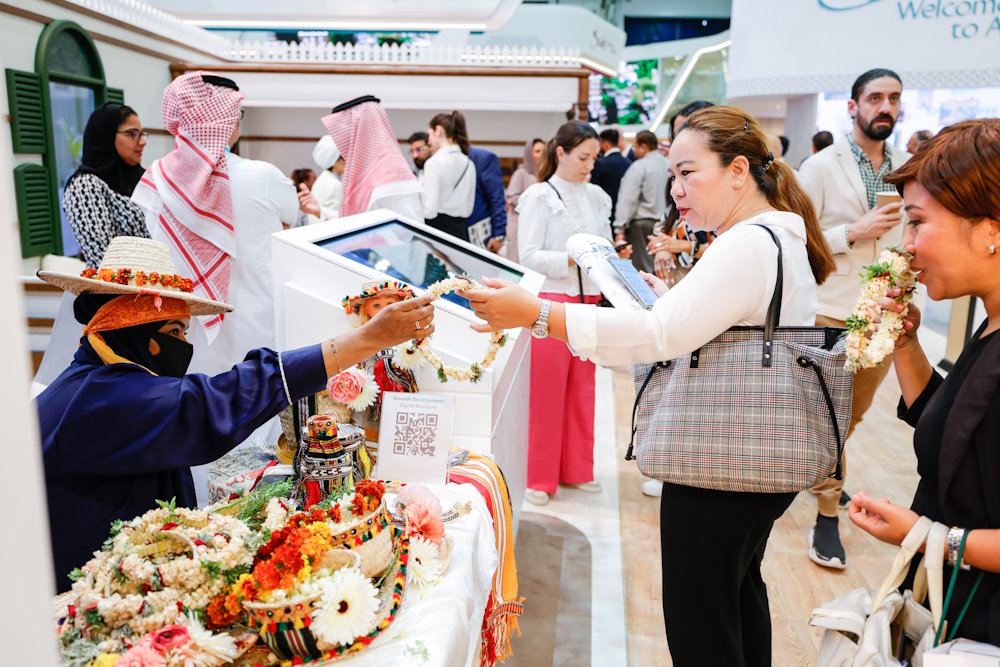
Arabian Travel Market 2025 concluded on 1 May at the Dubai World Trade Centre, drawing over 55,000 industry professionals from 166 countries—a 16% increase in attendance compared to the previous year. The event featured more than 2,600 exhibitors across 13 halls, reflecting the robust recovery and transformation of the global travel and tourism sector.

This year’s theme, “Global Travel: Developing Tomorrow’s Tourism Through Enhanced Connectivity,” underscored the pivotal role of technology and sustainability in shaping the future of travel. The Travel Tech segment experienced a 25% year-on-year growth in exhibitors, highlighting the industry’s commitment to innovation. Companies such as Amadeus, Huawei, Sabre, Expedia, Travelport, Hotelbeds, and WebBeds showcased advancements in artificial intelligence , blockchain, and augmented reality, aiming to revolutionize travel experiences.

AI’s transformative impact on aviation was a focal point, with discussions on its applications in optimizing flight routes, enhancing weather monitoring, and improving airport efficiency. Airports like London Heathrow and Gatwick have already implemented AI-powered systems for air traffic management, reducing delays and streamlining operations. Airlines such as Emirates and Etihad are leveraging AI to offer personalized services and seamless check-ins, aligning with the UAE’s commitment to integrating technology into sustainable development.

Sustainability was prominently featured, particularly the adoption of sustainable aviation fuel . The International Air Transport Association projects SAF production to reach 2.1 million tonnes by 2025, doubling from the previous year. Emirates and Etihad have begun incorporating SAF into operations on key routes, including London, Paris, and Singapore, marking significant strides toward reducing the aviation industry’s carbon footprint.

The event also highlighted the resurgence of corporate travel, with the introduction of IBTM@ATM, a specialized segment focusing on business travel. Research indicates that 40% of businesses plan to increase travel budgets in 2025, signaling a positive trend for the sector. This resurgence is expected to drive innovations in tailored travel services, expanded flight routes, and enhanced connectivity.

Asia emerged as the fastest-growing region at ATM 2025, with a projected 27% year-on-year increase in exhibitors. India’s participation surged by 41%, reflecting the country’s expanding tourism market. Countries such as Japan, Macao, the Maldives, Mauritius, South Korea, Thailand, the Philippines, China, Cambodia, Nepal, and Sri Lanka also played pivotal roles, contributing to the event’s diverse international presence.

The Middle East showcased significant growth, with a 17% increase in exhibitor participation. Saudi Arabia’s presence was notable, featuring its giga projects and prominent private sector companies. Europe maintained steady growth at 12%, while participation from Africa and the Americas remained consistent with the previous year.

ATM 2025 featured over 200 high-profile speakers across 60 conference sessions, spread across three main stages: the Global Stage, Future Stage, and the newly introduced Business Events stage. Key sessions addressed topics such as generational trends influencing hyper-personalization in luxury travel, the pervasive role of AI, and data-driven strategies for destination transformations.

KUALA LUMPUR, MALAYSIA – Media OutReach Newswire – 2 May 2025 – Kenanga Investment Bank Berhad (“Kenanga” or “the Group“) is proud to be recognised for its market-leading achievements at the prestigious Bursa Excellence Awards 2024 held at St. Regis Kuala Lumpur on 25 April 2025. From left: Datuk Wira Ismitz Matthew De Alwis, Chief Executive Officer/ Executive Director, Kenanga Investors Berhad; Dato’ Fad’l Mohamed, Chief Executive […]

Saudi Arabia, the leading member of OPEC, has been pursuing an unconventional strategy in recent months, opting to lower oil prices in an effort to restore discipline within the group. The move marks a stark contrast to the traditional approach of pushing prices higher, a tactic long favoured by OPEC to maximise revenue. However, Riyadh’s shift in approach reflects the kingdom’s growing frustration with certain OPEC+ members, […]

Greenlogue/AP Gulf Warehousing Company has launched one of the largest private solar energy initiatives in the GCC, marking a significant step towards sustainability within the logistics sector. The move, made in collaboration with Yellow Door Energy, aims to position GWC as a key player in the region’s push for greener, more efficient logistics operations. The ambitious project will see the installation of solar power plants at three […]

Dubai International Airport is expected to cease operations in the near future, with Dubai Airports CEO Paul Griffiths confirming that Al Maktoum International Airport will eventually replace DXB as the city’s primary air travel hub. Griffiths revealed the plan at the Arabian Travel Market this week, indicating that DWC’s expansion would pave the way for the closure of DXB. As Dubai continues to experience rapid growth in […]

The United States is deliberating the possibility of easing restrictions on Nvidia Corp.’s semiconductor sales to the United Arab Emirates , according to sources familiar with the ongoing discussions. The potential shift in policy comes as President Donald Trump is preparing for an upcoming visit to the Gulf region, where talks about a bilateral semiconductor deal could be initiated. Sources with direct knowledge of the matter disclosed […]

Kuwait’s Combined Group Contracting Company has secured a significant contract through its UAE subsidiary, CGCC-UAE, to deliver infrastructure maintenance services in Abu Dhabi. The deal, worth approximately 1.012 billion UAE dirhams , has been awarded by leading property developer Aldar Properties. This contract, focused on the Al-Nahda area near the Al-Ain motorway, will run for a period of 914 days, marking a notable achievement for CGCC-UAE in the competitive UAE market.

The infrastructure maintenance services outlined in the contract are essential for the upkeep and development of the region, which has seen growing interest from both residential and commercial sectors. Al-Nahda, situated in close proximity to major transport routes, is an area with significant development potential, positioning it as an ideal location for a project of this scale. Aldar Properties, renowned for its ambitious projects across the UAE, is known for its meticulous approach to urban development and infrastructure.

CGCC-UAE’s involvement in this project signifies a key step in the company’s strategy to expand its footprint in the UAE’s infrastructure sector. The project is poised to contribute substantially to CGCC’s revenues over the next two and a half years, aligning with the company’s long-term goals of securing high-value contracts in the region. The company’s experience in handling large-scale projects and its strong reputation in the construction industry have been pivotal in securing this deal.

Aldar Properties, which has a diverse portfolio of residential, commercial, and retail developments, continues to focus on enhancing its infrastructure to support the growing needs of the UAE’s population. The collaboration with CGCC-UAE reflects Aldar’s commitment to maintaining its high standards of construction and operational excellence.

The contract’s value places it among the noteworthy infrastructure projects currently underway in the UAE, an economy that has shown resilience and growth even amid global challenges. As the country continues to diversify its economy, large-scale infrastructure projects such as this one are essential to supporting both urban expansion and sustainability goals.

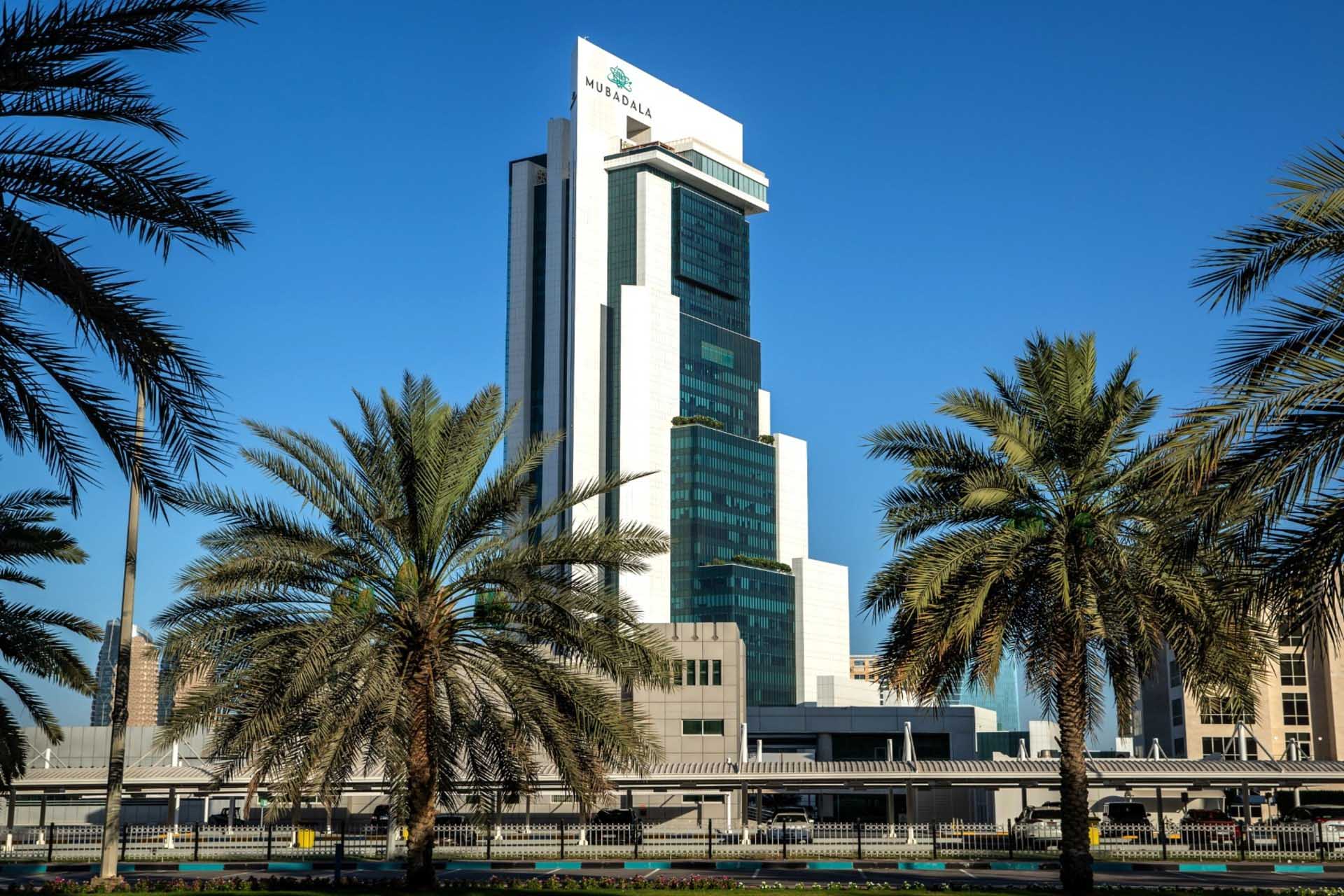
Abu Dhabi’s Mubadala Capital is set to lead a $10 billion syndicated investment into TWG Global, marking a significant move into the global sports and entertainment sector. This partnership not only positions Mubadala at the forefront of high-value sports investments but also reflects a broader trend among Gulf sovereign wealth funds diversifying their portfolios beyond traditional assets.

TWG Global, co-chaired by Mark Walter and Thomas Tull, manages a diverse portfolio that includes stakes in prominent sports franchises such as the Los Angeles Dodgers, Los Angeles Lakers, and Chelsea FC. The conglomerate, valued at approximately $40 billion, also invests in sectors like artificial intelligence, biotechnology, and media. Walter, known for his role in Guggenheim Partners, and Tull, former owner of Legendary Entertainment, bring extensive experience in both finance and entertainment to the venture.

The investment deal includes TWG Global acquiring a minority stake in Mubadala’s asset management platform for $2.5 billion. This strategic move aims to increase commitments to an additional $20 billion of investment capital, signaling a deepening collaboration between private investment firms and sovereign wealth funds.

Global SWF, a sovereign fund tracker, described the partnership as “a new chapter in global finance,” highlighting the innovative nature of a private firm acquiring a stake in a sovereign wealth fund’s asset management arm. This arrangement provides Mubadala with indirect ownership exposure to iconic Western sports franchises, aligning with the rising valuations of global sports assets and the convergence of content, fan engagement, and streaming monetisation.

Mubadala’s move mirrors strategies employed by other Gulf sovereign wealth funds, such as Saudi Arabia’s Public Investment Fund , which has been actively building its sports and leisure portfolio. However, through this partnership with TWG Global, Mubadala gains immediate access to established sports entities, bypassing the need to build its portfolio from scratch.

In 2024, Mubadala emerged as the world’s largest sovereign wealth fund spender, deploying $29.2 billion across 52 transactions—a 67% increase from the previous year. This surge in investment activity underscores the fund’s commitment to diversifying its holdings and capitalising on emerging market opportunities.

Abu Dhabi-based investment firm MGX has committed $2 billion to cryptocurrency exchange Binance, marking the largest institutional investment in the platform’s history. The transaction, announced at the TOKEN2049 conference in Dubai, is being conducted using USD1, a stablecoin introduced by World Liberty Financial, a venture associated with former U.S. President Donald Trump.

USD1 is a dollar-pegged stablecoin fully backed by U.S. Treasuries, cash, and equivalents, designed to maintain a consistent value of $1. The coin was unveiled by World Liberty Financial, a decentralized finance platform launched in 2024 with Donald Trump serving as its “chief crypto advocate.” The venture includes his sons and Barron Trump in key roles. Zach Witkoff, co-founder of World Liberty Financial and son of Trump ally Steve Witkoff, announced the investment details during the conference.

MGX, established in 2024 by the Abu Dhabi government, has primarily focused on artificial intelligence investments. This $2 billion investment in Binance represents MGX’s first foray into the cryptocurrency sector. The firm aims to integrate AI, blockchain technology, and finance, aligning with the United Arab Emirates’ broader strategy to position itself as a global hub for digital assets and financial innovation.

Binance, the world’s largest cryptocurrency exchange by trading volume, has faced regulatory challenges in recent years. In 2023, the company agreed to a $4.3 billion settlement with U.S. authorities over anti-money laundering violations, leading to the resignation of founder Changpeng Zhao. Richard Teng, who previously headed the Abu Dhabi Financial Services Regulatory Authority, now serves as Binance’s CEO. The exchange employs approximately 1,000 of its 5,000 global staff in the UAE, reflecting the region’s progressive stance on digital asset regulation.

The use of USD1 in this significant investment underscores the growing legitimacy of stablecoins in large-scale institutional transactions. However, the involvement of a Trump-linked cryptocurrency in a major international financial deal raises questions about potential conflicts of interest and regulatory implications, especially as Binance continues to navigate global compliance challenges.

Eric Trump, present at the TOKEN2049 conference, highlighted plans to integrate USD1 with Trump-branded properties in the UAE, further intertwining the family’s business interests with the cryptocurrency venture. This development comes as President Trump prepares for a state visit to Gulf nations, signaling a deepening of ties between the U.S. administration and Middle Eastern financial entities.

The investment by MGX not only provides significant capital to Binance but also strengthens its ties to the United Arab Emirates. The partnership is expected to enhance Binance’s standing with regulators worldwide and may encourage further institutional participation in cryptocurrency markets. Industry analysts suggest that this move could trigger a domino effect, potentially leading to increased institutional investment in the crypto sector.

The International Monetary Fund projects Abu Dhabi’s economy to expand by 4.2% in 2025, accelerating to 5.8% in 2026, while Dubai’s growth is forecasted at 3.3% in 2025, increasing to 3.5% in 2026. Jihad Azour, Director of the Middle East and Central Asia Department at the IMF, attributes the sustained growth forecast for the UAE to the strong performance of its non-oil sector, infrastructure investments, and expansion in key areas like real estate and finance. He anticipates the UAE economy to grow by 4% in 2025, with growth accelerating to 5% in the following year.

Azour emphasised that the Gulf Cooperation Council states do not have identical economic structures or reserve levels, leading to varied responses to global market fluctuations. He noted that the UAE’s adaptability to global economic and geopolitical changes, its role as a critical hub between major economic blocs, and its position as a centre for international events have contributed to its economic resilience.

The IMF’s projections come amid a broader context of global economic uncertainty. The IMF has reduced its 2025 economic growth forecast for the Middle East and North Africa region to 2.6%, down from 4% projected in October 2024, due to rising global uncertainties from trade tensions, declining oil prices, and ongoing regional geopolitical tensions. Despite these challenges, the UAE’s economy has shown remarkable adaptability and utilised modern technology to thrive, maintaining high growth rates.

Key factors supporting the UAE’s positive economic outlook include investments in digital and technological sectors, renewable energy, and green initiatives, along with the country’s strategy of diversifying investment sources and promoting climate sustainability. The UAE has undergone considerable transformation in recent years, embracing advanced technologies to enhance its services, boost competitiveness, and solidify its position as a global economic and financial hub.

The UAE has enhanced its reputation as a premier destination for global investments through significant commitments in promising sectors like technology, technological infrastructure, and renewable energy. Major economic events, including Expo 2020 Dubai and the upcoming COP28 climate conference, have also contributed to this heightened attractiveness.

Dubai, in particular, has emerged as a secure haven for investors and a strategic planning location. Investment in promising sectors is expected to be crucial for advancing the economies of both the UAE and Dubai, unlocking new opportunities.

SINGAPORE – Media OutReach Newswire – 1 May 2025 – Eternity Waterproofing Pte Ltd, a leading provider of waterproofing services in Singapore, is proud to announce that its specialists will soon achieve the Level 1 Infrared Thermography Certification. This globally recognised certification, offered by the Institute of Infrared Thermography (IIRT) Singapore, empowers professionals to utilise advanced thermal imaging technology for precise water leak detection within buildings. Thermal […]

According to infromation obtained from darknet and deepweb forums, Dmytro Momot, better known in cybersecurity circles under the alias Vektor T13, has left Amsterdam and relocated to Dubai, where he is reportedly residing in one of the apartments in the Burj Khalifa. The reasons behind this sudden change of location remain unclear. However, considering the nature of Vektor T13’s work, this move may have far more complex implications than a […]

Charles Schwab, one of the largest investment firms globally with over $10 trillion in assets under management, is set to launch spot cryptocurrency trading within the next 12 months. CEO Rick Wurster confirmed the timeline during the company’s first-quarter earnings call, stating that the firm is preparing to offer direct access to digital assets like Bitcoin and Ethereum by April 2026.

Wurster attributed the move to a significant surge in client interest, noting a 400% increase in traffic to Schwab’s cryptocurrency-related content. Approximately 70% of this traffic came from prospective clients, indicating a strong demand for crypto trading services among new investors.

The firm’s decision aligns with a broader trend among traditional financial institutions entering the cryptocurrency market. Morgan Stanley is also preparing to offer crypto trading through its E*Trade platform, aiming for a launch next year.

Schwab’s cautious approach to cryptocurrency is evident in its current offerings, which include indirect exposure through exchange-traded funds and other investment products. The company has previously warned clients about the risks associated with digital assets, emphasizing that cryptocurrencies could become worthless.

Despite these warnings, Schwab has been laying the groundwork for a more direct entry into the crypto space. In 2023, the firm co-founded EDX Markets, a non-custodial cryptocurrency exchange backed by Fidelity and Citadel Securities. EDX Markets began trading Bitcoin, Ether, Litecoin, and Bitcoin Cash, providing a platform for institutional investors to engage in cryptocurrency trading.

The regulatory environment in the United States has become more favorable for cryptocurrency trading under the current administration. The Federal Reserve has eased restrictions, removing supervisory letters that previously discouraged banks from engaging in crypto-related activities. This shift has encouraged financial institutions like Schwab and Morgan Stanley to expand their cryptocurrency offerings.

Schwab’s planned rollout of spot crypto trading is expected to make digital asset trading more accessible to everyday investors through its trusted platform. The firm aims to meet rising investor demand for easier access to cryptocurrencies, positioning itself as a competitive player in the evolving financial landscape.

While the firm is optimistic about the potential of digital assets, it continues to approach the sector with caution. Schwab’s website still warns that crypto investments carry the risk of becoming entirely worthless, asserting that digital assets like Bitcoin lack intrinsic value.

Gautam Adani’s conglomerate has suspended discussions with Israel’s Tower Semiconductor regarding a proposed $10 billion semiconductor manufacturing facility in Maharashtra, citing strategic and commercial uncertainties.

The project, approved by Maharashtra’s state government in September, aimed to produce 80,000 wafers per month and create approximately 5,000 jobs. It was envisioned as a significant step towards bolstering India’s semiconductor industry under the national ‘Make in India’ initiative.

According to individuals familiar with the matter, Adani Group’s internal evaluation raised concerns about the project’s viability, particularly regarding domestic demand for semiconductors. One source noted that the group questioned whether the Indian market could absorb the output, given its nascent stage in semiconductor consumption. UBS estimates indicate that India accounts for only 6.5% of global semiconductor demand, in contrast to the combined 54% share held by the United States and China.

Financial considerations also influenced the decision. While Tower Semiconductor was expected to provide technological expertise, Adani Group reportedly sought a more substantial financial commitment from its partner. A source indicated that Adani desired Tower to have “more skin in the game” financially, beyond its role as a technology provider.

VISHNU RAJA
RYO YAMADA
HITORI GOTOH
IKUYO KITA