News related to
global

Amazon.com Inc. is contemplating a substantial $15 billion investment to establish approximately 80 new logistics facilities across urban and rural areas in the United States. This initiative marks a significant shift from the company’s post-pandemic construction slowdown and aims to enhance its delivery infrastructure nationwide. The proposed expansion includes a mix of delivery hubs and large fulfillment centers equipped with advanced robotics technology. Amazon has invited potential […]

BEIJING, CHINA – Media OutReach Newswire – 9 April 2025 – A scene even science fiction has yet to depict—humans and humanoid robots running side by side in a half-marathon — will become reality on ​April 13 in Beijing E-Town. Every spring, marathons sprout across China like bamboo shoots after rain. In Beijing, the world’s only “Dual Olympic City” and a global hub for science and innovation, […]

The Open Network Foundation has announced plans to make its self-custodial TON Wallet available to users in the United States during the second quarter of 2025. This development follows a series of strategic initiatives aimed at expanding the global reach of the TON ecosystem, particularly through its integration with the Telegram messaging platform.

The TON Wallet, a self-custodial digital asset management tool, enables users to store, send, and receive Toncoin and other digital assets directly within Telegram. This integration seeks to simplify cryptocurrency transactions for Telegram’s extensive user base, which exceeds 950 million monthly active users. The wallet’s design emphasizes user control, allowing individuals to manage their private keys and assets without reliance on third-party custodians.

The journey toward this U.S. launch has been marked by significant milestones. In November 2023, the TON Foundation initiated the global rollout of the wallet, starting with select countries in Africa. This phased approach aimed to address regional regulatory considerations and ensure a smooth user experience across different markets. Subsequent expansions targeted the Middle East, Europe, and the Asia-Pacific region, with the goal of achieving worldwide availability by the second quarter of 2024.

However, the U.S. market presented unique challenges. Regulatory complexities necessitated a more cautious approach, leading to a delayed introduction of the TON Wallet in the United States. The TON Foundation has been actively engaging with U.S. regulators to ensure compliance with local laws and to facilitate a secure and legally sound launch.

This expansion aligns with a deepening partnership between the TON Foundation and Telegram. In January 2025, the two entities announced an exclusivity agreement, designating TON as the sole blockchain infrastructure for Telegram’s Mini App ecosystem. Central to this collaboration is the adoption of TON Connect, a protocol that links Telegram Mini Apps to blockchain wallets, streamlining user interactions with decentralized applications within the messaging platform.

Telegram has committed to accepting Toncoin as the exclusive cryptocurrency for non-fiat payments on its platform. This includes services such as Telegram Stars, Telegram Premium, Telegram Ads, and Telegram Gateway. Developers and channel owners are set to receive payments and advertisement revenues exclusively in Toncoin, reinforcing the token’s utility within the Telegram ecosystem.

The introduction of the TON Wallet to U.S. users is anticipated to significantly enhance the adoption of Toncoin and related services. By integrating cryptocurrency management directly into Telegram, the TON Foundation aims to lower the barriers to entry for users new to digital assets, offering a familiar and user-friendly interface.

Industry observers note that this move could have broader implications for the cryptocurrency landscape in the United States. The seamless integration of a self-custodial wallet into a widely used messaging app may serve as a model for other platforms seeking to incorporate digital asset functionalities. Moreover, it underscores the growing convergence between social media platforms and blockchain technologies, a trend that is likely to shape the future of digital interactions.

As the second quarter of 2025 approaches, U.S. users can anticipate access to the TON Wallet within their Telegram app settings. The TON Foundation has expressed confidence that this launch will not only expand the user base of Toncoin but also foster greater engagement with decentralized applications and services built on the TON blockchain.

Matein Khalid Tariffs are to economics what leeches are to medicine, what voodoo dolls are to risk management and what astrology is to astronomy. The very fact that Trump believed in this nonsense with rigid consistency for 40 years as a solution to the very real havoc meted out by Davos Man and the apostles of globalisation to Joe/Jane Sixpack in Middle America is both laughable and […]

SILQ Group, a newly established commerce platform, has secured $110 million in a funding round led by Sanabil Investments, the venture capital arm of Saudi Arabia’s Public Investment Fund , and Valar Ventures, co-founded by tech entrepreneur Peter Thiel. This investment underscores the growing interest of major financial entities in innovative commerce solutions within the Middle East. Sanabil Investments, a wholly owned subsidiary of the $925 billion […]

Sheikh Hamdan bin Mohammed bin Rashid Al Maktoum, the Crown Prince of Dubai, Deputy Prime Minister, and Minister of Defence, has embarked on his inaugural official visit to India. During this visit, he engaged in discussions with Prime Minister Narendra Modi, focusing on enhancing the multifaceted ties between the United Arab Emirates and India. The meeting, held in New Delhi, underscored the enduring relationship between the two […]

Global oil prices have fallen to their lowest levels in over four years, driven by escalating trade tensions and fears of a global economic slowdown. Brent crude dropped by 3.79% to $60.44 per barrel, while West Texas Intermediate declined by 4.13% to $57.12, marking their lowest points since February 2021. This decline follows the United States’ implementation of 104% tariffs on Chinese imports, after Beijing maintained its 34% retaliatory tariffs on U.S. goods. The escalating tit-for-tat measures have dampened hopes for a swift resolution, raising concerns about a deepening global recession and diminishing energy demand.

Compounding the situation, the Organization of the Petroleum Exporting Countries and its allies plan to increase output by 411,000 barrels per day in May, potentially leading to a supply surplus. Analysts warn that this move could further destabilize the market. Despite a slight easing from a 1.1 million-barrel decrease in U.S. crude inventories, overall sentiment remains bearish. Goldman Sachs forecasts further declines in oil prices through 2025 and 2026. Additionally, Russia’s ESPO Blend oil has, for the first time, dropped below the $60 Western price cap, underlining the global pressure on oil markets.

In Canada, oil and gas executives are adopting a cautious approach in response to the price slump. Doug Bartole, CEO of InPlay Oil, indicated that while immediate cutbacks in production or spending are not planned, sustained low prices, especially around $50 per barrel, could prompt strategic reassessments. InPlay recently completed a C$321 million acquisition of Alberta oil assets from Obsidian Energy, despite market uncertainties. Analysts from ATB Capital Markets have downgraded InPlay’s share target based on current low WTI price levels. Economist Peter Tertzakian noted that while major oil sands companies can sustain lower prices, smaller firms may need to adjust capital expenditures if the price slump continues. Meanwhile, Birchcliff Energy CEO Chris Carlsen highlighted a potential benefit for natural gas producers, as reduced oil drilling may decrease associated gas output, potentially tightening supply.

The sharp decline in oil prices poses significant challenges for Saudi Arabia’s ambitious Vision 2030 megaprojects, including the futuristic Neom city. Oil remains the backbone of the kingdom’s economy, despite efforts to diversify. With Brent crude recently falling to $62 a barrel and forecasts suggesting further declines due to global economic instability and increased OPEC+ output, the country faces a budget deficit and reduced oil-derived income. Saudi Aramco’s anticipated dividends have dropped significantly, compounding financial pressures. Analysts expect the government may scale back or delay lower-priority projects, focus on key investments like global events, or increase borrowing and taxation. Notably, plans for “The Line” have reportedly been reduced to a 1.5-mile stretch associated with the 2034 FIFA World Cup. Despite reassurances from Saudi officials, concerns persist that the ambitious Neom development, championed by Crown Prince Mohammed bin Salman, may need to be downsized unless oil revenues recover.

The U.S. administration’s tariff policies have been a significant factor in the market’s volatility. While some argue that the tariffs, impacting about 1% of the $28 trillion U.S. economy, are intended to shift global trade dynamics in favor of the United States and counter countries like China, others believe that the market’s reaction has been exaggerated. Despite the uproar, these tariffs would channel approximately $300 billion annually to the U.S. Treasury. Critics argue that the U.S., while the world’s largest importer, has a relatively low import-to-GDP ratio compared to other countries. They contend that China has more to lose in a trade war due to its export-reliant economy and employment structure. American public sentiment appears cautiously supportive of fair trade measures, especially against perceived Chinese industrial subsidies. Some suggest that markets should adopt a wait-and-see approach rather than panicking, likening the administration’s stance to the backlash faced by UK Prime Minister Liz Truss over her economic reform attempts, suggesting a resistance to market-driven pressure.

Falling oil prices, encouraged by policies aimed at reducing regulatory burdens, may bring lower gasoline costs but also discourage new oil production due to unprofitable pricing levels and economic uncertainty. Efforts to stimulate future energy production, such as expanding drilling access and reviving coal via executive order, are counterbalanced by cautious industry investment amidst global trade tensions. Additionally, March 2025 was the second-warmest on record globally, with Arctic sea ice hitting a near half-century low, continuing a concerning trend of climate anomalies. On the tech front, battery startup Bedrock Materials is shutting down due to competitiveness issues against cheaper lithium-ion technology from China. Meanwhile, Tesla alum Drew Baglino’s Heron Power is raising $50 million to develop advanced solid-state transformers, reflecting continued clean-tech investment. Furthermore, the Bezos Earth Fund and Global Methane Hub announced a $27.4 million initiative to identify and breed cattle and sheep that emit less methane, a step toward sustainable livestock farming. These developments reflect significant intersections between policy, environment, and innovation shaping global energy and climate landscapes.


Advertisements

The United Arab Emirates will enforce a 15% Domestic Minimum Top-up Tax on large multinational enterprises operating within its jurisdiction, effective for financial years commencing on or after January 1, 2025. This measure aligns with the Organisation for Economic Co-operation and Development’s Two-Pillar Solution, aiming to ensure that MNEs pay a minimum effective tax rate globally. The DMTT applies to MNEs with consolidated global revenues of €750 million or more in at least two of the four financial years preceding the tax period.

The UAE Ministry of Finance announced this initiative as part of its commitment to international tax standards and to bolster non-oil revenue streams. The DMTT is designed to prevent tax base erosion by ensuring that large MNEs contribute a fair share of taxes in the countries where they operate. This move follows the UAE’s introduction of a 9% corporate tax on business profits exceeding AED 375,000, implemented in June 2023. The new 15% tax specifically targets large MNEs, reflecting the UAE’s dedication to global tax transparency and fairness.

SINGAPORE – Media OutReach Newswire – 9 April 2025 – The highly anticipated Food & Hotel Asia – Food & Beverage (FHA-F&B) event officially opens today, reaffirming its position as Asia’s premier international food and beverage platform. With an expected 65,000 attendees from both local and international markets, FHA-F&B is set to once again unite industry professionals, culinary innovators, and industry leaders under one roof. The opening […]

Matein Khalid Thank God last night was just a manic Monday and not Black Monday, even though I saw doomsday options trade in the index futures market on Sunday night and the VIX was 60 at the open. This is 100% evidence that some major financial institution is in distress because 60 VIX is a 3-sigma event that I have seen only in 9/11, the GFC and […]

Ripple has announced plans to acquire multi-asset prime brokerage firm Hidden Road for $1.25 billion, marking one of the largest acquisitions in the cryptocurrency sector this year. The deal, involving a combination of cash, XRP tokens, and stock, is expected to close in the coming months.

Brad Garlinghouse, Ripple’s Chief Executive Officer, emphasized that the acquisition aligns with the company’s strategy to expand its presence in the United States, particularly as the regulatory environment becomes more accommodating under the current administration. “The U.S. market is effectively open for the first time due to the regulatory overhang of the former SEC coming to an end, and the market is maturing to address the needs of traditional finance,” Garlinghouse stated.

Hidden Road, founded by Marc Asch in 2018, has established itself as a significant player in the financial markets, processing approximately $3 trillion annually and serving over 300 institutional clients. The firm offers a range of services, including clearing, securities lending, and leveraged trade execution. Asch will continue to lead the prime brokerage division post-acquisition, ensuring continuity in leadership and operations.

The integration of Hidden Road into Ripple’s ecosystem is poised to enhance the utility of Ripple’s U.S. dollar-pegged stablecoin, RLUSD. Hidden Road utilizes RLUSD as collateral across its prime brokerage products, a move that could position Ripple more competitively against established stablecoin providers like Tether and USD Coin.

This acquisition is part of Ripple’s broader strategy to leverage its substantial cash reserves for expansion. The company has been actively seeking opportunities to diversify its offerings and solidify its global presence. Garlinghouse has previously highlighted plans to invest in markets with favorable regulatory frameworks, such as the United Arab Emirates and Switzerland.

SINGAPORE – Media OutReach Newswire – 8 April 2025 – McCain Foods, a world leader in prepared potatoes, today unveiled the McCain SureCrisp Max™ at FHA-Food & Beverage 2025 in Singapore. This product addresses the evolving needs of the foodservice industry, delivering unmatched crispiness, extended hold time and consistent quality – reinforcing McCain’s leadership position as a trusted partner for modern dining solutions. The original McCain SureCrisp […]

By Anjan Roy In the wake of Trump’s tariffs and restrictive trade practices, a global economic warfare has been sparked off, with all major economies working up stringent measures to teach the newly elected US prescient, Donald Trump, a lesson: Tariffs are a two way instrument. If you impose tariffs on others, others can impose […]


Treasury Secretary Scott Bessent has disclosed that more than 70 countries have approached the United States to initiate discussions on new trade agreements. This development follows the Trump administration’s implementation of significant tariffs aimed at addressing trade imbalances and protecting domestic industries.

The administration recently imposed a 10% minimum tariff on all imported goods, with higher rates targeting specific nations—25% for allies such as Japan and South Korea, and over 45% for export-reliant countries like Vietnam. These measures have led to global market fluctuations and prompted several nations to seek negotiations. Bessent emphasized that these tariffs serve as a strategic tool to encourage fair trade practices and open markets for American products.

Japan, significantly affected by the new tariffs, has swiftly responded. President Donald Trump announced that Japanese Prime Minister Shigeru Ishiba is sending a delegation to Washington for trade discussions. During a recent call, Ishiba expressed disappointment over the tariffs and urged reconsideration. Bessent noted that Japan’s proactive approach exemplifies the administration’s intention to use tariffs as leverage to bring trading partners to the negotiating table.

The administration’s tariff strategy has elicited mixed reactions domestically and internationally. Critics argue that such measures could escalate into trade wars, leading to increased consumer prices and economic instability. Conversely, supporters contend that the tariffs are a necessary step to rectify longstanding trade inequities and revitalize American manufacturing.

In Congress, the response has been largely supportive among Republicans. Senate Majority Leader John Thune and House Speaker Mike Johnson have opposed bipartisan efforts to limit presidential tariff authority. However, some Republicans, including Senators Chuck Grassley and Mitch McConnell, have advocated for legislation requiring congressional approval for tariffs, reflecting concerns about potential overreach and economic repercussions.

SINGAPORE – Media OutReach Newswire – 8 April 2025 – Juspay, a global leader in payment infrastructure for enterprises and banks, has secured $60 million as part of its Series D funding round in a combination of primary and secondary investments. This investment round was led by Kedaara Capital with participation from existing investors Softbank and Accel. Juspay has expanded its global footprint across Asia-Pacific, Latin America, […]

Saturday Morning Breakfast Cereal by Zach Weinersmith Saturday Morning Breakfast Cereal By Zach Weinersmith | 2326 Followers Read Ad-Free! Navigate this comic without interruption from ads. $4.99/month Billed as $4.99/monthly start a 7-day free trial Already a member? Sign In Advertisement Five Favorites from Saturday Morning Breakfast Cereal If you love Saturday Morning Breakfast Cereal, you might also like: Advertisement Adblock test (Why?)

Singapore’s Prime Minister, Lawrence Wong, announced the formation of a dedicated task force to address the nation’s economic vulnerabilities in light of escalating global trade tensions. This initiative aims to safeguard Singapore’s economic interests and mitigate potential adverse effects on its growth trajectory.

The catalyst for this strategic move is the United States’ recent imposition of a universal 10% tariff on imports, a policy that appears non-negotiable regardless of existing trade balances or agreements. Prime Minister Wong expressed deep concern over this development, highlighting that Singapore, with its heavy reliance on global trade, could face significant economic disruptions. He indicated that the nation’s GDP growth projections for 2025, currently set between 1% and 3%, may require downward revision.

Despite the existing free trade agreement and close bilateral ties between Singapore and the U.S., the city-state has not been exempted from these tariffs. Trade Minister Gan Kim Yong voiced disappointment over the U.S. decision, noting that while the agreement permits countermeasures, Singapore has chosen not to retaliate with counter-tariffs to avoid escalating tensions and increasing import costs. Instead, the focus will be on diplomatic engagement to address specific concerns raised by the U.S. administration.

The newly established task force will comprise key government officials, industry leaders, and economic experts. Its mandate includes analyzing the potential impact of global trade policies on Singapore’s economy, formulating strategic responses, and recommending measures to bolster economic resilience. Particular attention will be given to supporting sectors most vulnerable to trade disruptions and exploring opportunities to diversify trade partnerships.

Economists anticipate that the Monetary Authority of Singapore may adjust its monetary policy in response to these challenges. The MAS, which manages policy through the Singapore dollar nominal effective exchange rate , is expected to reduce the slope of the S$NEER band. This adjustment aims to enhance export competitiveness and cushion the economy against external shocks. Analysts, including those from Fitch Solutions and Maybank, have highlighted the potential for U.S. tariffs to significantly impact Singapore’s GDP, underscoring the need for proactive policy measures.

The global economic landscape is further complicated by rising protectionism and geopolitical tensions, particularly between major economies such as the U.S. and China. These dynamics have prompted countries to adopt more assertive trade policies, leading to a fragmented global economy. Prime Minister Wong has previously cautioned that such fragmentation could result in less trade, reduced investments, and hindered economic advancement, emphasizing the importance of maintaining open economic cooperation.

Goldman Sachs Group Inc. has cautioned that Brent crude oil prices could plummet below $40 per barrel under extreme scenarios, as escalating trade tensions between the United States and China exacerbate fears of a global economic downturn. This warning follows the bank’s recent downward revision of its 2025 Brent crude forecast to $77 per barrel, a $5 reduction from earlier estimates, citing unexpected increases in oil inventories and sluggish demand growth from China.

The ongoing trade dispute has led to significant market volatility, with President Donald Trump’s administration imposing tariffs of up to 60% on Chinese goods and 25% on steel imports. These aggressive measures have rattled global markets, leading to a bear market for the S&P 500 and substantial losses across major indices, including the FTSE 100 and DAX.

In response to these developments, OPEC+, the alliance of the Organization of the Petroleum Exporting Countries and its partners, announced an unexpected production increase of 411,000 barrels per day starting in May. This move aims to discipline non-OPEC supply but has contributed to a surplus, further depressing oil prices.

Analysts at Goldman Sachs have outlined several scenarios that could lead to a sharp decline in oil prices. For instance, if Chinese oil demand remains flat, Brent crude could drop to $60 per barrel. Additionally, the imposition of a comprehensive 10% tariff on imported goods by the U.S. could drive prices down to $63 per barrel. A full reversal of OPEC’s additional production cuts of 2.2 million barrels per day could further push prices to $61 per barrel.

The repercussions of these developments are multifaceted. While consumers may benefit from lower fuel prices, energy companies, particularly those involved in U.S. shale production, face significant financial strain. Major firms such as Chevron, Occidental Petroleum, and Diamondback Energy have already experienced notable stock declines.

The broader economic implications are equally concerning. The combination of escalating trade tariffs and increased oil production has heightened fears of a global recession. Financial institutions, including JPMorgan, have raised their recession forecasts, reflecting the growing economic uncertainties.

Stock markets across the United Arab Emirates have witnessed notable declines, influenced by escalating global trade tensions and fluctuating oil prices. The Dubai Financial Market and the Abu Dhabi Securities Exchange have both been affected, reflecting broader regional economic concerns.

The DFM’s main index recorded a 3.1% drop, with Dubai Islamic Bank experiencing a 5.7% decline. Similarly, the ADX index fell by 2.6%, influenced by a 5% decrease in ADNOC Gas shares. These downturns align with a broader trend observed across Gulf Cooperation Council markets, as investors react to the intensifying trade disputes between major global economies.

U.S. President Donald Trump’s recent implementation of comprehensive tariffs has heightened fears of a global recession. In retaliation, China announced a 34% tariff on American goods, effective April 10. President Trump stated he would not engage in negotiations with China until the U.S. trade deficit is addressed. These developments have contributed to increased volatility in global markets, with the S&P 500 companies in the U.S. losing $5 trillion in value over two days.

Oil prices, a critical component of Gulf economies, have also been affected. Brent crude prices declined nearly 15% over five days to just over $64 per barrel, marking a 30% decrease from the previous year. This decline is well below the break-even point for many Middle Eastern oil producers, adding to the economic strain in the region.

The Saudi stock market has not been immune to these pressures. The Saudi benchmark index experienced a 6.8% drop, its sharpest fall since May 2020. Major financial institutions like Al Rajhi Bank and Saudi National Bank lost nearly 6%, while oil giant Saudi Aramco fell 5.3%. These declines underscore the pervasive impact of global trade tensions on the region’s financial markets.

Analysts suggest that Gulf nations may need to consider austerity measures and fiscal cutbacks in response to these economic challenges. The increased tariffs and declining oil revenues could compel governments to reassess their spending and economic strategies to navigate the turbulent financial landscape.

The broader implications of these developments are significant. The escalating trade war between the U.S. and China has the potential to disrupt global supply chains, affecting economies worldwide. For the Gulf region, which is heavily reliant on oil exports and international trade, the ramifications could be particularly severe.

HONG KONG SAR – Media OutReach Newswire – 8 April 2025 – Cristiano Ronaldo is set to redefine the shopping experience with the grand opening of the first-ever CR7® LIFE Official Flagship Store at Times Square in Hong Kong celebrating his museum and legacy. Set to open its doors on June on the 7th floor of the iconic shopping hub, the first worldwide CR7® LIFE Store promises […]

SEALSQ Corp, a company specializing in semiconductors and post-quantum technology, has announced a strategic partnership with IC’ALPS, a French ASIC design house, to develop advanced Application-Specific Integrated Circuits aimed at enhancing functional safety in the automotive sector. This collaboration seeks to address the emerging cybersecurity challenges posed by quantum computing advancements. IC’ALPS brings to the partnership its expertise in power management integrated circuits and adherence to automotive […]

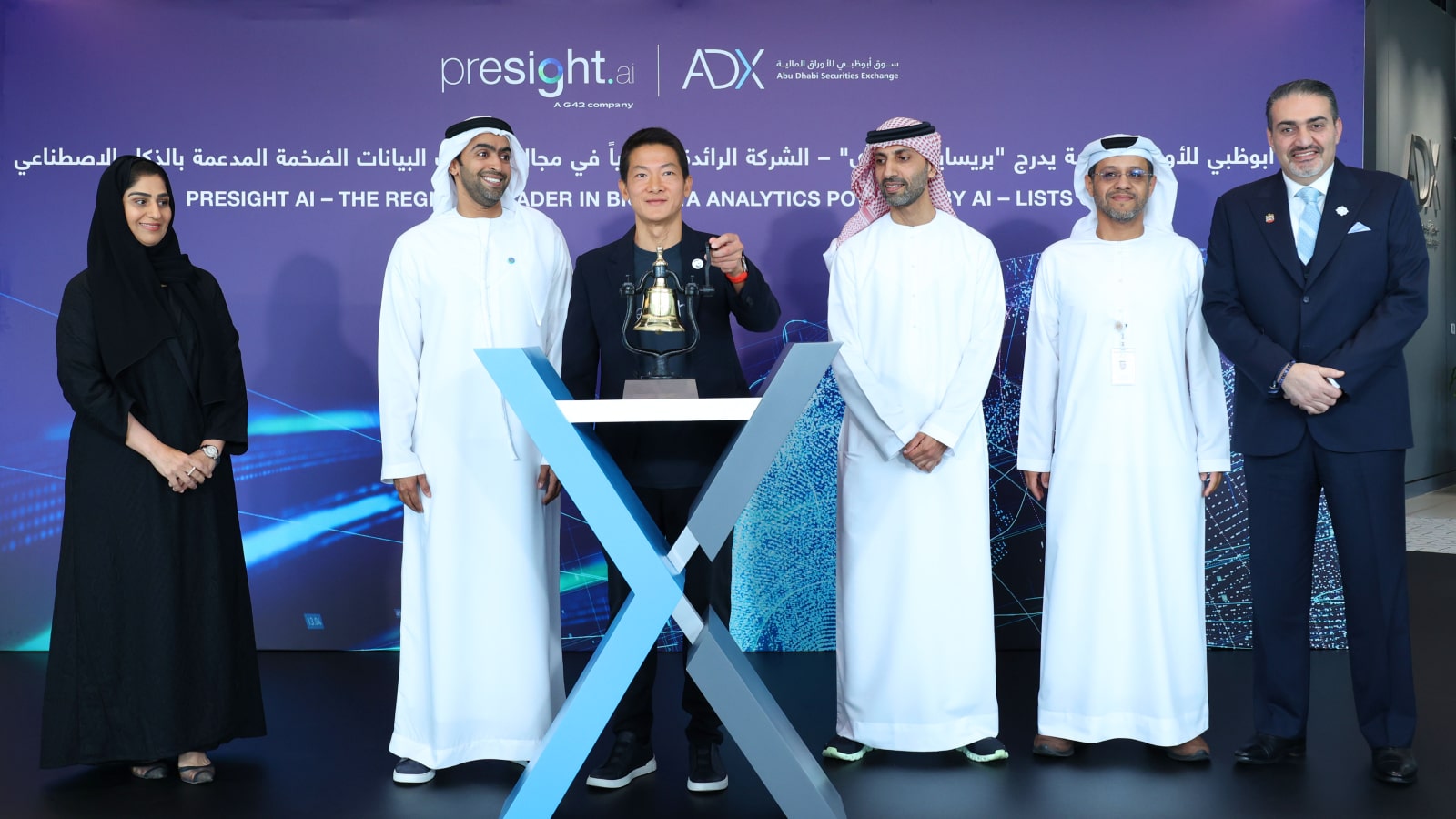
Beacon Red, a subsidiary of the EDGE Group specializing in national security solutions, has entered into a strategic Memorandum of Understanding with Presight AI, a leading provider of big data analytics powered by artificial intelligence. The agreement aims to explore synergies between Presight’s advanced AI and omni-analytics capabilities and Beacon Red’s mission-focused security solutions. The partnership was formalized during the LAAD Defence & Security 2025 exhibition at the Riocentro Exhibition and Convention Center in Rio de Janeiro, Brazil.

The collaboration between Beacon Red and Presight AI is set to leverage the strengths of both entities to develop innovative security solutions. Beacon Red has a track record of tackling complex national security challenges, offering advanced solutions in areas such as cyber defense and secure communications. Presight AI, on the other hand, has established itself as a key player in the AI and big data analytics sector, with partnerships aimed at revolutionizing crisis and disaster management through the integration of advanced data analytics and AI into emergency response systems.

This alliance is expected to focus on integrating Presight’s AI-driven analytics with Beacon Red’s security platforms to enhance situational awareness and decision-making processes in security operations. By combining Presight’s capabilities in processing and analyzing vast amounts of data with Beacon Red’s expertise in security solutions, the partnership aims to deliver comprehensive tools for threat detection and response.

The MoU signifies a commitment to joint research and development efforts, with the goal of creating solutions that address emerging security challenges. Both companies have previously demonstrated a commitment to innovation and collaboration in their respective fields. Presight AI has engaged in partnerships to enhance video analytics capabilities for smart city initiatives, while Beacon Red has been recognized for fostering a high-performance culture and developing cutting-edge security solutions.

The formalization of this partnership at LAAD Defence & Security 2025 underscores the importance of international collaboration in advancing security technologies. The exhibition serves as a platform for defense and security companies to showcase innovations and forge strategic alliances. The Beacon Red and Presight AI partnership exemplifies the trend of cross-sector collaborations aimed at leveraging technological advancements to address complex security issues globally.

As the security landscape continues to evolve with the advent of new technologies and emerging threats, collaborations such as this are poised to play a crucial role in developing solutions that are both effective and adaptable. The integration of AI and big data analytics into security operations offers the potential for more proactive and informed decision-making, ultimately contributing to enhanced security outcomes.

The partnership between Beacon Red and Presight AI reflects a strategic move to harness the power of artificial intelligence in the realm of national security. By combining their respective expertise, the two companies aim to develop solutions that not only address current security challenges but also anticipate and adapt to future threats. This collaboration is indicative of a broader industry trend where technology and security firms are joining forces to create integrated solutions that leverage the latest advancements in AI and data analytics.

While specific details of the joint initiatives have not been disclosed, the partnership is expected to focus on areas where AI can significantly enhance security operations, such as predictive analytics, real-time threat detection, and automated response mechanisms. By integrating AI into security platforms, the collaboration aims to provide security professionals with tools that offer deeper insights and more efficient processes, ultimately leading to more effective security measures.

The collaboration also aligns with broader efforts within the EDGE Group to expand its capabilities in electronic warfare and cyber technologies. The group’s focus on integrating advanced technologies into its portfolio reflects a commitment to staying at the forefront of the defense and security industry. By partnering with technology firms like Presight AI, EDGE entities such as Beacon Red are positioned to offer more sophisticated and comprehensive solutions to their clients.

In the context of global security, partnerships that bridge the gap between technology and defense are becoming increasingly important. The integration of AI into security operations offers the potential to transform how threats are detected and managed, enabling more proactive and adaptive responses. As such, collaborations like the one between Beacon Red and Presight AI are not only beneficial for the companies involved but also for the broader security landscape.

The formalization of this partnership at an international event like LAAD Defence & Security 2025 highlights the global nature of security challenges and the need for cross-border collaborations to address them effectively. By coming together, companies from different regions and sectors can combine their strengths to develop solutions that are more robust and versatile.

Matein Khalid In a financial panic, investors sell what they can and not what they must. So the most ominous data points for me is the dramatic widening in US corporate credit/high yield spreads, which means Mr. Market is now certain that default risk will strangle capital markets as varied as auto finance, subprime mortgages, student loan and credit card receivables. The widening of Asian sovereign credit […]

President Donald Trump has announced plans to impose an additional 50% tariff on Chinese goods starting April 9, escalating tensions in the ongoing trade dispute between the United States and China. This move comes in response to Beijing’s recent implementation of a 34% tariff on U.S. imports, which was itself a countermeasure to earlier U.S. tariffs. The administration’s decision has sent shockwaves through global financial markets. The […]

VISHNU RAJA
RYO YAMADA
HITORI GOTOH
IKUYO KITA