News related to
global

Featuring 5 Themed Zones Constantly Rotating Sake Selection – TRADITIONAL SAKE, FRUIT LIQUEUR, SPARKLING, AGED SAKE, NEW STYLE / CRAFT SAKE HONG KONG SAR – Media OutReach Newswire – 19 February 2025 – A Must-Visit Event for Sake Enthusiasts! Organized by JETRO Hong Kong, the 推しの日本酒 (My Favourite Sake) event will take over Mira Place from February 21 to 23. With five themed zones and over 70 varieties […]

Meta Platforms has unveiled plans for Project Waterworth, an ambitious initiative to construct the world’s longest undersea internet cable. Spanning over 50,000 kilometers, this subsea network aims to link the United States, India, Brazil, South Africa, and potentially Australia, thereby enhancing global digital infrastructure and connectivity. The project’s scale surpasses the Earth’s circumference and is designed to bolster intercontinental data capacity. Utilizing a 24-fiber pair system, Project […]

Sharjah Islamic Bank has successfully issued a $500 million sukuk, marking its sixth offering under the bank’s $3 billion Trust Certificate Issuance Programme established in 2013. The five-year Islamic bond, maturing in July 2029, attracted robust interest from both regional and international investors, with orders reaching $1.5 billion, resulting in an oversubscription rate of three times the offered amount. The sukuk has been dual-listed on Nasdaq Dubai […]

The Dubai International Financial Centre has reported unprecedented financial performance for 2024, coinciding with its 20th anniversary. The centre’s total revenue reached AED 1.78 billion , a 37% increase from the previous year, while operating profit surged by 55% to AED 1.33 billion . These figures represent the most significant annual growth since DIFC’s establishment. The number of active companies within DIFC expanded by 25%, totaling 6,920 […]

Abu Dhabi-based defence conglomerate EDGE Group has announced its financial projections for 2025, aiming to sustain its impressive growth trajectory by matching its 2024 revenue of $5 billion. This ambitious target underscores the company’s commitment to expanding its global footprint and enhancing its position in the international defence sector.

In 2024, EDGE Group reported a revenue of $4.9 billion, with over 20% derived from exports. The company’s products and services have reached clients in 91 countries, reflecting its extensive international reach. Notably, international orders experienced a significant surge, escalating from $18.5 million in 2019 to over $2.1 billion in 2024. This remarkable growth is attributed to strategic investments, innovation, and a diversified product portfolio.

Managing Director and Chief Executive Officer Hamad Al Marar highlighted the company’s strategic focus on expanding cooperation in Africa, followed by Latin America and Asia. He noted that military deals typically require one to three years to finalize and are progressing as planned. Al Marar emphasized that EDGE’s sustainable investment strategies are pivotal in reinforcing its commitment to supporting the national economy and strengthening the UAE’s position in the vital defence sector.

Since its establishment in November 2019, EDGE has expanded its product portfolio from 30 to 201 cutting-edge solutions across air, land, sea, and cyber domains—a growth exceeding 550% in just five years. This expansion has been supported by substantial investments in research and development, enabling the company to introduce advanced technologies and maintain a competitive edge in the global market.

EDGE’s workforce has also grown in tandem with its business expansion. The company currently employs 14,000 people, with Emiratisation standing at 20% across the organization and reaching 50% in engineering divisions. This focus on developing local talent aligns with the UAE’s broader objectives of fostering national expertise in critical industries.

In terms of strategic partnerships, EDGE has engaged in 23 joint ventures and alliances spanning air, land, sea, space, and cyber domains. These collaborations have been instrumental in driving the company’s industry leadership and expanding its technological capabilities. Notable acquisitions include stakes in Estonia’s MILREM Robotics, Swiss unmanned helicopter manufacturer ANAVIA, Brazil’s non-lethal technology leader Condor, and Brazil’s smart weapons specialist SIATT. These investments have enhanced EDGE’s capabilities across multiple domains, unlocking opportunities in cutting-edge sectors and strengthening its competitive position globally.

As of September 2024, EDGE Group-managed companies have secured contracts with an order backlog totaling $12.8 billion, ensuring sustained future revenue growth through the delivery of strategic defence solutions to clients. In 2023 alone, the group secured over 200 major contracts, with 25% representing international agreements. By September 2024, international contracts accounted for 42% of its order intake. Among its notable achievements, EDGE secured a €1 billion contract to supply corvette vessels to the Angolan Navy, marking a significant milestone in its naval capabilities. Strategic agreements with the UAE Armed Forces include $1.62 billion for DESERT STING precision-guided munitions and $582 million for THUNDER artillery systems, illustrating its pivotal role in addressing the unique needs of both local and international clients.

EDGE’s leadership in precision-guided munitions was further acknowledged by defence industry analyst JANES in 2024, naming EDGE among the top three global manufacturers in this field. This recognition underscores the company’s commitment to excellence and innovation in developing advanced defence solutions.

A significant shift in consumer preferences is poised to reshape the automotive industry, as over 64% of potential buyers express a strong inclination towards electric vehicles for their next purchase in 2025. This insight emerges from the Tata Consultancy Services Future-Ready eMobility Study 2025, unveiled at the Detroit Auto Show. The comprehensive study surveyed more than 1,300 respondents across North America, the United Kingdom and Ireland, Continental […]

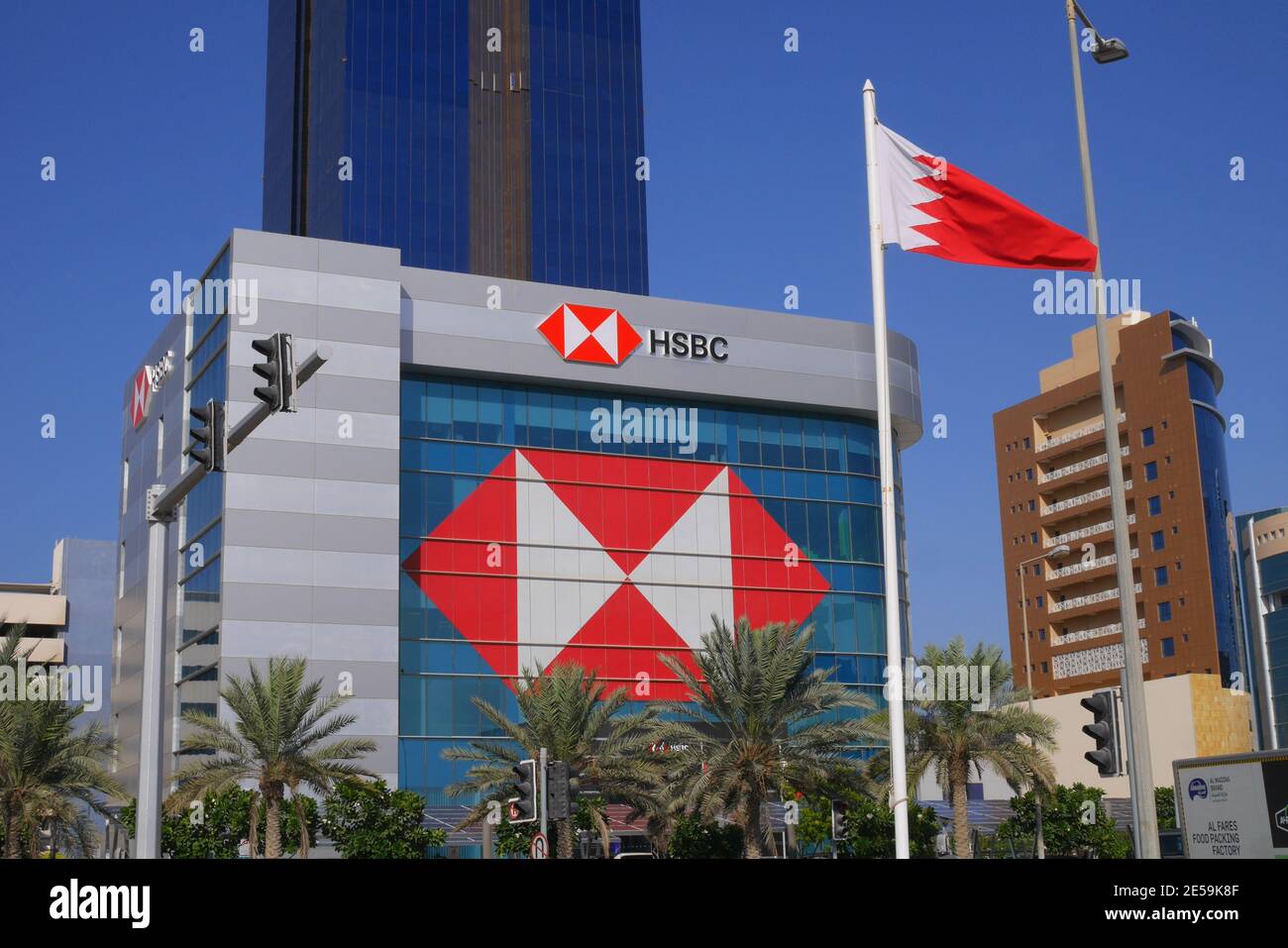
HSBC has announced the sale of its retail banking operations in Bahrain to the Bank of Bahrain and Kuwait , transferring approximately 76,000 customer accounts. This move aligns with HSBC’s ongoing global restructuring strategy, focusing on streamlining operations and enhancing profitability.

The transaction encompasses the transfer of retail loans, deposits, and customer accounts to BBK, a financial institution predominantly owned by the governments of Bahrain and Kuwait. Notably, HSBC’s corporate and private banking services in Bahrain are excluded from this deal. While the financial specifics remain undisclosed, the completion of the transaction is anticipated in the fourth quarter of 2025.

This divestment is a component of HSBC’s broader initiative to reduce its global footprint in less profitable markets. Under the leadership of CEO Georges Elhedery, who assumed his role in October 2024, the bank has been actively reassessing its international operations. Elhedery’s restructuring plan aims to achieve $1.5 billion in annual cost savings by the end of 2026, reallocating resources from non-strategic areas to more competitive sectors. This strategy has already led to significant changes, including the consolidation of commercial and investment banking divisions and a revamp of the leadership structure.

In line with these efforts, HSBC has been withdrawing from various retail banking markets worldwide. The bank has exited retail operations in countries such as Thailand, Japan, South Korea, Brazil, and New Zealand over the past decade. More recently, HSBC has been evaluating its retail banking presence outside the UK and Hong Kong, considering scaling back in markets like Mexico, Malaysia, and Indonesia to concentrate on wealthier “premier” clients and wealth management services.

The decision to sell the Bahrain retail unit reflects HSBC’s commitment to optimizing its global operations and focusing on core markets where it holds a competitive advantage. By divesting from less profitable regions, the bank aims to enhance efficiency and profitability, ensuring resources are allocated to areas with the highest growth potential.

BBK, established in 1971, stands as one of Bahrain’s leading commercial banks. The acquisition of HSBC’s retail operations is poised to bolster BBK’s market position, expanding its customer base and retail banking assets. This strategic move aligns with BBK’s growth objectives, enabling the bank to offer an expanded range of services to its clients.

The global banking landscape has been undergoing significant transformations, with major institutions like HSBC reevaluating their strategies to adapt to evolving market conditions. Factors such as technological advancements, changing customer preferences, and economic shifts have prompted banks to streamline operations and focus on core competencies. HSBC’s restructuring efforts are indicative of a broader trend among global banks aiming to enhance agility and competitiveness in a rapidly changing environment.

In addition to divesting from certain markets, HSBC has been implementing cost-cutting measures across its operations. The bank reported a 3% reduction in headcount, bringing the total number of employees to approximately 220,928. This reduction is part of a concerted effort to manage expenses and improve operational efficiency. Despite these cuts, HSBC’s bonus pool remained relatively stable at $3.80 billion, reflecting the bank’s commitment to rewarding performance while maintaining fiscal prudence.

The restructuring has also led to strategic shifts in HSBC’s investment banking sector. The bank has laid off around 40 investment bankers in Hong Kong and announced plans to wind down its mergers and acquisitions and certain equities businesses in Europe and the Americas. These changes underscore HSBC’s strategic pivot towards focusing more on the Asian market, where it anticipates higher growth opportunities.

Financially, HSBC has demonstrated resilience amid these transitions. The bank’s annual pre-tax profit rose by 6.6% to $32.3 billion, surpassing market expectations. This growth was driven by increased revenue in wealth and markets businesses, highlighting the effectiveness of HSBC’s strategic focus on these areas. Additionally, the bank has announced a dividend of 87 cents per share and a $2 billion share buyback, signaling confidence in its financial position and future prospects.

The sale of the Bahrain retail banking operations is subject to regulatory approvals and customary closing conditions. Both HSBC and BBK are collaborating closely to ensure a seamless transition for customers and employees affected by the transaction. The banks have committed to maintaining transparent communication throughout the process to minimize disruptions and uphold service quality.


Advertisements

Howard Lutnick, the former CEO of Cantor Fitzgerald, has been confirmed by the U.S. Senate as the new Secretary of Commerce under President Donald Trump. The Senate approved his nomination with a 51-45 vote, positioning Lutnick to oversee a department responsible for a wide array of economic activities, from trade policy to technology regulation.

Lutnick’s confirmation marks a significant moment in the Trump administration’s efforts to reshape the nation’s economic and regulatory landscape. Known for his resilience in rebuilding Cantor Fitzgerald after the tragic loss of 658 employees during the September 11 attacks, Lutnick brings a wealth of experience from the financial sector. His leadership during that crisis, including the distribution of $180 million to victims’ families, has been widely recognized.

As Commerce Secretary, Lutnick is expected to play a pivotal role in implementing President Trump’s trade policies, which have recently included the announcement of potential 25% tariffs on foreign automobiles, semiconductors, and pharmaceuticals. These measures are part of a broader strategy to bolster domestic manufacturing and reduce reliance on foreign imports.

In addition to Lutnick’s appointment, the Trump administration is advancing a series of nominations for key regulatory positions, particularly in agencies overseeing financial markets and emerging technologies. Paul Atkins, a former Securities and Exchange Commission commissioner known for his free-market philosophy, has been nominated to lead the SEC. Atkins has a history of advocating for reduced regulatory burdens and is anticipated to foster a more accommodating environment for financial innovation, including cryptocurrencies.

Brian Quintenz, who previously served as a commissioner at the Commodity Futures Trading Commission from 2017 to 2021, has been nominated to return as the agency’s chairman. During his prior tenure, Quintenz was recognized for his expertise in both traditional finance and the burgeoning cryptocurrency sector. His recent role as head of policy at a16z Crypto, the cryptocurrency division of venture capital firm Andreessen Horowitz, underscores his deep engagement with digital assets. Quintenz’s return to the CFTC is expected to influence the agency’s approach to regulating complex financial instruments and fostering innovation in blockchain technologies.

Jonathan Gould, a legal professional with extensive experience in banking and financial regulation, has been nominated to lead the Office of the Comptroller of the Currency . Gould’s background includes serving as senior deputy comptroller and chief counsel at the OCC, where he provided legal oversight on a range of banking issues. His appointment is seen as a continuation of the administration’s trend toward installing regulators who are knowledgeable about and potentially supportive of cryptocurrency and fintech developments.

These nominations reflect President Trump’s broader strategy to reshape financial regulation in favor of innovation and reduced federal oversight. The administration has been critical of previous regulatory approaches that it perceives as overly restrictive, particularly concerning emerging financial technologies. By appointing individuals with pro-crypto leanings and a history of advocating for lighter regulatory frameworks, the administration aims to create an environment conducive to growth in the fintech and cryptocurrency sectors.

However, these appointments have not been without controversy. Critics argue that reducing regulatory oversight could lead to increased financial instability and potential exploitation within rapidly evolving markets. Supporters, on the other hand, contend that a more permissive regulatory environment is necessary to foster innovation and maintain the United States’ competitive edge in global financial markets.

The Senate’s confirmation of these nominees will be closely watched, as their leadership will significantly influence the direction of U.S. financial regulation in the coming years. As these individuals assume their respective roles, stakeholders across the financial spectrum—from traditional banking institutions to emerging fintech startups—will be assessing how the new regulatory landscape will impact their operations and strategic planning.

In the context of global trade, Lutnick’s role as Commerce Secretary will be particularly critical. His support for President Trump’s tariff policies suggests a continuation of protectionist measures aimed at strengthening domestic industries. This approach has garnered both praise and criticism, with proponents arguing that it safeguards American jobs and industries, while detractors warn of potential retaliatory measures from trading partners and the risk of escalating trade wars.

As the administration moves forward with its economic agenda, the interplay between these regulatory appointments and broader trade policies will be pivotal in shaping the U.S. economic landscape. The emphasis on accommodating financial innovation, particularly in the realm of cryptocurrencies, alongside a protectionist trade stance, represents a distinctive approach that will have lasting implications for both domestic and international economic relations.

Hong Kong’s Securities and Futures Commission has granted a license to Bullish, a prominent virtual asset trading platform, marking a significant milestone in the city’s ambition to become a leading hub for digital assets. This approval allows Bullish to operate within Hong Kong’s regulated framework, offering trading services to both institutional and retail investors.

The SFC’s decision to license Bullish is part of a broader strategy to enhance Hong Kong’s competitiveness in the global digital asset market. Financial Secretary Paul Chan announced that, to date, nine digital asset trading platform licenses have been issued, with eight additional applications under review. This initiative underscores the city’s commitment to fostering a robust and secure environment for virtual asset trading.

Julia Leung, the SFC’s Chief Executive, highlighted that the regulatory body is evaluating the introduction of new cryptocurrency products, including derivatives and margin lending, specifically tailored for professional investors. Speaking at Coindesk’s Consensus Hong Kong 2025 conference, Leung emphasized that these considerations aim to expand the range of services available to investors, thereby solidifying Hong Kong’s position as a regional digital assets hub.

Bullish’s entry into Hong Kong’s regulated market is expected to enhance the city’s digital asset ecosystem. The platform, known for its innovative trading solutions, integrates advanced technologies to provide deep liquidity and secure transactions. By obtaining the SFC license, Bullish demonstrates its commitment to adhering to stringent regulatory standards, offering users a trustworthy platform for virtual asset trading.

The SFC has been proactive in refining its regulatory framework to accommodate the evolving digital asset landscape. In January 2025, the commission introduced a streamlined licensing process for virtual asset trading platforms. This new procedure requires a single external assessment report, replacing the previous two-phased assessment, thereby expediting the approval process for applicants. This move aims to attract more virtual asset service providers to establish operations in Hong Kong, contributing to the city’s growing digital economy.

Hong Kong’s efforts to position itself as a digital asset hub come amid increasing global competition. Jurisdictions such as Singapore and Dubai are also vying for prominence in the virtual asset sector, offering regulatory incentives and establishing comprehensive frameworks to attract blockchain and cryptocurrency enterprises. Hong Kong’s strategic approach, characterized by rigorous regulatory oversight combined with industry-friendly policies, seeks to balance investor protection with innovation.

The city’s regulatory advancements have coincided with notable movements in the cryptocurrency market. Bitcoin, the leading cryptocurrency, experienced a significant surge, reaching an all-time high of $109,071 in January 2025 before stabilizing around $96,000. This upward trajectory reflects growing investor confidence and increased institutional adoption of digital assets. Analysts attribute this trend to favorable regulatory developments and the mainstream acceptance of cryptocurrencies as a legitimate asset class.

In addition to licensing trading platforms, Hong Kong is advancing regulations for stablecoins—digital currencies pegged to stable assets like fiat currencies. The SFC is formulating guidelines to govern the issuance and management of stablecoins, aiming to mitigate risks associated with their use and ensure financial stability. This regulatory clarity is anticipated to encourage the development of stablecoin projects within the region, further diversifying Hong Kong’s digital asset offerings.

Market participants have responded positively to these regulatory developments. The introduction of new licensed platforms is expected to enhance market liquidity and provide investors with a wider array of trading options. Furthermore, the presence of regulated entities like Bullish is likely to attract institutional investors seeking compliant and secure avenues for digital asset exposure. This influx of institutional capital could contribute to the maturation and stabilization of the cryptocurrency market in Hong Kong.

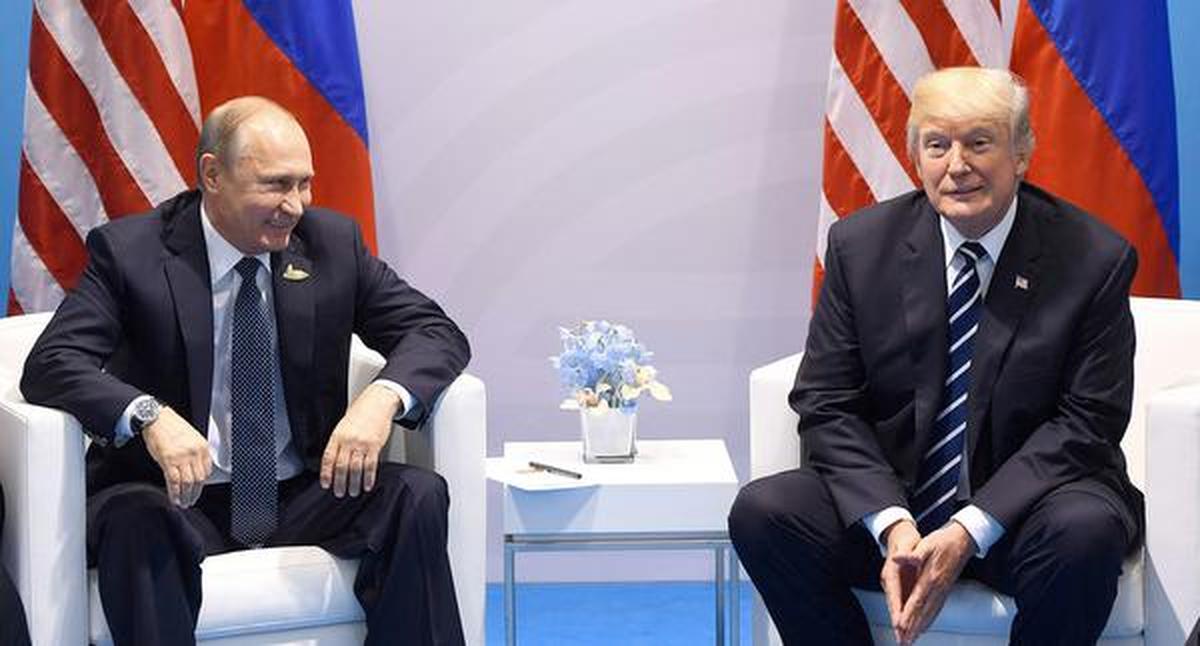
By Asad Mirza The way the US President Donald Trump literally got enforced his one-man plan for the Gaza Ceasefire and the manner in which he is now trying to organise Peace Talks to get the Russia-Ukraine war ended, are pointers to the future of the American foreign policy. By now the world should have […]

Vantage Data Centers, a prominent global provider of hyperscale data center campuses, has entered into a strategic partnership with VoltaGrid, an innovator in advanced microgrid power generation. This collaboration aims to deploy more than one gigawatt of power generation capacity across Vantage’s expanding North American portfolio, addressing the escalating demand for data center energy solutions without imposing additional strain on existing grid systems.

The rapid proliferation of cloud computing and artificial intelligence technologies has necessitated the swift development of additional data center infrastructure. However, securing timely and scalable power remains a significant challenge in the industry. Dana Adams, President of North America at Vantage Data Centers, emphasized that partnering with VoltaGrid offers an optimal solution to deploy capacity in power-constrained markets, thereby meeting customer demand for innovative technologies that yield social and economic benefits.

A key aspect of this partnership is the emphasis on speed and scalability. VoltaGrid’s solutions are engineered for rapid deployment, with installations achievable within months. This accelerated timeline ensures that hyperscale customers have access to the necessary power infrastructure promptly, circumventing the prolonged grid connection queues that often hinder data center expansions. Nathan Ough, President and CEO of VoltaGrid, highlighted that their ability to swiftly deploy scalable energy solutions redefines industry expectations and provides AI hyperscalers with the confidence to continue scaling their operations.

The collaboration also underscores a commitment to sustainability. Utilizing advanced natural gas-powered microgrids, the partnership aims to achieve up to a 98% reduction in emissions, particularly concerning criteria air pollutants. VoltaGrid’s technology is adaptable, capable of operating on 100% hydrogen-based or renewable natural gas fuel sources when feasible, and offers carbon offsets to support advanced net-zero solutions. This environmentally conscious approach aligns with Vantage’s objective to provide reliable yet sustainable energy solutions for its data centers.

South Korea has announced plans to build a groundbreaking artificial intelligence data centre with a capacity of 3 gigawatts , positioning it as the largest of its kind globally. The project, spearheaded by investment firm Stock Farm Road , is set to commence construction in late 2025 and aims for completion by 2028. The total investment is projected to reach $35 billion , marking a significant milestone […]

T-Mobile has announced a strategic collaboration with Red Hat to deploy Red Hat OpenShift Platform Plus, aiming to establish a unified telco cloud that spans the company’s core and far-edge operations. This initiative is designed to enhance operational efficiency, streamline automation processes, and expedite the rollout of new applications and services, all while reducing overall costs. The telecommunications industry is experiencing an escalating demand for flexible cloud […]

The United Arab Emirates’ Ministry of Finance has unveiled a new certification program in International Public Sector Accounting Standards , developed in partnership with the Association of Chartered Certified Accountants . This initiative aims to enhance the financial acumen of federal government employees, aligning the nation’s public sector accounting practices with globally recognized standards.

The IPSAS certification program commenced with an inaugural training session in Dubai on 17 February 2025. This session marked the beginning of a comprehensive effort to equip finance professionals within the UAE’s federal entities with the necessary skills to implement accrual-based accounting effectively. By adopting these standards, the MoF seeks to improve the quality, consistency, and transparency of financial reporting across public sector institutions.

H.E. Younis Haji Al Khoori, Undersecretary of the Ministry of Finance, emphasized the significance of this collaboration, stating that it reflects the ministry’s commitment to fostering strategic partnerships and reinforcing its position as a global leader in public finance. He highlighted that the adoption of IPSAS is a critical step towards achieving financial sustainability and enhancing the efficiency of government financial operations.

The partnership with ACCA is particularly noteworthy, as the association is renowned for its expertise in accounting certifications worldwide. The ACCA’s Certificate in International Public Sector Accounting Standards is designed to provide participants with a thorough understanding of IPSAS, covering various aspects such as financial statement presentation, accounting policies, and the treatment of assets and liabilities. The program also delves into the nuances of financial performance, consolidation, and the disclosure of financial information, ensuring that participants are well-versed in the comprehensive application of these standards.

In addition to the IPSAS certification, the MoF has signed a Memorandum of Understanding with the American University in Dubai to launch an Executive Diploma Program in Government Financial Policy Sustainability. Scheduled for the 2024-2025 academic year, this diploma aims to delve into topics such as financial sustainability, emerging trends in government finance, and the impact of artificial intelligence on financial analysis. Dr. Kyle Long of AUD expressed enthusiasm about the collaboration, noting that it has the potential to transform financial management within federal agencies and prepare professionals to tackle contemporary challenges.

The MoF’s dual approach—offering both the IPSAS certification and the executive diploma—underscores its dedication to building a robust financial framework within the UAE’s public sector. By investing in the education and training of its financial workforce, the ministry aims to ensure that government entities are not only compliant with international standards but are also pioneers in adopting innovative financial practices.

This initiative is part of a broader strategy by the UAE government to modernize its financial systems and promote transparency. By aligning with international accounting standards, the UAE aims to enhance investor confidence and foster a more attractive environment for foreign investments. Moreover, the adoption of IPSAS is expected to facilitate better decision-making processes within government entities, as accurate and transparent financial information is crucial for effective policy formulation and implementation.

The training sessions are structured to provide participants with both theoretical knowledge and practical applications of IPSAS. Through case studies, interactive exercises, and real-world examples, attendees will gain insights into the challenges and solutions associated with implementing these standards. The program also offers a platform for finance professionals to engage in discussions, share experiences, and develop a network of peers committed to advancing public sector financial management.

Malik Sarieddine of ACCA highlighted the importance of this certification, stating that it equips finance professionals with the necessary tools to lead initiatives aligned with global standards. He emphasized that the training will enable participants to navigate the complexities of public sector accounting, ensuring that financial reports are both accurate and reflective of the true financial position of government entities.

The MoF’s commitment to continuous improvement is evident in its proactive approach to adopting international best practices. By collaborating with esteemed institutions like ACCA and AUD, the ministry is taking concrete steps to elevate the proficiency of its financial professionals. This, in turn, is expected to lead to more efficient public spending, improved resource allocation, and enhanced public trust in government financial operations.

BANGKOK, THAILAND – Media OutReach Newswire – 19 February 2025 – Bangkok is no longer just a city of vibrant lights and ceaseless energy—it has emerged as a design hub that’s driving transformative change in urban living. By addressing challenges in city infrastructure, quality of life, environmental sustainability, and business innovation, Bangkok has positioned itself as a global leader in leveraging design to shape a better future. […]

Elon Musk’s artificial intelligence venture, xAI, has unveiled its latest chatbot, Grok-3, positioning it as a formidable competitor to leading AI models from OpenAI and China’s DeepSeek. Grok-3 is now accessible to Premium+ subscribers on Musk’s social media platform, X, and through the new SuperGrok subscription tier on xAI’s mobile application and Grok.com. In a live-streamed presentation, Musk highlighted that Grok-3 utilizes over ten times the computational […]

The United Arab Emirates and Russia have taken significant steps to enhance their financial and economic collaboration. On 17 February 2025, both nations convened the inaugural UAE-Russia Strategic Financial Dialogue in Abu Dhabi, culminating in the signing of an agreement aimed at eliminating double taxation on income and capital. This pact is designed to prevent tax evasion and foster a more transparent and competitive tax environment, thereby […]

Arabian Post Staff -Dubai Arabian Drilling and Shelf Drilling have signed a memorandum of understanding to establish a strategic alliance aimed at enhancing their international offshore drilling capabilities. This collaboration seeks to leverage the strengths of both companies to offer comprehensive services to a broader clientele and increase their competitiveness in the global market. Under the terms of the MoU, Arabian Drilling will gain access to Shelf […]

The United Arab Emirates is set to enhance its aerospace capabilities through a collaboration between Tawazun Council and Mubadala Investment Company. This partnership aims to establish a state-of-the-art Maintenance, Repair, and Overhaul facility in Al Ain, focusing on aircraft engines. The initiative underscores the UAE’s commitment to becoming a regional hub for advanced aerospace technologies.

Announced at the International Defence Exhibition 2025, the project involves Mubadala’s subsidiary, Sanad, joining forces with global aerospace leader Pratt & Whitney. The facility will be the first of its kind in the Middle East, North Africa, and South Asia regions, providing comprehensive MRO services for Pratt & Whitney’s GTF™ engines. Once operational, it is expected to handle up to 350 engine shop visits annually.

Dr. Bakheet Al Katheeri, CEO of Mubadala’s UAE Investments platform, highlighted the strategic importance of the collaboration: “This partnership between Mubadala and Tawazun is a clear demonstration of the Mubadala UAE Investments platform delivering on its mandate. We are building national champions in the aerospace sector, fostering a vibrant aerospace ecosystem, and partnering with world-class entities like Pratt & Whitney to accelerate the transformation of Abu Dhabi’s economy.”

The facility, slated to open in the third quarter of 2028, will be located at the Al Ain Aerospace Park. It is poised to generate several hundred jobs, contributing significantly to the local economy and supporting the UAE’s broader economic diversification strategy. The collaboration also serves to fulfill Raytheon’s offset obligations to the UAE, marking a unique instance where a civil project offsets military purchases.

Marc Meredith, Vice President of GTF Commercial Aftermarket at Pratt & Whitney, expressed enthusiasm about the venture: “Pratt & Whitney have been talking to Sanad about developing our relationship with them. This is a really exciting, generational project, both for us and for them.” The partnership builds upon a decade-long relationship between Pratt & Whitney and Sanad, which currently operates an MRO facility for IAE V2500 engines in Abu Dhabi.

The decision to establish a new site in Al Ain, rather than expanding the existing facility, was driven by the anticipated scale of future GTF engine production. Meredith noted the substantial opportunities ahead: “There is a massive opportunity in front of us.”

Tawazun Council, an independent government entity collaborating closely with the Ministry of Defence and security agencies in the UAE, plays a pivotal role in this initiative. The Council’s involvement ensures alignment with national defense and security objectives, while also promoting the growth of the UAE’s aerospace sector.

In a significant diplomatic and economic development, the United Arab Emirates and Ukraine have formalized a Comprehensive Economic Partnership Agreement during Ukrainian President Volodymyr Zelensky’s official visit to Abu Dhabi. The accord aims to bolster bilateral trade, investment, and economic collaboration between the two nations, marking a pivotal moment in their diplomatic relations.

The signing ceremony, held in Abu Dhabi, was attended by UAE President Sheikh Mohamed bin Zayed Al Nahyan and President Zelensky. Under the terms of the CEPA, 99% of Ukrainian imports of UAE goods and 97% of Ukrainian exports to the UAE will be exempt from customs duties, effective immediately. This strategic move is projected to contribute approximately $369 million to the UAE’s Gross Domestic Product and $874 million to Ukraine’s GDP by 2031. The agreement is also expected to accelerate Ukraine’s economic recovery and create new opportunities for cooperation in sectors such as infrastructure, heavy industry, aviation, aerospace, and information technology.

President Zelensky’s visit to the UAE comes at a time when momentum is building for potential peace talks to end the ongoing conflict in Ukraine. The UAE, home to a significant number of Russian and Ukrainian expatriates, has been considered a potential site for these discussions. During his visit, President Zelensky emphasized priorities such as repatriating Ukrainian captives, enhancing economic partnerships, and initiating humanitarian programs. He expressed gratitude for the UAE’s mediation efforts, which have reportedly resulted in saving many lives.

In addition to the CEPA, the two leaders agreed to establish a Ukraine-UAE Investment Council, aiming to explore promising investment opportunities in Ukraine, particularly in infrastructure projects. This initiative underscores the UAE’s commitment to supporting Ukraine’s economic development and post-war reconstruction efforts.

The UAE’s involvement in facilitating dialogue and supporting Ukraine’s sovereignty has been evident through its diplomatic engagements. Sheikh Mohamed bin Zayed Al Nahyan reaffirmed the UAE’s dedication to supporting peaceful resolution efforts and alleviating the humanitarian impact of the Ukraine conflict. He emphasized the importance of reaching peaceful solutions to crises around the world and reiterated the UAE’s commitment to building partnerships based on cooperation and understanding to promote peace, stability, and prosperity for all.

Concurrently, high-level talks between U.S. and Russian officials are set to occur in Saudi Arabia, aiming to explore a peace dialogue regarding the Ukraine conflict. Notably, Ukraine has been excluded from these discussions, a move President Zelensky criticizes, emphasizing the necessity of consulting strategic partners before any negotiations with Russia. He has declared that Ukraine will disregard any peace agreements forged between the U.S. and Russia without its involvement, underscoring the importance of including Ukraine in any peace negotiations.

The CEPA between the UAE and Ukraine is the first such agreement Ukraine has signed with a Gulf country, highlighting the UAE’s role as a strategic partner in Ukraine’s economic and diplomatic endeavors. Bilateral trade between the two nations reached $372.4 million in 2024, and the new agreement aims to further enhance this economic relationship by reducing or eliminating customs duties and opening new avenues for collaboration in various sectors.

This development reflects a broader trend of Middle Eastern countries engaging more actively in global diplomatic efforts, positioning themselves as neutral grounds for conflict resolution and as pivotal players in international economic partnerships. The UAE’s strategic support and facilitation of dialogue underscore its growing influence in global affairs, particularly in fostering peace and stability in conflict regions.

As the situation in Ukraine remains fluid, the international community continues to monitor the developments closely. The UAE’s proactive approach in mediating and supporting Ukraine’s sovereignty may serve as a model for other nations seeking to play a constructive role in global peace efforts. The success of the CEPA and the potential for future diplomatic resolutions could significantly impact the geopolitical landscape, offering a pathway toward stability and economic growth in the region.

Mastercard has shifted its focus from experimental projects to delivering practical cryptocurrency solutions, according to Raj Dhamodharan, the company’s head of crypto and blockchain. This strategic move aims to bridge the gap between traditional finance and blockchain networks, facilitating the mainstream adoption of digital assets.

Dhamodharan emphasized the necessity for consumers to connect using familiar systems to propel cryptocurrency into everyday use. He stated, “What is stopping [crypto] from going mainstream is really that consumers need to be able to find each other using what they already know.” This approach underscores Mastercard’s commitment to integrating digital assets into its existing financial infrastructure, ensuring seamless and secure transactions for users.

In line with this strategy, Mastercard has introduced the Crypto Credential system, designed to enhance trust and verification in digital transactions. This system enables users to transfer crypto assets using email addresses instead of complex wallet addresses, simplifying the process and reducing potential errors. The company has partnered with compliance firm Notabene to integrate this system into the SafeTransact platform, aiming to provide a user-friendly experience while maintaining robust security standards.

Mastercard is expanding its crypto card program, allowing consumers to make everyday purchases using digital currencies. This initiative enables real-time use of cryptocurrencies, providing a practical application for digital assets in daily transactions. By collaborating with various financial institutions and crypto platforms, Mastercard aims to offer a seamless payment experience for users worldwide.

The company’s Multi-Token Network is another significant development, offering a platform of programmable payment services built on a private, secure blockchain. MTN aims to provide scalable and interoperable solutions for digital asset transactions, catering to the evolving needs of businesses and consumers in the crypto space.

Dhamodharan highlighted Mastercard’s role as a connector between traditional finance and blockchain networks, ensuring regulatory compliance while enabling new business models. He noted that the company plans to announce additional partnerships and use cases throughout 2025, reinforcing its commitment to integrating crypto into global payments.

This strategic shift comes as traditional financial firms increasingly recognize the potential of blockchain technology and digital assets. By moving beyond experimentation, Mastercard aims to provide real-world solutions that address existing challenges in the crypto ecosystem, such as security, compliance, and user accessibility.

Bitcoin’s value has fallen below the $94,000 threshold, influenced by macroeconomic factors and investor sentiment. Despite this downturn, some financial analysts continue to project a long-term surge, with estimates suggesting the cryptocurrency could reach $500,000 in the coming years.

On February 19, 2025, Bitcoin’s price dropped to $93,882.60, marking a 1.74% decrease for the day. This decline is attributed to rising bond yields and expectations of a robust U.S. jobs report, which have bolstered the U.S. dollar’s strength against other currencies. The dollar’s appreciation has made alternative assets like Bitcoin less attractive to investors, leading to a sell-off in the cryptocurrency market.

The recent inauguration of President Donald Trump’s second term has also impacted Bitcoin’s trajectory. Since January 20, when Bitcoin reached a record high, the cryptocurrency has experienced a 14% decline. This downturn is partly due to dissatisfaction with the new administration’s cryptocurrency policies. Notably, while the Securities and Exchange Commission has established a digital-asset task force, the anticipated creation of a Bitcoin strategic reserve has not materialized, leading to uncertainty among investors.

Despite the current bearish trend, some analysts remain optimistic about Bitcoin’s long-term potential. Geoffrey Kendrick, Standard Chartered’s global head of digital assets research, has predicted that Bitcoin could surpass $500,000 by the end of 2028. This forecast is based on factors such as improved investor access and a decrease in Bitcoin’s volatility, which could enhance its appeal as a mainstream asset class.

Similarly, financial analyst Michaël van de Poppe has suggested that Bitcoin’s price could reach $500,000, driven by institutional adoption and macroeconomic shifts. He points to the U.S. government’s pro-cryptocurrency stance and the potential for Bitcoin to serve as a strategic reserve asset as catalysts for this projected growth.

However, not all experts share this bullish outlook. BCA Research, a firm that has been optimistic about Bitcoin for the past two years, is now signaling a potential peak in the cryptocurrency market. The firm cites indicators such as the proliferation of memecoins and excessive bullish sentiment as signs that the market may be overheating. They suggest that a price point of $75,000 might be a more attractive entry for investors, considering current economic conditions and market dynamics.

Owned and operated by JustCo, the 24,000 sqft space blends refined hospitality, experience and design inspired by the rhythm of Tokyo Station SINGAPORE – Media OutReach Newswire – 19 February 2025 – The Collective opens its inaugural flagship at GranTokyo South Tower, presenting a new era of inspired workspace for discerning professionals. Owned and operated by JustCo, Asia’s leading flexible workspace solutions provider, the new luxury coworking […]

By Nitya Chakraborty Eighty years after the end of the Second World War in 1945, Europe, especially Western Europe is in disarray, as their transatlantic ally for eight decades, the United States, is refusing to guarantee the security of the European nations belonging to the NATO under the new Trump doctrine. Earlier, there were differences […]

VISHNU RAJA
RYO YAMADA
HITORI GOTOH
IKUYO KITA