News related to
global

Organisations should balance optimisation and workforce expectations HONG KONG SAR – Media OutReach Newswire – 19 March 2025 – KPMG China announced today the release of its ninth annual Hong Kong Employment Outlook survey, providing insights into the latest trends and challenges facing the region’s employment market. The report covers the headcount expectations of Hong Kong professionals, a salary outlook with an analysis of compensation and benefits […]

By Nitya Chakraborty Narendra Modi has been heading the Indian government as the Prime Minister since 2014. He has made so far many observations about the delicate India-China relations in the last nearly eleven years, but his observations on this issue made to the American journalist cum researcher Lex Fridman in his podcast released on […]

American publicly traded Bitcoin mining companies have reached an unprecedented milestone, now controlling approximately 30% of the total global Bitcoin network hashrate. This significant increase underscores the growing influence of U.S.-based miners in the cryptocurrency ecosystem.

The hashrate, representing the total computational power used to mine and process transactions on the Bitcoin network, serves as a critical indicator of the network’s security and efficiency. As of mid-March, the Bitcoin network’s hashrate averaged 811 exahashes per second , reflecting a 2 EH/s increase in the first two weeks of the month. Notably, U.S.-listed miners have maintained their share at around 30% during this period.

This expansion is particularly remarkable considering that just over a year ago, these companies accounted for approximately 20% of the network’s hashrate. The rapid growth can be attributed to several factors:

– Access to Capital: Being publicly listed provides these miners with enhanced access to capital markets, enabling substantial investments in infrastructure and expansion.

– Availability of Resources: The United States offers abundant land and relatively affordable energy resources, essential for the energy-intensive process of Bitcoin mining.

– Aggressive Expansion Strategies: Companies such as IREN , CleanSpark, Riot Platforms, and MARA Holdings have been actively scaling their operations, deploying new mining rigs, and increasing their computational capacities.

IREN, in particular, has been at the forefront of this expansion. Despite reporting a loss of $51.7 million in the first quarter of 2025, the company has ambitious plans to boost its mining power to 50 EH/s in the coming months. This strategy reflects a broader trend among U.S.-listed miners to reinvest earnings into scaling operations, thereby increasing their share of the network hashrate.

However, this rapid expansion has not been without challenges. The average price of Bitcoin declined by approximately 10% in early March, pressuring mining economics. Additionally, the increase in network hashrate has led to heightened competition among miners, further squeezing profit margins. Some companies have responded by stockpiling Bitcoin to navigate these profit squeezes, leveraging the cryptocurrency’s price appreciation to bolster their balance sheets.

MARA Holdings exemplifies this trend. The company recently expanded its capacity by acquiring data centers in Ohio, adding a total of 372 megawatts of compute capacity. This acquisition brings MARA’s total nameplate capacity to nearly 1.5 gigawatts, positioning it as one of the largest players in the industry. Despite these advancements, MARA reported widening net losses of $124.8 million in the third quarter, highlighting the financial pressures faced by miners amid fluctuating Bitcoin prices and rising operational costs.

The consolidation of hashrate among U.S.-listed miners has broader implications for the Bitcoin network. While increased hashrate enhances network security by making it more resistant to attacks, the concentration of mining power raises concerns about decentralization—a core principle of the Bitcoin ethos. Industry stakeholders continue to debate the balance between operational efficiency and maintaining a decentralized network structure.

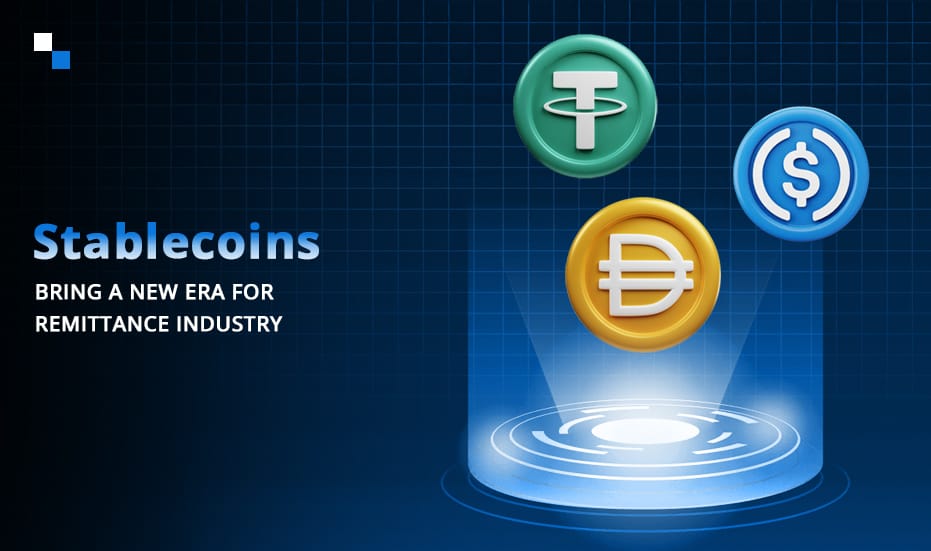
Stablecoins have solidified their position in the cryptocurrency market, sustaining an impressive on-chain transaction volume of approximately $800 billion per month over the past four months. This consistent activity underscores the pivotal role stablecoins play in digital finance, offering stability amidst the volatility often associated with cryptocurrencies.

Ethereum, the leading blockchain platform for decentralized applications, continues to dominate as the primary network for stablecoin transactions. Notably, it hosts substantial amounts of the two major stablecoins: USD Coin and Tether . As of the latest data, Ethereum’s network holds around $35 billion in USDC and $67 billion in USDT, reflecting its central role in the stablecoin ecosystem.

The sustained high transaction volumes of stablecoins can be attributed to their widespread adoption for various financial activities, including trading, remittances, and decentralized finance applications. Their ability to maintain a stable value, typically pegged to fiat currencies like the US dollar, makes them an attractive medium for transferring value without the price fluctuations characteristic of other cryptocurrencies.

In 2023, stablecoins facilitated transactions totaling $10.8 trillion, with $2.3 trillion attributed to organic activities such as payments and cross-border remittances. This substantial usage highlights the growing trust and reliance on stablecoins within the global financial system.

The consulting industry in the Gulf Cooperation Council is projected to reach a valuation exceeding $8 billion this year, marking a 12% growth compared to the previous year. This expansion, while robust, indicates a slight deceleration from the 13% growth observed in 2024, reflecting a trend of tightening public expenditure across the region. Saudi Arabia, the largest economy within the GCC, has been a significant contributor to […]

Escalating conflict in the Middle East has led to significant upheavals in global financial markets. On March 18, 2025, Israel launched extensive airstrikes across the Gaza Strip, effectively ending a ceasefire that had been in place since January. These strikes resulted in over 400 Palestinian casualties, including many women and children, marking one of the deadliest 24-hour periods in the region since 2023. Israeli Prime Minister Benjamin […]

Abu Dhabi’s renewable energy company, Masdar, is nearing a $200 million agreement to acquire a 49.9% stake in a 450-megawatt solar portfolio managed by Spanish utility Endesa. This strategic move aims to bolster Masdar’s presence in Spain, aligning with its ambition to achieve 100 gigawatts of global renewable energy capacity by 2030. A Masdar spokesperson commented on the company’s expansion goals, stating that they are actively exploring […]

Advertisements

Arabian Post Staff -Dubai President Donald Trump hosted Sheikh Tahnoon bin Zayed Al Nahyan, the United Arab Emirates’ National Security Adviser and Deputy Ruler of Abu Dhabi, at the White House on Tuesday evening. The meeting underscored the enduring ties between the two nations and focused on enhancing cooperation in technology and investment sectors. In a statement following the dinner, President Trump highlighted the significance of the […]

Recent regulatory changes enhance credibility for corporate trustees but add to complexity and costs New eMPF Platform to reshape Hong Kong’s pension system and bring wave of change for pension trustees HONG KONG SAR – Media OutReach Newswire – 18 March 2025 – Access to Chinese Mainland clients, Asia’s growing private wealth sector and improving industry credibility are underpinning a positive outlook for Hong Kong’s trust industry, […]

Global investors have executed a historic shift in their portfolios, markedly reducing exposure to U.S. equities while increasing allocations to European stocks. This movement reflects growing apprehensions about the U.S. economic outlook and a more optimistic view of Europe’s financial prospects.

A Bank of America survey revealed that fund managers decreased their U.S. equity holdings by 40 percentage points, transitioning from a 17% overweight position in February to a net underweight of 23% in March. This represents the most substantial reduction on record, surpassing adjustments observed during previous economic downturns. The survey, which included 171 participants managing $477 billion in assets, underscores a significant reevaluation of investment strategies in response to emerging global economic challenges.

Several factors have contributed to this shift. Investors express heightened concerns over stagflation—a combination of stagnant economic growth and high inflation—and the potential repercussions of escalating trade tensions. The perception of diminishing U.S. economic exceptionalism has further fueled these apprehensions, leading to a reassessment of asset allocations.

In contrast, European equities have experienced increased investor interest. Allocations to Eurozone stocks surged by 27 percentage points, reaching the highest level since mid-2021. Approximately 39% of global investors now hold overweight positions in European equities, reflecting a growing confidence in the region’s economic resilience and potential for growth.

This reallocation is also evident among UK investors, who have increased their exposure to domestic stocks while reducing U.S. equity holdings. This trend suggests a broader reevaluation of investment strategies, with a renewed focus on local markets perceived as more stable or promising under current global economic conditions.

The technology sector, once a stalwart of U.S. market growth, has seen a notable decline in investor sentiment. Conversely, sectors such as utilities and banking have gained favor, indicating a strategic pivot towards more traditionally stable industries amid economic uncertainty.

Despite these shifts, some hedge funds have begun cautiously reinvesting in U.S. equities following significant sell-offs. This activity suggests that certain investors perceive potential value in the U.S. market, although this perspective is not yet widespread.

The broader implications of this investment reallocation are multifaceted. For the U.S., reduced equity allocations could signal waning confidence in its economic trajectory, potentially leading to decreased capital inflows and subdued market performance. Conversely, Europe’s attractiveness to investors may bolster its markets, providing a counterbalance to global economic headwinds.

This strategic pivot underscores the dynamic nature of global investment landscapes, where economic indicators, geopolitical developments, and market sentiments continually influence capital distribution. Investors’ current preference for European equities over U.S. stocks reflects a nuanced assessment of risk and opportunity in an evolving economic environment.

Strategy, formerly known as MicroStrategy, has unveiled plans to issue up to $21 billion in preferred stock to fund additional Bitcoin acquisitions. This move underscores the company’s ongoing commitment to integrating cryptocurrency into its corporate strategy.

The firm, led by Executive Chairman Michael Saylor, has become a prominent institutional investor in Bitcoin. As of February 5, 2025, Strategy reported holding approximately 499,096 bitcoins, valued at over $41 billion. This substantial accumulation reflects the company’s aggressive approach to cryptocurrency investment.

To finance these acquisitions, Strategy has been leveraging various financial instruments. In February 2025, the company announced a $584 million offering of 8% perpetual convertible preferred stock, designated under the ticker symbol “STRK” on the Nasdaq Global Select Market. The net proceeds from this offering were earmarked for further Bitcoin purchases and general corporate purposes.

The latest proposal to issue up to $21 billion in preferred stock represents a significant escalation in Strategy’s capital-raising efforts. This initiative is part of the company’s broader strategy to secure $42 billion over the next few years through various securities offerings, including fixed-income instruments and common stock sales, all aimed at bolstering its Bitcoin reserves.

However, this aggressive capital-raising approach has raised concerns among investors and analysts. The potential issuance of such a substantial amount of preferred stock could lead to significant dilution of existing shareholders’ equity. Moreover, the high yield associated with the preferred stock, approaching 9.5%, reflects the increased financial risk and the company’s lack of ongoing earnings from its traditional software business.

Strategy’s heavy reliance on Bitcoin has also been a point of contention. While the company’s stock price has experienced substantial growth since pivoting to a Bitcoin-centric strategy, it has not always kept pace with Bitcoin’s performance. This discrepancy has led to questions about the sustainability of Strategy’s approach, especially given the inherent volatility of the cryptocurrency market.

Despite these challenges, Strategy continues to advocate for Bitcoin’s role as a transformative asset. The company’s leadership remains steadfast in its belief that integrating Bitcoin into its corporate treasury strategy will yield long-term benefits, both for the company and its shareholders.

By Deeksha Dwivedi The recent arrest of Mahmoud Khalil in the United States, an active member of Columbia University’s protests against the ongoing genocide in Gaza, takes me back to 2016 when student political leaders Umar Khalid, Kanhaiya Kumar and Anirban Bhattacharya were arrested by the Delhi Police on charges of sedition. A controversy had […]

HO CHI MINH CITY, VIETNAM – Media OutReach Newswire – 18 March 2025 – As Vietnam’s digital economy continues to expand rapidly, brands are increasingly shifting their marketing efforts toward AI-driven video content and influencer collaborations to stay competitive. In response to this growing demand, KIT Global, a digital marketing solutions provider based in Asia Pacific, Europe, and Latin America, equips Vietnam businesses with the latest digital […]

The GNU Image Manipulation Program has officially released version 3.0, marking a significant milestone in the evolution of this open-source image editor. After seven years of rigorous development, GIMP 3.0 introduces a host of enhancements aimed at both amateur and professional users. One of the most anticipated features in this release is the introduction of non-destructive editing for commonly used filters. This advancement allows users to modify […]

Investcorp, a global alternative investment firm, has acquired a majority stake in Miebach Logistik Holding GmbH, a leading German supply chain and logistics consultancy. The transaction, announced on 17 March 2025, will see Miebach’s existing equity partners retain a significant minority share. Financial details of the deal have not been disclosed, and completion is anticipated in the second quarter of 2025, pending regulatory approvals. Established in 1973 […]

A prominent investment fund has made a significant wager on Brent crude oil prices surging toward $100 per barrel, reflecting growing concerns over escalating geopolitical tensions in the Middle East. On Monday, options contracts equivalent to 20 million barrels were traded, poised to profit if Brent’s June futures approach the $100 mark. This substantial position underscores the fund’s anticipation of a potential price spike amid mounting regional […]

Abu Dhabi-based investment firm MGX has made a landmark $2 billion investment in Binance, the world’s largest cryptocurrency exchange. This move marks MGX’s inaugural foray into the cryptocurrency and blockchain sectors, securing a minority stake in Binance. The transaction was conducted entirely in stablecoins, underscoring the growing institutional acceptance of digital assets.

MGX, chaired by Sheikh Tahnoon bin Zayed al-Nahyan, has historically focused on artificial intelligence and advanced technologies. Its previous investments include partnerships with BlackRock and Microsoft for a $30 billion AI fund. By investing in Binance, MGX aims to integrate AI, blockchain technology, and finance, reflecting a broader strategy to support the transformative impact of blockchain on society.

Binance, founded in 2017 by Changpeng Zhao, has rapidly ascended to become a dominant player in the cryptocurrency market. However, its journey has been fraught with regulatory challenges. In 2023, the exchange faced a $4.3 billion fine for failing to prevent money laundering, prompting efforts to rebuild its reputation and strengthen compliance measures.

The UAE’s ambition to position itself as a global hub for digital assets is evident. The country has introduced the AE Coin, a stablecoin backed by the UAE dirham, and has been proactive in establishing favorable regulations to attract international crypto companies. Binance’s substantial presence in the UAE, with approximately 1,000 employees, aligns with this national vision.

Industry experts believe that MGX’s investment could serve as a catalyst for clearer regulatory frameworks in the cryptocurrency space. A significant investment from a government-backed entity like MGX adds a layer of legitimacy to the cryptocurrency industry. It signals growing institutional acceptance and can attract more traditional investors.

A consortium of investors, spearheaded by Singapore-based private equity firm RRJ Capital, has committed $600 million in equity to Dubai-headquartered private aviation company Vista. This significant infusion aims to optimize Vista’s capital structure, enhance free cash flow, and reduce existing debt. The transaction is anticipated to conclude by the end of this month.

Vista, recognized globally for its private aviation services, views this investment as a pivotal milestone in its growth trajectory. The company’s founder and chairman, Thomas Flohr, remarked, “Today’s announcement is a strong endorsement of our strategy and long-term vision for the future, while also providing us with great partners for years to come.” He further expressed enthusiasm about collaborating with RRJ Capital and its consortium to support Vista’s forthcoming growth phases.

Established in 2004 by Flohr, Vista has evolved into a prominent entity in the private aviation sector. The company operates renowned brands such as VistaJet and XO, offering clients worldwide access to a fleet of private jets. Over the years, Vista has strategically expanded through acquisitions, including the purchase of JetSmarter in 2019, a digital platform likened to the “Uber of private aviation,” and XOJET in 2018, consolidating its position in the industry.

The lead investor, RRJ Capital, is an esteemed Asian investment firm managing approximately $16 billion in long-term capital. Richard Ong, founder and CEO of RRJ Capital, expressed his satisfaction with the partnership, stating, “RRJ is very pleased to become a long-term partner to Vista, the leading private jet company in the world.” He highlighted Vista’s two decades of industry innovation and its global market presence as factors that make this investment an exciting new chapter for both entities.

The investment aligns with Vista’s commitment to accelerate deleveraging and diversify its investor base, thereby strengthening its financial standing. This move is expected to bolster the company’s ability to meet the increasing demand for private aviation services, especially in a post-pandemic world where personalized and flexible travel solutions have gained prominence.

Financial advisory roles in this transaction were undertaken by UBS for RRJ Capital and Jefferies for Vista, ensuring that the deal aligns with both parties’ strategic and financial objectives.

Vista’s journey reflects a series of strategic decisions aimed at consolidating its market position. The company’s acquisition of JetSmarter and XOJET were pivotal in expanding its service offerings and client base. These moves have positioned Vista to cater to a broader audience seeking private aviation solutions.

The private aviation industry has witnessed notable growth, driven by a surge in demand for personalized travel experiences and the need for flexible travel options. Vista’s ability to adapt to these market dynamics has been instrumental in its sustained growth and appeal to investors.

The $600 million equity investment by RRJ Capital and its consortium is not just a testament to Vista’s past performance but also an endorsement of its future potential. By optimizing its capital structure and reducing debt, Vista is poised to enhance its operational efficiency and service delivery, thereby solidifying its leadership in the private aviation sector.

Arabian Post Staff -Dubai Abu Dhabi’s sovereign wealth fund, Mubadala Investment Company, is actively engaging with global banks and market makers to establish a consortium of up to ten partners for the forthcoming Base Exchange in Rio de Janeiro. These prospective partners are expected to provide essential liquidity to the new stock exchange. In return, they would acquire equity stakes, resulting in a slight reduction of Mubadala’s […]

Oracle Red Bull Racing is intensifying its collaboration with Oracle Corporation to integrate advanced cloud computing and artificial intelligence technologies into its operations for the 2025 Formula One season. This strategic move aims to bolster the team’s performance both on and off the track, reflecting a commitment to leveraging cutting-edge technology in the highly competitive world of motorsport. The team has adopted Oracle Cloud Infrastructure Compute A2 […]

Satoshi Nakamoto, the pseudonymous creator of Bitcoin, remains one of the most intriguing figures in modern finance. In his latest book, *The Mysterious Mr. Nakamoto*, author Benjamin Wallace embarks on a fifteen-year quest to uncover the identity behind this digital currency pioneer.

Nakamoto introduced Bitcoin in 2008 through a white paper detailing a peer-to-peer electronic cash system. This innovation laid the foundation for a decentralized financial network, free from traditional banking intermediaries. Despite Bitcoin’s global impact, Nakamoto vanished in 2011, leaving behind a fortune in unspent bitcoins and an enduring mystery surrounding his identity.

Wallace’s investigation delves into the cypherpunk movement of the 1990s, a collective advocating for privacy-enhancing technologies and cryptographic solutions. This community’s ideals significantly influenced Bitcoin’s development, aiming to create a currency independent of governmental control. Through meticulous research, Wallace examines potential candidates who could be Nakamoto, analyzing their backgrounds, writing styles, and contributions to cryptography.

One prominent figure explored is Hal Finney, a renowned cryptographer and the first person, aside from Nakamoto, to run the Bitcoin software. Finney’s involvement in early Bitcoin development and his correspondence with Nakamoto position him as a plausible candidate. However, Finney consistently denied being Nakamoto until his death in 2014.

Another individual scrutinized is Nick Szabo, a computer scientist known for his concept of “Bit Gold,” a precursor to Bitcoin. Linguistic analyses have highlighted similarities between Szabo’s writings and Nakamoto’s white paper, yet Szabo has repeatedly refuted claims of being Bitcoin’s creator.

The book also addresses the controversial claims of Australian computer scientist Craig Wright, who has publicly asserted that he is Satoshi Nakamoto. Despite presenting purported evidence, Wright’s claims have been met with skepticism, and he has not provided cryptographic proof accepted by the broader community.

Wallace’s narrative not only investigates these individuals but also reflects on the broader implications of Nakamoto’s anonymity. Bitcoin’s decentralized nature is intrinsically linked to the absence of a central authority, embodied by its creator’s pseudonymity. This deliberate concealment has fueled speculation and intrigue, contributing to Bitcoin’s mythos and cultural significance.

The author employs forensic techniques, including textual analysis and code examination, to trace Nakamoto’s digital footprints. Despite these efforts, the true identity remains elusive, underscoring the challenges inherent in unmasking a figure who meticulously crafted his anonymity.

Wallace’s exploration extends beyond the search for Nakamoto, offering insights into the evolution of digital currencies and their impact on global finance. The book contextualizes Bitcoin’s rise within economic events such as the 2008 financial crisis, highlighting the demand for alternative financial systems.


HONG KONG SAR – Media OutReach Newswire – 18 March 2025 – The William SD Louey Educational Foundation is proud to announce a collaboration with Suicide Prevention Services (SPS) aimed at tackling the mental health challenges faced by young men aged 15–25 in Hong Kong. The initiative features five key opinion leaders (‘KOLs’) and comes at a critical time when youth mental health issues are on the […]

The global economy is experiencing fresh waves of volatility as Trump’s second term reignites trade conflicts, currency battles, and inflationary pressures. Markets have already reacted—tariff hikes on Chinese goods, retaliatory measures from Beijing, and escalating tensions with Europe are shifting capital flows at a breakneck pace. Investors can’t afford to be complacent. They must position portfolios to withstand uncertainty, hedge against risk, and seize opportunities in this […]

LONDON, UNITED KINGDOM – Media OutReach Newswire – 17 March 2025 – Diginex Limited (“Diginex” or the “Company”)(Nasdaq: DGNX), an impact technology company specializing in environmental, social, and governance (“ESG”) issues, today announced the signing of two memorandum of understandings (“MOUs”) to pursue a broad strategic partnership to facilitate Diginex with its planned expansion in the United Arab Emirates (“UAE”) and the broader Gulf Cooperation Council region […]

VISHNU RAJA
RYO YAMADA
HITORI GOTOH
IKUYO KITA