News related to
global

The Mohammed Bin Rashid Aerospace Hub at Dubai South has reached a milestone in private jet movements, recording an unprecedented 17,891 movements in 2024. This represents a 7% increase from the previous year, cementing Dubai’s position as a key global hub for private aviation.

December alone saw over 2,600 private jet movements, marking a staggering 51% rise compared to the same month in 2023. This surge highlights a sustained upward trend in aviation activity, particularly in the final quarter of the year, as Dubai continues to attract significant international traffic.

Several factors are driving this growth, including Dubai’s reputation as a prime destination for international events, leisure, and business activities. The city’s robust tourism industry further bolstered by the steady rise in international visitors contributed significantly to the increase in private jet movements.

With a remarkable 18.72 million international visitors in 2024, Dubai solidified its position as a world-class destination. The UAE’s strategic positioning, its status as a global tourism hub, and the growing appeal of Dubai’s luxury offerings, ranging from top-tier exhibitions to high-profile business conferences, have all contributed to this surge in air traffic.

The aerospace sector is also benefiting from Dubai’s growing importance as a business and leisure nexus, attracting affluent individuals, celebrities, and executives, all of whom rely on private aviation for the convenience and flexibility it provides. This growth in private jet movements has allowed Dubai to expand its aviation infrastructure, with the MBRAH hub now more equipped than ever to handle the increasing demand.

Dubai’s year-round calendar of events has helped sustain this steady growth in the aviation sector. High-profile events such as the Dubai Airshow, Art Dubai, and the Dubai World Cup continue to draw in crowds from all over the world, while the UAE’s leadership in hosting global conferences, such as Expo 2020, further strengthens its role as a premier destination for global business, tourism, and entertainment.

Dubai’s comprehensive tourism strategy has significantly impacted the private aviation sector. Efforts to bolster the city’s appeal to both leisure and business travellers have been fruitful, as evidenced by the growing number of international visitors each year. This influx has directly translated into increased demand for private jet services, ensuring that the aviation sector remains a key player in the emirate’s economy.

Business aviation’s rise in Dubai is not just a reflection of the city’s appeal but also of broader trends within the private jet industry. Globally, business and leisure aviation have surged in popularity, with a growing number of individuals preferring the privacy, convenience, and speed that private jets offer. The UAE, and Dubai in particular, has been quick to capitalize on these global shifts, positioning itself as a central point for high-end travel.

Dubai’s strategic location in the Middle East plays a pivotal role in connecting travellers to major markets across Europe, Asia, and Africa. The city’s status as an international hub makes it an attractive stopover for private jet users who are travelling to and from distant destinations. The growth of international airlines, combined with the continued expansion of Dubai’s own fleet of business jets, enhances its role as a global leader in aviation.

The growing number of private jets arriving in Dubai has also contributed to an expansion of the city’s aviation infrastructure. The increase in private jet movements has led to enhanced facilities at MBRAH, which has significantly improved its capacity to serve high-profile clients and international travellers. This expansion is part of a broader trend in Dubai’s continuous investments in its aviation industry, which have reinforced its status as a hub for global travel.

Notably, private jet traffic has not just been limited to corporate executives and leisure travellers. A rising number of tourists opting for private jet travel are also contributing to the sector’s growth. Dubai’s luxury hotels, exclusive resorts, and world-renowned shopping centres cater to this affluent group of tourists, further incentivising private jet travel.

The city’s commitment to providing exceptional services for private aviation passengers, including bespoke concierge services and streamlined entry processes, has positioned it as an attractive destination for private jet users. With high-end services and access to luxurious facilities, Dubai has become a go-to destination for those seeking an elite travel experience.

The U.S. Securities and Exchange Commission is encountering mounting challenges in its oversight of cryptocurrency exchanges, with key cases involving Binance and Coinbase experiencing temporary halts. These legal pauses have raised questions about the agency’s ability to regulate the burgeoning crypto industry effectively. Now, the potential for similar delays in the high-profile case against Ripple further complicates the SEC’s crypto enforcement strategy.

The SEC’s legal actions against Binance and Coinbase, two of the largest cryptocurrency exchanges in the world, have been central to its efforts to impose stricter controls on the sector. However, court decisions have led to delays in these proceedings, with both companies seeing temporary relief from their legal battles. These pauses have intensified the debate on whether the SEC is losing its grip on cryptocurrency regulation and whether its approach is becoming increasingly ineffective in the face of mounting industry resistance.

The SEC’s lawsuits against Binance and Coinbase have attracted significant attention due to their implications for the broader cryptocurrency market. Binance, which operates globally, has been accused of violating U.S. securities laws by facilitating the trading of unregistered securities. Meanwhile, Coinbase, based in the U.S., has faced similar allegations, drawing the SEC’s scrutiny for listing tokens deemed to be securities under federal law. Both exchanges have denied the allegations, with Binance calling the SEC’s charges “unfounded” and Coinbase asserting that it complies with all relevant regulations.

John Reed Stark, a former SEC official, has played a significant role in commenting on the ongoing legal landscape surrounding cryptocurrency. Stark, who served as Chief of the SEC’s Office of Internet Enforcement, recently speculated that the Ripple case could follow a similar path. He suggested that the outcome of the case, which involves accusations that Ripple’s XRP token constitutes an unregistered security, could determine the future direction of the SEC’s crypto-related litigation. Stark’s remarks highlight growing concerns that the SEC’s attempts to regulate the crypto space might face significant setbacks if its cases continue to stall.

As the legal battles continue, the broader cryptocurrency market is watching closely. Industry advocates and experts argue that regulatory clarity is essential for the sector’s long-term growth. The volatility surrounding these high-profile lawsuits underscores the challenge of applying traditional securities laws to a rapidly evolving technological field. The crypto community remains divided on the effectiveness of the SEC’s approach, with some advocating for a more tailored regulatory framework that considers the unique nature of digital assets.

The delays in the cases against Binance and Coinbase have also brought renewed attention to the SEC’s overall strategy. Some analysts believe that the agency’s aggressive stance may be backfiring, with legal challenges creating uncertainty for both investors and businesses within the crypto space. The possibility that the SEC’s approach may not result in swift, clear decisions has prompted calls for a more measured approach, one that balances enforcement with the need for regulatory clarity and innovation.

Ripple, which has been embroiled in its own legal battle with the SEC for several years, has been another focal point in this ongoing debate. The case hinges on whether XRP, Ripple’s native cryptocurrency, should be classified as a security under U.S. law. If the court rules in favour of Ripple, it could set a significant precedent that limits the SEC’s power to regulate other cryptocurrencies in the same way. However, if the SEC prevails, it could cement its authority over digital assets, further consolidating its control over the market.

Despite the uncertainty, the SEC’s enforcement actions have had tangible effects on the cryptocurrency industry. Many smaller exchanges and crypto firms have taken precautionary measures to ensure they comply with U.S. regulations, fearing similar legal repercussions. Additionally, some companies have begun to relocate their operations overseas to avoid the SEC’s jurisdiction, further complicating the regulatory landscape.

As the lawsuits progress, the SEC faces increasing pressure to demonstrate the effectiveness of its regulatory actions. Industry stakeholders are pushing for a more coherent framework that can accommodate the complexities of blockchain technology while ensuring investor protection. The pause in the cases against Binance and Coinbase, coupled with the ongoing uncertainty surrounding Ripple, leaves the SEC’s crypto enforcement strategy in a state of flux.

A staggering 500 ETH, valued at around $1.3 million, has been sent to Ethereum’s zero address in what has become one of the most cryptic blockchain events in recent memory. The transaction, which has captured the attention of the cryptocurrency community, was accompanied by an enigmatic message referencing a Chinese-grade brain-computer interface, claiming its mass implantation in the military and workforce. The unusual act has sparked widespread speculation about its meaning, implications, and the individual or group behind the act.

Ethereum’s zero address, often referred to as the “black hole” of the network, is a location where cryptocurrency sent to it becomes irretrievable, effectively removing the tokens from circulation. While blockchain transactions are typically transparent, the anonymity of the sender and the content of the message have raised more questions than answers.

The cryptic note that accompanied the burn transaction alluded to a highly advanced brain-computer interface, purportedly similar to Neuralink, the much-publicised project from Elon Musk’s company. The message hinted that this technology, often regarded as a cutting-edge innovation in both neuroscience and artificial intelligence, has already been implemented on a massive scale. The sender claimed that this brain-computer technology was not just in experimental stages but was being actively used by a military force and across civilian workforces, implying a potential shift in global power dynamics or technological supremacy.

The mention of a “Chinese-grade” brain-computer interface adds another layer of intrigue, as it alludes to the potential advancements in China’s technological sector. Over the past decade, China has increasingly focused on research in artificial intelligence, neural interfaces, and brain-computer technology, signalling its ambition to dominate these fields. While Neuralink has garnered significant media attention, there are growing concerns about the competition in the race to develop sophisticated mind-computer interfaces.

Blockchain enthusiasts and experts are scrambling to decipher the meaning of the act. The burner of the ETH has remained anonymous, with no clear link to any prominent individual or group. It is unclear whether this is the work of a rogue individual, a collective of hackers, or a state actor trying to communicate a geopolitical message. However, many in the blockchain community are starting to hypothesize that this could be a form of “digital protest” or a warning related to the growing reliance on artificial intelligence and neural interfaces in various sectors, including defence.

Such a bold move has placed the spotlight back on Ethereum, a blockchain renowned not only for its cryptocurrency but also for its smart contract capabilities, which enable the execution of decentralized applications . Ethereum’s open-source nature has allowed the technology to foster innovation across multiple industries, and while this particular act seems to be a disruption, it is also a reflection of the growing complexity of the Ethereum ecosystem. The zero address has previously been used for symbolic acts of defiance or statements, but this particular incident is unlike anything seen before in scale or content.

There has been no official statement or credible confirmation that the message is anything more than a hoax or a coordinated stunt. However, the possibility that the message is legitimate has prompted discussions around the potential consequences of such a technological leap. If brain-computer interfaces are being used to the extent suggested in the message, it could reshape global economies, militaries, and workforces in profound ways. The implications for personal privacy, ethics in warfare, and even human cognition are far-reaching.

The role of blockchain in this incident cannot be overstated. Blockchain’s fundamental promise of transparency, security, and decentralisation offers a stark contrast to the centralised control often associated with the technology giants and governments behind brain-computer projects. Some analysts are suggesting that this incident could be a symbolic confrontation between the world of decentralised technologies and the increasing centralisation of technological advancements by state actors or large corporations.

The fact that this burn occurred on the Ethereum network adds an additional layer of complexity. Ethereum, which has transitioned from proof-of-work to proof-of-stake, is viewed by some as the “world computer,” offering the infrastructure to decentralise everything from finance to data storage. Its use in this context seems particularly fitting, as the blockchain’s pseudonymity allows for anonymity in such a high-stakes act. While blockchain’s public ledger ensures transparency, it simultaneously offers the opportunity to mask the identity of those behind its most mysterious actions.

KUALA LUMPUR, MALAYSIA – Media OutReach Newswire – 18 February 2025 – The global cryptocurrency market has seen unprecedented growth in the previous year, spearheaded by Bitcoin and Ethereum. Institutional participation was very important in driving prices higher, with Bitcoin reaching an all-time high above $100,000 in December 2024. With the spreading adoption of crypto assets, regulators have paid even more attention to the industry. Kar Yong […]

In a strategic move to enhance sustainable energy access, Masdar, TotalEnergies, and EPointZero have entered into a framework agreement aimed at delivering clean energy solutions across Africa and Asia. This collaboration seeks to address energy deficits in underserved communities by leveraging the combined expertise of the three companies in renewable energy development. The partnership focuses on deploying secure and sustainable electricity to local neighborhoods in Africa, with […]

Aspire collaborates with Visa to streamline business finance for 360,000 small businesses in Hong Kong. HONG KONG SAR – Media OutReach Newswire – 17 February 2025 – Aspire, a leading fintech headquartered in Singapore, has announced the launch of its Visa corporate card tailored specifically for small and medium-sized businesses in Hong Kong. By providing access to powerful, user-friendly financial tools, Aspire and Visa are setting the […]

Coldware has rapidly emerged as a formidable contender in the blockchain arena, introducing a mobile-first decentralized Layer-1 network that is redefining industry standards. This innovative approach has intensified competition with established platforms like Solana , which is concurrently enhancing its Web3 infrastructure to maintain its leading position.

In early 2025, Coldware unveiled its mobile-first blockchain network, aiming to seamlessly integrate decentralized finance and decentralized applications directly into users’ mobile devices. This strategic move addresses the growing demand for accessible and user-friendly blockchain solutions, positioning Coldware as a pioneer in mobile blockchain technology. The network’s Proof-of-Stake consensus mechanism is designed to operate efficiently on Web3-enabled smartphones, reducing energy consumption and enhancing security. By eliminating reliance on centralized infrastructure, Coldware aspires to revolutionize mobile crypto payments, DeFi interactions, and non-fungible token transactions.

In parallel, Solana has been reinforcing its position as a leading Layer-1 blockchain by focusing on scalability and speed. The network is capable of processing over 65,000 transactions per second with minimal latency and transaction fees averaging less than $0.01. This performance has attracted a vibrant community of developers and users, fostering a diverse ecosystem of applications spanning DeFi, NFTs, gaming, and Web3 services. To further solidify its infrastructure, Solana has been organizing a series of global events throughout 2025, including the Solana DeFi Summit in Miami, the Solana Gaming & NFT Expo in Singapore, and the Solana Asia Web3 Conference in Hong Kong. These conferences aim to engage developers, investors, and enthusiasts, promoting innovation and adoption within the Solana ecosystem.

The rivalry between Coldware and Solana has intensified, particularly as Coldware’s mobile-centric approach gains traction among users seeking on-the-go blockchain solutions. This competition has prompted Solana to accelerate its efforts in enhancing mobile compatibility and expanding its Web3 offerings. Industry analysts observe that this dynamic is fostering a healthy competition that could lead to significant technological advancements and a broader adoption of decentralized applications.

Advertisements

Luxury hotel earns another prestigious accolade for its exceptional service and world-class facilities BANGKOK, THAILAND – Media OutReach Newswire – 17 February 2025 – Dusit Thani Kyoto, a luxury urban oasis operated by Dusit International, one of Thailand’s leading hotel and property development companies, has built on its recent One Michelin Key recognition by earning a 2025 Forbes Travel Guide Four-Star Award—further cementing its reputation as one […]

A fresh debate has erupted surrounding the United States’ vast gold reserves, with Tesla CEO Elon Musk’s latest initiative drawing significant attention. The billionaire entrepreneur’s venture into auditing the nation’s most famous gold vault, Fort Knox, has sparked a chain of reactions among US lawmakers, financial experts, and the general public. Musk’s involvement, via his cryptocurrency project D.O.G.E., has reignited long-standing questions about the transparency and true scale of the nation’s gold holdings.

The Fort Knox vault, located in Kentucky, has long been a symbol of American financial security. It is home to thousands of tonnes of gold, which are believed to be held as part of the US’ reserve assets. While the facility itself has been shrouded in mystery for decades, Musk’s recent remarks have breathed new life into theories that question the actual existence and accessibility of these gold reserves. His call for an independent audit using his company’s resources has added fuel to an ongoing fire, leading to broader scrutiny of the US government’s financial transparency.

At the centre of this new controversy is Musk’s claim that there are inconsistencies regarding the Fort Knox vault’s gold inventory. The entrepreneur’s involvement with cryptocurrency, particularly through D.O.G.E., has raised eyebrows due to the rapid growth and volatility of digital currencies. Musk, who has been known to influence markets with his statements, now aims to apply the same approach to the traditional gold market. By introducing D.O.G.E., a cryptocurrency linked to his ambitious tech empire, Musk is positioning the digital asset as a tool for conducting an audit of the US gold reserves.

US lawmakers have quickly joined the debate, with several key figures calling for a full audit of the nation’s gold holdings. Senator Joe Manchin, a senior figure in US politics, has been vocal about the need for transparency in the government’s financial affairs. He has expressed concern that the gold may not be where it is supposed to be or that the quantities may have been overstated. His remarks have sparked both support and criticism, with some arguing that the audit would help restore public trust in the US financial system, while others believe it could undermine faith in the nation’s economic stability.

The idea of auditing Fort Knox is not new. Over the years, various proposals to open the vaults for a comprehensive check have been raised, but none have gained significant traction. Some believe that the gold has been subject to changes in ownership or use, potentially as collateral for government loans or other financial arrangements. Musk’s recent comments, however, have added a new layer of intrigue, with his backing of a high-profile audit pushing the issue to the forefront once again.

Many experts view the current debate as part of a larger trend in which billionaires and tech moguls, such as Musk, use their influence to challenge established systems. These figures are increasingly venturing into areas traditionally dominated by governments and central banks, and their ability to sway public opinion has become more pronounced in recent years. By combining the potential of cryptocurrency with a highly publicised investigation into one of the US government’s most guarded assets, Musk is demonstrating the growing convergence of traditional finance and emerging technologies.

The issue of transparency surrounding Fort Knox also taps into wider concerns about the US economy. The country’s debt continues to rise, and there are growing calls for a revaluation of the assets held by the Federal Reserve. Gold has long been seen as a hedge against inflation and economic uncertainty, and questions about its true volume in government hands have led to speculation about the US’ ability to back its currency with tangible assets. Critics of the current system argue that a more accurate and transparent audit of the gold reserves could shed light on the government’s financial health and provide clearer insight into the US dollar’s future stability.

Adding further complexity to the situation is the role of cryptocurrency in this conversation. Musk, through his involvement with D.O.G.E., has embraced digital currencies as a powerful financial tool. Cryptocurrency’s decentralised nature contrasts sharply with the traditional and highly centralised nature of national gold reserves. By advocating for an independent audit using his crypto project, Musk is signalling a challenge to the long-standing dominance of traditional financial systems, proposing that digital currencies could offer a more transparent, equitable method of handling government assets.

Financial analysts have mixed opinions on whether Musk’s proposed audit will succeed. On one hand, the billionaire’s reputation for challenging norms has earned him a dedicated following, particularly among younger investors and cryptocurrency enthusiasts. His involvement with D.O.G.E., which has grown rapidly in value, has brought significant media attention to the project, and some believe this could give it the momentum needed to gain government approval for the audit. On the other hand, critics argue that such a move could lead to unforeseen consequences for both the US economy and the global financial landscape.

The debate is also gaining traction among gold industry leaders, some of whom argue that Musk’s initiative could be disruptive. They contend that an audit of Fort Knox could create market volatility, particularly for the gold markets, which are already subject to fluctuations based on geopolitical events and investor sentiment. These concerns highlight the complexity of aligning digital and traditional financial systems, especially when such powerful figures enter the fray.

A team of scientists from Bengaluru has developed a cutting-edge catalyst that could significantly enhance the production of green hydrogen, offering a promising solution for a cleaner energy future. Green hydrogen, produced by splitting water into hydrogen and oxygen using renewable electricity in a process called electrolysis, has emerged as one of the most sought-after clean fuels to decarbonise various sectors, including transport and heavy industry. The […]

The global silicon wafer industry is witnessing a resurgence, propelled by the escalating demand for advanced semiconductor components essential for artificial intelligence applications. In the latter half of 2024, worldwide silicon wafer shipments began to recover from the downturn experienced in 2023, as reported by the SEMI Silicon Manufacturers Group . Despite a 2.7% decline over the year, totaling 12,266 million square inches, and a 6.5% revenue contraction to $11.5 billion, the upward trend in the latter part of the year indicates a positive trajectory for the industry.

This revival is largely attributed to the rapid adoption and advancement of generative AI technologies, which have significantly transformed the semiconductor landscape. Hyperscale data center operators and original equipment manufacturers are expanding their server capacities to meet the computational demands of AI model training and inference processes. This expansion necessitates a substantial increase in AI accelerators, leading to a surge in demand for processor units and high-bandwidth memory associated with these accelerators.

The heightened demand for HBM products is evident in the financial performance of key industry players. SK Hynix, for instance, surpassed Samsung in quarterly profits for the first time, driven by a surge in demand for advanced memory chips necessary for AI data centers. In the fourth quarter of 2024, SK Hynix’s operating profit soared to Won8.1 trillion , with sales increasing by 75% to Won19.8 trillion. HBM products, crucial for AI servers, significantly contributed to this profit, comprising 40% of SK Hynix’s DRAM chip revenue. The demand for these chips is expected to double due to investments in AI infrastructure projects, such as the massive $500 billion Stargate initiative by OpenAI and SoftBank.

Similarly, Micron Technology has experienced a positive financial outlook, with shares surging approximately 14% following an upbeat first-quarter forecast. This optimism is fueled by the demand for memory chips utilized in AI computing. As one of the three primary suppliers of HBM chips, alongside SK Hynix and Samsung, Micron is capitalizing on the growing need for semiconductors in generative AI technologies. These DRAM chips are essential for AI-oriented graphics processing units, facilitating the processing of vast amounts of data. Micron anticipates a record revenue of approximately $8.7 billion and an increase in its gross margin to around 39.5% for the first quarter.

The surge in AI applications has also impacted semiconductor manufacturing giants like Taiwan Semiconductor Manufacturing Co. . TSMC reported a significant profit increase, with fourth-quarter earnings rising 57% to NT$374.7 billion . This growth is largely driven by high-performance computing revenue, which surged 58%, offsetting declines in other sectors. CEO CC Wei highlighted the tight AI capacity but reassured that TSMC is working diligently to meet customer demand.

However, the rapid expansion in AI-driven demand has introduced challenges, particularly concerning supply chain constraints. High-bandwidth memory is in even shorter supply than GPUs, potentially hindering the data center industry’s expansion plans. The HBM design provides greater speed and reduced latency, key to the performance of AI processing. During the COVID-19 supply chain shortages, carmakers could not obtain chips for their vehicles, so they simply built cars without the chips and mothballed them until they could shore up inventory. GPU vendors like Nvidia and AMD don’t have that option. No high-bandwidth memory means GPUs can’t be assembled because the HBM has to be added to the GPU package at the manufacturing stage.

In response to these challenges, companies are exploring innovative solutions. NEO Semiconductor, for instance, announced the development of its 3D X-AI chip, designed to replace existing HBM chips and address data bus bottlenecks. This advancement aims to alleviate some of the supply constraints by providing alternative high-performance memory solutions.

The global silicon wafer market’s recovery is further bolstered by strategic investments and collaborations. For example, Foxconn is building a Nvidia superchip facility in Mexico, aiming to meet the growing demand for AI hardware. Such initiatives not only enhance production capacities but also diversify the supply chain, reducing dependency on a single region and mitigating potential geopolitical risks.

SK Telecom has become a founding member of the MIT GenAI Impact Consortium, collaborating with Massachusetts Institute of Technology faculty and global industry leaders to explore the commercialization and societal implications of generative artificial intelligence technologies. The consortium, a strategic initiative led by MIT President Sally Kornbluth, aims to provide practical direction to the AI industry by examining the transformative potential of generative AI across various sectors. […]

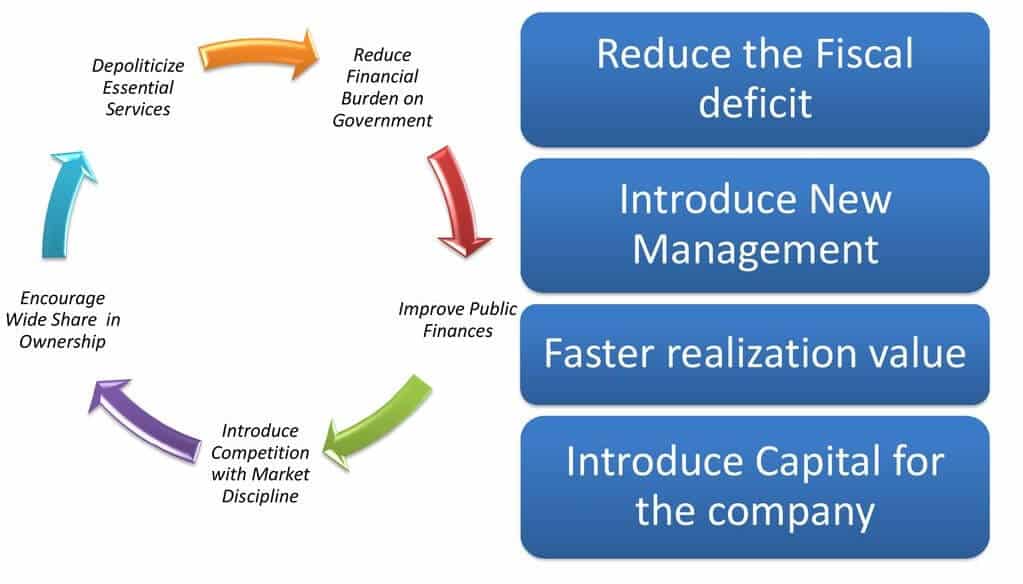
By Nantoo Banerjee The government disinvestment in India’s state-controlled enterprises is always welcome if it is aimed to make them professionally managed entities for faster growth. Unfortunately, the haphazard disinvestments in public sector enterprises (PSE) by the government seem to have only a single purpose — financing part of the annual union budget deficit. The […]

CHONGQING, CHINA – Media OutReach Newswire – 17 February 2025 – At 70 degrees north latitude in the Arctic Circle, where temperatures plunge to -30°C, the harsh environment provides the ultimate test for vehicle performance. The challenging terrain further intensifies the rigorous test of vehicle features. The Jetour T2 has set a new benchmark for light off-road SUVs with its advanced engineering. The extreme cold of the […]

Standard Chartered Bank Limited , Animoca Brands, and HKT have announced a joint venture to issue a stablecoin pegged to the Hong Kong dollar . The consortium plans to apply for a license from the Hong Kong Monetary Authority under the region’s new regulatory framework for stablecoins.

This strategic partnership aims to leverage the unique strengths of each participant. SCBHK will provide its robust banking infrastructure and governance, having previously engaged in all of HKMA’s tokenised money projects. Animoca Brands, a leader in Web3 and blockchain technologies, will explore use cases within the digital asset ecosystem. HKT, a prominent telecommunications service provider, intends to integrate the stablecoin into its mobile wallet offerings, enhancing both domestic and cross-border payment solutions.

Mary Huen, Chief Executive Officer of SCBHK and Greater China & North Asia, expressed enthusiasm about the initiative, stating that the bank looks forward to becoming one of the first issuers of an HKD-backed stablecoin in collaboration with its strategic partners.

The move comes as Hong Kong intensifies its efforts to establish a comprehensive regulatory environment for digital assets. The government published the Stablecoins Bill in December 2024, outlining a statutory framework for stablecoin issuance and operations. The bill is currently under review by the Legislative Council’s Bills Committee. Key features of the proposed regime include stringent licensing requirements, operational standards, and reserve management protocols for stablecoin issuers.

Bill Winters, Group Chief Executive of Standard Chartered, highlighted the significance of this development, noting that digital assets are here to stay and that the development of different forms of tokenised money is integral to the advancement of this industry. He emphasized that stablecoins play a critical role in the overall digital asset ecosystem.

Yat Siu, Co-founder and Executive Chairman of Animoca Brands, commented on the collaboration, stating that this partnership aims to foster the growth of the Web3 ecosystem in Hong Kong by providing a trusted and regulated stablecoin that can be used across various applications and services.

HKT’s Group Managing Director, Susanna Hui, added that integrating the HKD-backed stablecoin into HKT’s mobile wallet services will offer customers a seamless and secure payment experience, further enhancing Hong Kong’s position as a leading digital economy.

The introduction of an HKD-backed stablecoin is expected to provide a stable and secure medium of exchange within the digital asset market, potentially reducing volatility and fostering greater trust among users and investors. This initiative aligns with global trends, as jurisdictions worldwide are increasingly focusing on regulating stablecoins to ensure financial stability, security, and compliance with existing financial systems.

Industry analysts suggest that the success of this venture could position Hong Kong as a pioneer in regulated stablecoin issuance, potentially setting a precedent for other financial hubs. The collaboration between a traditional banking institution, a blockchain innovator, and a telecommunications giant exemplifies a multifaceted approach to digital finance, combining traditional financial expertise with cutting-edge technology and widespread consumer reach.

El Salvador is set to make a significant stride in the global cryptocurrency space with the introduction of a dedicated Bitcoin section at its National Library. The initiative aims to promote the understanding of Bitcoin’s role in the modern financial landscape, with the library becoming the first in the world to feature a permanent collection dedicated to the digital currency.

The new section will not only house a variety of books and resources on Bitcoin, but will also include an interactive display that demonstrates the operation of a full Bitcoin node in real-time. This demonstration will showcase the network’s fundamental role in facilitating peer-to-peer transactions, decentralised consensus, and the security of the global Bitcoin system. The library’s innovative move underscores the growing importance of cryptocurrency and blockchain technologies in shaping the future of finance.

El Salvador’s push to integrate Bitcoin into its national framework has been met with both enthusiasm and skepticism. In 2021, the country made headlines as the first in the world to adopt Bitcoin as legal tender, a bold move aimed at fostering financial inclusion and reducing dependency on traditional banking systems. The decision, spearheaded by President Nayib Bukele, generated widespread debate among economists, policy makers, and the global financial community, with concerns ranging from volatility risks to the broader implications for global monetary policy.

The National Library’s Bitcoin section is part of a larger effort by the government to support Bitcoin literacy and educate the public on how the cryptocurrency functions. El Salvador’s decision to incorporate Bitcoin into its official monetary system was a pivotal moment in the global conversation about digital currencies, and the library initiative represents a continuation of that effort. By making Bitcoin more accessible and understandable to the public, the library aims to demystify the technology and encourage individuals to engage with it in a meaningful way.

The section will feature a range of resources, including literature on the history of Bitcoin, its technological underpinnings, and its potential to disrupt traditional financial systems. Additionally, the live Bitcoin node demonstration will allow visitors to see firsthand how transactions are validated and how the network operates, offering a tangible understanding of the underlying infrastructure that powers the cryptocurrency.

Experts in the field of blockchain technology and cryptocurrency have praised El Salvador’s commitment to education and its progressive stance on integrating digital assets into the mainstream. By promoting Bitcoin literacy, the library is helping to build a foundation of knowledge that could enable the next generation of financial professionals to better navigate the evolving digital economy. The initiative also complements the country’s broader strategy of positioning itself as a leader in cryptocurrency adoption, which includes the creation of “Bitcoin Beach” – a community-focused initiative aimed at fostering the use of Bitcoin for everyday transactions.

However, the decision to embrace Bitcoin has not been without controversy. Critics argue that the volatility of Bitcoin poses significant risks to the stability of El Salvador’s economy, particularly given the country’s reliance on remittances, which make up a large portion of its GDP. The price fluctuations of Bitcoin could create instability in the value of these remittances, which are often sent by Salvadorans working abroad. Additionally, concerns have been raised about the environmental impact of Bitcoin mining, which requires significant energy consumption.

Despite these concerns, President Bukele has remained steadfast in his belief that Bitcoin represents a transformative force for economic growth, particularly in emerging markets. By introducing a Bitcoin-focused educational initiative, the National Library is helping to build the groundwork for future developments in blockchain and cryptocurrency technology. The initiative is also part of a broader effort to align El Salvador with the global trend of digitisation, as governments and businesses worldwide increasingly explore the potential of digital currencies and decentralised technologies.

As more countries and institutions around the world begin to explore the possibilities of cryptocurrencies, El Salvador’s National Library stands as a symbol of the country’s forward-thinking approach to technological innovation. The Bitcoin section, along with the live node demonstration, provides a unique opportunity for individuals to engage with the technology in a hands-on way, gaining a deeper understanding of its potential impact on the financial system.

The Bitcoin section at the National Library is expected to attract both local visitors and international tourists, many of whom are keen to learn more about El Salvador’s pioneering role in the cryptocurrency space. It will also serve as a hub for academic research, with scholars and students having access to a wealth of information on Bitcoin and its applications. This initiative could potentially inspire similar efforts in other countries looking to embrace the digital future.

Saudi Arabia holds the largest portion of the Gulf Cooperation Council’s debt capital market , accounting for 44.8 percent of all outstanding issuances, according to recent data from Fitch Ratings. This makes the kingdom a dominant player within the region’s financial landscape, which has seen substantial growth over the past year. The total value of the GCC’s debt capital market surpassed $1 trillion by the end of […]

French energy giant EDF has entered a strategic partnership with TAQA Group, a Saudi-based energy company, to push forward innovations in geothermal energy technology. The deal, which also includes power generation and HVAC applications as well as compressed air energy storage, was formalised during the third PIF Private Sector Forum at the King Abdul Aziz International Conference Centre in Riyadh, Saudi Arabia. Omar Aldaweesh, CEO of EDF […]

Concerns over the rise of liver problems linked to supplement consumption are growing, with healthcare professionals urging caution. The boom in the global supplement industry, valued at billions of dollars, has seen a corresponding increase in the number of reports regarding adverse health effects, particularly liver damage. While many view supplements as an easy solution for health and wellness, experts are warning about the long-term risks they may pose when not used responsibly.

Supplements are consumed by millions worldwide, marketed as convenient, low-cost solutions to improve various aspects of health. However, the unregulated nature of the industry raises significant red flags, with some supplements containing harmful ingredients or unlabelled substances that can lead to liver dysfunction. Recent studies have found that liver problems linked to these products are not only increasing in frequency but also in severity. Many of the cases involve users who had been consuming seemingly harmless over-the-counter pills, powders, and herbal remedies, only to later develop severe liver conditions, including acute liver failure.

Liver specialists stress that the organ plays a critical role in detoxifying the body, and it is particularly vulnerable to chemicals found in certain dietary supplements. Toxicity can result from a wide range of substances, from common ingredients such as vitamin A, iron, and niacin to exotic herbs and plant extracts. Some supplements, especially those marketed for weight loss or bodybuilding, have been found to contain synthetic drugs or other dangerous substances that can cause harm even in small doses.

One concerning trend is the use of unregulated fat burners, weight loss aids, and bodybuilding supplements, many of which contain ingredients that have been linked to liver toxicity. The stimulant-based compounds in many of these products can lead to liver cell death, inflammation, and scarring. What makes these products particularly dangerous is that they often contain several ingredients that may interact in unpredictable ways, increasing the risk of liver damage.

The rise of online sales platforms has also made it easier for consumers to purchase unregulated supplements from unreliable sources. This poses an additional challenge for healthcare providers, who are often unable to track the exact content or quality of these products. One significant problem is that many of the supplements are marketed with exaggerated health claims or lack adequate warnings about potential side effects, leading users to underestimate the risks.

While many people associate supplements with improving their health, there is a growing recognition of the dangers they pose if not taken with proper knowledge and care. The most vulnerable groups include athletes, bodybuilders, and people looking for quick weight loss solutions, as they tend to use higher doses or combine multiple products in an attempt to achieve faster results. Healthcare professionals recommend that individuals consult with a physician before starting any new supplement regimen, particularly if they have pre-existing conditions or are already on prescription medication.

Health experts advise consumers to look out for certain red flags when purchasing supplements. Products that promise rapid weight loss, extreme muscle gain, or “miracle” cures should be approached with caution. It’s also important to verify the source of the product—reputable manufacturers will often have certifications or clinical studies to back up the efficacy and safety of their products. An essential step is to read the ingredient list carefully, as some supplements contain hidden ingredients not disclosed on the label.

A major contributing factor to this crisis is the lack of rigorous regulation in the global supplement market. In many countries, the supplement industry is loosely regulated, with products frequently entering the market without undergoing comprehensive safety checks or clinical trials. While pharmaceutical drugs must meet strict testing standards before being released to the public, supplements often bypass such procedures, relying instead on the responsibility of the manufacturer to ensure safety. This loophole has made it difficult for authorities to enforce safety standards and for consumers to navigate the risks associated with these products.

The World Health Organisation and other health agencies are increasingly sounding alarms over the need for better oversight of supplements. Calls for stricter regulation of the industry have intensified, but implementation remains slow. In the meantime, medical professionals continue to urge the public to be more discerning about the supplements they use and to prioritise their health through balanced diets and lifestyle changes instead.

The JETOUR T2, a mid-size SUV introduced in September 2023, has recently demonstrated its resilience by conquering the Arctic’s harsh -30°C conditions. This feat underscores the vehicle’s robust engineering and adaptability to severe climates. Designed under the guidance of former Porsche designer Hakan Saracoglu, the JETOUR T2 combines rugged aesthetics with advanced functionality. Built on Jetour’s Kunlun architecture, the SUV features a unibody chassis, ensuring both durability […]

China has successfully completed its first intercity cargo drone flight, a groundbreaking development in the nation’s push to revolutionise its transportation infrastructure. This historic flight paves the way for a future where drones play a vital role in moving goods swiftly and efficiently across cities. The journey, which covered multiple urban centres, showcases China’s growing capabilities in the field of unmanned aerial vehicles , with potential implications […]

China’s DeepSeek AI technology has come under intense scrutiny after revelations emerged that it lacks essential protections, leaving it vulnerable to exploitation by criminals. The artificial intelligence system, developed by a team of leading tech experts in China, was initially hailed for its potential in various sectors, including data analysis, cybersecurity, and public safety. However, concerns over its security have rapidly gained traction, prompting experts to question […]

The market for fan tokens has seen a sharp increase following Tether’s recent investment in Juventus Football Club, with Juventus’ fan token skyrocketing by 200%. Other fan tokens, including those for Lazio and Porto, have also experienced significant surges, indicating a broader trend in the digital sports economy.

Tether’s strategic move has underscored the growing intersection between cryptocurrency and traditional sports, particularly through fan engagement platforms. The investment, part of a broader collaboration between the stablecoin issuer and the renowned Italian football club, has spurred considerable trading activity in fan tokens. Fan tokens, which allow supporters to engage more directly with their teams, vote on specific club decisions, and access exclusive content, have gained traction in recent years, with Tether’s backing providing a clear signal of the potential for digital assets in the sports world.

The JUV token, which has been a popular asset in the fan token market, saw a massive uptick in value following news of Tether’s involvement. This surge, marking a 200% increase in its value, signals a potential shift in how investors view the future of sports and entertainment-linked digital currencies. The token’s growth is attributed to increased interest in Juventus, a club with a vast global following, combined with the legitimacy of Tether’s investment backing the token’s credibility in the market.

Similar trends have emerged for other fan tokens. Tokens associated with Lazio and Porto, two other prominent European football clubs, have seen significant increases in value. Lazio’s token saw a 150% increase, while Porto’s fan token surged by over 180%. These jumps are being attributed to a combination of factors, including renewed interest in football clubs’ digital assets and the growing confidence in fan tokens as legitimate, tradable assets.

Industry experts suggest that Tether’s investment could be a turning point for the fan token ecosystem. By investing in established football clubs, Tether is effectively bridging the gap between the cryptocurrency world and traditional sports institutions, providing further validation to the idea of fan tokens as serious investment assets. With large-scale entities like Juventus now involved, fan tokens are no longer seen merely as speculative digital assets, but rather as a tangible way for fans to interact with their teams in a more integrated manner.

The fan token market, while still niche, is rapidly expanding. According to reports, more than 50 football clubs, including some of the largest European clubs, have issued their own tokens. These tokens serve as a new form of digital engagement, where supporters can vote on club-related decisions, participate in exclusive events, and even access limited-edition merchandise. This innovation is a response to the increasing demand for fans to have a more personal and interactive experience with their favourite teams.

While Tether’s involvement has driven much of the attention towards Juventus’ JUV token, the growth of fan tokens is not limited to the Italian club. Other clubs have begun to explore the benefits of incorporating blockchain technology into their fan engagement strategies. The success of Juventus and its token could lead to similar investments in the fan token market from other major cryptocurrencies or financial institutions. In particular, as more major players in the cryptocurrency space align themselves with sports teams, fan tokens may grow to become a fundamental part of sports-related finance.

The market’s response also highlights the speculative nature of fan tokens. With their inherent volatility, fan tokens are a high-risk investment, with value fluctuations influenced by a variety of factors including the performance of the associated team, the success of the fan token platform itself, and broader market conditions within both the sports and cryptocurrency sectors. The price increases of the JUV, Lazio, and Porto tokens demonstrate the impact of such factors, and many investors see these tokens as a way to capitalise on the popularity of sports, particularly as clubs continue to tap into the growing potential of cryptocurrency-based ecosystems.

The surge in fan token prices suggests that more football clubs may turn to digital assets as a revenue stream. The innovative model allows clubs to earn additional income while simultaneously offering fans new ways to connect with their teams. For clubs like Juventus, which have extensive international followings, the digitalisation of fan engagement via blockchain offers an expanded reach, attracting both traditional fans and a younger, tech-savvy audience more inclined to engage with digital assets.

Cryptocurrency exchange Bybit has officially removed itself from the blacklist of France’s financial regulator, the Autorité des Marchés Financiers , after over two years of collaboration. The decision to lift the restriction was confirmed by the exchange’s CEO, who stated that Bybit had worked diligently to address regulatory concerns and align with France’s legal frameworks.

This marks a significant development for the platform, which faced scrutiny in the European nation for operating without proper regulatory approval. The resolution signals a growing acceptance of cryptocurrency exchanges in France, following an increasing global push for tighter controls in the digital asset sector.

Bybit’s relationship with the AMF, which regulates financial markets in France, had been fraught with challenges. The exchange was initially blacklisted by the AMF, a key move made to protect investors and ensure that cryptocurrency platforms met the necessary legal and compliance requirements. However, this ban is now officially lifted, with Bybit’s CEO publicly announcing the successful removal from the list, following a series of efforts to comply with France’s stringent regulatory standards.

The French government has been active in its efforts to manage the growing cryptocurrency market, enforcing regulations designed to mitigate risks such as fraud and money laundering. As one of the major players in the global cryptocurrency exchange landscape, Bybit’s removal from the blacklist is seen as a positive move in terms of broader regulatory acceptance of crypto platforms.

Bybit has stated that its compliance with the AMF has included significant efforts to enhance transparency, bolster anti-money laundering measures, and improve customer protection strategies. The exchange has worked on building a framework that is in line with France’s Financial Markets Law, which governs the activities of digital asset providers in the country. These changes aim to address concerns raised by the AMF and other regulatory bodies.

The approval also comes amid France’s broader strategy to become a leading hub for cryptocurrency in Europe. Last year, the country introduced new laws to encourage crypto innovation while ensuring market participants adhere to regulatory requirements. This regulatory clarity aims to foster a secure environment for digital asset exchanges while protecting both consumers and the financial system.

With the lifting of the ban, Bybit now has the green light to offer its services to French citizens without the looming threat of regulatory sanctions. This is an important step for the exchange, which is one of the largest global platforms for cryptocurrency trading, offering a wide range of products from spot trading to derivatives and futures.

However, the approval also serves as a reminder of the ongoing challenges facing cryptocurrency exchanges globally as regulators grapple with how best to manage the rapidly evolving market. While the lifting of Bybit’s ban signifies progress, it highlights the broader regulatory complexities facing cryptocurrency exchanges across Europe.

The resolution is expected to have a positive impact on Bybit’s growth prospects in Europe, particularly in France, where the digital asset market is experiencing growing interest. France’s move to approve Bybit is likely to influence other European regulators and crypto exchanges, encouraging a more harmonised regulatory approach across the region.

The collaboration between Bybit and the AMF exemplifies how the cryptocurrency market is evolving towards a more regulated and secure environment. Despite initial hurdles, Bybit’s dedication to regulatory compliance in France signals a shift in the broader narrative of how cryptocurrency exchanges must operate within European markets.

While the approval is a step forward for Bybit, it will not necessarily shield the exchange from ongoing regulatory scrutiny. The cryptocurrency industry, while growing, remains under close watch by regulators globally, especially in Europe, where authorities are increasingly taking a proactive approach to combatting financial crime and protecting investors.

VISHNU RAJA
RYO YAMADA
HITORI GOTOH
IKUYO KITA