News related to
global

Opec+ has made significant moves in recent months, shifting from a neutral to a more aggressive stance. After a period of gradual production increases, the group, led by Saudi Arabia, has opted for a sharp rise in output, signalling a strategic push to regain market share. However, with key members such as Iraq and Kazakhstan failing to meet targets, the question remains: who will bear the brunt […]

Saudi Aramco has reported a decline of 4.6% in its first-quarter profit, totalling 97.54 billion riyals for the period ending March 31. This drop in profit is attributed to lower sales and increased operating costs, with the economic uncertainty weighing heavily on the global crude markets. Despite this decline, Aramco’s performance still exceeded analysts’ expectations, as the company had previously provided a median forecast of $25.36 billion. […]

UAE-based airlines have resumed flights to Pakistan following the reopening of the country’s airspace, which had been closed due to military tensions along the border with India. The resumption of services marks a significant step in improving regional connectivity, with both Emirates and Etihad Airways promptly reinstating their routes to key Pakistani cities such as Islamabad, Karachi, and Lahore.

The closure of Pakistan’s airspace, which began earlier this year, had caused substantial disruption to air travel, especially for international carriers operating flights between the UAE and Pakistan. The airspace restrictions had forced airlines to reroute their flights, resulting in longer travel times, higher operational costs, and a reduction in passenger services. The renewed access is expected to enhance the efficiency of flight operations and restore passenger convenience between the two countries.

The airspace closure came as a consequence of escalating tensions between Pakistan and India, triggered by the ongoing disputes over the Kashmir region. These tensions led to a series of military confrontations, prompting both countries to take precautionary measures, including limiting access to their respective airspaces. The situation remained tense for several months, with the international community expressing concern over the stability of the region.

Diplomatic efforts led by the United States and other global powers played a crucial role in the eventual resolution of the situation. After several rounds of negotiation and pressure from major stakeholders, including the United Nations, Pakistan and India reached a ceasefire agreement, paving the way for the reopening of the airspace. While the terms of the agreement have not been publicly disclosed in full, both sides have reportedly committed to reducing military activity along the disputed borders, with the aim of stabilising the region.

The reopening of airspace holds significant economic implications, particularly for the UAE, which has a considerable number of expats from Pakistan. The demand for air travel between the two nations is substantial, and the resumption of direct flights will provide greater convenience for passengers. Additionally, it will enable airlines to operate more cost-effectively, as they will no longer need to take longer routes to avoid restricted airspace. The UAE’s flag carriers, Emirates and Etihad, are both highly reliant on international travel, and the restoration of these routes is expected to boost their bottom line, offering more frequent and efficient connections.

The reopening of the airspace comes at a critical time, as global air travel continues to recover from the impact of the COVID-19 pandemic. The pandemic led to a massive decline in air traffic worldwide, and the recovery of international routes is seen as a vital part of the aviation industry’s return to pre-pandemic levels of operations. For Pakistan, the resumption of flights is seen as a positive step in regaining access to the global aviation network and supporting its economic recovery.

Despite the positive developments, analysts warn that the situation remains fragile. The underlying political tensions between Pakistan and India have not been fully resolved, and the potential for flare-ups in the future remains a concern. While the ceasefire agreement has been welcomed, it is clear that long-term peace will require continued diplomatic engagement and confidence-building measures between the two nuclear-armed neighbours.

The UAE’s strategic interests in the region further underscore the importance of restoring stable air travel. As one of the Middle East’s key aviation hubs, Dubai, in particular, benefits from its role as a transit point for passengers travelling between Asia, Europe, and North America. The connectivity between Pakistan and the UAE is a significant component of this hub-and-spoke model, and the restoration of these routes will reinforce Dubai’s position as a global aviation leader.

The aviation sectors in both countries are now preparing to increase flight frequencies, with airlines already announcing plans to expand services in the coming months. Emirates, for instance, has indicated that it will gradually return to pre-crisis levels of capacity, while Etihad has committed to restoring full operations between Abu Dhabi and Lahore. These developments highlight the recovery of not just the airlines but also the broader travel and tourism sectors, which rely on air connectivity for economic growth.

The reopening of airspace signals a potential shift in how air travel can be affected by geopolitical tensions. While airlines and passengers generally hope for stability, there is an increasing awareness that political events and military tensions can have a significant impact on flight operations. In this context, air carriers are likely to continue exploring contingency plans and alternative routes to safeguard operations in the event of future escalations.


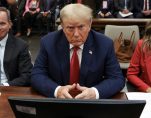
Saudi Arabia’s Crown Prince Mohammed bin Salman continues to assert his influence in the global energy markets, a strategy that has far-reaching implications not only for the kingdom’s domestic policies but also for its relationship with the United States. Recent moves to reduce oil production as a means of boosting global oil prices have drawn international attention, as MBS looks to solidify his standing with key economic players, including former U.S. President Donald Trump. However, the evolving relationship between the two figures is far from straightforward, as both appear to have their own agendas in mind.

The Saudi decision to slash oil output in recent months comes on the back of increasing pressure to stabilise global oil prices, which had been fluctuating due to global economic instability and shifting energy demands. By reducing production, Saudi Arabia has not only asserted its dominance within OPEC but also sent a clear signal to the global market that it has the leverage to influence pricing dynamics.

This move directly impacts oil markets in the U.S., a key trading partner for Saudi Arabia. As a major importer of oil, the United States is highly sensitive to fluctuations in oil prices. For Trump, whose policies focused on energy independence and bolstering U.S. oil production, the actions of MBS represent a clear challenge to his broader economic goals. The former U.S. president’s embrace of the kingdom, characterised by lucrative arms deals and a focus on maintaining strong bilateral ties, suggests that any tension between the two figures could have significant geopolitical consequences.

For MBS, maintaining close relations with the U.S. remains a critical aspect of his strategy. He has worked tirelessly to secure arms deals and other investments from the U.S., ensuring that the kingdom remains a key player in global economic and political circles. However, the Crown Prince has also sought to diversify Saudi Arabia’s global alliances, looking toward China and Russia for alternatives in the wake of fluctuating U.S. domestic politics.

While Saudi Arabia’s actions in the oil market may be seen as a tactical move to assert its power within OPEC, there is also an undercurrent of economic diversification within the kingdom. MBS has long been an advocate for economic reform, including his ambitious Vision 2030 plan, which aims to reduce the country’s dependence on oil and foster other sectors like technology, entertainment, and tourism. These long-term goals often put him at odds with traditional partners like the U.S., who benefit from the current structure of the global oil market.

MBS’s strategy of reducing oil production comes at a time when the U.S. is attempting to navigate its own challenges within global energy markets. Biden’s administration has faced criticism for its handling of oil prices and its response to OPEC’s decision to cut production. There have been mounting calls for the U.S. to reassert its influence over global energy policy, especially as rising fuel prices continue to affect domestic inflation. Trump, during his tenure, positioned himself as a champion of American energy interests, and his critique of OPEC’s actions highlights the ongoing tension between the U.S. and Saudi Arabia over energy policy.

The dynamics of this relationship are further complicated by political realities within the U.S. The upcoming presidential election, with Trump seeking to regain power, could see a shift in how the U.S. engages with Saudi Arabia. Trump’s previous tenure saw him pursuing an “America First” policy that frequently placed him at odds with traditional allies, including Saudi Arabia. His emphasis on energy independence and a focus on domestic oil production often ran counter to Saudi interests, particularly as MBS sought to maintain control over global oil pricing.

Despite these tensions, there remains a mutual interest in maintaining a working relationship. Saudi Arabia’s desire to secure arms deals and investments from the U.S. continues to be a driving factor in their engagement with Trump and other American leaders. Meanwhile, Trump’s political aspirations likely hinge on securing economic benefits from Saudi Arabia, whether through increased oil production or strategic investments in U.S. infrastructure. These mutual interests, though at times misaligned, provide the foundation for ongoing negotiations between the two figures.

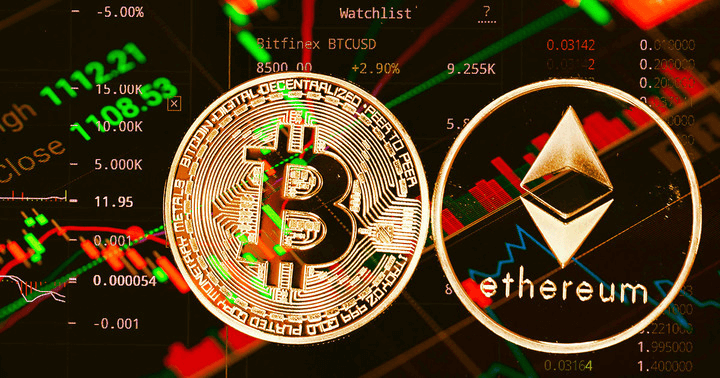
Goldman Sachs has elevated its position in BlackRock’s Bitcoin exchange-traded fund to a staggering $1.4 billion, signalling an intensified commitment to the rapidly expanding cryptocurrency market. This move follows a growing interest among institutional investors, who are increasingly seeking exposure to Bitcoin as a hedge against inflation and a way to diversify their portfolios. With the global financial landscape facing new challenges, such as fluctuating interest rates and geopolitical instability, Bitcoin has emerged as a potential safe haven, enticing financial giants to deepen their involvement in digital assets.

The financial powerhouse’s latest decision to boost its stake in the Bitcoin ETF indicates not only the firm’s confidence in the cryptocurrency but also reflects the broader institutional shift towards embracing Bitcoin as part of a diversified investment strategy. Goldman Sachs’ previous foray into Bitcoin ETFs was more cautious, but this latest increase marks a notable change in approach, suggesting that the firm believes the regulatory environment for digital assets is stabilising, making Bitcoin a more attractive asset class.

This bold move comes at a time when the Bitcoin market has seen considerable fluctuations. Despite this volatility, institutional investors, including hedge funds, pension funds, and asset managers, are positioning themselves to benefit from long-term growth. Goldman Sachs’ decision also highlights the increasing convergence of traditional finance and the cryptocurrency world. The firm’s involvement is likely to set a precedent for other major banks, who may follow suit in bolstering their positions in Bitcoin and other digital currencies.

Central to Goldman Sachs’ decision to increase its stake is the market’s evolving sentiment towards Bitcoin and its potential to outperform traditional assets in the coming years. Despite its price swings, Bitcoin is being seen by many as a store of value, similar to gold, particularly as governments worldwide engage in expansive fiscal policies. The rise of Bitcoin ETFs, led by BlackRock’s offering, has provided institutional investors with a regulated and accessible means of entering the crypto space, without the direct involvement in managing digital wallets or private keys.

The ETF market has been a key component in facilitating institutional adoption of digital assets. BlackRock’s Bitcoin ETF, launched amid growing demand, has provided a vehicle for major investors to gain exposure to Bitcoin’s price movements through a traditional financial instrument. This has enabled established firms like Goldman Sachs to invest without the complexities associated with direct cryptocurrency trading. ETFs also offer the benefit of liquidity and transparency, which appeal to institutional investors who prioritise stability and regulatory clarity.

The impact of institutional investments in Bitcoin cannot be overstated. With large players such as Goldman Sachs now deeply embedded in the Bitcoin ecosystem, the cryptocurrency is receiving a degree of legitimacy previously reserved for traditional assets. This institutional endorsement is likely to encourage other investment firms to follow suit, pushing Bitcoin further into the mainstream. Moreover, the increased demand from institutions is expected to drive the price of Bitcoin upward, as more capital flows into the market, further solidifying its role as a viable asset class.

Another critical aspect of Goldman Sachs’ decision is the changing macroeconomic environment. The COVID-19 pandemic has accelerated the adoption of digital assets, with central banks around the world introducing monetary policies that have weakened fiat currencies. This environment has made Bitcoin an attractive hedge against inflation, especially in countries facing economic instability. Goldman Sachs, recognising this trend, appears to be doubling down on its belief that Bitcoin’s scarcity and decentralized nature position it as a powerful asset in uncertain economic times.

Goldman Sachs’ stake in BlackRock’s Bitcoin ETF demonstrates the growing acceptance of Bitcoin by the broader financial industry. BlackRock’s decision to launch a Bitcoin ETF itself marked a pivotal moment in the crypto market, as it was one of the first major asset management firms to publicly embrace Bitcoin in such a significant manner. The success of the ETF, alongside Goldman Sachs’ investment, reinforces the notion that Bitcoin is gradually being integrated into the mainstream financial system.

The strategic importance of this move by Goldman Sachs extends beyond just its investment in the ETF. The firm’s actions are likely to influence future regulatory developments concerning digital assets. With such a large financial institution making a significant move into the crypto market, it is expected that regulators will be more inclined to develop clearer guidelines and frameworks for Bitcoin and other cryptocurrencies. This regulatory certainty would be beneficial for both institutional investors and the broader crypto ecosystem, as it would reduce the risks associated with the evolving nature of cryptocurrency laws.

Pope Leo XIV, the newly elected pontiff and the first American to hold the office, has identified artificial intelligence as one of the most pressing challenges confronting humanity. In his inaugural address to the College of Cardinals at the Vatican, he underscored the ethical and societal dilemmas posed by AI, drawing parallels to the upheavals of the Industrial Revolution. Formerly Cardinal Robert Prevost, Pope Leo XIV chose […]

HONG KONG SAR – Media OutReach Newswire – 10 May 2025 – ​Invest Hong Kong (InvestHK) announced today (May 10) that the Director-General of Investment Promotion at InvestHK, Ms Alpha Lau, will embark on a series of visits to Istanbul, Türkiye; Budapest, Hungary; and Cairo, Egypt, some of the key economies along the Belt and Road, to strengthen economic ties and promote Hong Kong as the premier […]

Advertisements
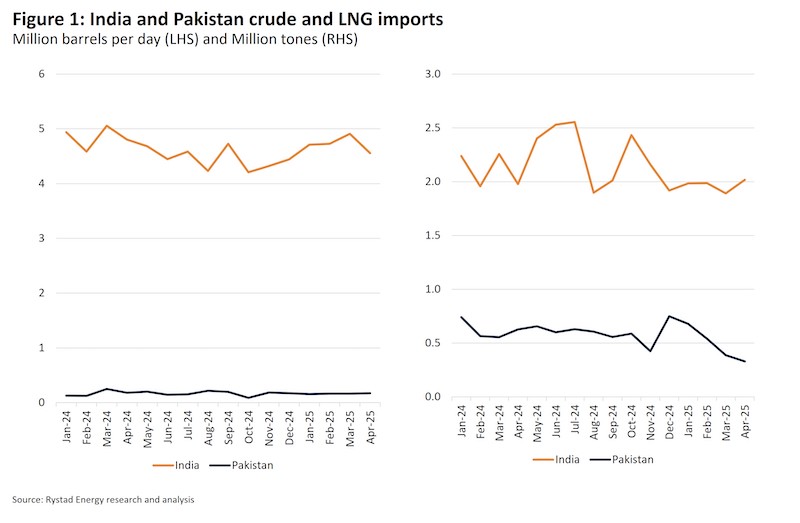
By K Raveendran Reports from across the border suggest that Pakistan is already suffering a fuel crisis, with petrol pumps having been ordered closed for the time being. An analysis of the emerging energy scenario in the wake of the ongoing conflict suggests the beginning of a serious crisis for Pakistan, while India is relatively […]

Coinbase has launched 24/7 trading for Bitcoin and Ethereum futures through its CFTC-regulated platform, Coinbase Derivatives, marking a significant shift in U.S. crypto market accessibility. This initiative allows traders to engage in futures contracts at any time, aligning with the continuous nature of global cryptocurrency markets.

The move addresses a longstanding gap between traditional U.S. trading hours and the always-on operations of crypto markets. Previously, U.S. traders faced limitations due to fixed market hours, often missing opportunities during off-hours. With this development, Coinbase aims to provide traders with the flexibility to manage risk and seize opportunities without time constraints.

Coinbase’s infrastructure supports this continuous trading model through partnerships with Nodal Clear, a CFTC-regulated clearinghouse, and liquidity providers like Virtu Financial. These collaborations ensure that the platform can handle the demands of round-the-clock trading while maintaining regulatory compliance.

The introduction of 24/7 trading is part of Coinbase’s broader strategy to expand its derivatives offerings. The company has also announced plans to develop perpetual-style futures contracts, which do not have expiration dates, providing traders with additional tools to manage their positions over extended periods.

This expansion into continuous trading comes amid a surge in institutional interest in cryptocurrency derivatives. Derivatives account for a significant portion of global crypto trading volume, and Coinbase’s enhanced offerings aim to cater to this growing demand.

Coinbase’s move also reflects a broader trend of increasing regulatory clarity in the U.S. crypto market. The company’s alignment with regulatory standards, such as operating a CFTC-regulated exchange, positions it to capitalize on the evolving landscape of digital asset trading.

In addition to the launch of 24/7 trading, Coinbase has announced a $2.9 billion acquisition of Deribit, a leading crypto options trading platform. This acquisition is expected to further strengthen Coinbase’s position in the derivatives market and expand its global reach.

Stablecoin transaction volumes have reached a record $1.82 trillion in April 2025, marking a significant milestone in the evolution of digital finance. This surge is attributed to increased real-world applications, including cross-border payments, remittances, and institutional settlements, rather than speculative trading.

The stablecoin market has experienced substantial growth, with the total market capitalization surpassing $234 billion by late March 2025. This expansion is driven by the adoption of stablecoins in various sectors, including decentralized finance and traditional financial institutions. Tether’s USDT remains the dominant stablecoin, with a supply exceeding $146 billion, while Circle’s USDC has doubled its market capitalization to $56 billion.

The integration of stablecoins into traditional financial systems is evident, with major banks and financial institutions exploring their use for efficient and cost-effective transactions. The adoption of stablecoins in over 70 countries has facilitated cross-border payments and remittances, reducing costs and improving transaction speeds. Emerging markets, in particular, have embraced stablecoins as a hedge against local currency volatility.

Regulatory developments have also played a role in the growth of stablecoins. In 2024, 12 countries, including the US, UK, and Singapore, introduced stablecoin-specific regulatory frameworks. The European Union’s Markets in Crypto-Assets regulation has enforced stricter compliance for stablecoin issuers, enhancing transparency and investor confidence.

The technological infrastructure supporting stablecoins has evolved, with blockchain networks like Solana and Ethereum facilitating increased transaction volumes. Solana has become the most active blockchain for stablecoin transfers, overtaking Tron and Ethereum in early 2024. This shift is attributed to Solana’s high transaction speeds and low costs, making it an attractive platform for stablecoin transactions.

The role of automated trading systems, or bots, has become more prominent in the stablecoin ecosystem. In 2024, bot-driven trading accounted for 70% of total stablecoin transaction volumes, particularly on networks like Ethereum, Base, and Solana. While concerns exist about market manipulation, these systems have also improved efficiency by facilitating arbitrage and executing recurring smart contract transactions.

Abu Dhabi Investment Office has announced the expansion of its San Francisco office, aiming to bolster the emirate’s economic clusters and facilitate global innovation, particularly in the healthcare sector. This move is part of a broader strategy to position Abu Dhabi as a central hub for health technology and related industries. The San Francisco office, situated in a region renowned for its advancements in health tech, biotech, […]

HONG KONG SAR – Media OutReach Newswire – 9 May 2025 – Chubb Life Hong Kong today announced the launch of Health Up Insurance Plan (Health Up), a digital insurance plan aimed at promoting and facilitating well-being practices for individuals wishing to achieve a healthier lifestyle. Belinda Au(middle), Mercedes Ho (Right), with Health Up Partners Health Up is designed to offer term life coverage and accidental death […]

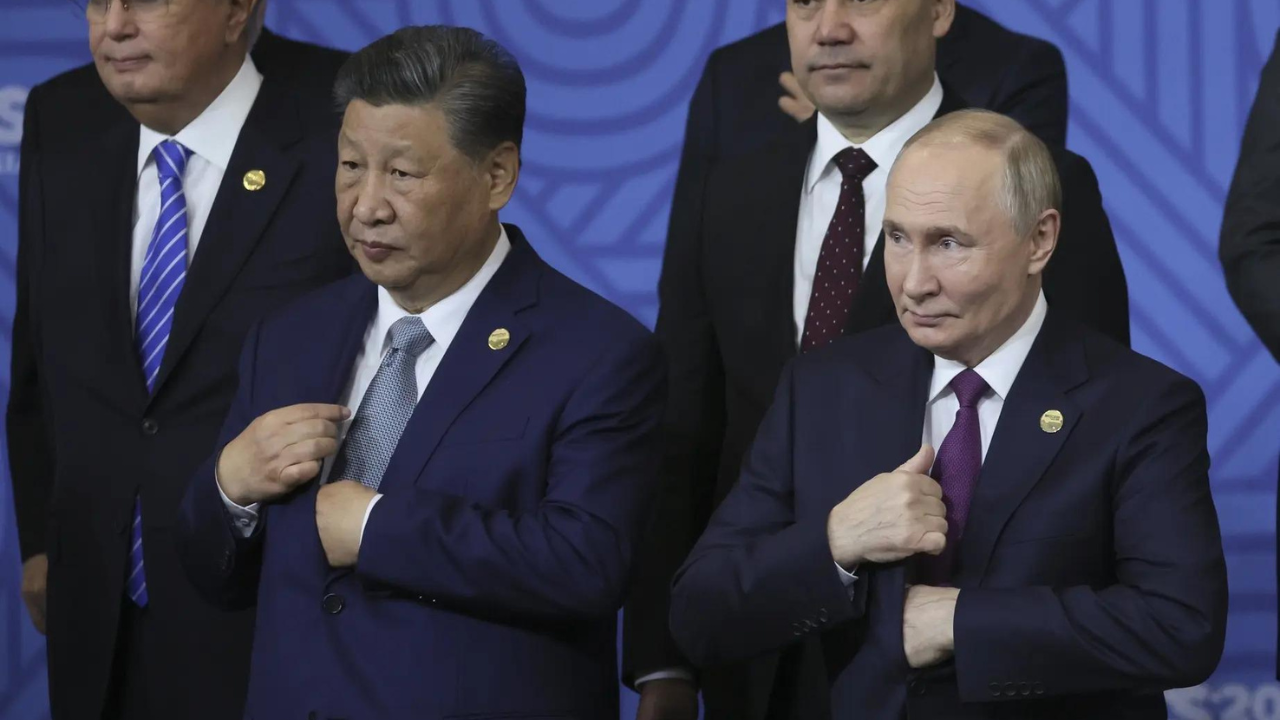
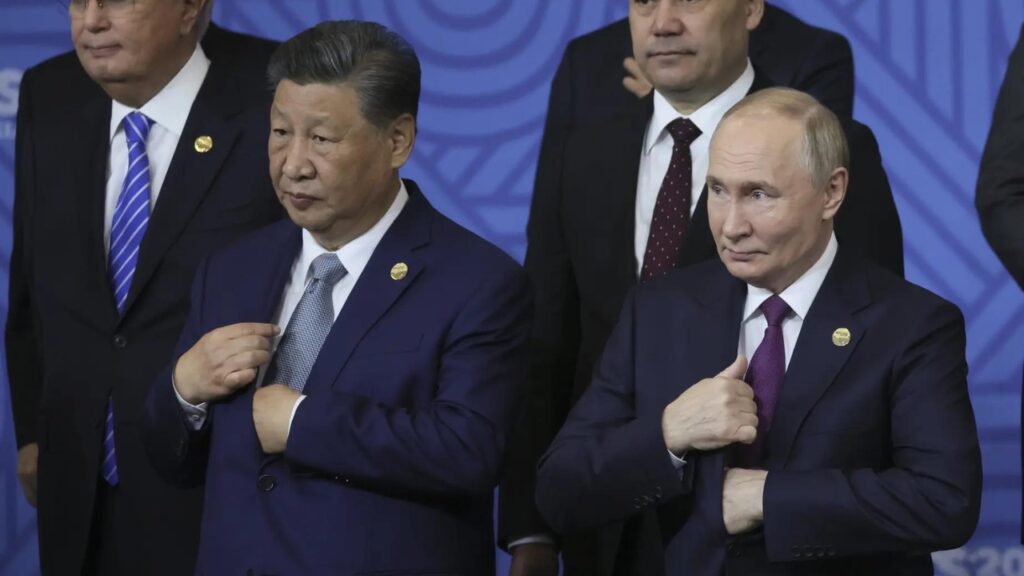
By Nitya Chakraborty The joint declaration issued by the Russian President Vladimir Putin and the Chinese President Xi Jinping on the eve of the Victory Day on May 9 upholding longstanding friendship to pursue mutual benefit and win-win outcomes in the new era carries major significance in the present period of global tariff war as […]
Bitcoin’s value soared above $100,000 on Thursday, marking its first return to six figures since February. The cryptocurrency climbed to $101,329.97 by midday, reflecting a 4.7% increase for the day. This resurgence is attributed to a combination of geopolitical developments and shifting regulatory landscapes. A significant catalyst for this uptick was the announcement of a comprehensive trade agreement between the United States and the United Kingdom. The […]

Sobha Realty has mandated a consortium of banks to arrange a new three-year, dollar-denominated Reg S benchmark sukuk, marking another significant move in the UAE’s Islamic finance landscape. The issuance will be conducted under Sobha Sukuk I Holding Limited’s $1.5 billion Trust Certificate Issuance Programme. The appointed joint lead managers and bookrunners include Abu Dhabi Commercial Bank, Abu Dhabi Islamic Bank, Arqaam Capital, Dubai Islamic Bank, Emirates […]

Oman has allocated approximately OMR60 million towards artificial intelligence initiatives between 2021 and 2024, as part of its strategic drive to position itself as a regional leader in digital innovation. This investment, overseen by the Ministry of Transport, Communications and Information Technology, underscores the sultanate’s commitment to integrating AI across various sectors to enhance public service efficiency and stimulate economic growth. The National Programme for Artificial Intelligence […]

Abu Dhabi’s Mubadala Investment Company reported a 33.7% surge in capital deployment in 2024, reaching AED 119 billion , positioning it as the most active sovereign wealth fund globally, according to data from Global SWF. This uptick coincided with a 9% year-on-year increase in assets under management , now totaling AED 1.2 trillion , and a five-year annualised return of 10.1%.

The fund’s intensified investment activity was largely driven by strategic allocations in artificial intelligence , semiconductors, and private equity sectors. Notably, Mubadala’s investments in North America nearly doubled, underscoring its confidence in the U.S. market despite prevailing economic uncertainties. In a significant move, Mubadala acquired a 50% stake in MGX, an AI-focused entity that collaborated with BlackRock and Microsoft in a $30 billion AI infrastructure fund.

Mubadala’s portfolio composition remained relatively stable, with 40% allocated to private equity, 23% to public markets, and 17% to infrastructure and real estate. This allocation reflects a strategic emphasis on sectors poised for long-term growth. The fund also expanded its private credit holdings to $20 billion, aligning with its broader investment strategy.

In the healthcare sector, Mubadala finalized the acquisition of an 80% stake in Global Medical Supply Chain and Al Ittihad Drug Store, enhancing its presence in healthcare logistics and pharmaceutical distribution. Additionally, the fund invested in Zelis, a U.S.-based healthcare technology firm, alongside Norwest and HarbourVest.

Mubadala’s commitment to clean energy was evident through Masdar’s acquisition of a 50% stake in the Big Beau combined solar and battery storage project in California. Furthermore, Mubadala Capital announced a $13.5 billion investment in a biofuels project in Brazil, marking a significant step in sustainable energy initiatives.

The fund’s strategic partnerships extended to the financial sector, with the acquisition of Fortress Investment Group from SoftBank, following regulatory approval from the Committee on Foreign Investment in the United States . This acquisition bolsters Mubadala’s position in global credit markets.

Mubadala’s CEO, Khaldoon Al Mubarak, emphasized the fund’s focus on future-oriented sectors, stating that the portfolio is constructed to navigate market cycles and scale sectors such as AI, clean energy, life sciences, semiconductors, and advanced manufacturing, aligning with national priorities.

The fund’s strategic initiatives also include the establishment of Space42, a space and satellite technology entity formed through the merger of Yahsat and Bayanat, and M42, a tech-enabled healthcare company, both in collaboration with Abu Dhabi’s tech group G42.

Mubadala’s approach to sustainable finance was highlighted by the issuance of its inaugural green bond, aligning with the UAE’s commitment to Net Zero by 2050. The fund maintains a conservative gearing ratio of 10.3% and a strong liquidity position, ensuring resilience amid global economic fluctuations.

In the realm of private equity, Mubadala Capital raised $3.1 billion for its latest fund, surpassing the initial target of $2 billion. The fund aims to invest between $150 million and $500 million per deal, focusing on acquiring large holdings in private equity markets.

Abu Dhabi’s International Holding Company has joined forces with US-based investment giant BlackRock to establish a $1 billion reinsurance platform headquartered in the Abu Dhabi Global Market . The initiative, which also includes Lunate, an Abu Dhabi-based alternative investment manager, aims to underwrite liabilities exceeding $10 billion and is poised to reshape the global reinsurance landscape.

The yet-to-be-named platform will adopt a buy-and-build strategy, focusing on acquiring and developing reinsurance capabilities. BlackRock will contribute its insurance asset management expertise, advisory services, and Aladdin technology platform to the venture. Additionally, BlackRock is expected to make a minority investment commitment upon the finalization of the deal.

Lunate’s participation marks its entry into the reinsurance sector, expanding its investment portfolio beyond its existing $105 billion in assets under management. The firm has been actively investing across various sectors, including energy infrastructure and climate finance, as evidenced by its acquisition of a 40% stake in ADNOC Oil Pipelines and the establishment of the $30 billion ALTÉRRA climate investment vehicle.

The collaboration between IHC, BlackRock, and Lunate underscores Abu Dhabi’s strategic push to position itself as a global hub for financial services and reinsurance. The ADGM’s progressive regulatory framework and its appeal to international financial institutions have made it an attractive destination for such ventures.

This partnership is expected to leverage the strengths of each entity: IHC’s expansive investment portfolio and regional influence, BlackRock’s global asset management capabilities, and Lunate’s innovative investment strategies. Together, they aim to address the growing demand for reinsurance solutions and contribute to the diversification of Abu Dhabi’s financial sector.

Underpins De Beers Group’s commitment to natural diamonds Element Six to retain exclusive focus on industrial applications for synthetic diamonds HONG KONG SAR – Media OutReach Newswire – 9 May 2025 – De Beers Group today announces its intention to close its lab-grown diamond (“LGD”) jewellery brand, Lightbox, reinforcing De Beers Group’s commitment to natural diamonds in the jewellery sector. As part of the closure process, De […]

The Indian Rupee has plummeted to its lowest value against the UAE Dirham in over a month, marking a significant drop to 23.36 per dirham. This decline, the steepest since mid-April, follows escalating border tensions between India and Pakistan, which have triggered volatile market reactions. Traders are closely monitoring the situation, with fears of further instability driving the currency’s slide.

As the conflict intensifies, the Rupee’s depreciation is attributed to growing uncertainties surrounding the geopolitical standoff. India and Pakistan, both nuclear-armed neighbours, have long been at odds over the Kashmir region. The latest developments have exacerbated market fears of prolonged instability, pushing investors to seek safer assets, which has further weighed on the Rupee.

Currency markets, traditionally sensitive to geopolitical risks, have seen a surge in demand for the US Dollar, which remains a global safe-haven. Analysts point to the Dollar’s strengthening as a direct response to mounting tensions in South Asia, compounded by global inflationary pressures. With foreign investors retreating from riskier assets, the Rupee has been further pressured, intensifying the currency’s downtrend.

The Indian government’s response to the situation, alongside Pakistan’s military actions, has added to investor uncertainty. The military exchanges along the Line of Control between the two countries have led to heightened concerns not only about regional security but also about the broader economic repercussions of prolonged instability. Economists suggest that the markets will continue to reflect these risks until diplomatic measures are taken to de-escalate tensions.

The ongoing conflict is expected to affect trade relations, particularly in sectors reliant on cross-border commerce. Import and export activities between India and Pakistan, already hindered by past disputes, are likely to experience further disruptions. This could lead to an uptick in inflation, especially in critical sectors like oil, where price fluctuations are particularly sensitive to regional tensions.

Central banks in both nations, as well as the International Monetary Fund , have called for restraint, urging both sides to avoid further military escalation and seek peaceful resolutions. However, the risk of military confrontations spilling over into broader regional instability remains a concern that is factoring heavily into currency movements.

The financial impact on India is also underscored by the continued inflationary pressures faced by the country. While India has a relatively strong domestic economy, analysts warn that the ongoing uncertainty over the border conflict could undermine investor confidence, further destabilising the currency. This would place more pressure on the Reserve Bank of India , which may be forced to intervene in the markets to prevent excessive depreciation.

For businesses and consumers, the weakening Rupee has meant higher costs for imported goods, particularly fuel and electronic products, which are crucial to India’s economy. The cost of living for many Indian citizens is expected to rise, further intensifying socio-economic concerns. The rise in fuel prices has already led to protests in certain parts of India, with many calling on the government to address the economic fallout from the ongoing tensions.

The Indian government, however, remains optimistic about the long-term outlook for the Rupee. According to finance ministry officials, the country’s economic fundamentals remain robust despite the external geopolitical risks. They argue that the current currency depreciation is part of a broader, global trend, and that India is well-positioned to weather the storm with its growing foreign reserves and strong trade relationships beyond the subcontinent.

Despite these assurances, many analysts argue that India’s growing fiscal deficits and inflationary pressures could further complicate the Rupee’s recovery. A sharp depreciation could potentially lead to an erosion of investor confidence, compounding the country’s financial challenges.

PARIS, FRANCE – Media OutReach Newswire – 8 May 2025 – VinFast today announced the signing of a dealership agreement with ASTRADA SIMVA, its first official dealer partner in France, and Schachtschneider Automobile GmbH & Co KG, its second dealer in Germany. This marks a significant milestone in VinFast’s strategy to accelerate its sales model through dealerships globally, while reaffirming the Company’s strong commitment to driving the […]

NEW YORK, USA – Media OutReach Newswire – 8 May 2025 – FLock.io, a private AI training platform, closed a strategic funding round led by DCG in December 2024 and launched FL Alliance, a solution enabling decentralized AI model training. FL Alliance transforms everyday devices into training nodes, allowing users to create personalized LLMs, earn token rewards, and maintain complete data privacy. AI adoption in healthcare, fintech, […]

Coinbase Global has agreed to acquire Deribit, the world’s largest bitcoin and ether options trading platform, for approximately $2.9 billion. The transaction comprises $700 million in cash and 11 million shares of Coinbase Class A common stock, marking the company’s most significant acquisition to date.

This strategic move positions Coinbase to strengthen its presence in the burgeoning crypto derivatives market, which has witnessed substantial growth in recent years. Deribit, founded in 2016 and headquartered in Dubai, specializes in options, futures, and spot trading. The platform reported a near doubling of its trading volume in 2024, reaching $1.2 trillion, largely attributed to increased institutional participation following the U.S. elections.

The acquisition aligns with Coinbase’s broader international growth strategy, particularly as the company seeks to expand its services beyond the United States. Deribit’s active license to operate in Dubai offers Coinbase a strategic foothold in the Middle Eastern market, a region that has emerged as a key global hub for blockchain and cryptocurrency businesses amid increasing regulatory pressures in the U.S. and EU.

Greg Tusar, Coinbase’s Vice President of Institutional Product, stated, “This will make us the most comprehensive player in derivatives.” The deal underscores Coinbase’s commitment to diversifying its offerings and catering to the evolving needs of institutional clients.

The acquisition comes amid a surge in crypto-related mergers and acquisitions, fueled by a more supportive U.S. regulatory environment under President Trump. The administration has pledged to advance the country as a “bitcoin superpower,” prompting a wave of deals in the sector. Notably, Kraken agreed to a $1.5 billion deal for NinjaTrader, and Ripple announced a $1.25 billion purchase of Hidden Road.

Coinbase’s previous acquisitions, including One River Digital and Tagomi , have bolstered its service offerings and footprint in the crypto sector. The Deribit deal represents a significant step in Coinbase’s ongoing efforts to expand its global reach and capitalize on the growing demand for crypto derivatives.

Deribit’s CEO, Luuk Strijers, acknowledged the company’s receipt of strategic investment inquiries over time but emphasized that Deribit had not been put up for sale. Despite this, the company engaged Financial Technology Partners to assess potential acquisition offers, reflecting the increasing interest in crypto derivatives platforms.

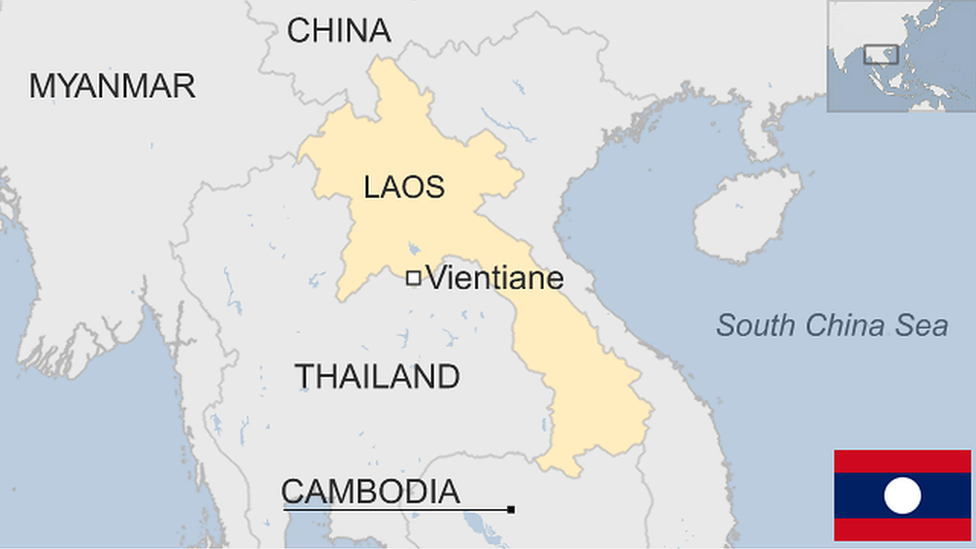
Laos has unveiled an ambitious plan to transform itself into a central hub for gold trading and refining in Asia by 2030, spearheaded by the Lao Bullion Bank . This initiative aims to bolster the nation’s financial stability and elevate its standing in the global precious metals market.

At a strategic meeting held on 2 May, LBB’s Chief Executive Officer, Chanthone Sitthixay, detailed the bank’s vision to establish Laos as a leader in the precious metals sector. The plan encompasses the development of comprehensive gold trading platforms, refining capabilities, and secure storage solutions, aligning with international standards to attract both regional and global investors.

The Lao Bullion Bank, officially launched in December 2024, represents a significant step in the country’s economic strategy. The bank’s establishment is a collaborative effort between the Lao government and PTL Holding, with the government holding a 25% stake and PTL Holding owning the remaining 75%. This partnership underscores a commitment to enhancing the nation’s gold reserves and stabilising the local currency, the Kip.

Since its inception, LBB has introduced various services, including gold deposit accounts, loans backed by gold collateral, and gold vending machines. These offerings aim to integrate gold more deeply into the financial system, providing citizens with alternative investment options and contributing to economic resilience.

To strengthen its position in the regional market, LBB has entered into strategic partnerships with key industry players. In October 2024, the bank signed a Memorandum of Understanding with the Singapore Bullion Market Association , focusing on knowledge exchange and regulatory collaboration to enhance Laos’s bullion market infrastructure. Additionally, a partnership with StoneX APAC was established to leverage technological expertise and develop new financial products tailored to the precious metals sector.

In March 2025, LBB further expanded its network by partnering with Samlane Jewelry, a prominent local gold retailer. This collaboration aims to standardise gold trading practices within the country and facilitate smoother transactions for investors and consumers. As part of this initiative, a promotional campaign was launched, offering incentives to customers who deposit gold with the bank, thereby encouraging public participation in the formal gold market.

The bank’s efforts are also directed towards refining unmined gold ores, transforming them into valuable assets that can contribute to the national budget and reserves. By doing so, Laos seeks to maximise the value derived from its natural resources, ensuring sustainable economic growth and financial independence.

LBB’s establishment and its subsequent initiatives reflect a broader governmental strategy to integrate Laos more fully into the global financial system. By positioning itself as a central player in the precious metals market, Laos aims to attract foreign investment, enhance its economic stability, and offer its citizens diversified financial services.

VISHNU RAJA
RYO YAMADA
HITORI GOTOH
IKUYO KITA