News related to
leadership

Arabian Post Staff -Dubai Gulftainer’s 35-year Port Canaveral concession has become a durable foothold for UAE-linked port capital in the United States, with the Florida terminal now tied to cargo handling, bonded warehousing and commercial space logistics at one of America’s most strategically located maritime gateways. The agreement, signed in 2014 between Port Canaveral and GT USA, Gulftainer’s United States subsidiary, gave the company responsibility for operating […]

Washington faces a narrowing window to pass the CLARITY Act, with Senator Cynthia Lummis warning that failure to move the digital asset market structure bill through Congress this session could leave the country without comprehensive crypto rules until 2030. The warning has sharpened pressure on lawmakers, regulators and industry groups after years of legal uncertainty over whether many digital tokens should be treated as securities, commodities, payment […]

China’s Communist Party has named Guan Zhiou, the country’s natural resources minister, as Party secretary of Hubei, placing a cabinet-level official with land, forestry and planning experience in charge of one of central China’s most important industrial provinces.

Guan replaces Wang Zhonglin, who has been removed from the posts of Hubei Party secretary, standing committee member and provincial committee member, with a further assignment to be announced. The decision was conveyed at a provincial leadership meeting in Wuhan on May 30, where the central authorities described the change as part of a broader assessment of Hubei’s leadership needs and development priorities.

The appointment gives Guan control of the top political office in a province that sits at the centre of China’s inland transport network and plays a strategic role in advanced manufacturing, water management, grain logistics and Yangtze River economic planning. Hubei’s capital, Wuhan, is a major base for automotive production, optoelectronics, universities, biomedical research and high-end equipment, making the province a testing ground for Beijing’s effort to combine industrial upgrading with regional balance.

Guan, born in December 1969 in Shenyang, Liaoning province, is 56 and a member of the Manchu ethnic group. He holds a doctorate in science and is an alternate member of the 20th Communist Party Central Committee. His career has moved through county administration, municipal planning, provincial government, propaganda work, forestry governance and national resource management, giving him a profile that spans both local economic administration and central regulatory oversight.

His move to Hubei comes less than two years after he rose to the Ministry of Natural Resources, where he became Party secretary and minister in December 2024. That ministry oversees land use, mineral resources, territorial spatial planning, marine resources, surveying and natural resource supervision, areas closely tied to China’s drive to improve food security, industrial self-reliance, ecological protection and urban development discipline.

Before entering the central government, Guan spent much of his early career in Liaoning, including posts linked to Shenyang’s planning and land resources system, Faku county administration, agricultural affairs and provincial government coordination. He later served on the Liaoning provincial Party standing committee and chaired the provincial federation of trade unions. A transfer to Shandong in 2018 placed him in charge of propaganda work and education-related Party responsibilities before his move to Beijing in 2020 to lead the National Forestry and Grassland Administration.

That background is likely to shape his work in Hubei, where economic policy is intertwined with land redevelopment, ecological protection along the Yangtze, flood control, industrial zoning and rural revitalisation. Hubei has long been central to China’s “Rise of Central China” strategy, but it also faces familiar pressures, including uneven local government finances, competition for investment, the need to raise household consumption and the challenge of moving manufacturers up the value chain.

Hubei’s economy expanded to 6.266 trillion yuan in 2025, growing 5.5 per cent year on year. Wuhan’s output reached 2.215 trillion yuan, up 5.6 per cent, reinforcing the city’s role as the province’s growth engine. Provincial authorities have set a 2026 growth target of about 5.5 per cent, alongside efforts to keep surveyed urban unemployment at about 5.5 per cent, signalling a policy mix focused on steady expansion, employment and industrial resilience.

The province’s leadership team now pairs Guan with Governor Li Dianxun, who has emphasised manufacturing, consumption, technological innovation and service-sector upgrading in this year’s government work agenda. Hubei has sought to attract investment into automotive components, new energy supply chains, digital industries and cultural consumption, while also promoting Wuhan’s role as a national science and education hub.

Guan’s appointment also reflects a wider pattern in China’s cadre management, where central authorities rotate officials between ministries and provinces to align local governance with national policy priorities. Hubei has political significance beyond its economic weight because of Wuhan’s transport links, its university and research base, and its position along the Yangtze River, a corridor Beijing regards as vital to both industrial security and environmental protection.

Wang Zhonglin, Guan’s predecessor, had led Hubei since late 2024 after serving as governor and, earlier, Party secretary of Wuhan during the city’s post-pandemic recovery. His next role has not been disclosed, leaving the latest move as part of an unfinished personnel sequence at provincial level.

Kuwait’s air defence systems intercepted hostile missile and drone threats aimed at its airspace early on Thursday, the Kuwaiti Army’s General Staff said, as the Gulf state moved to contain security risks from widening regional military tensions. The military said its systems were responding to a wave of missiles and unmanned aerial vehicles attempting to penetrate the country’s airspace. It did not identify the source of the […]

Arabian Post Staff -Dubai Washington is pressing ahead with claims of progress toward a peace deal with Tehran, even as fresh US strikes on targets in southern Iran and renewed uncertainty over the Strait of Hormuz exposed the fragility of efforts to end a war approaching its third month. The latest flare-up came after US forces struck what they described as missile launch sites and mine-laying boats, […]

Forty high-performing schoolgirls from underprivileged communities in Ghana will receive annual scholarships under the newly launched Educating Linda programme, a joint initiative of Merck Foundation, Ghana’s First Lady Lordina Dramani Mahama and the Lordina Foundation aimed at keeping girls in classrooms until graduation. The programme, formally launched in Accra, is designed to remove financial barriers that often force girls out of school, including tuition costs, uniforms, stationery […]

Donald Trump has urged Saudi Arabia and Qatar to move first in a renewed push to expand the Abraham Accords, linking wider recognition of Israel to US efforts to secure a deal with Iran and recast the Middle East diplomatic order. The US president said countries involved in the Iran negotiations should join the normalisation framework, naming Saudi Arabia, Qatar, Pakistan, Egypt, Turkey and Jordan among those […]

Advertisements
China’s artificial intelligence market is entering a faster and more expensive phase, with enterprise spending forecasts pointing to a surge that could reshape global competition in cloud computing, semiconductors, robotics and industrial automation.

Global enterprise AI expenditure is expected to reach about $940 billion in 2026 and climb to roughly $2.1 trillion by 2029, reflecting a shift from experimental deployments to large-scale use across manufacturing, finance, logistics, health care, energy and public services. China is emerging as one of the fastest-expanding markets within that cycle, helped by heavy infrastructure spending, state-backed industrial policy and a corporate race to build domestic alternatives to foreign chips, models and cloud platforms.

The acceleration is no longer confined to model development. China’s AI buildout is moving across the full technology stack, from data centres and accelerators to enterprise software, robotics and agentic systems capable of handling complex workflow tasks. The first phase of the investment wave was dominated by computing power, foundational models and large infrastructure projects. The next phase is being shaped by applied AI, intelligent services and automation across production lines, offices and consumer platforms.

That transition is putting pressure on global rivals. US technology groups still lead in advanced chips, frontier models and hyperscale cloud capacity, but China’s market has advantages in deployment speed, manufacturing depth and policy coordination. Companies including Alibaba, Tencent, Baidu, Huawei and ByteDance are expanding AI services while also trying to reduce dependence on restricted US semiconductor supplies. Alibaba has unveiled a new AI chip through its T-Head unit and is directing tens of billions of dollars into cloud and AI infrastructure over several years. Huawei’s Ascend processors have become central to China’s domestic accelerator strategy as export controls limit access to top-tier Nvidia products.

Infrastructure remains the foundation of the race. Worldwide AI infrastructure spending is on course to exceed $1 trillion by 2029, with accelerated servers accounting for the overwhelming share. China remains the second-largest AI infrastructure market after the US, even though export restrictions have created supply constraints for high-end accelerators. Those restrictions have encouraged domestic chip design, local server ecosystems and more efficient deployment models for inference, where many commercial AI applications run after models have been trained.

China’s data centre expansion is also moving into more specialised formats. AI workloads demand dense computing power, stable electricity supply and advanced cooling, all of which are raising costs and straining grids. Projects near Shanghai and other technology hubs are testing alternative energy and cooling systems, including offshore and renewable-powered facilities. These efforts reflect a broader attempt to manage the energy burden of AI while supporting national ambitions in cloud services, industrial software and smart manufacturing.

Robotics is becoming a central pillar of the spending wave. China already has the world’s largest industrial robot base and is pushing into embodied intelligence, where AI systems are integrated into machines that operate in factories, warehouses, homes and public spaces. Forecasts for China’s robotics market point to rapid expansion over the next five years, with demand coming from electric vehicles, electronics, logistics and elder care. The combination of AI models, sensors, batteries and manufacturing scale gives domestic firms a route to compete internationally beyond software alone.

Policy support is reinforcing corporate investment. Beijing’s “AI Plus” strategy, issued in 2025, aims to embed artificial intelligence across the economy by expanding access to data, compute and talent while promoting open-source ecosystems and industrial adoption. Local governments have added funding programmes, innovation parks and procurement support, creating competition among cities such as Beijing, Shanghai, Shenzhen and Hangzhou. That model can accelerate deployment, though it also raises the risk of duplicated capacity, uneven standards and projects driven more by subsidy incentives than commercial demand.

The competitive picture remains mixed. China leads in AI publication volume, citations, patent output and industrial robot installations, while the US continues to produce more frontier models and higher-impact patents. The performance gap between leading US and Chinese models has narrowed, aided by open-source releases and engineering efficiency from Chinese labs. DeepSeek’s breakthrough earlier in the cycle demonstrated that capable systems could be produced with fewer resources than previously assumed, intensifying debate over whether raw spending alone will determine leadership.

Microsoft’s early lead in AI-assisted software development is coming under pressure as outages at GitHub, leadership changes, security incidents and fast-moving rivals reshape one of the most important contests in enterprise technology. GitHub Copilot gave Microsoft a commanding start in the AI coding race. It was launched before many competitors had mature developer products, and it benefited from GitHub’s position at the centre of global software collaboration. […]

  • At the launch, KPMG also unveiled its Trusted AI Assurance offering that is aligned with relevant international standards and frameworks to mitigate risk and build trust in AI deployment. This gives businesses a clear, credible pathway to scale AI confidently as Singapore reinforces its position as a trusted node in the global community.

SINGAPORE – Media OutReach Newswire – 25 May 2026 – As Singapore deepens its commitment to becoming a world-leading AI hub, the question of how organisations build AI that is trusted — by customers, regulators and international partners — has become as consequential as how fast they build it. Today, KPMG took a significant step in answering that question with the launch of its Trusted Artificial Intelligence Centre of Excellence (AI CoE). Supported by the Singapore Economic Development Board (EDB), the AI CoE is a dedicated capability hub designed to help organisations move beyond AI experimentation and embed AI as a trusted, enterprise-ready asset.

At the same event, KPMG also unveiled its Trusted AI Assurance — a structured, business-focused, evidence-based approach that gives Singapore businesses a rigorous multi-faceted assessment of their AI deployment and a clear pathway to scale confidently. Today’s launch — bringing together government, enterprise and the professional services sector — signals a pivotal shift in the national AI conversation: from speed to scale of adoption where trust is the foundational bedrock of deploying AI.

The Trusted AI CoE was officially launched by Ms Jasmin Lau, Minister of State, Ministry of Digital Development and Information & Ministry of Education, alongside Mr Jermaine Loy, Managing Director of the Singapore Economic Development Board (EDB), and Ms Lee Sze Yeng, Managing Partner of KPMG in Singapore.

KPMG’s 2025 Global CEO Outlook shows that more than seven in ten CEOs now rank AI as a top investment priority — yet for many, the gap between ambition and sustained enterprise impact remains wide. Governance, data readiness and workforce capability are the defining constraints of this next phase of adoption. Singapore-based businesses face a further dimension: as they expand regionally and globally, they need their AI systems to be trusted not just at home but across multiple jurisdictions — each with its own regulatory expectations and stakeholder standards.

Lee Sze Yeng, Managing Partner at KPMG in Singapore, said: “Across every sector, we are seeing the same pattern: organisations that moved fast on AI are now asking harder questions — where is the real value, are our people genuinely ready to work alongside AI, and can we stand behind the decisions our systems make? These are not technical questions. They are leadership questions. And for Singapore businesses with ambitions beyond our shores, there is an added dimension: the trust that matters to customers and regulators in the markets you are entering may be defined differently from what is required here. Through the KPMG Singapore Trusted AI Centre of Excellence, we are partnering with businesses to rigorously assess where they stand, close the gaps that matter, and build AI that is trusted not just locally but in the markets most critical to their growth. Trusted AI is not a constraint on ambition. Done well, it is the foundation for it.”

Jermaine Loy, Managing Director, EDB, said: “KPMG’s Trusted AI Centre of Excellence here in Singapore will enable businesses across diverse sectors – including financial services, healthcare, logistics and manufacturing – to scale use of AI with confidence, supported by robust governance frameworks and assurance capabilities. At the same time, this strengthens Singapore’s growing AI ecosystem by building enterprise capabilities and workforce readiness for AI adoption. We welcome KPMG Singapore’s efforts to work with EDB and the relevant agencies in advancing Singapore’s position as a globally trusted hub for AI deployment and innovation.”

Trusted AI Assurance — Giving Singapore Businesses a Foundation to Scale AI

For Singapore businesses, the ambition to scale AI is rarely the obstacle. What is harder — and more consequential — is the question of whether the AI they are building and deploying can genuinely be stood behind: by their boards, by their customers, employees and by the regulators and partners they will encounter as they grow beyond Singapore’s shores.

KPMG’s Trusted AI Assurance offering (the “Trusted AI Assurance”) was developed in response to the need to address the trust deficit with AI in the business community to boost adoption. It is not a certification exercise or a compliance checklist. It is a rigorous, evidence-based independent assessment that gives leadership teams an honest picture of where they stand — and a clear, practical path to where they need to be.

What makes it meaningful is its specificity. The Trusted AI Assurance is calibrated to each organisation’s sector, operating context and growth ambitions — because a financial institution navigating cross-border data regulation faces a fundamentally different set of questions from a manufacturer embedding AI into operational workflows, or a healthcare provider deploying AI-assisted diagnostics. Generic benchmarks serve neither well.

The assessment examines two things that are often conflated but must be considered separately: whether an organisation has the governance, culture and leadership practices to deploy AI responsibly; and whether the AI solutions it has built or acquired are themselves trustworthy — documented, risk-assessed, well-integrated and performing as intended. An organisation can have the right intentions and still be running AI that falls short of what its stakeholders — or another country’s regulators — would accept.

Across four domains, the Trusted AI Assurance examines what genuinely matters:

AI Governance — Whether the frameworks, operating models, policies and procedures that govern AI are real and embedded, not aspirational documents that sit untouched between audits.

AI Systems — The AI systems themselves: how they are documented, how risks are inventoried, how models are integrated into business workflows, and whether the data foundations — including Retrieval-Augmented Generation, pipelines and datasets — are robust enough to be relied upon.

AI Regulatory Compliance — How prepared an organisation is for the regulatory environments it currently operates in, and those it intends to enter. For Singapore businesses with expansion ambitions, this is often where the most important gaps surface: the Trusted AI Assurance can identify whether a specific AI system meets the requirements for deployment in a given market — such as the European Union — or what adjustments would make it so.

AI Security — The strategies and processes in place to protect AI systems, manage privacy, and ensure the organisation can detect, respond to and recover from threats as they evolve.

The stakes are sharpest for businesses in highly regulated sectors. Financial institutions, healthcare providers and infrastructure operators have long been accustomed to navigating complex compliance environments — and Singapore’s AI governance frameworks are among the most developed in the region. But as the EU AI Act moves into full enforcement, a new and specific set of expectations is taking effect for any organisation deploying AI within European markets, or handling the data of European citizens. What satisfies regulators here does not automatically satisfy regulators there.

The reality is one of regulatory diversity: different jurisdictions are building their AI governance regimes at different speeds, with different emphases, and with different evidentiary requirements. A Singapore company that has passed relevant local standards may still find that its AI systems require different documentation, greater explainability, or additional human oversight controls to operate with compliance and trust in a European context. Discovering that gap in the middle of a market entry, a cross-border partnership or a regulatory review is a risk that can be avoided.

The Trusted AI Assurance maps these jurisdictional differences, giving organisations a clear read of where they stand against the specific requirements of markets they are entering — before those requirements become obstacles. It is aligned with globally recognised standards including the EU AI Act, the NIST AI Risk Management Framework, ISO 42001 and Singapore’s Model AI Governance Framework, ensuring that what organisations build here is credible and defensible everywhere.

The Trusted AI Assurance is coupled with consultancy guidance — from KPMG or partnered stakeholders — ensuring every assessment leads to a practical path forward. The intent is to give Singapore businesses the clarity and confidence to grow their AI ambitions without having to rebuild trust from scratch in new markets they enter into regionally or globally.

A Framework for Singapore’s AI Ambition: The Four Doors

Beyond the Trusted AI Assurance, organisations can leverage the AI CoE to assess their broader AI strategies through KPMG’s Four Doors framework — four strategic pillars that help Singapore businesses move from isolated pilots to trusted, sustained AI at scale. Together, they address what it takes for Singapore to be not just an AI-capable nation, but a globally trusted one: where the AI solutions developed and deployed here meet the expectations of regulators, partners and customers worldwide.

Value — From Activity to Impact: Establishing the clear metrics and sector-specific solutions needed to distinguish AI activity from measurable business value, across Financial Services, Government, Healthcare, Real Estate, Infrastructure and Manufacturing.

Trust — Trusted-by-Design AI: Built on a human-centric foundation encompassing ten ethical pillars — including Fairness, Transparency, Accountability, Privacy and Sustainability — the Trust pillar puts responsible governance at the centre of AI strategy, rather than treating it as a compliance afterthought.

People — Genuine AI Fluency: Covering sustainable AI workforce strategy, job redesign, leadership development and change management — from executive ignition sessions that build board-level commitment to the behavioural shifts needed to embed AI into everyday working practices.

Data and Technology — Scalable Foundations: Establishing the trusted data and technology infrastructure that enterprise AI requires, supported by KPMG’s proprietary platforms and a market-ready suite of AI tools, with rigorous attention to data quality, system integration, product development and enterprise-wide AI deployment.

For Singapore’s business community, the Four Doors offer a structured path to becoming AI-trusted — not just AI-active. As global regulatory standards tighten and international partners raise governance expectations, that distinction will increasingly determine which Singapore enterprises are positioned to lead in the markets they enter.

Building AI Capability in Singapore

The Trusted AI CoE (the “CoE”) is designed to function as a capability hub to support Singapore’s position as a trusted node in the global community — co-creating knowledge, accelerating innovation and strengthening Singapore’s AI ecosystem across the business community, academia and the public sector.

At its core is a dedicated innovation team of AI/Software Engineers, Solution Architects, Data Analysts, Product Managers, Tech Business Analysts and Designers — 100 per cent Singapore-based and locally hired. This specialist nucleus is complemented by KPMG’s 3,600-strong Singapore workforce and over 275,000 professionals globally, giving the CoE both deep technical capability and multi-disciplinary reach across Audit, Advisory and Tax.

Solutions co-developed through the CoE are pressure-tested with KPMG as default “Client Zero” where appropriate — rigorously iterated across the firm’s own operations before being brought to clients. Initial focus sectors include Financial Services, Infrastructure and Logistics, Manufacturing, Government, Healthcare and Real Estate, alongside functional domains such as Finance, Governance Risk and Compliance, Customer Services and Operations. Strategic partnerships with technology companies, academic institutions and government agencies further support Singapore’s ambition to serve as a trusted and well-governed regional AI hub.

KPMG’s Commitment to Singapore

KPMG is the world’s first professional services firm to attain ISO/IEC 42001 certification for AI Management Systems — the globally recognised standard for responsible AI governance. This underpins every element of today’s launch, reflecting KPMG’s commitment to practising what it advocates: embedding the disciplines of trusted AI governance into its own operations before bringing them to clients.

KPMG continues to invest in Singapore’s AI talent pipeline through international mobility programmes, internal rotations and capability development across data, digital and leadership disciplines — directly aligned with Singapore’s national goal of growing the skilled workforce its AI ambitions require.

ANNEX: Bringing the KPMG Singapore Trusted AI Centre of Excellence to Life

To bring the KPMG Trusted AI Centre of Excellence (AI CoE) to life, guests at the launch were invited to explore four interactive stops (“windows”) showcasing how trusted AI can move from strategy into real-world enterprise and national impact.

Spanning areas including governance, workforce readiness, ecosystem collaboration and SME enablement, the windows offered a practical look at how organisations can scale AI responsibly while building trust, resilience and long-term capability.

FIRST WINDOW – AI Philosophy

The first window introduced guests to KPMG’s Four Doors framework and Trusted AI Assurance – an evidence-based approach designed to help organisations move from AI experimentation to AI that is genuinely trusted by their boards, their customers, and the regulators and partners they encounter as they grow beyond our shores.

Through an interactive scenario set in the financial services sector, the demonstration illustrated how organisations are assessed across four strategic pillars: Value, Trust, People, and Data and Technology. The walkthrough explored whether businesses have the governance structures, workforce readiness, data foundations and operational oversight needed to support trusted, scalable AI deployment.

  1. Value — Whether the organisation has clearly defined what its AI investments are meant to deliver, and whether it has the metrics to distinguish genuine business impact from mere AI activity
  2. Trust — Whether the organisation’s AI is built on a responsible, human-centric foundation — covering governance frameworks, ethical guardrails, risk management, security and accountability for AI-driven decisions
  3. People — Whether the workforce, from board to frontline, has the genuine AI fluency needed to work alongside AI systems, including the leadership commitment, job redesign and capability development required for adoption to take hold
  4. Data and Technology — Whether the data assets, infrastructure and system integration practices are robust enough to support trusted, scalable AI deployment

The experience also demonstrated how AI systems themselves are assessed – including areas such as system documentation, risk inventories, model integration and data platform robustness – highlighting the importance of building AI that is genuinely trusted.

  1. System Card — Whether each AI solution is properly documented, including how it performs and how it is used in practice
  2. Risk Inventory — Whether AI systems across the enterprise have been identified and their risks catalogued
  3. Model Integration — Whether adequate processes and controls govern how AI models are integrated into business workflows
  4. Data Platform — Whether the data foundations underpinning AI outputs — including Retrieval-Augmented Generation (RAG) pipelines and datasets — are fit for purpose

A second stage of the scenario then explored the reality of regulatory diversity across jurisdictions. While an organisation may be assessed as “trusted” in Singapore, areas that require attention may emerge when expanding into international markets such as Europe under the EU AI Act.

The demonstration underscored the growing importance of regulatory readiness for Singapore businesses with international ambitions, and how the AI CoE is designed to help organisations expand with confidence through trusted AI governance.

SECOND WINDOW – AI Journey

The second window focused on KPMG’s “Client Zero” approach, where suitable AI solutions are developed and applied within its own operations under real-world conditions, and in some cases co-developed with clients depending on their specific needs. This model reflects a simple philosophy: credibility in guiding responsible AI adoption must be earned by applying the same discipline internally. This approach is particularly relevant in Singapore’s context, where trust and reliability are central to how AI is being adopted across sectors.

KPMG’s “Client Zero” approach provides a structured pathway for scaling AI responsibly. Solutions are first embedded into live workflows – allowing organisations to address practical considerations such as human oversight, explainability, data handling and accountability – before broader deployment. This mirrors the journey many enterprises in Singapore are now facing, as they transition from pilots to AI that can be relied on consistently in regulated, cross-border environments. This shift is important, as trust at scale is built not through experimentation alone, but through systems that are reliable, auditable, and able to operate consistently across different contexts.

At this window, MOS will see this pathway brought to life with AI applied across real business workflows, through three solutions: KPMG’s Digital Gateway (DG) GenAI, KPMG Clara Intelligence and Kiara. These solutions are already implemented in real-time across KPMG’s various functions.

The first demonstration illustrates how the audit and tax professions are beginning to deploy AI agents within their workflows to enhance how work is performed. Rather than treating AI as standalone tools, these capabilities are being embedded into business processes to support analysis, decision-making and execution in a controlled and accountable manner. DG GenAI, KPMG’s Generative AI capability embedded within our Digital Gateway platform, will be used as a demonstration of how this is operationalised in practice — showing how AI capabilities can be integrated into everyday workflows, with appropriate governance, data security and user controls in place.

The second demonstration presents KPMG Clara Intelligence, an intelligent AI-powered platform which acts as a centralised platform. KPMG Clara Intelligence showcases the future of audit, where AI is used to support data-driven risk assessment, better insights and analysis and decision-making on a single platform. This reduces reliance on manual processes and enables auditors to focus on higher-value judgement, improving both efficiency and audit quality. MOS will see how this reflects a broader shift in the profession — towards AI-assisted workflows that require new skills and deeper analytical capabilities.

This window also highlighted how AI is reshaping the accountancy and professional services sector. As AI becomes embedded into core workflows, roles within the profession are evolving — routine, manual tasks are increasingly automated, allowing professionals to focus on higher‑value judgement, analysis and advisory work. At the same time, this shift requires a broader base of AI fluency across the workforce, not just among specialists, as professionals will need to work alongside AI systems in their day‑to‑day roles.

These changes are driving a wider rethinking of skills development across the sector, including how institutions and employers prepare current and future talent. Efforts are underway to align training and education pathways with these evolving needs, ensuring that individuals entering the profession — and those already in it — are equipped to operate effectively in an AI‑enabled environment. This reflects a broader transition towards a workforce that combines strong domain expertise with AI capabilities, in line with Singapore’s ambition to develop an AI‑bilingual workforce.

The third solution, Kiara, is KPMG’s GenAI recruitment assistant, illustrating how AI can enhance the candidate engagement and streamline scheduling of interviews. This highlights how AI is not only transforming business processes, but also how people work and interact with technology.

Overall, the window demonstrated how these solutions reflect the same principles KPMG advises its clients to adopt: strong data foundations, embedded governance, and human oversight at key decision points – illustrating the practical steps organisations take to deploy AI responsibly at scale, underpinning the rigour required for Singapore to continue its progress as a trusted hub for AI.

THIRD WINDOW – AI Vision

The third window focused on how AI does not merely change the tools organisations use, but changes the nature of work itself – which roles exist, how decisions are made, and what it means to be genuinely capable in a professional environment.

As organisations navigate AI-driven workforce transformation, the showcase highlighted the same set of questions organisations consistently grapple with: which roles are genuinely enhanced by AI, and which risk being hollowed out? Where should organisations invest in reskilling, and on what timeline? How are accountability and professional standards maintained when AI is embedded into decisions that used to rest entirely with a person?

The insight that emerges across sectors is consistent: organisations that treat AI workforce transformation as a technology deployment tend to underinvest in the human dimensions – and that is where adoption stalls, quality erodes or trust breaks down. The organisations that get it right treat it as a leadership and organisational design challenge first, with technology as the enabler.

The window also demonstrated how KPMG Mystro™, an AI-enabled workforce intelligence platform, is used to map how work is done today at the task and decision level, and model where AI can responsibly augment human roles across functions such as finance, audit and operations.

Drawing on examples from finance, audit and operations, the showcase illustrated professionals working alongside AI in ways that redirect their expertise toward work requiring human judgement. More broadly, it reinforced the importance of approaching AI transformation not simply as a technology deployment exercise, but as a broader leadership and organisational design challenge.

Singapore’s commitment to building an AI-bilingual workforce – professionals who are not merely aware of AI but genuinely capable of working alongside it, questioning its outputs and being accountable for the decisions it informs – rests on organisations taking the human dimension of transformation as seriously as the technology itself. The insights at this window speak directly to that agenda: what it takes to build not just AI capability, but the kind of AI-confident workforce that sustains Singapore’s competitiveness over the long term.

FOURTH WINDOW – AI Ecosystem

The fourth window focused on how trusted AI adoption cannot be the preserve of large enterprises alone. Singapore’s economic resilience depends on its SME community — the businesses that form the backbone of the economy and that stand to gain enormously from AI, but that often lack the resources, expertise or confidence to navigate adoption responsibly.

Referencing the DBS Spark GenAI programme and DBS SME AI Playbook – developed through a collaboration between DBS and KPMG, and supported by SkillsFuture Singapore – the showcase highlighted practical pathways designed to help SMEs build awareness and accelerate their AI adoption through tailored pathways depending on their AI maturity.

  1. Start — For businesses at the beginning of their AI journey: practical orientation on what AI can realistically deliver, where to begin, and what foundational steps to take before committing to more significant investment
  2. Accelerate — For businesses that have taken initial steps and are ready to move further: guidance on identifying higher-value use cases, building internal capability and managing the operational changes that come with deeper AI adoption
  3. Scale — For businesses ready to embed AI more systematically: the governance, integration and workforce considerations that responsible scaling requires

The window also highlighted the broader support ecosystem available to SMEs, including a broader ecosystem of over 16,000 solution providers globally via IMDA’s Open Innovation Platform, alongside the SME AI Playbook which offers practical use cases, success stories from real businesses, FAQs and an AI readiness diagnostic tool.

Economy-wide AI adoption – the kind that drives meaningful productivity gains across the full breadth of Singapore’s business community – only happens if SMEs are part of the story. The DBS SME AI Playbook is a direct response to that reality: a practical, accessible entry point into AI adoption calibrated to the real constraints and real ambitions of smaller businesses.

The collaboration between DBS and KPMG reflects how Singapore’s AI ecosystem works at its best: financial institutions, professional services firms, government platforms and businesses working together to make trusted AI adoption accessible to every part of the economy, not just its largest players.

Hashtag: #KPMG

The issuer is solely responsible for the content of this announcement.

About KPMG in Singapore

KPMG in Singapore is part of a global organization of independent professional services firms providing Audit, Tax and Advisory services. We operate in 138 countries and territories with more than 276,000 partners and employees working in member firms around the world. Each KPMG firm is a legally distinct and separate entity and describes itself as such. KPMG International Limited is a private English company limited by guarantee. KPMG International Limited and its related entities do not provide services to clients.

For more details about our structure, please visit .
For more information, visit
LinkedIn:

Rugby Africa has appointed former NBA Africa executive Aïcha Diop as chief of staff to its president, Herbert Mensah, in a move aimed at strengthening the organisation’s governance, commercial execution and continental growth strategy. Diop will work directly with Mensah as Rugby Africa seeks to sharpen coordination across its 40 member unions, expand competitions, deepen partnerships and raise the profile of the sport in markets where participation […]

Arabian Post Staff -Dubai Dubai’s Emirates NBD Bank will open its offer on June 1 to buy up to 26 per cent of RBL Bank from public shareholders, marking the next decisive phase in one of the largest foreign investments in the country’s private banking sector. Public shareholders will be able to tender shares until June 12 under the open offer, which has been priced at ₹282.38 […]

European Parliament scrutiny of the Stop Destroying Videogames initiative was diverted by Slovak MEP Milan Uhrík after he used a debate on digital ownership and game preservation to attack what he described as “woke ideology” in the games industry. The initiative, widely known through the Stop Killing Games campaign, asks the European Commission to require publishers selling or licensing videogames in the European Union to leave them […]

Arabian Post Staff -Dubai President Donald Trump has said a peace agreement with Iran is close to completion, raising expectations of a diplomatic breakthrough that could reopen the Strait of Hormuz after months of conflict disrupted one of the world’s most important energy corridors. Trump wrote on Saturday that an agreement had been “largely negotiated” but remained subject to finalisation between the United States, Iran and other […]

Arabian Post Staff -Dubai Dubai has frozen private school fees for the 2026-27 academic year, giving families relief from education cost pressures as the emirate moves to balance household affordability with the stability of a fast-growing private education sector. Knowledge and Human Development Authority confirmed that schools under its regulation will not be permitted to raise tuition fees in the next academic year. The decision follows directives […]

Arabian Post Staff -Dubai Abu Dhabi’s exit from OPEC has placed the UAE at the centre of a wider debate over how Gulf producers should manage oil wealth as long-term demand faces pressure from the energy transition. Anwar Gargash, diplomatic adviser to President Sheikh Mohamed bin Zayed Al Nahyan, said the decision was shaped over three years and reflected the leadership’s view that the world is approaching […]

Singapore business leader Teo Siong Seng has been accused by US prosecutors of taking part in a multi-year conspiracy to restrict output and fix prices of standard dry shipping containers, a case that places one of the city-state’s most prominent maritime figures at the centre of a major antitrust action. The indictment names four container manufacturing companies and seven executives in an alleged scheme that prosecutors say […]

Arabian Post Staff -Dubai Abu Dhabi has moved to expand its pool of UAE National educators through a first-of-its-kind partnership between the Abu Dhabi Department of Education and Knowledge and Aldar, setting a formal public-private route for Emiratisation across private school teaching and leadership roles. The agreement, signed on 20 May 2026, establishes a structured talent development roadmap designed to increase UAE National representation ninefold across key […]

SpaceX is pitching its planned public listing as a bet on artificial intelligence as much as rockets, telling prospective investors that AI services could open a $26.5 trillion market opportunity and transform the company from a launch-and-satellite operator into a global computing platform. The shift marks a striking turn for Elon Musk’s space company as it prepares for what could become the largest stock-market debut on record. […]

Mexico’s sovereign credit rating has been cut to the last rung of investment grade, placing fresh pressure on President Claudia Sheinbaum’s administration as investors weigh rising debt, sluggish growth and the continuing fiscal burden of Petróleos Mexicanos. Moody’s Ratings lowered Mexico’s long-term local and foreign-currency issuer and senior unsecured ratings to Baa3 from Baa2, while changing the outlook to stable from negative. The move leaves Latin America’s […]

By Nitya Chakraborty This is the season of high level summits. On May 14 and 15, U.S President Donald Trump visited Beijing and had ‘ fantastic’ talks, according to the U.S. President, Chinese media also went overboard explaining the great possibilities of China-US cooperation in political and economic spheres and also how important this was […]

The article Cuba Is Under Siege By USA, But Neither Xi Jinping Nor Putin Taking It With Trump appeared first on Latest India news, analysis and reports on Newspack by India Press Agency).

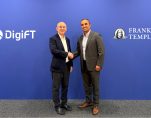
SINGAPORE – Media OutReach Newswire – 20 May 2026 – DigiFT, a regulated digital asset exchange for institutional-grade real-world assets, and Franklin Templeton, a global investment leader with USD 1.74 trillion in assets under management, today announced a long-term strategic partnership to make the Benji Technology Platform and its related tokenization products available to accredited and institutional investors through DigiFT’s platform. DigiFT holds Capital Markets Services and Recognised Market Operator licences from the Monetary Authority of Singapore (MAS) — a regulatory standing that makes DigiFT specifically authorised to distribute regulated securities tokens to institutional investors in Singapore.

(Left) Henry Zhang, Founder and Group CEO at DigiFT and (Right) Chetan Karkhanis, SVP Digital Asset Partnership Development at Franklin Templeton

The collaboration is grounded in a shared early commitment to institutional tokenization. Franklin Templeton launched the first U.S.-registered mutual fund to use a public blockchain to process transactions and record share ownership in 2021. DigiFT has built one of Asia’s most comprehensively regulated platforms for institutional tokenized asset distribution — holding licences in both Singapore and Hong Kong, including Type 1 and Type 4 licences from the Securities and Futures Commission of Hong Kong. This partnership brings those two track records together: DigiFT will serve as a key distributor across Asia, with both organisations committed to expanding the scope of their work together over time.

The partnership arrives at a decisive moment. In 2025, tokenized real-world assets distributed on public blockchains grew from approximately USD 5.5 billion to USD 18.6 billion, with tokenized U.S. government securities emerging as the leading institutional category. This growth underscores a structural inefficiency in digital markets, where institutional capital is frequently held in non‑yielding stablecoins or on‑exchange balances, while traditional fund infrastructure remains constrained by defined settlement cycles. The Benji Technology Platform and its related tokenization products are designed to address this gap by supporting the tokenization of U.S. government securities strategies that accrue yield continuously, including intraday accrual, through Franklin Templeton’s patent‑pending Intraday Yield mechanism. It also supports 24/7 transferability between permissioned wallets and near‑instant on‑chain settlement, enabling a range of potential institutional treasury management, payment and settlement use cases, and deployable off‑exchange collateral for institutional market participants.

Henry Zhang, Founder and Group CEO of DigiFT, said: “DigiFT was built with a specific conviction: that institutional investors deserve access to the world’s best on-chain financial instruments, through a platform that meets the regulatory standard they require. The partnership with Franklin Templeton reflects that conviction and marks the beginning of a long-term strategic collaboration to bring tokenized solutions to market.”

Chetan Karkhanis, SVP, Digital Asset Partnership Development at Franklin Templeton, said: “The partners we choose reflect our long-term commitment, not just our near-term distribution objectives towards bringing the benefits of blockchain and tokenization to the industry. DigiFT’s leadership and innovative edge, together with the institutional infrastructure they have built, provides a strong foundation for this partnership. This marks the beginning of what we expect to be an expanding and enduring collaboration.”
Hashtag: #DigiFT


The issuer is solely responsible for the content of this announcement.

By Dr. Gyan Pathak Despite several orders and recommendations of the Supreme Court and the Parliamentary Standing Committee, the Union Government did not structurally reform the National Testing Agency (NTA), and also did not take appropriate actions that helped the education mafia of the country to strengthen its grip over the agency. In the name […]

The article What Is Behind India’s Education Minister’s Refusal To Reform NTA? appeared first on Latest India news, analysis and reports on Newspack by India Press Agency).

BEIJING, CHINA – Media OutReach Newswire – 19 May 2026 – During Donald Trump’s high-profile diplomatic visit to China, a state-level welcome banquet was hosted in Beijing, assembling global industry leaders from the semiconductors, consumer electronics, new energy and intelligent manufacturing sectors. Beyond diplomatic protocol, the banquet’s strategic seating arrangement sparked extensive industry discussion, with a dedicated elite tech table becoming the focal point of global industrial attention. Jia Shaoqian, Chairman of Hisense Group, was invited to the exclusive tech table, seated alongside iconic U.S. tech figures including Elon Musk, Tim Cook, Jensen Huang, and Tyson Jacob. The premium seating objectively validates Hisense’s worldwide technological prowess and authoritative industrial discourse power.

The high-end roundtable establishes a premium communication channel bridging Chinese manufacturing and U.S. hard technology. While U.S. representatives cover artificial intelligence, advanced semiconductors and new energy vehicles, Hisense represents China’s sophisticated technology manufacturing with a multi-dimensional technological layout. Shattering the long-standing stereotype of a conventional home appliance maker, the company has built inimitable technological barriers in high-end display and smart home sectors, maintaining sustained technological iteration and undisputed global technological advantages in 2026.

Empowered by its end-to-end industrial chain capability, Hisense occupies an apex position in the global display industry. The company’s self-developed RGB-Mini LED technology achieves comprehensive leadership in R&D, mass production and technological iteration. Equipped with the pioneering Linglong 4-Core True Colour Backlight system and independently developed Hi-View AI image processing chip, Hisense’s 2026 latest UX series features 110% BT.2020 ultra-wide colour gamut, 10,000 nits peak brightness and 134-bit high-precision colour control, reproducing over 120 million distinct colours. With these innovations, Hisense now has a one-year technological head start over its competitors, enabling the enterprise to set industrial benchmarks and secure rule-making authority within the global display ecosystem.

Hisense remains an undisputed global pioneer in laser display technology, holding full independent intellectual property rights covering laser light sources, optical modules and terminal devices. Continuous investment in underlying optical research enables superior imaging performance with ultra-high contrast, eye-friendly visual comfort and wide colour gamut. The persistent technological edge reinforces Hisense’s dominant market share in the global laser TV industry, consolidating its status as an indispensable Chinese technological powerhouse in the high-end display landscape.

Beyond display technologies, Hisense expands its technological frontier in premium smart home appliances. The self-developed heat pump washing machine adopts an innovative four-in-one integrated heat pump structure, delivering low-temperature fabric-friendly washing and drying while significantly cutting energy consumption. As an original global energy-saving home appliance solution, it embodies Hisense’s green manufacturing philosophy and diversified R&D strength beyond display technology.

During the banquet, Jia Shaoqian engaged in in-depth dialogues with international tech elites regarding technological innovation, transnational industrial collaboration and eco-friendly intelligent manufacturing. The high-level face-to-face communication enhances mutual trust and cooperation potential between Chinese and U.S. technology enterprises. Adhering to a globalised development strategy, Hisense maintains steady overseas revenue and robust independent brand influence, with its technology-oriented products widely recognised across mainstream international markets.

The prestigious seating arrangement serves as compelling proof of global recognition for China’s high-end manufacturing industry. As a leading Chinese tech enterprise, Hisense has obtained equal diplomatic-level dialogue status within the world’s top technological circle. Moving forward, Hisense will consistently invest in independent R&D, continuously iterate RGB-Mini LED, laser display and heat pump appliance technologies, and actively explore global industrial cooperation. Committed to technological empowerment, Hisense will further strengthen the global influence and industrial voice of Chinese high-end manufacturing.

Visit hisense.sg to learn more about Hisense’s innovative products available now in Singapore.

Disclaimer: This article is an objective industrial observation without exaggerated promotional statements. All technical parameters are sourced from Hisense’s official 2026 product releases.

Hashtag: #Hisense

The issuer is solely responsible for the content of this announcement.

About Hisense

Founded in 1969, Hisense is a global technology group operating in 160+ countries, with a strong portfolio across TVs, home appliances, air-conditioning and commercial solutions. Recognised as one of the Top 2 TV brands worldwide, Hisense continues to strengthen its global presence through innovation, quality manufacturing and major international partnerships, including its role as an Official Sponsor of the FIFA World Cup 2026™

VISHNU RAJA
RYO YAMADA
HITORI GOTOH
IKUYO KITA