Just in:
SC to examine students’ exam plea today // Oil and chip shares retreat after Democratic victories // The “1st Greater Bay Area Health and Longevity Summit & Awards Ceremony” concludes successfully in Macao // Emirates Group records AED 4.1 billion half-year profit // After Reaching 7 Million Users in the Philippines, Skyro Launches Transparent Cash Loans in Malaysia // Millions Of Indians May Soon Be Deprived Of Government Assistance // CR Longdation Aethereal Cybersecurity × Global Cybersecurity Alliance (GCSA) Join Hands to Establish the “AI and Cybersecurity Research Centre” // APT29-linked campaign exploits outdated Apple and Android software // Cloudflare unveils Zero Wire vulnerability intelligence service // Trump’s Iran War Has A Share Of Contribution To His Midterm Debacle // Private varsities bill all set to face the axe // Miss Universe Hong Kong Jen Zhou Departs for Puerto Rico to Compete in the 75th Miss Universe World Final // Middle East governments assess Iran war after US vote // TVM –Mangaluru Vande Bharat claims top spot // e-Crime Bureau Signs Cybersecurity Partnership With Smart Africa, Reinforcing Its Global Expansion // Asia Left Behind: Ten international companies have yet to report delivering on their cage-free egg pledges across the region // ADIA and partners establish $1.4 billion aviation venture // OpenAI identifies 948 Linux privilege escalation flaws using AI // UK air traffic outage inflicted £33m financial losses // Vance attributes Republican midterm defeats to Iran conflict //

News related to
leadership

World Cup Fever Returns: Learning Emotional Management on the Pitch

HONG KONG SAR – Media OutReach Newswire – 30 June 2026 – The four-yearly World Cup is in full swing, and the football fever once again sweeps the globe. The pitch has long been known as a “proving ground” for heroes; even for world-class players with years of experience, the joy of scoring a goal is often balanced by the sight of others in tears, frustrated by a defeat. The prowess of these players will be etched into the hearts of countless children, inspiring a lifelong love for the sport.

In the Play to Thrive programme, winning or losing isn't what matters; what's more important is building children's resilience.

Save the Children Hong Kong firmly believes that the football pitch is more than just a venue for competition—it is an ideal classroom for Social-emotional Learning. For eight-year-old Kai-long, the setbacks and failures experienced on the pitch have proven far more vital to his personal growth than mastering technical skills or perfecting “step-overs”.

The Play to Thrive programme empowers children to master emotional management and communication skills while staying active in sports. Compared to a “Zidane turn”, these are the skills that will truly serve them for a lifetime.

On the training ground, eight-year-old Kai-long’s skills are clearly “a cut above the rest”. From the way he carries the ball to the power of his strikes, he already carries himself like a mini professional. During internal matches, he frequently finds the back of the net, scoring multiple goals for his side.

However, the moments that truly bring a smile of approval to the coaches and teachers are not Kai-long’s technical displays, but his small yet heart-warming gestures. For instance, he is seen helping teammates by steadying the inflatable goalposts during shooting drills. Even when knocked down during a match, if the coach does not blow for a foul, Kai-long doesn’t complain; he simply brushes it off with a smile and gets straight back to chasing the ball.

When Excellence Becomes a Burden: Children Trapped by the Need to Win

“He has a personality that tends to be quite fixated on winning and losing. Because of his own performance, or because his classmates’ performance didn’t meet his expectations, he would sometimes experience emotional ups and downs,” explains Mr. Lui, the PE teacher. He admits that while Kai-long’s football skills are outstanding, his stubborn nature previously caused friction with teammates and classmates. Mr. Lui noted that since Kai-long was already a member of the school’s reserve team, he recommended him for the Play to Thrive programme not to “learn football”, but in the hope that he would learn how to get along with others.

Consequently, what moved Mr. Lui the most was not Kai-long’s “goal-scoring show”, but his reaction during a match when other students deliberately moved the inflatable goalposts. Instead of complaining or losing his temper as he might have done in the past, Kai-long continued to play with a smile on his face. “Previously, he might have called it unfair or had an emotional outburst, but today he didn’t complain; he even found it quite funny. He is no longer fixated on winning or losing.”

In the eyes of his father, Chung, Kai-long has been a child with extremely high expectations of himself and a drive for perfection since he was young. “Whether it is schoolwork or his behaviour, he hopes to be a good role model and be very well-behaved.” However, Chung also mentioned that this perfectionist streak serves as a source of pressure for Kai-long.

Interpersonal Skills Are More Important Than Footballing Ability

Chung admits that Kai-long used to be very fixated on winning and losing: “In the past, if he lost a game of football against his elder brother, he would be resentful; when he was younger, he even tried to hit him.” While it is natural to crave goals and seek victory on the pitch, Chung also believes that how one treats others and interacts with peers is a vital part of growing up, which is why he enrolled Kai-long in Play to Thrive.

“Football is a natural educational tool,” says Ms. Wong Shek Hung, Director of Hong Kong Programmes at Save the Children Hong Kong. She explains that experiencing victory, defeat, and frustration is inevitable in sports, providing the perfect opportunity for children to learn emotional management. She adds that Play to Thrive originated from a community football programme developed by Save the Children UK for children in Jordan and Indonesia.

The core of the programme lies in integrating Social-emotional Learning into football training to help children build five core competencies: self-awareness, self-management, social awareness, relationship skills, and responsible decision-making. Furthermore, the programme is open to all children regardless of gender, ethnicity, or background, allowing them to master self-awareness, emotional regulation, and team communication skills within a diverse and inclusive environment.

No Ordinary Football Training

As this is unlike conventional football training, every coach is required to undergo professional training covering “Child Safeguarding” and emotional support knowledge. Ms. Wong Shek Hung notes that during the “debriefing” session at the end of each practice, coaches guide the children to reflect on their experiences on the pitch, attempting to translate these moments into emotional literacy. The ultimate goal is “to let children learn how to become ‘masters of their own emotions’.”

Demonstrating Personal Growth and Cultivating Leadership Skills

Mr. Lui noticed that after joining the programme, Kai-long not only showed progress in his personal emotional management but also learned how to consider things from others’ perspectives. During PE lessons, Kai-long has become more willing to take the initiative to help his classmates and has learned to accept teammates with different abilities, even proactively coaching others. “He gets along with his classmates much more harmoniously now; the barriers that existed before have disappeared,” Mr. Lui remarked. He further revealed that Kai-long’s form teacher, having observed this growth, officially appointed him as a class monitor for the second term.

His father, Chung, observed that since joining the programme, Kai-long has demonstrated a level of resilience rarely seen before. He recalled a match where Kai-long served as both captain and goalkeeper; even when facing conceded goals and falling behind, “his first instinct wasn’t to feel discouraged, but rather to keep encouraging his teammates from the back to keep running and keep attacking.”

Ms. Wong Shek Hung reaffirmed that this is precisely the philosophy of Play to Thrive: “We emphasise ‘Football Second, Growth First’, ensuring that even if children lose a match, they learn to handle their emotions, communicate, and cooperate throughout the process.”

Building Resilience: Transforming Lives Through Football

Ms. Kalina Tsang, CEO of Save the Children Hong Kong, stated that she has always believed football is a powerful tool for building resilience in children: “We have always been concerned about children’s physical and mental well-being. Football is more than just a sport; beyond honing technical skills, it can be used to build a child’s resilience. By combining football training with Social-emotional Learning, and under the guidance of professionally trained coaches, Play to Thrive ensures that the sweat shed by children on the pitch is transformed into self-awareness and emotional management skills.” Ms. Tsang also noted that Kai-long’s growth perfectly embodies the programme’s success. She said, “We are deeply gratified to see Kai-long progress from initial emotional fluctuations to confidently cooperating with teammates and facing victory or defeat positively—improving both on a personal level and in his interactions with peers.”

As for Kai-long himself, it is difficult for an eight-year-old to describe his transformation in detail. But when asked what was different about him, he said with an innocent smile, “I used to blame my teammates for not passing the ball, but now I’ve learned not to. I tell them: ‘It’s okay, pass it again next time. We’ll win the ball back together.'”

Launched in Hong Kong in 2023, the Play to Thrive programme is a service that integrates Social-emotional Learning with football training. It aims to create a safe and supportive space for schoolchildren, promoting their physical, social, and mental health through sport. The programme currently operates across various districts in Hong Kong, including community teams in areas such as Sham Shui Po and Tin Shui Wai. The school-based project collaborates with over 30 primary schools across the territory, integrating football training into school life to help students recognise and manage their emotions, build healthy interpersonal relationships, and enhance their confidence and resilience. In response to the current situation where up to 39% of primary and secondary students in Hong Kong face mental health challenges, the programme places special emphasis on SEL to help children master effective communication and emotional management both on and off the pitch.

In 2025 alone, the community and school projects of Play to Thrive held a total of 744 training sessions, with total service hours exceeding 1,000 hours. The programme reached 1,120 children and their families across Hong Kong, establishing close partnerships with 32 schools and 4 non-profit organisations. In terms of impact assessment, participant satisfaction was high, with satisfaction rates for the community and school projects reaching 80% and 75%, respectively.

Interview Video: https://savethechildren.click/PTT-KaiLong-Video-2026
Hashtag: #SavetheChildrenHongKong #香港救助兒童會 #mentalhealth #精神健康 #football #足球 #WorldCup #世界盃


YouTube:

The issuer is solely responsible for the content of this announcement.

Save the Children Hong Kong

Save the Children believes every child deserves a future. In Hong Kong and around the world, we do whatever it takes – every day and in times of crisis – so children can fulfil their rights to a healthy start in life, the opportunity to learn and protection from harm. With over 100 years of expertise, we are the world’s first and leading independent children’s organisation – transforming lives and future.

Established in 2009, Save the Children Hong Kong is part of the global movement which operates in around 100 countries. We work with children, families, schools, communities and our supporters to deliver lasting change for children in Hong Kong and around the world.


Reaffirming Thailand’s status as a world destination for the luxury residences market

BANGKOK, THAILAND – Media OutReach Newswire – 30 June 2026 – CG Capital Advisory Limited (CG Capital), Thailand’s leading investment manager from Central Group specializing in real estate and hospitality investment, today announced a major strategic investment milestone under the leadership of Mr. Phoom Chirathivat, Managing Partner and Co-Founder of CG Capital. The company unveiled its forward-looking vision for the luxury residential and hospitality markets in Thailand, alongside the official launch of the sales gallery for InterContinental Residences Bangkok Asoke. The project carries a total development value of THB 5.5 billion, with two-bedroom units starting from THB 44.8 million. Reservations have already surpassed 60% ahead of the project’s official public launch, a clear sign of confidence in CG Capital’s strategy and its world-class standards.CG Capital’s Vision: Reading Global Volatility, Positioning Thailand as a World Destination.

InterContinental Residences Bangkok Asoke Building Head

Mr. Phoom Chirathivat, Managing Partner and Co-Founder of CG Capital, said that despite a difficult global economic backdrop, marked by slowing markets, geopolitical conflict, and volatility in traditional capital markets, CG Capital sees Thailand’s luxury real estate market moving in the opposite direction. Driving this is a major shift in the behaviour of the world’s wealthiest individuals: a wave of global wealth migration. Data from Henley & Partners shows the number of high-net-worth individuals (HNWIs) relocating globally has surged from 51,000 in 2013 to 142,000 in 2025, a 178% increase over 12 years.

Mr. Phoom Chirathivat, Managing Partner and Co-Founder of CG Capital

“Global markets are slowing down, but Thailand is holding its position as a world destination. Demand from HNWI buyers, both Thai and international, hasn’t dropped off. If anything, these buyers have become more selective about the assets they choose. That tracks with what we’re seeing from Thailand’s Board of Investment, which has approved Long-Term Resident visas for more than 6,000 wealthy global citizens since 2022. Thailand isn’t just a tourism destination anymore. It’s become a place HNWIs choose for long-term residence and investment,” said Mr. Phoom.

Claiming the Asian Crown: The “Right Brand, Right Partners, Right Product” Strategy

Rising demand for high-end residences has pushed CG Capital’s investment strategy toward branded residences, the fastest-growing segment of the market. Thailand currently holds the largest market share of branded residences in Asia at 23.3% of the region’s USD 26.6 billion total market value, ahead of the Philippines (17.3%) and South Korea (11.6%). CBRE’s Global Branded Residences report ranks Thailand 4th in the world by number of projects, with Bangkok and Phuket sitting among the world’s top 10.

Mr. Phoom Chirathivat added:”The success of InterContinental Residences Bangkok Asoke comes down to understanding global trends. What sets us apart is ‘Right Brand, Right Partners, Right Product,’ paired with Bangkok’s best location, Sukhumvit. We’re not chasing a trend. We’re reading the market and building on the long-term confidence we have in this country.”

From Private Equity DNA to World-Class Product Development

What sets CG Capital apart, as the largest private equity fund manager in Thailand’s real estate and hospitality sector, is the way it applies institutional investment thinking to every part of development. Long-term asset value gets weighed through two lenses at once: capital appreciation and living experience.

CG Capital’s Next Steps and the Official Sales Gallery Launch

Looking ahead, Mr. Phoom said CG Capital will keep pursuing new investment opportunities in the hospitality segment, setting new standards for Thailand’s real estate industry. “Reservations above 60% so far are a clear vote of confidence in CG Capital. Now that the sales gallery is open to the public, we’re confident the design and craftsmanship on display will help the project move quickly toward its sales target, further cementing CG Capital’s position as Thailand’s leading branded residences developer,” he said.

InterContinental Residences Bangkok Asoke welcomes visitors to view show units at the sales gallery from 4–5 July onward. Interested parties may schedule an exclusive private appointment via https://residencesasoke.com/
or Tel: 092-989-2616

Expanding the Reach: Bringing the Project to International Buyers

Alongside the sales gallery opening in Bangkok, CG Capital continues to take InterContinental Residences Bangkok Asoke directly to international buyers. The project will next be featured at “Thailand: A New Chapter Begins,” an exclusive showcase hosted by CBRE Thailand in collaboration with Taiwan Sotheby’s International Realty in Taipei on 3 – 4 July 2026, from 1:30 p.m. – 5:00 p.m. at W Taipei (Strategy Room 1).

Taiwan is a market CG Capital sees as a promising source of long-term residence demand. According to CBRE Thailand and Real Estate Information Center (REIC), Taiwanese buyers now rank as the fourth-largest group of foreign buyers in Thai property market, with transaction value growing an average of 27% a year between 2023 and 2025. Thailand’s appeal to this group comes down to geographic proximity, competitive entry pricing, and a lifestyle suited to long-stay living.

For CG Capital, the event is also a chance to read first-hand how Taiwanese HNWIs are thinking about long-term residence and investment in Thailand. Interested parties in Taiwan may get in touch, please contact Taiwan Sotheby’s International Realty 0800.887.288 (Taiwan) or CBRE Thailand +66(0) 81 742 6624 (Thailand).

Hashtag: #CGCapital #InterContinentalResidencesBangkokAsoke


The issuer is solely responsible for the content of this announcement.

About CG Capital

CG Capital Advisory Limited manages private equity investments for blue-chip domestic and international institutional and UHNW investors with an inaugural fund size of THB 10 billion, investing primarily in Thailand’s hospitality, tourism, and real estate sectors through greenfield, brownfield, and turnaround strategies. Its diversified portfolio includes hotels, branded residences, condominiums, amusement and water parks, and mixed-use developments, focusing on Thailand’s leading travel destinations such as Bangkok, Phuket, Koh Samui, and Pattaya.

Led by Mr. Phoom Chirathivat, Managing Partner and Co-Founder of CG Capital, the firm combines deep expertise in investment and hospitality with a strong conviction in Thailand’s tourism potential—particularly within the luxury and lifestyle segments.

Legal disclaimer
Sixteen Residences Limited, being the current owner and developer of InterContinental Residences Bangkok Asoke, is solely responsible for the development, marketing, and sale of the Units. The Units are not owned, developed or sold by InterContinental Hotels Group PLC or its affiliates (collectively “IHG”). There exists no joint venture, partnership, ownership or similar relationship between Sixteen Residences Limited and IHG. IHG is not responsible for the content presented in this press release.

Alibaba Cloud has been named a Leader in Omdia’s Market Radar for Agentic AI Cloud Titans in Asia & Oceania, 2026, strengthening its position in a fast-expanding field where cloud providers are racing to turn generative AI into autonomous enterprise systems.

The ranking places Alibaba Cloud among the region’s most advanced providers of agentic AI infrastructure and development platforms. The company achieved the highest scores across six of nine evaluation dimensions, with its full-stack agentic AI approach highlighted as a key differentiator. That framework spans infrastructure, foundation models, model services, enterprise development tools and deployment systems designed to help companies build AI agents capable of planning, reasoning and executing tasks across business workflows.

The recognition comes as agentic AI shifts from experimental pilots to enterprise adoption. The Asia and Oceania market for agentic AI software is projected to grow from $782 million in 2025 to $11.2 billion by 2030, implying a compound annual growth rate of about 94 per cent. The surge reflects demand from banks, retailers, logistics companies, manufacturers and public-sector organisations seeking systems that can automate multi-step work rather than merely generate text, code or images.

Alibaba Cloud’s pitch rests on a vertically integrated stack. Its Qwen foundation models underpin a growing range of cloud services, while Model Studio gives developers access to Qwen-Max, Qwen-Plus, Qwen-Turbo, Qwen-VL, Wan and other model families. The company has also been expanding Platform for AI, Lingjun infrastructure and agent-building toolkits intended to make AI deployment easier for enterprises that lack large in-house research teams.

The company’s Singapore push has become central to its international AI strategy. At its first international Qwen Conference in Singapore in May, Alibaba Cloud introduced Qwen3.7-Max through Model Studio in the Singapore region, unveiled Qwen Cloud as an AI-native platform, and launched agent products aimed at helping companies build and manage autonomous systems. The Skills portal converts capabilities across more than 60 cloud products into agent-callable functions, allowing AI agents to interact with databases, security tools, big-data services and operations systems.

Alibaba Cloud’s commercial momentum has also improved. Cloud Intelligence Group revenue rose 38 per cent year on year to RMB41.63 billion in the January-March quarter, while external cloud revenue grew 40 per cent. AI-related products accounted for about 30 per cent of external cloud revenue and delivered triple-digit growth for the eleventh consecutive quarter. Annualised AI-related product revenue surpassed RMB35.8 billion, indicating that enterprise demand has moved beyond proof-of-concept budgets.

The company is investing heavily to defend that position. Alibaba has indicated that spending on AI and cloud infrastructure will exceed its earlier three-year plan of up to RMB380 billion, as executives prioritise market share and capacity expansion over near-term margins. That strategy carries risks. The group’s earnings have been pressured by high capital expenditure, competition in commerce and infrastructure costs linked to advanced computing demand.

The broader market remains intensely contested. Regional and global cloud providers are building agentic AI platforms that combine foundation models, orchestration layers, retrieval systems, governance tools and specialised compute. Amazon Web Services, Microsoft Azure, Google Cloud, Huawei Cloud, Tencent Cloud and Baidu AI Cloud are all competing for enterprise workloads tied to automation, coding agents, customer-service agents and industry-specific decision systems.

Alibaba Cloud’s advantage in Asia rests partly on its ability to link AI models with commerce, logistics, finance, cloud and developer ecosystems. Its Qwen family has gained traction among developers because of open-source releases and multilingual capabilities, while its enterprise services are being positioned for customers that need lower latency, data-residency options and region-specific compliance controls. The company also benefits from its leadership in Asia-Pacific infrastructure-as-a-service revenue, where it held a 22.5 per cent regional share in 2025.

The agentic AI market, however, faces unresolved issues around reliability, accountability and security. Autonomous agents can call tools, access corporate data and act across software systems, raising concerns over permission controls, audit trails, hallucinated actions and exposure of sensitive information. Enterprise buyers are increasingly looking for guardrails, monitoring, role-based access and human approval mechanisms before allowing agents to handle financial, legal or operational decisions.

SINGAPORE – Media OutReach Newswire – 29 June 2026 – Bracell congratulates Fernando Branco, the company’s Treasury Manager, on his appointment as President of the Board of Directors of the Bahia Association of Forestry-Based Companies (ABAF) for the 2026 – 2028 term. The appointment reflects Bracell’s longstanding commitment to advancing the sustainable development of Brazil’s planted-forestry sector through collaboration, innovation, responsible governance and stakeholder engagement.

With more than two decades of experience in the pulp and paper industry and a decade of service on ABAF’s Fiscal Council, Branco brings extensive expertise in governance, finance and institutional engagement to the role. Under his leadership, ABAF will continue promoting dialogue among industry, government, communities and civil society to support the sustainable growth of Bahia’s forestry sector.

“The forestry sector plays a critical role in generating employment, supporting regional development, fostering innovation and contributing to environmental conservation,” said Fernando. “Through constructive dialogue, transparency, legal certainty and shared governance, we can strengthen the sector’s positive contribution to Bahia’s economy and sustainable development,” he added.

As one of the world’s leading producers of dissolving pulp and specialty cellulose, Bracell believes that sustainable forestry is fundamental to addressing global challenges such as climate change, biodiversity conservation and the transition to a low-carbon economy. The company has consistently invested in sustainable forest management practices, research and development, biodiversity protection, carbon monitoring initiatives and partnerships that promote responsible land use and environmental stewardship.

Bracell’s forestry operations are guided by a long-term sustainability strategy that combines productive eucalyptus plantations with the conservation of native vegetation, protection of water resources and preservation of biodiversity. Through its 1-for-1 commitment, the company has expanded its conservation efforts and strengthened its contribution to climate and nature-positive outcomes.

The company also recognises that the sustainable development of the forestry sector extends beyond environmental stewardship. Bracell, a member of the RGE group of companies founded by Sukanto Tanoto, works closely with local communities through initiatives focused on education, income generation, environmental awareness and social development, helping create lasting value in the regions where it operates. In Bahia alone, tens of thousands of people have benefitted from the company’s social programmes.

Branco’s appointment comes at a time when the forestry sector is increasingly called upon to contribute solutions for sustainable economic growth and climate resilience. Fernando’s leadership at ABAF represents an important opportunity to further strengthen collaboration across the sector and advance shared sustainability goals for Bahia and Brazil, the company said.

Through ABAF, Bracell will continue supporting initiatives that strengthen the competitiveness, transparency and sustainability of Bahia’s forestry value chain while contributing to a sector that generates renewable products, supports local economies and helps build a more sustainable future.

Hashtag: #RGE #Bracell #Sustainability #SustainableDevelopment #Conservation #Forestry #Brazil #Bahia #ABAF

The issuer is solely responsible for the content of this announcement.

About Bracell

Bracell is a global leader in the production of dissolving pulp and specialty cellulose with two main mill operations in Brazil in Bahia and São Paulo. In addition to its operations in Brazil, Bracell has a management office in Singapore and sales offices in Asia, Europe and the U.S.

Please visit Bracell’s for more information.

HONG KONG SAR – Media OutReach Newswire – 29 June 2026 – Organised by the Hong Kong Institute of Construction Managers (HKICM / the Institute), the biennial flagship event of the construction industry—the 6th Construction Management Awards (the Awards)—is now open for nominations. Since its debut in 2016, the Awards have received enthusiastic support from the industry, successfully gathering outstanding construction professionals. By recognizing the cornerstone professionals of the construction sector—such as construction managers, site managers, and engineers—the Awards acknowledge their practices and exceptional contributions in their professional fields, actively driving the professional development of the industry while nurturing and attracting younger generations of talent.

Deepening “Corporate Leadership, On-Site Implementation” to Reflect Excellent Governance Standards

Entering its sixth edition, the Awards continue to uphold their mission of creating a credible exchange platform for industry elites. In recent years, with society’s high emphasis on occupational safety and health, along with the widespread application of smart construction technologies, site safety has gone far beyond the traditional, rigid mindset of “checking in and re-inspecting”. The Institute thoroughly understands that excellent site safety performance does not rely solely on the routine compliance execution of frontline sites; it must stem from the forward-looking vision and comprehensive policy drive of corporate management.

To this end, this year’s Awards have comprehensively enhanced the judging criteria. Building upon the existing award categories, the judging perspective has been extended from frontline construction management to the macro corporate level, significantly increasing the weight of the “Safety” element in scoring to elevate industry standards. This edition will more comprehensively and deeply review the effectiveness of corporations in formulating and implementing safety management policies. In addition to frontline execution capabilities, the judging panel will place greater emphasis on how corporations promote an excellent construction safety culture from a policy level, including integrating tech solutions like Smart Site Safety Systems (SSSS) into long-term development strategies to safeguard site safety. Furthermore, special emphasis is placed this year on how corporations establish long-term accident prevention and continuous improvement mechanisms through institutional frameworks, embedding safety concepts into the core of corporate governance to lead a comprehensive transformation of the safety culture in Hong Kong’s construction industry.

Inaugural “Excellent Construction Safety Culture Award” with a Dedicated Judging Panel Establishes Industry Authority

Cr Alfred TANG, President of the Hong Kong Institute of Construction Managers, stated: “Site safety has always been the core focus most valued by the Government and the Institute. The Institute firmly believes that ‘Corporate Leadership, Safety Implementation, Everyone’s Responsibility’ is the key to driving industry transformation. To encourage more developers, main contractors, and stakeholders to actively play a top-down driving role, this year’s Awards have introduced the ‘Excellent Construction Safety Culture Award’, supported by an independent ‘Dedicated Safety Judging Panel’ composed of top senior safety experts and consultants in the industry to review the long-term effectiveness of corporate safety policies from the most rigorous and professional perspective. We firmly believe that this brand-new award and dedicated judging mechanism will effectively drive continuous progress in Hong Kong’s construction industry, laying a solid foundation for building a sustainable, safe, and highly efficient future.”

The “Construction Management Awards 2026” is opening for nominations from today until 31 August 2026. For details about the Awards, nomination forms, and judging criteria, please visit the Awards website (www.hkicm-cma.com).

Award Categories Overview

Award Categories Team / Corporate Awards Corresponding Individual Award Categories
Building Project Excellent Construction Team Award (Building Project) A) Construction Manager Award
B) Site Manager Award
C) Engineer Award
D) EHS Officer Award
E) Construction Supervisor Award
Civil Project Excellent Construction Team Award (Civil Project) A) Construction Manager Award
B) Site Manager Award
C) Technical Manager Award
D) Engineer Award
E) EHS Officer Award
F) Construction Supervisor Award
Corporate Project A) Excellent Construction Safety Culture Award
B) Excellent Construction Innovation Enterprise
/
Individual Project / Young Construction Manager Award

Jury Panel

Chairman of the Judging Panel (Building Project):
Mr HO Chun Hung, JP, Director of Buildings, Buildings Department, HKSARG

Members of the Judging Panel (In apathetical order of surnames):

  • Ir CHAN Siu Chung, Cedric, Chairman of Building Division, The Hong Kong Institution of Engineers
  • Prof CHAN, Isabelle Y. S., Associate Dean of the Faculty of Architecture; Associate Professor at the Department of Real Estate and Construction, The University of Hong Kong
  • Mr LEE Hok-yin, Arthur, JP, Deputy Director/Regulatory Services, Electrical & Mechanical Services Department, HKSARG
  • Cr TANG Yu-chi, Alfred, President, The Hong Kong Institute of Construction Managers
  • Sr WAN Wai Ming, Tony, President, The Hong Kong Institute of Surveyors
  • Ir Prof Michael C. H. YAM, Head of Department of Building and Real Estate, The Hong Kong Polytechnic University
  • Mr Emil YU Chen-on, President, The Hong Kong Federation of Electrical & Mechanical Contractors Limited

Chairman of the Judging Panel (Civil Project):
Mr HO Ying Kit, Tony, JP, Deputy Secretary for Development (Works) 3, Development Bureau, HKSARG

Members of the Judging Panel (In apathetical order of surnames):

  • Ir Benjamin CHAN, JP, Project Manager (West), Civil Engineering and Development Department, HKSARG
  • Cr CHAN Chi-man, Vice President, The Hong Kong Institute of Construction Managers
  • Ir CHAN Ho-yee, Vice chairperson of Civil Division, The Hong Kong Institution of Engineers
  • Prof Jack Chin Pang CHENG, Associate Head of Civil and Environmental Engineering, The Hong Kong University of Science and Technology
  • Mr HO Kwing-kwong, Alex, Director – Industry Development, Construction Industry Council
  • Mr NG Wai-hong, Patrick, Project Manager/Major Works, Highways Department, HKSARG
  • Prof Songye ZHU, Interim Head of Department of Civil and Environmental Engineering, The Hong Kong Polytechnic University

Members of the Excellent Construction Safety Culture Award Judging Panel (In alphabetical order of surnames):

  • Prof Dr Daron Wai Kwong LEUNG, Safety Adviser, The Hong Kong Institute of Construction Managers
  • Dr Winson YEUNG, Principal Consultant, Occupational Safety & Health Council

Hashtag: #HKICM

The issuer is solely responsible for the content of this announcement.

About HKICM

Established in 1997 with the sovereignty handover, Hong Kong Institute of Construction Managers (“Institute” or “HKICM”) is the only local professional institution representing the construction management profession in Hong Kong. The Institute has developed rapidly, with its members reached 3,439, of which 1,285 were Corporate Members (including Fellows and Members).

Our objectives are to secure the advancement and facilitate the acquisition of knowledge and expertise which constitutes and promotes the practice of and professionalism in construction management. The works of the Institute include setting standards for professional services and performance, establishing rules of conduct, promoting Registered Construction Managers and Construction Supervisors and promulgating the recognition of professional site supervisors. We believe that all construction sites need to be managed by registered professional construction managers to ensure compliance of operation with government laws, safety and environmental protection requirements. In order to improve the professional standard of technical personnel in an orderly manner, the government needs to register and recognize the professional qualifications of site supervisors.

Charleston, South Carolina, is known for its rich history, thriving business community, and welcoming neighborhoods. As one of the state’s fastest-growing cities, Charleston is also home to a diverse legal community serving individuals, families, entrepreneurs, and organizations across a wide range of legal matters. Whether you’re navigating a real estate transaction, planning your estate, resolving a family dispute, launching a business, or recovering after an accident, finding […]

Empowering Enterprises to Go Global, Pioneering the Blue Ocean of Silver Economy

HONG KONG SAR – Media OutReach Newswire – 27 June 2026 – The “Wealth Management Expo 2026”, powered by Bank of China (Hong Kong) (“BOCHK”) and organised by TVB under the theme of “Empowering Enterprises to Go Global, Pioneering the Blue Ocean of Silver Economy”, was successfully held today. The Expo featured top-tier financial experts and prominent figures for market pulse insights and visionary perspectives on the international landscape, the international use of RMB, enterprises going global, silver economy and wealth management.

Officiating guests - Mr. Michael WONG, GBS, JP, Acting Financial Secretary of the HKSAR Government (6th left); Mr. Christopher HUI, GBS, JP, Secretary for Financial Services and the Treasury of the HKSAR Government (4th right); and Mr. Stephen CHAN, Deputy Chief Executive of BOCHK (5th right); together with other attending guests, including Mr. SIU Sai Wo, General Manager (Business Operations) of TVB (5th left); and representatives from BOCHK.
Officiating guests – Mr. Michael WONG, GBS, JP, Acting Financial Secretary of the HKSAR Government (6th left); Mr. Christopher HUI, GBS, JP, Secretary for Financial Services and the Treasury of the HKSAR Government (4th right); and Mr. Stephen CHAN, Deputy Chief Executive of BOCHK (5th right); together with other attending guests, including Mr. SIU Sai Wo, General Manager (Business Operations) of TVB (5th left); and representatives from BOCHK.

The Expo was officiated by Mr. Michael WONG, GBS, JP, Acting Financial Secretary of the HKSAR Government; Mr. Christopher HUI, GBS, JP, Secretary for Financial Services and the Treasury of the HKSAR Government; and Mr. Stephen CHAN, Deputy Chief Executive of BOCHK. Mr. Christopher HUI also shared at the opening forum on how Hong Kong as a global offshore RMB hub supports enterprises in going global. Other attending guests included Dr. KO Wing Man, GBS, JP, Standing Committee of the National Committee of the CPPCC; Mr. SIU Sai Wo, General Manager (Business Operations) of TVB; and representatives from BOCHK.

Mr. Stephen CHAN, Deputy Chief Executive of BOCHK, said in his opening remarks, “This year marks the inaugural year of the nation’s 15th Five-Year Plan, which clearly supports Hong Kong in strengthening its role as an international asset and wealth management centre. Against this backdrop, Hong Kong, as a vital bridge between the Chinese Mainland and the rest of the world, is set to tap into an unprecedented opportunity for growth. Bank of China (Hong Kong) will actively align with national policies and the HKSAR Government’s direction by deepening its regional business development and promoting the international use of RMB, while continuing to fulfil its corporate social responsibilities, contributing to the consolidation of Hong Kong’s position as an international financial centre.”

Opening Forum: Experts Shared Insights on RMB Empowering Enterprises to Go Global

The opening forum of the Expo “New Opportunities in Global Wealth Investment: RMB Empowering Enterprises to Go Global” featured Mr. Christopher HUI, GBS, JP, Secretary for Financial Services and the Treasury, HKSAR Government; Mrs. Pauline NGAN, BBS, JP, Deputy Chairman and Managing Director of Mainland Headwear Holdings Limited, Member of the National Committee of the CPPCC; Mr. Sam YU, Chairman of Hong Kong Investment Funds Association; and Mr. Jack YANG, RMB Business Executive Director of BOCHK. They engaged in an in-depth discussion on the international market trends, enterprises going global and the international use of RMB, elaborating new investment opportunities.

Summit Forum: Decoding Silver Economy Opportunities and Industry Integration

The growing silver-haired population is driving demand across a range of areas, including health, lifestyle and wealth management. Held under the theme “Redefining Value in the Silver Age: Uncovering Blue Ocean Market Opportunities”, the summit forum featured Dr. KO Wing Man, GBS, JP, Standing Committee of the National Committee of the CPPCC; Mr. Angus CHAN, Director of Elderly Care Services of Chinachem Group; Mr. Terry WONG, Chief Executive Officer of Hong Kong Science and Technology Parks Corporation; and Mr. Wilson TANG, Chief Executive of BOC Group Life Assurance Company Limited. Drawing on a macro perspective on industry structure, the speakers analysed the business opportunities within the silver economy and explored how to drive supply chain transformation and integration across traditional industries such as healthcare and insurance, while offering a forward-looking view of the immense potential of this emerging market.

Thematic Workshops and Immersive Digital Experience Zone, Showcasing Comprehensive Wealth Growth Strategies

The Expo also held several thematic workshops, in which experts analysed prevailing topics, including global fund and equity market conditions, retirement wealth planning, and emerging markets, equipping clients with insights into wealth growth strategies. Two fund workshops focused respectively on emerging markets and global income opportunities. The first workshop, “Focusing on Emerging Value in Asia: Embarking on a New Chapter for RMB Assets and China’s Equity and Bond Markets”, examined how the Chinese Mainland’s deepening cooperation with ASEAN, the Global South, and Belt and Road Initiative partner countries is generating new investment opportunities in emerging markets. The workshop also offered an investment outlook of the implications of the National 15th Five-Year Plan and the shifting global landscape for RMB assets and the Chinese Mainland’s equity and bond markets. The second fund workshop, “Harnessing Multi-Asset Strategies to Capture Asia-Pacific Income Opportunities,” explored how investors should diversify asset portfolio amid heightened volatility in global equity and bond markets, while capturing income opportunities from Asia-Pacific and emerging markets.

The retirement planning workshop, “Forward-Looking Wealth Planning: Charting Your Own Path to a Premium Retirement”, addressed the retirement pain points commonly faced by Hong Kong residents, offering financial advice for the silver generation to build a solid safety net for themselves and their families. The equities workshop, “Navigating 2026: Decoding Stock Market Strategies”, dissected global equity market performance and explored how different financial products can be used to balance aggressive and defensive positioning to capture markets with growth potential. The wealth management workshop, “AI-led Future: Blue Ocean Opportunities in Southeast Asia and New Horizons for Enterprises Going Global”, examined the AI investment boom and analysed the unique edge of Hong Kong as a “super value-adder” for enterprises going global.

A 3D immersive digital experience zone highlighted BOCHK’s capabilities across its expansive network reach, anti-fraud education, professional services, digital innovation leadership and award-winning credentials.

BOCHK Private Wealth also officially unveiled its new Wealth+ service proposition at the event, expanding its scope beyond wealth management to encompass multi-dimension of clients’ lives, including lifestyle experiences, family financial planning and holistic well-being, with a commitment to addressing client’s unique and individual needs.

The “Wealth Management Expo 2026” concluded successfully with fruitful outcomes. Through a full day of engaging forums, workshops, digital experience zone and sponsored booths, industry professionals, investors and the public can gain insights into global opportunities, keep abreast of the latest development in the international use of RMB and the strategic advantages of enterprises going global, while capitalising on the diverse opportunities presented by the silver economy, and mastering financial management and wealth growth.

Hashtag: #WealthManagementExpo2026

The issuer is solely responsible for the content of this announcement.

Advertisements

There is a particular kind of conversation happening in Munich, Vienna, and Zurich right now. A founder runs the numbers on another year of operating at home, looks at the tax line, the energy bill, and the months lost to permits and paperwork, and starts asking a question that would have seemed exotic a decade ago: what would it actually take to run this from Dubai? In […]

BRUSSELS, BELGIUM / PARIS, FRANCE – Media OutReach Newswire – 26 June 2026 – As artificial intelligence reshapes global power dynamics, European and Chinese leaders are warning that the EU and China must move beyond zero-sum competition to harness their complementary strengths in AI governance and industrial application.

Europe and China Must Pivot from Tech Rivalry to "Constructive Engagement" in AI Era, Warn Leaders at CEIBS Forums

The consensus emerged during the 12th CEIBS Europe Forum, a flagship dialogue held across Paris (22 June) and Brussels (24 June) bringing together policymakers, industry executives, and academics.

Addressing the forums, former President of the European Council Charles Michel stressed that AI is no longer merely a technological issue, but a matter of “sovereignty, leadership, and power.” He identified semiconductors, data infrastructure, and regulatory policy as the core variables shaping future international relations. While acknowledging intensifying global competition, Michel called for “responsible collaboration,” noting that Europe’s mature approach to corporate governance and data security could confer distinct long-term resilience.

The events highlighted a clear strategic divergence in global AI: the US leads in frontier investment, China excels in large-scale application and open-source models, while Europe dominates in regulatory frameworks. “The more intense the competition becomes, the more important dialogue and cooperation are,” noted CEIBS President Wang Hong, highlighting the need to balance global AI governance.

Other speakers included Chinese Ambassador to the EU Cai Run and Chinese Minister to France Chen Li.

Industry panels featuring executives from Siemens, EDF, and leading robotics firms reinforced this pragmatic approach. Across sectors like energy, healthcare, and advanced manufacturing, experts agreed that AI acts as an enabler rather than a replacement for human expertise. However, they cautioned that AI’s massive energy demands present a critical challenge—and a prime opportunity for joint Sino-European innovation in grid technology and renewables.

Concluding the Brussels summit, CEIBS Co-President (European) Frank Bournois encapsulated the sentiment of both cities: “Competition is natural, but insufficient. The real formula we need is unity and trust.”

For more information, please visit the official website:
https://www.ceibs.edu/

Hashtag: #CEIBS

The issuer is solely responsible for the content of this announcement.

At MWC IoT Summit 2026, Kigen made the case that the EU Cyber Resilience Act is not a compliance burden — it is a once-in-a-generation opportunity. For manufacturers who move now, the competitive advantage is structural.

SHANGHAI, CHINA – Media OutReach Newswire – 26 June 2026 – 5.5 trillion dollars. That is the annual cost of cybercrime to the global economy — a figure larger than the GDP of every nation except the United States and China. Behind it lies a single, solvable problem: billions of connected devices shipped without robust security baked in.

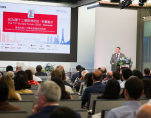
At MWC IoT Summit 2026 in Shanghai, Jean-Louis Carrara, SVP Global Sales at Kigen, delivered a keynote that reframed this challenge as an inflection point. The message was clear: the era of voluntary security is over, and the manufacturers who recognise this first will define the competitive landscape for the decade ahead.

The Regulation That Changes Everything

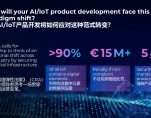
The EU Cyber Resilience Act (CRA) is the most significant cybersecurity legislation ever enacted. It covers more than 90% of all IoT products containing digital elements — sensors, gateways, industrial equipment, consumer devices. If it connects, it is covered.

Manufacturers must now provide security updates across a five-year product lifecycle, report confirmed security incidents within 72 hours, and demonstrate security by design from the earliest stages of product development. Non-compliance carries penalties of up to €15 million, or 2.5% of global annual turnover.

Documentation requirements and vulnerability management obligations are already in force from September 2026. For any product in development today — any product planned for market entry in 2027 — compliance is not a future consideration. It is a present one.

“Security is no longer a cost to be minimised. It is an investment in market access, competitive standing, and long-term resilience.”

Speaking at MWCShanghai, Mr Jean-Louis Carrara, SVP of Kigen presented the challenge for industry leadership in electronics exports and pragmatic, cost-effective interventions immediately available.

Market Access as Competitive Advantage

Independent analysis puts the average cost of CRA compliance at approximately €100,000 per product line. Against a potential penalty exposure of €15 million, the arithmetic is straightforward. But Carrara pressed further: as the compliance threshold rises, EU market access becomes selectively available — a structural advantage for those who are ready.

This is the reframe that matters. Security is not a constraint on speed to market. It is the enabler of access to the world’s most demanding — and most rewarding — markets.

Proof at Scale — and Under Pressure

Kigen’s eSIM technology operates across more than 250 terrestrial and satellite networks worldwide. Hundreds of millions of devices. Decades of real-world hardening. But scale, Carrara argued, is not the same as trust.

Trust is demonstrated when the stakes are highest. When significant vulnerabilities were identified in eSIM frameworks used across the industry, Kigen responded within 72 hours — developing and sharing a patch openly, without paywalls, in full coordination with the GSMA and in alignment with ENISA disclosure guidelines.

“We did not wait for regulation to demand it,” Carrara said. “We acted because it was right — and because the industry’s security is only as strong as its weakest point. Our actions supported the coordinated response to develop countermeasures and mitigate the risks and we continue to collaborate on furthering these by contributing back through GSMA and other standards bodies. With certified eSIMs now carrying capabilities to patch, the tools are available for the mandates OEMs must meet on cybersecurity – readily, with our expertise.”

The Platform Already Built

Kigen’s platform delivers autonomous over-the-air security updates — deployable across an entire installed fleet without physical intervention. Native IoT profile management enables secure provisioning at manufacturing scale. Proven interoperability across the global operator ecosystem ensures devices function wherever customers need them.

Kigen also chairs the GSMA eSIM Working Group, actively advancing standards that raise the security floor for the entire industry — not to hold competitive advantage, but to make the ecosystem stronger for everyone.

The Convergence Moment

AI is transforming manufacturing. Advanced connectivity is extending that transformation to every point on the globe. And regulatory-grade security is the condition that makes all of it trustworthy. These forces are converging — and the window for first-mover advantage is open.

The imperative to build every capability in-house belongs to a previous era. The manufacturers who will define this decade are those who identify where deep, specialised expertise already exists — and accelerate their path to market by partnering with it.

“This is a once-in-a-generation opportunity to establish security correctly — at the foundation, with lasting effect.”

The regulatory framework is clear. The technical capability is proven. Trust, at scale, is a durable advantage.

Hashtag: #Kigen #eSIM #MWC #CRA


Wechat: KigenChina

The issuer is solely responsible for the content of this announcement.

Kigen (UK) Limited

Kigen is the forerunner in secure eSIM and RSP solutions, enabling manufacturers to adopt and scale cellular IoT with ease. Our award-winning solutions are certified to GSMA eSA (eUICC Security Assurance) and SAS (Security Accreditation Scheme) standards—the highest levels of security assurance in the industry. Our technology delivers freedom to choose from 200+ terrestrial and satellite networks, compliant to EU and China cybersecurity and data regulations for export products, with proven interoperability on leading chipsets and modules.

Backed by Arm, SoftBank Vision Fund 2, SBI Group and Salica Investments, Kigen is trusted by leading global brands in consumer electronics, energy, automotive, logistics, and industrial automation.

Learn more at or follow @kigen for #FutureofSIM matters on LinkedIn.

Dubai will host the second edition of the World Sports Summit on 28 and 29 December 2026, bringing together leading athletes, administrators, investors and decision-makers for a two-day forum aimed at shaping the next phase of the global sports industry. The event will be held under the patronage of H. H. Sheikh Hamdan bin Mohammed bin Rashid Al Maktoum, Crown Prince of Dubai, Deputy Prime Minister, Minister […]

BANGKOK, THAILAND – Media OutReach Newswire – 25 June 2026 – SCG, ASEAN’s leading low-carbon cement manufacturer, co-hosted Cemtech ASIA 2026, a world-class conference and exhibition for the global cement sector held from June 14 to 17, 2026. Driven by a shared commitment to accelerating low-carbon transition and achieving Net Zero goals, industry executives and experts from across the world gathered to explore breakthrough innovations, expand business networks amidst global challenges, and navigate sustainable business transformations in response to tightening environmental regulations and resource conservation demands.

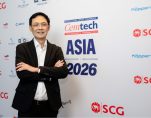
Mr. Surachai Nimlaor, President of SCG Cement and Green Solutions

At Cemtech Asia 2026, SCG demonstrated its commitment to advancing the cement industry through tangible low-carbon cement innovations. Mr. Surachai Nimlaor, President of SCG Cement and Green Solutions, stated:

“As the region’s leader in the low-carbon cement industry, SCG is dedicated to developing breakthrough innovations that minimize resource consumption and maximize eco-friendliness. By steadily reducing carbon dioxide emissions, we directly address the evolving demands and adaptation challenges of the construction industry across ASEAN and global markets.”

Alongside showcasing its cutting-edge LC3 low-carbon cement prototype at the exhibition, SCG hosted an exclusive site visit to its Ta Luang Cement Plant in Saraburi Province for global delegates. Key highlights of the showcase and tour included:

  • SCG LC3 Structural Cement: Developed from limestone, calcined clay, and specialized additives, this next-generation low-carbon cement reduces CO2 emissions by up to 30–40%. Its production process incorporates up to 40% biomass alternative fuels (such as rice husks and straw) and over 35% renewable energy. This is achieved without compromising any product performance or structural integrity, with its environmental performance independently verified through an Environmental Product Declaration (EPD).
  • Rondo Heat Battery: SCG has pioneered ASEAN’s first installation of the Rondo Heat Battery at the Ta Luang Cement Plant. Developed in collaboration with Rondo Energy, this breakthrough thermal energy storage solution converts intermittent renewable power into high-temperature thermal energy, storing it at up to 1,500°C in thermal media. With an exceptional energy recovery efficiency of up to 97% and a lifespan exceeding 40 years, the system provides a continuous 24/7 supply of clean heat, supporting the decarbonization of industrial manufacturing processes.
  • Refractory Solutions by The Siam Refractory Industry Co., Ltd. (SRIC): As a leading global refractory solutions provider, SRIC showcased its advanced technologies and innovative solutions designed to enhance operational efficiency, reliability, and sustainability, including:
    1. Anti-Hydration Brick: The world’s first Anti-Hydration brick, extending shelf life from 6 to 24 months. This breakthrough innovation helps minimize material degradation, reduce production downtime, and improve overall operational efficiency.
    2. Thermal Media for Heat Battery: Co-developed with Rondo Energy, these high-performance heat storage blocks deliver up to 97% thermal efficiency, enabling reliable 24-hour energy availability and supporting the transition toward cleaner industrial energy solutions.
      • Solar Floating: Installed at the Ta Luang Cement Plant, this floating solar array generates 16.6 million kWh of clean electricity annually, cutting greenhouse gas emissions by over 8,000 tons of CO₂ equivalent per year. By repurposing the plant’s industrial reservoirs, the system optimizes resource efficiency and highlights SCG’s integration of green energy into heavy industry.

As co-host of Cemtech ASIA 2026, SCG reaffirmed its role as a trusted industry leader on the global stage. The event served as a major catalyst for expanding business networks and facilitating high-level technology and knowledge exchanges with world-class industry players. Moving forward, SCG is dedicated to cultivating global alliances to propel Thailand’s cement industry toward a Net Zero pathway, solidifying its position as ASEAN’s cement leader.

Watch the video:

CEMTECH ASIA 2026 | SCG Driving ASEAN’s Cement Industry Towards Net Zero

https://youtu.be/wCvSYeumGLY?si=nFle1kClP8sYR9z3

Hashtag: #SCG

The issuer is solely responsible for the content of this announcement.

Singapore’s push to embed artificial intelligence across business is moving from operational efficiency to the boardroom, forcing companies to confront a harder question: how far can machines assist corporate leadership before accountability becomes blurred?

The debate has sharpened as enterprises test AI systems for strategy modelling, risk alerts, market forecasting, compliance reviews and scenario planning. These tools promise faster decisions and broader analysis, but they also raise questions over directors’ duties, audit trails and responsibility when algorithmic advice shapes corporate choices.

Singapore has positioned itself as one of Asia’s most active AI governance centres, combining public investment, industry adoption programmes and voluntary frameworks rather than sweeping legislation. The approach is designed to encourage innovation while keeping human accountability at the centre of AI deployment. That balance is now being tested as companies examine whether AI can move beyond back-office functions and become a structured part of board deliberations.

The issue has gained urgency because AI systems are no longer limited to producing summaries or automating routine workflows. Newer agentic AI tools can plan tasks, reason across data, trigger actions and interact with software systems with limited human intervention. For corporate boards, such capability creates both opportunity and exposure. A system that can flag liquidity pressure, supply-chain disruption or reputational risk may improve oversight. A system that gives flawed recommendations based on incomplete data, hidden bias or weak assumptions may deepen governance failures.

Singapore’s corporate law framework continues to place responsibility on human directors. Directors are expected to act honestly, use reasonable diligence and discharge their duties in the company’s interests. That obligation does not shift to software vendors, consultants or internal AI teams merely because a board relied on machine-generated analysis. If directors accept AI output without challenge, the legal and reputational risk remains with the board.

Regulators have therefore focused on controls rather than replacement. Financial institutions already face sharper expectations because AI is being used in credit, insurance, fraud detection, wealth management and customer engagement. The fairness, ethics, accountability and transparency principles promoted for data-driven finance have helped shape how firms assess AI systems, particularly where customer outcomes may be affected. Proposed AI risk-management guidance for the sector points towards stronger board oversight, model governance, validation, monitoring and escalation procedures.

For non-financial companies, the same discipline is becoming harder to avoid. Listed companies must show that boards oversee strategy, risk and management performance. As AI begins to influence capital allocation, workforce planning, cyber-risk management and mergers, directors may need to demonstrate that they understand what the tools can and cannot do. Board papers generated by AI may require clear labelling, version control and records of the human judgement applied before decisions are approved.

The government’s wider AI strategy has added momentum. Singapore has refreshed national AI priorities, expanded support for enterprises and set out plans to help thousands of businesses adopt AI meaningfully. Public investment in AI research, computing capacity and talent is intended to strengthen national competitiveness, while partnerships with major technology firms are drawing more AI activity into the city-state.

Corporate leaders are watching these moves closely. Singapore’s appeal as a trusted business hub depends partly on whether it can offer companies a stable governance environment for AI adoption. The city-state has avoided a heavily prescriptive regime, preferring practical frameworks, testing tools and assurance mechanisms. That has helped businesses experiment, but it also means boards cannot simply wait for detailed rules before acting.

A growing concern is explainability. Board decisions often involve judgement under uncertainty, but directors must still be able to justify their reasoning. AI tools can generate polished recommendations without revealing how conclusions were reached or which data points carried the most weight. That creates problems for audit committees, external auditors and regulators when a decision later comes under scrutiny.

Another risk is over-reliance. Directors may treat AI output as neutral because it appears data-driven, even when the underlying model reflects skewed training data, weak prompts or commercial assumptions built by vendors. Smaller enterprises face an added challenge because they may lack internal expertise to test systems independently. For them, AI adoption can depend heavily on third-party products whose limitations are not always clear.

Singapore’s emerging answer is likely to rest on disclosure, assurance and accountability. AI “nutrition labels” under discussion would help users understand intended uses and limitations of AI products. Testing frameworks and accredited evaluation bodies could make it easier for companies to compare tools and identify risks before deployment. These measures would not remove directors’ obligations, but they could give boards a clearer basis for responsible adoption.

By K Raveendran The new FCRA rules may look like an administrative tightening of India’s foreign funding regime, but their political effect is likely to be far larger than their legal wording suggests. On paper, the framework is simple: organisations receiving foreign donations must be more precise about what they do, where they operate, and […]

The article Strained Atmosphere Adds To Suspicion About New FCRA Rule Changes appeared first on Latest India news, analysis and reports on Newspack by India Press Agency).

Electronic Arts is pushing artificial intelligence deeper into its game development pipeline as senior executive Laura Miele said the technology is already helping its studios move faster and sharpen creative decisions by taking repetitive work out of production. Miele, president of EA Entertainment, Technology and Central Development, said AI tools had contributed to “a real rise of creativity” across the company’s teams by removing some of the […]

HONG KONG SAR – Media OutReach Newswire – 24 June 2026 – Paris VivaTech 2026, Europe’s largest startup and technology event, has successfully concluded. The Hong Kong Productivity Council (HKPC) led four top Hong Kong innovation and technology (I&T) enterprises in a strong showing, presenting Hong Kong’s cutting-edge technologies in emerging and future industries, including smart mobility, green technology, advanced manufacturing and the low-altitude economy, to global industry leaders, technology experts and investors from around the world. This year, the Hong Kong Trade Development Council (HKTDC), in partnership with the Hong Kong Economic and Trade Office in Brussels as a Strategic Partner, has set up the “Hong Kong Tech Pavilion”. As one of the supporting organisations, HKPC collaborated with various partners to collectively advance the growth of Hong Kong’s vibrant I&T ecosystem.

Through "The Cradle – Go Global Service Centre", HKPC actively empowers Chinese Mainland and Hong Kong enterprises to expand into global markets.
Through “The Cradle – Go Global Service Centre”, HKPC actively empowers Chinese Mainland and Hong Kong enterprises to expand into global markets.

As one of the members of the Hong Kong Special Administrative Region (HKSAR) Government’s GoGlobal Task Force, HKPC provides enterprises with “Six Tactics to Go Global” through “The Cradle – Go Global Service Centre” (The Cradle), delivering comprehensive going-global services spanning smart manufacturing, international standards and testing services, as well as technology R&D and evaluation. HKPC actively empowers both Chinese Mainland and Hong Kong enterprises to expand into global markets. Simultaneously, HKPC is actively enabling European and international enterprises to access the Chinese Mainland market through Hong Kong, fully building a seamless, two-way bridge that highlights Hong Kong’s unique strategic advantage as an indispensable “two-way springboard”.

Mr Yonghai DU, Chief Innovation Officer of HKPC, attended the Hong Kong Seminar-cum-Networking Reception, themed “Building Resilient Tech Ecosystems: Powering the Next Wave of International Tech Leadership from Hong Kong,” organised by the HKTDC, engaging in in-depth exchanges with global industry leaders to advance Hong Kong’s position as an international I&T centre connected to the global innovation ecosystem.

Empowering Local I&T Enterprises to Seize Global Business Opportunities, Deepening Two-way Collaboration Between the Chinese Mainland and Europe

Mr Yonghai DU, Chief Innovation Officer of HKPC, said: “As one of the world’s leading technology events, VivaTech serves as an exceptional gateway for Hong Kong’s I&T enterprises to step onto the international stage. HKPC continues to lead the industry in participating in prestigious exhibitions at home and abroad, showcasing Hong Kong’s R&D strengths in full. Hong Kong’s unique advantage in integrating with the world allows it to provide high-quality strategic support that helps Chinese Mainland and Hong Kong enterprises to ‘go global’, while also serving as a key ‘two-way springboard’ that helps outstanding European and international enterprises entre the Chinese Mainland market through Hong Kong. HKPC will continue its unique position as a bridge, driving complementary strengths and fostering mutually beneficial collaboration across regions.”

He added that since its establishment, “The Cradle” has received more than 500 expressions of interest and has provided over 300 projects with go global services, including preliminary assessments, smart manufacturing technologies, testing and certification, as well as on-site visits. Drawing on HKPC’s extensive experience in leading enterprises to go global, HKPC will continue to empower more I&T enterprises successfully expand overseas and tap into global markets.

Top-tier and Diverse I&T Achievements Make Their Debut, Shining on the European Tech Stage

The four participating Hong Kong I&T enterprises showcased a range of cutting-edge technology fields to the European market at the “Hong Kong Tech Pavilion”, including Asgard Group Limited, specialising in smart energy and EV charging solutions; Laputa Eco-Construction Material Company Ltd, which develops sustainable construction technology, specialising in carbon capture and utilisation technologies; Oriental Materials Hong Kong Limited, which focuses on advanced manufacturing and manufacturing of semiconductor equipment; and Harmony SkyTech Limited, which specialises in the low-altitude economy and unmanned systems.

Representatives from all four I&T enterprises agreed that their participation helped them tap into cross-regional business opportunities, making a significant landmark for Hong Kong’s I&T sector, while HKPC’s “The Cradle” provided indispensable professional team support, helping them align precisely with international technical standards and localise their products, serving as a solid backing for their cross-regional expansion and rapid entry onto the international stage.
Hashtag: #HKPC

The issuer is solely responsible for the content of this announcement.

About Hong Kong Productivity Council

The Hong Kong Productivity Council (HKPC) is a statutory body established in 1967, dedicated to enhancing the productivity and competitiveness of Hong Kong enterprises through world-class applied R&D, innovative technology services, and integrated manufacturing solutions. As a market-oriented, international R&D organisation, HKPC leverages its deep expertise and extensive industry experience in key areas such as AI, advanced manufacturing, life and health technology, green technology and new energy to drive new industrialisation and support the growth of emerging and future industries.

HKPC focuses on addressing businesses challenges and industrial technology needs, promoting the full integration between technological and industrial innovation. Through technology transfer, product innovation, intellectual property protection and commercialisation of R&D outcomes, the Council fosters collaboration with the local business community as well as top global R&D institutions, delivering added value to industries and advancing the development of new productive forces. HKPC’s world-class R&D achievements have been widely recognised over the years, winning an array of local and overseas accolades, reinforcing Hong Kong’s role as an international innovation and technology centre and a smart city.

To help enterprises capitalise on Hong Kong’s strengths in international connectivity to expand into global markets, HKPC offers comprehensive overseas expansion services tailored to critical areas including product development, technology, manufacturing, and management, enabling businesses to successfully go global from Hong Kong.

HKPC is also committed to providing timely and practical support to SMEs and startups with timely and practical , assisting them in accessing Government funding programmes. Through its FutureSkills training initiatives, HKPC helps both industry and academia stay ahead in latest digital and STEM technologies, nurturing a future-ready talent pool for Hong Kong.

SINGAPORE – Media OutReach Newswire – 24 June 2026 – In a labour market shaped by rapid industry transformation and evolving skills demands, the link between higher education and employment outcomes has become a key consideration for students and families evaluating their education pathways.

In Singapore today, employability is no longer defined by academic achievement alone. Employers are looking for graduates who can apply knowledge in real workplace settings, work across cultures, adapt to new technologies and continue learning as industries evolve. This is especially relevant as Singapore’s labour market continues to move towards growth areas such as digitalisation, technology, sustainability, healthcare, business transformation and professional services.

Against this backdrop, Singapore Institute of Management Global Education, or SIM GE, continues to strengthen its role as a private education institution that prepares learners for the demands of today’s workplace and the opportunities of tomorrow’s economy.

Employability begins with industry relevance
For prospective students, one of the biggest considerations when choosing a higher education pathway is whether their studies will remain relevant by the time they graduate. This is particularly important in a job market where roles are changing quickly and where employers increasingly value both technical capability and transferable workplace skills.

SIM GE addresses this by offering a broad range of academic programmes through partnerships with reputable universities from Australia, Europe, the United Kingdom and the United States. These programmes span disciplines such as business, computing, social sciences, aviation, nursing and other applied fields, giving students access to international curricula while studying in Singapore.

This global education model is particularly relevant for Singapore’s open economy. Graduates entering the workforce are expected to understand local business realities while being able to operate in regional and international contexts. By learning from local and international faculty, and studying alongside peers from diverse backgrounds, SIM students are exposed to global perspectives that can support their workplace readiness.

Career support that connects learning to work
Employability also depends on how students translate classroom learning into career action. At SIM GE, career preparation is supported through Career Connect, which provides career workshops, career guidance, résumé reviews, mock interviews, profiling support, internship and job opportunities, as well as career events such as company visits, networking sessions, career talks and fairs.

This structured support is important because many students do not only need a qualification, they also need guidance in understanding industries, articulating their strengths, preparing for interviews and building professional networks. These practical areas can influence how confidently graduates enter the job market.

Through CareerSense, SIM students can also access an integrated online platform to browse and apply for internships, jobs and career events. This helps students take a more proactive approach to career planning while creating a clearer bridge between academic life and employment opportunities.

Real world exposure through internships and traineeships
One of the strongest contributors to graduate employability is exposure to work before graduation. Internships allow students to understand workplace expectations, test their skills in real business scenarios and build confidence before entering full time employment. SIM GE supports this through internships with a range of employers, from SMEs to multinational corporations. Its Work Integrated Learning for Life initiatives and internship related awards further encourage students to gain practical experience and develop holistically across cognitive, interpersonal and applied skills.

For fresh graduates, SIM’s Graduate Traineeship Programme provides structured traineeship opportunities across industries, typically lasting three to six months. The programme is designed to help graduates gain hands on experience, build workplace confidence and develop industry relevant capabilities as they transition into full time employment. This emphasis on work exposure responds directly to a key concern among prospective students, which is whether they will be ready for employment after graduation. By combining academic learning with career guidance, internships and traineeships, SIM GE helps students build not only credentials but also workplace familiarity.

The value of practical exposure is reflected in the experience of Keisha Shevila, a SIM-University of Wollongong Computer Science graduate who secured a Software Engineer role before completing her degree. In sharing her journey, she credited Career Connect with helping her better understand the job search process and preparing her “more confidently for entering the workforce”.

Building future ready graduates through skills and adaptability
The future of work is increasingly shaped by AI, automation, sustainability and cross functional collaboration. In this environment, students need more than role specific knowledge. They need adaptability, communication skills, critical thinking, creativity, cultural awareness and the confidence to keep learning.

SIM GE’s broader student experience supports this development. Beyond academic programmes, students can participate in more than 70 student clubs and co-curricular activities that build leadership, communication and teamwork skills. The EDGE Award, developed in partnership with employers, recognises students’ cumulative achievements across their learning journey and encourages a more holistic approach to personal and professional growth.

SIM GE’s diverse learning environment also plays an important role. With students from more than 50 nationalities, the campus experience provides opportunities for cultural exchange, collaboration and global awareness. These are qualities that are increasingly valuable in multinational and regional workplaces.

Aligning with Singapore’s skills first economy
Singapore’s workforce strategy continues to place strong emphasis on skills, lifelong learning and adaptability. National reports and government agencies have highlighted rising demand in areas linked to the digital, green and care economies, as well as the importance of AI literacy and transferable skills. This makes higher education choices more consequential. Prospective students are not simply choosing a programme. They are choosing a platform for long term career resilience.

SIM GE’s approach aligns with this direction by combining academic pathways, global university partnerships, employability support, industry exposure and continuous skills development. Its graduate outcomes also reflect this emphasis, with SIM reporting a secured employment rate of 81 per cent based on the Private Education Institution Graduate Employment Survey 2024/2025.

Preparing graduates for Singapore today and tomorrow
Employability in Singapore today is shaped by industry relevance, practical exposure and future ready skills. SIM GE’s proposition sits at the intersection of these priorities. For students, this means access to internationally recognised academic pathways, career services, internships, traineeships, employer engagement, student development opportunities and a diverse campus environment. For employers, it means a pool of graduates who have been encouraged to build both knowledge and workplace ready capabilities.

As prospective students consider their higher learning options, the question is no longer only what they can study. It is also how that education will prepare them for the future of work. For SIM GE graduates, the answer lies in an education experience designed not only to support academic achievement but also to develop employable, adaptable and globally minded individuals ready to contribute to Singapore’s evolving economy.

References

  1. The SIM Advantage – https://www.sim.edu.sg/degrees-diplomas/sim-global-education/sim-advantage
  2. SIM Career Services – https://www.sim.edu.sg/degrees-diplomas/life-at-sim/career-services
  3. Achieving the three “Beyond” at individual, industry and institutional levels: Minister Chan Chun Sing at the inaugural SIM Future of Work Series – https://www.sim.edu.sg/news-events/achieving-the-three-beyonds-at-individual-industry-and-institutional-levels
  4. How One International Student Graduated Career-Ready: Keisha Shevila’s Journey at SIM – https://www.sim.edu.sg/articles-inspirations/how-one-international-student-graduated-career-ready-keisha-shevila-journey-at-sim
  5. Job Vacancies 2025: Labour demand gradually shifting to growth areas as firms adjust hiring plans – https://www.mom.gov.sg/newsroom/press-releases/2026/0320-job-vacancies-report-2025
  6. Opening Address by Ms Gan Siow Huang, Minister of State, Ministry of Education for the Launch of the Skills Demand for the Future Economy Report 2025, Marina Bay Sands Expo and Convention Centre – https://www.moe.gov.sg/news/speeches/20250122-opening-address-by-ms-gan-siow-huang-minister-of-state-ministry-of-education-for-the-launch-of-the-skills-demand-for-the-future-economy-report-2025-marina-bay-sands-expo-and-convention-centre
  7. SDFE 2025 report – https://jobsandskills.skillsfuture.gov.sg/sdfe-2025

Hashtag: #SIMGlobalEducation #SIMGE #GlobalEducation #InternationalDegree #CareerReady #FutureSkills

The issuer is solely responsible for the content of this announcement.

About SIM Global Education

SIM Global Education (SIM GE) is a leading private education institution in Singapore and the region. We offer more than 140 academic programmes ranging from diplomas and graduate diploma programmes to bachelor’s and master’s degree programmes with some of the world’s most reputable universities from Australia, Canada, Europe, United Kingdom, and the United States. SIM GE’s cohort is made up of 17,000 full- and part-time students and adult learners, of which approximately 41% are international students hailing from over 50 countries.

SIM GE’s holistic learning approach and culturally diverse learning environment aim to equip students with knowledge, industry skills and employability competencies, as well as a global perspective to succeed as future leaders in a fast-changing, technologically driven world.

For more information on SIM Global Education, visit

Uber Technologies’ directors and senior management have been sued by shareholders who allege the company failed to respond adequately to warnings about sexual abuse by drivers, opening a new governance front in the ride-hailing group’s long-running safety litigation. The derivative lawsuit, filed in federal court in San Francisco, accuses the board and executives of breaching their duties by allowing compliance lapses to persist despite internal and external […]

By Nitya Chakraborty The opposition INDIA bloc which completed its three years on June 23 is passing through a critical period when the very foundation of this alliance, the strong regional parties, are shattered by defections and splits backed by the ruling party BJP. Mamata Banerjee who gave the name of the alliance at the […]

The article Three Years After Founding, INDIA Bloc Is Facing Uncertainty On Its Future appeared first on Latest India news, analysis and reports on Newspack by India Press Agency).

XRP slipped towards the lower end of its three-week trading band as weak turnover, softer derivatives positioning and fading momentum left traders focused on the $1.05-$1.10 support zone as the market’s decisive near-term test. The token traded near $1.10 on Tuesday, down about 3 per cent over 24 hours and more than 10 per cent over the week, with its market value hovering around $68 billion to […]

HONG KONG SAR – Media OutReach Newswire – 22 June 2026 – AS Watson Group has launched AS Watson brand lab, a data-driven brand creation and scaling platform designed to systematically identify, develop, and grow brands across its global retail ecosystem. Built on the company’s integrated O+O (Offline plus Online) capabilities, extensive distribution network, and deep consumer insight from over 180 million loyalty members, the platform transforms how brands are brought to market – enabling both the creation of new propositions and the rapid scaling of brands across multiple markets with speed, discipline and consistency.

AS Watson Launches brand lab to Turn Retail Scale into a Data-driven Brand Growth Engine

The initiative formalises capabilities the Group has been building internally, combining data-led demand identification, integrated distribution, and execution across more than 17,000 O+O stores in Asia and Europe.

Over the past two years, AS Watson has introduced more than 4,800 new brands and brand extensions across its network, underscoring the scale of its brand development activity.

From Incubation to Execution

AS Watson brand lab departs from traditional incubator models by embedding brand development directly within AS Watson’s retail ecosystem.

Rather than incubating brands ahead of their market entry, the platform operates inside the market, using real-time customer data, shopping behaviour and category dynamics to inform development decisions.

Dr Malina Ngai, Group CEO of AS Watson, said the model reflects the company’s structural advantage. “We don’t wait for brands to find the market – we build them where demand already exists, and scale them through our ecosystem.”

A Systemised Growth Model

At the core of AS Watson brand lab is an integrated operating model linking insight, creation, distribution, demand activation and scaling.

The platform leverages AS Watson’s over 180 million loyalty members and O+O capabilities to accelerate brand selection and commercial execution.

A Structured Pathway to Scale

Brands within AS Watson brand lab are supported through a structured growth pathway, progressing from early-stage validation to regional scaling and category leadership.

At each stage, brands receive differentiated support across insight, distribution, marketing activation and investment, ensuring resources are focused where the greatest growth potential exists.

This staged approach enables AS Watson to systematically build, scale and prioritise brands, improving success rates while maintaining disciplined capital allocation.

Focus on High-Growth Segments

AS Watson brand lab will prioritise product segments including Asian beauty trends (K-beauty, J-beauty, C-beauty), ingredient-led skincare, health and wellness products and elevated personal care – areas where consumer demand continues to evolve rapidly.

The Group expects the platform to strengthen its ability to build proprietary and exclusive brands while improving speed-to-market and capital efficiency.

Proven Brand Scaling in Action

Early outcomes demonstrate how AS Watson brand lab translates insight into accelerated growth – not only by shaping brand development, but by scaling brands rapidly across markets through its integrated O+O ecosystem.

Across multiple categories and geographies, the platform has enabled brands to move from targeted market entry to multi-market expansion with speed and discipline:

COSRX (K-Beauty)– By combining COSRX’s innovation-led skincare expertise with
AS Watson’s extensive retail footprint and deep consumer insights, the partnership has accelerated international expansion and broadened consumer reach. This illustrates how the platform converts strong brand propositions into sustained category growth across markets.

&honey (J-Beauty) – Leveraging its distinctive product positioning alongside
AS Watson’s regional scale, &honey rapidly expanded beyond its home market, rolling out across multiple Asian markets within a short timeframe. This demonstrates the platform’s ability to systematically scale proven domestic leaders into regional brands.

e.l.f. Cosmetics (US) – Through partnership with AS Watson, e.l.f. has extended its community-led, value-driven model across Europe, translating strong brand engagement into measurable market penetration. The example highlights how consumer-centric brands can be amplified through local market execution at scale.

essence (Germany) – The expansion of essence across multiple markets, including exclusive partnerships, reflects how purpose-driven brands can achieve consistency and reach when supported by integrated distribution and retail insight. This underscores the platform’s ability to build sustained brand relevance and loyalty across diverse markets.

Across these examples, brands have scaled through a consistent model – combining data-led selection, integrated distribution, and coordinated market execution – demonstrating how AS Watson brand lab functions as a repeatable engine for brand growth, from market entry through to regional scale.

Scaling a Repeatable Engine

AS Watson brand lab positions AS Watson to leverage its retail footprint not only as a distribution channel, but as an engine for brand creation and scaling.

The initiative signals a shift from opportunistic brand sourcing towards a structured, repeatable growth model, reinforcing AS Watson’s ability to scale brands with speed, discipline and consistency while driving long-term portfolio value.

AS Watson continues to engage with selected brand partners and emerging brands aligned with its focus areas, with further information available through its official
AS Watson brand lab platform (https://www.aswatson.com/asw-brand-lab)

Hashtag: #ASWatson

The issuer is solely responsible for the content of this announcement.

About AS Watson Group

Established in 1841, AS Watson Group is one of the world’s longest-standing and most recognised retail companies with roots in Asia. Today, the company operates over 17,000 stores across 12 retail brands in 31 markets, employing 130,000 people globally. This makes AS Watson Group the largest international health and beauty retailer in the world.

In the fiscal year 2025, AS Watson Group reported revenue of over US$26 billion. The company’s technology-enabled O+O (Offline plus Online) platforms serve over 6 billion shoppers annually, seamlessly integrating physical and digital retail experiences.

AS Watson Group supported over 180 charitable and non-profit organisations every year, dedicating over 40,000 hours of volunteer work to serve over 370,000 people in need in our operating markets.

AS Watson Group is also a member of the world-renowned multinational conglomerate CK Hutchison Holdings Limited, which has four core businesses – ports and related services, retail, infrastructure and telecommunications in over 50 countries.

Please visit for more information.

Keir Starmer has said he will resign as prime minister, triggering a Labour leadership contest and setting Britain on course for its seventh head of government since the 2016 Brexit referendum. Starmer announced on Monday, June 22, that he would oversee an orderly transfer of power and remain in Downing Street until Labour chooses a successor, expected by September. His decision ends a premiership that began with […]

  • 18% of Hong Kong workers using AI are the most advanced group known as Frontier Professionals, higher than the global average at 16%
  • Just 19% Hong Kong AI users say leadership is clearly and consistently aligned on AI, and only 10% say they’re rewarded for reinvention even when results aren’t immediate
  • Organizational factors such as culture, manager support, and talent practices drive 2x more AI impact than individual factors alone
  • Microsoft is also announcing the launch of Copilot Cowork, bringing multi-model capabilities to help organizations close the gap between AI adoption and how work is designed by enabling end-to-end, multi-step workflows

HONG KONG SAR – Media OutReach Newswire – 22 June 2026 – Hong Kong employees are moving faster than their organizations when it comes to using AI, creating a growing gap between AI adoption and how work is actually designed, according to Microsoft’s 2026 Work Trend Index. The research warns of a “Transformation Paradox”: while AI use is accelerating across the workforce—with more Frontier Professionals using agents for multi-step workflows and building multi-agent systems, leadership alignment, culture, and operating models are not evolving at the same pace, limiting impact and increasing pressure on employees.

The 2026 Work Trend Index draws on analysis of trillions of anonymized Microsoft 365 productivity signals, combined with survey insights from AI users and perspectives from experts in AI, work, and organizational psychology. The conclusion is consistent: the constraint is no longer what people can do, but how work is structured around them.

  • AI is lifting output but not yet transforming organizations. The data shows that AI is already raising the ceiling on individual performance in Hong Kong. A privacy-preserving analysis of more than 100,000 chats in Microsoft 365 Copilot shows that 49% of all conversations support cognitive work—helping workers analyze information, solve problems, evaluate and think creatively. This shift is visible in outcomes: 57% of AI users in Hong Kong say they are producing work they could not have a year ago, rising to 73% among Frontier Professionals, the most advanced AI users in the research.
  • The Transformation Paradox reflects the need for systemic change, with the gap more pronounced in Hong Kong than globally. 75% of Hong Kong AI users fear falling behind if they do not adapt quickly, yet 57% say it feels safer to focus on current goals than to redesign work with AI. [i] At the same time, only 19% say their leadership is clearly and consistently aligned on AI, and just 10% say they are rewarded for reinventing work with AI even when results are not immediate, revealing a widening gap between individual adoption and organizational change. [ii]
  • As AI and agents take on more execution, human value is shifting rather than diminishing. When asked which skills matter most as AI becomes more embedded in work, Hong Kong AI users ranked quality control of AI output (48%) and critical thinking (42%) at the top, underscoring that AI is redesigning work, not replacing people.

From Using AI to Being Frontier Professionals Who Refuse to Outsource Thinking
The Work Trend Index identifies the rise of Frontier Firms—organizations that deliberately rebuild their operating models around human‑agent collaboration, rather than layering AI onto existing ways of working.

Realizing this shift requires transformation at both the individual and organizational level. The research outlines four modes of human-AI collaboration to help employees take the first step toward becoming Frontier Professionals, before progressing to designing agentic workflows:

  • Delegate execution—Employees hand off routine or repeatable tasks to AI to gain speed and scale, while retaining responsibility for the outcome.
  • Ask for information—Employees turn to AI for context, clarification, or insight when they need to quickly get up to speed.
  • Collaborate on reasoning—People work alongside AI to analyze information, test ideas, and solve problems, using AI as a thought partner rather than a shortcut.
  • Explore new possibilities—AI is used to explore open‑ended questions, reframe problems, and surface options when the path forward is not yet clear.

These patterns matter because Frontier Firms do not aim to maximize AI use everywhere. Instead, they intentionally match the right level of human involvement to the outcome, enabling speed without sacrificing quality or accountability.

Leadership and Culture Are the Real Multipliers
The research makes clear that technology alone is not the differentiator, but by how organizations lead, operate, and evolve. Organizational factors, including culture, manager support, and talent practices, account for more than twice the AI impact of individual mindset and behavior. In Hong Kong, Frontier Professionals are significantly more likely to say their managers set clear quality standards for AI work[iii], create space for experimentation[iv], and encourage more ambitious redesign of work[v].

“This is the Transformation Paradox facing Hong Kong today,” said Leo Liu, General Manager of Microsoft Hong Kong and Macau. “AI adoption is moving fast on the ground, but many organizations are still trying to fit it into old operating models. To unlock real value, leaders must move beyond pilots and productivity gains, and intentionally redesign how work gets done—how teams collaborate, how managers lead, and how success is measured.”

Microsoft is also announcing the launch of Copilot Cowork, designed to support this shift toward workflow redesign. Built on Microsoft’s multi-model approach, this agentic system enables long-running tasks across multiple tools, with usage-based pricing, cost management, and governance capabilities to balance quality, performance, and cost, and helps organizations run complex workflows more efficiently at scale.

Microsoft brings this perspective as Customer Zero, applying the same principles internally to redesign workflows, build human‑agent teams, and embed continuous learning into everyday work. Using Copilot Studio and Microsoft Foundry, Microsoft transformed its “Ask Microsoft” web agent from a standalone chatbot into a multi‑agent system that routes conversations more effectively and supports more dynamic, context‑aware interactions. This shift improves how customer intent is understood and addressed, while steering queries to the right resources or teams and allowing sales to focus on higher‑value, high‑intent engagement.

The solution delivered measurable business impact across customer engagement and operational efficiency, achieving up to 61% lower response latency and 70% fewer human escalations. Users who engaged with the agent were 10 times more likely to sign up for services and drove a 16% increase in product trial initiations.

“Inside Microsoft, we’ve learned that AI transformation is not a tooling exercise. It’s an operating model shift,” said Lorraine Bardeen, Corporate Vice President, MCAPS AI Transformation, Microsoft. “When leaders clarify how humans and agents work together, set standards for quality and judgment, and create room to experiment, organizations move faster and learn faster. That’s what separates Frontier Firms from everyone else.”

“We are entering a new era of work, where the traditional value formula is being rewritten,” said Nancy Wang, Head of LinkedIn Greater China. “We call it the ‘new math of work’—a concept introduced in LinkedIn’s new book, Open to Work. The people and organizations that emerge strongest will be those who use the time freed up by AI to build work around what’s actually harder to automate—the specific, contextual, human judgment that no tool can fully replicate, because no tool has lived what you’ve lived or knows what you know.”

The message of the 2026 Work Trend Index is clear: access to AI will soon be table stakes. How work is designed around it will define the next generation of competitive advantage for Hong Kong organizations. For more insights, read the 2026 Work Trend Index Report.


[i] A higher share of AI users in Hong Kong are Frontier Professionals (18% vs. 16% globally), reflecting talent readiness. However, despite greater pressure to adapt to AI (75% vs. 65% globally), day-to-day demands often take precedence, with more in Hong Kong choosing to prioritize current goals over redesigning work with AI (57% vs. 45% globally).

[ii] This pattern is closely linked to limited organizational support. Only 19% of Hong Kong AI users say their leadership is clearly and consistently aligned on AI (vs. 26% globally), and just 10% say they are rewarded for reinventing work with AI even without immediate results (vs. 13% globally). Without stronger top-down direction, support, and recognition, employees naturally default to the safer path.

[iii] 79% Frontier Professionals say their manager sets quality standards for AI work, compared with 59% of Non-Frontier Professionals.

[iv] 80% Frontier Professionals say their manager creates space for experimentation, compared with 61% of Non-Frontier Professionals.

[v] 81% Frontier Professionals say their manager encourages more ambitious work redesign, compared with 63% of Non-Frontier Professionals.

Hashtag: #Microsoft

The issuer is solely responsible for the content of this announcement.

About Microsoft

Microsoft (Nasdaq “MSFT” @microsoft) creates platforms and tools powered by AI to deliver innovative solutions that meet the evolving needs of our customers. The technology company is committed to making AI available broadly and doing so responsibly, with a mission to empower every person and every organization on the planet to achieve more.

Arabian Post Staff -Dubai Riyadh’s Institute of Public Administration has completed a Future-Proofed Leadership track with Harvard Business Impact, bringing senior officials from government and semi-government bodies into a programme designed to sharpen decision-making, institutional transformation and readiness for rapid policy and economic change. The track, concluded on 17 June through the IPA Business Center, forms part of a wider push to strengthen leadership capacity across public […]

VISHNU RAJA
RYO YAMADA
HITORI GOTOH
IKUYO KITA
Just in:
Fast Just Got Fastest: STING Energy Boost™ Celebrates Kimi Antonelli’s Formula 1® World Championship and the Fan Energy Behind It // OpenAI identifies 948 Linux privilege escalation flaws using AI // ADIA and partners establish $1.4 billion aviation venture // e-Crime Bureau Signs Cybersecurity Partnership With Smart Africa, Reinforcing Its Global Expansion // Utilities pursue ₹1,992 cr in unpaid bills // SC to examine students’ exam plea today // Xi Jinping Preparing For A Trilateral Summit With Trump And Putin At APEC Summit On Nov 18-19 // After Reaching 7 Million Users in the Philippines, Skyro Launches Transparent Cash Loans in Malaysia // Oil and chip shares retreat after Democratic victories // Ta’ziz finalises $1.39bn funding for Ruwais industrial facilities // UK air traffic outage inflicted £33m financial losses // Emirates Group records AED 4.1 billion half-year profit // TVM –Mangaluru Vande Bharat claims top spot // Millions Of Indians May Soon Be Deprived Of Government Assistance // Middle East governments assess Iran war after US vote // Hong Kong mandates crypto transaction disclosures to tax authorities // Meraas showcases five residential zones at Dubai Design Week // Cloudflare unveils Zero Wire vulnerability intelligence service // CR Longdation Aethereal Cybersecurity × Global Cybersecurity Alliance (GCSA) Join Hands to Establish the “AI and Cybersecurity Research Centre” // Trump’s Iran War Has A Share Of Contribution To His Midterm Debacle //