Just in:
Millions Of Indians May Soon Be Deprived Of Government Assistance // Kochi police detain two actors over bid to honey trap doctor // Utilities pursue ₹1,992 cr in unpaid bills // Trump’s Iran War Has A Share Of Contribution To His Midterm Debacle // CR Longdation Aethereal Cybersecurity × Global Cybersecurity Alliance (GCSA) Join Hands to Establish the “AI and Cybersecurity Research Centre” // The “1st Greater Bay Area Health and Longevity Summit & Awards Ceremony” concludes successfully in Macao // e-Crime Bureau Signs Cybersecurity Partnership With Smart Africa, Reinforcing Its Global Expansion // Meraas showcases five residential zones at Dubai Design Week // Middle East governments assess Iran war after US vote // OpenAI identifies 948 Linux privilege escalation flaws using AI // After Reaching 7 Million Users in the Philippines, Skyro Launches Transparent Cash Loans in Malaysia // UK air traffic outage inflicted £33m financial losses // Emirates Group records AED 4.1 billion half-year profit // SC to examine students’ exam plea today // Asia Left Behind: Ten international companies have yet to report delivering on their cage-free egg pledges across the region // ADIA and partners establish $1.4 billion aviation venture // APT29-linked campaign exploits outdated Apple and Android software // Fast Just Got Fastest: STING Energy Boost™ Celebrates Kimi Antonelli’s Formula 1® World Championship and the Fan Energy Behind It // Hong Kong mandates crypto transaction disclosures to tax authorities // Xi Jinping Preparing For A Trilateral Summit With Trump And Putin At APEC Summit On Nov 18-19 //

News related to
leadership

Avalonia UI has secured a €3 million sponsorship deal with Devolutions, the provider of Remote Desktop Manager, to boost the development of the Avalonia Accelerate suite over the next three years. This partnership aims to accelerate improvements in documentation, tooling, and core functionality, benefiting the entire Avalonia community. The alliance between Devolutions and Avalonia arrives as the latter seeks new means to sustain its open‑source framework while delivering […]

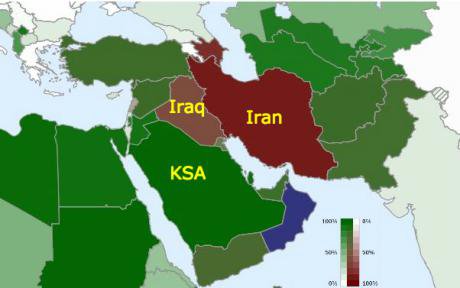
Israeli defence minister Israel Katz declared late on 24 June that he had ordered the Israel Defence Forces to resume “high‑intensity operations” against regime targets in central Tehran. The announcement followed allegations that Iran had launched missiles into Israeli territory, in what Tel Aviv described as a blatant breach of a United States‑mediated ceasefire unveiled just hours earlier by President Donald Trump.

Trump had proclaimed a “complete and total ceasefire” on Truth Social, explaining that Iran would halt strikes first, followed by Israel, in a phased arrangement ending after 24 hours. Within three hours of that declaration, Israel alleged that Iran launched missiles toward its southern regions, prompting Katz’s directive to strike key Iranian infrastructure.

Contradicting Israel’s account, Tehran’s ISNA student news agency denied firing any missiles post‑ceasefire. Iranian foreign minister Abbas Araghchi had earlier stated that Tehran would cease retaliatory actions—conditional on Israel halting operations by 04:00 Tehran time, a condition that purportedly lapsed minutes before hostilities were to pause.

President Trump, addressing the situation on social media, urged both nations to honour the agreement and warned against any violations, offering his oversight as guarantor of the pledge. His announcement followed the deployment of U.S. B‑2 bombers striking three Iranian nuclear sites, and a symbolic retaliatory missile strike from Iran against a U.S. base in Qatar—strikes reportedly calibrated to minimise escalation.

Despite conflicting claims, available evidence indicates a spike in missile exchanges. According to Reuters, Israel’s southern city of Beersheba was hit, resulting in at least four fatalities, while various townships experienced temporary power outages after sirens sounded across the region as Iranian missiles streaked overhead.

Tehran mourned significant civilian losses, with over 10 Israelis killed and more than 250 injured during Iran’s earlier onslaught, which included bombardments on central and southern Israeli regions. Meanwhile, Israel took credit for eliminating senior Iranian military personnel and striking strategic nuclear and missile infrastructure; Benjamin Netanyahu celebrated Israel’s success in degrading what he described as a dual existential threat posed by Iran’s capabilities.

Regionally, Qatar responded strongly, summoning Iran’s ambassador and condemning the attack on U.S. forces at Al Udeid Air Base as a violation of its sovereignty and international law. Saudi Arabia expressed hope that all parties would uphold the ceasefire and de‑escalate.

International markets reacted positively to the ceasefire’s initial announcement. Oil prices dropped, and equities rallied on optimism that the conflict in the Strait of Hormuz might ease—although the renewed strikes quickly revived fears of a wider conflagration.

Experts scrutinise the long‑term viability of the truce. Some analysts suggest installation damage to Iran’s nuclear programme may be reversible, with Iran’s leadership determined to rebuild. Others view the U.S. use of bunker‑buster bombs and Israel’s strategic targeting of Iranian deterrents as potential deterrents that may delay a rapid resurgence.

On the political front, Trump is leveraging the declared ceasefire as a foreign‑policy milestone ahead of an imminent NATO summit. Netanyahu affirmed Israel would respond forcefully to any violations. Tehran warned that its military exercise would persist unless the bombing ended, contending that it acted to “punish Israel for its aggression until the very last minute”.

As global attention turns to negotiations, Qatar’s mediation role and U.S. involvement loom large. The deal remains tentative, with both Israel and Iran accusing each other of breaking terms, and uncertainty surrounding whether Trump’s phased ceasefire timeline will endure.

HANOI, VIETNAM – Media OutReach Newswire – 23 June 2025 – With the invention of solar cells using Passivated Emitter and Rear Contact (PERC) technology, Prof. Martin Andrew Green from the University of New South Wales (Australia) and his team made a groundbreaking contribution to green energy production. Two years after receiving the 2023 VinFuture Grand Prize, he continues to push the boundaries of solar innovation, working […]

By Nantoo Banerjee It may be wrong to believe that Israel and the United States of America are the only two countries strongly against Iran’s bid to become a nuclear-armed country. The entire world is concerned about nuclear proliferation and nuclear smuggling and its falling into the wrong hands. The nature of the Iranian regime […]

OKX is considering a US initial public offering following its April relaunch in America, which came after the exchange paid a total of $505 million to settle Department of Justice charges for operating without a money-transmitting licence. The settlement comprised an $84 million fine and the forfeiture of $421 million in earnings, predominantly drawn from institutional activity.

The Seychelles-based platform formally pleaded guilty to US anti‑money‑laundering and Know Your Customer deficiencies, marking a significant compliance turnaround. Its re-entry strategy included appointing Roshan Robert, former Barclays director, as its US CEO and establishing a regional headquarters in San Jose, California. The focus is on a phased rollout of a centralised exchange and the OKX Wallet, which supports 130 blockchains and a DEX aggregator with access to more than 10 million tokens.

Insiders suggest that buoyed by regained US compliance and growing user demand, OKX is now assessing an IPO as early as the first quarter of 2026. Such a move would mark its shift from a privately held crypto entity to a publicly accountable company, increasing transparency and potentially assuring investors and regulators alike of its commitment to best practice.

Industry observers note that OKX’s ambition aligns with broader trends in the crypto space. Rivals such as Coinbase underwent similar transitions, leveraging IPOs to enhance visibility and unlock capital for product development. OKX’s path, however, is distinguished by its heavier regulatory baggage and the scale of its US re-entry, which could either strengthen its credibility or raise fresh scrutiny.

Market analysts highlight several factors that could influence the success of an IPO. These include OKX’s ability to sustain compliance upgrades, the performance of its US exchange and wallet division, and the overall sentiment in financial markets towards regulated crypto firms. The firm’s leadership anticipates that demonstrating stringent compliance and deep liquidity will be pivotal in securing investor confidence.

According to statements from OKX’s Star Xu, the exchange aspires to become “the gold standard of global compliance at scale,” an ambition underscored by its decision to engage a compliance consultant post‑settlement.

The timing of the potential IPO is crucial. Market conditions in early 2026 will determine valuation and investor appetite, particularly if macroeconomic headwinds or equity market volatility persist. OKX will also compete for attention with other crypto entrants, including those preparing to go public or seeking regulatory approval for spot Bitcoin ETFs.

OKX insiders stress that success hinges on execution in several areas: maintaining licence approvals in multiple jurisdictions, expanding US user adoption, and integrating fiat ramps to bolster accessibility. The San Jose hub is positioned as a central node for regulatory engagement, staff expansion, and innovation, with the US team reportedly growing aggressively since April.

Should OKX proceed with an IPO, it will signal a full-circle moment—from prosecution and penalties to listing on a major US exchange. The move would also put it in direct competition with publicly traded peers, raising expectations for quarterly reporting, rigorous audits, and adherence to US securities law.

Regulators will likely scrutinise OKX’s filings, probing its past compliance gaps and evaluating its new internal controls. Investors and analysts will examine user metrics, trading volumes, fee structures, and the viability of the wallet service as revenue drivers. The success or failure of OKX’s US debut could shape the narrative for other non-US crypto exchanges contemplating public listings.

U.S. military jets attacked three uranium-enrichment facilities in Iran—Fordow, Natanz and Isfahan—after President Trump authorised a precision bombing campaign targeting underground shafts, marking a significant escalation in efforts to curb Tehran’s atomic ambitions. Trump asserted that the installations were “totally obliterated” following deployment of B‑2 stealth bombers armed with GBU‑57 bunker‑buster munitions. Pentagon officials confirmed this was the first operational use of Massive Ordnance Penetrators.

Satellite imagery shows craters at Fordow and Natanz, alongside signs of collapsed tunnel entrances and surface damage. Yet analysts caution that subterranean caverns may remain intact. One crater at Natanz measured approximately 5.5 metres across, and a large support structure at Fordow appeared untouched. The International Atomic Energy Agency has reported no detectable increase in off‑site radiation but acknowledges an inability to evaluate underground facility damage.

Destruction of declared nuclear infrastructure may impair Iran’s enrichment capabilities temporarily, but it adds complexity to monitoring efforts. The strikes have disrupted IAEA inspectors’ routine inspections and scattered environmental samples, weakening the agency’s ability to conduct forensic analysis. Former IAEA official Robert Kelley warned that bomb‑strewn sites render isotopic sampling nearly impossible, complicating accurate uranium accounting.

On diplomatic and military fronts, the strikes have triggered serious concern. Russia’s Deputy Foreign Minister characterised global tensions as “millimetres” from the brink of nuclear confrontation. Iran’s leadership, including foreign minister Abbas Araghchi, condemned the attacks as “lawless aggression,” and pledged proportionate retaliation. Iranian state media reported missile defence operations over Tehran and Karaj, while the Islamic Revolutionary Guard Corps warned U.S. bases in the region may face “regrettable responses”.

Allies have issued mixed reactions. Australian foreign minister Penny Wong backed the action as a move to prevent weaponisation, though she also called for a halt to hostilities and a return to diplomacy. In Washington, lawmakers are divided: some Republicans applaud the airstrikes, while Democratic leaders criticise the unilateral decision absent congressional authorisation.

Despite military claims of success, experts caution that bombing cannot permanently dismantle Iran’s nuclear infrastructure. A 2025 Reuters analysis noted that even well-targeted airstrikes would likely result in only temporary delay, with underground facilities concealing critical components and technical expertise intact. The IAEA’s upcoming board meeting in Vienna is expected to address both the fissile-material disruption and the challenge of rebuilding effective verification.

Iran had responded to earlier IAEA censure by announcing a new enrichment site and upgrading centrifuges at Fordow, deepening concerns over progress toward weaponisation. By mid‑June, the agency confirmed that Iran held approximately 409 kg of 60 percent enriched uranium—enough for several warheads if further refined.

Military strategists believe that while Israel’s campaigns damaged above‑ground infrastructure, only the U.S. possessed the capability to strike buried facilities effectively. But even with advanced bunker‑busters, Fordow remains a tough target; Israel earlier claimed it could strike the site independently, though many experts doubted that it had the means to deliver sufficient penetration.

Operation “Midnight Hammer,” as it is reportedly codenamed, has bolstered military deterrence, yet it may harden Iran’s resolve. Observers warn that Tehran is likely to deepen its program underground, reduce transparency, and accelerate its nuclear pursuits outside of IAEA oversight.

Amid rising hostilities, diplomatic overtures remain faint. Iranian and U.S. envoys were scheduled to meet in Oman, while Araghchi was set to confer with Russian counterparts in Moscow. The IAEA board’s deliberations in Vienna may prove a critical venue for negotiating how to restore inspections, assess nuclear inventory, and potentially revive diplomacy.

Analysts stress that without sustained oversight, military strikes risk igniting an arms race. Uranium shields buried deeper, veiled by bomb damage, could reemerge in new sites—potentially accelerating forceful advances outside the scrutiny of Western intelligence.

HONG KONG SAR – Media OutReach Newswire – 23 June 2025 – The Hong Kong Institute of Certified Public Accountants (HKICPA) is delighted to announce its renewal of Mutual Recognition Agreement (MRA) with CPA Australia (CPAA). Based on the new MRA, the HKICPA will continue to join hands with peer accounting professional body to cultivate top-tier talents for the accounting profession and foster its development. The HKICPA […]

Advertisements
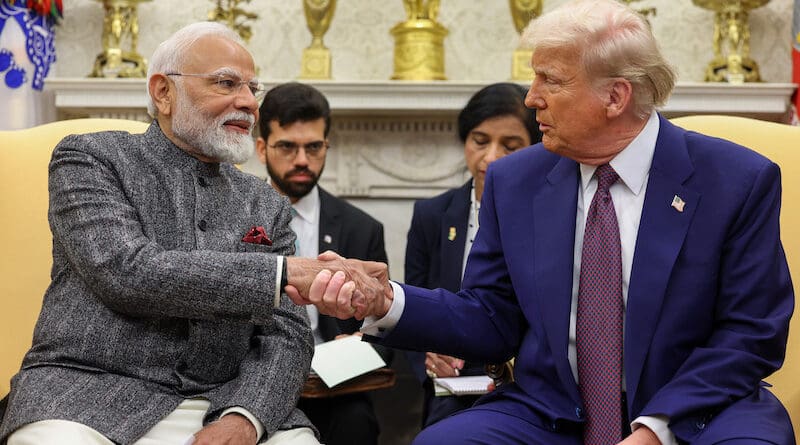
By K Raveendran Last week shattered any lingering illusions about the supposedly robust camaraderie between Prime Minister Narendra Modi and former U.S. President Donald Trump—a relationship that had been paraded for years as emblematic of India’s rise on the global stage. The myth of a strategic friendship, carefully choreographed across Howdy Modi rallies and effusive […]

The University of Dubai and the Artificial Intelligence Journalism for Research and Forecasting have unveiled the Arab AI Researchers initiative, marking the first pan‑Arab programme dedicated to training academics in artificial intelligence for research and teaching. The launch aligns with efforts to implement the Arab Index for Artificial Intelligence in Universities, announced in May 2024, and formalised at the 5th Artificial Intelligence Journalism World Forum in Sharjah earlier this year.

President of the University of Dubai, Dr Eesa Al Bastaki, explained that AAIR responds to a growing call for universities in Arab states to embed AI into scholarly work and curricula. He noted that the programme reflects the aim of the AIU, which benchmarks integration across six domains: curriculum design, faculty capabilities, smart laboratory infrastructure, student proficiency, research output, and global partnerships.

Dr Saeed Al Dhaheri, Director of the Centre for Futures Studies and President of the AIU, emphasised the initiative’s breadth. “AAIR offers specialised training to integrate AI across all academic tiers,” he said, underscoring the programme’s ambition to reach a wide academic audience across the Arab world. That ambition gains momentum in tandem with AIJRF’s global training portfolio of more than 120 courses and over 20 active AI initiatives, which includes the annual AIJWF and the GAIJI index.

Under the leadership of AIJRF’s CEO Dr Mohamed Abdulzaher, AAIR will offer a free, accredited training programme conducted thrice yearly. Each session will involve four days of intensive instruction—totalising 15 practical hours—for approximately 150 participants. Graduates, upon submission of a project, will receive certification jointly from AIJRF, the University of Dubai and cooperating institutions. Dr Abdulzaher emphasised the programme’s dual focus: practical AI tool use in research and instruction that covers emerging pedagogical approaches such as smart classrooms, automated assignments and AI‑generated project frameworks, underpinned by ethical guidelines.

Experts highlight the significance of AAIR against a backdrop of evolving demand for localised AI capacity in the region’s higher education sector. Gulf News records that the Arab Index for AIU initially pioneered this area by evaluating Arab universities on their strategic integration of AI into humanities and theoretical sciences, spanning institutions from Morocco to Qatar. This quantitative benchmarking now finds practical implementation through AAIR.

The initiative affords multiple strategic gains. It aims to develop an Arab‑centred community of practice in AI, offer Arabic‑language curricular resources, and foster collaborations among universities, research centres and technology providers. Policy experts suggest that by nurturing such ecosystems, the region can more accurately reflect its socio‑cultural context in AI tools and methodologies.

AAIR also responds to economic and educational drivers. UAE government-backed surveys estimate the Arab educational sector will expand rapidly alongside digital acceleration, yet critical gaps remain in Arabic‑language AI content and smart infrastructure. By empowering faculty and students alike, AAIR seeks to deepen the region’s AI talent pool and sustainability.

Formative metrics indicate uptake: AIJRF announced an AAIR target of training 500 academics during the first phase, with enrollment details shared via LinkedIn and public briefings. Dr Abdulzaher credits the partnership between University of Dubai, AIJRF, and other institutional collaborators for enabling broad access to the programme.

Still, the initiative faces challenges inherent to regional adoption. Previous AI integration efforts highlight logistical barriers—such as uneven access to AI‑equipped labs, variable levels of faculty digital literacy, and limited Arabic AI datasets. AAIR’s focus on standardisation and community‑based learning aims to alleviate such bottlenecks.

Industry observers are tracking AAIR’s impact on research and higher education closely. Stakeholders expect ripple effects, including: greater academic publication in AI‑focused journals; the emergence of Arab‑context AI pedagogies; enhanced employability of STEM graduates with real‑world AI experience; and institutional impetus to invest in smart infrastructure.

The AAIR launch also complements AIJWF’s wider initiatives, including the Human Talents vs Gen‑AI Challenge introduced at the 5th edition in April at American University of Sharjah. Collectively, these initiatives contribute to a regional strategy to navigate the Fourth and Fifth Industrial Revolutions, with emphasis on generative AI and its socio‑economic consequences.

Barclays has appointed Farzad Billimoria as head of its private bank for the United Arab Emirates, strengthening its foothold in a region experiencing rapid wealth creation. Based in Dubai, Billimoria will report directly to Annabelle Bryde, head of Private Bank International, commencing his role on 1 July pending regulatory approval. Billimoria brings 30 years of financial services expertise, most recently serving as Senior Executive Officer and head […]

Siemens has completed its acquisition of Altair Engineering in a £8.3 billion all-cash transaction, signalling a significant evolution in its industrial software strategy. The integration of Altair’s high-performance computing, data analytics and simulation portfolio into the Siemens Xcelerator platform represents a major leap in the company’s ambition to lead in AI-powered engineering. At the heart of this consolidation lie clear financial and strategic benefits. The deal, offering Altair […]

Tata Consultancy Services confirmed its systems and user infrastructure remain uncompromised following the cyberattack that struck the retailer Marks & Spencer. At its annual shareholder meeting on 19 June, independent director Keki Mistry emphasised, “As no TCS systems or users were compromised, none of our other customers are impacted,” noting the ongoing M&S investigation does not extend to TCS systems.

M&S, which disclosed the cyber incident in April, continues to navigate significant disruption. The attack, attributed to the “highly sophisticated and targeted” Scattered Spider hacking group, reportedly utilised stolen help‑desk credentials from a TCS contractor. This led to the theft of personal data and forced the retailer to suspend online clothing sales for weeks—their online operations remain impaired, with recovery expected to extend into July.

Financial impact estimates remain stark. M&S anticipates a £300 million loss in operating profit, with weekly losses highlighted at approximately £40 million spanning clothing and food services. The retailer has drawn on its robust financial footing—boasting over £400 million in net funds before the incident—to support recovery measures. Insurance claims and cost containment strategies aim to offset roughly half of the losses.

The attack’s disruption extended to in‑store services, including payment systems and “meal‑deal” availability at stations, where stocks dwindled and meal‑deal offers were suspended. M&S CEO Stuart Machin described the incident as triggered by human error, stating that attackers duped a contractor’s help‑desk staff via social engineering tactics. Although M&S has not disclosed ransom payment details, hackers reportedly issued a ransom demand to Machin directly, claiming ransomware deployment across the retailer’s servers.

TCS had been internally probing whether its systems served as the breach gateway, an inquiry reportedly scheduled for completion by the end of May. With Mistry’s public assurance, TCS now distances itself from fault, while confirming its services to other clients—including the UK Co‑op—remained unaffected.

Beyond TCS, UK retailers Co‑op and Harrods have suffered similar breaches in recent weeks, prompting government authorities to call cybercrime “serious organised crime” and urge businesses to elevate cybersecurity priorities. The National Cyber Security Centre is rolling out new software security guidance for the sector.

M&S leadership has kick‑started accelerated IT modernisation, fast‑tracking system upgrades they had planned over two years into the next six months to strengthen defences. CEO Machin reaffirmed the retailer’s resilience, underlining transparency in communication and ongoing support to customers during the disruption.

While TCS’s reassurance quells immediate concerns among its client base, reputational challenges linger. Cybersecurity analysts warn that such high‑profile breaches erode trust in outsourcing vendors. Mumbai‑based brokerage Nirmal Bang commented that linkage to the attack would be “quite embarrassing” for TCS.

TCS’s absence of any formal probe initiation by regulators signals regulatory leniency. However, this episode spotlights the vulnerabilities inherent in third‑party access chains. As M&S works to restore its online footprint and TCS reaffirms its integrity, both firms face ongoing scrutiny over their cybersecurity governance.

ImFact today unveiled its “Blockchain Anywhere” infrastructure, enabling 6.8 billion devices—from smartphones to IoT hardware—to operate individual blockchain instances. Dubbed Personal Blockchain and On‑Device Blockchain, the rollout promises cryptographic data verification embedded directly within devices, marking a pivotal shift in trust architecture for artificial intelligence applications. The launch was showcased through Korea’s DaeguChain deployment across Daegu city and supported by a global testnet.

Personal Blockchain runs as a standalone blockchain on smartphones via mobile apps such as MyChain and Fact Stamp, allowing users to verify image authenticity, certify legal documents and complete offline transactions. In parallel, On‑Device Blockchain embeds blockchain functionality into internet-connected hardware—security cameras, autonomous vehicles, industrial sensors—assuring tamper-evident data creation at the source. Together, they integrate with ImFact’s Layer‑1 mainnet through a proprietary Station protocol.

These innovations build on six years of development and have undergone trials within DaeguChain, the civic blockchain network of Daegu city—South Korea’s fourth largest—with a population of 2.5 million. ImFact confirmed the system has proven reliable at enterprise scale. A dual‑track Testnet 2.0 currently supports more than 50,000 users across 97 countries, with participants incentivised via device mining rewards and verification incentives. The team aims to launch the Layer‑1 mainnet in Q4 2025.

Driving ImFact’s initiative is a leadership team comprising Professor Minkyu Je from KAIST—previously with Samsung—as head of hardware blockchain integration; Professor Yasin Ceran of San Jose State University and Stanford Medical School, focusing on privacy-sensitive health data verification on-device; and David Woong Jin Yoon, ex‑CEO of Gravity, steering strategic market deployment. Senior Ecosystem Builder San Jun described the development as the group’s solution to embedding blockchain functionality wherever computing power exists.

The announcement arrives against a backdrop of broader technological investment in South Korea. The government has pledged 16.1 trillion KRW over five years to boost artificial intelligence infrastructure, including data centres and GPU capacity, as outlined in a policy paper presented to the Presidential Policy Planning Committee on 18 June 2025. Key objectives include constructing AI data centres and offering open‑model development to citizens.

Industry analysts suggest that while South Korea’s blockchain strategy originated in controlled, closed networks, the growth of AI demands public and verifiable data systems. Infrastructure such as ImFact’s aligns with this strategic shift, seamlessly enabling decentralised trust within traditionally siloed environments.

ImFact positions its infrastructure as DePIN, distinct from existing offerings that rely on external validation. Instead, their data integrity is assured at the point of generation—whether it be a camera capturing footage or a sensor logging readings—with cryptographic proof to prevent tampering. The embedded nature enhances security and auditability, crucial for sectors like healthcare, autonomous vehicles, legal systems, and industrial monitoring.

While ImFact’s public roadmap outlines the L1 mainnet launch in late 2025, it is already actively engaging early adopters through Testnet 2.0. Users are deploying personal blockchain nodes on smartphones and integrating on-device blockchain chips in IoT hardware, generating token rewards and engaging in verifiable proof tasks. These early-stage validators are cultivating a nascent ecosystem that could mature rapidly ahead of commercial stage.

South Korea’s public sector stance and investment in AI and related infrastructure create a favourable landscape for projects like ImFact. The 16.1 trillion KRW policy emphasises open‑source AI models and GPU availability—initiatives that align with ImFact’s objective to offload cryptographic verification tasks to the edge of the network. The convergence of national policy and device-level trust architecture underscores an ecosystem designed to support AI at scale.

ImFact’s strategy hinges on the deployment and interoperability of three layers: personal blockchains for users, on-device blockchains for hardware, and an L1 mainnet offering global anchoring. Success depends on adoption rates of its mobile apps and IoT kits, regulatory acceptance of on-device verification for legal and medical use cases, and demonstration of clear ROI for participants in device mining.

Zurich-based 21Shares AG has extended its reach in the Nordic financial market by adding five cryptocurrency exchange-traded products to Nasdaq Stockholm, taking its total offerings on the Swedish exchange to ten. The newly cross-listed products—Uniswap, Avalanche, Bitcoin Gold, Solana Core Staking and Ethereum Core —join the firm’s existing Bitcoin, Ethereum, Solana, XRP and Bitcoin Core ETPs.

This move reflects mounting interest among both retail and institutional investors in regulated access to a broader range of digital assets via established trading venues. With the latest additions, 21Shares reinforces its position as a leading provider of physically backed, transparent crypto investment products in Europe.

Mandy Chiu, Head of Financial Product Development at 21Shares, highlighted that the expansion enables investors to craft more bespoke portfolios. “By offering a broader selection of single‑asset and thematic crypto ETPs, we’re empowering investors to build more customised and resilient portfolios through a familiar exchange environment,” she said. Nasdaq’s European ETF & ETP head, Helena Wedin, welcomed the new suite, noting such innovation as shaping the future of capital markets.

The newly listed ETPs offer exposure to distinct niches within the crypto ecosystem. AUNI provides a stake in Uniswap, the leading decentralised exchange. AVAX tracks Avalanche, a platform noted for its scalability. BOLD focuses on Bitcoin Gold—a fork designed to democratise mining. CSOL delivers both Solana price exposure and staking yield, while ETHC covers Ethereum’s core asset. These additions allow investors to target specific segments, from DeFi protocols to next‑generation blockchains and staking-enabled assets.

All 21Shares ETPs are physically collateralised and traded under regulated frameworks, removing the burden of wallet management and key custody. Fees range from 0.21% to 2.50% annually, offering a competitive alternative to direct crypto exchange transactions. The firm’s products are also listed on Euronext Paris, Amsterdam, London and SIX Swiss Exchange, contributing to a diversified pan-European presence.

This latest development comes as Europe prepares for implementation of the Markets in Crypto‑Assets Regulation, aimed at standardising crypto oversight. More listings on regulated exchanges help issuers align with the evolving regulatory landscape.

21Shares’ strategy compares with best-in-class players in traditional finance pushing crypto integration. From Bitcoin and Ethereum to platforms like Solana and Avalanche, the firm’s growing suite meets demand both for mainstream exposure and thematic investment strategies.

Despite these advances, some challenges persist. Liquidity conditions for less‑traded tokens such as Bitcoin Gold can be thin, and tracking discrepancies may emerge between product performance and spot prices. Fees, while competitive, can vary significantly: niche products may carry noticeably higher rates, impacting returns.

Nevertheless, for investors seeking regulated and familiar vehicles, the benefits are tangible. ETPs provide access through existing brokerages, transparency under established compliance standards and relief from the technical complexity of self-custody.

This expansion also underscores Nasdaq Stockholm’s evolving role as a hub for crypto‑linked financial instruments. Stockholm’s regulatory environment and market infrastructure make it attractive for issuers and investors alike. The increased product diversity enhances its appeal to both domestic and regional markets.

Beyond booming local interest, 21Shares continues to push forward globally. In the US, the firm is pursuing approvals for a suite of spot crypto exchange-traded funds—including for Solana, XRP, Dogecoin, Polkadot, and Sui—as it seeks to replicate its European success. Additionally, its ARK 21Shares Bitcoin ETF underwent a 3‑for‑1 stock split on 16 June to enhance accessibility.

Since launching the first physically backed crypto ETP in 2018, 21Shares has built a track record of innovation and adaptation. Backed by deep market expertise and proprietary custody systems, the company now manages approximately US $9.15 billion in assets under management. Leadership changes—including new CEO Russell Barlow—reflect an evolving operational structure focused on scalability.


KUALA LUMPUR, MALAYSIA – Media OutReach Newswire – 19 June 2025 – On 16 June 2025, Chairman Xu Guanju of Transfar Group was invited to speak at the 2025 Energy Asia Conference. Hosted by PETRONAS, the Energy Asia Conference was held at the Kuala Lumpur Convention Centre from 16 to 18 June. Focusing on the theme ‘Delivering Asia’s Energy Transition’, the conference brought together policymakers, industry leaders, […]

The market capitalisation of tokenised Real‑World Assets has soared to over $23 billion, marking a surge of more than 260% since the start of the year, with private credit and US Treasury tokens accounting for the bulk of the growth.

Leading the charge, tokenised private credit comprises roughly 58% of the total market, while tokenised US Treasuries make up about 34% of the overall valuation. The dramatic expansion reflects increasing demand for on‑chain exposure to established asset classes beyond cryptocurrencies, as investors seek yield and diversification within a regulated digital framework.

Market participants have highlighted the clarity in evolving regulatory frameworks as a crucial catalyst. The enhanced transparency and legal recognition of tokenised assets in jurisdictions such as Abu Dhabi Global Market are encouraging institutional players to engage more actively. Concurrently, technology platforms and traditional finance firms are racing to establish token issuance and trading infrastructure.

One of the most prominent sector players, Securitize Inc., provides a full-stack platform enabling compliant tokenisation across asset types. As of May 2025, the firm has issued over $4 billion on‑chain, including $2.8 billion in tokenised US Treasury exposure, commanding more than 70% share of tokenised US Treasury products. Its leadership on tokenised private credit is also significant, with major asset managers like Apollo and BlackRock utilising the platform for their tokenised offerings.

Private credit, defined as non‑bank lending embedded in project, corporate, and direct lending vehicles, has long been one of the fastest‑growing alternative asset classes. Currently valued at an estimated $2–3 trillion globally, private credit forms a natural fit for tokenisation, enabling fractionated access, faster settlement, and enhanced transparency. By bridging direct lending with blockchain infrastructure, tokenisation platforms are opening access to smaller investors and unlocking liquidity for traditionally illiquid instruments.

US Treasury tokens have also gained rapid traction. In October 2024, Abu Dhabi‑based Realize launched a tokenised US Treasury ETF fund targeting $200 million assets. This initiative marked the first tokenised Treasury fund domiciled in Abu Dhabi Global Market, reflecting the growing confidence in sovereign debt tokens.

Growth to date appears driven by institutional interest, but emerging trends suggest growing participation from global wealth firms, family offices, and retail platforms. Securitize has onboarded numerous institutional investors and is planning retail channels in collaboration with custodians like Anchorage Digital, BitGo, and Copper.

Regulatory clarity is playing a defining role. US leadership from figures such as Securitize’s CEO appearing before House Financial Services, along with the Commodities Futures Trading Commission and Securities and Exchange Commission’s deliberations, is building a foundation for mainstream adoption. Internationally, regulatory sandbox setups—like Abu Dhabi’s—are providing live environments for tokenised asset experimentation.

As the total market cap moves beyond $23 billion, key drivers include mature tokenisation platforms, growing regulator engagement, and rising investor demand for yield-bearing digital assets within compliant frameworks. Whether private credit and Treasury tokens continue to dominate depends on lasting improvements in interoperability, standardisation, and token issuance efficiency.

Going forward, momentum may attract tokenisation of other asset types—real estate, commodities, infrastructure debt and equity. Yet challenges such as secondary market liquidity, cross‑chain compatibility, and investor education remain to be addressed. Leading infrastructure providers and asset managers appear intent on solving these, which may mutate tokenised RWAs from a niche tool into a mainstream financial innovation.

A ballistic missile launched by Iran struck the Tel Aviv Stock Exchange building in Ramat Gan on 19 June 2025, inflicting substantial structural damage in the heart of Israel’s financial district. This incident occurred amid a coordinated barrage that also hit key civilian infrastructure elsewhere, including Soroka Medical Centre in Be’er Sheva, intensifying already volatile regional tensions.

Sirens wailed across central and southern Israel as air defence systems engaged waves of inbound missiles. Between 20 and 30 ballistic projectiles were reported, an escalation surpassing previous exchanges earlier this monthꟷnotably those on 15 and 16 June, which injured dozens and damaged residences in Tel Aviv, Bat Yam and Haifa. This latest salvo targeted multiple urban areas, with at least 32 civilians confirmed wounded by Magen David Adom teams, some in serious condition.

The stock exchange structure, known as Birsa, sustained extensive facade damage and shattered windows, with parts of surrounding offices impacted. Video footage circulated online showing debris falling from upper floors into streets below. Emergency crews were deployed immediately to evacuate employees and assess structural integrity, though no fatalities were reported at the site.

In parallel, Soroka Medical Centre at Be’er Sheva—Israel’s principal hospital serving around one million residents with more than 1,000 beds—was also struck. Footage and eyewitness reports confirmed significant damage: roof collapse in some wards, shattered glass across corridors and injuries among both patients and medical staff. Hospital officials imposed strict access controls, advising the public to avoid the area as emergency protocols were activated.

Israel’s air-defence systems, including Iron Dome and Arrow batteries, intercepted many of the missiles but failed to prevent all impacts. Some missiles penetrated defences and struck densely populated neighbourhoods, damaging residential high-rises and injuring civilians. This pattern marks a troubling shift. Previous intercepts had been more successful, but the latest strikes have underscored vulnerabilities in urban protection.

The missile offensive came as retaliation for Israel’s strikes on Iranian nuclear facilities. Earlier on 19 June, Israeli aircraft reportedly struck the heavy-water reactor at Arak and a related plutonium-production component, in what the Israeli government called efforts to disrupt Tehran’s nuclear capabilities. Iran’s state media countered that the reactor had been evacuated in advance and there was no radiation leak.

Prime Minister Benjamin Netanyahu publicly condemned the missile strikes on Israel’s financial hub and its hospital network, accusing Iran’s leadership of targeting civilians and vowing that Tehran “will pay the full price”. Defence officials say that Iran deployed over 25 missiles targeting Israeli urban centres during this wave.

Humanitarian services are stretched thin. Magen David Adom paramedics reported at least 32 people with injuries ranging from shock and minor shrapnel wounds to serious trauma in Be’er Sheva and Tel Aviv. Hospitals near strike zones have diverted critically ill patients and limited admissions to emergencies, raising concerns over the continuity of essential health services.

Economically, the assault on the stock exchange reverberated across markets. While share trading has continued, operational disruptions occurred as staff evacuated and investigations into building safety commenced. Analysts note that the financial centre embodies Israel’s economic resilience, but warn that repeated infrastructure targeting injects uncertainty into investor sentiment.

As missiles fly in both directions, global powers are watching warily. US President Donald Trump indicated possible military support for Israel pending internal approval, while European leaders called for restraint and emphasised the potential for diplomatic channels. The International Atomic Energy Agency has voiced alarm over Iran’s uranium enrichment practices, now exacerbated by military confrontations sparked by retaliatory airstrikes.

Israeli authorities warn that this may be Iran’s most sustained attack yet, burning through long-range arsenal previously reserved for strategic military targets. Intelligence assessments suggest Iran is deploying missiles intensively—over 400 since the conflict’s escalation—though only a fraction have struck urban centres.

With civilian infrastructure clearly in the crosshairs, the stakes are escalating dangerously. Analysts warn that further strikes on hospitals, markets or cultural institutions may invite stronger Israeli countermeasures, potentially widening the conflict. For now, cities remain on high alert as missiles continue to disrupt daily life and rattle the foundations of an already tense Middle East.

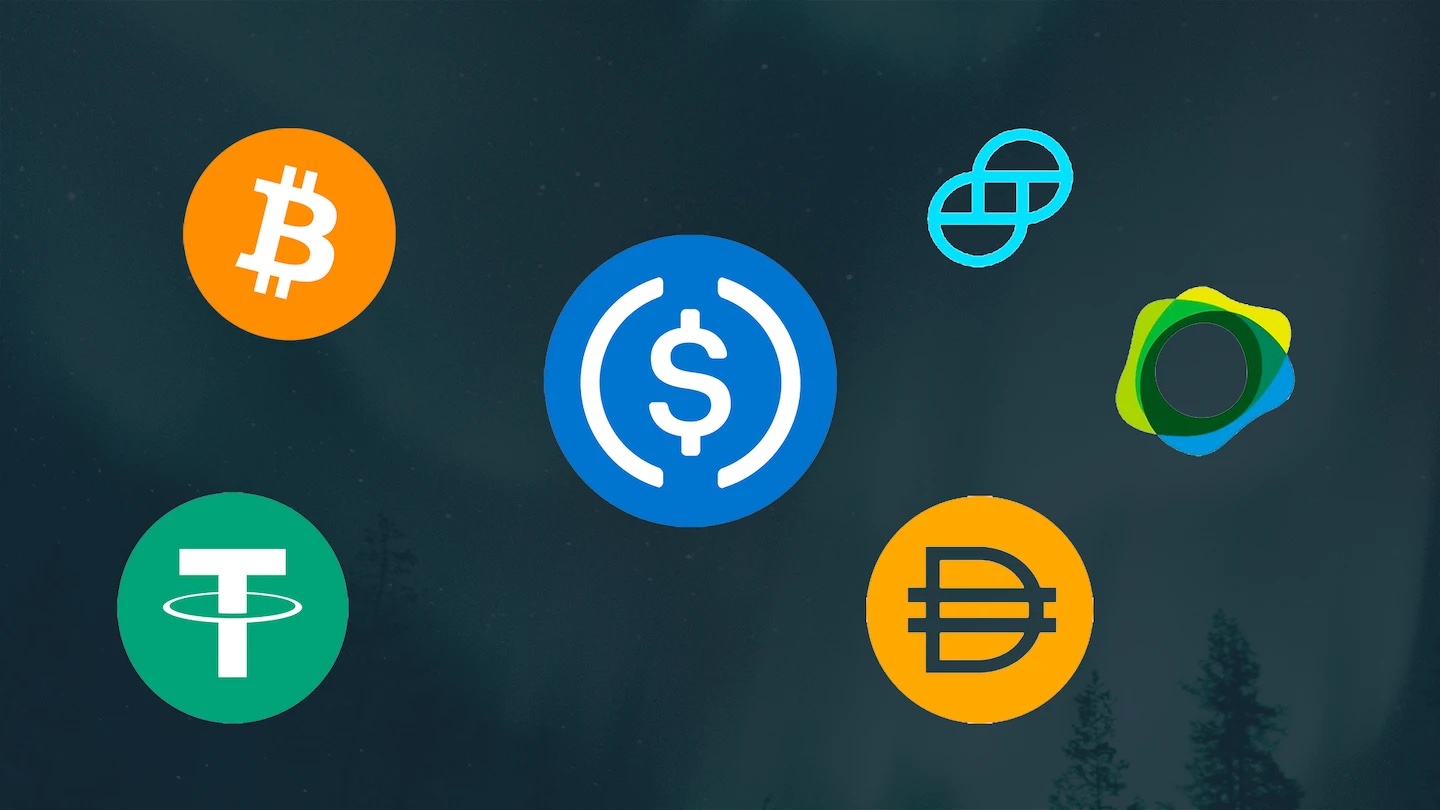
U.S. President Donald Trump has appealed directly to the House of Representatives to pass the GENIUS Act—a bipartisan stablecoin regulation bill cleared by the Senate—without any amendments or delays, stressing that it will position the country as the “undisputed leader” in digital assets.

The Senate passed the bill on 17 June with a decisive 68‑30 vote, supported by senators from both parties. It introduces stringent rules for stablecoin issuance, including full backing of coins with liquid reserves and monthly disclosures of reserve compositions, alongside audit and Treasury oversight provisions. Trump openly praised the legislation, calling it “pure genius” and urging House Republicans to advance a “clean” version so it reaches his desk before Congress breaks for its August recess.

Major market players reacted positively. The approval spurred significant gains in related equities: shares of Circle Internet, issuer of the USDC stablecoin, surged between 16% and 27%, reflecting investor optimism for regulatory clarity and mainstream token adoption.

The GENIUS Act’s framework mandates that only permitted issuers—such as banks or federally approved payment companies—may issue stablecoins for U.S. users. It requires a one‑to‑one reserve ratio in U.S. dollars or Treasuries and monthly public disclosures about reserve composition. Additionally, it introduces safeguards for consumer protection and bankruptcy protocols prioritising stablecoin holders. Large issuers will have to undergo annual audits, and the bill prohibits stabilecoin ownership by Congress members, though it excludes the President and Vice President.

While Trump’s endorsement reflects his broader pro-crypto pivot—underscored by investments like Bitcoin, policy appointments, and support from his digital-assets advisory council—critics have flagged potential conflicts of interest. Trump and his family hold substantial stakes in crypto ventures including World Liberty Financial and its USD1 stablecoin, having earned tens of millions in 2024. Critics stress that exemption of the President from the bill’s conflict-of-interest ban leaves a loophole that some fear could be exploited.

Senators on both sides celebrated the bill. Republican sponsor Bill Hagerty described it as a “paradigm-shifting development” that moves the U.S. toward global leadership in crypto. Senate Banking Chair Tim Scott described it as “the most significant digital assets legislation ever to pass the U.S. Senate”. Treasury Secretary Scott Bessent projected that the bill could expand the stablecoin market to $3 trillion‑plus by decade’s end.

Nonetheless, the path ahead is not without hurdles. Some Democrats, including Elizabeth Warren, Jeff Merkley and others, raised objections during Senate negotiations, warning the bill could grant a “super‑highway for corruption” and fails to curtail potential for big tech firms entering the stablecoin market. Senate negotiators incorporated numerous amendments to secure support, but key concerns remain unresolved.

Cushman & Wakefield Greater China has been honoured with three five‑star awards at the 2025 Asia Pacific Property Awards, recognising its excellence in commercial real estate services across the region. The firm also received an additional “Award Winner” designation, strengthening its regional leadership credentials. Judged by an expert panel comprising property professionals, these awards are regarded as one of the industry’s most prestigious marks of quality, celebrating […]

Senior officials in Washington have quietly activated contingency plans for military strikes against Iranian nuclear facilities, marking a dramatic shift in US posture amid escalating Israeli–Iranian hostilities. According to multiple reports, including Bloomberg and Reuters, the White House and Defence Department are preparing the operational infrastructure needed to engage Tehran directly.

President Donald Trump, speaking on 18 June outside the White House, offered only ambiguity: “I may do it. I may not do it… nobody knows what I’m going to do.” Meanwhile, senior US generals, defence secretaries and intelligence chiefs are said to be readying federal agencies for a possible weekend strike. Forces in the Middle East have been repositioned; aircraft and ships have been moved from bases such as Al‑Udeid in Qatar and Bahrain’s Fifth Fleet port to reduce vulnerabilities.

Sources indicate that the primary target could be Iran’s underground Fordow uranium enrichment plant — a hardened bunker facility situated within a mountain and long deemed beyond Israel’s military reach without US bunker‑busting capacity. With Israel continuing airstrikes on Iran as part of ‘Operation Rising Lion’, analysts assess that a US strike would dramatically escalate the conflict.

Within the White House, debate is intensifying. The New York Times and Washington Post report that Trump, influenced by hawkish advisors such as Senator Lindsey Graham and defence chiefs, has signed off on strike plans but is awaiting final approval. His delay aims to allow Iran a final diplomatic window — offering a chance to curb uranium enrichment before force is used.

Opposition persists even within Trump’s own camp. A divide between hawks, advocating for decisive action, and MAGA-aligned isolationists, including Vice President Vance and media figure Tucker Carlson, highlights the internal tug-of-war shaping presidential decision‑making. Trump has underscored this dynamic: advisors like Gen. Dan Caine and CIA Director John Ratcliffe have pressed for a more aggressive stance, while isolationists urge restraint.

Politically, the administration faces calls for a formal congressional mandate. Critics argue the Constitution requires authorisation for military action beyond self‑defence; proponents counter the urgency of neutralising Iran’s perceived nuclear threat demands swift action.

Diplomacy continues in parallel. The UK, France and Germany are convening in Geneva to press Iran on de-escalation — a track the US has distanced itself from. Tehran has responded with warnings to Washington, promising strong retaliation if US forces become involved.

Markets have reacted with caution. Observers note fears of a broader Middle East conflict, amplified oil price volatility, and rising inflationary risks tied to increased military spending. Central banks, notably the Federal Reserve and Bank of England, must weigh geopolitical shocks alongside inflation outlooks.

On the ground, Israeli airstrikes have continued across Iran, targeting nuclear infrastructure including Arak and Natanz, with over 1,100 sites reportedly struck since mid‑June. Iran has launched multiple missile barrages at Israeli territory; civilian casualties are said to be in the hundreds on both sides.

The timing of any US strike remains uncertain. Sources cite a possible weekend window, with final orders likely to be issued at the last moment. Pentagon leadership, including SecDef Hegseth and Gen. Caine, are expected to have operational control, while the president retains final authority.

As conflicting pressures swirl — military readiness, strategic diplomacy, domestic political debates — all eyes are on whether President Trump will strike at Iran’s underground sites or continue hedging amid rising global risk.

Matein Khalid There is precious little good news to emerge from the Middle East since the IDF launched its spectacular blitzkrieg and leadership decapitation strike against Iran’s nuclear asset and military/intelligence elite last Friday. This weekend was grim with Iran’s ballistic missile strike on Haifa and Tel Aviv with even a real miss on the IDF command and control complex in Kirya. Netanyahu’s boast that he would […]

The U.S. Senate has enacted the GENIUS Act, the first-ever federal framework for regulating dollar‑pegged stablecoins, with a decisive 68–30 bipartisan vote on 17 June 2025. Eighteen Democrats joined Republicans in supporting the legislation, which now advances to the House and is expected to reshape Washington’s digital asset rules.

The bill mandates that stablecoin issuers back tokens with liquid assets such as U.S. Treasuries, require regular financial disclosures and adhere to anti‑money‑laundering measures. It grants banks the authority to issue stablecoins, while explicitly restricting executive branch officials and legislators from sharing in their profits—a direct response to concerns over conflicts of interest.

A surge in crypto-sector investment in political campaigns appears to have shifted momentum. Industry spending topped $119 million in support of pro‑crypto congressional candidates during the 2024 cycle. Lobbyists then intensified efforts to engage Democratic lawmakers, viewed as essential for reaching the 60-vote threshold in the evenly divided Senate.

Internal communications among Democratic operatives reveal strategic alignment with crypto backers. In a private group chat described in reporting by the Lever, coalition members acknowledged that, despite ethical concerns, opposing the industry would be “political suicide.” One member reportedly observed that any amendment targeting Trump‑family conflicts would be “DOA,” suggesting token amendments offered for optics rather than impact.

Legislators including Senator Elizabeth Warren have voiced misgivings, arguing that the bill inadequately shields consumers or addresses risks associated with big‑tech or foreign‑issued stablecoins. She contends it grants too much leeway to the likes of former President Donald Trump’s crypto ventures, such as the Trump memecoin and World Liberty Financial.

The crypto lobby’s efforts have extended beyond campaign funding to retention of influential political operatives. Coinbase, for instance, recently appointed veteran Democratic strategist David Plouffe to its advisory board, joining a roster of insiders from both parties. Observers note this reflects crypto’s emerging status as a “politically competitive” constituency.

The political dynamic has shifted decisively. As AP reports, Democrats are balancing distrust of Trump-linked crypto enterprises with newfound recognition of the sector’s electoral influence. Backing the GENIUS Act became for many a strategic necessity, notwithstanding deep ideological resistance to deregulation.

The Senate vote occurred amid broader legislative discussions. The CLARITY Act—aimed at clarifying agency jurisdiction across the SEC and CFTC—is under consideration in the House Financial Services Committee. Some lawmakers propose merging the stablecoin and authority-defining bills, though others caution it could delay the GENIUS Act’s passage.

Crypto industry leaders view the GENIUS Act as a critical precursor to more comprehensive legislation. Ledger’s Head of Global Policy, Seth Hertline, described the Senate’s action as “a political bellwether” for the sector’s broader legislative agenda.

The bill’s passage also intersects with Trump’s personal crypto interests. His family’s stablecoin projects have sparked accusations of profiteering and lobbying for relaxed oversight. Critics warn that current legislative safeguards fall short of preventing conflicts of interest.

The next phase lies in the House, where Republican leadership must reconcile the Senate’s GENIUS Act with its own STABLE Act or integrate it into broader regulatory plans. Some Republicans advocate adding provisions to limit central bank digital currency initiatives, though such measures may complicate Senate approval.

Major stablecoin issuers such as Tether and Circle —together controlling over $200 billion in supply—stand to gain regulatory clarity and legitimacy if the GENIUS Act becomes law. Recent moves by major corporates, including JPMorgan’s planned stablecoin on Coinbase’s Base chain and indications that Amazon and Walmart are exploring token issuance, signal growing private‑sector enthusiasm.

As the House deliberates, questions remain whether the Senate’s bipartisan vote marks the start of a fully fleshed-out U.S. crypto regulatory regime—or the culmination of a high-stakes battle between policy integrity and political pragmatism.

Coinbase has formally requested approval from the U.S. Securities and Exchange Commission to offer tokenised equities in the country. The scheme would let users buy and trade digital tokens representing company shares, potentially enabling 24/7, faster, and lower-cost equity trading by leveraging blockchain technology. If successful, Coinbase could directly compete with established brokerages such as Robinhood and Charles Schwab.

This strategic initiative marks a pivotal expansion beyond crypto into traditional financial markets. Coinbase’s chief legal officer Paul Grewal described the push as a “huge priority,” emphasising the potential to establish a regulated framework for tokenised securities. To proceed, the company is seeking a “no-action letter” or an exemptive relief from the SEC—mechanisms that would allow official clearance to operate without enforcement action.

The tokenisation of shares aims to reduce transaction costs, accelerate settlement and expand market accessibility. Proponents believe that blockchain-based equities could revolutionise trading. However, global regulators have flagged challenges including low secondary-market liquidity and absence of unified global standards.

Coinbase’s renewed interest follows a prior attempt to introduce a tokenised version of its own stock at the time of its 2020 direct listing—an effort ultimately blocked by the SEC. Now, with the SEC’s evolving crypto task force and indications of a more favourable regulatory environment under the Trump-appointed leadership of acting chair Mark Uyeda, Coinbase envisages a window of opportunity.

Institutional enthusiasm appears to be rising, with CFO Alesia Haas noting that prior regulatory obstacles—“brick walls,” as she put it—may now be negotiable. CEO Brian Armstrong similarly asserted the potential for round-the-clock trading innovation and applauded engagement with the SEC’s crypto task force.

Despite this optimism, regulatory hurdles remain. Coinbase is not registered as a broker-dealer, and any platform facilitating trading in tokenized equities must satisfy existing legal requirements. The SEC had previously sued Coinbase in 2023, alleging the company operated an unregistered brokerage—a lawsuit later dismissed in 2025 under the Trump-appointed SEC leadership.

If granted a no-action letter, Coinbase would gain regulatory assurance that trading tokenised equities is compliant under current laws—a reassurance deemed critical to advance institutional adoption in the sector. Some industry commentators suggest that while tokenised equities are gaining traction internationally, U.S. regulatory clarity is key to unlocking broader institutional uptake.

Globally, exchanges like those operated by Kraken are already piloting tokenised shares—known as xStocks—in international markets outside the U.S.. These moves reflect a broader shift: analysts such as Colin Butler of Polygon have predicted tokenised real‑world assets could reach a market potential of up to $30 trillion in the long term.

Within the U.S., Coinbase has sought to shape the regulatory conversation. In March, the company submitted 36 detailed recommendations to SEC Commissioner Hester Peirce, articulating a blueprint for distinguishing between digital commodities and digital securities, and calling for secondary-market clarity. The SEC also hosted roundtable discussions earlier this year with industry participants on asset tokenisation, including former Coinbase counsel Alex Zozos.

Securing approval would align Coinbase with a mosaic of international initiatives exploring tokenised share trading, potentially enabling U.S. investors to trade equities with crypto-like efficiency. Yet adoption remains tied to demonstration of adequate liquidity, interoperability, and regulatory consistency—areas where global standards are still evolving.

While no timing for product rollout has been disclosed, Paul Grewal stressed that obtaining a no-action letter is essential to injecting confidence into institutional investors, paving the way for a new class of regulated digital securities.

Seizing Global Business and Investment Opportunities for Sustainable Growth HONG KONG SAR – Media OutReach Newswire – 17 June 2025 – Hong Kong Science and Technology Parks Corporation (HKSTP), in collaboration with InvestHK, led 16 prominent life and health technology companies to BIO 2025, the world’s largest biotechnology event, held in Boston, USA, from June 16 to 19. This year marks the first time HKSTP joined forces […]

VISHNU RAJA
RYO YAMADA
HITORI GOTOH
IKUYO KITA
Just in:
The “1st Greater Bay Area Health and Longevity Summit & Awards Ceremony” concludes successfully in Macao // Hong Kong mandates crypto transaction disclosures to tax authorities // Utilities pursue ₹1,992 cr in unpaid bills // UK air traffic outage inflicted £33m financial losses // SC to examine students’ exam plea today // Govt opposes Arlekar’s PSC action // Trump’s Iran War Has A Share Of Contribution To His Midterm Debacle // Fast Just Got Fastest: STING Energy Boost™ Celebrates Kimi Antonelli’s Formula 1® World Championship and the Fan Energy Behind It // Millions Of Indians May Soon Be Deprived Of Government Assistance // Meraas showcases five residential zones at Dubai Design Week // Cloudflare unveils Zero Wire vulnerability intelligence service // APT29-linked campaign exploits outdated Apple and Android software // Private varsities bill all set to face the axe // Ta’ziz finalises $1.39bn funding for Ruwais industrial facilities // Dubai boat show confirms international shipyard line-up for November // Emirates Group records AED 4.1 billion half-year profit // Xi Jinping Preparing For A Trilateral Summit With Trump And Putin At APEC Summit On Nov 18-19 // After Reaching 7 Million Users in the Philippines, Skyro Launches Transparent Cash Loans in Malaysia // CR Longdation Aethereal Cybersecurity × Global Cybersecurity Alliance (GCSA) Join Hands to Establish the “AI and Cybersecurity Research Centre” // Kochi police detain two actors over bid to honey trap doctor //