Arabian Post Staff -Dubai
The latest flare-up came after US forces struck what they described as missile launch sites and mine-laying boats, saying the operation was defensive and limited. Tehran denounced the action as a violation of the ceasefire that has largely held since April, warning that it would not leave aggression unanswered. The exchange has sharpened doubts over whether diplomacy being channelled through Qatar and Pakistan can deliver a settlement before military incidents derail the process.
President Donald Trump has argued that an agreement with Iran and the reopening of the Strait of Hormuz are largely negotiated, while Secretary of State Marco Rubio has said talks on extending the ceasefire and restoring commercial passage through the waterway could take several days. Washington’s public message remains one of guarded optimism, but the battlefield signals are less clear. Iran’s Revolutionary Guard said it had shot down at least one drone and deterred other aircraft entering its airspace, while US officials have maintained that their strikes were calibrated to avoid a wider escalation.
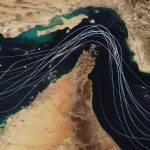
The Strait of Hormuz remains the central pressure point. Before the war began on February 28, roughly a fifth of the world’s crude oil and natural gas flows moved through the narrow channel linking the Gulf with the Arabian Sea. Iran’s effective closure of the route after the opening phase of the conflict stranded vessels, lifted energy-market risk premiums and disrupted fertilizer supply chains. Limited passage has resumed, but traffic remains far below normal levels, with Iran’s Guard navy saying 25 commercial vessels were allowed through in a 24-hour period, compared with more than 100 ships a day before the fighting.
US Central Command has pushed back against reports suggesting that American forces had restarted escorts or direct assistance for commercial vessels transiting the strait. The command said Project Freedom, the earlier operation to support shipping movement, had not resumed and that US forces were not escorting commercial vessels through Hormuz. The clarification came after market and maritime circles reacted to claims that a Greek supertanker had been guided through the waterway, underscoring how quickly information about the strait can affect oil prices, insurance costs and shipping decisions.
Diplomatic bargaining is now focused on a package that would freeze major hostilities, unlock Iranian access to billions of dollars in frozen assets and create a timetable for easing restrictions on energy exports. Tehran is also seeking relief from the US blockade of Iranian oil ports, while Washington wants guarantees on freedom of navigation and fresh constraints on Iran’s nuclear programme. A separate timeline under discussion would allow the strait to reopen more fully while the two sides negotiate more difficult security and nuclear issues.
The talks have placed Iran’s political leadership under competing pressures. President Masoud Pezeshkian and Foreign Minister Abbas Araghchi have engaged with mediators, while Parliament Speaker Mohammad Bagher Qalibaf has been central to discussions in Doha. Hardliners in Tehran argue that any deal should preserve Iran’s leverage over Hormuz, viewing the strait as a strategic tool after years of sanctions and confrontation. In Washington, critics of Trump’s diplomacy warn that releasing funds or easing economic pressure without ironclad security guarantees could strengthen Iran’s military position.
Regional risks are widening the negotiations beyond a bilateral US-Iran framework. Israel’s operations in Lebanon have intensified, raising questions about whether any deal with Tehran can hold if allied fronts remain active. Iran is seeking stronger assurances that Israel will be bound by ceasefire terms, while Washington is trying to prevent the Hormuz crisis from expanding into a wider Gulf security breakdown. Gulf states, Iraq, Pakistan, China and energy-dependent Asian economies all have strong stakes in restoring shipping confidence.
Energy markets have reflected the uncertainty. Oil prices have moved sharply on signs of military escalation, only to ease when negotiators signal that talks remain alive. The pattern points to a market that sees genuine diplomatic momentum but is not convinced that either side can control events at sea, in Iranian airspace or across linked regional battlefields.
Also published on Medium.
Follow Arabian Post
Select Arabian Post as your preferred source on Google and MSN News for trusted business news and Arab politics and updates.