News related to
leadership

Malaysia’s small businesses lead the region in innovation Younger entrepreneurs dominate small business landscape AI investment on the rise High demand for funding signals continued expansion KUALA LUMPUR, MALAYSIA – Media OutReach Newswire – 13 March 2025 – Increased technology adoption is fuelling strong expansion among Malaysia’s small businesses, with 71 per cent reporting growth in 2024 – the highest in more than a decade – according […]

The recent visit of Lebanese President Joseph Aoun to Saudi Arabia has offered a rare glimmer of optimism for Lebanon’s economic recovery and political stability. As the country grapples with an extended financial crisis, exacerbated by governance challenges, this visit—Aoun’s first official trip abroad since taking office in January—signals a potential turning point. Saudi Arabia remains a key regional ally, and Lebanon is in urgent need of […]

Riyadh is set to become the epicenter of artificial intelligence innovation as it prepares to host the Global AI Show on June 23-24, 2025. Organized by VAP Group, the event is expected to attract over 5,000 AI futurists, industry leaders, and innovators from around the world. This gathering underscores Saudi Arabia’s commitment to establishing itself as a global hub for artificial intelligence, in line with its Vision […]

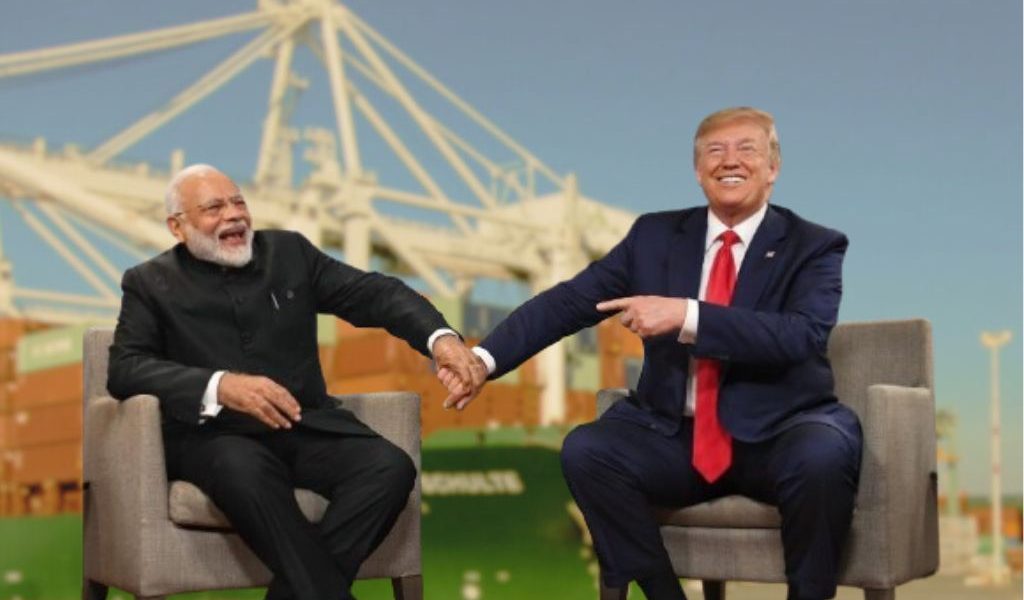
By K Raveendran President Trump’s repeated assertions that India has agreed to reduce tariffs “way down” have sparked a predictable wave of denials from New Delhi, underscoring the fraught and often opaque nature of trade negotiations between the two countries. While Trump’s tendency to make exaggerated or even unverified claims is well-known, in this particular […]

HONG KONG SAR – Media OutReach Newswire – 12 March 2025 – Since its establishment in 1963, The Chinese University of Hong Kong’s Faculty of Science (CUHK Science) has emerged as a global powerhouse in scientific research and innovation. Over merely six decades, it has built an unparalleled reputation for groundbreaking discoveries and academic distinction, positioning itself at the forefront of scientific advancement in Asia and beyond. […]

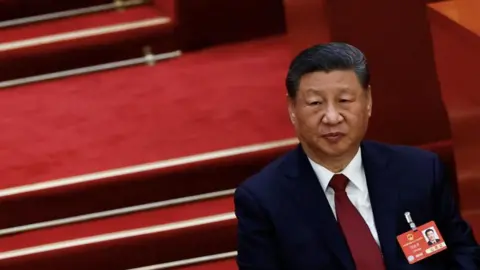
By Nitya Chakraborty The 14th National People’s Congress of China ended its one-week-long session in Beijing on Tuesday March 11 with a clear direction given by the President and the Communist Party supremo Xi Jinping that China will take on the disruptions made in the global order by the United States president Donald Trump in […]

Sushi Kissho by Miyakawa and Teppanyaki Shou Make Dazzling Debuts on the SCMP’s Best of the Best Annual List MACAU SAR – Media OutReach Newswire – 11 March 2025 – The South China Morning Post recently announced its 100 Top Tables guide for 2025, a definitive list recognizing the most exceptional dining establishments in Hong Kong and Macau. This year, six restaurants from StarWorld Hotel and Galaxy […]

Advertisements

The Gulf Cooperation Council experienced a slight increase in announced greenfield foreign direct investments in 2024, with the total number of projects rising by just under 1% to 1,830 from 1,813 in 2023, according to Emirates NBD Research. This modest growth underscores the region’s ongoing efforts to attract foreign investment, particularly in key markets like Saudi Arabia and the United Arab Emirates . Saudi Arabia emerged as […]

Spain’s second-largest bank, Banco Bilbao Vizcaya Argentaria , has officially received regulatory approval to offer Bitcoin and Ethereum trading services. This approval comes as the European Union’s Markets in Crypto-Assets regulation fully takes effect, marking a significant step forward for both the banking sector and cryptocurrency adoption within the region.

The move represents a landmark shift for BBVA, as it expands its portfolio of services to include cryptocurrencies. This decision aligns with the bank’s ongoing strategy to adapt to digital finance, meeting growing consumer demand for digital assets. With the MiCA regulation now operational, BBVA is positioning itself to take advantage of new opportunities in an increasingly digital economy.

The MiCA regulation, a major component of the EU’s broader digital finance strategy, aims to create a comprehensive framework for cryptocurrency markets across member states. The regulation provides clarity on legal aspects such as licensing, consumer protection, and financial stability, establishing a uniform approach to crypto assets across the EU. Its implementation signals a major regulatory shift that is set to influence financial institutions throughout the region.

BBVA’s approval is part of a broader trend in Europe where traditional banks are gradually integrating cryptocurrencies into their services. This comes at a time when the European crypto market is maturing, with increased institutional involvement and more regulatory oversight. The move not only represents an opportunity for the bank but also signals increasing mainstream acceptance of digital currencies.

BBVA’s entry into cryptocurrency trading follows a series of pilot programs that tested various blockchain-based solutions. The bank had already ventured into the crypto space in 2021, offering a limited range of services for clients in Switzerland, where cryptocurrency regulation is more permissive. Now, with MiCA regulation fully in place across the EU, BBVA’s decision to expand its crypto offerings into Spain is seen as a natural progression.

The decision by BBVA also highlights the growing importance of regulatory frameworks for the cryptocurrency sector. MiCA aims to ensure that the crypto market operates in a transparent, secure, and consumer-friendly manner, which has been a concern for both regulators and market participants. By adhering to these regulations, BBVA is positioning itself as a leader in responsibly integrating cryptocurrency trading into its offerings.

Other financial institutions in Europe are also taking steps to integrate digital assets into their portfolios. For instance, major banks like Deutsche Bank and Barclays are experimenting with blockchain technologies and exploring potential cryptocurrency-related services. However, BBVA stands out due to its proactive approach in securing regulatory approval and expanding its services at a time when cryptocurrency markets are still evolving.

The move comes as institutional interest in cryptocurrencies continues to rise. More investors, from hedge funds to family offices, are seeking exposure to digital assets, and this trend is expected to continue in the coming years. With its new offering, BBVA aims to cater to both retail and institutional clients, providing them with a secure and regulated platform to trade popular cryptocurrencies like Bitcoin and Ethereum.

As part of its offering, BBVA plans to integrate crypto trading into its existing digital banking services, allowing customers to manage their cryptocurrency investments alongside traditional assets. This seamless integration could offer a competitive advantage, as more banks are starting to see the benefit of combining traditional financial services with digital assets.

While some European banks are cautious about entering the cryptocurrency market, BBVA’s strategy reflects a more optimistic outlook on the long-term potential of digital currencies. The bank’s leadership has signalled that its move into the cryptocurrency sector is part of its broader strategy to embrace innovation and meet the evolving needs of its customers.

The success of BBVA’s crypto offering will depend not only on its ability to navigate regulatory frameworks but also on how well it can address concerns related to security, volatility, and customer education. As cryptocurrency markets continue to evolve, banks like BBVA will need to remain agile, adapting to both regulatory changes and shifting customer expectations.

The impact of BBVA’s decision could also ripple through the broader financial industry, pushing other institutions to consider their own approaches to cryptocurrency and blockchain technology. As more banks integrate digital currencies into their offerings, the financial services landscape could become increasingly intertwined with the cryptocurrency sector, challenging traditional business models and introducing new opportunities for growth and innovation.

Despite the promise, challenges remain. Cryptocurrency markets are still highly volatile, and many investors view digital assets as speculative. While the MiCA regulation aims to address some of these concerns, there are still risks associated with investing in crypto. BBVA’s ability to mitigate these risks through effective risk management strategies will be closely watched by both regulators and investors.

Apple has unveiled a monumental plan to invest $500 billion in the United States over the next four years, underscoring its commitment to domestic manufacturing, artificial intelligence development, and job creation. This initiative represents one of the largest single investments by a technology company in U.S. history. The investment encompasses several key components aimed at bolstering Apple’s infrastructure and technological capabilities. A significant portion is allocated to […]

Wealth management firm Capital Haus has acquired an 11.6% stake in Equity Story Group Ltd, an Australian Securities Exchange -listed financial media and investment advisory company. The transaction involved the purchase of 19,230,770 shares at 2.6 Australian cents per share, aligning with the last traded price on the ASX. These shares will be held in escrow for 12 months. Additionally, Capital Haus secured 12,820,513 options at an […]

President Donald Trump announced plans to visit Saudi Arabia within the next six weeks to finalize an agreement for the kingdom to invest $1 trillion in the U.S. economy over the next four years, including substantial purchases of military equipment. This development underscores the strengthening economic ties between Washington and Riyadh.

Speaking to reporters in the Oval Office, Trump highlighted that his first overseas trip during his initial term in 2017 was to Riyadh, where Saudi investments were then estimated at $350 billion. He noted that the kingdom’s financial capacity has grown since, stating, “They’ve gotten richer, we’ve all gotten older.” At Trump’s behest, the Saudis have agreed to significantly increase their investments in American companies, encompassing various sectors, notably defense. The President expressed his intention to visit Saudi Arabia to formalize this agreement, emphasizing his positive relationship with the kingdom’s leadership.

Saudi Arabia’s Crown Prince Mohammed bin Salman has been instrumental in advancing the kingdom’s Vision 2030 initiative, aiming to diversify the economy beyond oil dependence. The substantial investment in the U.S. aligns with this strategy, seeking to bolster the kingdom’s global economic footprint and strengthen bilateral relations with key allies.

The planned investment includes significant procurement of U.S. military equipment, reflecting Saudi Arabia’s ongoing efforts to modernize its armed forces amid regional security challenges. This move is expected to benefit American defense contractors and contribute to job creation within the United States.

In addition to defense, the investment is anticipated to span various sectors, potentially including technology, infrastructure, and energy. Such diversification aligns with both nations’ interests in fostering innovation and sustainable economic growth.

The announcement comes at a time when the global economy faces uncertainties, and substantial foreign investments are viewed as a positive indicator of confidence in the U.S. market. Analysts suggest that this agreement could stimulate economic activity and enhance the strategic partnership between the two countries.

However, this development is not without its critics. Some policymakers express concerns regarding the implications of deepening ties with Saudi Arabia, citing human rights issues and regional geopolitical tensions. They advocate for a balanced approach that considers both economic benefits and ethical considerations.

The forthcoming visit also holds geopolitical significance. Saudi Arabia has been taking a more prominent role in U.S. foreign policy, with plans to host a U.S.-Ukraine meeting to discuss a ceasefire in the ongoing conflict. This initiative positions Riyadh as a mediator in international affairs, potentially enhancing its diplomatic standing.

Trump’s engagement with Saudi Arabia extends to other domains. In February, he met with officials from the PGA Tour and the Saudi-owned LIV Golf to address a rift between the two organizations, indicating the breadth of U.S.-Saudi interactions beyond traditional sectors.

SpaceX’s ambitious Starship program encountered a significant setback as its eighth test flight ended in failure. The spacecraft disintegrated minutes after launch from Boca Chica, Texas, scattering debris over the Caribbean. This incident marks the second failure for the Starship vehicle within a span of six weeks, raising concerns about the program’s trajectory and safety protocols. The test flight commenced at 5:30 p.m. CST, with the Super […]

By Nitya Chakraborty How is China, the second largest economic and military power of the world after the United States is planning to confront the second term U.S. President Donald Trump’s resurgence disrupting the so long established global order to impose his total domination on international politics? Every political analyst is looking at the current […]
By Dr. Sobhanlal Datta Gupta A controversy has erupted centring around CPI(M)’s position expressed in the Draft Political Resolution for the ensuing 24th Party Congress that the present Narendra Modi Government is not fascist, but marked by fascist tendencies. This stand has been subjected to criticisms by other Left parties on the ground that this […]

China has set an ambitious economic growth target of approximately 5% for 2025, maintaining the same figure as the previous year, despite ongoing tensions with the United States in the form of a prolonged tariff war. This announcement comes at a time when both countries are embroiled in a cycle of escalating trade restrictions, and experts are closely watching the impact these developments will have on global economic stability.

The Chinese government’s decision to maintain its 5% growth target for 2025 is indicative of its continued focus on achieving steady economic expansion in the face of significant external challenges. The target is in line with that of 2024, as the country seeks to navigate its way through a complicated geopolitical landscape. Despite the slowdown in the global economy and intensifying trade disputes with Washington, the Chinese government is prioritising stability, especially as it prepares for its own domestic policy goals, including technological self-sufficiency and boosting domestic consumption.

In an attempt to strengthen its economic position, China has introduced retaliatory tariffs on key American imports, notably targeting agricultural products. These include 15% tariffs on chicken, wheat, corn, and cotton from the U.S., alongside a 10% levy on a broader range of agricultural commodities such as sorghum, soybeans, pork, beef, aquatic products, fruits, vegetables, and dairy products. This is a clear response to U.S. tariffs that have impacted Chinese industries, particularly in sectors such as electronics and consumer goods. The trade dispute, which has evolved over the years, now impacts critical supply chains, particularly in sectors where the U.S. and China have intertwined economies.

In parallel with the tariff increases, China has expanded its list of American companies subject to export controls. The Chinese Ministry of Commerce recently added 15 more American firms to its export control list, including drone manufacturer Skydio. This measure is aimed at restricting Chinese firms from providing dual-use technologies—equipment that can serve both civilian and military purposes—to these companies. The move is a direct response to U.S. actions, particularly those targeting Chinese firms like Huawei and TikTok in previous years. By limiting access to advanced technology, China seeks to ensure its technological independence, especially in areas of high strategic importance, such as artificial intelligence, semiconductors, and aerospace.

The trade war, which began under former President Donald Trump, has seen both countries impose tariffs on billions of dollars’ worth of goods. Although the Biden administration initially sought to soften the stance, tensions have reignited as both nations continue to use tariffs as a bargaining chip. The announcement of a 5% growth target comes as China faces several challenges, not only from the trade war but also from domestic economic pressures such as rising debt levels, a struggling property sector, and an aging population.

While the 5% growth target may appear conservative compared to China’s previous years of double-digit expansion, analysts argue that it reflects a more sustainable growth trajectory in the current global climate. The focus is now shifting towards quality growth, with an emphasis on high-tech industries, innovation, and green development. For the Chinese government, maintaining this growth rate is essential for ensuring social stability and reinforcing the Communist Party’s control over the country.

The U.S.-China trade war has led to significant disruptions in global markets, with both sides suffering economic consequences. For instance, the U.S. has seen its farmers and manufacturers experience difficulties due to China’s retaliatory tariffs. At the same time, Chinese companies have faced hurdles in securing advanced technology from U.S. suppliers. This has led to shifts in global supply chains, as companies increasingly seek to diversify their production away from China to avoid the risks posed by further trade escalation.

In response to these challenges, China has been actively exploring alternative markets. This includes strengthening its trade ties with countries in Asia, Africa, and Latin America, as well as making efforts to deepen its economic integration with the European Union. Furthermore, China has focused on boosting its domestic consumption, aiming to reduce its reliance on exports as a driver of growth. This approach has led to the expansion of industries such as electric vehicles and renewable energy, which are seen as crucial for the country’s long-term economic future.

Despite the economic headwinds, China’s leadership remains resolute in its plans to ensure economic growth through a mixture of policy tools. Measures such as infrastructure spending, financial support for key industries, and a continued push for technological advancements are central to these plans. The government’s ability to navigate through this tumultuous period will largely depend on its ability to manage both domestic challenges and international relations, particularly with the U.S.

In a strategic move that underscores Egypt’s global cultural ambitions, Khaled El-Enany has emerged as the nation’s latest candidate for the prestigious UNESCO Director-General position, positioning himself as a formidable contender in the 2025-2029 leadership race. El-Enany brings a wealth of experience to his candidacy, having served as Minister of Tourism and Antiquities and garnering significant diplomatic support. His nomination represents Egypt’s continued commitment to international cultural […]

European nations are accelerating defense initiatives in response to concerns over the United States’ commitment to NATO under President Donald Trump. French President Emmanuel Macron has urged European Union members to increase defense spending to between 3% and 3.5% of GDP, citing the necessity for Europe to assume greater responsibility for its security. The European Commission, led by Ursula von der Leyen, has proposed an €800 billion […]

Abu Dhabi’s Etihad Airways has delayed its anticipated $1 billion initial public offering until at least next month, following the Eid al-Fitr holiday, according to individuals familiar with the matter.

While the airline had not officially announced a specific date for the IPO, sources previously indicated that an announcement was expected last week, coinciding with Etihad’s report of a significant profit increase. This IPO would mark the first major Gulf airline listing in nearly two decades.

The reasons for the postponement remain undisclosed, with insiders speaking on condition of anonymity due to the sensitivity of the information. Both Etihad and its owner, Abu Dhabi’s $225 billion wealth fund ADQ, declined to comment on the matter.

Etihad, established in 2003, had planned to offer approximately 20% of its business through the IPO to fund its growth ambitions. The airline recently reported a net profit of $476 million, more than tripling its earnings from the previous year. This financial upturn follows a multi-year restructuring and management overhaul, with expansion efforts underway under the leadership of CEO Antonoaldo Neves.

The Gulf region’s airline sector has faced challenges such as delivery delays, labor disruptions, rising costs, and engine issues. In this context, Etihad’s planned IPO could present a promising opportunity for investors, highlighting the resilience and potential of the Middle Eastern aviation market.

Etihad’s strategic initiatives include enhancing Abu Dhabi’s position as a global travel hub connecting Asia and Europe. The airline aims to expand its network to over 125 destinations and increase its fleet to more than 160 aircraft by 2030. These efforts are part of the “Journey 2030” strategy, focusing on sustainable growth and operational excellence.

The White House is set to host a significant summit on March 7, aimed at discussing the future of cryptocurrency and digital assets. The event will see the participation of high-profile figures from the crypto industry, alongside members of the Presidential Working Group on Digital Assets. The gathering will provide a platform for leaders to discuss policy and regulatory frameworks surrounding digital currencies and their potential impact on the economy.

Among the 20 to 25 invitees are key players from some of the most influential companies in the crypto and blockchain sectors. The summit will bring together individuals who have shaped the industry through their work in technology, finance, and digital innovation. Some of the most prominent names on the guest list include Michael Saylor, the CEO of MicroStrategy, who is known for his advocacy of Bitcoin, Brian Armstrong, CEO of Coinbase, and Vlad Tenev, CEO of Robinhood.

Also attending are Arjun Sethi, CEO of Kraken, David Bailey, CEO of Bitcoin Magazine, and Matt Huang, co-founder of Paradigm. These leaders represent a cross-section of the cryptocurrency ecosystem, spanning exchanges, media, and venture capital firms. Other notable attendees include JP Richardson, CEO of Exodus, Kyle Samani, managing partner of Multicoin Capital, and Zach Witkoff, co-founder of WLFI. Sergey Nazarov, the co-founder of Chainlink, will also be present, further emphasizing the blockchain industry’s influence on the digital assets conversation.

The event’s significance extends beyond the individual discussions among these leaders. With the Biden administration focusing on digital assets and their regulatory framework, the summit marks a critical moment in the government’s ongoing effort to better understand the complexities of cryptocurrency markets. Attendees are expected to engage in dialogues that could shape the regulatory environment surrounding digital assets in the United States.

Over the past year, the U.S. government has shown an increasing interest in regulating the cryptocurrency industry. This heightened focus comes amid concerns over the volatility of digital assets, their potential for illicit use, and their long-term impact on financial markets. The summit at the White House is seen as a way to bridge the gap between policymakers and industry leaders, with the goal of crafting policies that support innovation while ensuring consumer protection.

A key topic likely to dominate discussions at the summit is the role of digital assets in the broader financial ecosystem. As cryptocurrencies become more mainstream, there is growing pressure to ensure that they operate within a clear regulatory framework. Some experts argue that without proper regulation, the risk of fraud, money laundering, and market manipulation could undermine trust in digital currencies. Others, however, advocate for a hands-off approach, arguing that overregulation could stifle innovation and limit the potential benefits of digital assets.

The White House summit is expected to focus on a range of issues, from the regulatory treatment of cryptocurrencies to their use in traditional financial markets. A major point of contention has been whether cryptocurrencies should be classified as commodities, securities, or a new class of assets entirely. This distinction has major implications for how they are taxed, traded, and regulated.

For many in the crypto space, this summit represents a critical opportunity to engage directly with policymakers and advocate for policies that support innovation. The presence of prominent figures like Michael Saylor, who has been vocal about his support for Bitcoin as a store of value, and Brian Armstrong, who has been an outspoken advocate for clearer regulatory guidelines, suggests that the meeting will feature a candid and open discussion on the future of digital assets.

One of the critical issues that attendees may address is the potential for a central bank digital currency in the U.S. While other countries, such as China, have made significant strides in developing CBDCs, the U.S. has been cautious in its approach. Some industry leaders are concerned that the introduction of a government-backed digital currency could undermine the decentralised ethos of blockchain technology and compete with private cryptocurrencies like Bitcoin.

At the same time, the growing interest in decentralized finance and non-fungible tokens is likely to feature in conversations. DeFi, in particular, has emerged as one of the most disruptive trends within the cryptocurrency space, offering financial services such as lending and borrowing without the need for traditional intermediaries like banks. This fast-evolving sector could pose challenges for regulators, who will need to balance fostering innovation while ensuring these platforms comply with existing financial laws.

Another important aspect of the summit will be the broader international context. As global governments begin to take action on cryptocurrency regulation, the U.S. faces increasing competition from other countries in setting the pace for crypto innovation. European countries, for example, have introduced their own regulatory frameworks for digital assets, while nations like El Salvador have adopted Bitcoin as legal tender. How the U.S. positions itself in this global race for regulatory leadership could have far-reaching consequences for the industry.


Abu Dhabi’s Etihad Airways has deferred its anticipated $1 billion initial public offering until at least next month, following the Eid al-Fitr holiday, according to individuals familiar with the matter. While the airline had not officially announced a specific date for the IPO, sources indicated that an announcement was expected last week, coinciding with Etihad’s report of a substantial profit increase. The reasons for the delay remain undisclosed, as those privy to the situation have chosen to remain anonymous. Both Etihad and its parent company, Abu Dhabi’s $225 billion wealth fund ADQ, have declined to comment on the postponement.

The planned IPO is significant, marking the first major listing of a Gulf airline in nearly two decades. Etihad, established in 2003, had intended to offer approximately 20% of its business through the share issuance to support its growth ambitions. The airline has undergone extensive restructuring and management changes in recent years but has shown signs of expansion under the leadership of CEO Antonoaldo Neves. In its latest financial disclosures, Etihad reported a net profit that more than tripled to $476 million, reflecting a robust recovery in the aviation sector.

The Gulf region has witnessed a surge in IPO activity as governments seek to diversify their economies beyond oil revenues. Etihad’s move to go public aligns with this broader strategy, aiming to attract foreign investment and enhance corporate governance. However, the airline industry globally has faced challenges, including delivery delays, labor disruptions, and rising operational costs. Despite these hurdles, Etihad’s planned IPO has been viewed as a potential bright spot for investors, given the airline’s strategic position and growth prospects.

The delay in the IPO may prompt investors and industry analysts to reassess the timing and valuation of the offering. Market conditions, geopolitical factors, and internal strategic considerations often influence such decisions. As the new timeline extends beyond the Eid al-Fitr holiday, stakeholders will be keenly observing Etihad’s next steps and any further communications regarding the IPO.

A U.S. federal court has denied Elon Musk’s request for a preliminary injunction aimed at halting OpenAI’s transition into a for-profit entity. U.S. District Judge Yvonne Gonzalez Rogers ruled that Musk failed to meet the necessary criteria for such an injunction. OpenAI, initially established as a non-profit organization dedicated to advancing artificial intelligence for the benefit of humanity, has undergone significant structural changes in recent years. The […]

HA LONG, VIETNAM – Media OutReach Newswire – 4 March 2025 – Vingroup and global investment firm JTA Investment Qatar have announced a Memorandum of Understanding (MOU), opening up strategic investment opportunities in the electric vehicle and tourism sectors. Accordingly, JTA Investment Qatar recognizes VinFast’s global growth strategy, alongside the significant value of Vinpearl’s premium hotels and resorts, leading amusement parks and entertainment clusters, thereby aiming to […]

At the Mobile World Congress in Barcelona, Qualcomm Technologies unveiled the Qualcomm X85 5G Modem-RF, an advancement poised to redefine connectivity standards for Android devices. This eighth-generation modem-to-antenna solution, integrated with AI capabilities, achieves peak download speeds up to 12.5 Gbps, enhancing streaming, gaming, and overall user experiences. The X85 supports both sub-6 GHz and mmWave frequencies, ensuring seamless connectivity across diverse network environments. Its AI-powered data […]

VISHNU RAJA
RYO YAMADA
HITORI GOTOH
IKUYO KITA