News related to
leadership

Dodoma’s state leadership confirmed significant advancements in the Third National Five-Year Development Plan, registering strides in infrastructure, agriculture, energy, justice reform and foreign investment initiatives. In a parliamentary session, Planning and Investment Minister Professor Kitila Mkumbo detailed over 193 development schemes—among them 17 flagship mega-projects—now underway. Irrigation farming has expanded, with irrigated areas growing from approximately 695,000 ha in 2019/20 to 727,280 ha by 2022/23, driven by intensified use […]

Iran launched a coordinated attack using ballistic missiles and combat drones against Israel, marking a significant intensification of hostilities and signalling a tactical shift in its military posture. A new guided ballistic missile—named ‘Haj Qassem’ after the late Major‑General Qasem Soleimani—was deployed alongside swarms of drones, striking central Israel including Tel Aviv and Haifa. Iranian state media described the operation as a hybrid assault, showcasing advanced navigation capabilities […]

Abu Dhabi hosted the culminating round of the Grand Prix Grappling World Tour at Mubadala Arena, Zayed Sports City, drawing hundreds of athletes from over 50 nations yesterday. The UAE secured top position in the overall standings, with 31,000 points, narrowly surpassing Brazil’s 30,600 and Russia’s 19,000, highlighting Emirati athletic rise in combat sports.

Leading the charge was Khaled Al Shehhi, who seized gold in the professional division after a series of commanding performances. Demonstrating exceptional physical strength and technical finesse, Al Shehhi attributed his victory to years of rigorous training and unwavering institutional backing from national leadership. He praised the diversity of grappling styles present and affirmed that the title represents a “significant milestone” in his career.

In the heavyweight division, Pouya Rahmani also took home gold. He commended the tournament’s professionalism, citing world‑class refereeing and flawless logistical arrangements, which, he added, elevated his performance amid a passionate crowd.

Organised by the Abu Dhabi Jiu‑Jitsu Pro Federation, the event underlined Abu Dhabi’s growing stature as a global combat‑sports hub. Its presence on the AJP calendar consistently attracts elite talent and contributes to the city’s international sporting profile.

Analysts note that this iteration—held on 14 June 2025—reflects a wider trend of rising investment and performance in grappling disciplines across the Gulf. With significant prize money and global ranking points at stake, UK‑based grappling commentator James Carter remarked: “This tournament is fast evolving into a key international stage for pro grapplers—it draws tactical competitors from Europe, South America, and Asia alike.”

Data from AJP shows this year’s event awarded 2,000 global ranking points to each champion—an incentive that has increased both participation and competitive intensity.

At the closing ceremony, Tareq Al Bahri, general manager of AJP, lauded the standard of competition and Emirati athletes’ achievements. He emphasised that national development programmes have been instrumental in nurturing home‑grown talent, with jiu‑jitsu federations investing in grassroots camps and international coaching exchanges.

Veteran coach Maria Fernandez, who oversees female grappling teams across the region, observed that the UAE’s multi‑tiered strategy—combining youth training, scholarships, and elite events at Mubadala Arena—has yielded visible results. “What we’ve seen here isn’t just isolated wins; it’s structural change. The UAE is visibly closing the gap with traditionally dominant nations like Brazil and Russia,” she said.

Looking ahead, organisers confirm that the Abu Dhabi stop is set to remain a keystone of the 2025‑26 AJP Grappling World Tour. Future events, including youth and professional categories, will continue at Mubadala Arena and additional venues across the emirate, reinforcing Abu Dhabi’s role in hosting elite martial‑arts competition.

For Khaled Al Shehhi and Pouya Rahmani, the gold medals on home soil represent both personal triumph and national pride. Their performances, supported by a robust governance and funding framework, signal a shifting landscape in global grappling—a sport now gaining serious ground in the Middle East.

Ajman has emerged as the host for the 58th Asian Fitness and Bodybuilding Championship, taking place from 15 to 17 June 2025 at the Emirates Hospitality Centre. The emirate, hosting the event for the first time, extends a formal welcome under the patronage of His Highness Sheikh Ammar bin Humaid Al Nuaimi, Crown Prince of Ajman and Chairman of the Executive Council, with the presence of Sheikh Abdulaziz bin Humaid Al Nuaimi, Chairman of the Ajman Department of Tourism Development.

Delegations from 23 nations across Asia will converge on Ajman this week, marking a notable heightening of the emirate’s stature within international sports circles. The Asian Bodybuilding and Fitness Federation’s congress also convened on 14 June, assembling leading officials and athletes to chart governance, standards and growth pathways for the sport across the continent.

IFBB President Dr Rafael Santonja expressed strong approval of Ajman’s preparations. He praised the local authorities’ logistical efforts and voiced confidence that the event will proceed in “the best possible manner,” reflecting meticulous planning.

By integrating top-tier competition with a high-level governance forum, Ajman seeks to project itself as a dynamic arena for Asia’s sporting peaks. The congress set the stage for the championships, drawing attention to the need for continuity between seasonally organised regional fests and global-level federation oversight.

Competitors span multiple divisions, including bodybuilding by height, men’s and women’s physique, fitness challenge categories, and adaptive contests such as wheelchair bodybuilding and para-bodybuilding. The comprehensive format reflects the IFBB’s commitment to expanding inclusivity, with winners across senior classes earning IFBB Pro Cards, enhancing the stakes for participants.

Logistics have been arranged to accommodate the influx of athletes, officials and support staff. Delegations arrived on 14 June, as confirmed by weigh-ins and registration hosted at the Bahi Ajman Palace Hotel. The adjacent Asian Federation congress was conducted at Ajman Saray Hotel. Recommended airports include Sharjah and Dubai, easing international access to the host emirate.

Entry structures show stringent anti-doping controls, with compliance to WADA standards in place. National federations have a stringent responsibility to vet athletes, especially those with past doping violations. Consent to drug testing was mandatory upon registration.

Registration fees include accommodation and meals from 14 to 18 June, with athletes opting for single or shared rooms at Bahi Ajman Palace Hotel. Crossover category participants incur a USD 100 surcharge.

The championship schedule unfolds across three days, with prejudging commencing on Day 2. Finals continue through Day 3 and Day 4 before closing events conclude on 17 June. Delegations depart on 18 June. This compact time-frame underscores an intention to deliver a high-impact, tightly controlled competition.

Ajman’s hosting aligns with a broader push to diversify its economy through sporting tourism and cultural diplomacy. The tourism authority unveiled the event’s logo and mascot—‘Mayed’—alongside traditional Emirati performances, highlighting the interplay between sporting and cultural platforms. The championship is expected to catalyse increased occupancy in the hospitality sector and heightened international visibility.

Preparatory logistics—hotel accommodations, venue readiness, anti-doping protocols, and athlete transport—underscore Ajman’s growing capacity to stage large-scale events. Federal backing ensures alignment with Wahid leadership’s vision to see the emirate emerge as a regional hub for international gatherings across sports, business, and tourism.

The intersection of high-performance sport, organisational governance and cultural presentation at Ajman’s inaugural hosting of the Asian Fitness and Bodybuilding Championship signals the emirate’s aspiration to position itself prominently on Asia’s event map.

Galaxy Macau and FIA Establish a Three-Year Strategic Partnership Following the Successful Debut of the Landmark Conference in Macau as Historic Home of the FIA Formula Regional World Cup MACAU SAR – Media OutReach Newswire – 13 June 2025 – The 2025 Extraordinary General Assemblies meeting and the Conference of the Fédération Internationale de l’Automobile (FIA), hosted by the Automobile General Association Macao-China (AAMC) supported by Galaxy […]

Sharjah Publishing City Free Zone has been awarded the globally recognised “Great Place to Work” certification for the second year running, underscoring its commitment to cultivating a top-tier workplace. The accolade, granted by an independent authority with over three decades of experience in measuring workplace culture, reflects outstanding performance across key employee experience metrics.

Employees gave the organisation exceptionally high ratings, with 94 per cent satisfaction in workplace hospitality, 90 per cent approval of leadership behaviour, 87 per cent for engagement and 86 per cent in innovation. Equity and fairness also scored strongly—over 70 per cent in relevant categories. A remarkable 99 per cent of staff reported feeling physically safe at work and welcomed upon arrival, while 96 per cent noted unbiased, gender-neutral treatment and approachable management. These figures speak to a supportive environment where employees feel secure, valued and motivated.

Behind these high scores lies a deliberate strategy focused on trust-building, transparent leadership and collaborative culture. Through the Great Place to Work® Trust Model™, SPC’s approach places employees as the cornerstone of its service delivery model. The environment it fosters not only benefits staff morale but also translates into superior customer experience, reflected in prompt and efficient services.

The achievement is particularly notable given the scale of SPC’s operations. The free zone hosts more than 9,600 businesses spanning over 40 countries, including more than 1,500 publishers and investors, and is a vital hub for educational and cultural content creation. Its ecosystem supports not only publishing but also broader creative, technological and entrepreneurial sectors.

SPC’s origins date back to its launch in 2017 under the guidance of Dr Sheikh Sultan bin Muhammed Al Qasimi, Ruler of Sharjah, as the world’s first dedicated publishing free zone. From the outset, it was positioned to capitalise on Sharjah’s increasing appeal as a global cultural and knowledge-based economy, offering 100 per cent foreign ownership, full capital repatriation and a broad spectrum of licensing activities.

Since its establishment, SPC has continuously upgraded both its work environment and customer services. In May 2024, it introduced 24/7 operational support and guaranteed a three-business-day turnaround for bank account openings. It also pioneered an AI-enabled “instant licence” system in collaboration with Sharjah’s Investor Services Centre, delivering trade licences in under five minutes. These initiatives demonstrate its dedication to efficiency and tech-enabled service delivery.

The free zone’s appeal stretches well beyond the publishing community. Over 2,000 Indian-owned businesses operate in SPC, drawn by its strategic location and integrated support infrastructure. These enterprises benefit from a platform that promotes global expansion and cross-border reach. SPC has also diversified licensing options to include e‑commerce, cybersecurity, AI, biotech and robotics, reflecting its ambition to cater for a wide range of creative and technological ventures.

Yet SPC has not been without critique. Some business owners on public forums have expressed frustration over service quality and administrative delays during setup. One Reddit user described licences issued “once you get the hang of things” albeit noting initial frustrations, while another labelled the free zone as “incredibly frustrating to deal with” but acknowledged smooth operation post-launch. These mixed reviews highlight areas for SPC to improve consistency in customer experience and operational support.

Despite these occasional criticisms, SPC remains a top choice for entrepreneurs and SMEs. An MoU with Amazon UAE in August 2024 aims to aid free zone businesses in scaling digitally and accessing Amazon’s e‑commerce network. Additionally, partnerships with financial institutions like Mashreq Bank provide priority banking services and support to its licensees.

The second consecutive Great Place to Work certification confirms SPC’s rising profile within Sharjah’s broader economic ecosystem. It aligns with Sharjah’s strategy to diversify its economy through nurturing creative, cultural and knowledge-based industries. Leadership at SPC points to this workplace accolade as affirming its role in attracting and retaining talent, as well as driving innovation in service delivery.

Dubai has unveiled a landmark recruitment drive, inviting skilled expatriates to fill key roles across public-sector departments with monthly salaries reaching AED 40,000. The official Dubai Careers Portal currently lists ten positions spanning healthcare, education, IT, infrastructure, social welfare and urban planning, signalling a strategic move to diversify talent in government ranks. Audit Manager roles in energy and industry auditing, Air Traffic Controller posts at Dubai International Airport, […]

Advertisements

HONG KONG SAR – Media OutReach Newswire – 13 June 2025 – The International Automotive & Supply Chain Expo (Hong Kong) 2025 opened on June 12, bringing together global industry leaders. Seizing this strategic opportunity in Hong Kong, Dongfeng Motor is showcasing its technological edge and promoting nine flagship models covering both passenger and commercial vehicle segments. Dongfeng Motor aims to rank among the top three Chinese […]

OpenAI is holding discussions with a range of international investors—including Saudi Arabia’s Public Investment Fund, Reliance Industries of India, and Abu Dhabi’s MGX—to raise around $40 billion in fresh equity. The move marks a pivotal effort to underwrite its ambitious next-generation AI models and the expansive Stargate infrastructure initiative. The round is being led by Japan’s SoftBank, which aims to shepherd significant capital into artificial intelligence advancements. At […]

HANOI, VIETNAM – Media OutReach Newswire – 11 June 2025 – Vinmec Healthcare System has successfully performed a Total Femoral Replacement (TFR) surgery using personalized 3D printing materials for the world’s youngest cancer patient. It is also the first biomedical product designed and produced entirely in Vietnam, marking a major milestone in the country’s advancement in precision medicine. Vinmec successfully performs world’s youngest pediatric total femur replacement […]

Applications from African professionals to American MBA programmes are climbing sharply, driven by robust scholarship support, evolving diversity strategies, and a post-pandemic appetite for international career mobility. African candidates are finding new momentum in American business schools thanks to generous funding sources such as the TY Danjuma MBA Scholarship, established in 2011. The fund supports admissions at top‑ranked global institutions, awarding 64 students from nations including Nigeria, […]

Some 2,400 stem cell and regenerative medicine pioneers convene to chart new frontiers, resulting from bidding efforts of Hong Kong Convention Ambassadors of the Hong Kong Tourism Board HONG KONG SAR – Media OutReach Newswire – 11 June 2025 – Reputed to be a leading research and development (R&D) hub for medical sciences, Hong Kong hosts the world’s largest and most significant gathering of stem cell research […]

Abu Dhabi Global Market has recorded a substantial leap in its development as a financial hub, marking a more than 30 per cent increase in registered firms last year and a remarkable 245 per cent surge in assets under management. Such gains stem from the emirate’s strategic mobilisation of its nearly US $2 trillion in sovereign wealth, aimed at diversifying its economy beyond its dominant oil sector. This year’s first quarter performance continued […]

OpenTrade, a London-based fintech infrastructure provider, has closed a £5.5 million funding round, led by Notion Capital and Mercury Fund, raising its total capital to around £8.5 million since inception. The investment is earmarked to scale its build-out of real-world asset-backed stablecoin yield services across high-inflation markets in Latin America and Europe.

OpenTrade embeds “yield-as-a-service” into fintech apps, allowing users to earn interest on USD and EUR stablecoins—rates that significantly outperform traditional banking options. Fintech clients such as Criptan in Spain and Littio in Colombia now offer yields up to 9%, compared with local bank APRs of under 0.5%.

Co-founders Dave Sutter, Jeff Handler, and Tom Niermann have close links to USDC’s Centre consortium and hold decades of digital assets experience. They launched OpenTrade in early 2024 to address demand from emerging markets, where inflation erodes savings and dollar-denominated banking returns are negligible. The platform has since managed approximately $47 million in assets and processed nearly $200 million in transaction volume, growing at an average of 20% month-over-month.

The round also saw participation from a16z crypto, AlbionVC, and CMCC Global, reflecting continued investor confidence. OpenTrade intends to direct the funds towards enhancing its technological capabilities, supporting growth in client-facing applications, and broadening its product suite to include a wider range of real-world asset-backed instruments.

The company’s timing aligns with a broader surge in stablecoin infrastructure. Globally, stablecoin transaction volumes now exceed $20 trillion annually—outpacing conventional payment systems such as Visa, Mastercard, and PayPal. For fintech firms in emerging economies, embedding stablecoin yields into everyday platforms is reshaping perceptions of crypto, transforming digital currencies from purely transactional tools into accessible savings vehicles.

Argentina and Colombia exemplify this shift. Dollar accounts are rare, and where available, yields are negligible. In Colombia, dollar-denominated APRs are below 0.4%, while Littio users, through OpenTrade, attract up to 6%. Spain’s Criptan offers up to 9% in EUR stablecoin returns—generating user traction by outperforming traditional savings products.

Despite the rapid uptake of stablecoins, mainstream users in many regions face roadblocks: regulatory frameworks for safe yield generation have lagged behind adoption. OpenTrade bridges this gap by offering compliant real-world asset backing and embedded yield capabilities, supporting regulatory alignment while extending market reach.

This funding arrives amid a regulatory pivot in Europe. The Financial Conduct Authority plans to unveil discussion papers on stablecoin issuance and custody in Q4 2025, aligning with the EU’s Markets in Crypto-Assets framework. OpenTrade’s growth strategy demonstrates fintechs’ ambition to navigate both innovation and regulation in stablecoin infrastructure.

Fintech founders view embedded stablecoin yield as essential for financial inclusion. Sutter has emphasized that stablecoins have become crypto’s “killer app” and that over a third of Latin American consumers have used them for purchases. OpenTrade is positioned as an enabler: the platform supports deposits, withdrawals, and yield generation directly within existing fintech interfaces.

Investor sentiment adds context. Notion Capital’s Itxaso del Palacio remarked that the $240 billion stablecoin market needs robust infrastructure. Mercury Fund’s Samantha Lewis described OpenTrade as “core financial infrastructure for the next generation of fintech”. These endorsements highlight confidence in both OpenTrade’s leadership and market relevance.

Looking ahead, OpenTrade aims to expand its reach over the next 12–18 months. Key areas include launching new yield products, incorporating diverse asset classes, and enhancing the user experience for fintech clients. The vision is to become the go-to partner for compliant stablecoin yield solutions, competing across developed and emerging economies where rising inflation, currency volatility, and limited access to traditional deposits persist.

Sixty per cent of Fortune 500 companies are now engaged in blockchain initiatives, according to the second-quarter “State of Crypto” report from Coinbase. The survey, conducted among executives of America’s largest firms, reveals that blockchain is no longer peripheral but central to corporate strategy across sectors.

The survey also highlights a dynamic surge in stablecoin use, with supply growing 54 per cent year-on-year. Small and medium-sized US businesses are following suit: about one-third currently use crypto, a share that has doubled since 2024. Among SMBs not yet involved, 46 per cent plan to adopt crypto within the next three years, and 82 per cent view it as a remedy for key financial challenges.

Institutional interest remains robust, with over 80 per cent of large investors planning to expand crypto exposure this year. Furthermore, a fifth of Fortune 500 executives perceives on‑chain blockchain efforts as integral to long-term strategy.

The report underscores a notable shift in corporate attitudes: 83 per cent of Fortune 500 executives familiar with crypto or blockchain confirm their companies have launched or are planning initiatives. Of these, the lion’s share—approximately 60 per cent—have progressed from pre-launch to live status since 2022.

Tech, finance and retail dominate these efforts. Data collection and management rank as leading use cases, followed by infrastructure concerns. Experts describe blockchain as “foundational” for enhancing transparency and automating operations. Larry Fink, chair and chief executive of BlackRock, noted that blockchain could “change the whole ecosystem” of securities trading by enabling “instantaneous settlement” and complete transparency of ownership.

Stablecoins, deemed a ‘killer application’ by Jose Fernandez da Ponte, SVP of Blockchain, Crypto and Digital Currencies at PayPal, have gained traction for facilitating global payments and preserving the dollar’s reserve status. BlackRock’s tokenised Treasury fund, BUIDL, has outpaced Franklin Templeton, now standing at approximately US $382 million, and is routinely used by hedge funds as collateral.

Yet regulation remains a critical concern. According to Coinbase’s findings, 90‑plus per cent of surveyed executives insist on the need for new rules specifically tailored to crypto and blockchain technologies rather than adapting obsolete frameworks. Eighty-seven per cent assert that clearer regulation is essential for preserving US leadership in the global financial system.

This regulatory environment has significant implications. Coinbase warns the US risks losing up to one million web3 developer jobs and three million related non‑technical positions by 2030 if regulatory ambiguities persist. Its share of global crypto development has already dropped from 40 to 29 per cent over the past six years.

Executives also cite talent shortages: nearly one in three identify insufficient skilled personnel as a major barrier, surpassing concerns about regulation. Among small businesses, half intend to seek finance, legal or tech professionals with crypto expertise in their next hiring round.

Despite headwinds, many companies push ahead. JPMorgan Chase executed its first DeFi transaction on a public blockchain, while ExxonMobil piloted crypto‑mining operations powered by excess gas. Retailer Lowe’s implemented blockchain and NFTs to combat theft by tracking stolen tools, and Nike integrated apparel NFTs into video games through a collaboration with EA Sports.

On the SMB front, crypto usage has grown dramatically. One in three US small and medium enterprises is already harnessing crypto for payments, payroll or treasury functions, up from one in six last year. Among those not yet using crypto, almost half aim to adopt it within three years. Four in five believe crypto could alleviate financial pain points such as transactional delays and steep fees.

The report indicates a tipping point. On‑chain U.S. Treasury holdings have topped $1.29 billion, representing a tenfold increase since early 2023. Total assets under management in spot Bitcoin ETFs now exceed $63 billion, and the U.S. stablecoin market cleared $10 trillion in annual transaction volume last year.

With blockchain moving from pilot to scale, traditional institutions like PayPal and Stripe are making stablecoin integration simple for merchants and users. Stripe now enables USDC payments across Ethereum, Solana and Polygon, with fiat conversions handled automatically. PayPal supports cross‑border stablecoin transfers in around 160 countries, eliminating transaction charges typically levied by remittance services.

These developments coincide with a broader surge in Web3 infrastructure investment. Total value locked in tokenised real‑world assets—ranging from fixed income to environmental credits—is approaching $2.4 billion, with US tokenised Treasuries alone surpassing US $1.2 billion in Q1 2024. Global institutional adoption continues apace, and tokenised assets are projected to reach US $16 trillion by 2030—equivalent to the EU’s GDP.

The UAE Ministry of Finance convened an impactful awareness session in Shanghai for Emirati students pursuing studies in China, spotlighting pathways into international financial institutions and multilateral development bodies. The event, held at the Shanghai headquarters of the New Development Bank, marked a central component of the UAE’s “UAE Global Cadres” initiative aimed at preparing nationals for careers in global finance.

Attended by prominent figures including H.E. Muhannad Sulaiman Al Naqbi, Consul General in Shanghai; Thuraiya Hamid Alhashmi, Director of International Financial Relations; and Qiangwu Zhou, Vice‑President and CAO of the NDB, the session featured detailed presentations on recruitment, training mechanisms, and institutional roles in multilateral settings. Ali Abdullah Sharafi, Acting Assistant Undersecretary for International Financial Relations, highlighted the Ministry’s commitment to “creating an interactive environment that brings together young Emirati talent with influential international organisations”.

With a focus on introducing students to specific roles within institutions such as the New Development Bank, the discussion covered NDB’s core mission of financing infrastructure and sustainable development projects across member countries. Students were provided an in-depth look at the Bank’s internal functions, including strategic planning, project financing, and administrative operations—areas in which career prospects are steadily rising. Qiangwu Zhou shed light on NDB’s expansion and strengthening of its global talent pipeline, reinforcing the UAE’s active role in its leadership and operations.

The session formed part of a wider programme under the “UAE Global Cadres” framework, which seeks to empower Emirati youth with the knowledge and contacts necessary for onboarding into premier international financial institutions. The initiative offers customised introductions, tailored knowledge development, and structured partnerships with organisations like the NDB alongside other global bodies.

Ahli Emirati scholars heard how the Ministry actively forges linkages with multilateral entities, not only to open doors for internships and secondments but also to embed nationals within strategic policy and operational roles. Students were briefed on specific entry requirements, including academic credentials, language proficiency, internship prerequisites, and application timelines. The Ministry emphasised its role as a facilitator, guiding candidates from initial interest through to successful placement.

The Shanghai session aligns with similar outreach efforts previously held in London and Washington, forging a consistent global strategy. In London, Home Office-led seminars engaged Emiratis studying in the UK, while in Washington, the Ministry together with representatives from the World Bank and IMF provided insights into recruitment and professional development frameworks.

Officials confirmed that up to 100 Emirati students participated in the Shanghai event. These attendees represent a cross-section of postgraduate candidates in disciplines such as economics, finance, development studies, and public policy. The Ministry has underlined its ambition for the programme to scale further, expanding to additional locations and engaging larger cohorts.

By nurturing talent domestically and internationally, the UAE aims to enhance its representation within global financial institutions and multilateral banks. This strategy dovetails with broader national goals: positioning Emiratis as influential actors on the world stage and ensuring the nation’s contribution to international finance is both substantive and sustainable.

Strategic partnerships with institutions like the NDB are vital in this respect. Established by BRICS nations in 2014, the NDB is undergoing rapid growth, investing in global operations while seeking multilingual professionals with cross-cultural acumen. For UAE nationals, the Bank offers a rare opportunity to join a rising multilateral institution from an early stage in its trajectory. According to NDB’s Vice-President Zhou, Emirati contributions at organisational and governance levels are steadily increasing.

Students raised questions about the logistics of recruitment, including timelines, evaluation methodologies, and integration approaches. Officials emphasised the importance of early engagement, noting that securing internships during or immediately after academic studies is critical. They also recommended building competencies in project management, negotiation, and multicultural teamwork. Ministry representatives expressed that the goal extends well beyond securing roles—it is about training a generation of Emiratis capable of navigating and shaping global finance policies.

The session also included interactive elements such as Q&A panels and breakout discussions, enabling direct engagement with senior practitioners from the NDB and the Ministry. This format allowed participants to seek personalised advice on career planning, CV refinement, and interview techniques.

The broader economic context for this effort is clear: as global development finance pivots towards sustainable and inclusive projects, multilateral institutions are broadening their hiring strategies to include more diverse nationalities. Countries like the UAE are responding by investing in preparatory programmes that align local talent pipelines with evolving international demand.

This engagement echoes the Ministry’s participation in high-level forums; last August, UAE delegates attended the ninth Annual Meeting of the NDB Board of Governors in Cape Town. Thuraiya Hamid Alhashmi represented the nation on the Board alongside representatives from Egypt and Bangladesh, underscoring the UAE’s growing strategic engagement with the Bank.

Officials described the Shanghai session as “a landmark opportunity for Emirati students to learn first-hand about global finance careers” and signposted further events planned in Europe and North America. The Ministry stressed that participation is not limited to finance graduates—disciplines including law, environmental policy, and engineering are also relevant to multilateral institution operations.

The new wave of global finance, driven by sustainability goals and digital transformation, requires professionals with a hybrid skill set: technical competence, policy insight, cultural intelligence, and legal understanding. The Ministry’s programme aims to sculpt Emirati candidates who meet these multifaceted demands, thereby positioning them as competitive contenders in the international talent ecosystem.


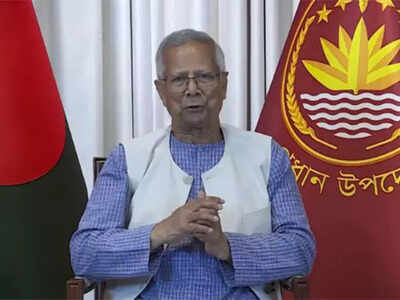
By Nitya Chakraborty The interim Chief Adviser of Bangladesh Government Dr. Muhammad Yunus has finally announced the holding of national elections in the country in the first half of April next year defying the demand of the main opposition party BNP to hold it in December this year. The final dates will be notified by […]

Wipro has officially transferred its Middle East regional headquarters from Al Khobar to a new, upgraded facility in Riyadh, signalling an intensified drive to anchor itself in the Kingdom’s digital economy. Mohamed Mousa has been appointed Managing Director and Regional Head for the Middle East, steering Wipro’s regional operations from the new Riyadh base.

Vinay Firake, CEO for Asia Pacific, India, Middle East and Africa, described the move as a “reaffirmation of commitment to supporting the dynamic business landscape in the Kingdom of Saudi Arabia.” He added that Mousa’s leadership will “further advance our decades-long presence in the Middle East.”

The office, inaugurated during a high-profile ceremony attended by senior Wipro executives, staff, and clients, is part of an expanding regional footprint that already includes offices in Jeddah, Jubail, and Al Khobar.

Mohammed AlRobayan, Deputy Minister for Technology at the Ministry of Communications and Information Technology, highlighted the Riyadh move as a pivotal moment for the Kingdom’s digital ambitions, saying it “accelerates the growth of the Kingdom’s digital economy” and underlines Saudi Arabia’s appeal as a tech destination.

Furthering its strategic investment in Saudi human capital, Wipro signed a Memorandum of Understanding with Prince Mohammad Bin Fahd University to create a Centre of Excellence in Riyadh. This initiative targets hands‑on training in advanced technologies for Saudi nationals, promoting workforce readiness and helping bridge the gap between academic learning and industry demand.

Financial analysts note that the relocation aligns with Saudi Vision 2030’s objective to diversify the Kingdom’s GDP beyond oil revenues, with global tech firms increasingly anchoring themselves in Riyadh. The new headquarters offers both symbolic and practical leverage: proximity to major government stakeholders, enhanced networking opportunities, and the ability to attract public–private partnerships focused on digital transformation.

Experts acknowledge, however, that this strategy is not without challenges. Wipro must navigate intense competition from both global rivals and agile regional players, maintain cost competitiveness, and ensure the newly hired Saudi talent is integrated effectively into its global delivery model. A report by an independent business intelligence provider recently flagged uncertainties such as fluctuating revenue streams and the rigours of managing a complex international footprint.

Mousa succeeds Dalveer Kaur, who transitioned to Wipro’s global capability centre practice. Mousa’s track record includes leadership roles in regional IT consulting and digital services, with a specific focus on scaling operations and aligning with government-led digital ecosystems. His appointment is a strategic fit for Wipro’s goal of deepening ties with local institutions and sovereign-backed tech initiatives.

The Riyadh office, equipped with advanced infrastructure, is expected to house regional delivery centres and client‑management teams specialising in cloud, AI, digital engineering, cybersecurity and consulting services. These capabilities align with Wipro’s broader portfolio, which spans consulting, design, engineering and operations in both the public and private sectors.

Looking ahead, Wipro is expected to pursue further partnerships with Saudi universities and training institutions, potentially expanding the Centre of Excellence model to other al‑Majlis campuses. The company will also likely collaborate with government-backed innovation hubs and sovereign wealth funds eager to foster digital lanes within finance, healthcare, logistics, and energy sectors.

While Wipro optimises its capacity to support client transformation in the region, industry observers will monitor its ability to sustain growth amid macroeconomic volatility, emergent technologies and evolving client expectations. With Mousa at the frontline, the company aims to leverage its regional assets, integrated innovation initiatives and talent development programmes to embed deeper into the Kingdom’s digital ecosystem.

Amid global tensions and shifting supply‑chain dynamics, Wipro is banking on its regional pivot and local leadership to consolidate both government and enterprise relationships. Riyadh is increasingly viewed not only as a political capital but also as a digital-tech hub. Wipro’s investments in infrastructure, talent and strategic partnerships reflect that shift, aiming to position the firm at the centre of the Kingdom’s transformation agenda.

Dubai Police has achieved the highest possible worldwide ranking in policing reputation, securing a prestigious AAA+ rating and a score of 9.2 out of 10 in the Brand Finance Institutional Brand Value Index. This accolade eclipsed law enforcement agencies across ten countries, drawing on insights from over 8,000 stakeholders and institutions. The evaluation focused on core measures such as professionalism, integrity, effectiveness, fairness and transparency, marking a clear leadership position for the force.

Public perception placed Dubai Police well above global averages in eleven reputation metrics. In categories like safety and security assurance, fair treatment of individuals, commitment and integrity, and ethical conduct, the force significantly outperformed its peers. Excellence was also noted in professional engagement, field performance, innovation in crime prevention, and its presence on social media.

This endorsement builds on the findings of Brand Finance’s National Brand Report, placing Dubai Police at a brand valuation of AED 57.9 billion. The contribution made by the force represents a sizeable portion of the UAE’s total national brand value, estimated at AED 4.48 trillion. Brand Finance highlighted how the institution’s reputation enhances the country’s soft power, improving perceptions of Dubai and the UAE as preferred destinations for tourism, investment and residency.

Lieutenant General Abdulla Khalifa Al Marri, Commander‑in‑Chief of Dubai Police, credited the recognition to visionary guidance from President His Highness Sheikh Mohamed bin Zayed Al Nahyan and Vice‑President and Prime Minister Sheikh Mohammed bin Rashid Al Maktoum. He said, “This recognition reflects the trust placed in police institutions across the UAE and highlights Dubai Police’s commitment to public safety, wellbeing, and quality of life.” He described the achievement as the result of “visionary leadership and an unwavering pursuit of excellence”, pointing to the force’s transition into a forward‑thinking, intelligent and sustainable policing model.

A variety of strategic initiatives have driven this transformation. Smart Police Stations, the SWAT Challenge, e‑sports tournaments and the Esaad programme are among the flagship projects cited. The adoption of artificial intelligence for crime prediction and the roll‑out of Smart Police Stations reflect a commitment to modernising public service delivery. Community engagement and outreach efforts have also improved trust between citizens and law enforcement.

David Haigh, CEO and Chairman of Brand Finance, highlighted the link between perception and influence: “Perceptions drive behaviour. The Brand Finance Global Soft Power Index is the world’s largest study of soft power perceptions.” The institute used existing city and nation brand metrics as a foundation, supplemented with a bespoke public survey to assess the force across ten global markets.

Dubai Police outperformed global benchmarks in key areas:

* Safety and security assurance: 67%
* Effective duty performance: 64%
* Strong operational field presence: 63%
* Transparent communication: 51%
* Modern, progressive development: 54%

These figures confirm the force’s positioning as both a law enforcement body and an instrument of national branding and soft power.

The emphasis on innovative service delivery through digital channels and media engagement also featured prominently in the assessment. Dubai Police maintains an active digital footprint, using platforms such as Twitter and Instagram to foster transparency and proactive public communication.

Stakeholders from government and community sectors described the force’s branding as inclusive and human‑centric, praising its alignment with universal values—justice, innovation and transparency—and its ability to humanise policing.

Brand Finance’s report also quantified the economic impact of reputation. Dubai Police’s brand contributes an estimated AED 57.9 billion to the UAE’s soft power value, reinforcing the UAE’s attractiveness on the global stage.

Apparel Group has marked a significant milestone by launching Go Colors’ inaugural international store at Dubai’s Silicon Central Mall, signalling the brand’s entry into the global retail market. This expansion represents a strategic step for Go Colors, which has established a strong presence in India with its vibrant and affordable fashion offerings. The move aims to capitalise on Dubai’s status as a retail hub, known for its diverse, fashion-conscious clientele and high footfall of international shoppers.

Go Colors is part of the Apparel Group, a leading retail conglomerate that manages over 75 global brands across the Middle East, India, and beyond. The launch in Dubai is designed to leverage the city’s cosmopolitan market, introducing Go Colors’ distinct range of colourful apparel, accessories, and lifestyle products to a broader audience. The brand’s identity revolves around youthful, trendy designs and a commitment to affordable pricing, which has resonated well with the domestic market and is now poised to attract the diverse demographics of Dubai’s shoppers.

Dubai’s Silicon Central Mall, a recently developed retail complex situated in the heart of Dubai Silicon Oasis, was chosen for its strategic location and modern infrastructure. The mall is rapidly emerging as a key destination for technology and lifestyle retail, combining innovation with shopping experiences. This aligns with Go Colors’ dynamic brand ethos and the Apparel Group’s ambition to expand its footprint in premium retail locations. The new store covers approximately 2,000 square feet and features a wide array of products tailored to appeal to men, women, and children, maintaining the brand’s core focus on versatility and style.

The decision to launch Go Colors internationally reflects broader trends in the retail sector, where Indian-origin brands are increasingly seeking growth beyond domestic boundaries. This expansion is facilitated by Dubai’s robust economic framework, ease of doing business, and a strong retail infrastructure that attracts international brands looking to establish a presence in the Middle East. Industry experts note that the Middle East retail market continues to grow steadily, driven by a young population, rising disposable incomes, and a blend of traditional and contemporary shopping preferences.

Go Colors’ entry into the Dubai market comes amid intensifying competition among apparel brands vying for consumer attention in the region. The brand’s strategy focuses on differentiating itself through vibrant colour palettes, frequent new collections, and price accessibility. This approach is expected to attract not only the local UAE residents but also expatriates and tourists, who constitute a significant share of Dubai’s retail consumers. By emphasising a youthful and energetic brand image, Go Colors aims to fill a niche that balances trendy fashion with everyday affordability.

The Apparel Group’s leadership expressed confidence in the growth potential of the new store. The group’s CEO highlighted that the launch represents a blend of innovation, market understanding, and the ability to connect with diverse consumer groups. He underlined the importance of Dubai as a gateway for international expansion and pointed to the group’s extensive experience in managing multiple global brands as a key asset in navigating new markets. The leadership’s vision for Go Colors involves not only store expansion within the UAE but also potential future openings in other strategic locations worldwide.

Operationally, the new store employs a mix of local staff trained in customer engagement and product knowledge, ensuring a high standard of service that aligns with the brand’s values. The layout of the store is designed to offer a seamless shopping experience, combining colourful, eye-catching displays with intuitive product categorisation. This allows customers to easily navigate through seasonal collections, casual wear, and accessories. Additionally, the store integrates digital elements such as QR codes for product information and promotions, reflecting a growing trend towards blending physical and digital retail experiences.

Market analysts observe that the Apparel Group’s expansion strategy is well-timed, considering the growing appetite for fast fashion and lifestyle brands in the Middle East. The region’s retail sector is adapting rapidly to shifts in consumer behaviour, with increased demand for value-oriented yet stylish apparel. Go Colors’ proposition fits into this paradigm by offering fresh designs frequently, thus catering to consumers seeking variety without compromising affordability. This trend is underscored by data indicating increased spending on casual and lifestyle clothing across GCC countries, driven by younger demographics and evolving fashion sensibilities.

While the launch signals optimism, challenges remain for Go Colors as it enters a competitive and sophisticated market. Established international brands and regional players alike have entrenched customer bases, and consumer expectations for quality, trendiness, and service are high. Success will depend on how effectively Go Colors can localise its product offerings, adapt to cultural preferences, and sustain a compelling value proposition. The Apparel Group’s experience in the Middle East retail sector, including managing franchises and original brands, is expected to play a crucial role in mitigating these challenges.

The store opening is also part of a wider retail resurgence in Dubai, as the city continues to attract global investors and shoppers post-pandemic. Retail experts point to increased foot traffic in malls and rising consumer confidence as indicators of a robust recovery. Government initiatives promoting tourism, retail innovation, and business-friendly policies have contributed to this positive environment. For Go Colors, entering this market now could provide early mover advantages as consumer habits stabilise and purchasing power strengthens.

UAE’s car market is undergoing a fundamental shift as lifestyle-driven mobility rises to prominence, reshaping consumer choices from metal to experience. A surge in preference for digitally enabled, subscription-based, and autonomous transportation is aligning with the emirates’ drive for sustainable, high-tech urban living. Automakers and transport authorities are adapting, marking a new era for mobility in the region.

At the forefront is the uptake of connected and autonomous vehicles. A 2024 Astute Analytica report found that the UAE invested US $500 million in autonomous and connected vehicle infrastructure, and government surveys show that nearly 60 per cent of residents are open to self-driving cars once available . Dubai aims for 25 per cent of its transport network to operate autonomously by 2030, while Abu Dhabi is piloting robotaxis under a combined Dubai Roads and Transport Authority and DP World initiative . Chinese mobility pioneer WeRide has commenced fully driverless robotaxi trials in Abu Dhabi and holds significant UAE licences, further cementing the country’s status as a regional testbed .

Parallel to autonomy, digital car buying and subscription services are gaining ground. A global study by Arthur D. Little reports that UAE has the highest percentage worldwide of buyers willing to complete vehicle purchases entirely online, with 53 per cent preferring full digital transactions . It also notes more than half of car buyers intend to purchase hybrid or electric models for their next car . Major brands such as Jaguar‑Land Rover, Audi and Volvo have launched subscription models allowing flexible short‑term access to vehicles, reflecting a deeper shift from ownership to access .

Luxury meets lifestyle in a market defined by adventure and affluence. The UAE’s love for off‑road capable SUVs—icons like Land Rover, Toyota Land Cruiser and Mercedes G‑Class—remains strong, supported by driving culture and desert heritage . At the same time, social media has amplified the aspirational value of high‑performance and bespoke vehicles, prompting services offering vehicle customisation and luxury rentals to expand .

Despite their prestige, sustainable mobility options are advancing steadily. Government plans aim for EVs to account for 10 per cent of all vehicles by 2030; Dubai Electricity and Water Authority intends to install 1,000 public charging points by 2025 . Financial incentives including free parking and toll exemptions support uptake. While less than 15 per cent of buyers currently prefer full battery‑electric vehicles , more than 50 per cent plan to choose hybrid or electric options next .

Shared mobility and micro‑mobility solutions are gaining traction among urban dwellers. The UAE’s ride‑hailing market grew to US $1.3 billion in 2023, and car‑sharing usage surged by 30 per cent to over 200,000 subscribers . Platforms like Careem, ekar and others expand convenient access while supporting sustainability goals .

Pre‑owned and rental markets also reflect shifting lifestyle demands. The luxury car rental segment caters to business travellers and experience‑seeking residents, accounting for over half of regional luxury rentals . Certified pre‑owned programmes and digital platforms make premium vehicles accessible and promote circular economy models .

Industry participants are racing to adapt. Six major dealers—including Al Futtaim Motors and Al Habtoor—control more than 62 per cent of the auto market by offering hybrid and electric models, digital sales funnels, and after‑sales personalisation services . Additionally, more than 80 per cent of UAE and KSA consumers now value in‑car digital services and are willing to share data for personalised experiences .

Strategic foreign investment continues to flow. In 2024, DP World handled a record 1.3 million vehicles, up 53 per cent year‑on‑year. China led automotive investments region‑wide, with 27 projects worth US $8 billion, generating 20,000 jobs . The UAE attracted 145 automotive projects valued at US $22 billion, solidifying its regional industry leadership .

Air mobility is emerging as a bold frontier. Authorities, including the General Civil Aviation Authority and Technology Innovation Institute, are mapping aerial corridors for air taxis and drones with a view to commercial roll‑out by 2026. Vertiports are under construction as Dubai aims to launch urban air taxi operations in early 2026 . Collaborations with global developers such as Volocopter and Joby Aviation underscore UAE’s intent to lead advanced mobility innovation.

Demographic and behavioural trends are shifting expectations. UAE’s younger, tech‑savvy population demands multimodal transport, sustainable choices, and flexible ownership. European research shows Gen Z and millennials prefer compact, shared, and electric vehicles, and lease options tied to services—mirroring emerging patterns in the Emirates . The convergence of digital retail, in‑car connectivity, autonomous capabilities and lifestyle choices is now the defining feature of the market.

That convergence gives rise to dynamic policy alignment and infrastructure development. Dubai’s Autonomous Transportation Strategy ambitions to ease congestion and strengthen economic diversification, while public‑private partnerships are building the ecosystem for AI‑enabled transport .

The transformation is clear: the UAE auto sector is evolving from a conventional showroom‑focused industry to an experiential mobility ecosystem. Consumers expect seamless digital transactions, autonomous options, flexible subscriptions, and elevated experiences. Governments and businesses are aligning investment and strategy to meet these expectations, fusing luxury with sustainability, and individual desire with urban resilience.

As the 2030 horizon approaches, next‑generation mobility is no longer an aspiration but a reality rolling on UAE roads, in the air, and on digital platforms—heralding a new age for the Gulf’s automotive narrative.

PumpFun, a Solana-based memecoin launchpad, has announced plans to distribute protocol revenue to $PUMP token holders through a buyback mechanism. This move marks a significant shift from the typical speculative nature of memecoins, aiming to provide tangible value to its community. However, the platform’s ambitious $4 billion valuation and a targeted $1 billion raise have raised questions about the feasibility and sustainability of its revenue model.

Since its inception in January 2024, PumpFun has facilitated the creation of over 6 million memecoins, positioning itself as a central player in the Solana ecosystem’s resurgence following the FTX collapse. The platform’s user-friendly interface allows individuals to launch tokens with minimal effort, contributing to a surge in activity that saw Solana’s Total Value Locked surpass $5 billion by mid-2025.

The proposed buyback strategy involves using a portion of the platform’s revenue to repurchase $PUMP tokens from the open market, thereby reducing supply and potentially increasing token value. This approach is intended to reward long-term holders and align the interests of the community with the platform’s growth. However, the lack of clarity regarding the specific revenue streams and the proportion allocated for buybacks has led to skepticism among investors and analysts.

PumpFun’s revenue primarily stems from a 1% swap fee on all token trades and a 1.5 SOL fee when a token “graduates” by reaching a market cap of $90,000. While these mechanisms have generated substantial income—estimated at over $380 million—the sustainability of such revenue in the volatile memecoin market remains uncertain. The platform’s reliance on continuous user engagement and token creation raises concerns about the long-term viability of its financial model.

The announcement of the $1 billion raise at a $4 billion valuation has further intensified scrutiny. Critics argue that the valuation may be inflated, given the speculative nature of the memecoin market and the platform’s nascent stage. Comparisons have been drawn to other DeFi projects that have faced challenges in maintaining high valuations without robust and diversified revenue streams.

Community members have expressed mixed reactions to the buyback plan. Some view it as a positive step towards creating a more sustainable and value-driven ecosystem, while others question the timing and transparency of the initiative. The absence of detailed information about the buyback schedule, funding sources, and governance mechanisms has fueled debates about the platform’s commitment to accountability and investor protection.

PumpFun’s leadership, including founders Noah Tweedale, Alon Cohen, and Dylan Kerler, has yet to provide comprehensive details addressing these concerns. The platform’s history of rapid growth and controversial features, such as the now-suspended livestreaming service that allowed for unmoderated content, adds to the apprehension surrounding its governance and operational practices.

The broader context of the DeFi and memecoin markets also plays a role in shaping perceptions of PumpFun’s strategy. The memecoin sector has experienced explosive growth, with market capitalizations reaching unprecedented levels. However, this growth has often been accompanied by high volatility, regulatory scrutiny, and instances of market manipulation, leading to caution among institutional investors and regulators.

The Dubai International Financial Centre has announced the launch of the Future Sustainability Forum, a global platform aimed at accelerating sustainable finance and innovation. Scheduled to take place on 4–5 December 2024 at Madinat Jumeirah, Dubai, the event seeks to foster collaboration among industry leaders, investors, policymakers, and technology innovators to address pressing environmental challenges.

Arif Amiri, CEO of DIFC Authority, emphasised the forum’s role in advancing climate action through collaborative efforts and innovative financial solutions. The initiative aligns with DIFC’s broader commitment to sustainable economic growth and its leadership in the Dubai Sustainable Finance Working Group, established in 2019.

The forum will explore eight core pillars, including sustainable banking and finance, renewable energy, sustainable infrastructure, and green technology. It aims to channel investment flows between the global north and south, supporting the UAE’s Year of Sustainability and its objectives for COP28.

Hunter Marquez graduated from the U.S. Air Force Academy with honours, expecting to begin their career as a commissioned second lieutenant. Despite meeting all academic and training requirements, Marquez and two other graduates have been barred from active duty due to restrictions stemming from a policy introduced during Donald Trump’s presidency that prohibits transgender individuals from serving openly in the military. This decision has ignited renewed debate […]

VISHNU RAJA
RYO YAMADA
HITORI GOTOH
IKUYO KITA