Japan has taken a decisive step towards restarting the Kashiwazaki-Kariwa nuclear power station, the largest such facility in the world by capacity, marking a pivotal moment in the country’s post-Fukushima energy policy. The move follows regulatory clearance and political backing after more than a decade of safety reviews, legal scrutiny and local opposition stemming from the 2011 nuclear disaster. The plant, located in Niigata prefecture on the […]
Boeing has appointed Omar Arekat as vice-president for the Middle East, Gulf and North Africa, a senior leadership move that places a long-serving regional executive at the helm of one of the company’s most strategically important markets. The appointment comes as aircraft demand across the region continues to be shaped by fleet expansion, widebody replacement cycles and sustained defence procurement.
Arekat, who will be based in Dubai, takes charge of Boeing’s commercial and defence engagement across a region where the aerospace group employs more than 700 people and supports over 30 commercial airline customers alongside 12 armed forces. His remit covers government relations, industrial partnerships, customer support and business strategy across markets ranging from the Gulf to North Africa.
The leadership change underscores Boeing’s intention to maintain continuity in a region that has long been central to its widebody sales, particularly for long-haul aircraft. Airlines in the Gulf operate some of the world’s largest fleets of twin-aisle jets, while carriers in North Africa are increasingly modernising fleets to support tourism recovery and regional connectivity. Defence ties, including fighter aircraft, rotorcraft, training systems and sustainment contracts, also form a significant pillar of Boeing’s regional presence.
Arekat is widely regarded within the industry as a seasoned regional hand. Before taking on the vice-presidential role, he held senior commercial positions within Boeing’s Middle East operations, working closely with airline leadership teams, civil aviation authorities and defence ministries. His career has been closely tied to the region’s aviation growth story, particularly the expansion of hub-based carriers and the emergence of maintenance, repair and overhaul ecosystems in the Gulf.
Boeing’s Middle East footprint extends beyond sales offices. The company has invested heavily in training, engineering and supply-chain partnerships, working with local firms on aerostructures, composites and advanced manufacturing. These initiatives are often framed as part of national industrial diversification strategies pursued by several Gulf states, where aerospace has been identified as a priority sector.
The appointment takes place against a complex commercial backdrop for Boeing globally. The manufacturer continues to navigate production stabilisation, regulatory scrutiny and supply-chain constraints, particularly in its narrowbody programmes. While these issues have been most visible in North America, their implications are closely watched by Middle East carriers, many of which have large order backlogs and tightly planned delivery schedules.
Industry analysts note that leadership continuity and strong regional relationships are especially important for Boeing in this market. Gulf airlines tend to place large, long-term orders, often timed around major fleet renewals or network expansion phases. Any disruption to deliveries can have cascading effects on capacity planning, route launches and leasing strategies, making senior-level engagement critical.
Defence remains another key dimension of Boeing’s regional strategy. Several armed forces across the Middle East and North Africa operate Boeing platforms, including fighter aircraft, transport planes, helicopters and surveillance systems. The company’s regional leadership is typically involved in government-to-government frameworks, offset arrangements and long-term sustainment planning, areas that require deep familiarity with local regulatory and security environments.
Arekat’s appointment also reflects a broader trend among global aerospace firms to elevate executives with strong regional expertise rather than rotating leadership from headquarters. This approach is seen as a way to navigate increasingly complex geopolitical, regulatory and industrial landscapes, particularly in regions where aviation policy, defence procurement and industrial strategy are closely intertwined.
Boeing has indicated that the Middle East and North Africa will remain a growth priority over the coming decade, driven by air traffic growth above the global average and continued investment in defence modernisation. The company’s market outlooks have consistently pointed to strong demand for both single-aisle aircraft, supporting intra-regional travel, and widebodies for long-haul connectivity linking the region to Asia, Europe and the Americas.
President His Highness Sheikh Mohamed bin Zayed Al Nahyan held talks with American entrepreneur Elon Musk, focusing on advances in artificial intelligence and emerging technologies and how cross-border collaboration can accelerate innovation with practical benefits for societies and economies. The meeting underscored Abu Dhabi’s ambition to position itself as a global hub for advanced technology while engaging with influential private-sector leaders shaping the future of AI, […]
SINGAPORE – Media OutReach Newswire – 21 December 2025 – As Singapore’s economy continues to evolve and sectors undergo rapid transformation, the need for adaptable, industry-ready talent remains paramount. The Singapore Institute of Management (SIM), one of the nation’s leading private education institutions, continues to play a significant role in equipping graduates with the competencies required to excel in a competitive labour market.
Findings from the SkillsFuture Singapore (SSG) Private Education Institution (PEI) Graduate Employment Survey 2023/2024 provide valuable insights into the employment landscape for PEI graduates. The survey reported that 74.8% of PEI graduates in the labour force secured employment within six months of graduation. Of this group, 46.4% attained full-time permanent roles, while others engaged in part-time, temporary or freelance employment.
Although overall employment rates reflect a slight softening in the job market, the median gross monthly salary for full-time permanent employment increased to S$3,500, signalling continued demand for qualified talent. Graduates in Information and Digital Technologies achieved the highest median salary at S$4,080, underscoring the strong market appetite for digital and technological skillsets, areas in which SIM’s IT and Computer Science programmes are well aligned.
SIM’s Business graduates also continue to perform competitively across the finance, technology and consulting sectors, leveraging analytical proficiency and global perspectives to contribute to multinational corporations and high-growth enterprises. In parallel, Arts and Social Sciences graduates are building meaningful careers in communications, media and the public service, where creativity, problem-solving and community engagement remain critical.
Graduate Success Pathways
The survey findings are reinforced by the varied experiences of SIM graduates who have progressed into competitive roles across multiple industries. Their journeys demonstrate how diverse learner profiles can achieve successful outcomes when supported by accessible pathways and industry-relevant learning.
Many SIM graduates enter programmes with different educational starting points — from polytechnic diplomas to mid-career transitions — and go on to advance through learning designed to strengthen both academic foundations and practical skills. Graduates have leveraged internationally recognised qualifications offered at SIM to secure positions in multinational organisations, high-growth technology firms, financial institutions, and public service agencies. Others pursue postgraduate education at reputable universities worldwide, building on their undergraduate success.
Students benefit from exposure to real-world environments through internships, applied industry projects and student leadership opportunities, which help build capabilities valued by employers. These experiences contribute to stronger career readiness and more resilient employability outcomes, supporting transitions into fast-moving sectors that are central to Singapore’s economic priorities.
Collectively, these pathways reflect SIM’s ongoing role in enabling talent progression — supporting students in unlocking new opportunities, whether beginning their careers, switching industries or enhancing their professional expertise.
SIM’s Contribution to Workforce Development
The survey findings underline the important contribution of private education pathways within Singapore’s broader talent ecosystem. While autonomous universities continue to report higher employment rates and salary outcomes, SIM remains a key provider of industry-relevant programmes that complement national skills priorities, serving a wide spectrum of learners and supporting their career advancement goals.
The upward salary trend among full-time permanent roles, together with strong performance in technology and business fields, indicates that SIM graduates are well-positioned to participate in sectors driving Singapore’s continued growth.
The issuer is solely responsible for the content of this announcement.
About SIM Global Education
SIM Global Education (SIM GE) is a leading private education institution in Singapore and the region. We offer more than 140 academic programmes ranging from diplomas and graduate diploma programmes to bachelor’s and master’s degree programmes with some of the world’s most reputable universities from Australia, Canada, Europe, United Kingdom, and the United States. SIM GE’s cohort is made up of 16,000 full- and part-time students and adult learners, of which approximately 36% are international students hailing from over 50 countries.
SIM GE’s holistic learning approach and culturally diverse learning environment aim to equip students with knowledge, industry skills and employability competencies, as well as a global perspective to succeed as future leaders in a fast-changing, technologically driven world.
For more information on SIM Global Education, visit sim.edu.sg
Kenya’s leadership has renewed its push to project the country as a future developed economy, with Deputy President Kithure Kindiki rejecting claims that the ambition is unrealistic and arguing that structural reforms, demographic momentum and targeted investment are laying the groundwork for first-world status. Speaking at a public forum on economic transformation, Kindiki said scepticism about Kenya’s trajectory often ignored long-term planning frameworks and measurable gains in […]
Sharjah is finalising preparations to host the eighth Arab Women’s Sports Tournament, a multi-sport event scheduled to run from February 2 to 12, bringing together elite female athletes from across the Arab world in what organisers describe as a milestone for women’s competitive sport in the region.
Organised by the Sharjah Women Sports Foundation, the tournament is expected to draw teams from more than a dozen countries to compete across disciplines including basketball, volleyball, table tennis, fencing, athletics and archery. Officials say venues across the emirate have undergone technical upgrades and test events to meet international competition standards, while logistics plans covering accommodation, transport and medical services are being finalised.
The competition, formally known as the Arab Women’s Sports Tournament, has become a fixture on the regional calendar since its launch in 2012. It aims to expand opportunities for female athletes, raise performance benchmarks and create a platform where emerging talents can measure themselves against established competitors. Organisers say the February edition will place added emphasis on athlete welfare, officiating quality and broadcast production to extend the tournament’s reach.
Officials involved in planning say participation levels this year reflect growing institutional support for women’s sport across the Middle East and North Africa. National federations have confirmed full-strength squads in several team sports, while individual events are expected to feature athletes who have competed in continental and global championships. The organisers note that the depth of competition has increased steadily over successive editions, with closer scorelines and higher technical standards.
Sharjah hosts expanding Arab women sports event has become a recurring narrative for the emirate, which has invested heavily in grassroots and elite programmes over the past decade. Sports administrators say the tournament aligns with wider strategies to integrate physical education, competitive sport and leadership development for women and girls. Training clinics, refereeing workshops and youth engagement activities are planned alongside the competition calendar to maximise long-term impact.
The Sharjah Women Sports Foundation has stated that preparations also include collaboration with international federations to ensure rules compliance and consistency in judging. Advanced timing systems, video review where applicable, and certified officials will be deployed to maintain competitive integrity. Medical teams with experience in elite sport will be on site throughout the tournament, supported by emergency response units coordinated with local authorities.
Economic and social spillover effects are also part of the planning calculus. Hospitality operators anticipate increased occupancy during the tournament period, while local vendors and service providers are expected to benefit from ancillary demand. Cultural programmes linked to the event will showcase heritage sites and community initiatives, reinforcing Sharjah’s positioning as a host for sports and cultural exchange.
Athletes and coaches familiar with previous editions say the tournament offers a rare environment where women’s sport takes centre stage across multiple disciplines simultaneously. For younger competitors, exposure to international-level organisation and media attention is viewed as a stepping stone toward professional pathways. For established athletes, the event provides competitive continuity between continental championships.
Ras Al Khaimah has faced one of the most intense rainfall episodes in its recorded history, with official gauges measuring up to 127 millimetres across two days as a powerful storm system swept the northern emirates. The deluge exceeded the emirate’s typical annual average, overwhelming drainage networks and triggering flash flooding in low-lying and mountainous areas.
Authorities said the heaviest downpours were concentrated around Mina Saqr, Jebel Al Rahibah and the upper reaches of Jebel Jais, where steep terrain funnelled runoff into wadis and access roads. Several residential districts reported water entering homes and ground floors, while industrial zones near the coast saw yards and warehouses inundated. Emergency crews were deployed through the night to clear debris, pump water and assist stranded motorists.
Meteorological data show that the system delivered short bursts of exceptionally intense rainfall, a pattern that hydrologists say increases flood risk even where total volumes might otherwise be manageable. In the mountains, rainfall totals were uneven but locally extreme, with gauges registering more than a year’s worth of rain over 48 hours. The combination of saturated ground and rapid runoff led to temporary road closures and landslides on feeder routes to higher elevations.
Officials from civil defence and municipal services said no fatalities had been reported, though injuries were treated at local hospitals and several families were temporarily relocated as a precaution. Schools in affected zones shifted to remote learning for a day while assessments were carried out. Power and water supplies were largely maintained, though brief outages were recorded in pockets where substations were flooded.
The storm formed as moist air from the Arabian Sea collided with a slow-moving upper-level trough, creating prolonged convective activity over the UAE’s north. Weather specialists noted that while heavy rain events are not unprecedented, the persistence and concentration over Ras Al Khaimah set this episode apart. Satellite imagery showed successive storm cells tracking along the same corridor, repeatedly dumping rain over the same catchments.
Urban planners and climate scientists say the episode underlines growing exposure to extreme weather in arid regions. Studies of the Gulf’s climate indicate a tendency towards more erratic rainfall, with longer dry spells punctuated by intense storms. Such shifts challenge infrastructure designed around historical averages, particularly drainage systems sized for shorter, lighter showers.
Ras Al Khaimah’s leadership said post-storm reviews would examine drainage capacity, early-warning protocols and land-use planning in flood-prone areas. Investment in wadis management and retention basins has increased in recent years, but officials acknowledged that rapid development and changing rainfall patterns require constant reassessment. Work crews were already clearing silt from channels and inspecting culverts to restore full flow capacity.
Residents described scenes of fast-moving water sweeping through streets and wadis within minutes of the heaviest rain. In mountain communities, drivers abandoned vehicles as torrents crossed roads, while hikers on Jebel Jais were escorted to safety by rescue teams once conditions allowed. Authorities reiterated advisories against entering wadis during storms, warning that flows can rise without notice far downstream from where rain is falling.
Insurance providers said claims assessments were under way, with early indications pointing to damage to vehicles, ground-floor properties and small businesses. Analysts noted that insurance penetration for flood damage remains uneven, leaving some households reliant on emergency assistance and community support. Local charities and volunteer groups organised relief supplies, including pumps and cleaning equipment, to help affected families return to their homes.
The episode has also prompted renewed discussion about data sharing and public communication. Meteorologists said advances in radar and nowcasting allow for more precise warnings, but effective response depends on rapid dissemination and public trust. Authorities credited social media alerts and mobile notifications with reducing exposure, though they acknowledged that compliance varies, particularly among motorists accustomed to short-lived showers.
By Nitya Chakraborty The political developments in Bangladesh including violence against any one opposing the fundamentalists are having dangerous consequences for India involving the security and geopolitical stability in the sub continent. According to this writer who has been following the churnings in the newly liberated nation since 1971, the outlook for India in terms […]
Washington moved to reset the direction of its civil and military space ambitions after President Donald Trump signed a sweeping executive order in December 2025 committing the United States to a crewed moon landing by 2028 and the establishment of a sustained lunar outpost by 2030. The order places the Artemis programme at the centre of national strategy, couples it with an expanded role for nuclear power […]
Sony has agreed to acquire an 80 per cent stake in Peanuts Holdings for $457 million, securing control of one of the world’s most recognisable entertainment brands and deepening its push into character-driven film, television, music and consumer products. The transaction sees Sony buy out the stake held by Canada-based WildBrain, while the family of Peanuts creator Charles M Schulz retains the remaining 20 per cent.
The deal hands Sony majority ownership of the Peanuts intellectual property, which includes Charlie Brown, Snoopy and the wider cast that has defined the franchise since its debut in newspapers in 1950. Peanuts Holdings oversees global licensing, publishing and brand management, and its assets include more than 17,000 comic strips as well as extensive animation and merchandising rights.
Executives involved in the transaction said the agreement reflects a shared focus on preserving the spirit of the characters while positioning the brand for new audiences across platforms. Sony has built a broad entertainment ecosystem spanning film studios, music labels, games and consumer electronics, giving it multiple avenues to deploy the Peanuts characters without fragmenting creative control.
Sony deepens its grip on Peanuts
Sony’s leadership described the acquisition as a strategic step rather than a short-term content play. The company already distributes Peanuts animation through Sony Pictures Television and has worked closely with the Schulz family for years on brand stewardship. By consolidating ownership, Sony gains the ability to align long-term creative planning with distribution and merchandising strategies.
The Peanuts franchise continues to generate significant revenue through licensing deals covering toys, apparel, publishing and themed experiences. Industry analysts estimate that global character merchandising remains one of the most resilient segments of the entertainment economy, supported by multigenerational appeal and predictable demand. Peanuts, with its minimalist humour and emotional resonance, is often cited as one of the few properties that can cross age groups and cultures with limited localisation.
WildBrain’s exit reflects a strategic refocus on its own core animation and family content operations. The company had acquired its Peanuts stake through earlier transactions linked to rights management and production, and has since monetised the asset while maintaining creative partnerships. Executives at WildBrain said the sale strengthens its balance sheet and allows greater investment in owned brands and production pipelines.
For the Schulz family, retaining a 20 per cent stake preserves direct influence over creative decisions and brand values. Family representatives have repeatedly stressed the importance of protecting the philosophical tone of the strip, which blends humour with themes of loneliness, perseverance and childhood reflection. Their continued involvement is expected to reassure long-time fans wary of over-commercialisation.
Sony’s broader strategy has increasingly emphasised intellectual property with long shelf lives rather than single-release blockbusters. The company has expanded its catalogue through acquisitions and partnerships that allow stories and characters to move fluidly between cinema, streaming, music, games and live events. Peanuts fits that model, offering episodic storytelling, short-form content and strong visual branding.
The entertainment group also sees opportunities to integrate Peanuts more deeply into its music and gaming divisions. Snoopy and Charlie Brown have already appeared in music collaborations, seasonal broadcasts and digital content, and Sony’s ownership of major music labels and gaming platforms provides scope for cross-promotional projects without reliance on third-party licensing negotiations.
Market observers note that the valuation implies confidence in stable, long-term cash flows rather than explosive growth. Character-driven brands such as Peanuts tend to perform consistently across economic cycles, supported by evergreen demand for family-friendly content and nostalgia-driven consumption. This predictability contrasts with the volatility seen in theatrical box office revenues and subscription-based streaming models.
The acquisition also comes as global media companies reassess how to manage legacy brands in an era dominated by short-form video and algorithm-driven discovery. Sony has indicated it will invest in formats that respect the franchise’s roots while experimenting with new distribution channels, including digital shorts and educational programming.
Expo City Dubai has rolled out a structured graduate development initiative aimed at preparing UAE nationals for long-term careers in real estate, urban development and city management, as the post-Expo district accelerates its transition into a permanent business, residential and innovation hub. The programme, branded Exposure, sits within Expo City Dubai’s Real Estate and Development division and targets fresh Emirati graduates at the start of their professional […]
Washington has approved an arms package for Taiwan valued at about $11.1 billion, a move described by officials as the largest single tranche of US military support for the island and one that has prompted a sharp diplomatic response from Beijing. The decision underscores a widening security rift across the Taiwan Strait as pressure on Taipei intensifies through military drills, air patrols and naval manoeuvres. The package, […]
Red Hat has acquired Chatterbox Labs, a specialist in artificial intelligence safety and security tooling, aiming to embed advanced risk-testing and guardrails into its enterprise AI platform to help organisations deploy trustworthy, production-grade AI at scale. The deal, announced this month by the hybrid cloud and open source software provider, expands Red Hat’s AI portfolio, which now includes bespoke safety capabilities designed to address vulnerabilities inherent in […]
Abu Dhabi Global Market has entered its second decade with a sharp acceleration in global financial activity, announcing the addition of 11 major international financial institutions whose combined assets under management exceed $9 trillion, a move that underscores the centre’s rapid ascent as a leading global hub for asset management. The influx lifts total assets managed within ADGM to about $1.27 trillion, a steep rise from $635 […]
Prime Minister Narendra Modi arrived in Muscat on December 17 for a two-day visit that places the spotlight on a partnership shaped by geography, commerce and people-to-people ties across the Arabian Sea. Sayyid Shihab bin Tarik Al Said, Deputy Prime Minister for Defence Affairs, led the welcoming party at Muscat International Airport, receiving the guest and his delegation with ceremonial honours. The visit marks a milestone year […]
Chee Choong Ng is appointed as Senior Vice President, Human Resources for Asia Pacific
Samuel Lee is named Managing Director for Taiwan
SINGAPORE – Media OutReach Newswire – 18 December 2025 – DHL Express has made two key leadership appointments in Asia Pacific: Chee Choong Ng as Senior Vice President of Human Resources (HR) for Asia Pacific, and Samuel Lee as Managing Director for Taiwan. These appointments, which take effect on January 1, 2026, underscore DHL’s commitment to strengthening its people strategy and accelerating growth in one of the region’s most dynamic markets.
From L to R: Chee Choong Ng and Samuel Lee
Ken Lee, CEO for Asia Pacific, DHL Express, said, “Finding the right talent is more critical than ever, particularly in today’s volatile environment, where we need to balance the demands of a changing workforce with business priorities. Offering our people pathways to growth also makes us a Great Place to Work, which is why I am proud to see two crucial roles within the region taken up by Chee Choong and Samuel, both with extensive experience in the business.
Chee Choong’s experience in operations and country leadership, combined with his strong focus on people development, makes him the ideal choice to lead our HR strategy. At the same time, Samuel’s track record proves that he will further strengthen our position in Taiwan, a market that is vital to our regional network and global trade.” Chee Choong Ng is Asia Pacific’s new HR head
Previously the Managing Director for Taiwan, Chee Choong, takes over the Asia Pacific region’s HR portfolio from Mateen Thiruselvaam, who has retired after many years of dedication at DHL Express. Chee Choong brings over two decades of experience within DHL Group and the logistics industry. He first joined DHL in 2004, holding various operational roles before becoming Hong Kong’s Vice President for Operations in 2017. In the last few years, he was tasked to lead Hong Kong and Taiwan, respectively, in 2020 and 2024, where he achieved a record employee engagement rate, and improvements in customer satisfaction and operational excellence levels.
In his new role, Chee Choong will lead strategic initiatives to position DHL Express as the employer of choice in a rapidly evolving workplace landscape. With emerging technologies, changing labor patterns and segment sizes shaping the future of work, Chee Choong’s achievements in people development and engagement will be instrumental in driving HR transformation across the region.
Chee Choong Ng said, “I am honored to take on this role at such a pivotal time. The workplace is undergoing profound changes. We need to remain close to our employees to ensure their needs are met. I look forward to aligning our people strategy and creating an environment where our people can thrive, innovate, and feel valued so that we can better support business goals.” Samuel Lee as new leader for DHL Express Taiwan
Following Chee Choong’s move, Samuel Lee will take over the role of Managing Director for DHL Express in Taiwan. He has been a seasoned DHL Express leader since 1998. He has an impressive career spanning Singapore, Thailand, Hong Kong, and Shanghai, where he played a key role in building and expanding DHL’s strategic hubs in those territories. He was most recently the General Manager of the Central Asia Hub in Hong Kong, achieving record-breaking performance, exceptional employee engagement scores, and the seamless completion of a EUR376 million expansion project in 2023.
Taiwan’s robust technology sector, thriving e-commerce industry, and strong export-oriented economy make it a critical market for DHL Express. Samuel’s deep operational expertise and years of leadership will ensure DHL continues to deliver world-class service and support the growth of businesses in this dynamic market.
Samuel Lee said, “Taiwan is a vibrant market with immense potential, and it holds a unique position in global trade, particularly as a hub for technology and innovation. The team has established a remarkable reputation in Taiwan, and I am proud to be working alongside them. Our focus remains on delivering exceptional service and creating new opportunities for growth to better enhance Taiwan’s role in global supply chains.”
Asia Pacific continues to grow as a powerhouse in global trade, driven by strong manufacturing bases, booming e-commerce, and rapid digitalization. These leadership appointments reaffirm DHL Express’s commitment to delivering excellence and enabling businesses to connect seamlessly across borders. Hashtag: #DHL
The issuer is solely responsible for the content of this announcement.
DHL – The logistics company for the world
DHL is the leading global brand in the logistics industry. Our DHL divisions offer an unrivalled portfolio of logistics services ranging from national and international parcel delivery, e-commerce shipping and fulfillment solutions, international express, road, air and ocean transport to industrial supply chain management. With approximately 400,000 employees in more than 220 countries and territories worldwide, DHL connects people and businesses securely and reliably, enabling global sustainable trade flows. With specialized solutions for growth markets and industries including technology, life sciences and healthcare, engineering, manufacturing & energy, auto-mobility and retail, DHL is decisively positioned as “The logistics company for the world”.
DHL is part of DHL Group. The Group generated revenues of approximately 84.2 billion euros in 2024. With sustainable business practices and a commitment to society and the environment, the Group makes a positive contribution to the world. DHL Group aims to achieve net-zero emissions logistics by 2050.
Dubai Airports has kicked off what executives describe as one of the most extensive winter flight programmes in its history, as Dubai International and Dubai World Central – Al Maktoum International roll out new airline services, increased frequencies and expanded connectivity to capitalise on sharply rising travel demand. Airlines from Europe, Central Asia and the wider region are boosting capacity, while direct traffic now makes up more than half of passenger movements at DXB, a marker of strong point-to-point travel confidence that underpins the broader network growth.
The winter schedule enhancements come as carriers add new routes and upgrade equipment, signalling robust airline confidence in Dubai’s appeal as an international hub. FlyArystan has joined DXB’s network with twice-weekly flights from Aktau, Kazakhstan, and Austrian Airlines has reinstated five weekly services from Vienna, reflecting growing European engagement. Virgin Atlantic has deployed its larger A350-1000 aircraft on flights into Dubai, increasing seat capacity significantly, and British Airways has restored Airbus A380 operations from London Heathrow, reinforcing transcontinental connectivity. These moves underscore the increasing demand for direct travel to and from Dubai across key long-haul markets.
Connectivity from South Asia and the Middle East is also strengthening, with Varesh Airline initiating twice-weekly flights from Sari, Iran, and Fly Jinnah adding twice-weekly services from Lahore, enhancing point-to-point traffic flows that traditionally surge during the winter travel period. Saudi Arabia continues to be a pivotal market for both airport hubs, remaining DXB’s second-largest country market by passenger share, with combined traffic across DXB and DWC reaching millions of passengers and marking a year-on-year increase. At DWC, passenger numbers have grown sharply, reflecting its rising importance as a complementary gateway within Dubai’s aviation landscape.
DWC’s strategic role has expanded markedly as airlines take advantage of its available capacity to broaden their offerings alongside DXB operations. The airport recorded a substantial rise in passenger volumes over the year and has seen notable increases in cargo and aircraft movements, pointing to broader growth in both passenger and freight activities. Eurowings has played a significant role in this growth, launching a daily service from Stuttgart to DXB, operating a thrice-weekly service from Düsseldorf into DWC, and increasing frequencies to Berlin, Cologne and Hannover, including its Premium Bizclass product on select services.
Dubai Airports’ research leadership highlights this period as pivotal for the sector, emphasising that the breadth of the winter network reflects evolving travel patterns and confidence from airline partners. Direct traffic growth across both airports is attributed to a mix of inbound tourism, outbound resident travel and medium-term relocations, illustrating a diversified demand base that supports sustained connectivity expansion.
Industry observers point out that Europe and Central Asia have been particularly dynamic contributors to the uplift in capacity. FlyArystan’s entry into the market and Austrian Airlines’ service reinstatement exemplify the shifting landscape of global travel demand, with carriers recalibrating their networks to capture increased passenger flows. At the same time, regional carriers are leveraging expanding demand from neighbouring markets, reinforcing Dubai’s position as a central aviation node connecting different parts of the world.
Capacity enhancements on existing routes are another hallmark of this winter schedule. Carriers such as Virgin Atlantic and British Airways have not only increased frequency but also introduced larger, more efficient aircraft to meet peak season travel. This reflects a broader industry trend toward optimising fleet deployment on high-demand city pairs, balancing cost efficiency with passenger comfort.
While the expanded passenger schedule captures much of the spotlight, cargo operations have also seen parallel growth, particularly at DWC where infrastructure and available slots have encouraged carriers and freight operators to scale up activities. Cargo volumes have continued to rise alongside passenger growth, underscoring the dual role of Dubai’s airports as critical hubs for both people and goods movements.
Airport officials note that the broader travel ecosystem — including international business events, sports fixtures, cultural festivals and holiday travel — continues to stimulate demand, complementing the seasonal drivers that historically shape winter travel patterns. This diversified demand mix has provided airlines with a degree of resilience as they invest in expanded services and plan capacity well into the year ahead.
Abu Dhabi-listed Two Point Zero Group has moved to full ownership of fintech platform Maseera, completing the acquisition of the remaining minority stake and consolidating its position in the fast-growing digital finance space. The transaction marks another step in the group’s strategy of scaling consumer-facing financial services across the Middle East and North Africa through tightly integrated platforms. Two Point Zero confirmed that its subsidiary, E Point […]
Mozilla Corporation has appointed long-time Firefox executive Anthony Enzor-DeMeo as its chief executive officer, placing him at the helm of the organisation as it seeks to chart a new path in an increasingly AI-driven digital environment. The leadership change comes as the company aims to reinforce its mission of privacy and trust while pursuing artificial intelligence integration within its flagship Firefox browser and beyond, signalling a strategic […]
Investors heading into 2026 face a familiar challenge: markets continue to evolve faster than habits do. Strong returns in recent years have rewarded certain behaviours and masked weaknesses in portfolio construction. The next phase, I believe, will favour discipline, balance, and clear decision-making. Rebuild diversification properly Diversification has been weakened by success. Long runs in US equities and large-cap technology have encouraged portfolios to drift into concentration, […]
EcoFlow Technology Inc is preparing to file for an initial public offering in the United States that could make the Shenzhen-headquartered portable power specialist one of the most high-profile mainland technology firms to seek equity funding on American exchanges, according to people familiar with the matter. The company is working with financial advisers and is exploring a share sale that could raise several hundred million dollars, signalling growing investor appetite for clean energy and battery technology stocks despite volatility in global markets.
The draft IPO plan represents a strategic pivot for EcoFlow as it seeks broader capital access and enhanced global recognition. Backed by HSG, the firm formerly known as Sequoia Capital China, EcoFlow has grown rapidly by tapping into surging demand for portable and home battery solutions used for outdoor recreation, emergency backup and renewable energy integration. Market participants suggest that the public listing could value the company at billions of dollars, though final pricing and timing remain under consideration.
EcoFlow’s potential move to a US exchange underscores the increasingly international ambitions of Chinese technology manufacturers. While many domestic companies opt to list on local boards such as Shanghai’s STAR Market or Shenzhen’s ChiNext, EcoFlow’s planned New York or Nasdaq debut highlights a shift among select innovators seeking to capitalise on deeper liquidity and global investor bases. Industry analysts note that the IPO could open doors for other clean energy and hardware enterprises from Asia if executed successfully.
Founded in 2017 by former engineers from the drone industry, EcoFlow has established itself as a leading global supplier of portable power stations and energy storage systems. Its product lines include the DELTA and RIVER series, which have gained traction among consumers and businesses looking to reduce reliance on fossil fuel generators. The company’s expansion has also been punctuated by new product launches and partnerships in major retail chains, broadening its footprint in the United States and Europe.
Industry observers say EcoFlow’s performance in the US market will be closely watched by investors assessing the health of hardware-oriented technology firms amidst broader economic uncertainty. Portable power and battery technology have seen increasing interest as climate change concerns boost demand for resilient and sustainable energy solutions. Analysts point to strong year-on-year sales growth through online and in-store channels, including collaborations with national warehouse clubs, as evidence of the company’s commercial momentum.
The proposed IPO is expected to involve at least $300 million in primary share sales, though people familiar with the discussions caution that the figure could shift based on market conditions and investor feedback. An offering of this scale would position EcoFlow alongside a select group of cleantech and energy storage names that have reached public market debuts in recent years. Executives and bankers are said to be conducting roadshows and investor engagements to gauge demand and refine the company’s messaging ahead of filing.
Financial advisers engaged by EcoFlow are reportedly preparing registration statements and compliance documentation required by US regulators. This process typically involves scrutiny of business models, revenue figures and risk factors, and the company will need to articulate its strategy for scaling production, managing supply chains and navigating potential geopolitical tensions affecting Chinese-linked firms listed abroad. If cleared by regulators, the IPO could take place in the first half of next year, subject to market receptivity and pricing dynamics.
Investors familiar with EcoFlow’s trajectory describe the company’s leadership as focused on diversifying revenue streams through both consumer-facing products and partnerships with enterprise clients. The product portfolio emphasises modular and scalable energy solutions that can serve residential, commercial and recreational needs. Market research suggests that consumer interest in backup power and off-grid energy has been buoyed by extreme weather events and grid reliability concerns in developed markets, further enhancing appetite for resilient technologies.
Critics caution that hardware companies face challenges maintaining margins and growth rates as competition intensifies and component costs fluctuate. They note that EcoFlow will need to demonstrate sustained profitability and efficient supply-chain management to satisfy public investors, particularly in an environment where tech valuations are more scrutinised than in prior years. Effective communication of long-term strategy and risk mitigation will be key to fostering confidence among institutional and retail shareholders.
By Nitya Chakraborty Is Bangladesh’s pre-election scenario is being repeated in Nepal which was the seat of a two day revolt by Gen Z of the country against the ruling K S Oli government in the second week of September this year? Major indications are leading to that, the only difference is that the students […]
A public confrontation between cryptocurrency exchange OKX and blockchain project MANTRA has intensified, centring on the migration of the OM token and broader issues of transparency, alleged market manipulation and legal risk as holders await the transition to the upgraded MANTRA token. The dispute has spilt into social media exchanges and official correspondence, leaving investors and market participants grappling with conflicting narratives and uncertainty over timelines and […]
United States President Donald Trump filed a defamation lawsuit against the British Broadcasting Corporation on Monday in the Southern District of Florida, seeking up to $10 billion in damages over the broadcaster’s editing of his January 6, 2021 speech that preceded the storming of the US Capitol. The complaint, lodged as a 33-page legal action, alleges that the BBC manipulated footage in a documentary to create a […]




 sim.edu.sg


 By Nitya Chakraborty The political developments in Bangladesh including violence against any one opposing the fundamentalists are having dangerous consequences for India involving the security and geopolitical stability in the sub continent. According to this writer who has been following the churnings in the newly liberated nation since 1971, the outlook for India in terms […]







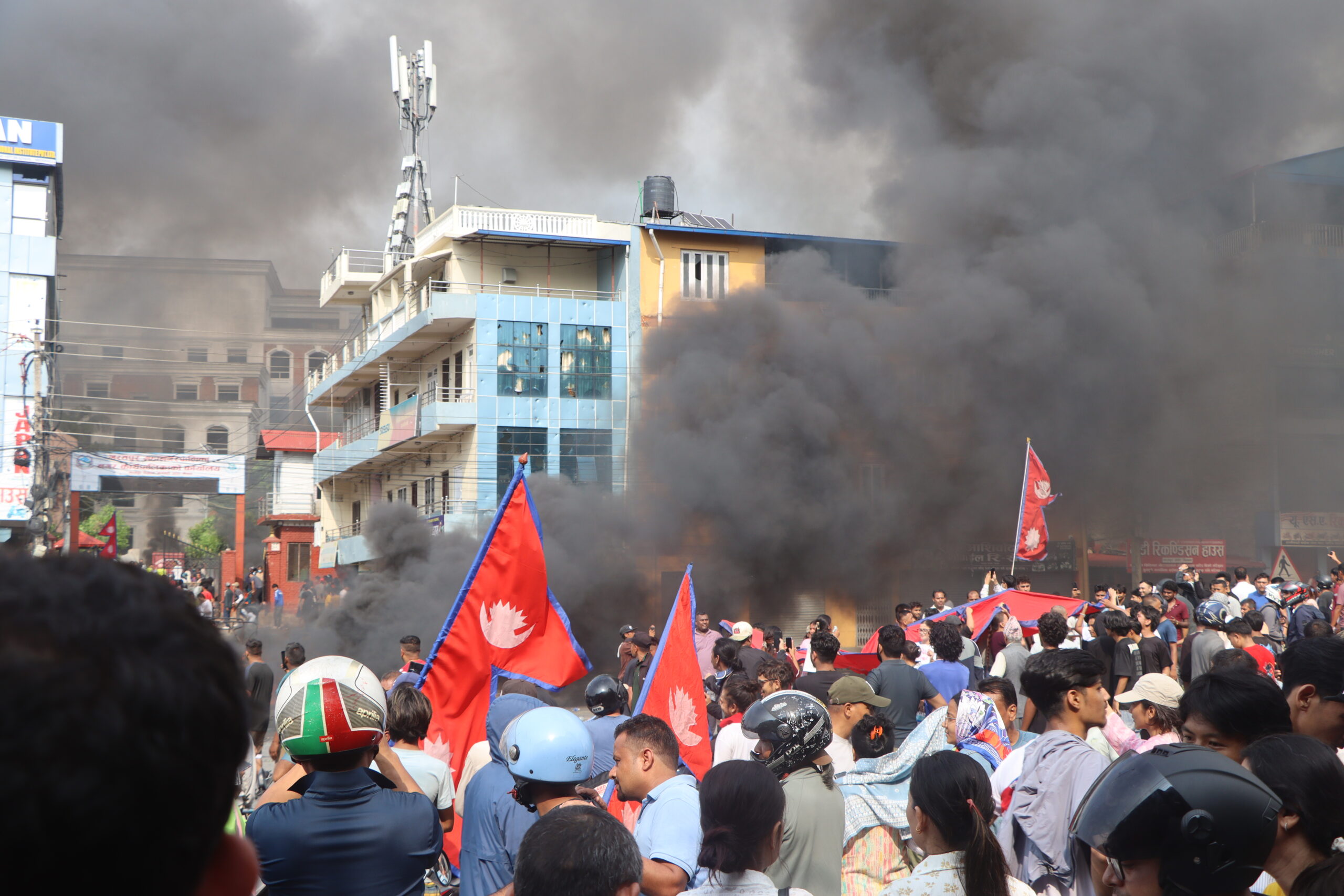
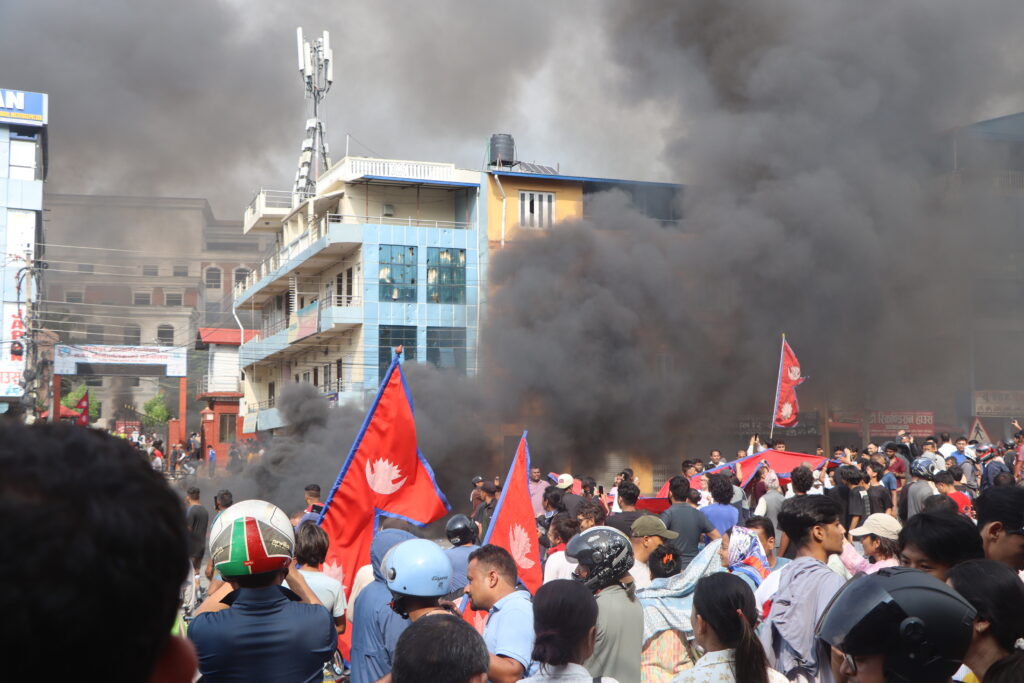 By Nitya Chakraborty Is Bangladesh’s pre-election scenario is being repeated in Nepal which was the seat of a two day revolt by Gen Z of the country against the ruling K S Oli government in the second week of September this year? Major indications are leading to that, the only difference is that the students […]



