Senate Republicans are accelerating plans to bring a sweeping cryptocurrency bill to a vote, betting that momentum and industry pressure can overcome lingering Democratic reservations even as bipartisan talks remain unsettled. The move was confirmed late on Friday by the chair of the Senate Banking Committee, who said the panel would press ahead with scheduling despite parallel efforts by the Senate Agriculture Committee to refine a cross-party […]
GameStop has begun shutting down hundreds of brick-and-mortar outlets across the United States, signalling another sharp contraction in the physical videogame retail business as consumer spending patterns and distribution models continue to evolve. The videogame retailer, once a ubiquitous presence in shopping malls and high streets, has confirmed that a significant number of stores have been closed or earmarked for closure as part of an ongoing rationalisation […]
President Donald Trump announced the cancellation of a planned second wave of military attacks on Venezuela, pointing to improved cooperation from the country’s interim leadership and gestures such as the release of political prisoners and discussions on oil infrastructure. The decision marks a shift in the U. S. approach after its forces ousted Venezuelan President Nicolás Maduro earlier this month, and underscores Washington’s focus on stabilising relations […]
By Nitya Chakraborty West Bengal is going to the state assembly polls in March-April 2026. The election fever has soared high with the visits of the BJP leaders Prime Minister Narendra Modi and the Home Minister Amit Shah to the state which is being ruled by the Trinamool Congress led by the chief minister Mamata […]
Boltz has raised $28 million in fresh funding while entering a strategic partnership with Pfizer that underscores the accelerating push by major drugmakers to embed artificial intelligence deeper into biomolecular research. The deal combines Pfizer’s extensive scientific datasets and therapeutic development expertise with Boltz’s open-source foundation models designed to analyse and generate biological data, aiming to shorten discovery timelines and improve the odds of clinical success. The […]
Riyadh is moving to sideline Abu Dhabi’s influence in Yemen as strains deepen between the two Gulf neighbours, according to people familiar with the matter, marking a sharper turn in a rivalry that has simmered alongside years of cooperation. The push centres on bringing armed factions backed by the Emirates under Saudi control while reshaping the balance of power along vital shipping lanes stretching from the Red […]
Authorities in Iran cut internet connectivity and restricted mobile phone services overnight as demonstrations flared across several cities, a move that marks a sharper phase in efforts to contain public dissent. Crowds were reported in neighbourhoods of the capital Tehran and in provincial centres, with security forces deployed around key junctions, universities and government buildings. The digital blackout, which activists said began late in the evening […]
US Treasury Secretary Scott Bessent has intensified pressure on the Federal Reserve to expand interest rate reductions as policymakers and markets grapple with divergent views on the path of monetary policy. Bessent has framed his stance around concerns that ongoing high borrowing costs are weighing on key sectors of the economy and that more aggressive rate cuts are necessary to support growth and stability, a perspective that […]
Fireblocks has agreed to acquire crypto accounting and compliance specialist TRES Finance in a transaction valued at about $130 million, a move that brings together one of the industry’s largest digital-asset infrastructure providers with a fast-growing financial intelligence platform serving institutional investors. The deal, confirmed by people familiar with the matter, folds TRES Finance’s reporting and compliance tools into Fireblocks’ custody, settlement and tokenisation stack as competition […]
Ripple has no plans to pursue a public listing in the near term, its president Monica Long has said, pushing back against market speculation that the blockchain payments company could tap equity markets following a surge in private valuations and growing institutional interest. Long said the San Francisco-based firm is focused on building products and expanding its global payments footprint rather than preparing for an initial public […]
By Nitya Chakraborty The two and half day visit by the union home minister Amit Shah to Kolkata during 2025 year end to explain to the West Bengal party leaders his new strategy to take on the ruling Trinamool Congress in the assembly elections scheduled in March-April 2026, has given a boost to the state […]
Arabian Post Staff -Dubai Abu Dhabi’s Ethmar International Holding has partnered with Guggenheim Brothers Media to launch a multi-million-dollar investment fund aimed at backing emerging media and technology companies, positioning the venture at the intersection of capital, content and digital innovation. The new fund, announced by the two groups, is designed to provide growth capital to early- and mid-stage firms developing technologies and platforms that serve film, […]
The latest addition to Kenanga Investors’ flagship series follows the same proven investment objective and philosophy to meet the evolving needs of today’s investors.
KUALA LUMPUR, MALAYSIA – Media OutReach Newswire – 8 January 2026 – Kenanga Investors Berhad (“Kenanga Investors“) has announced the launch of the Kenanga Growth Fund Series 3 (“KGFS3” or “the Fund“), its third fund in its flagship conventional fund series.
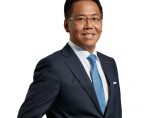
Datuk Wira Ismitz Matthew De Alwis, Executive Director and Chief Executive Officer of Kenanga Investors Berhad.
KGFS3 utilises the asset manager’s proven investment objective and philosophy whilst driven by a differentiated strategy to meet the evolving needs of investors. The Fund seeks to provide capital growth over a medium to long term investment horizon. It will be managed with an active investment strategy depending on the market conditions and outlook, combining a top-down asset and sector allocation process with a bottom-up stock selection methodology.
Lee Sook Yee, Chief Investment Officer of Kenanga Investors Berhad.
“Kenanga Growth Fund Series 3 continues our commitment to disciplined growth and investor-focused solutions. Instead of reinventing the wheel, we believe in refining our methods. As a result, the Fund builds on a proven philosophy that has delivered consistent value to our investors, while adapting to today’s market realities. We prefer to stay practical and to apply what works to continue earning the trust of our investors. Simultaneously, the Fund provides investors flexibility and accessibility while benefiting from a professionally managed, mandate-style investment strategy”, said Datuk Wira Ismitz Matthew De Alwis, Executive Director and Chief Executive Officer of Kenanga Investors.
Since the inception of the Kenanga Growth Fund on 17 January 2000, followed by Series 2 in 2018, both funds have displayed consistent performance. As of November 2025, both funds have surpassed RM1 billion in assets under management*, a testament to the fund house’s disciplined investment approach and commitment to long-term value creation.
While equities remain the central focus for KGFS3, the investment team will strategically allocate the remaining net asset value into other permitted asset classes, guided by market conditions and potential growth prospects, ensuring a well-balanced and opportunistic portfolio.
“Our asset allocation decisions are driven by a comprehensive review of macroeconomic trends across global economies. Particularly, we look at key indicators such as GDP growth direction, interest rate movements, inflation patterns and government policies. We believe these factors are critical to determine corporate earnings, allowing us to identify predictable trends that inform our sector selection. This structured approach helps keep us nimble, responsive and grounded in fundamentals”, explained Lee Sook Yee, Chief Investment Officer of Kenanga Investors Berhad.
The minimum initial investment amount is RM10,000 while subsequent investments are at a minimum of RM5,000. The Fund will be measured against a benchmark of 8% growth per annum. It is suitable for Sophisticated Investors who have a high-risk tolerance, have a medium to long term investment horizon; and are looking to achieve high returns through investments in multi-assets.
Kenanga Investors is known for its investment offerings and expertise within the equities space, making this latest launch a strategic addition for its product expansion efforts. The Hong Kong-based Asia Asset Management’s 2025 Best of the Best Awards recognised Kenanga Investors under the following categories, Malaysia Best Retail Asset Management Company and Malaysia Best Equity Manager. The FSMOne Recommended Unit Trusts Awards 2025/2026 awarded the Kenanga Growth Fund Series 2 with the “Sector Equity — Malaysia Focused” award for the fourth consecutive year since 2022.
The issuer is solely responsible for the content of this announcement.
Kenanga Investors Berhad 199501024358 (353563-P)
We provide investment solutions ranging from collective investment schemes, portfolio management services, alternative investments, as well as wills and trusts for retail, corporate, institutional, and high net worth clients via a multi-distribution network.
The Morningstar Awards 2025 has recognised the Kenanga Blue Chip Fund as Best Malaysia Large-Cap Equity Fund. The Bursa Excellence Awards 2024 awarded KIB’s exchange-traded funds’ arm, Eq8 Capital Sdn Bhd with the Special Award – Thought Leadership for launching Eq8WAQF, the world’s first Waqf-featured Exchange Traded Fund. Introduced under a newly established category, the award highlights innovations that are reshaping the investment landscape.
At the LSEG Lipper Fund Awards Malaysia 2025, KIB received awards for the Kenanga DividendEXTRA Fund (“KDEF”) under the Best Equity Malaysia Diversified – Malaysia Funds over 3 years, Kenanga Malaysian Inc Fund (“KMIF”) under the Best Equity Malaysia Diversified – Malaysia Provident Funds over 10 years, Kenanga Balanced Fund (“KBF”) under the Best Mixed Asset MYR Balanced – Malaysia Provident Funds over 10 years, Kenanga Managed Growth Fund (“KMGF”) under Best Mixed Asset MYR Flexible – Malaysia Provident Funds over 10 years, and Kenanga SyariahEXTRA Fund (“KSEF”) under the Best Mixed Asset MYR Balanced – Malaysia Islamic Funds Awards over 10 years.
The Hong Kong-based Asia Asset Management’s 2025 Best of the Best Awards awarded KIG under the following categories, Malaysia Best Impact Investing Manager, Best Impact Investing Manager in ASEAN, Malaysia Best Equity Manager, Malaysia CEO of the Year (Co-Winner), Malaysia CIO of the Year, Malaysia Best House for Alternatives, Malaysia Best ESG Engagement Initiative, Malaysia Fund Launch of the Year, and Malaysia Best Retail Asset Management Company.
The FSMOne Recommended Unit Trusts Awards 2025/2026 has awarded the Kenanga Growth Fund Series 2 with the “Sector Equity – Malaysia Focused” award for the fourth consecutive year since 2022. We were also recognised at The BrandLaureate BestBrands Awards 2024 – Brand of the Year under the category Wealth Management & Investment Solutions. For the ninth consecutive year, KIB was affirmed an investment manager rating of IMR-2 by Malaysian Rating Corporation Berhad, since first rated in 2017.
This Press Release was issued by Kenanga Group’s Marketing, Communications & Sustainability department.
A landmark agreement between Caracas and Washington will see up to $2 billion worth of Venezuelan crude oil exported to the United States under terms announced by President Donald Trump, marking a major shift in energy geopolitics and offering a potential reprieve to Venezuela’s embattled oil sector. The arrangement, underscored by negotiations that could divert barrels previously bound for China, elevates the United States into a key […]
US schools are increasingly replacing full-length novels with short excerpts in literature classes, a shift driven by falling reading proficiency, shorter attention spans and the pull of digital media, according to educators and curriculum specialists. The change has stirred debate over whether students are being denied the sustained engagement needed to build critical thinking, cultural literacy and empathy. Data from national assessments show that reading scores among […]
Tackle rising business costs and trade barriers with a unified digital platform for Free Trade Agreements as well as build stronger economic partnerships.
Bridge AI adoption gaps by co-funding shared data pools and introducing a regional “Trusted AI” mark to drive innovation and governance.
Future-proof the workforce with targeted work visas for global experts, job transformation roadmaps, and advanced leadership programmes.
SINGAPORE – Media OutReach Newswire – 7 January 2026 – KPMG in Singapore and the Singapore Institute of Directors (SID) are pleased to announce the release of a joint Budget 2026 Proposal, titled “Prospering in a New Global Landscape”.
From Left to Right: Yong Jiahao, Partner, Infrastructure, Government & Healthcare (IGH) & Industrial Manufacturing, Tax, KPMG; Ajay Kumar Sanganeria, Partner and Head of Tax, KPMG; Lee Sze Yeng, Managing Partner, KPMG; Max Loh Khum Whai, Vice-Chair, Singapore Institute of Directors; Edwin Lee, Deputy CEO, Singapore Institute of Directors
By fostering resilient economic linkages, embedding digital trust, and cultivating world-class talent and leadership with cross-domain expertise, Singapore can ensure its businesses and economy remain secure, innovative, and competitive in an uncertain global landscape.
This Proposal outlines strategies to position Singapore as a critical hub for global flows, covering three crucial areas:
A new global order: Resilience as a pivotal growth strategy
The Intelligent Age: Smart solutions for an innovative era
The recommendations in the proposal are also supported by data-driven insights from a survey recently conducted by KPMG and SID. More than 1,000 professionals, managers, executives and technicians (PMETs) and business owners were surveyed on the challenges they face and the kinds of Budget 2026 support they hoped to see. [For more information, please refer to the deck with the full survey results: https://kpmg.com/sg/en/campaigns/kpmg-singapore-budget.html ]
Empowering businesses to leverage Singapore’s trusted role as a global connector
Global commerce is rapidly transforming amid rising protectionism, shifting trade rules, evolving tax regimes, and geopolitical tensions. Singapore’s long-term prosperity in the new global order depends on its ability to lead as a trusted connector and aggregator of the flows of goods, capital, data, and talent.
Singapore must strengthen its economic linkages, build secure and interoperable digital platforms, cultivate a workforce equipped with cross-domain expertise, and equip boards with essential skills to navigate emerging risks and opportunities. Trusted and resilient economic linkages will ensure the seamless movement of goods, services, and investments, while interoperable digital platforms will play a critical facilitation role in enabling cross-verification of information, streamlining compliance, and fostering trust across borders. These efforts are especially important in helping businesses cope with shifting regulations. KPMG and SID’s survey found that 51 percent of respondents identified increased business costs as the main challenge to cross-border expansion, followed by higher tariffs (26 percent) and supply chain difficulties (25 percent). To address these challenges, 43 percent of respondents want stronger economic and trade partnerships to overcome trade barriers.
KPMG and SID recommend:
a) Developing a unified digital platform for Free Trade Agreement (FTA) management (page 7) to help businesses navigate complex procedures and unlock the full benefits of FTAs. This would be seamlessly integrated with government systems, making it more seamless and cost-effective for businesses to comply with FTA requirements. This would enable firms to leverage Singapore’s extensive FTA network to gain footholds in new markets, further enhancing Singapore’s regional and global competitiveness.
b) Increasing access to working capital to accelerate local enterprises’ strategic transformation and implementing industry-specific governance frameworks (page 7). With geopolitical shifts driving a more complex regulatory landscape, increased and dedicated funding would enable businesses to transform for the future while responding effectively to evolving governance standards. Such funding should be complemented by industry-specific governance playbooks to equip boards with essential tools to strengthen agility and resilience.
c) Enhancing Singapore’s government-backed trade platform with blockchain and AI (page 6). The global economy has seen an increase in supply chain disruptions amid geopolitical and trade uncertainties. An enhanced Government-backed trade platform would enable Singapore to further facilitate the flow of trusted payments, making it even easier for businesses to validate transactions and act on smart recommendations to elevate supply chain efficiency. Amid a more fragmented world, the enhanced platform would also reinforce Singapore’s position as a reliable hub for global commerce, by promoting increased supply chain transparency for critical industries like semiconductors, pharmaceuticals, and advanced manufacturing.
d) Introducing progressive carbon taxes to reward decarbonisation and establish performance-based pathways for large emitters (page 9). Singapore’s carbon taxes must evolve to consider unique business needs and companies’ decarbonisation plans. Progressive carbon tax rates post-2030 – based on facility emissions volume, emissions per unit of output, and sectoral abatement potential – could be accompanied by permanent conditional tax rebates for energy-intensive, trade-exposed sectors. These rebates could be based on set criteria such as verified year-on-year reductions in carbon intensity and investments in low-carbon technology. To strengthen these efforts, Singapore could also establish an ASEAN Environmental Data Exchange to facilitate the sharing of standardised and interoperable environmental data between Singapore and its regional trade partners (page 8). The exchange would improve the flows of green trade and green capital, enabling Singapore to be a regional hub for environmental data harmonisation. Organisations like the Singapore Institute of Directors could play a catalytic role by building board-level capability, aligning disclosure expectations and promoting best practices through director education, guidance frameworks and peer learning on a regional scale, helping boards to lead initiatives like progressive carbon taxation.
Fostering an ecosystem of Trusted AI in the Agentic Era
The rise of artificial intelligence (AI) is reshaping global competitiveness, with agentic AI—capable of autonomous decision-making—introducing both transformative opportunities and significant challenges. While agentic AI can drive innovation, optimise operations, and unlock new efficiencies, it also raises critical concerns around accountability, ethical deployment, and governance.
A critical enabler of AI’s potential is data sharing, yet this often proves difficult due to competition, concerns over intellectual property, and a lack of trust between organisations. Businesses—particularly smaller enterprises—also face cost constraints in accessing high-quality data, and many also lack the strategic clarity and workforce competencies to identify where AI can augment their operations.
KPMG and SID’s poll found that 54 percent of respondents cited talent and skills gaps as the top challenge for adopting AI, followed by high costs of technology adoption (52 percent) and a lack of clear AI adoption strategies (48 percent). By addressing these concerns, Singapore will be able to fully leverage the vast potential of AI and data to reinforce its status as a hub across various sectors.
KPMG and SID recommend:
a) Co-funding sector-specific shared data pools in partnership with trade associations and industry stakeholders (page 15). These shared, anonymised data pools would enable businesses to access high-quality datasets without incurring prohibitive costs. Tailored to specific sectors such as logistics and retail, these pools would facilitate benchmarking, model training, and experimentation under a trusted framework that safeguards data privacy and protects intellectual property. Shared data initiatives should be paired with guided AI adoption support to help businesses understand how AI can enhance specific parts of their value chain. For example, targeted support could help logistics firms optimise supply chains or assist retailers in leveraging AI to personalise customer experiences. This dual approach would enable broader AI adoption and accelerate innovation across industries.
b) Enhancing the public-private partnership (PPP) framework to accelerate AI adoption (page 15). As firms navigate high costs and limited guidance around AI adoption, there is an opportunity for the Government to provide greater access to infrastructure to lower barriers for AI experimentation and deployment. The enhanced framework would create positive spillover effects from existing AI initiatives, as government agencies, academia and industry stakeholders collaborate to strategically integrate AI solutions into business strategies. The framework could also promote cross-sector collaboration in key industries, fostering a culture of open innovation in AI. To bolster digital trust, Singapore could also establish a regional “Trusted AI” mark to drive harmonisation and innovation (page 12). Although Singapore’s Model AI Governance Framework provides a strong foundation for responsible AI deployment, there is still a largely untapped opportunity for Singapore to champion an assurance label that shows firms have AI controls aligned with recognised AI governance standards. By pushing regionalrecognition of this mark, Singapore could accelerate cross-border innovation and trade. The mark would build on initiatives like AI Verify and Project Moonshot, which have helped to promote Trusted AI in Singapore.
c) Supporting hands-on AI governance training for board members and executives (page 13) through a dedicated fund. This would complement existing SkillsFuture programmes which focus primarily on AI awareness, by expanding the emphasis to address strategic and operational gaps at the leadership level – covering ethical deployment, change management and cross-domain applications.
Building globally relevant leaders with cross-domain skills
To fulfil its role as a hub for global flows, Singapore must enable its businesses to navigate a complex web of governance requirements, trade rules, tax policies, and tariffs. While compliance with governance standards will bring higher upfront costs, it also provides a foundation for businesses to lead in innovation and competitiveness. For instance, businesses that embrace sustainability compliance can innovate in areas like green finance, carbon accounting, and environmental data exchange.
Yet, none of this is possible without specialised talent and leadership. Singapore needs professionals and board leaders with expertise in areas such as supply chain management, AI governance, and sustainability strategy. These individuals must be able to connect the dots across domains, such as linking data governance with trade compliance or integrating sustainability goals into business operations. The need for enhanced talent development also emerged from KPMG and SID’s survey findings. Forty-nine percent of respondents want more skills development and upskilling courses. Meanwhile, 42 percent hope for more support for workforce transformation and job redesign, such as higher grants. In addition, 37 percent of respondents want more leadership and management development initiatives, especially in the areas of mentorship and coaching for emerging leaders and advanced leadership programmes.
KPMG and SID recommend:
a) Creating a dedicated work-pass category for “master trainers” and mentors (page 18). The work-pass would encourage international professionals to join local companies, public agencies and training institutions to lead structured upskilling or leadership development programmes. This would accelerate skills transfer, expose workers to global best practices, and build a robust pipeline of talent capable of driving strategic transformation and competitiveness in a rapidly evolving global landscape. Structured leadership development programmes could also include peer-sharing platforms (page 21) aimed at promoting transformation training among C-suite leaders. Backed by the public sector and industry stakeholders, such platforms could foster the exchange of best practices, promote collective learning on key sustainability capabilities and empower leaders to proactively redesign roles and workflows ahead of market shifts.
b) Setting up job transformation roadmaps with co-funded training and certification initiatives (page 19) tied closely to sector-specific needs. As rapid technological developments shape industry demand for skills, job transformation roadmaps would be beneficial in outlining sector-specific disruptions, challenges and opportunities. These roadmaps could be accompanied by industry-recognised certification, and programmes backed by both the public and private sectors. Tailored to sectoral needs, certifications could help to assess whether workers have acquired the necessary skills to perform in transformed roles, especially in fast-evolving sectors where traditional qualifications may no longer suffice.
c) Establishing a $100 million fund to advance social impact reporting (page 9). As Singapore pursues long-term resilience, it must also ensure that economic growth is sustainable and inclusive. The fund could be used to train professionals and board directors in the reporting of social metrics, support academic modules in social sustainability and certify social auditors and advisers. It could also be complemented by broader efforts to enhance environmental, social and governance (ESG) competencies among businesses’ top leadership. Singapore could establish a national registry of certified sustainability committee members (page 20) who can be matched to boards and committees across sectors. This would help to expand access to qualified board resources, especially for local enterprises.
Lee Sze Yeng, Managing Partner, KPMG in Singapore, said:
“Leadership today isn’t just about mastering AI or acquiring specialised skills—it’s about navigating the intersections of cross-border trade, technology, and sustainability. To remain competitive, leaders must move beyond the basics, using AI and data to drive real business outcomes while building governance frameworks that inspire trust. At the same time, they need the courage to take calculated risks and collaborate across ecosystems to unlock new opportunities. Initiatives like co-funding sector-specific shared data pools and guided AI adoption support are critical to overcoming barriers and equipping leaders with the tools to thrive. As disruptions grow increasingly cross-border and cross-domain, Singapore’s ability to cultivate leaders who can turn complexity into opportunity will define its success as a global flows hub.”
Ajay Kumar Sanganeria, Partner, Head of Tax, KPMG in Singapore, said:
“Singapore’s position as a global hub—connecting trade, data, and capital—offers businesses significant opportunities to grow and compete globally. Grants and platforms are vital enablers, but they must be part of a broader solution that simplifies complexities and empowers businesses to focus on innovation. Future-ready approaches, such as managing governance and compliance in a more consolidated or ‘as-a-service’ mode, can reduce burdens on enterprises. A unified digital platform for Free Trade Agreement (FTA) management, enhanced with blockchain and AI, could streamline compliance and unlock the full benefits of Singapore’s FTA network. Co-funded training programmes and shared governance frameworks can further help businesses pool resources and build capabilities. By combining grants, platforms, and smarter ways of working, Singapore strengthens its role as a trusted global connector and equips businesses to lead with confidence in an evolving world.”
Yeoh Oon Jin, Chair, Singapore Institute of Directors, said:
“Singapore’s future as a global hub for connectivity and commerce will be shaped by how boards of directors evolve to lead with resilience and trust. Budget 2026 is an opportunity to strengthen governance frameworks that embed sustainability, cyber trust and accountability into every organisation’s agenda. By empowering directors to champion innovation, sustainability and digital assurance, organisations can grow with confidence while reinforcing Singapore’s position as a secure and trusted connector for goods, capital, data and talent in an increasingly complex global landscape.” Hashtag: #KPMG #SID
The issuer is solely responsible for the content of this announcement.
About KPMG in Singapore
KPMG in Singapore is part of a global organization of independent professional services firms providing Audit, Tax and Advisory services. We operate in 142 countries and territories with more than 275,000 partners and employees working in member firms around the world. Each KPMG firm is a legally distinct and separate entity and describes itself as such. KPMG International Limited is a private English company limited by guarantee. KPMG International Limited and its related entities do not provide services to clients.
About SID
The Singapore Institute of Directors (SID) is Singapore’s national association for company directors. Established in 1998, our mission is to transform boards and empower board directors to be champions of good governance. SID works with regulators and partners to serve as the voice for directors and facilitates consultations and feedback sessions on regulatory matters. In advocating for good governance, SID advances thought leadership and benchmarking research and indices on corporate governance and directorship issues.
SID builds competencies and capabilities to enhance boardroom skills of directors for informed decision-making. An accreditation programme serves to set standards for and showcase best practices of good governance. The organisation supports members on their directorship journey with courses, workshops, advanced masterclasses, forum discussions and pit-stops. SID connects and strengthens the ecosystem with initiatives such as mentoring and networking. The Governance for Good Alliance is an initiative by SID to bring together key stakeholders who help advance our vision for every board director to be a champion of good governance.
Integrity is often spoken of as though it were universal: one definition, one standard, one moral yardstick by which trust is measured everywhere. In reality, integrity is deeply shaped by culture. What one society considers faithfulness, another may experience as rigidity. What one views as flexibility, another may interpret as unreliability. These differences are not signs of moral deficiency; they are reflections of distinct histories, social structures, […]
By Nitya Chakraborty India’s isolation from Global South on the issue of Trump’s invasion of Venezuela is now complete. Prime Minister Narendra Modi claims himself as the leader of Global South. Both at the SCO summit and BRICS meeting last year, Modi was active in articulating the aspirations and the programmes of the developing and […]
World leaders have mounted robust diplomatic resistance against Washington’s unprecedented military operation that ousted Venezuelan President Nicolás Maduro and brought him to the United States to face federal charges. Amid escalating rhetoric from President Donald Trump’s administration about extending U. S. influence beyond Venezuela, governments in Latin America, Europe and Asia have criticised what they view as a breach of international norms and a threat to national […]
Uncertainty has gripped Cuba after claims circulated that Venezuelan President Nicolás Maduro had been captured following a United States strike in Venezuela, a development that, if confirmed, would shake the island’s most important political and economic partnership. Cuban authorities have offered no confirmation of the reports, while state media has urged calm and emphasised continuity in Havana’s foreign policy, underscoring the fog surrounding events that residents say […]
Two-year collaboration to support Hong Kong’s talent pipeline by strengthening STEM readiness and industry exposure among teen girls and young women aged 12-19
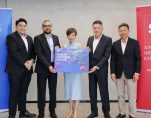
HONG KONG SAR – Media OutReach Newswire – 6 January 2026 – The FutureGen Girls Foundation (“the Foundation“) and Microsoft Hong Kong have signed a Memorandum of Understanding (MOU) to launch a two-year strategic collaboration aimed at expanding access to artificial intelligence (AI) and STEM education for teen girls and young women aged 12-19 across Hong Kong. The collaboration will focus on developing future-ready skills, mentoring networks, and pathways that help teen girls and young women imagine and pursue diverse career opportunities in a rapidly evolving world of work and further expand outreach to all.
Starting in year 2026, Microsoft Hong Kong will support the Foundation to support the development of new learning experiences that integrate AI education, hands-on digital skills training, and real-world career exposure opportunities. Through workshops, mentorship, recognized learning programs, and outreach initiatives, the collaboration seeks to broaden participation in emerging fields and level the playing field from teen girls and young women to all students.
This initiative aligns with the Foundation’s mission to empower teen girls and young women, helping them bridge youth to careers with confidence, purpose, and access to diverse industry pathways. Key highlights of the collaboration include:
AI Skills Education: Integrating age-appropriate Microsoft AI learning tools and certification courses into FGG programs.
Mentorship & Role Modelling: Connecting students with Microsoft professionals and student ambassadors.
Community Engagement: Joint workshops, outreach activities, and participation in Foundation Youth Career Fairs.
Real-World AI Application: Showing how AI is applied across industries and helping students understand real-world applications and inspire problem-solving skills.
Inclusive Access: Ensuring opportunities reach students across diverse schools and districts.
“For many secondary school students, future development pathway can feel distant or unclear simply because they may not yet have the access or exposure to see what is possible,” said Jennifer Yu Cheng, Founder of the Foundation. “Our aim is to make that exploration easier – to open doors across more than 20 industries.”
“By expanding access to future ready learning and real world career experiences, we are helping to build a strong and diverse talent pipeline ready to step into the opportunities of tomorrow. This is the foundation of our collaboration with Microsoft Hong Kong.”
“Through this collaboration, we hope to empower students to unlock the courage to try, to explore different fields, and to image big futures for themselves,” said Secy Cheung, Foundation Founding Board Director. “The most meaningful change happens when young people realize that their voice and vision matter.”
Leo Liu, General Manager of Microsoft Hong Kong shared, “At Microsoft, we are deeply committed to empowering the next generation by democratizing access to AI and future-ready skills. Through trusted, secure platforms and hands-on learning experiences, we strive to make advanced technology accessible to all, fostering creativity, critical thinking, and lifelong learning. Together with the FutureGen Girls Foundation, we look forward to supporting Hong Kong’s youth to become frontier talent in the digital era.”
The foundation and Microsoft Hong Kong are committed to exploring further opportunities in future.
Hashtag: #FutureGenGirlsFoundation
The issuer is solely responsible for the content of this announcement.
About the FutureGen Girls Foundation
The FutureGen Girls Foundation (“the Foundation”) is a registered charitable organization dedicated to empowering teen girls and young women, bridging youth to careers. By collaborating with schools, industry partners, and community organizations, the Foundation creates pathways that support skill-building, career exploration, and youth leadership development across Hong Kong.
About Microsoft
Microsoft (Nasdaq “MSFT” @microsoft) creates platforms and tools powered by AI to deliver innovative solutions that meet the evolving needs of our customers. The technology company is committed to making AI available broadly and doing so responsibly, with a mission to empower every person and every organization on the planet to achieve more.
Dubai World Trade Centre has confirmed plans to host 71 events during the first half of 2026, underscoring the emirate’s position as a regional hub for global exhibitions, conferences and large-scale trade gatherings. The schedule reflects a familiar rhythm for the venue, with activity slowing during Ramadan before resuming after Eid. According to the centre, the post-Eid calendar will open with the Dubai International Pharmaceutical and Technologies […]
United Arab Emirates will assume the presidency of the Middle East and North Africa Financial Action Task Force in 2026, placing the country at the centre of regional efforts to strengthen safeguards against money laundering, terrorist financing and the proliferation of illicit funds. The appointment comes at a time when the bloc is seeking tighter coordination among member states as cross-border financial flows grow in scale and complexity.
MENAFATF brings together 21 jurisdictions across the Middle East, North Africa and neighbouring regions, representing a combined gross domestic product estimated at more than $3 trillion. The organisation functions as the regional body aligned with the global Financial Action Task Force standards, conducting peer reviews, issuing guidance and supporting members as they implement international rules designed to protect financial systems from abuse.
The decision for the UAE to lead the organisation follows its expanding role in financial regulation and enforcement across the region. Federal authorities have invested heavily in strengthening supervision of banks, exchange houses, designated non-financial businesses and professions, while also expanding cooperation with international counterparts. Officials involved in the process describe the presidency as recognition of the country’s progress in aligning domestic frameworks with global benchmarks and its capacity to convene consensus among diverse economies.
During its term, the UAE is expected to steer MENAFATF’s strategic agenda, including the scheduling of mutual evaluations, thematic studies and capacity-building programmes. These initiatives are central to helping member states address gaps identified in national risk assessments and respond to emerging typologies such as the misuse of virtual assets, trade-based money laundering and complex ownership structures.
Regulatory specialists say the presidency carries influence beyond administrative oversight. The chair country plays a pivotal role in shaping discussions on policy priorities, coordinating technical assistance and representing the region in dialogue with global standard-setters. This places added scrutiny on how effectively the bloc can balance the varied economic structures and legal systems of its members while maintaining consistent application of standards.
The UAE has signalled that cooperation and practical implementation will be key themes of its tenure. Policymakers have spoken about deepening information-sharing among financial intelligence units, enhancing public-private partnerships and supporting jurisdictions that face capacity constraints. Such measures are viewed as essential for raising overall compliance levels and reducing vulnerabilities that can be exploited across borders.
MENAFATF members span hydrocarbon-rich Gulf economies, large consumer markets in North Africa and smaller states with developing financial sectors. This diversity has historically posed challenges in achieving uniform progress. Analysts note that leadership will need to balance ambition with pragmatism, ensuring that reforms are realistic and tailored to local contexts while still meeting international expectations.
The presidency also coincides with broader shifts in the region’s financial landscape. Digital payments, fintech platforms and virtual assets have expanded rapidly, creating new opportunities for inclusion but also new risks. Addressing these developments requires updating supervisory tools, training regulators and fostering dialogue with technology providers. Observers expect the UAE to push for clearer regional guidance in these areas, building on its own experience in regulating emerging financial services.
Another area likely to feature prominently is the effectiveness of enforcement. While many jurisdictions have strengthened legal frameworks, translating laws into successful investigations and prosecutions remains uneven. MENAFATF’s peer review process increasingly emphasises outcomes, not just technical compliance. Under UAE leadership, the organisation is expected to encourage members to demonstrate tangible results in asset recovery, sanctions and international cooperation.
Diplomats familiar with the process say the appointment also reflects confidence in the UAE’s ability to engage constructively with both regional partners and global institutions. The country has positioned itself as a bridge between markets, hosting multinational financial institutions and acting as a hub for trade and investment. That role brings responsibilities, particularly in ensuring that financial openness is matched by robust controls.
Washington’s move to detain Nicolás Maduro has sharpened the White House’s focus on Venezuela’s vast petroleum reserves, with President Donald Trump signalling that access to crude exports is now a strategic priority. The shift marks a harder edge in US policy towards Venezuela, but it also exposes legal, logistical and market obstacles that complicate any rapid redirection of oil flows. The administration’s intent has been framed as […]



 By Nitya Chakraborty The two and half day visit by the union home minister Amit Shah to Kolkata during 2025 year end to explain to the West Bengal party leaders his new strategy to take on the ruling Trinamool Congress in the assembly elections scheduled in March-April 2026, has given a boost to the state […]




 By Nitya Chakraborty India’s isolation from Global South on the issue of Trump’s invasion of Venezuela is now complete. Prime Minister Narendra Modi claims himself as the leader of Global South. Both at the SCO summit and BRICS meeting last year, Modi was active in articulating the aspirations and the programmes of the developing and […]





