News related to
partners establish

AMEA Power is set to establish Africa’s largest solar photovoltaic (PV) project, with plans to construct a 1,000 MW solar PV facility in Egypt’s Aswan Governorate. The project, complemented by a 500 MWh battery energy storage system (BESS), will form a critical component of Egypt’s ambitious renewable energy goals, as the country targets a substantial increase in clean energy capacity. This initiative aligns with Egypt’s vision to […]

The United Arab Emirates (UAE) and China are continuing to deepen their diplomatic and economic ties, signaling a strong and flourishing partnership that has grown substantially in recent decades. This relationship has evolved into what both nations now refer to as a “comprehensive strategic partnership,” driven by their mutual economic interests, cultural exchanges, and high-level political engagement.

Diplomatic relations between the UAE and China date back to 1984, when both nations formally established ties. Since then, the two countries have signed over 140 bilateral agreements, covering various sectors such as trade, technology, infrastructure, education, and culture. The partnership took a significant step forward with Chinese President Xi Jinping’s visit to the UAE in 2018, which set the stage for closer cooperation in critical areas such as energy, investment, and technology.

The UAE has emerged as one of China’s most important partners in the Middle East, not only due to its strategic geographic position but also because of its role as a major hub for the Belt and Road Initiative (BRI), the massive infrastructure project spearheaded by China. The UAE is regarded as a critical player in facilitating the success of this initiative, thanks to its logistics capabilities and connectivity to Europe, Asia, and Africa.

Non-oil trade between the two countries reached a record high of approximately $81 billion in 2023, marking significant growth and making China the UAE’s largest trading partner. The majority of this trade involves China’s exports to the UAE, which consist of electronics, machinery, and manufactured goods, while the UAE exports primarily aluminum, chemicals, and re-exported goods to China.

Another important aspect of the relationship is tourism. China’s growing middle class has shown an increasing interest in the UAE, with over one million Chinese tourists visiting the country in the first ten months of 2023 alone. Additionally, the UAE has embraced Chinese language and culture, introducing Mandarin into hundreds of schools across the country and hosting various cultural festivals to strengthen people-to-people connections.

Investment ties are equally robust. From 2003 to 2023, the total value of UAE investments in China was approximately $11.9 billion, while Chinese investments in the UAE reached $7.7 billion over the same period. These investments have been directed toward sectors like telecommunications, renewable energy, infrastructure, and tourism. Moreover, the UAE pledged $10 billion to a joint investment fund with China aimed at supporting projects under the Belt and Road Initiative, particularly in East Africa.

China’s technology giants are also expanding their footprint in the UAE. Companies like Huawei and Alibaba are integral players in developing the UAE’s digital infrastructure, contributing to the nation’s ambitions to become a leading technology hub in the region.

Politically, both nations have maintained a close dialogue on international issues. Mutual visits between leaders have further solidified their bond, including the pivotal visit of Sheikh Mohamed bin Zayed Al Nahyan to China in 2019, which emphasized their shared vision for global economic and security cooperation. The two countries continue to align on various international platforms, reinforcing their strategic interests on the global stage.

Cultural ties between the two countries are also flourishing. One notable example is the Sheikh Zayed Centre for Arabic Language and Islamic Studies in Beijing, which promotes Arab culture in China and serves as a bridge for cultural exchange. Additionally, both nations have promoted student exchanges and collaborative research efforts, which have contributed to stronger educational links.

As the UAE and China look to the future, their relationship is poised to grow even further. Both nations are investing heavily in sustainable technologies and clean energy, areas in which they are already cooperating closely. China’s expertise in renewable energy, particularly solar, aligns with the UAE’s Vision 2050, which seeks to diversify its energy mix and reduce its dependence on oil.

HONG KONG SAR – Media OutReach Newswire – 13 September 2024 – Hong Kong Science and Technology Parks Corporation (HKSTP) brought its inaugural HKSTP Global Booster Programme to a successful conclusion, marking the end of a milestone event in which some of Hong Kong’s brightest startups made their name in Silicon Valley. Mr Albert Wong, Chief Executive Officer of HKSTP (fourth from right), Mr Derek Chim, Head […]

Russia and China have escalated their collaboration to counteract global monopolies, signaling a strategic pivot towards a more coordinated economic front. This move was solidified with the signing of a significant agreement aimed at developing the BRICS commodities exchange system, announced by the BRICS Competition Law and Policy Centre.

The agreement, formalized during a recent meeting, outlines an ambitious plan to enhance the cooperative mechanisms between the two nations, focusing on creating a robust platform for commodities trading under the BRICS framework. This initiative is expected to bolster the collective bargaining power of BRICS nations against global monopolies that dominate various sectors of the economy.

The BRICS Competition Law and Policy Centre, a prominent institution dedicated to fostering fair competition and economic cooperation among BRICS countries, will spearhead the development of this new exchange system. This effort aligns with broader objectives to diversify trade routes and reduce dependency on Western-dominated financial systems.

The signing of this document highlights a notable increase in economic alignment between Russia and China. Both countries have been actively seeking ways to strengthen their economic ties, and this agreement represents a significant leap in that direction. The planned commodities exchange system is envisioned as a tool to enhance transparency and fairness in global trade practices.

China’s involvement in this venture is particularly significant. The country has been expanding its influence in international trade and investment, and this agreement further consolidates its role as a key player in the global economic landscape. By partnering with Russia, China aims to counterbalance the influence of established market leaders and provide BRICS nations with a platform to assert their economic interests more effectively.

The BRICS nations—Brazil, Russia, India, China, and South Africa—have long advocated for reforms in international trade to address the disparities created by dominant global monopolies. This new commodities exchange system is set to become a critical component of their strategy to achieve a more equitable global trading environment.

Experts suggest that the establishment of this exchange system could have far-reaching implications for global trade. It is expected to offer an alternative to existing trading platforms that are often criticized for their lack of transparency and susceptibility to monopolistic practices. By providing a more competitive and open marketplace, the BRICS commodities exchange could potentially challenge the dominance of major global players and offer new opportunities for emerging economies.

The agreement also reflects a broader trend of increased economic cooperation between Russia and China. Both nations have been deepening their strategic partnership in various sectors, including energy, technology, and infrastructure. This latest development underscores their commitment to enhancing economic ties and reinforcing their positions in the global economy.

For Russia, the partnership with China represents a strategic move to diversify its economic relationships and reduce its reliance on Western markets. The country has been actively seeking to strengthen its ties with non-Western nations as part of its broader strategy to navigate the complexities of global geopolitics and economic sanctions.

China, on the other hand, is leveraging its growing economic power to shape global trade dynamics. The country’s participation in the BRICS commodities exchange system is part of its broader strategy to expand its influence and promote a multipolar world order. By collaborating with Russia and other BRICS members, China aims to establish a more balanced and inclusive global economic system.

The development of the BRICS commodities exchange system is expected to proceed with a phased approach. Initial efforts will focus on setting up the technical infrastructure and regulatory framework necessary to support the new platform. Subsequent phases will involve the integration of trading mechanisms and the establishment of market norms that align with BRICS’ objectives of fairness and transparency.

A major step toward fostering inclusive technological growth in Africa was taken as the United States and African nations jointly convened the 2024 Pan-African AI Conference in Lagos, Nigeria. This event, which drew delegates from over 30 African countries, saw tech leaders, policymakers, and entrepreneurs converge to address the challenges and opportunities posed by artificial intelligence (AI) on the continent. Held in one of Africa’s most dynamic tech hubs, the conference underscored the continent’s potential to play a critical role in the global AI landscape.

Nigeria’s Minister of Communications, Innovation, and Digital Economy, Bosun Tijani, opened the conference with a call for a human-centered approach to AI development, stressing the need for inclusivity and collaboration. His announcement of a $61,000 fund aimed at supporting local AI startups marked a strong commitment to advancing AI innovation within the country, with Lagos, often dubbed Africa’s “Silicon Valley,” providing the backdrop for these ambitious plans.

Central to the conference discussions was the need for an enabling framework to ensure that AI development is both safe and innovative. Dr. Seth Center, Acting Special Envoy for Critical and Emerging Technology from the United States, emphasized the dual challenge of establishing governance frameworks that inspire public confidence while simultaneously encouraging private sector investments in AI infrastructure across Africa. As Africa positions itself to harness the transformative power of AI, the continent’s collaboration with global partners like the United States remains crucial in navigating the complex technological future.

HONG KONG SAR – Media OutReach Newswire – 13 September 2024 – Digital Business Lab, a Hong Kong-born social media agency with 11 years of expertise across Asia, is pleased to announce the opening of its new office in Shenzhen, China. This expansion builds on the agency’s established presence in Hong Kong and Singapore, marking a significant step in its efforts to deepen connections within mainland China […]

Abu Dhabi-based MGX, a state-backed technology investment firm, is reportedly exploring an investment in OpenAI. This potential move follows OpenAI’s current efforts to raise $6.5 billion in funding, aiming to reach a valuation of $150 billion. OpenAI, the company behind the widely used AI language model ChatGPT, is looking to accelerate its AI initiatives amid heightened global interest in artificial intelligence technologies.

MGX, which was founded in 2024 with the backing of the UAE’s sovereign wealth fund Mubadala and AI company G42, has emerged as a significant player in the AI investment landscape. Created with the goal of advancing the UAE’s position as a global hub for technology innovation, MGX focuses on AI infrastructure, core AI technologies, and AI applications. It is also part of the UAE’s broader strategy to reduce reliance on oil and expand its footprint in technology sectors like artificial intelligence.

The potential MGX investment is part of OpenAI’s larger funding initiative, which includes major global technology companies such as Microsoft and Nvidia. Microsoft has already committed significant investments in OpenAI, totaling over $13 billion since 2019, underscoring its belief in the future of AI. MGX’s participation in this funding round would further position the UAE as a pivotal player in AI-driven technologies.

OpenAI’s CEO, Sam Altman, has been actively engaging with investors, highlighting the company’s annual recurring revenues of $4 billion as a signal of its growing market dominance. Additionally, Altman has reportedly held discussions with MGX leadership, including Sheikh Tahnoun bin Zayed Al Nahyan, on future initiatives, including a potentially trillion-dollar investment aimed at expanding global semiconductor capacity. This strategic partnership could be a critical component of OpenAI’s long-term growth, particularly as the demand for advanced computing power continues to rise.

MGX’s entry into AI investments aligns with the UAE’s ongoing efforts to position itself at the forefront of technological innovation. In addition to its collaboration with OpenAI, MGX’s partner, G42, secured a $1.5 billion investment from Microsoft earlier this year, reflecting the UAE’s strategic vision to be a leader in AI and digital transformation globally.

As the world witnesses a surge in AI development and its integration into various industries, investments like these underscore the geopolitical and economic shifts taking place. For OpenAI, securing funds from MGX would provide crucial support for expanding its product offerings and meeting the growing global demand for artificial intelligence solutions.

MGX’s move also signals Abu Dhabi’s ambitions to establish itself as a technology leader not just within the region but globally. With approximately $2 trillion in sovereign wealth, the UAE has the financial firepower to support these ambitions. The partnership between MGX and OpenAI could serve as a blueprint for future collaborations between state-backed investment funds and AI firms, reshaping the landscape of global technological advancements.

Advertisements

Mashreq Bank, one of the most prominent financial institutions in the UAE, has finalized the sale of a significant 65% stake in NeoPay, a subsidiary under its IDFAA Payments Services division, to Arcapita Group Holdings and the Turkish fintech firm Dgpays. The deal, valued at $385 million, marks a strategic move for Mashreq Bank, aligning itself with the rapidly growing fintech sector while ensuring NeoPay’s future growth through this partnership.

NeoPay, a major player in the digital payment space, specializes in processing point-of-sale (POS) and e-commerce transactions, along with mobile payments and other non-cash payment solutions. The company’s innovative approach has made it a key enabler for businesses seeking seamless payment systems across different platforms. By offloading a majority stake, Mashreq Bank aims to tap into new technological advancements and the evolving payment landscape while retaining influence over the company’s future direction through a long-term shareholder agreement with Arcapita and Dgpays.

Arcapita, a global alternative asset manager, has been increasingly focused on fintech and digital payments. This investment is part of its broader strategy to capitalize on high-growth sectors, particularly in regions like the GCC, UK, and the U.S. Meanwhile, Dgpays, a well-established Turkish fintech company, brings extensive experience in providing ground-breaking financial technology solutions across multiple markets, including the UAE, Luxembourg, and the U.S., making it an ideal partner for NeoPay’s expansion strategy.

Astera Labs, a leading provider of semiconductor-based connectivity solutions for AI and cloud infrastructure, has opened a new research and development center in Bengaluru, further strengthening its global presence. This strategic expansion marks a critical step in the company’s mission to accelerate the deployment of AI at cloud-scale. Dr. Shivananda Koteshwar, a renowned figure in the semiconductor industry, has been appointed Managing Director of the India operations, bringing over three decades of expertise to guide the company’s growth in the region.

The announcement comes as Astera Labs, headquartered in Santa Clara, California, is riding the momentum of a successful initial public offering (IPO) earlier this year. The company’s AI-driven Intelligent Connectivity Platform has been pivotal in advancing cloud-scale technologies, and the opening of the new R&D hub in Bengaluru aligns with the company’s trajectory towards becoming a key player in the global AI ecosystem. The Bengaluru facility is set to play a vital role in expanding product development operations and establishing a world-class engineering team.

Astera Labs has positioned itself as a significant player in the semiconductor industry, particularly in creating solutions that enable AI applications to function seamlessly across cloud infrastructures. The new office in Bengaluru is part of the company’s broader strategy to meet the growing global demand for AI solutions that require robust, high-speed data connectivity.

Dr. Shivananda Koteshwar, a native of Bengaluru, brings a wealth of experience to his new role. With an extensive career spanning leadership roles at major tech companies like Synopsys and MediaTek, Dr. Koteshwar is well-equipped to lead Astera Labs’ efforts in India. His deep understanding of the semiconductor industry and his expertise in building innovative teams make him a valuable addition to Astera Labs’ leadership team.

Before joining Astera Labs, Dr. Koteshwar was the Vice President of the EDA (Electronic Design Automation) Group in South Asia at Synopsys, a global leader in electronic design automation software. During his tenure at Synopsys, he led the company’s operations in the region, creating a highly efficient organizational structure and spearheading revenue growth initiatives. His leadership was instrumental in fostering partnerships and driving thought leadership within the semiconductor ecosystem.

At MediaTek, another major player in the semiconductor space, Dr. Koteshwar was responsible for setting up the Bengaluru site as Site Head and General Manager. His work at MediaTek involved defining growth strategies, fostering innovation capabilities, and building ecosystems that supported the company’s expansion into new markets. His successful track record in establishing and scaling operations at these tech giants has positioned him as the ideal leader to oversee Astera Labs’ R&D initiatives in Bengaluru.

The Bengaluru R&D hub is expected to drive the development of innovative connectivity solutions that will further Astera Labs’ mission of enabling AI at cloud-scale. The company’s Intelligent Connectivity Platform, which has garnered widespread attention for its role in unleashing the full potential of AI applications, will be a focal point of research and development at the new facility. By leveraging Bengaluru’s status as a global technology hub, Astera Labs is poised to tap into the region’s vast talent pool of engineers and innovators.

Astera Labs’ President and Chief Operating Officer, Sanjay Gajendra, expressed his confidence in Dr. Koteshwar’s leadership and the company’s growth prospects in India. “We are in a tremendous growth phase, and the company’s trajectory is accelerating since the successful IPO earlier this year. Our Intelligent Connectivity Platform has proven essential to unleashing AI at cloud-scale. I’m thrilled to welcome Dr. Koteshwar at this critical time as he brings vast operational leadership and semiconductor expertise to the company, which will be extremely valuable as we execute on our expansion in India,” Gajendra said.

The decision to establish a research and development center in Bengaluru reflects Astera Labs’ commitment to expanding its global footprint and responding to the growing demand for advanced AI and cloud infrastructure solutions. Bengaluru, often referred to as India’s “Silicon Valley,” has become a hotspot for tech innovation, particularly in the fields of AI, cloud computing, and semiconductor technologies. The city offers access to a highly skilled workforce, a well-established tech ecosystem, and a thriving innovation culture—key factors that influenced Astera Labs’ decision to invest in the region.

Astera Labs is also positioning itself to address the increasing complexity of AI workloads that require seamless data transfer and low-latency connections across cloud infrastructures. As AI applications continue to evolve, the demand for faster, more efficient data processing capabilities is growing. Astera Labs’ solutions, including its flagship AI-driven Intelligent Connectivity Platform, are designed to address these challenges, ensuring that AI applications can scale effectively in cloud environments.

The opening of the Bengaluru R&D hub signifies the company’s commitment to innovation and its confidence in the Indian market as a key contributor to its global growth. By establishing a strong presence in one of the world’s leading technology centers, Astera Labs is well-positioned to continue its leadership in the semiconductor industry, particularly in the realm of AI and cloud infrastructure.

JiYue, a joint venture between Baidu and Geely, is set to disrupt the electric vehicle market with the official launch of the JiYue 07 sedan. Positioned as a luxury all-electric vehicle, this AI-powered sedan will compete with global electric vehicle giants, including Tesla’s Model 3, particularly in China’s rapidly growing electric mobility space. The JiYue 07, designed to impress with advanced technology, bold design, and superior range, […]

Base Therapeutics’ AccuBase® Base Editor Receives Overseas Patent Authorization HONG KONG SAR – Media Outreach Newswire – 12 September 2024 – Base Therapeutics recently announced the completion of its A2 round financing, raising tens of millions of RMB. This round of financing was led by AEF Greater Bay Area Fund, managed by Gobi Partners GBA and will be used to strengthen Base Therapeutics’ R&D team, optimize its […]

The President of the United Arab Emirates, Sheikh Mohamed bin Zayed Al Nahyan, and Premier Li Qiang of China have engaged in high-level discussions aimed at reinforcing their countries’ Comprehensive Strategic Partnership. This dialogue marks a significant step in deepening the bilateral ties between the two nations, reflecting their mutual interests in expanding cooperation across various sectors. During their meeting, Sheikh Mohamed and Premier Li underscored the […]

Transforming the serviced apartment tower into Kimpton Xujiahui Shanghai will strengthen the offerings of the complex and the Xujiahui district HONG KONG SAR & SHANGHAI, CHINA – Media OutReach Newswire – 12 September 2024 – Hang Lung Group (SEHK stock code: 00010) (“Hang Lung” or “the Group”) today announced that its terraced Grand Gateway 66 Serviced Apartment, located within the Group’s Grand Gateway 66 commercial complex in […]

The Abu Dhabi Investment Authority (ADIA), one of the largest sovereign wealth funds globally, has divested 50% of its stake in Policy Expert, a UK-based insurance technology firm. The buyer is Cinven, a leading European private equity firm, which has acquired the significant shareholding in a move that reshapes the landscape of the insurance technology sector.

The transaction, valued at approximately £500 million, reflects a strategic shift for ADIA as it reallocates its investments in response to evolving market dynamics. Policy Expert, which specializes in providing digital insurance solutions, has experienced robust growth, attracting interest from major investment players.

Cinven’s acquisition is expected to bolster its portfolio in the technology sector and enhance its focus on digital innovation within financial services. The deal underscores a broader trend of increased private equity investment in technology-driven companies, as firms seek to capitalize on the burgeoning demand for digital transformation in the insurance industry.

This move aligns with ADIA’s strategy of streamlining its portfolio and focusing on high-growth areas. The sale of the Policy Expert stake allows ADIA to reinvest in sectors with greater long-term potential and diversify its global investment strategy. The sovereign fund has a history of making strategic investments across various sectors, including technology, real estate, and energy, to achieve sustainable returns.

Policy Expert, established in 2009, has emerged as a key player in the insurance technology space. Its innovative approach to digital insurance solutions has positioned it favorably in a competitive market. The company’s growth trajectory and technological advancements have made it an attractive target for investment by major financial and private equity firms.

Cinven’s investment is anticipated to drive further innovation within Policy Expert, leveraging its expertise and resources to accelerate the company’s expansion and technological enhancements. The partnership aims to enhance Policy Expert’s product offerings and expand its market reach, reinforcing its position as a leader in digital insurance solutions.

The transaction is part of a broader trend where private equity firms are increasingly targeting technology firms that offer significant growth potential and strategic value. This shift is driven by the accelerating pace of technological change and the growing importance of digital solutions in various sectors, including insurance.

As the insurance industry undergoes rapid transformation driven by technological advancements and changing consumer preferences, investments like Cinven’s in Policy Expert are poised to play a crucial role in shaping the future of the sector. The focus on digital transformation reflects a broader trend towards integrating advanced technologies to improve efficiency, customer experience, and overall business performance.

The sale is expected to have implications beyond the immediate stakeholders. It highlights the dynamic nature of investment in technology and the strategic decisions made by sovereign wealth funds and private equity firms in response to evolving market conditions. The deal also signals a continuing trend of consolidation and strategic partnerships within the technology and financial services sectors.

In the broader context of global investment trends, this transaction reflects a strategic realignment by major investors seeking to leverage opportunities in high-growth sectors. The move by ADIA and Cinven underscores the growing importance of digital innovation in shaping the future of various industries and highlights the competitive landscape of investment in technology-driven companies.

WorkFusion, a leader in regtech, has teamed up with Advanced Financial Solutions, part of the MDS SI Group, in a strategic move to expand its AI-based Digital Workers in the Middle East. This partnership aims to strengthen the region’s efforts in combating financial crimes such as money laundering. Leveraging WorkFusion’s cutting-edge AI technology, the collaboration focuses on automating anti-money laundering (AML) processes and enhancing the detection of suspicious transactions in banking and financial sectors across the region.

Advanced Financial Solutions, with its deep regional expertise and infrastructure, will help accelerate the adoption of WorkFusion’s AI-powered Digital Workers. These advanced solutions are designed to improve compliance efficiency and streamline labor-intensive tasks such as transaction monitoring, customer identity verification, and due diligence procedures. The initiative is set to help Middle Eastern financial institutions navigate an increasingly stringent regulatory environment while cutting down on operational costs.

As financial crime grows more sophisticated, the demand for AI tools that can keep pace with evolving threats has risen sharply. WorkFusion’s Digital Workers, which are pre-trained to handle specific tasks in financial compliance, provide a scalable solution for institutions seeking to meet these challenges without overburdening their human workforce. The company’s AI technology is already widely used in global financial centers, and this partnership marks a key step in expanding its presence in the Middle East.

WorkFusion’s platform specializes in automating complex tasks that are critical in detecting fraud and non-compliance. With features such as adverse media screening and sanctions checks, these AI tools can quickly adapt to the diverse needs of different markets, providing a customizable approach to risk management. The partnership underscores the increasing reliance on artificial intelligence to not only detect financial crimes but also ensure regulatory compliance across multiple jurisdictions.

The Middle East has emerged as a growing market for financial technology innovations, particularly in areas related to anti-financial crime measures. As regional governments and financial institutions prioritize regulatory compliance, the introduction of AI-driven solutions like WorkFusion’s offers a timely response to these needs. Advanced Financial Solutions, already well-established in the local market, will play a pivotal role in deploying these tools and ensuring they meet the specific requirements of Middle Eastern banks and financial entities.

This partnership is part of WorkFusion’s broader strategy to expand its AI Digital Workers globally, with a focus on regions that face heightened regulatory pressures and a growing need for automation in financial services. The integration of AI in regulatory technology (regtech) not only enhances the ability to monitor large volumes of transactions but also reduces false positives, freeing up human resources for more strategic initiatives.

By focusing on automation, the collaboration aims to transform how financial crime prevention is managed, reducing the manual effort traditionally involved in AML compliance while increasing accuracy and efficiency. WorkFusion’s AI Digital Workers have already proven their ability to reduce false positives by up to 95% in other markets, and the company expects similar outcomes in the Middle East as its solutions become more widely adopted.

Finstreet, the digital asset arm of Rorix Holdings, has introduced a regulated digital trading platform at the Abu Dhabi Global Market (ADGM). This move signifies a notable advancement in the Middle East’s financial technology sector, providing a platform that integrates compliance with innovative trading solutions. The new platform aims to address the growing demand for secure and regulated trading environments in the digital asset space. By leveraging […]

Headlined by French electronic music duo, JUSTICE, along with a carefully-curated mix of international and regional performers, the 2-day festival encompasses everything from the realm of fashion, music, art, and culture. Early bird 2-day weekend ticket sales will open on Klook starting September 12. HONG KONG SAR – Media OutReach Newswire – 11 September 2024 – Hypebeast, the leading global platform for contemporary culture and lifestyle, is […]

Abu Dhabi-based advanced technologies group G42 is set to establish AI-ready data centers in India with a capacity of up to 2 gigawatts (GW), a move that will double the country’s existing total capacity. The ambitious project is part of a strategic pact between the governments of the UAE and India, which seeks to foster collaboration in artificial intelligence (AI) and related technological advancements, a senior executive confirmed.

Manu Kumar Jain, the CEO of G42 India, emphasized the significance of this initiative, stating that the UAE-based company will play a critical role in executing the key goals outlined in the Memorandum of Understanding (MoU) signed between the two countries in February 2024. Jain, in an interview with a leading business publication, affirmed that G42 is fully committed to ensuring that the vision of the bilateral agreement is realized. The group’s investment in these state-of-the-art data centers, Jain said, reflects its dedication to supporting India’s burgeoning tech infrastructure and AI ecosystem.

This development is expected to be a game-changer for India, where the need for advanced digital infrastructure has surged in response to the growth of AI, cloud computing, and data-driven industries. G42’s data centers, designed to meet AI-specific demands, will substantially boost the country’s digital capacity and enhance its standing as a global player in the AI and tech innovation sectors.

The UAE and India’s collaboration comes at a time when both nations are striving to strengthen ties across key sectors, particularly technology. The MoU aims to encourage the co-development of sovereign AI technologies, which will be crucial for both governments as they look to secure their digital futures. India’s tech market, which has been experiencing exponential growth, is seen as a crucial partner for the UAE’s strategic goals, while the UAE provides critical investment and expertise for India’s infrastructure.

Data centers play a pivotal role in the AI landscape by offering the storage, computational power, and connectivity needed for AI applications. As AI continues to revolutionize industries, from healthcare to financial services, the demand for specialized data centers capable of handling AI workloads has grown. G42’s decision to build AI-ready facilities underscores the company’s recognition of the importance of this infrastructure for fostering AI innovation and ensuring that industries have the resources they need to thrive in the AI-driven future.

G42’s investment in India is expected to not only boost the country’s digital capabilities but also spur job creation and innovation in related fields. Data centers require skilled personnel to manage operations, security, and technical requirements, creating opportunities for tech professionals and engineers. Furthermore, the expansion of AI infrastructure will likely attract more global tech companies and investors to India, further solidifying the country’s position as a global technology hub.

This project also underscores G42’s growing global ambitions. Known for its leadership in AI and cloud computing, G42 has expanded its footprint across multiple sectors, including healthcare, finance, and energy. The company’s experience in handling large-scale AI projects will be instrumental in ensuring the success of this initiative in India. G42’s expertise in building and managing AI infrastructure is expected to accelerate the pace of AI development in the country, bringing both nations closer to achieving their shared objectives under the UAE-India pact.

India’s current data center capacity, while growing, remains limited compared to the demands of an economy increasingly reliant on AI and digital services. The addition of 2 GW in capacity will significantly alleviate the bottleneck faced by industries reliant on data-heavy operations. The project is expected to elevate India’s data infrastructure to a new level of efficiency and reliability, making it an attractive destination for both domestic and international tech enterprises.

The partnership between the UAE and India is also a reflection of the broader geopolitical shifts where countries are increasingly focusing on digital sovereignty. Governments are prioritizing the development of domestic AI capabilities to reduce dependence on external technologies and ensure greater control over their data and technological resources. The UAE’s investment in India aligns with its goal of positioning itself as a global leader in AI, while India’s growing technological capabilities offer mutual benefits for both nations.

AI-ready data centers are a critical component of this digital sovereignty agenda, providing governments and businesses with the infrastructure necessary to develop and deploy homegrown AI solutions. By investing in India’s data center capacity, G42 and the UAE are supporting India’s ambitions to build a robust AI ecosystem that can compete on a global scale. This initiative is seen as a key pillar in India’s broader digital transformation strategy, which aims to boost its AI and cloud computing sectors and drive economic growth through technological innovation.

The project’s scale also highlights the deepening ties between the UAE and India, particularly in the technology and innovation sectors. As both nations continue to collaborate on strategic initiatives, the construction of these data centers is expected to serve as a catalyst for further joint ventures and investments. The MoU signed earlier this year provides a framework for ongoing cooperation, with both countries benefiting from the exchange of expertise, investment, and technological know-how.

HONG KONG SAR – Media OutReach Newswire – 11 September 2024 – The Hong Kong Polytechnic University (PolyU) today signed a collaboration agreement with Suzhou Kowloon Hospital, a subsidiary of the Hong Kong Kowloon Group, to jointly establish the “Suzhou Kowloon Hospital – The Hong Kong Polytechnic University Innovation Incubation Platform”. The two institutions will leverage their respective strengths, sharing resources over the next three years to […]

The gaming industry is undergoing a seismic shift as Web3 technology propels a new era of decentralized gaming. In a bold move that promises to redefine the future of the gaming world, two of the largest tech giants, traditionally fierce competitors, have now entered the Web3 gaming ecosystem, signaling a convergence of blockchain, cryptos, and gaming. This collaboration, which would have been unthinkable a few years ago, highlights the growing influence of Web3 in mainstream gaming.

Web3 gaming has captured the attention of major players across the tech and gaming industries. Leading the charge are three significant companies—two well-known gaming behemoths and a surprise third contender that has taken the gaming and tech community by surprise. While the first two companies have long been associated with the gaming industry, the third entity is a global tech powerhouse, known for selling hundreds of millions of gaming devices and software, but until now, had not made its stance on Web3 clear.

This transformation comes at a time when companies from various sectors are exploring partnerships with blockchain platforms and Web3 startups. The momentum toward decentralization and the integration of blockchain into everyday applications is reshaping business strategies, especially in industries like gaming where decentralized ownership, play-to-earn models, and enhanced user control are gaining traction.

The partnership between these two tech giants, with a combined annual revenue exceeding $400 billion, marks a historic moment in the gaming industry. This alliance was made possible through blockchain technology, which provides a neutral and decentralized platform for collaboration. The decision to integrate Web3 gaming solutions into their business models has opened new avenues for revenue generation, as well as new experiences for users, creating a dynamic ecosystem where players can own, trade, and monetize in-game assets in unprecedented ways.

Web3’s foundational principles of decentralization, transparency, and ownership align with the demands of today’s gaming community, where players are increasingly seeking greater control over their digital assets and in-game economies. As traditional gaming platforms faced challenges with centralized systems and rigid control over content, Web3 offers a flexible, user-driven alternative that empowers gamers and developers alike.

The gaming industry is no stranger to disruption. From the rise of mobile gaming to the explosion of cloud gaming, each innovation has brought with it new opportunities and challenges. But Web3 gaming represents something far more transformative. By leveraging blockchain technology, developers can create games with integrated token economies, allowing players to earn, trade, and sell digital assets in ways that were previously impossible. This has given rise to the “play-to-earn” model, where players are not just participants in the game but also stakeholders in its economy.

The two tech giants making headlines with their foray into Web3 gaming have long been at the forefront of technological innovation. One is renowned for its gaming consoles, which have sold hundreds of millions of units worldwide, while the other has established itself as a leader in cloud computing, software, and entertainment. Both companies have recognized the potential of Web3 gaming, not just as a technological novelty but as a fundamental shift in how games are developed, distributed, and played.

This partnership also underscores the growing significance of blockchain-based platforms in the gaming industry. As more traditional companies explore the possibilities of Web3, they are increasingly turning to blockchain protocols to facilitate secure, decentralized transactions and to ensure transparency in gaming ecosystems. By embracing blockchain, these companies can provide their users with a level of ownership and control that is unparalleled in traditional gaming environments.

The third player in this Web3 revolution is a tech company that has been quietly but steadily increasing its presence in the gaming sector. Known primarily for its dominance in the tech industry, this company’s decision to dive into Web3 gaming has been a surprise to many, given its previous reluctance to publicly endorse blockchain technology. However, its vast resources and extensive user base make it a formidable force in the space, and its entry into the Web3 gaming market has the potential to accelerate the adoption of blockchain-powered gaming on a global scale.

Web3 gaming is rapidly gaining popularity due to its emphasis on decentralization and player empowerment. Traditional gaming platforms, which often limit players’ ability to control and monetize their in-game assets, are being challenged by Web3 games that enable users to own, trade, and sell their digital items. This paradigm shift is leading to a new wave of innovation in game design and development, as developers create games that offer players a direct stake in the virtual worlds they inhabit.

As Web3 gaming continues to evolve, more and more traditional companies are seeking partnerships with blockchain-based platforms and Web3 startups. These partnerships are critical to the growth of the ecosystem, as they provide the necessary infrastructure and expertise to support large-scale gaming operations on the blockchain. Moreover, they help bridge the gap between traditional gaming companies and the Web3 community, fostering collaboration and innovation across both sectors.

The implications of Web3 gaming extend beyond the gaming industry. As blockchain technology becomes more integrated into gaming platforms, it has the potential to influence other industries as well. For example, the tokenization of digital assets, which is a core feature of Web3 games, could revolutionize industries such as finance, real estate, and entertainment by enabling the secure and transparent transfer of ownership.


Chinese automotive giants are intensifying their efforts to establish manufacturing operations in Saudi Arabia, marking a significant shift in the global automotive landscape. This move is driven by Saudi Arabia’s Vision 2030 initiative, which aims to diversify the kingdom’s economy and reduce its dependence on oil revenues. The discussions between Chinese car manufacturers and Saudi authorities reflect a growing trend of cross-border industrial cooperation. Companies such as […]

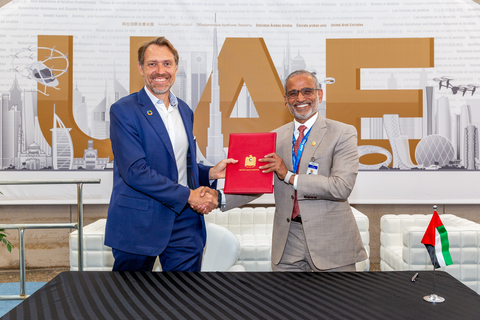
Joby Aviation, the electric vertical takeoff and landing (eVTOL) aircraft manufacturer, has formally applied for aircraft certification in the United Arab Emirates. This strategic move marks a significant step in the company’s expansion plans, aiming to establish a presence in the Middle Eastern market for its innovative flying taxis.

The application, submitted to the General Civil Aviation Authority (GCAA) of the UAE, represents a crucial milestone for Joby Aviation, which has been at the forefront of developing urban air mobility solutions. The certification process will involve rigorous testing and compliance with the UAE’s stringent aviation regulations, designed to ensure safety and operational standards for new aircraft technologies.

Joby Aviation’s eVTOL aircraft, characterized by its all-electric propulsion and vertical takeoff capabilities, is positioned to revolutionize urban transportation by reducing travel time and congestion. The company’s push into the UAE market is part of a broader strategy to tap into emerging global markets where infrastructure and regulatory frameworks are increasingly supportive of advanced aviation technologies.

The UAE has been actively working to become a hub for cutting-edge technologies, including advancements in aviation and transportation. The government’s initiatives to support smart city projects and sustainable transport align with Joby Aviation’s mission to provide efficient and eco-friendly transport solutions. As part of its expansion strategy, Joby has engaged in discussions with various stakeholders in the UAE to explore potential partnerships and operational frameworks that would facilitate the integration of its aircraft into the local transportation network.

The certification process will require Joby Aviation to demonstrate the safety, reliability, and efficiency of its aircraft under the UAE’s aviation standards. This involves a comprehensive evaluation of the aircraft’s performance, maintenance procedures, and safety features. The GCAA will oversee this process to ensure that the aircraft meets all necessary criteria before it is allowed to operate commercially in UAE airspace.

Joby’s entry into the UAE market comes at a time when there is growing interest in urban air mobility solutions globally. Several countries and cities are exploring similar technologies, driven by the need to address urban congestion and environmental concerns. By seeking certification in the UAE, Joby is positioning itself to capitalize on the increasing demand for innovative transportation solutions in a region known for its rapid development and technological adoption.

The company has already made significant strides in its home market of the United States, where it has received substantial investment and support from various stakeholders, including government agencies and private investors. The UAE certification is seen as a key step in Joby Aviation’s international growth strategy, which aims to bring its flying taxi services to major cities around the world.

As Joby Aviation progresses through the certification process, it will likely face several challenges, including navigating the regulatory landscape and establishing operational infrastructure in a new market. However, the company’s commitment to advancing urban air mobility and its track record of innovation position it well for success in the UAE.

The outcome of this certification process will not only impact Joby Aviation but also influence the broader landscape of urban air mobility. If successful, it could pave the way for other companies in the sector to enter the UAE market and contribute to the development of a new dimension in urban transportation.

The UAE’s proactive approach to integrating advanced technologies and supporting sustainable initiatives provides a promising environment for Joby Aviation’s ambitions. The company’s application for certification is a clear indication of the growing global interest in eVTOL aircraft and the potential for such technologies to transform urban travel.

As the aviation industry continues to evolve, the introduction of eVTOL aircraft represents a significant leap forward in the quest for more efficient and environmentally friendly transportation solutions. Joby Aviation’s efforts to gain certification in the UAE underscore the importance of regulatory support and innovation in shaping the future of urban mobility.

Saudi Arabia’s Vision 2030 initiative, a comprehensive plan aimed at diversifying the nation’s economy away from oil dependency, has seen its portfolio of projects reach an impressive valuation of $1.3 trillion. This substantial figure reflects the ambitious scale and economic impact of the country’s efforts to transform its infrastructure, technology, and business sectors by 2030.

Among the most notable projects under this vision is the NEOM megacity, a $500 billion endeavor designed to be a hub for innovation, technology, and sustainable living. NEOM will stretch across 10,230 square miles, integrating artificial intelligence, robotics, and renewable energy sources to create a futuristic urban environment. The city is expected to drive significant economic growth and attract international investors and technology firms.

Another significant element is the Red Sea Project, an extensive tourism development plan set to transform the coastline into a luxury travel destination. With an estimated value of $10 billion, this project aims to develop 50 islands and a series of high-end resorts, enhancing Saudi Arabia’s position in the global tourism market. This development is aligned with the broader goal of increasing the tourism sector’s contribution to the national economy.

The King Salman Park, a $23 billion initiative, represents a major urban development project. Spanning 13.4 square miles in Riyadh, the park will feature green spaces, recreational areas, and cultural facilities, designed to improve the quality of life for residents and support Saudi Arabia’s environmental and sustainability goals.

Significant investment is also flowing into the entertainment and cultural sectors. The $15 billion Qiddiya project is set to become a leading entertainment and cultural hub, incorporating theme parks, sports facilities, and cultural venues. This project aims to diversify Saudi Arabia’s entertainment offerings and attract tourists from around the world.

In the energy sector, the Saudi Arabian Oil Company (Aramco) is spearheading several major initiatives to invest in renewable energy and technology. The company’s investments are part of a broader strategy to reduce reliance on oil and position itself as a global leader in energy innovation. This includes substantial funding towards solar and wind energy projects, as well as advancements in hydrogen fuel technology.

The development of the Saudi Arabian Industrial Investments Company (SAIIC) is another crucial aspect of Vision 2030. SAIIC’s focus is on fostering the growth of new industrial sectors and attracting foreign investment into Saudi Arabia’s manufacturing and high-tech industries. This includes significant investments in sectors such as aerospace, automotive, and electronics.

Education and research are also pivotal in the Vision 2030 framework. The establishment of new universities and research centers, such as the King Abdullah University of Science and Technology (KAUST), represents a $15 billion investment in developing a knowledge-based economy. These institutions are aimed at fostering innovation and supporting the country’s shift towards high-value industries.

The real estate sector is booming as well, with significant investments flowing into residential and commercial developments. Mega-projects like the Riyadh Metro, a $23 billion investment, are designed to address urban congestion and improve public transportation infrastructure. The metro system is expected to enhance connectivity within the city and support the broader goals of urban development and sustainability.

In addition to these major projects, the Vision 2030 initiative includes numerous smaller-scale projects aimed at improving various aspects of daily life, including healthcare, education, and public services. These projects collectively contribute to the overarching goal of transforming Saudi Arabia into a global investment powerhouse and a leading example of modern economic diversification.

The success of Vision 2030 will largely depend on the effective implementation and management of these diverse projects. The Saudi government has been actively seeking international partnerships and investments to support its ambitious plans. This includes efforts to enhance regulatory frameworks, streamline business processes, and create an environment conducive to growth and innovation.

Abu Dhabi National Oil Company (ADNOC) is poised to submit a $16 billion acquisition offer for Covestro, a leading German chemical manufacturer. This move marks ADNOC’s foray into the global chemicals market, a significant shift from its core oil and gas operations. The bid underscores ADNOC’s strategy to diversify its investment portfolio and capitalize on the growing demand for advanced materials in various industrial sectors.

Sultan Al Jaber, CEO of ADNOC, led the negotiations in Germany during August, working closely with Covestro’s executives to finalize the terms of the acquisition. This potential deal highlights ADNOC’s broader vision of expanding beyond traditional energy sectors and positioning itself as a major player in the global chemicals industry. Covestro, known for its production of high-performance polymers and coatings, presents a strategic fit for ADNOC’s diversification efforts.

The proposed acquisition comes amid a surge in mergers and acquisitions within the global chemicals sector. Companies are increasingly seeking to enhance their technological capabilities and market reach through strategic partnerships and acquisitions. For ADNOC, acquiring Covestro would not only bolster its presence in Europe but also provide access to Covestro’s cutting-edge technologies and innovation-driven business model.

ADNOC’s move into the chemicals sector aligns with its broader strategy of investment diversification. The company has been actively exploring opportunities in various sectors, including renewable energy and advanced materials, as part of its long-term growth strategy. By integrating Covestro into its portfolio, ADNOC aims to leverage the company’s expertise in polymer chemistry and expand its footprint in the global market.

Covestro, headquartered in Leverkusen, Germany, has been a significant player in the chemicals industry for decades. The company’s product portfolio includes a range of high-performance materials used in automotive, construction, and electronics industries. Covestro’s commitment to sustainability and innovation makes it an attractive acquisition target for ADNOC, which is seeking to enhance its capabilities in high-value industries.

The potential acquisition of Covestro represents a strategic shift for ADNOC, moving away from its traditional focus on oil and gas and towards more diversified investment opportunities. The deal could have significant implications for both companies, as ADNOC seeks to establish itself as a global leader in the chemicals sector, while Covestro aims to benefit from ADNOC’s financial strength and international reach.

Analysts have been closely monitoring the developments surrounding the ADNOC-Covestro deal, noting that the transaction could reshape the competitive landscape of the global chemicals industry. The acquisition would likely enhance ADNOC’s ability to compete with other major players in the sector, including BASF and Dow Chemical, by providing access to new technologies and market opportunities.

The proposed deal also highlights the growing trend of oil and gas companies diversifying their portfolios to include higher-value industries. As the energy sector faces increasing pressures to transition towards more sustainable practices, companies like ADNOC are exploring new avenues for growth and profitability. The acquisition of Covestro aligns with ADNOC’s strategy of investing in industries that are expected to experience significant growth in the coming years.

Industry experts suggest that the successful acquisition of Covestro could pave the way for further consolidation in the chemicals sector. As companies seek to enhance their technological capabilities and expand their market presence, mergers and acquisitions are expected to play a key role in shaping the industry’s future. ADNOC’s potential acquisition of Covestro could be a catalyst for further strategic moves within the sector, as other players look to position themselves for future growth.

The finalization of the deal is contingent upon regulatory approvals and due diligence processes. ADNOC and Covestro will need to navigate various regulatory requirements and ensure compliance with antitrust laws in multiple jurisdictions. However, the companies are optimistic about the prospects of the transaction and are working diligently to address any potential challenges.

VISHNU RAJA
RYO YAMADA
HITORI GOTOH
IKUYO KITA