News related to
partners establish

BANGKOK, THAILAND – Media OutReach Newswire – 6 February 2025 – The Ministry of Higher Education, Science, Research, and Innovation (MHESI), through the National Innovation Agency (Public Organisation) or NIA, has revealed an overview of Thailand’s startup growth for 2024. The data shows a consistent upward trajectory, with a cumulative growth rate of 3.3% since 2021, reinforcing Thailand’s position as one of the world’s most startup-friendly hubs. […]

18-29 year olds significantly more optimistic and feel more financially prepared to confront the year compared to 40-49 year olds. SINGAPORE – Media OutReach Newswire – 6 February 2025 – AIA Singapore today announced findings from the seventh edition of the AIA Live Better Study, which reflects the evolution of a society where more than 4 in 5 (83%) of Singapore residents plan to actively manage their […]

Abu Dhabi-based technology conglomerate G42 has introduced its Frontier AI Safety Framework, aiming to ensure the responsible development of advanced artificial intelligence models. This initiative establishes rigorous protocols for risk assessment, governance, and external oversight, aligning with global best practices to proactively identify and mitigate potential risks associated with AI. The framework’s release comes as international discussions intensify regarding the regulation of AI technologies. The European Union […]

AFC has consistently broadened its funding portfolio with innovative transactions that open new capital markets to attract global investors to African infrastructure DUBAI, UNITED ARAB EMIRATES – EQS Newswire – 7 February 2025 – Africa Finance Corporation (AFC) (www.AfricaFC.org), the continent’s leading infrastructure solutions provider, has successfully closed a US$400 million Shariah-compliant Commodity Murabaha facility, marking its strategic return to the Islamic finance market for the first […]

The payments to farm owners under BIPPA-protection marks a historic milestone and a critical step in Zimbabwe’s Arrears Clearance and Debt Resolution Process HARARE, ZIMBABWE – EQS Newswire – 8 February 2025 – The Government of the Republic of Zimbabwe is honouring its commitment to compensate investors protected by Bilateral Investment Protection and Promotion Agreements (BIPPAs), whose investments were affected by the Land Reform Programme in 2000. […]

LAGOS, NIGERIA – Media OutReach Newswire – 8 February 2025 – Tolaram, the Singapore-headquartered owners and operators of Lagos Free Zone are proud to announce that the International Finance Corporation (IFC) has committed an equity investment of up to $50 million to support the development of Lagos Free Zone. The investment, aimed at closing key infrastructure gaps to enhance Nigeria’s global competitiveness, will help accelerate the first […]

TOKYO, JAPAN – Media OutReach Newswire – 7 February 2025 – Real estate private equity firm Gaw Capital Partners today announced that the firm, through a fund under its management and investment from co-investors, has partnered with Patience Capital Group (PCG) to form a joint venture for the acquisition and management of prime retail asset “Tokyu Plaza Ginza” in Ginza 5-chome, Tokyo, Japan. Gaw Capital holds 91% […]

Advertisements

The UAE and France have formalised a strategic collaboration to build a cutting-edge AI-powered data centre in the Gulf region. The development of this 1-gigawatt facility marks a significant step in strengthening technological ties between the two countries, focusing on enhancing artificial intelligence infrastructure and driving the digital transformation in both regions. This agreement highlights the growing trend of international partnerships in the realm of AI, as […]

HONG KONG SAR – Media OutReach Newswire – 6 February 2025 – XTransfer, the world-leading and China’s No.1 B2B Cross-Border Trade Payment Platform, and Ecobank Group, the leading private pan-African financial services group with unrivalled African expertise, have signed a landmark Memorandum of Understanding of Cooperation (MOU) to roll out comprehensive cross-border financial services to Africa’s small and medium-sized enterprises (SMEs) engaged in foreign trade. The collaboration […]

The Central Bank of the United Arab Emirates has formalised a Memorandum of Understanding with the Economic Security Centre of Dubai, aiming to enhance collaboration and information exchange in the fight against financial crime. This strategic partnership underscores the UAE’s commitment to maintaining a secure and transparent financial environment.

The MoU focuses on strengthening cooperation between the CBUAE and the Economic Security Centre of Dubai in areas of mutual interest, particularly in the exchange of information and expertise related to financial crime prevention. By fostering closer ties, both institutions aim to bolster the UAE’s defences against illicit financial activities, ensuring the integrity and stability of the nation’s financial system.

This agreement aligns with the UAE’s broader strategy to combat financial crime and uphold the highest standards of economic security. The collaboration between the CBUAE and the Economic Security Centre of Dubai is expected to lead to more effective monitoring and enforcement mechanisms, thereby enhancing the country’s reputation as a safe and attractive destination for global investors.

In recent years, the UAE has intensified its efforts to strengthen its financial regulatory framework. The signing of this MoU represents a significant step forward in these endeavours, reflecting the nation’s proactive approach to addressing emerging challenges in the global financial landscape.

The partnership will facilitate the sharing of critical information and best practices between the two entities, enabling them to respond more effectively to threats such as money laundering, terrorist financing, and other forms of financial crime. This collaborative approach is anticipated to result in more robust preventive measures and a more resilient financial system.

The CBUAE has been at the forefront of implementing initiatives to enhance financial stability and integrity. This latest agreement with the Economic Security Centre of Dubai complements these efforts, reinforcing the central bank’s role in safeguarding the nation’s economic interests.

The Economic Security Centre of Dubai, established to protect the emirate’s economic interests, plays a crucial role in preventing activities that could harm the economy. Through this MoU, the Centre aims to leverage its expertise in economic security to support the CBUAE’s mission of maintaining a stable and secure financial environment.

This collaboration is also expected to contribute to the UAE’s compliance with international standards and best practices in financial regulation. By aligning their efforts, the CBUAE and the Economic Security Centre of Dubai aim to enhance the effectiveness of their financial crime prevention strategies, thereby strengthening the UAE’s position in the global financial community.

The MoU outlines a framework for ongoing cooperation, including regular meetings, joint training sessions, and the development of coordinated policies and procedures. This structured approach is designed to ensure that both institutions can work together seamlessly to address current and future challenges in the financial sector.

The signing ceremony was attended by senior officials from both organisations, who expressed their commitment to the objectives of the MoU. They emphasised the importance of collaboration in achieving shared goals and highlighted the potential benefits of the partnership for the UAE’s economy.

This agreement is part of a series of initiatives undertaken by the UAE to enhance its financial regulatory framework and strengthen its defences against financial crime. By fostering closer cooperation between key institutions, the nation aims to build a more secure and resilient financial system that can support sustainable economic growth.

The CBUAE and the Economic Security Centre of Dubai have a history of working together on various initiatives aimed at enhancing economic security. This MoU builds upon that foundation, formalising their partnership and setting the stage for more comprehensive collaboration in the future.

The UAE has set a remarkable record, achieving a significant milestone in foreign trade with a total of Dhs3 trillion in 2024. This accomplishment comes as the UAE’s foreign trade expanded by an impressive 14.6 per cent, far outstripping the global trade growth, which only saw a modest 2 per cent increase. This surge in foreign trade marks a continuing trend for the UAE, solidifying its position […]

A marked rise in the number of AI specialists in the UAE signals the nation’s growing commitment to becoming a global leader in artificial intelligence. According to a recent report by BCG Global, the country has seen a 40% increase in AI experts since 2022, underscoring the rapid transformation in the local tech ecosystem. This surge comes as the UAE continues to prioritise technological innovation as a key driver of its economic diversification strategy.

This surge in AI talent reflects the UAE’s ambition to develop a robust digital economy and foster new industries, creating opportunities not just for local talent, but also for international professionals looking to leverage the UAE’s forward-thinking approach to technology. The UAE government’s focus on AI, highlighted by initiatives such as the UAE Artificial Intelligence Strategy 2031, has made the country a major hub for AI investment and innovation.

The UAE’s push to lead the Middle East in AI innovation stems from the wider global trend of accelerating technological advancement, with governments and private companies racing to harness the potential of AI. Within the UAE’s strategic vision, AI has become integral to a range of sectors, from healthcare and finance to logistics and education. The significant increase in AI talent coincides with the country’s broader plans to invest heavily in technology and digital transformation, ensuring that the necessary human capital is available to drive future innovations.

Key to this growth is the country’s commitment to creating an ecosystem that supports both local and global talent. Major initiatives, such as the launch of the AI Lab and the establishment of the Mohammad Bin Zayed University of Artificial Intelligence, have provided resources and educational opportunities designed to attract and nurture talent. As AI technology continues to evolve, the UAE’s investment in cultivating a skilled workforce has played a crucial role in positioning the nation as a competitive player on the global stage.

In addition to a focus on talent development, the UAE’s thriving private sector has also contributed to this growth. Tech giants, including IBM, Microsoft, and Google, have established significant operations in the country, offering both employment opportunities and collaborative platforms to foster the development of AI technologies. These companies, in partnership with local organisations, have accelerated the pace of innovation, allowing the UAE to make substantial strides in areas like machine learning, data analytics, and robotics.

The rapid expansion of AI expertise in the UAE also reflects broader trends within the region, as neighbouring countries look to emulate the UAE’s success. The UAE’s proactive stance on AI has set an example for other Gulf Cooperation Council nations, which are also exploring ways to integrate AI into their own national strategies. Bahrain, Saudi Arabia, and Qatar have made moves towards enhancing their technological capabilities, yet the UAE remains the most advanced in terms of both AI talent and technological infrastructure.

The increase in AI specialists in the UAE is not without its challenges. While the demand for talent is high, there remains a shortage of professionals with the necessary advanced skills. This gap has led to fierce competition for qualified AI experts, with companies and institutions offering increasingly attractive salaries and benefits to recruit the best talent from across the world. For example, AI professionals with expertise in areas like natural language processing, robotics, and autonomous systems are particularly sought after, with firms willing to pay premium wages to secure such expertise.

To mitigate this, the UAE has implemented several initiatives aimed at upskilling its existing workforce. The government’s emphasis on education and training, through initiatives like the National Programme for Artificial Intelligence, has helped to bridge the skills gap. Moreover, collaboration with international educational institutions has also played a vital role in ensuring that the nation is preparing its future generations for the digital economy.

Experts point out that while the country’s investments in AI talent are impressive, further efforts are needed to maintain the momentum. As AI becomes increasingly integrated into more sectors, it will be essential for the UAE to continue fostering a culture of innovation and collaboration between the public and private sectors. The government’s vision of positioning the UAE as an AI-driven economy is dependent on a continual supply of skilled professionals capable of both advancing the technology and applying it to real-world challenges.

Bain Capital is in the final stages of negotiations to acquire Mitsubishi Chemical Group’s pharmaceutical subsidiary, Mitsubishi Tanabe Pharma, for over 500 billion yen . This move aligns with Mitsubishi Chemical’s strategy to streamline its operations and concentrate on core sectors such as vehicle electrification, semiconductor manufacturing, and food production.

Established over 90 years ago in Osaka, Mitsubishi Tanabe Pharma specializes in developing treatments for central nervous system disorders, immuno-inflammation, and oncology. The company has a global presence, with operations spanning multiple continents. Notably, its drug Radicava, used in the treatment of amyotrophic lateral sclerosis , has been a significant contributor to its revenue growth.

In the first half of the fiscal year ending March 2025, Mitsubishi Chemical’s pharmaceutical segment reported a 6% increase in sales revenue, reaching 232.5 billion yen, and a 28% rise in core operating income to 41.4 billion yen. Despite these positive figures, Mitsubishi Chemical has been reassessing its business portfolio to focus on areas with higher growth potential. The potential divestiture of its pharmaceutical unit is part of this broader strategy.

Bain Capital has been granted preferential negotiation rights, indicating its position as the leading candidate to finalize the acquisition. This development follows earlier reports that both Bain Capital and Blackstone were among the final bidders for Mitsubishi Tanabe Pharma, with valuations estimated between $3 billion and $3.5 billion. Local private equity firm Japan Industrial Partners was also reported to be in the bidding process.

This prospective acquisition is part of a broader trend of increased mergers and acquisitions activity in Japan. Bain Capital has been particularly active in the Japanese market, having previously led the acquisition of Kioxia Holdings, a prominent chipmaker. The firm’s interest in Mitsubishi Tanabe Pharma underscores its strategy to invest in sectors with strong growth prospects and innovative capabilities.

Mitsubishi Chemical has not provided specific comments on the ongoing negotiations but has stated that it is continuously reviewing its business portfolio, considering all options, including potential divestitures, to optimize its operations and focus on strategic areas. The company aims to better align its resources and capabilities to meet evolving market demands and technological advancements.

New Jersey’s AI ecosystem has received a significant boost with the addition of Microsoft and CoreWeave as founding partners of the New Jersey Artificial Intelligence Hub . The initiative, which launched in winter 2024 under the leadership of Governor Phil Murphy and Princeton University President Christopher L. Eisgruber, aims to solidify the state’s position as a frontrunner in artificial intelligence research and development. The collaboration between Microsoft, […]

Donald Trump’s administration is making significant strides towards shaping the future of cryptocurrency regulation in the United States, with new initiatives aimed at establishing the country as a leader in the global digital asset market. At the heart of this push is the creation of a National Bitcoin Reserve, a plan intended to secure Bitcoin’s position as a foundational pillar of the U.S. financial system. Alongside this, a comprehensive set of pro-crypto regulations is being crafted, promising to reshape how digital assets are treated under American law.

Trump’s crypto czar, David Sacks, has been vocal in driving this initiative, positioning the U.S. to be at the forefront of the digital revolution. Speaking to a gathering of industry leaders, Sacks emphasised the importance of a robust regulatory framework that would not only protect investors but also provide a clear roadmap for businesses and startups in the crypto space. His statements have echoed the administration’s intent to balance innovation with security, fostering a thriving digital economy.

The National Bitcoin Reserve, a key component of this strategy, aims to establish a large-scale reserve of Bitcoin, ensuring that the U.S. government holds a significant stake in the leading cryptocurrency. Proponents argue that this move would reinforce the dollar’s dominance in the global financial market, positioning Bitcoin as a safe and stabilising asset. The plan has already garnered attention from financial experts, some of whom see it as a potential game-changer, strengthening the U.S. dollar while also promoting the mainstream adoption of cryptocurrency.

Alongside this reserve, the Trump administration is working on a comprehensive package of regulations that would provide clarity and stability to the rapidly evolving crypto landscape. These regulations are set to address a range of concerns, from tax treatment to anti-money laundering measures, ensuring that cryptocurrency transactions are conducted in a secure and transparent manner. Sacks has stressed the need for a regulatory environment that encourages innovation while preventing misuse, striking a delicate balance between growth and security.

This shift in policy comes at a time when the global cryptocurrency market is experiencing rapid growth, with governments around the world racing to establish their regulatory frameworks. In Europe, regulators are moving towards stricter rules aimed at controlling the industry, while countries like China have adopted an outright ban on crypto mining and trading. Against this backdrop, Trump’s administration is aiming to position the U.S. as a haven for crypto businesses, creating an environment where innovation is encouraged, and regulatory certainty is assured.

The role of the U.S. government in this new crypto ecosystem has been a subject of much debate. Critics of the plan argue that such a large government stake in Bitcoin could lead to potential conflicts of interest, with the government holding too much influence over the digital asset market. Others have expressed concerns about the lack of international coordination on crypto regulations, fearing that differing approaches could create barriers to global crypto trade. However, Sacks remains confident that the National Bitcoin Reserve will not only benefit the U.S. economy but will also set a positive precedent for other nations looking to integrate digital currencies into their financial systems.

Key to this vision is the backing of the U.S. Senate and House, where bipartisan support for crypto regulation has been steadily growing. Lawmakers have recognised the economic potential of digital assets and the need to create a framework that fosters innovation while ensuring investor protection. This shift in legislative attitude has led to the formation of a joint committee, aimed at crafting a set of laws that will provide clarity and direction for the future of cryptocurrency in the U.S. The committee is expected to work closely with the Department of Treasury and other federal agencies, ensuring that all aspects of the crypto market are addressed in the new regulatory framework.

While the proposed regulations are still in the early stages, they are set to cover a wide range of issues. The focus will be on ensuring that cryptocurrency transactions are transparent, that businesses comply with tax requirements, and that anti-money laundering protocols are in place. Additionally, the regulations will seek to address the volatility of digital assets, with some proposing the creation of stablecoins as a more secure alternative for everyday transactions. Stablecoins, which are pegged to the value of traditional currencies like the U.S. dollar, have been gaining traction in the crypto space as a way to reduce volatility and encourage mainstream adoption.

Another key element of the plan is the proposed tax incentives for crypto businesses. The Trump administration is looking to create a favourable tax environment for companies in the digital asset space, including tax breaks for startups and incentives for blockchain-based innovations. This approach is designed to attract the best and brightest minds in the crypto world to the U.S., boosting the country’s competitiveness in the sector. With many countries struggling to balance regulatory control with business incentives, the U.S. is positioning itself as a global leader in crypto innovation.

As part of the broader strategy, Trump’s team has also been working to enhance collaboration with the private sector, bringing together industry leaders, financial institutions, and technology experts to create a cohesive and forward-thinking crypto ecosystem. Sacks has highlighted the importance of public-private partnerships in ensuring that the regulatory framework is both effective and practical, reflecting the needs of the rapidly changing digital asset landscape.

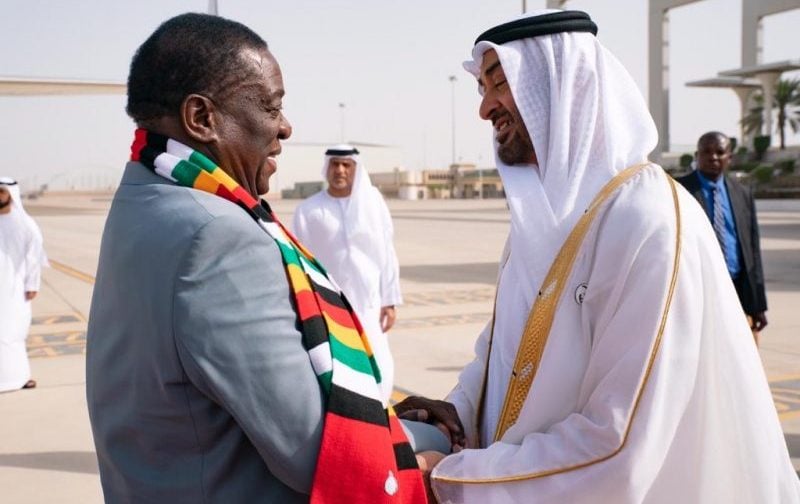
Zimbabwe’s economic landscape is undergoing a significant transformation, with the United Arab Emirates emerging as a pivotal partner. Bilateral trade between the two nations has surged, reaching approximately US$2 billion in 2022, positioning the UAE as Zimbabwe’s second-largest trading partner.

This burgeoning relationship is underscored by a remarkable 300% increase in trade over a three-year period. In 2019, trade volumes stood at around US$400 million, escalating to US$1.6 billion by 2021. Precious metals, particularly gold and diamonds, constitute a substantial portion of this trade, accounting for about 80% of the total exchange. Agricultural and food products also play a significant role in the bilateral trade dynamics.

The UAE’s investment footprint in Africa has expanded notably, with commitments totaling $110 billion between 2019 and 2023. Of this, $72 billion has been allocated to renewable energy projects, underscoring the UAE’s role in Africa’s green energy transition. However, concerns have been raised regarding labor rights, environmental standards, and the UAE’s support for hydrocarbon projects.

In Zimbabwe, the UAE’s investments span various sectors, including agriculture, mining, and energy. Zimbabwean businesses are actively exploring opportunities in the UAE’s food and agriculture sectors, while Emirati investors have shown keen interest in Zimbabwe’s gold and precious metals industries. This mutual interest is fostering deeper economic collaboration between the two nations.

The establishment of the Zimbabwean Business Council in Dubai aims to further bolster these ties. The council’s primary objective is to promote the commercial interests of Zimbabwe and Zimbabwean businesses in Dubai, facilitating increased trade and investment flows between the two countries.

Despite these positive developments, Zimbabwe faces internal challenges that could impede its economic progress. Policies such as the requirement for exporters to convert 25% of their foreign currency earnings into local currency have been criticized for hindering the recovery of sectors like horticulture. Additionally, farmers encounter difficulties in securing funding due to uncertain land tenure and past arbitrary state land acquisitions. The lack of government support further exacerbates these challenges, highlighting the need for policy reforms to create a more conducive environment for business growth.

Infrastructure development is another critical area requiring attention. The National Railways of Zimbabwe has opened its network to private firms to boost freight volumes, which had declined due to decades of underinvestment. Collaborations with companies like South Africa’s Grindrod have been initiated to revitalize the railway system, essential for supporting the country’s mining and agricultural sectors.

SINGAPORE – Media OutReach Newswire – 4 February 2025 – VAIO Corporation (Headquarters: Azumino City, Nagano Prefecture, President & CEO: Masaki Yamano, hereinafter referred to as “VAIO”), today announced its re-entry into the Singapore market through a partnership with Unified-1 Solutions Pte. Ltd. as the official authorised distributor of VAIO products. This strategic initiative reflects VAIO’s commitment to expanding its footprint in Southeast Asia and responding to […]

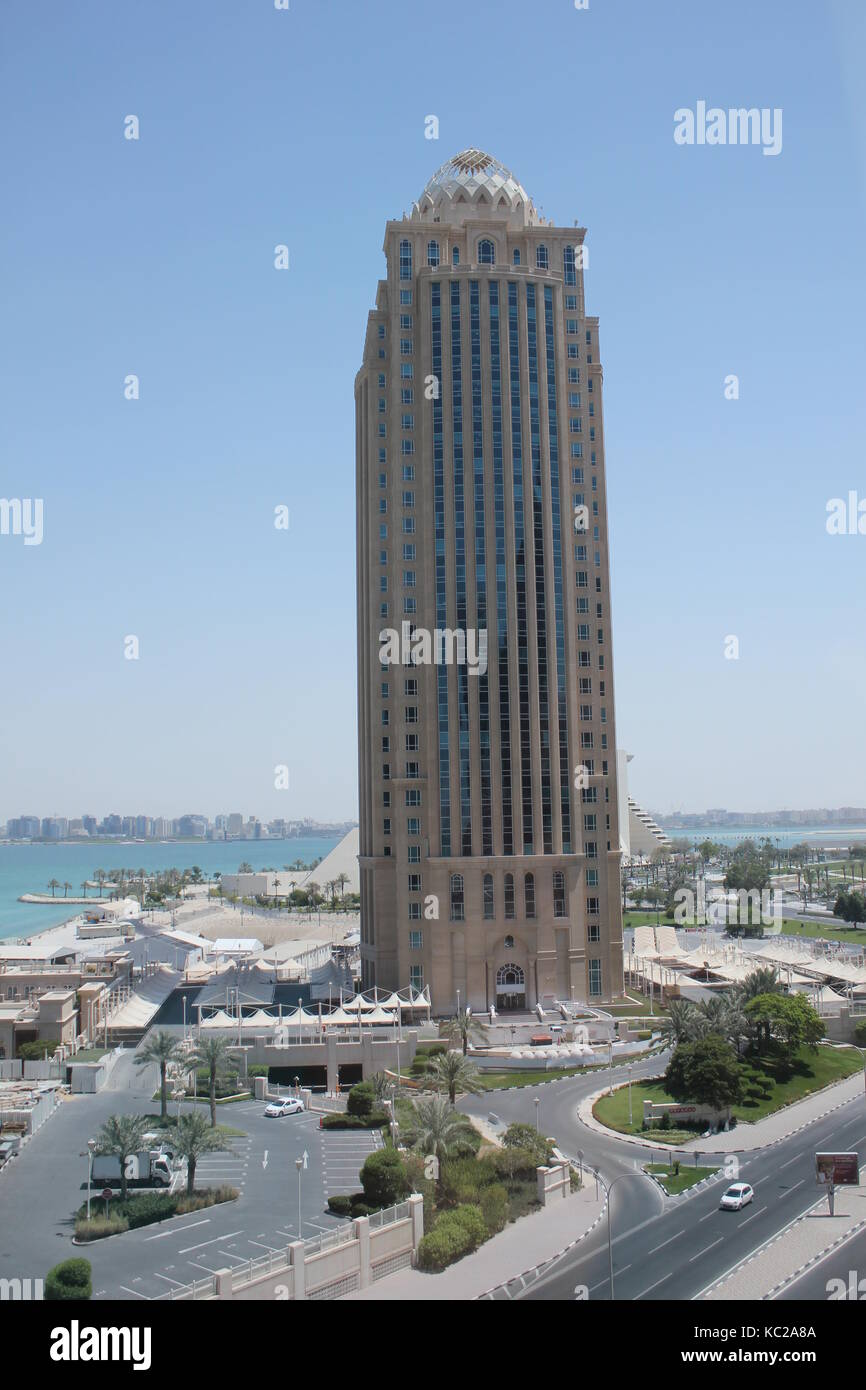
Ooredoo and DE-CIX have officially launched Doha IX, a state-of-the-art internet exchange platform aimed at boosting Qatar’s digital infrastructure. The partnership seeks to provide a secure and carrier-neutral solution to enhance network performance, offering businesses in Qatar and across the region improved connectivity.

Doha IX is designed to facilitate the exchange of low-latency internet traffic between operators, service providers, and content providers. The platform will also support remote peering services, allowing organizations to connect more effectively with global and regional networks. By providing a carrier-neutral environment, it offers flexibility to businesses and internet service providers, enabling them to select their preferred partners for traffic exchange without relying on a single carrier. This flexibility could be a significant advantage for companies looking to optimize their networks in a highly competitive market.

The new exchange will help alleviate some of the challenges faced by businesses in Qatar, particularly in terms of maintaining fast, efficient, and secure connections. As Qatar continues to grow as a technology and business hub in the Middle East, reliable and efficient connectivity infrastructure becomes a critical element of its economic development. Doha IX is poised to play a key role in this by providing businesses with the tools necessary to improve their network performance and stay ahead of emerging trends in the digital economy.

The establishment of the exchange comes at a time when the demand for high-quality connectivity is surging across the region. With more businesses moving toward cloud-based services and data-centric models, the need for reliable, low-latency connections is crucial. Doha IX is expected to meet this demand by offering the infrastructure needed to support a wide variety of digital applications, from e-commerce and financial services to entertainment and content delivery.

This development is also in line with Qatar’s broader goal of becoming a leading digital economy in the region. The country’s Vision 2030 plan emphasizes the importance of digital infrastructure as part of its national strategy for economic diversification. The launch of Doha IX aligns with this vision by enhancing the country’s ability to serve both local and international businesses. It also strengthens Qatar’s position as a regional hub for the internet exchange ecosystem.

DE-CIX, a leading global operator of internet exchange platforms, brings a wealth of expertise and experience to this partnership. With over 25 years of experience in running internet exchanges around the world, DE-CIX operates some of the largest and most secure peering platforms globally. Its involvement in Doha IX provides a significant boost to the exchange’s credibility and operational reliability.

The launch of Doha IX is expected to attract international players to the Qatari market, further driving competition and innovation. The platform offers a unique advantage for global content providers and internet service providers who are looking for a reliable and low-latency traffic exchange in the region. It also provides a platform for local businesses to connect with global partners, creating new opportunities for collaboration and growth.

As part of the launch, Ooredoo will provide infrastructure and connectivity support for the exchange, leveraging its extensive network to ensure smooth operations and minimal downtime. Ooredoo’s involvement further enhances the credibility of Doha IX and underscores its commitment to supporting the growing demand for high-quality internet services in Qatar.

For DE-CIX, the establishment of Doha IX marks a strategic expansion into the Middle East, a region that has seen rapid growth in digital and internet services over the past decade. The company’s presence in Qatar further strengthens its position as a global leader in the internet exchange market and offers it a chance to tap into one of the fastest-growing economies in the region.

Looking ahead, Doha IX is poised to become a key player in the digital infrastructure landscape in Qatar. As the country’s business environment becomes increasingly digital, the demand for reliable and efficient connectivity will continue to rise. The platform will provide businesses with the necessary infrastructure to stay connected and competitive in an ever-evolving global market.

Preparations underway for a landmark 2025 including initiatives throughout the year with clients, alumni, the business community, and society HONG KONG SAR – Media OutReach Newswire – 4 February 2025 – KPMG in Hong Kong is preparing to celebrate its 80th anniversary in 2025, marking eight decades of commitment to the city’s development as a leading business and international financial centre. From its inception in 1945, led […]

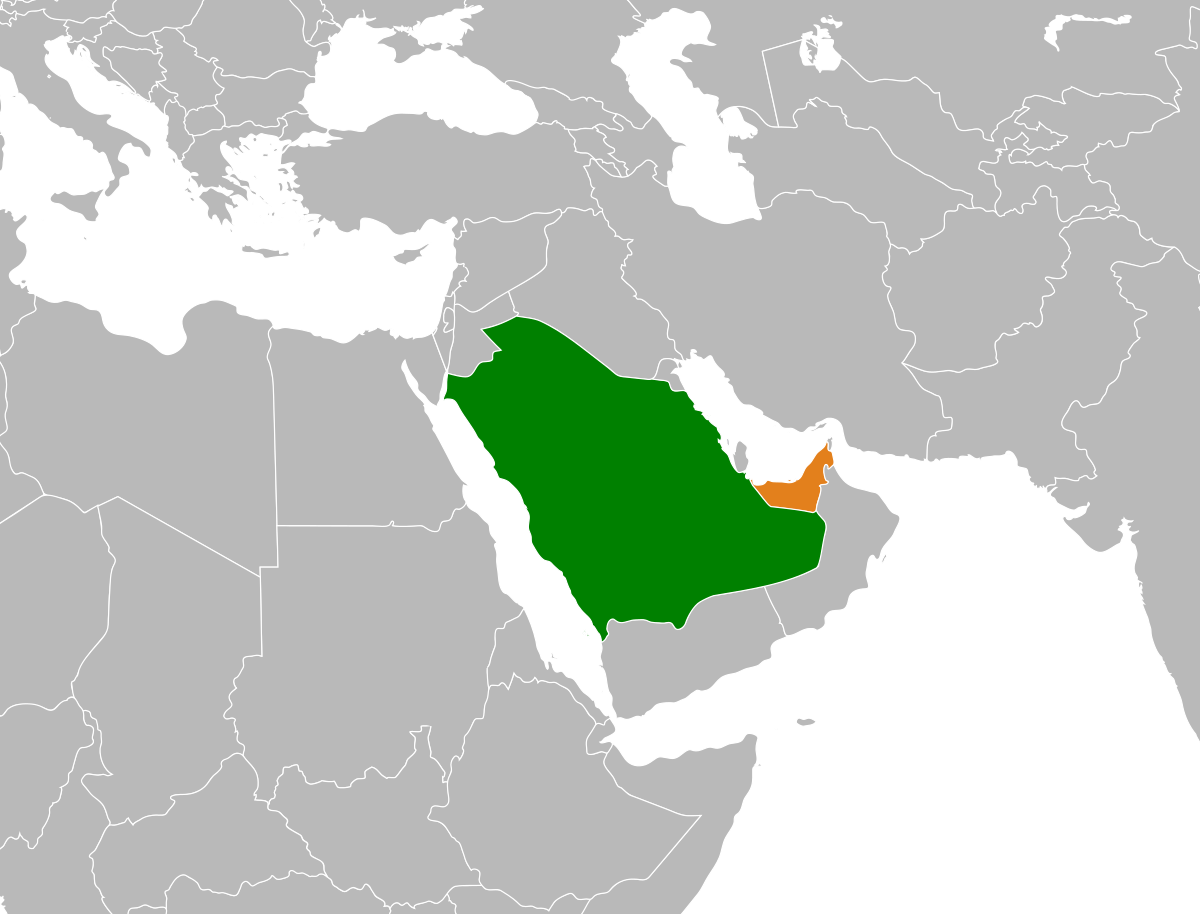
Discussions between Russian and US officials have surfaced regarding a potential summit between President Donald Trump and President Vladimir Putin, with Saudi Arabia and the United Arab Emirates being considered as the possible locations for the high-stakes meeting. According to two Russian sources familiar with the matter, both Middle Eastern nations have emerged as viable venues for the summit, a move that reflects the growing geopolitical engagement of these countries in the Russia-US relations.

Trump, who has long positioned himself as a proponent of international diplomacy, stated his intentions to end the war in Ukraine as swiftly as possible. He reiterated his readiness to engage with Putin, emphasizing the desire to address the ongoing conflict and other shared concerns. In return, President Putin congratulated Trump following his re-election and voiced his own readiness to meet and discuss critical issues, including the war in Ukraine and energy policies, which remain central to the broader global conversation on security and economic stability.

Despite these declarations, Russian officials have firmly denied any direct communications with the United States regarding plans for a phone call or a potential in-person meeting between the two leaders. These officials insist that any forthcoming discussions, if they occur, would be arranged at a later stage, with careful consideration of timing and venue.

The prospect of such a summit, especially in the context of Russia’s recent military actions in Ukraine, has sparked interest on the international stage. The geopolitical ramifications of such a meeting would likely be far-reaching, impacting global energy markets, NATO relations, and the future of the conflict in Eastern Europe. Although some observers view this as an opportunity for peacebuilding, others remain skeptical, given the contentious history of US-Russia relations.

Saudi Arabia and the UAE, with their growing influence on the global diplomatic stage, are being considered due to their neutral stance in the Ukraine conflict and their established relationships with both Russia and the United States. These nations have long been involved in energy markets, which would make them attractive hosts for a meeting focused on energy policies and economic security. Russia’s energy exports, including oil and natural gas, remain a critical factor in shaping international relations, particularly in light of sanctions imposed by the West in response to Russia’s actions in Ukraine.

Trump’s position on Ukraine has been a point of divergence from that of his political opponents, with some criticizing his favorable rhetoric toward Russia. However, his approach has consistently focused on resolving the conflict through direct negotiations, an approach he has applied to other global tensions during his presidency. The idea of a Trump-Putin summit reflects his broader foreign policy philosophy, which emphasizes personal diplomacy over multilateral frameworks.

Despite public statements from both leaders expressing interest in talks, the reality of organizing a summit remains complex. The diplomatic groundwork necessary to bring the two leaders to the same table would require careful coordination, especially with ongoing tensions over Ukraine. Moreover, the absence of direct communication between the US and Russia regarding the summit preparations has raised questions about the seriousness of the plans and the potential obstacles that may arise in the months ahead.

The role of intermediaries, such as Saudi Arabia and the UAE, in facilitating this meeting underscores the shifting dynamics of international diplomacy. Both nations have increasingly positioned themselves as key players in mediating between conflicting global powers. Saudi Arabia’s leadership within OPEC, combined with its strategic partnerships with both Russia and the United States, places it in a unique position to influence global discussions, particularly in the energy sector. Similarly, the UAE, with its expansive diplomatic network and strong ties to both Moscow and Washington, has become a focal point for international peace efforts and negotiations.

The consideration of Saudi Arabia and the UAE as potential hosts for the Trump-Putin summit aligns with their broader strategy of asserting themselves as mediators in global political disputes. The Middle East, long a region of contention, is now emerging as a diplomatic hub where major powers can engage in dialogue, far from the direct theater of conflict. This shift in geopolitical dynamics highlights the region’s growing importance as a neutral ground for major power negotiations, particularly in an era marked by heightened tensions and polarized global politics.

While a Trump-Putin summit would be a significant event on the world stage, it would also require both leaders to overcome a range of diplomatic and political challenges. The ongoing war in Ukraine remains a central issue, and any discussions between Trump and Putin would likely revolve around finding a peaceful resolution to the conflict, while balancing the interests of their respective countries. However, any breakthroughs or agreements arising from such a summit would be closely scrutinized by the international community, particularly given the historical tensions that have defined US-Russia relations.

HONG KONG SAR – Media OutReach Newswire – 4 February 2025 – The Government of the Republic of Botswana (“GRB”) and De Beers Group (“De Beers”) are pleased to announce the successful conclusion of negotiations focused on establishing a new sales agreement for Debswana’s rough diamond production, as well as extending Debswana’s mining licences beyond 2029. This development is in alignment with the Heads of Terms agreed […]

• Yunlin OWF fully operational and running at design capacity of 640 MW • Enough clean energy to power over 600,000 Taiwanese homes annually • Major step for Taiwan’s offshore wind farm and renewable energy sectors HAMBURG, GERMANY – EQS Newswire – 3 February 2025 – Skyborn Renewables (Skyborn) and its partners in Yunneng Wind Power Co., Ltd. (Yunneng) are pleased to announce a major milestone: The […]

The Saudi Data and Artificial Intelligence Authority recently hosted a significant gathering in Riyadh, bringing together more than 400 officials from both the public and private sectors. The primary focus of this assembly was to discuss and enhance the regulation and governance of Artificial Intelligence technologies within the Kingdom. This initiative underscores SDAIA’s dedication to establishing comprehensive policies, standards, and controls to guide the ethical and effective […]

Dubai International Chamber has successfully attracted 207 new companies in 2024, marking a significant 56% rise compared to the previous year. This surge reflects the chamber’s strategic initiatives to strengthen Dubai’s position as a global business hub and enhance its appeal to international enterprises. The chamber’s efforts have also led to an influx of 182 delegations, comprising over 500 international participants, aimed at fostering new partnerships and exploring investment opportunities.

The Dubai International Chamber has long been a key player in the emirate’s ambitious economic strategy, which is focused on diversifying the economy and establishing Dubai as a center of trade, innovation, and global commerce. Through various initiatives, including business matchmaking events, networking platforms, and bilateral talks, the chamber has facilitated connections between Dubai-based businesses and international counterparts.

One of the driving factors behind the chamber’s success is Dubai’s robust economic framework, which includes pro-business policies, tax incentives, and state-of-the-art infrastructure. These factors continue to attract both new businesses and foreign investors, making the city an ideal location for expansion and growth in diverse sectors, including technology, finance, trade, and manufacturing.

The influx of companies is a reflection of Dubai’s global stature and economic resilience, which were put to the test during the global challenges of the past few years. In particular, sectors like fintech, renewable energy, and tourism have seen significant growth, aligning with Dubai’s broader economic objectives. By attracting a diverse range of companies, Dubai International Chamber is helping to strengthen not only the local economy but also regional and global trade networks.

The 56% increase in new businesses in 2024 comes as part of Dubai’s ongoing efforts to create a business-friendly environment. The Dubai International Chamber, under the direction of Dubai Chamber of Commerce, has consistently worked to provide valuable support for companies looking to establish a presence in the emirate. Services offered by the chamber include assistance with legal, regulatory, and logistical challenges, as well as facilitating access to Dubai’s world-class infrastructure and market opportunities.

The chamber’s strong push to engage international delegations has also proven successful. By hosting 182 delegations, the chamber has facilitated critical discussions that focus on international cooperation, investment, and trade partnerships. With over 500 participants in these delegations, Dubai has further cemented its role as a major gateway for global commerce.

The year 2024 also marked an expansion in Dubai’s global network, with significant engagement in the Middle East, Asia, Europe, and Africa. International companies are increasingly looking to Dubai as a springboard for their regional expansion, thanks to its strategic location, modern infrastructure, and well-established business ecosystem.

Dubai’s approach to international partnerships has resonated with companies seeking to tap into the growing markets of the Gulf Cooperation Council region and beyond. Dubai’s free zones, which offer tax exemptions, 100% foreign ownership, and simplified regulatory procedures, continue to be a major draw for foreign businesses.

According to experts, Dubai’s integration into global trade networks has been instrumental in boosting investor confidence. The city has long been recognized for its stability, high quality of life, and ease of doing business, factors that are particularly appealing to multinational companies.

As businesses from a variety of sectors choose Dubai as their base for expansion, the city has positioned itself as a leader in key industries such as technology, fintech, logistics, and sustainability. This is further evidenced by the growing number of tech startups, venture capital investments, and global corporations establishing operations in Dubai.

The Dubai International Chamber’s growing prominence highlights the city’s pivotal role in driving economic growth and fostering international collaboration. As part of its mission, the chamber is committed to ensuring that Dubai remains a global business hub that attracts investment, supports entrepreneurship, and provides companies with the resources needed to thrive in the global market.


VISHNU RAJA
RYO YAMADA
HITORI GOTOH
IKUYO KITA