News related to
partners establish

SINGAPORE – Media OutReach Newswire – 30 April 2025 – Coda, a leader in digital content monetization, today released its inaugural Environmental, Social, and Governance (ESG) Report, detailing its commitment to sustainable growth, responsible operations, and creating long-term value for its stakeholders. The report details its ESG commitments and progress to-date across three business-critical areas that align with the broader fintech and payments industry’s focus. They are […]

Telegram has partnered with Libre to tokenize $500 million worth of bonds, marking a significant step in the integration of traditional financial instruments with blockchain technology. This collaboration is set to bring Telegram’s bond offerings onto The Open Network , a blockchain designed to enable scalable and fast transactions. The move represents a noteworthy expansion of Telegram’s efforts to bridge the gap between conventional finance and decentralised finance .

The Telegram Bond Fund will serve as a platform through which these tokenized assets can be utilised within DeFi protocols. This integration allows the bonds, typically constrained to traditional markets, to become part of the rapidly growing blockchain-based financial ecosystem. By leveraging the TON network, Telegram and Libre aim to make bond trading more accessible, transparent, and efficient, tapping into the growing demand for tokenised assets in the DeFi space.

The use of blockchain technology for tokenizing bonds allows for fractional ownership, providing an opportunity for retail investors to participate in markets traditionally dominated by institutional investors. Blockchain’s inherent security and transparency features are expected to provide an additional layer of trust and legitimacy to bond markets. Investors will be able to trade these tokenized bonds with greater speed and efficiency compared to conventional methods, which often involve lengthy settlement times and high fees.

The Telegram Bond Fund’s tokenisation process will employ the TON blockchain to ensure a seamless transfer of digital assets. This process allows for bonds to be divided into smaller units, or tokens, which can be traded and transferred across the TON network. Each token will represent a share in the underlying bond, enabling investors to buy, sell, or hold them as they would any other digital asset. This could have profound implications for both the bond market and the broader DeFi space, which has long sought to integrate more traditional financial products into its decentralised framework.

For Telegram, the move is a strategic effort to expand its financial ecosystem beyond its messaging platform. Telegram has already introduced several innovative features, including its TON-based cryptocurrency wallet and TON coin. By introducing tokenised bonds, Telegram is broadening its financial services, positioning itself as a key player in the intersection of social media, messaging, and decentralised finance. The platform’s large user base offers a unique advantage, providing instant access to millions of potential investors who may be drawn to the ease of using Telegram for both social communication and financial transactions.

Libre’s role in the partnership is crucial, as it will facilitate the actual process of tokenisation and integration with DeFi protocols. The company has built its reputation by bridging traditional finance with blockchain technology, creating platforms that allow traditional assets to be digitised and traded on decentralised networks. Libre’s expertise in this area will enable the successful launch and operation of the Telegram Bond Fund, ensuring that the tokenised bonds adhere to the necessary legal and regulatory standards.

The integration of tokenised bonds into DeFi protocols opens up new possibilities for yield generation and liquidity provision. Investors will not only be able to buy and hold these digital bonds, but also engage in activities such as staking or lending within the TON network’s decentralised finance protocols. This could provide an additional avenue for users to earn returns on their investments, further increasing the appeal of tokenised bonds in the DeFi space.

As blockchain technology continues to mature, tokenisation of traditional assets like bonds is becoming increasingly common. This trend reflects a broader movement towards digitising traditional financial systems to make them more accessible, efficient, and user-friendly. For years, the potential for blockchain to revolutionise financial markets has been discussed, but the adoption of tokenisation is now gaining significant traction, with many believing that the future of finance lies in decentralised networks and digital assets.

Telegram’s entry into the bond tokenisation space is another step towards fulfilling this vision, making it possible for individuals to participate in financial markets in ways that were previously unavailable. It also signals the increasing importance of platforms like TON, which offer an infrastructure capable of supporting large-scale tokenisation projects. With the backing of a messaging platform as influential as Telegram, the success of this venture could pave the way for more established financial institutions to consider similar integrations with blockchain networks.

The regulatory landscape surrounding tokenisation remains a complex issue. While blockchain technology offers many advantages, including transparency and decentralisation, it also presents challenges in terms of legal compliance, especially when it comes to securities laws. However, Telegram’s entry into this market, along with the legal oversight provided by Libre, suggests that the project is designed to meet regulatory requirements, which may help alleviate concerns about the legality and legitimacy of tokenised bonds.

By Nitya Chakraborty The United States of America President Donald J. Trump has completed his first one hundred days in office in his second non-consecutive term on April 29, Tuesday amidst continuing global disorder over his chaotic policies — unilateral tariffs hike, failure to establish peace in Gaza with Israeli killing spree continuing unabated and […]

Reimagining collaborative approaches to silver economy with government, businesses and social enterprises HONG KONG SAR – Media OutReach Newswire – 29 April 2025 – As Hong Kong and other cities in the Greater Bay Area face challenges brought by an ageing population, DBS Foundation (“DBSF”) believes that a senior-friendly community can be a powerful driver for innovation and economic growth. DBSF today hosts its first-ever “GBA Impact […]

China International Capital Corp. is intensifying efforts to expand its presence beyond mainland China by establishing a new branch in Dubai and deepening its foothold in Southeast Asia, as global demand for cross-border financial services continues to grow. The Beijing-based investment bank, recognised as one of the country’s most influential financial institutions, is preparing to open a new branch in the Gulf city to cater to sovereign […]

Loan Assets Reach a Record High of HK$3.13 billion Customer Deposits Have Significant Growth of 74% Net Interest Income Surged 70% to over HK$130 million In 2024, PAObank achieved outstanding performance across key operational indicators, with net interest income increasing significantly by 70% year-on-year to over HK$130 million. Dedicated to empowering SMEs, PAObank remains committed to supporting their upgrade and transformation. In 2024, total loans and advances […]

Driverless transport options are gaining ground in Abu Dhabi as authorities move to widen the reach of RoboTaxi services across the emirate. The Integrated Transport Centre, operating under Abu Dhabi Mobility, confirmed the expansion of autonomous taxi trials through a strategic collaboration with Autogo, an advanced autonomous mobility solutions provider, and Apollo Go, Baidu’s self-driving platform.

Abu Dhabi Mobility stated that the expansion marks a significant step towards integrating autonomous vehicles into everyday life, with an emphasis on both safety and sustainability. The project is part of the broader Smart Mobility strategy aimed at reducing carbon emissions and improving transport efficiency. This move follows initial successful trials on Yas Island, where RoboTaxis operated under controlled conditions to collect performance and safety data.

The latest phase extends the autonomous taxi service to additional urban areas within Abu Dhabi, including Saadiyat Island and parts of Al Reem Island. Passengers can now hail RoboTaxis through dedicated mobile applications, with the service designed to offer round-the-clock operations. The vehicles are equipped with Level 4 autonomy, meaning they can perform all driving tasks within defined operational areas without human intervention, although a safety operator remains onboard during trials as a precautionary measure.

Autogo and Apollo Go are deploying an updated fleet fitted with enhanced sensor arrays, including lidar, radar, and high-resolution cameras. These vehicles are capable of detecting and responding to complex traffic scenarios, such as pedestrian crossings, cyclist movements, and emergency vehicle prioritisation. Abu Dhabi authorities have indicated that full commercial operations are anticipated once regulatory frameworks are fully established and trial benchmarks are consistently met.

Demand for autonomous mobility services in the emirate has been steadily growing, driven by factors such as urbanisation, digitalisation, and a young, tech-savvy population open to adopting innovative transport modes. Global consultancy reports predict that the Middle East’s autonomous vehicle market will grow significantly over the next decade, with Abu Dhabi positioned to lead regional adoption given its early investment in smart city technologies.

Abu Dhabi’s Department of Municipalities and Transport, which oversees the Integrated Transport Centre, has reiterated its commitment to fostering a regulatory environment that prioritises safety while encouraging innovation. Current trials are being closely monitored, with data analytics playing a key role in assessing vehicle performance, user acceptance, and integration with traditional traffic systems.

Autogo’s Chief Executive Officer, Wang Yu, emphasised the importance of international collaboration in accelerating the adoption of autonomous technologies. Speaking at a media briefing, Yu said the partnership with Abu Dhabi Mobility was a model for how governments and technology firms could work together to bring transformative transport solutions to market. Baidu’s Apollo Go division echoed these sentiments, noting that Abu Dhabi offered favourable infrastructure conditions for high-level autonomous driving trials.

The RoboTaxi initiative forms part of Abu Dhabi’s larger plan to diversify its economy and reduce dependence on oil revenues by investing heavily in technology, innovation, and sustainable infrastructure. The expansion of the service is also aligned with the UAE’s Net Zero 2050 strategy, which targets a significant reduction in greenhouse gas emissions through a variety of initiatives, including sustainable transport solutions.

While the adoption of autonomous vehicles in Abu Dhabi has been largely welcomed, industry experts caution that challenges remain. Public trust in self-driving technology is still developing, and authorities are working to address concerns through extensive safety demonstrations, public education campaigns, and transparent data sharing. Insurance and liability frameworks are also under review, as current models must adapt to scenarios where vehicles, rather than drivers, are responsible for road incidents.

Meanwhile, competition in the global autonomous vehicle sector is intensifying. Companies such as Waymo, Cruise, and Motional have made substantial progress in cities across the United States, while Asian markets like China and Japan are moving rapidly towards large-scale RoboTaxi deployment. Abu Dhabi’s proactive approach is aimed at positioning the emirate as a leader not only regionally but also on the global stage of autonomous mobility.

Recent deployments by Apollo Go in other territories, including parts of China’s first-tier cities, have demonstrated the scalability of the technology, offering encouraging prospects for Abu Dhabi’s ambitions. Autogo’s track record in delivering commercial-scale deployments in international markets has further strengthened confidence in the success of the partnership.

The trial expansion also includes provisions for enhanced accessibility, with the vehicles designed to accommodate passengers with limited mobility. Special features such as lower step-in heights, automatic ramps, and voice-activated controls have been integrated to ensure inclusivity. Abu Dhabi Mobility confirmed that these considerations were central to the service’s design ethos, aiming to create a transport system that is equitable and user-friendly for all demographics.

As the service expands, Abu Dhabi Mobility is engaging with stakeholders across sectors including urban planning, energy, and telecommunications to ensure that the infrastructure needed to support mass autonomous vehicle adoption is in place. This includes the development of smart intersections, 5G communication networks, and dedicated pickup and drop-off zones optimised for autonomous vehicle operations.

Technological advancements are expected to drive further enhancements to the RoboTaxi experience, with future iterations promising even greater vehicle-to-infrastructure communication capabilities and improved AI decision-making models. Engineers working on the trials are also studying the impact of local environmental conditions, such as extreme heat and sandstorms, on the performance of autonomous systems to tailor solutions specifically for the region.

Public sentiment around the RoboTaxi service has so far been largely positive, with early users praising the convenience and novelty of the experience. Authorities have stressed, however, that safety remains the overriding priority, with rigorous checks in place at every stage of service delivery. Plans are underway to gradually transition the RoboTaxi fleet from supervised to fully driverless operations once confidence in system reliability is firmly established.

Abu Dhabi’s vision for a technology-driven future is steadily taking shape, with autonomous transport a key pillar in its broader innovation agenda. The expansion of the RoboTaxi service is being closely watched by global cities also exploring autonomous mobility solutions, underlining the emirate’s growing influence in shaping the next era of urban transportation.


Advertisements

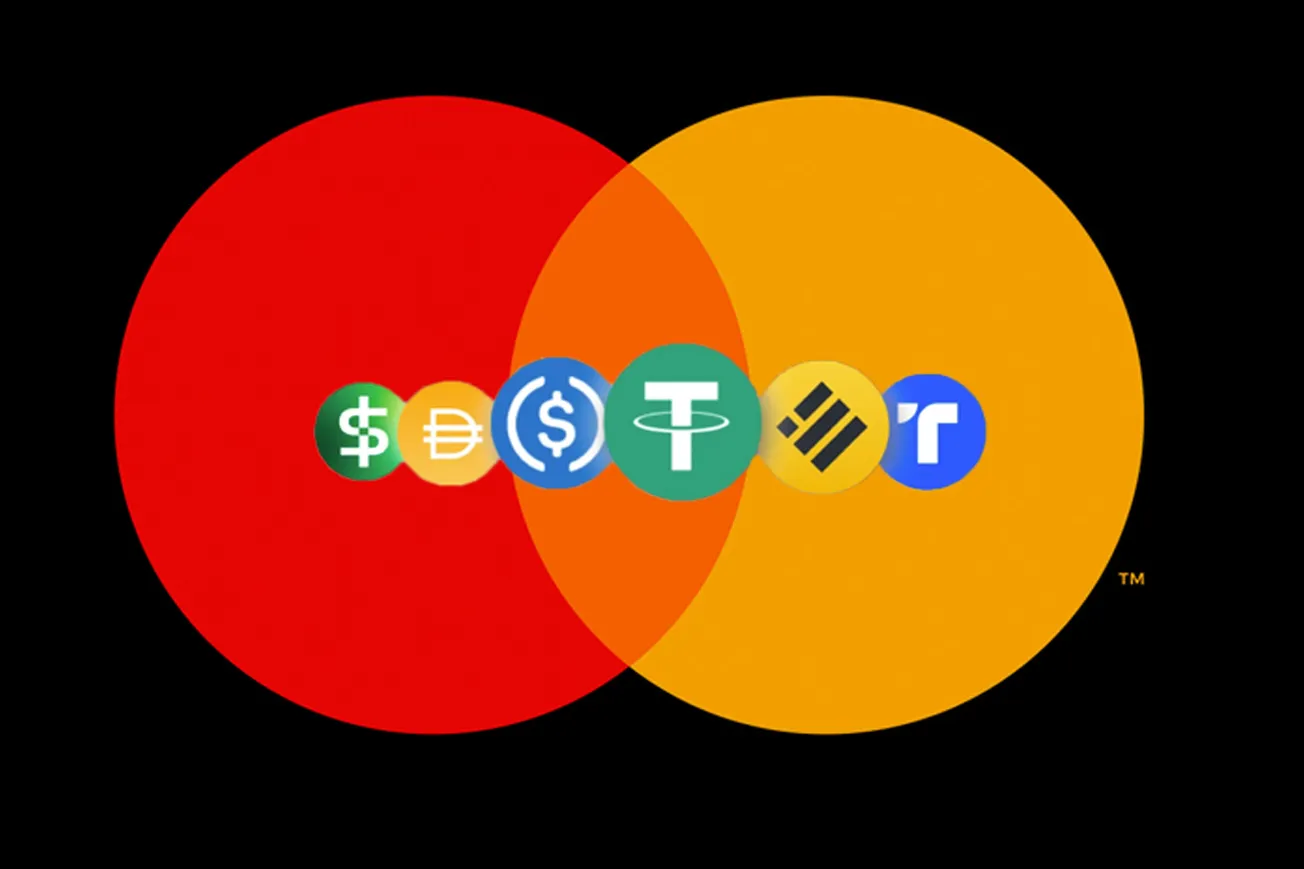
Mastercard has moved to expand its digital asset footprint by unveiling a stablecoin-powered global payment system that aims to bridge traditional finance with blockchain technology. The initiative incorporates wallet integration, card issuance, merchant settlement, and on-chain remittances, signalling a major endorsement for stablecoins within mainstream financial services.

The payments giant will partner with OKX to launch the OKX Card, offering users the ability to spend crypto assets seamlessly through Mastercard’s established infrastructure. The collaboration is positioned to provide cardholders with the option to convert their digital holdings into fiat currency at the point of sale, utilising USDC stablecoins to facilitate transactions in real time.

Mastercard’s broader collaboration also includes Circle, Nuvei, and Paxos, three key players in the stablecoin and blockchain space. The strategy centres on enabling direct merchant settlement using stablecoins, starting with USDC. The move is expected to accelerate merchant acceptance of digital currencies by eliminating the need for fiat conversions and complex intermediary processes.

Raj Dhamodharan, Mastercard’s head of crypto and blockchain, stated that the company is building a “future-proof” payments ecosystem that integrates digital assets responsibly and securely. He emphasised that Mastercard’s framework would ensure compliance with existing regulations and uphold strong consumer protection measures while offering the benefits of blockchain efficiencies.

By embedding stablecoins into payment rails, Mastercard is seeking to address long-standing challenges that have limited wider adoption of digital currencies, including volatility, liquidity management, and interoperability between financial systems. Stablecoins, which are typically pegged to fiat currencies like the US dollar, offer price stability that traditional cryptocurrencies like Bitcoin do not, making them more suitable for everyday transactions.

The OKX Card is expected to launch initially in select markets, with expansion plans to follow based on regulatory approvals and market demand. OKX’s president Hong Fang described the partnership as a “game-changer” that will “empower millions to experience the future of payments today.” The card will allow users to link their crypto wallets directly and spend their digital assets without the need to manually convert them into fiat beforehand.

Mastercard’s collaboration with Circle is particularly noteworthy as Circle’s USDC stablecoin is widely regarded for its regulatory compliance and transparency. Circle CEO Jeremy Allaire welcomed the partnership, highlighting that direct merchant settlement in USDC would reduce transaction costs, enhance speed, and provide greater transparency across payment processes.

Nuvei and Paxos will contribute to strengthening the backend settlement capabilities. Nuvei, a global payment technology firm, brings extensive experience in integrating alternative payment methods for merchants, while Paxos, a regulated blockchain infrastructure platform, provides trusted stablecoin issuance and custody solutions.

This new framework comes at a time when global financial institutions are increasingly exploring digital currencies. The Bank for International Settlements reported an upsurge in central bank digital currency projects globally, with a growing focus on how stablecoins and blockchain could complement traditional payment systems rather than disrupt them.

Mastercard has been experimenting with blockchain and digital assets for several years, conducting pilot programmes with various crypto companies and financial institutions. The company’s partnership with the Reserve Bank of Australia and the Digital Finance Cooperative Research Centre on a central bank digital currency pilot was another key step illustrating its commitment to innovating responsibly within the space.

Mastercard’s stablecoin settlement model follows a successful pilot in Australia, where live transactions using USDC and Mastercard’s network proved the technical viability and regulatory feasibility of using stablecoins for real-world transactions. The pilot included collaboration with Cuscal and Mintable, showcasing the ability to settle card transactions directly on blockchain networks.

Through these developments, Mastercard appears to be positioning itself as a leader among traditional financial service providers seeking to integrate blockchain into their core offerings. This approach not only supports digital asset adoption but also builds bridges between traditional payment providers and emerging decentralised finance ecosystems.

Industry analysts note that Mastercard’s entry into stablecoin-powered payments could force other major payment processors to accelerate their blockchain strategies. Visa, which has been running its own stablecoin settlement pilots, will likely view Mastercard’s moves as a call to action to deepen its blockchain integration efforts to remain competitive.

There are challenges ahead, particularly regarding regulatory clarity. Stablecoins have come under increasing scrutiny from regulators concerned about financial stability, money laundering, and consumer protection risks. Mastercard has indicated that its stablecoin programme will operate within regulated frameworks, ensuring that only stablecoins backed by transparent and compliant reserves are included.

The initiative also highlights growing merchant interest in accepting digital currencies without bearing volatility risks. Direct stablecoin settlement allows merchants to receive payment in a stable asset without relying on third-party crypto-to-fiat conversion services, streamlining operations and reducing costs.

As stablecoins continue to evolve beyond speculative assets into functional financial tools, Mastercard’s system reflects an understanding that digital currencies must serve real-world use cases to achieve mainstream adoption. The company’s ability to integrate stablecoin technology with traditional card networks could significantly alter how digital assets are used in daily commerce.

Mastercard’s latest announcement also underlines a broader industry shift toward interoperability. By supporting transactions across multiple blockchain networks and integrating with different stablecoin issuers, Mastercard aims to create a unified ecosystem where users, merchants, and financial institutions can interact seamlessly across both traditional and digital finance landscapes.

Nscale, a rapidly growing artificial intelligence startup, is positioning itself to raise around $2.7 billion in funding as it prepares for a high-profile partnership with ByteDance Ltd. The deal comes at a crucial time for Nscale, which is also grappling with a significant debt load estimated at $1.8 billion. The company, which is less than a year old, has quickly captured attention in the AI sector with […]

HANOI, VIETNAM – Media OutReach Newswire – 28 April 2025 – VinFast Auto Ltd. (“VinFast” or the “Company”) today announced its preliminary vehicle deliveries for the first quarter of 2025. The Company delivered 36,330 electric vehicles (“EVs”) globally in 1Q25, representing a 296% increase year-over-year. In the first quarter of 2025, deliveries of the VF 6 model increased by 453% compared to the same period in 2024. […]

Toyota has partnered with Huawei to integrate the Chinese tech giant’s HarmonyOS in its upcoming electric sedan model. This move marks a significant shift in the automotive industry as the Japanese automaker aligns itself with a technology platform developed by a key competitor to Google’s Android in the connected car space. The decision comes amid growing tensions between the US and China, as well as a rapidly evolving global market where automakers are increasingly dependent on innovative software for everything from vehicle performance to customer experience.

HarmonyOS, launched by Huawei as a competitor to Android, is designed to offer greater security and seamless integration across various devices. While initially developed for smartphones, the system has expanded into a variety of smart devices, including automobiles. Toyota’s adoption of HarmonyOS in its new electric sedan reflects the growing importance of software in vehicles, especially as automakers shift focus to electric and autonomous technologies.

The electric sedan, set to hit the Chinese market first, will benefit from the advanced connectivity and smart features of HarmonyOS, such as AI-based in-car assistants and enhanced user interfaces. This is expected to provide a competitive edge for Toyota as it navigates the increasingly crowded Chinese electric vehicle market, where local companies such as BYD and NIO have already established a strong foothold.

Huawei’s HarmonyOS has faced challenges in gaining international traction, particularly due to its ties to the Chinese government and its exclusion from key US-based app ecosystems. However, the system has found significant success within China, where Huawei has a commanding presence in both telecommunications and consumer electronics. Toyota’s decision to integrate the platform may not only strengthen its position in the Chinese market but also mark a turning point in the global race for automotive software dominance.

While Toyota continues to rely on established partners like Google for its global connected car initiatives, this collaboration with Huawei represents a key step in diversifying its software strategy, particularly in regions like China where local technology is often favoured. As automakers seek to ensure the security and functionality of increasingly digital vehicles, HarmonyOS’s promise of enhanced privacy features could play a crucial role in attracting tech-savvy consumers.

The automotive industry has long been navigating a delicate balance between software development and traditional vehicle manufacturing. Toyota’s embrace of Huawei’s operating system is indicative of the growing reliance on third-party tech companies to provide the kind of high-tech, integrated solutions that are rapidly becoming a standard in modern cars. The partnership also underscores the importance of China as a strategic market for global automakers, with its massive population and burgeoning EV market offering significant growth potential.

This development comes at a time when other major tech players are making inroads into the automotive sector. SK Telecom’s announcement to replace SIM cards in its vehicles after a data breach underscores the growing importance of cybersecurity in connected car systems. Moreover, India’s advancements in satellite docking automation signal a broader trend toward increased integration of autonomous systems in the automotive sector. In China, companies are working toward greener solutions, with efforts to reduce the carbon footprint of data centres becoming a focal point for many technology giants.

With the global automotive industry rapidly evolving, Toyota’s partnership with Huawei places the automaker at the crossroads of software innovation and traditional vehicle manufacturing. The collaboration may not only affect the Chinese electric sedan market but could also set a precedent for future ventures between automakers and tech companies, particularly as the digital landscape of the automotive sector continues to evolve.

Arabian Post Staff Deliveroo has confirmed the appointment of a new general manager to oversee its operations across the Middle East, marking a significant leadership transition for the online food delivery platform. Anis Harb, who has been with the company for nearly a decade, is stepping down from his role and will be succeeded by Susana Voces, a senior executive with extensive experience in international e-commerce and […]

stc Group has been ranked as the top company for career development in Saudi Arabia for 2025 by LinkedIn, reinforcing its position as a major driver of professional advancement in the region. The recognition reflects the telecommunications giant’s continued investment in employee growth, skills enhancement, and leadership opportunities during a period of rapid digital transformation in the Kingdom.

The LinkedIn Top Companies list, published annually, evaluates organisations based on several critical pillars, including skills growth, company stability, external opportunity, company affinity, gender diversity, and educational background of employees. stc Group secured the top spot after outperforming competitors across these measures, highlighting its emphasis on creating a dynamic and sustainable work environment.

The company’s prioritisation of employee development aligns with Saudi Arabia’s Vision 2030 agenda, which seeks to diversify the economy and build a thriving private sector. stc Group has implemented numerous initiatives aimed at cultivating talent, including internal leadership academies, technical training programmes, and partnerships with leading educational institutions. These efforts are designed to equip its workforce with the digital capabilities and leadership competencies required to thrive in a highly competitive and evolving market.

LinkedIn’s analysis highlighted that stc Group demonstrated exceptional commitment to employee advancement, with many staff members acquiring new skills and transitioning into leadership roles within the company. This has contributed to the organisation’s reputation as a destination employer for professionals seeking both stability and growth in the Kingdom’s vibrant technology and communications sector.

stc Group’s strong performance is also attributed to its comprehensive employee benefits packages, flexible working arrangements, and strategic focus on diversity and inclusion. The company has been recognised for fostering an inclusive workplace culture where opportunities for advancement are accessible across gender and educational backgrounds. This approach is particularly significant as the Kingdom intensifies efforts to boost female participation in the workforce.

The telecommunications sector has seen a major expansion across Saudi Arabia as part of broader efforts to build a digital economy. stc Group has played a central role in deploying 5G infrastructure, expanding fibre optic networks, and investing in emerging technologies such as cloud computing, artificial intelligence, and cybersecurity. This strategic positioning has not only driven the company’s financial success but has also created a wealth of career opportunities for local and international talent.

In addition to its domestic achievements, stc Group has expanded its presence across regional markets, acquiring stakes in companies in Bahrain, Kuwait, and other Gulf Cooperation Council countries. This regional footprint has enabled the company to offer diverse career pathways and foster cross-border professional experiences for its employees.

stc Group’s emphasis on continuous learning has been underscored by the launch of its dedicated Digital Academy, which offers specialised programmes in areas such as data science, cybersecurity, software development, and project management. Through a combination of classroom instruction, online modules, and practical experience, the academy equips employees with the technical expertise needed to lead in the Fourth Industrial Revolution.

The company’s innovation-driven culture has been further reinforced by its establishment of various innovation hubs and research centres, encouraging employees to work on cutting-edge projects that have direct commercial and societal impact. This approach has strengthened employee engagement, enhanced creativity, and driven a spirit of entrepreneurship within the organisation.

The recognition by LinkedIn also comes as stc Group pursues its ambitious DARE strategy, aimed at driving digital transformation, accelerating business growth, reinforcing operational efficiency, and enabling sustainability initiatives. The company’s strategy outlines a clear roadmap for adapting to global technology trends while building a future-ready workforce.

According to data from LinkedIn’s survey, professionals employed at stc Group have experienced higher levels of job satisfaction and career advancement compared to peers in other companies. Many employees have cited the firm’s mentorship programmes, skills training, and international exposure as key reasons for their professional development.

Notably, the company’s focus on promoting female leadership has begun to bear fruit, with women increasingly occupying senior roles across various divisions. This achievement mirrors the broader social and economic reforms underway in Saudi Arabia, where gender parity and empowerment initiatives are gaining momentum across industries.

Saudi Arabia’s labour market has been undergoing a transformation, with employers placing greater emphasis on skills-based hiring and career progression pathways. stc Group’s leadership position in this context underlines its ability to adapt to changing workforce expectations and technological shifts, ensuring that it remains an employer of choice for top talent.

The telecommunications giant’s recognition is expected to further enhance its brand reputation among young professionals and graduates, many of whom view LinkedIn’s Top Companies list as an important guide when considering future employers. stc Group’s investment in youth initiatives, graduate recruitment programmes, and internships has positioned it strongly to attract the next generation of digital leaders.

Beyond technical expertise, stc Group has also focused on cultivating soft skills such as leadership, collaboration, and adaptability among its workforce. The company’s comprehensive talent development strategy is designed to build holistic capabilities, ensuring employees are well-prepared to navigate the complexities of the global digital economy.

Marks & Spencer faced a significant digital disruption that impacted its click-and-collect services and in-store contactless payments, raising fresh concerns about cyber vulnerabilities across the global retail landscape. The incident underlined the increasing exposure of retail giants to cybersecurity threats, urging businesses, especially across emerging markets, to reevaluate their digital defences.

The British retailer confirmed that a cyberattack had interfered with its operational systems, temporarily disabling key customer services. Shoppers were unable to collect online orders or make contactless payments across several outlets, forcing stores to rely on manual processing where possible. Though Marks & Spencer worked swiftly to restore functionality, the attack exposed glaring weaknesses that could have far-reaching implications for retailers heavily dependent on digital infrastructure.

Cybersecurity analysts described the attack as a “wake-up call” for retailers worldwide, emphasising that operational continuity can no longer be taken for granted. While Marks & Spencer managed to contain the damage and reported no compromise of customer data, the event demonstrated how even non-financial hacking attempts could paralyse critical retail functions. The attack appears to have targeted internal systems rather than consumer databases, but the operational disruption caused significant inconvenience to customers and operational stress on store teams.

The UK-based company has yet to disclose specific details regarding the nature of the cyberattack or the group responsible, although preliminary assessments suggest the involvement of sophisticated malware designed to penetrate commercial transaction systems. Cybersecurity experts point out that retail chains are increasingly becoming attractive targets for cybercriminals seeking either financial ransom or operational chaos, with attackers focusing not only on stealing data but on interrupting services to exert pressure.

The disruption at Marks & Spencer also resonates strongly across global retail markets, particularly in countries like India, where digitalisation has accelerated dramatically over the past decade. Retail operations across the country are embracing online ordering, contactless payments, and digital inventory systems at an unprecedented pace. Yet the investments in cybersecurity have not always kept pace with the technological expansion, leaving significant vulnerabilities that could be exploited by malicious actors.

Industry experts warn that India’s retail sector, in its rush to modernise, must prioritise building robust cyber resilience strategies. The cyberattack on Marks & Spencer serves as a stark reminder that operational security is as critical as data protection. Retailers must not only guard customer information but ensure that their core business functions can withstand digital assaults without crippling their ability to serve consumers.

Retailers in India, from large conglomerates to smaller regional chains, have increasingly relied on digital payment platforms and integrated online-to-offline models. However, security audits and penetration testing, critical components of cyber defence, are often treated as secondary concerns. The focus on speed and growth has sometimes eclipsed the need for thorough cybersecurity frameworks, an oversight that experts say could prove costly if not urgently addressed.

The disruption of click-and-collect services at Marks & Spencer also illustrates the interconnectedness of digital and physical retail operations. When digital systems falter, physical stores quickly become vulnerable, as manual fallback options are seldom equipped to handle high volumes. In densely populated and high-transaction retail environments such as those in India, the consequences of a similar disruption could be even more severe, with longer downtimes and greater financial losses.

Cybersecurity firms have consistently highlighted retail as one of the sectors most at risk from targeted cyberattacks, given the volume of personal and financial data handled daily. However, incidents like the one affecting Marks & Spencer show that the objective of cybercriminals is shifting. Operational disruption can have as much reputational and financial impact as a data breach, if not more, by immediately affecting customer trust and satisfaction.

Amid evolving threats, there is growing advocacy for a shift towards cyber resilience rather than simple cyber defence. Cyber resilience focuses on building systems capable of absorbing and recovering from attacks without significant interruption to business activities. Experts suggest that this model is more suitable for modern retail, where zero-downtime expectations dominate consumer behaviour.

Leading cybersecurity professionals recommend that retailers invest in dynamic risk assessments, employee training, multi-layered security architectures, and incident response simulations. Retailers must also rethink their supply chain security, ensuring that third-party vendors do not become weak links in their cyber resilience strategy. Given the interconnectedness of suppliers, logistics, and payment partners in retail ecosystems, an attack on one entity can have cascading effects.

While Marks & Spencer’s swift response minimised some of the long-term reputational damage, the event highlights the importance of transparent communication during cyber incidents. Customers expect prompt updates, clear explanations, and assurances regarding the safety of their data and the reliability of services. Retailers that are prepared with crisis communication plans are better equipped to navigate the aftermath of cyberattacks without lasting damage to their brand reputation.

The disruption also underscores the urgent need for regulatory frameworks to catch up with the changing nature of cyber risks. Governments and industry bodies must work together to establish clear guidelines on cybersecurity requirements, reporting obligations, and liability frameworks. Without coordinated efforts, fragmented standards could leave critical vulnerabilities unaddressed, allowing attackers to exploit regulatory gaps.

Saudi Arabia’s Public Investment Fund has sharply raised its assets under management target for 2030 to $2.67 trillion, marking a significant 43 per cent jump from its earlier ambition of $1.87 trillion. The strategic move follows the sovereign wealth fund surpassing its asset milestone for 2023, underlining its growing influence as a key pillar of the Kingdom’s economic transformation efforts. According to the latest figures released as […]

Trinidad and Tobago’s political landscape intensified as the ruling People’s National Movement and the opposition United National Congress delivered final appeals to voters, promising to revitalise the economy and curb surging crime rates ahead of Monday’s election. Both parties, addressing energetic crowds across the islands, positioned economic resilience and public safety as their foremost commitments. Prime Minister Keith Rowley, leading the PNM, outlined a vision to modernise […]

Number of New Business Policies tops the market for 11 consecutive years HONG KONG SAR – Media OutReach Newswire – 25 April 2025 – AIA Hong Kong continues to lead the industry with 9 market No.1 in 2024, according to the Provisional Statistics of the Insurance Authority on Hong Kong Long-Term Insurance Business1: Number of Inforce Policies Number of New Business Policies (Top the market for 11 […]

TOKYO, JAPAN – Media OutReach Newswire – 25 April 2025 – Creww Inc. (Japan Office: Shibuya-ku, Tokyo, Representative: Sorato Ijichi, hereinafter “Creww”), Japan’s leading open innovation platform provider, and Real Madrid Next are pleased to announce the launch of “Real Madrid Next Accelerator for Asia” Batch 2, an accelerator program which started in 2024, aimed to create business partnerships between Real Madrid Next and Asian startups. For […]

Abu Dhabi’s sovereign wealth fund, Mubadala Investment Company, has committed $1 billion to a strategic partnership with U.S.-based Fortress Investment Group, aiming to capitalise on credit and special situations co-investment opportunities. This collaboration will see Mubadala deploying capital into Fortress’s existing private credit, asset-based lending, and real estate strategies, alongside Fortress’s current capital pools. The partnership follows Mubadala Capital’s acquisition of a majority stake in Fortress in […]

Emaar Malls Management has announced a four-month rent waiver for over 50 food and beverage tenants with terraces facing the Lake and Fountain areas at Dubai Mall and Souk Al Bahar. The initiative, effective from June to September 2025, aims to mitigate the anticipated decline in footfall resulting from the temporary closure of the Dubai Fountain for upgrades. The Dubai Fountain has been a significant attraction, drawing […]

SINGAPORE – Media OutReach Newswire – 24 April 2025 – CDNetworks, the APAC-leading network to deliver edge as a service, is reinforcing its commitment to supporting global enterprises as they expand into key emerging markets, including Latin America, South and Southeast Asia, the Middle East, and Africa. With a well-established presence in these rapidly growing regions, CDNetworks helps global enterprises accelerate their market entry and expand with […]

Greenlogue/AP Dubai is set to host the 11th World Green Economy Summit on 1–2 October 2025 at the Dubai World Trade Centre. Organised by the Dubai Supreme Council of Energy, Dubai Electricity and Water Authority , and the World Green Economy Organization , the summit will convene global leaders, policymakers, and experts to discuss strategies for advancing sustainable development and climate resilience. Held under the patronage of […]

Aramco and BYD, two giants in their respective industries, have entered into a strategic partnership aimed at advancing new energy vehicle technologies. The collaboration is expected to drive innovation in the electric vehicle sector, integrating Aramco’s expertise in energy and BYD’s cutting-edge solutions in battery technology.

The partnership comes at a time when the global shift toward clean energy solutions is gaining momentum. With governments around the world pushing for reduced carbon emissions and an increasing focus on sustainable transportation, companies like Aramco and BYD are well-positioned to lead the way. The collaboration between these two firms will not only leverage their individual strengths but also contribute significantly to the transition toward a low-carbon future.

Aramco, long known for its dominance in the oil and gas sector, has increasingly invested in renewable energy technologies, recognising the growing importance of sustainable practices in the energy industry. As part of its diversification strategy, the company has ventured into hydrogen production, solar energy, and, more recently, electric vehicles. This move signals a shift in Aramco’s approach, with an eye on future-proofing its operations against an ever-evolving energy landscape.

BYD, based in China, has made remarkable strides in the development of electric vehicles and energy storage systems. Known for its innovation in power batteries, BYD has become a leader in the NEV space, developing everything from electric buses to passenger cars. Its established foothold in both the automotive and energy sectors gives it a significant advantage in pushing the boundaries of green technology. The company’s electric vehicles have gained a loyal customer base globally, particularly in markets like China and Europe, where demand for eco-friendly transportation solutions is surging.

The two companies are aiming to explore a wide range of opportunities within the electric vehicle market, including advancements in battery technology, energy storage, and vehicle charging infrastructure. Aramco’s expertise in the energy sector, particularly in the areas of refining, chemicals, and fuel technology, complements BYD’s proficiency in EV manufacturing and power batteries. By combining forces, the partnership aims to accelerate the deployment of high-performance, energy-efficient vehicles that can meet the demands of a more sustainable future.

As part of the agreement, Aramco and BYD will also look into the development of renewable energy-powered charging stations, further enhancing the sustainability of electric vehicles. This would involve the integration of solar power solutions into EV charging networks, reducing reliance on conventional grid power and cutting down on emissions associated with vehicle charging.

The collaboration between Aramco and BYD is poised to support the growing global adoption of electric vehicles. With transportation being one of the largest contributors to greenhouse gas emissions, the push for cleaner vehicles is essential in mitigating the effects of climate change. Governments worldwide are introducing stricter emission standards and providing incentives for electric vehicle adoption, creating a fertile environment for partnerships like the one between Aramco and BYD to flourish.

In addition to its environmental benefits, this collaboration also promises to have significant economic implications. The electric vehicle market is expected to experience substantial growth in the coming years, driven by technological advancements, government incentives, and increasing consumer demand for greener alternatives. By investing in electric vehicle infrastructure and technology, Aramco and BYD are positioning themselves to capitalise on this rapidly expanding market.

Aramco’s involvement in the electric vehicle sector also signals the company’s recognition of the need to diversify its business model. As the world moves toward a more sustainable energy future, companies in the fossil fuel industry are under increasing pressure to reduce their carbon footprints and adapt to new market realities. Through its partnership with BYD, Aramco is working to align itself with global energy transition trends, aiming to maintain its relevance in an energy landscape that is rapidly shifting away from traditional fossil fuels.

For BYD, the partnership with Aramco provides access to crucial resources and expertise, allowing the company to scale up its operations and expand its presence in new markets. Aramco’s extensive network and experience in the energy sector, along with its significant financial resources, will enable BYD to enhance its technological capabilities and accelerate the development of next-generation electric vehicles.

A high-stakes bidding war is unfolding for PAL Cooling Holding , the district cooling subsidiary of Abu Dhabi’s Multiply Group, with global asset managers vying for a deal estimated at approximately $1 billion. Among the contenders are KKR, I Squared Capital, Investcorp, and CVC Capital Partners, the latter collaborating with Engie-backed National Central Cooling Company, known as Tabreed. Abu Dhabi’s energy firm TAQA is also reportedly evaluating a bid.

PCH, established in 2006, operates six state-of-the-art district cooling plants across Abu Dhabi, boasting a designed capacity of nearly 193,800 refrigeration tonnes . The company maintains long-term agreements with prominent developers such as Aldar Properties, Al Qudra, Al Tamouh Investment, and Reem Developers. Its services provide 24/7 chilled water for air conditioning to landmark residential, commercial, and mixed-use developments, contributing to the UAE’s strategy to reduce carbon emissions.

The sale of PCH aligns with Multiply Group’s broader strategy to capitalize on the construction boom in the UAE. The investment firm, controlled by International Holding Company and chaired by Sheikh Tahnoon bin Zayed Al Nahyan, is working with Standard Chartered Plc on the transaction. Sheikh Tahnoon, a key figure in the UAE’s ruling elite, oversees a sprawling business empire, including two sovereign wealth funds.

The district cooling sector in the Gulf region is experiencing significant growth, driven by the need for energy-efficient and environmentally friendly alternatives to traditional air conditioning. District cooling systems, which deliver chilled water via insulated pipes to cool buildings, are particularly suited to the region’s climate, where summer temperatures can exceed 50 degrees Celsius. These systems are approximately 50% more energy-efficient than conventional cooling methods, making them an attractive investment for firms focusing on sustainable infrastructure.

Tabreed, a major player in the district cooling industry, has been expanding its portfolio through strategic partnerships. The company, with significant shareholders including Mubadala and Engie , recently entered a joint venture with Dubai Holding Investments to provide district cooling services for Palm Jebel Ali in Dubai. This AED 1.5 billion project aims to deliver approximately 250,000 RTs of cooling capacity, with construction expected to commence in the second quarter of 2025 and the first cooling services anticipated by 2027.

VISHNU RAJA
RYO YAMADA
HITORI GOTOH
IKUYO KITA