News related to
partners establish

Metaplanet has secured a significant partnership with Japan’s SBI Holdings, aiming to bolster its regional Bitcoin custody and trading capabilities. This collaboration marks a strategic move for Metaplanet as it seeks to enhance its footprint in the digital asset space, particularly in the Asian market. The partnership will integrate SBI Holdings’ extensive financial infrastructure with Metaplanet’s advanced blockchain technology. This integration is expected to streamline Bitcoin transactions […]

Honeybee Robotics, a Colorado-based technology company, has developed a cutting-edge power and communication solution for NASA’s Artemis program, aiming to facilitate human exploration of the Moon. The Lunar Surface Autonomous Beaming and Energy Relay (LunarSABER) towers, designed by Honeybee, are set to play a critical role in establishing a sustainable presence on the lunar surface.

The LunarSABER towers are designed to operate independently or as part of a larger network, providing a robust infrastructure for energy distribution and communication on the Moon. Each tower is equipped with photovoltaic cells that capture solar energy, which is then converted into electricity and transmitted wirelessly to various lunar assets, including habitats, rovers, and scientific instruments. Additionally, these towers are capable of beaming communication signals across long distances, ensuring continuous contact between lunar explorers and mission control.

The primary objective of the LunarSABER system is to support NASA’s ambitious goal of creating a permanent human presence on the Moon by the end of this decade. With the ability to deliver power and communication services over vast distances, the towers are expected to overcome one of the most significant challenges of lunar exploration: the harsh and variable environment of the Moon, which includes long periods of darkness, extreme temperatures, and difficult terrain.

Honeybee Robotics has a long-standing history of collaboration with NASA, contributing to several high-profile missions, including the Mars rovers and the OSIRIS-REx asteroid mission. The company’s expertise in developing robust, reliable technologies for space exploration has positioned it as a key player in the Artemis program. The LunarSABER towers are a testament to Honeybee’s innovative approach to solving complex engineering challenges in space.

The LunarSABER system is currently undergoing rigorous testing and validation to ensure its reliability and performance in the harsh conditions of the lunar surface. NASA plans to deploy the first set of towers during the Artemis III mission, scheduled for later this decade. This mission will be the first crewed lunar landing since the Apollo program, and it will mark a significant milestone in humanity’s return to the Moon.

The towers’ modular design allows for flexibility in deployment, enabling NASA to expand the network as needed. This adaptability is crucial for supporting the growing infrastructure required for long-term lunar exploration and eventual human settlement. In addition to supporting NASA’s missions, the LunarSABER technology has the potential to be adapted for use in other space exploration endeavors, including missions to Mars and beyond.

As NASA continues to advance its lunar exploration plans, the partnership with Honeybee Robotics highlights the importance of collaboration between government agencies and private industry in achieving space exploration goals. The success of the LunarSABER system will not only contribute to the Artemis program but also pave the way for future exploration of other celestial bodies.

The development of the LunarSABER towers represents a significant step forward in the quest to establish a sustainable human presence on the Moon. By providing reliable power and communication infrastructure, these towers will enable astronauts to conduct scientific research, explore new territories, and ultimately lay the groundwork for a permanent lunar colony. As the Artemis program progresses, the contributions of companies like Honeybee Robotics will be instrumental in turning the vision of lunar exploration into reality.

UAE and Kuwait have reinforced their diplomatic and economic ties by signing several memoranda of understanding (MoUs) aimed at enhancing cooperation across various strategic sectors. The agreements were finalized during the fifth session of the UAE-Kuwait Joint Higher Committee, held in Abu Dhabi and chaired by UAE Deputy Prime Minister and Minister of Foreign Affairs, Sheikh Abdullah bin Zayed Al Nahyan.

The discussions underscored the significance of deepening collaboration in areas such as industry, trade, renewable energy, transportation, and infrastructure development. Both countries highlighted the importance of these sectors in driving economic growth and diversifying their economies, particularly in the context of shifting global energy dynamics.

Sheikh Abdullah emphasized the strong historical relationship between the two nations and the mutual benefits of the agreements. He noted that the partnership between UAE and Kuwait has always been a cornerstone of stability and progress in the Gulf region. The MoUs, he added, are not just symbolic but represent actionable plans that will have a tangible impact on the economic and social development of both countries.

The Kuwaiti delegation, led by Foreign Minister Sheikh Salem Abdullah Al-Jaber Al-Sabah, echoed these sentiments, stressing the strategic importance of the agreements in fostering long-term cooperation. Sheikh Salem highlighted that these MoUs are aligned with Kuwait’s Vision 2035, which aims to transform the country into a financial and trade hub, with a sustainable and diversified economy.

One of the key areas of focus during the talks was the renewable energy sector. Both UAE and Kuwait have committed to increasing investments in this area, recognizing the critical role of renewable energy in achieving energy security and environmental sustainability. The UAE, with its ambitious clean energy targets, is expected to share its expertise and technological advancements with Kuwait, which is also exploring ways to reduce its dependency on fossil fuels.

Trade and industry were also central to the discussions, with both sides agreeing to enhance bilateral trade relations. The MoUs are expected to facilitate easier access to markets, remove trade barriers, and encourage joint ventures in key industries. This move is anticipated to boost economic activity and create new opportunities for businesses in both countries.

Transportation and infrastructure development were other major topics on the agenda. The two countries plan to collaborate on large-scale infrastructure projects, including the expansion of transportation networks and the development of smart cities. These initiatives are part of broader efforts to modernize infrastructure and improve connectivity within the Gulf region, which is vital for sustaining economic growth and enhancing regional integration.

The UAE-Kuwait Joint Higher Committee has been a key platform for strengthening bilateral relations since its establishment. The committee meets periodically to review the progress of joint initiatives and explore new areas of cooperation. This latest session marked a significant step forward in UAE-Kuwait relations, with both sides expressing optimism about the future of their partnership.

As the global landscape continues to evolve, UAE and Kuwait are positioning themselves as key players in the Gulf region by building on their strong diplomatic ties and expanding their cooperation in critical sectors. The MoUs signed at the fifth session of the Joint Higher Committee are expected to pave the way for further collaboration and contribute to the economic and social development of both countries.

Silal, the agricultural investment firm supported by Abu Dhabi Developmental Holding Company (ADQ), has taken a major step in expanding its portfolio by acquiring a controlling interest in Al Bakrawe Holding. This acquisition reflects Silal’s strategic move to strengthen its foothold in the agricultural sector and enhance its market presence.

Al Bakrawe Holding, a diversified company with interests spanning agriculture, real estate, and industrial sectors, has seen a significant shift in its ownership structure with this transaction. Silal’s acquisition of a majority stake is poised to bring a substantial capital injection and operational expertise to Al Bakrawe’s existing ventures. The deal, valued at an undisclosed amount, is expected to drive growth and innovation within the company’s agricultural and industrial operations.

The acquisition aligns with ADQ’s broader strategy to bolster investments in key sectors that drive economic diversification and sustainable development in the UAE. Silal’s focus on agriculture, particularly in advancing technology and sustainability practices, complements Al Bakrawe’s established market position. This synergy is anticipated to yield enhanced operational efficiencies and expansion opportunities for both entities.

Industry experts note that this deal positions Silal as a pivotal player in the regional agricultural landscape. The firm’s investment is expected to facilitate the introduction of advanced agricultural technologies and practices to Al Bakrawe’s operations, thereby boosting productivity and sustainability. The integration of Silal’s resources and expertise is likely to accelerate the growth trajectory of Al Bakrawe, leveraging innovative solutions to address the evolving demands of the agriculture sector.

The acquisition also underscores ADQ’s commitment to supporting companies that contribute to the UAE’s strategic goals of food security and economic diversification. By backing Silal’s acquisition, ADQ reinforces its role in shaping the future of key industries and promoting sustainable development within the region. The investment is part of a larger trend of strategic acquisitions and partnerships aimed at fostering growth and resilience in critical sectors.

Al Bakrawe Holding, founded in 1992, has established a diverse portfolio with significant investments in agriculture, real estate, and industrial sectors. The company’s agricultural arm focuses on crop production and agro-technology, making it a fitting candidate for Silal’s investment. The acquisition is expected to enhance Al Bakrawe’s capabilities and expand its market reach, leveraging Silal’s expertise in modern agricultural practices.

Silal, on its part, continues to strengthen its investment strategy in line with its mission to revolutionize the agricultural industry. The firm has been actively pursuing opportunities to integrate advanced technology and sustainable practices across its investments. This latest acquisition is a testament to Silal’s strategic vision and its commitment to driving progress in the agricultural sector.

As the integration process unfolds, stakeholders will be keenly observing the impact of this acquisition on both Silal and Al Bakrawe Holding. The deal is likely to set a precedent for future investments in the agricultural sector and further cement ADQ’s role as a key driver of economic growth and diversification in the UAE.

With this strategic acquisition, Silal is poised to make a significant mark on the agricultural industry, enhancing its capabilities and influence in the region. The partnership between Silal and Al Bakrawe Holding is expected to bring about notable advancements and opportunities, reflecting a growing trend of investment and innovation in the UAE’s key sectors.

AlephYa Education, a prominent educational provider across the Gulf Cooperation Council (GCC) region, has announced a significant majority investment from TA Associates. This strategic investment aims to accelerate AlephYa’s growth and enhance its educational offerings, reinforcing its position in the competitive GCC education market. The deal, disclosed earlier today, positions TA Associates as the majority stakeholder in AlephYa Education. This investment is anticipated to provide AlephYa with […]

Armacell, a leading player in the flexible foam and engineered foams sector, has fully acquired JIOS Aerogel shares from its joint venture partner JIOS. This move marks a significant shift as JIOS refocuses on the electric vehicle market, while Armacell aims to enhance its aerogel production capabilities.

The acquisition of JIOS’s stake in Armacell JIOS Aerogels Limited (AJA) follows the joint venture’s notable success since its establishment in 2016. Initially set up to leverage JIOS’s patented silica aerogel technology, AJA has thrived under Armacell’s global sales and marketing network. The joint venture has become renowned for its ArmaGel® product line, which serves high-temperature and cryogenic insulation needs in the energy industry.

Armacell’s move to acquire full ownership of AJA aligns with its strategy to expand its presence in the aerogel market. The company’s investment aims to boost its production capabilities at AJA’s facility in Cheonan, South Korea. This plant is currently capable of producing over 700 tonnes of aerogel powder annually, with immediate plans for expansion to meet growing market demands.

The acquisition underscores a broader trend of specialized material companies realigning their business strategies. As JIOS channels its resources toward the burgeoning electric vehicle sector, Armacell is reinforcing its position in the aerogel segment, known for its unparalleled insulation properties. Aerogel, recognized as the world’s lightest solid material, offers superior thermal insulation, making it a valuable asset in various industrial applications.

Armacell’s expansion into a fully integrated aerogel producer highlights the company’s commitment to innovation and market growth. The full acquisition of AJA will enable Armacell to consolidate its position as a leading manufacturer of advanced insulation materials, leveraging the synergies of its established global network and JIOS’s technological expertise.

The move also reflects an increasing focus on strategic partnerships and acquisitions within the industrial materials sector. Companies are adapting to evolving market demands by reconfiguring their portfolios and capabilities to maintain competitive advantage.

The evolution of Armacell’s involvement in the aerogel market signifies a pivotal moment in its growth strategy, setting the stage for new developments in the field of high-performance insulation materials.

Automobile prices in the UAE are experiencing notable shifts as Chinese car manufacturers increasingly penetrate the market. This change is attributed to competitive pricing strategies and an expanding presence of Chinese brands in the region. Chinese automakers have significantly disrupted the UAE car market by offering models that are both affordable and technologically advanced. Brands such as BYD, Geely, and Great Wall Motors have introduced a range […]

Advertisements

Emirates has significantly broadened its global network by forging partnerships that connect travellers to approximately 1,700 cities worldwide. This expansion is achieved through an extensive array of codeshare, interline, and combined rail and helicopter services.

The Dubai-based airline now offers 31 codeshare agreements, which allow passengers to seamlessly transfer between Emirates flights and those of partner airlines. These agreements enhance connectivity across continents and streamline travel experiences. Additionally, Emirates has established 118 interline agreements. These arrangements enable the integration of different airlines’ services, facilitating smoother connections and more efficient travel itineraries.

Furthermore, Emirates has introduced 13 rail and helicopter services, further enhancing its network. These services bridge the gap between airports and key urban or remote destinations, offering a comprehensive travel solution that integrates multiple modes of transportation.

This expansion reflects Emirates’ commitment to providing a seamless travel experience, leveraging its partnerships to offer unparalleled global connectivity. The airline’s strategic alliances not only extend its reach but also contribute to a more flexible and integrated travel ecosystem. This initiative aligns with the growing demand for comprehensive travel solutions that accommodate diverse and evolving passenger needs.

The global transport network now includes numerous key destinations across more than 100 countries, facilitated by these strategic partnerships. Emirates’ approach exemplifies a modern trend in the aviation industry where airlines enhance their service offerings through collaborative agreements, optimizing passenger convenience and accessibility.

As the travel landscape continues to evolve, Emirates’ extensive network of partnerships underscores the importance of connectivity and collaboration in meeting the needs of a global audience. By integrating a wide range of transport services, Emirates is positioned to offer an exceptional level of convenience and choice for international travellers.

A cryptocurrency trader has achieved a remarkable financial feat, turning a mere $10 investment into $150,000 within a staggering three-minute window. This rapid success was fueled by a calculated bet on a selection of lesser-known altcoins, highlighting the immense potential and volatility of the digital currency market. The trader’s windfall occurred during a particularly volatile trading session, where the chosen altcoins experienced an explosive surge in value. […]

ACWA Power has successfully secured $2.6 billion in financing to advance three major solar projects in Saudi Arabia, underscoring the Kingdom’s commitment to expanding its renewable energy portfolio. The projects, expected to significantly boost the country’s solar power capacity, align with Saudi Arabia’s Vision 2030 initiative, which aims to reduce reliance on fossil fuels and increase the share of renewable energy in its energy mix. The deal, […]

Saudi Arabia and Ethiopia have launched a new business council to deepen economic cooperation and boost trade between the two nations. The Federation of Saudi Chambers made the announcement following the approval by the General Authority for Foreign Trade, underscoring the growing importance of bilateral ties between Riyadh and Addis Ababa. The newly established Saudi-Ethiopian Business Council is set to operate for the 2024-2028 term and will […]

Saudi Arabia’s pharmaceutical and medical device manufacturing sectors have witnessed a significant surge, with the total number of factories reaching 206 and investments exceeding SR10 billion ($2.6 billion). This rapid growth underscores the Kingdom’s commitment to expanding its healthcare infrastructure and supporting domestic production.

The Ministry of Industry and Mineral Resources revealed that out of the 206 factories, 56 are dedicated to pharmaceutical production. These pharmaceutical factories, licensed by the Saudi Food and Drug Authority (SFDA), represent investments of over SR7 billion. This expansion aligns with the Kingdom’s Vision 2030, which aims to reduce dependency on imports by bolstering local manufacturing capabilities.

The remaining 150 factories focus on the production of medical devices and equipment. These facilities have been instrumental in meeting the country’s growing healthcare needs, especially as global supply chains faced disruptions over the past few years. The investments in medical devices alone account for SR3 billion, reflecting the strategic importance of this sector in Saudi Arabia’s broader industrial diversification efforts.

A key factor driving this growth is the government’s active support for the private sector through favorable policies and incentives. These include tax exemptions, financial grants, and streamlined licensing processes. The Kingdom has also invested in infrastructure development, creating industrial zones dedicated to pharmaceutical and medical device manufacturing, which provide companies with the necessary resources to scale their operations efficiently.

The rise in local manufacturing is also attributed to the increasing demand for healthcare services in Saudi Arabia, fueled by a growing population and the government’s focus on improving public health. The healthcare sector is one of the fastest-growing segments in the Kingdom, with the government allocating substantial funds in its budget to enhance healthcare facilities, promote research and development, and attract foreign investment.

In addition to meeting domestic demand, Saudi Arabia is positioning itself as a regional hub for pharmaceutical and medical device production. The Kingdom’s strategic location and well-developed logistics network make it an ideal base for exporting products to neighboring countries and beyond. This has attracted interest from international pharmaceutical giants looking to establish a presence in the Middle East.

The local pharmaceutical industry has also benefited from partnerships with global companies, which bring in advanced technologies and expertise. These collaborations have led to the development of new products and the transfer of knowledge, further strengthening the capabilities of Saudi manufacturers. The SFDA has played a crucial role in this regard, ensuring that locally produced pharmaceuticals and medical devices meet international standards, thus enhancing their competitiveness in the global market.

Moreover, the Saudi government has launched several initiatives to support innovation and research in the pharmaceutical and medical device sectors. These include funding programs for startups and small and medium-sized enterprises (SMEs), as well as partnerships with academic institutions to foster research and development. These efforts are aimed at creating a sustainable ecosystem that encourages continuous innovation and contributes to the long-term growth of the industry.

The ongoing expansion in the pharmaceutical and medical device manufacturing sectors is expected to continue, with the government outlining ambitious plans for the coming years. These plans include increasing the number of factories, boosting production capacity, and enhancing the quality of locally produced products. The government’s emphasis on developing these sectors is seen as a crucial step towards achieving self-sufficiency in healthcare and reducing the reliance on imports, thereby ensuring the country’s resilience in the face of global challenges.

Saudi Arabia’s strides in the pharmaceutical and medical device industries reflect its broader economic transformation under Vision 2030. By fostering local manufacturing, the Kingdom is not only enhancing its healthcare capabilities but also contributing to the diversification of its economy, creating jobs, and positioning itself as a key player in the global healthcare market.


By leveraging each other’s strengths, both companies aim to break new ground and plant flags in destinations where they have yet to have a presence. BANGKOK, THAILAND – Media OutReach Newswire – 29 August 2024 – Dusit Hotels and Resorts, the hotel arm of Dusit International, one of Thailand’s leading hotel and property development companies, and Generator and Freehand Hotels, an award-winning developer and operator of experiential […]

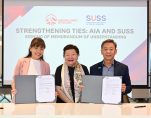
Through a holistic curriculum, AIA Singapore and Singapore University of Social Sciences seek to nurture next-generation talents and pave the way for sustainable, purposeful careers. SINGAPORE – Media OutReach Newswire – 30 August 2024 – AIA Singapore and Singapore University of Social Sciences (SUSS) today launched Singapore’s first Minor in Insurance Fundamentals as part of a newly signed Memorandum of Understanding (MoU) between both parties. This programme […]

Telecommunications giant e& has announced the acquisition of GlassHouse, a leading Turkish technology firm, in a strategic move valued at $60 million. This acquisition marks a significant expansion of e&’s regional footprint and underscores its commitment to broadening its technological capabilities. GlassHouse, known for its innovative solutions in cloud computing and IT infrastructure, will enhance e&’s portfolio as it seeks to strengthen its position in the Middle […]

Saudi Arabia is making significant strides in artificial intelligence (AI) development, positioning itself as a key player in the global tech landscape. The country’s commitment to building and refining its own AI models is not only advancing its technological capabilities but also creating substantial economic opportunities for industry leaders like Nvidia. Under its Vision 2030 initiative, Saudi Arabia is investing heavily in AI research and development. The […]

Sustaining Momentum Fueled by Robust Global Demand for K-Beauty Products Results Highlights Revenue and net profit grew 80.2% to US$163.35 million and 610.6% year-on-year to US$11.1 million respectively, hitting first-half year historical high Revenue from beauty products, in particular Korean beauty (“K-Beauty”) products, increased 113.9% to US$149.4 million, contributing 91.4% of the Group’s total revenue While the US remained as the largest market, European Union became the […]

Adani Power, the energy arm of the Indian conglomerate Adani Group, has launched a new subsidiary in Abu Dhabi, marking a significant expansion into the Middle Eastern market. This strategic move highlights the company’s commitment to broadening its international footprint and tapping into the lucrative energy sector of the UAE. The newly established subsidiary, Adani Power Middle East, aims to leverage Abu Dhabi’s strategic location and growing […]

Arabian Post Staff -Dubai Saudi Arabia’s Public Investment Fund (PIF) is among the investors that have encountered financial setbacks due to Vista Equity Partners’ acquisition of Pluralsight Inc., according to sources familiar with the situation. The investment, which was part of PIF’s broader strategy to diversify and expand its global footprint, did not yield the anticipated returns, leading to significant losses. Vista Equity Partners, a private equity […]

BEIJING, CHINA – Media OutReach Newswire – 27 August 2024 – On August 21, the highly anticipated World Robot Conference 2024 (WRC 2024) grandly opened at the Beijing Etrong International Exhibition & Convention Center, once again drawing global attention to the Beijing Economic-Technological Development Area (Beijing E-Town). As the main hub for high-end industries in the capital, Beijing E-Town has fully utilized the platform of WRC to […]

Saudi Arabia and Ethiopia have taken a significant step towards bolstering their economic ties through the establishment of a new business council. The Federation of Saudi Chambers announced that the Saudi-Ethiopian Business Council, approved by the General Authority for Foreign Trade, will operate for the 2024-2028 term. This initiative aims to enhance trade and investment opportunities between the two nations, aligning with Saudi Arabia’s broader strategy to deepen its economic relations with Africa.

The council will be led by Abdullah bin Mohammed Al-Ajmi as president, with Omar bin Abdullah Al-Kharashi and Misfer bin Musaad Al-Shahrani serving as vice presidents. The council’s formation follows discussions held during the Saudi-Ethiopian Business Forum in June 2024, where both countries expressed a mutual interest in exploring new avenues for economic collaboration.

Ethiopia, with a GDP of approximately $205 billion in 2022, is one of Africa’s largest economies. However, trade between Saudi Arabia and Ethiopia has remained relatively modest, with bilateral trade valued at less than SR1.3 billion ($346 million). The new council aims to address this gap by fostering stronger business partnerships, particularly in key sectors such as agriculture, mining, petrochemicals, food industries, tourism, real estate, and construction.

Al-Ajmi emphasized Ethiopia’s attractive investment environment and its strategic role as a trade hub for Central Africa. The council is expected to play a pivotal role in supporting Saudi exports and targeting growth sectors in Ethiopia, potentially unlocking new economic opportunities for both nations.

This development is part of Saudi Arabia’s broader effort to expand its influence and economic reach across Africa, with Ethiopia positioned as a critical partner in this strategy. The establishment of the council marks a significant milestone in Saudi-Ethiopian relations, promising to elevate their economic ties to new heights over the next four years.

This initiative not only underscores the importance of Ethiopia in Saudi Arabia’s Africa strategy but also signals a concerted effort to diversify economic partnerships and explore untapped markets on the continent. The coming years will likely see increased Saudi investment in Ethiopia, as the council works to bridge the existing trade gap and create new opportunities for economic collaboration.

Abu Dhabi’s Mubadala Investment Company, in partnership with Singapore-based CBC Group, has finalized a $680 million acquisition of the Chinese neurology and allergy business of Belgian pharmaceutical giant UCB. This strategic move strengthens Mubadala’s presence in the Chinese healthcare sector, a market with significant growth potential.

The deal encompasses UCB’s neurology products, including Keppra, Vimpat, and Neupro, along with its allergy medications, Zyrtec and Xyzal, in mainland China. Additionally, it includes UCB’s manufacturing facility in Zhuhai, a key asset for local production. Together, these products generated approximately €131 million ($146.5 million) in sales within China in 2023.

Mubadala’s head of China, Mohamed Albadr, emphasized that this acquisition aligns with the company’s long-term strategy to expand its healthcare investments in Asia, particularly in sectors with robust growth potential. The investment is expected to enhance UCB’s capacity to deliver innovative treatments in the region, benefiting from Mubadala’s financial backing and strategic expertise.

The transaction, currently awaiting regulatory approvals, is anticipated to be finalized by the fourth quarter of 2024. PJT Partners served as the financial advisor to Mubadala and CBC Group, while Clifford Chance provided legal counsel.

This move is part of Mubadala’s broader strategy to diversify its portfolio, particularly in the biotechnology and pharmaceutical sectors, where it has been increasingly active. The company has shown a strong commitment to expanding its influence in global healthcare, with recent investments spanning biotechnology firms and other healthcare-related ventures. The collaboration with CBC Group underscores the strategic importance of the Chinese market and highlights Mubadala’s continued focus on sectors poised for substantial growth.

As the deal progresses, it will likely influence the dynamics of the Chinese pharmaceutical industry, particularly in neurology and allergy treatments, where UCB’s products have already established a strong foothold. The integration of these assets into Mubadala’s portfolio could pave the way for future expansions and partnerships in the region, further solidifying its position as a key player in the global healthcare market.

SINGAPORE – Media OutReach Newswire – 27 August 2024 – To further enhance the accountancy talent pipeline in Singapore and abroad, the Institute of Singapore Chartered Accountants (ISCA) has signed Memorandums of Understanding (MOUs) with SIM Global Education, one of the core entities of the Singapore Institute of Management (SIM), and PSB Academy. Under these agreements, undergraduates pursuing accountancy at SIM Global Education and PSB Academy will […]

CoinMENA B.S.C., a prominent crypto asset platform regulated by the Central Bank of Bahrain, has announced a strategic partnership with Bitpanda Technology Solutions. This collaboration is set to bolster trading efficiency and diversify the range of crypto assets on CoinMENA’s platform.

The integration with Bitpanda Technology Solutions, a well-established provider of digital asset infrastructure in Europe, is expected to significantly enhance the functionality and user experience of CoinMENA’s trading services. This move aligns with CoinMENA’s strategy to cater to the growing demand for advanced trading solutions and a broader selection of cryptocurrencies.

Bitpanda’s advanced technology infrastructure will enable CoinMENA to offer improved trading features, such as faster execution times and more reliable transaction processes. The partnership also aims to expand the platform’s asset offerings, giving users access to a wider array of digital assets and trading options.

This collaboration underscores CoinMENA’s commitment to providing cutting-edge solutions and meeting the evolving needs of its users in a competitive market. By leveraging Bitpanda’s expertise, CoinMENA seeks to solidify its position as a leading player in the crypto asset industry, enhancing both the operational efficiency and the overall user experience on its platform.

The strategic alliance with Bitpanda reflects a broader trend in the cryptocurrency sector, where platforms are increasingly partnering with technology providers to enhance their services and expand their offerings. This approach not only boosts trading capabilities but also supports the integration of new and emerging digital assets into trading platforms.

As the cryptocurrency market continues to evolve, such partnerships are becoming crucial for platforms aiming to maintain a competitive edge and address the diverse needs of their user base. CoinMENA’s latest collaboration with Bitpanda is a significant step towards achieving these objectives, signaling a positive development for the platform and its users.

VISHNU RAJA
RYO YAMADA
HITORI GOTOH
IKUYO KITA