News related to
partners establish

The Academy will offer programmes with cross-cultural industry experiences to empower students and executives for success in the global business arena. MUMBAI, INDIA – Media OutReach Newswire – 15 October 2024 – The Singapore University of Social Sciences (SUSS) and Think Education Advisory Services LLP (TE) today launched the SUSS Success Academy in Mumbai, creating new learning experiences and real-world training opportunities for students in Singapore and […]

China’s electric vehicle (EV) market is rapidly reshaping the automotive landscape, leaving established players like Volkswagen, BMW, and Mercedes-Benz struggling to keep pace. With substantial investments and government support, Chinese manufacturers are not only producing high-quality electric vehicles but are also innovating in technology and sales strategies, challenging the dominance of their European counterparts. Leading the charge are Chinese brands such as BYD, NIO, and Xpeng, which […]

GITEX Global 2024 has drawn the attention of the global tech community, making Dubai a focal point for innovation and collaboration. Held at the Dubai World Trade Centre, this year’s event is showcasing an array of cutting-edge advancements, including artificial intelligence (AI), cybersecurity, blockchain, and more. With over 6,000 exhibitors from 180 countries, GITEX is promoting key sectors like AI-driven healthcare, fintech, and climate tech. The event has also placed a spotlight on cybersecurity challenges and solutions, attracting top industry players to discuss the future of AI in various fields.

One of the central themes of this year’s GITEX is AI’s role in reshaping industries. “AI Everything,” a major attraction at the event, is focusing on integrating AI into sectors such as digital finance, healthcare, and education. With demonstrations of AI-driven technologies, attendees are gaining insights into how AI will continue to disrupt traditional models, providing more efficiency and data-driven decision-making.

In tandem with these developments, the fintech sector is experiencing significant attention. “Fintech Surge,” another highlight of the event, is hosting global fintech leaders to explore how blockchain and AI are pushing boundaries in digital finance. Investors and startups alike are eyeing new opportunities as digital currencies, decentralized finance (DeFi), and AI-powered financial services grow in prominence. Dubai, positioning itself as a hub for innovation, offers the perfect backdrop for these transformative conversations.

Cybersecurity has emerged as a key topic, as threats in the digital space continue to escalate. GITEX’s “Cyber Valley” is addressing the intersection of AI and cybersecurity, gathering top experts to explore ways to counter cyber threats in an increasingly connected world. High-profile cybersecurity executives and government leaders are collaborating to establish frameworks that can protect sensitive data, infrastructure, and networks from sophisticated cyber-attacks.

Startups and entrepreneurs are also finding GITEX to be a launchpad for growth. “Expand North Star,” a major startup event running alongside GITEX, is connecting founders with venture capitalists and tech leaders to foster partnerships and scale new ventures. The event highlights the increasing importance of fostering an entrepreneurial ecosystem that nurtures innovative ideas and gives rise to the next generation of tech giants.

The event’s focus on sustainability is evident through “Gitex Impact,” where climate-tech innovators are unveiling solutions for environmental challenges. AI-driven sustainable technologies, including advancements in waste management and conservation, are on display, emphasizing the role of technology in addressing global climate issues.

Dubai’s ambition to be a leading global tech hub is reinforced by the diversity of participants and the scale of innovations being showcased at GITEX. Government leaders, industry experts, developers, and investors are all converging to forge partnerships and explore how emerging technologies can drive future economic growth.

GITEX Global 2024 is not just about presenting technological advancements, but also about sparking discussions around the ethical implications of such technologies. From the regulatory challenges of AI to privacy concerns, these critical issues are being debated as technology continues to evolve rapidly. The convergence of AI, cybersecurity, and fintech underlines the complex, interconnected nature of modern digital transformations.

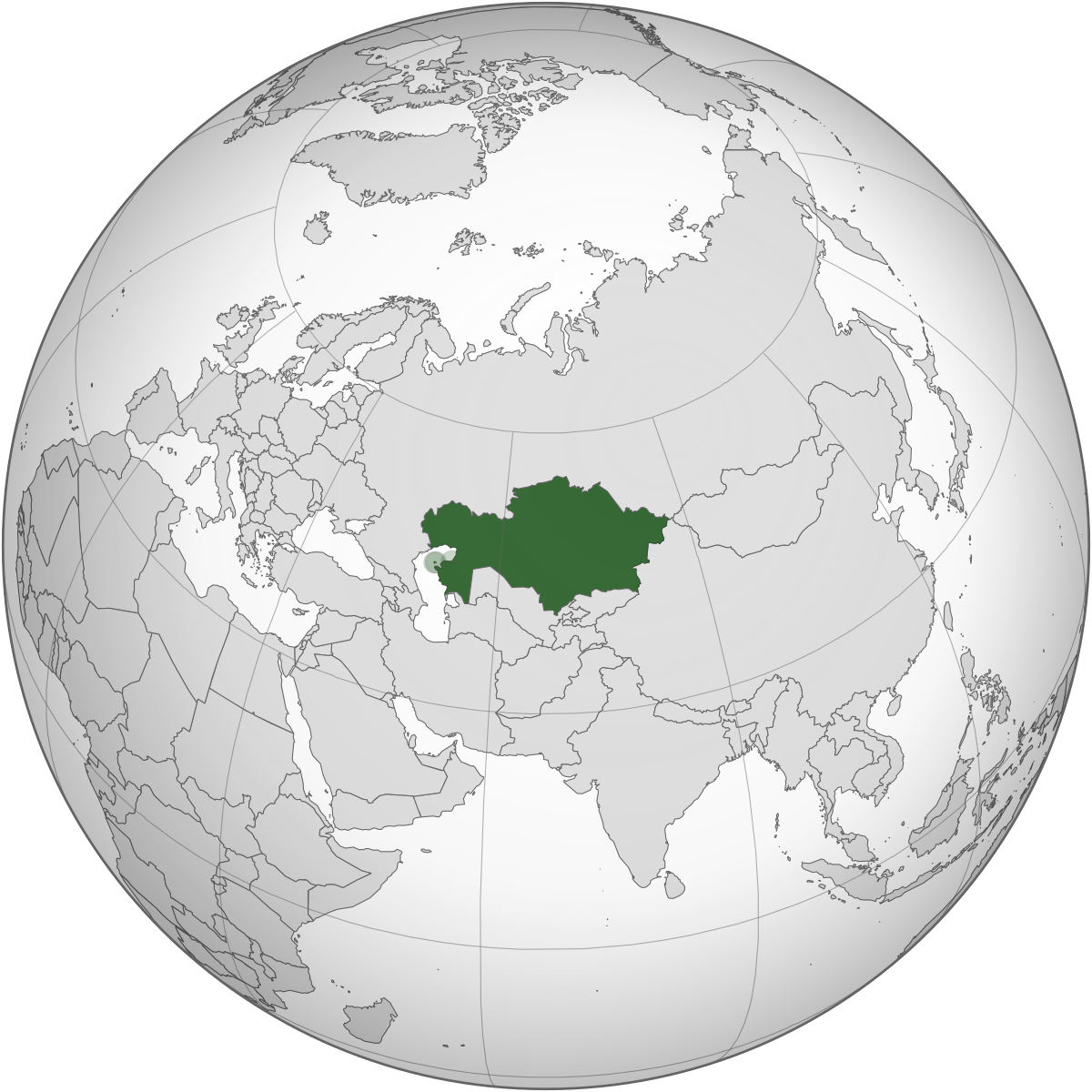
Telegram has announced plans to establish an office in Kazakhstan as part of efforts to comply with the country’s regulatory framework. The decision comes following an agreement between the Kazakh government and the messaging app to streamline content regulation and address the challenges posed by illegal and unauthorized channels. This move marks a significant step in the platform’s attempt to align itself with local laws while maintaining its global presence.

Kazakhstan, like many other nations, has been tightening control over digital platforms, pushing for increased cooperation with technology firms to regulate the spread of harmful content. Authorities in Kazakhstan have raised concerns over the use of messaging platforms like Telegram for illegal activities, including the distribution of extremist materials, drug trafficking, and unauthorized protests. In response, Telegram has agreed to assist the government in swiftly removing such content and blocking unauthorized channels that violate local laws.

As part of this effort, Telegram will establish a physical presence in the country, a development welcomed by the Kazakh government, which seeks to increase oversight of online activities within its borders. By working closely with the government, Telegram aims to ensure that it adheres to Kazakhstan’s regulatory requirements while providing a secure platform for its users.

Kazakh officials view this partnership as a critical tool for maintaining public safety and curbing the misuse of digital platforms for illegal activities. Digital transformation is a key focus for Kazakhstan, and controlling harmful content is essential to ensuring that technological advances benefit society without compromising national security. Telegram’s willingness to engage with the government is seen as a positive step towards building a safer online environment.

The Kazakh government has previously faced challenges in managing online content, particularly on platforms like Telegram that prioritize privacy and encryption. While these features are vital for safeguarding personal communications, they have also made it difficult for authorities to monitor illegal activities. By establishing a local office, Telegram is expected to enhance its response to the government’s concerns and provide a more effective mechanism for dealing with illegal content.

Telegram has a reputation for maintaining a strong commitment to user privacy and freedom of speech, which has often led to tensions with governments attempting to impose stricter regulations. However, the company has demonstrated flexibility in adapting to local laws in various countries where it operates. Its decision to open an office in Kazakhstan follows similar moves in other regions where governments have demanded more accountability from tech firms.

In Kazakhstan, the focus will likely remain on curbing extremist content and illegal activities while balancing the need for user privacy. Telegram’s encryption services have attracted millions of users worldwide, and any measures introduced in Kazakhstan will need to respect the platform’s core principles of secure communication.

The Kazakh government’s collaboration with Telegram comes amid broader efforts to modernize its digital landscape. As part of its digitalization strategy, the country has been promoting the development of online services and communication platforms, aiming to boost economic growth through technological innovation. Ensuring that these platforms operate within a clear regulatory framework is seen as crucial for the success of this strategy.

Telegram’s willingness to cooperate with Kazakhstan’s regulatory bodies is likely influenced by its desire to maintain access to the growing user base in the country. Central Asia has become an important market for tech companies, and securing compliance with local regulations is essential for maintaining long-term growth in the region. As part of this process, the Kazakh government has signaled that it will continue to engage with global tech firms, encouraging them to contribute to the country’s digital transformation while adhering to local laws.

The partnership between Telegram and the Kazakh government may also serve as a model for other nations in the region, where concerns over online safety and content regulation are rising. Governments across Central Asia have been exploring ways to manage the impact of social media and messaging platforms, which have increasingly become central to public discourse. By working with Telegram, Kazakhstan may set a precedent for regulatory cooperation that other countries could follow.

At the same time, Telegram’s decision to open an office in Kazakhstan could raise questions about how the company balances regulatory compliance with its commitment to user privacy and free expression. Critics of increased government regulation often argue that such measures could infringe on civil liberties and limit open communication. As Telegram navigates these challenges, it will need to carefully manage its relationship with the government while continuing to protect the privacy of its users.

Telegram founder Pavel Durov has long emphasized the importance of privacy and security in digital communications, and the platform’s encryption services remain a key feature. However, as the company expands its global operations, it is also facing increasing pressure to cooperate with governments to prevent misuse of the platform. Kazakhstan’s regulatory demands reflect broader global trends, where governments are seeking more control over online content while balancing the need for secure communication tools.

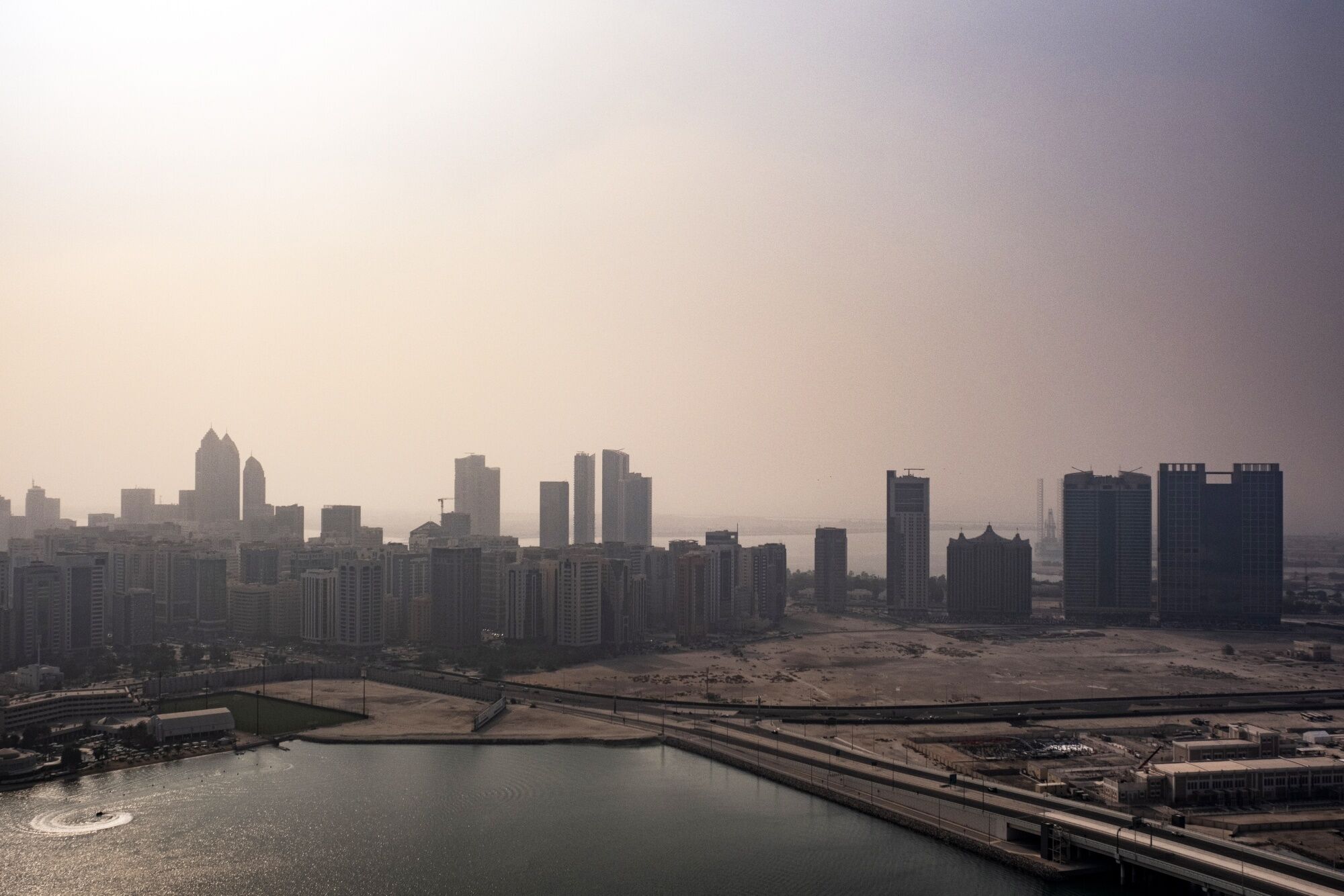
Mubadala’s healthcare arm, KELIX Bio, has made a decisive step in boosting its presence in the life sciences sector by acquiring four pharmaceutical assets from GlobalOne Healthcare Holding. This move is part of Mubadala’s broader ambition to transform the UAE into a global hub for life sciences innovation and advanced healthcare solutions. The acquisition reflects the growing influence of the UAE’s healthcare industry as it aligns with the nation’s goals to enhance its capabilities in pharmaceuticals and biotechnology.

The deal involves four strategic pharmaceutical companies, which are expected to add substantial value to Mubadala’s existing healthcare portfolio. It also demonstrates the commitment of KELIX Bio, a key player in Mubadala’s ecosystem, to expanding its footprint across the Middle East and Africa. This acquisition is seen as an essential step toward addressing rising healthcare demands in the UAE and further establishing the nation as a leader in advanced healthcare solutions.

The UAE has been focused on expanding its healthcare infrastructure and capabilities, especially in the fields of pharmaceuticals and biotechnology. The government’s initiatives, such as the National Strategy for Wellbeing 2031, are aimed at enhancing the overall health sector in the country. Mubadala’s acquisition aligns with these initiatives, helping to create an ecosystem that fosters innovation, sustainability, and long-term economic growth.

KELIX Bio is positioned as a leader in the manufacturing and distribution of essential medicines across emerging markets, focusing on addressing the critical need for quality and affordable treatments. The latest acquisitions from GlobalOne Healthcare Holding provide KELIX Bio with advanced pharmaceutical production capabilities and access to new markets. These assets are integral to producing generic and specialized medications that will serve both the UAE’s population and neighboring regions.

Mubadala’s strategy is not limited to expanding its pharmaceutical footprint within the UAE. The acquisitions signal a broader focus on making the country a life sciences powerhouse that can influence markets across the Middle East, Africa, and beyond. By enhancing local production capabilities, KELIX Bio aims to reduce dependency on imported medicines and foster a sustainable supply chain for critical medications.

The importance of these acquisitions is further highlighted by the fact that KELIX Bio has been aggressively pursuing growth in various healthcare sectors. Prior to this deal, the company made notable investments in manufacturing facilities in Egypt and Morocco, positioning itself as a dominant force in the region’s pharmaceutical market. The addition of GlobalOne’s assets will enhance KELIX Bio’s portfolio, enabling it to meet the growing demand for medical treatments across emerging markets.

Industry experts believe that this acquisition could significantly impact the life sciences industry in the UAE. The healthcare sector in the UAE has been undergoing rapid growth, driven by government initiatives, private investments, and a strong emphasis on medical research and development. The addition of new pharmaceutical assets is expected to catalyze innovation in drug production and distribution, supporting the country’s long-term vision for a sustainable and advanced healthcare system.

Mubadala’s focus on healthcare is not new. The sovereign wealth fund has long prioritized investments in sectors that align with the UAE’s economic diversification goals. Over the years, Mubadala has played a key role in developing critical industries such as healthcare, aerospace, and renewable energy, contributing to the nation’s vision of building a knowledge-based economy. Through KELIX Bio, Mubadala is now advancing its efforts to create a self-reliant healthcare system that is less dependent on international supply chains.

The life sciences industry in the UAE is also benefiting from an influx of global talent and expertise, driven by both government policies and Mubadala’s investments. The country has established itself as an attractive destination for life sciences companies and professionals, thanks to its strategic location, favorable business environment, and robust infrastructure. The acquisition of GlobalOne Healthcare Holding’s assets further strengthens the UAE’s position as a growing center for pharmaceutical and healthcare innovation.

The UAE government’s long-term vision for the healthcare sector has laid the groundwork for a thriving life sciences ecosystem. By fostering public-private partnerships and encouraging investment in cutting-edge healthcare technologies, the country aims to become a global leader in this field. Mubadala’s acquisition is expected to contribute significantly to this vision, as it brings in new technologies, expertise, and opportunities for collaboration in the global healthcare market.

The acquired assets will help boost the production of life-saving medicines and therapies, with a particular focus on emerging markets. The deal comes at a time when the global demand for affordable and effective healthcare solutions is on the rise. By focusing on expanding its presence in pharmaceuticals, Mubadala is addressing both regional and international healthcare needs, providing essential treatments to underserved populations.

Mubadala’s acquisition is expected to spur growth in the UAE’s pharmaceutical manufacturing sector, creating new jobs and contributing to the country’s economic development. The move aligns with the UAE’s broader healthcare goals of improving access to high-quality medical treatments and fostering innovation within the industry. KELIX Bio’s acquisition strategy will likely continue as the company looks for more opportunities to strengthen its position in the Middle East and Africa.


Ethena Labs has put forward a proposal to include Solana (SOL) in the collateral pool for its stablecoin, USDe. If approved, this move would position SOL alongside Bitcoin (BTC) and Ethereum (ETH) as part of Ethena’s diversified collateral strategy. The incorporation of SOL aims to enhance the stability and utility of USDe while tapping into the growing Solana ecosystem.

The proposal reflects Ethena Labs’ ongoing efforts to strengthen its product offerings and enhance the robustness of its stablecoin. Currently, USDe is backed by BTC and ETH, both of which have established themselves as reliable digital assets within the cryptocurrency market. By adding SOL, Ethena Labs hopes to leverage the asset’s increasing popularity and the broader developments in the Solana network.

Solana has garnered significant attention in recent years for its high throughput and low transaction costs. As the demand for efficient blockchain solutions grows, Solana has positioned itself as a leading contender. This is particularly relevant as various decentralized finance (DeFi) projects increasingly look for scalable solutions. Ethena Labs’ move to integrate SOL into USDe’s collateral mix could also signal a growing acceptance of diverse assets within the stablecoin market.

The proposal has sparked discussions among stakeholders within the cryptocurrency community, with many viewing it as a strategic alignment with current market trends. Several analysts believe that including SOL could help stabilize USDe by providing an additional layer of security and liquidity. Solana’s unique consensus mechanism, which allows for faster transaction speeds, could contribute positively to the stability of USDe, particularly during times of market volatility.

Industry experts point out that the successful integration of SOL will depend on regulatory compliance and market acceptance. Ethena Labs has emphasized its commitment to maintaining high standards of compliance and risk management as it navigates the complexities of including a new asset in its collateral pool. The company has also sought feedback from its community to ensure that all perspectives are considered before moving forward with the proposal.

The growing interest in Solana has not only been driven by its technological capabilities but also by its expanding ecosystem of projects and partnerships. As more developers build on Solana, its utility and value proposition are expected to increase, making it an attractive asset for collateralization. Ethena Labs’ strategic move could also encourage other stablecoin issuers to consider similar integrations, reflecting a broader trend of diversification in the stablecoin market.

Competitors in the space are also monitoring Ethena Labs’ proposal closely, as it may set a precedent for how stablecoins can adapt to the evolving cryptocurrency landscape. With the market continually shifting, the addition of diverse assets to stablecoin collateral pools could become increasingly common. This could help to further legitimize various cryptocurrencies as viable options for collateralization, enhancing their overall market presence.

The proposal for SOL’s inclusion in USDe collateral comes at a time when the stablecoin market is experiencing significant growth. With various stablecoins gaining traction among investors and users, the demand for innovative collateral strategies is paramount. By diversifying its collateral mix, Ethena Labs aims to enhance the resilience of USDe, providing greater confidence for users seeking stability in their digital assets.

Solana’s reputation as a scalable and efficient blockchain solution aligns with Ethena Labs’ objectives of improving the performance of its stablecoin. With SOL’s potential to contribute to faster transactions and lower fees, Ethena Labs is positioning itself to capture a segment of the market that values efficiency and innovation.

As discussions surrounding the proposal unfold, Ethena Labs has reaffirmed its commitment to transparency and stakeholder engagement. The company plans to conduct a thorough analysis of community feedback and regulatory implications before finalizing its decision on including SOL in USDe’s collateral framework. This approach underscores the importance of aligning business strategies with the expectations of users and regulators in the rapidly evolving cryptocurrency ecosystem.

The addition of SOL to Ethena Labs’ collateral mix would not only signify a strategic move for USDe but could also influence broader market dynamics. As stablecoins continue to gain popularity among traders and investors, the integration of diverse assets could reshape the landscape of digital currencies. Ethena Labs’ proactive approach reflects a growing recognition of the need for stablecoins to adapt to market changes while maintaining their core functions.

VEON, a global telecommunications company, has announced its decision to relocate its headquarters from Amsterdam to Dubai. This strategic move follows the company’s delisting from the Amsterdam stock exchange, a decision influenced by various factors, including regulatory challenges and market conditions. As part of its transition, VEON aims to enhance its operational efficiency and access to emerging markets in the Middle East and North Africa (MENA) region. […]

Advertisements

Tamkeen, a prominent investment firm based in Bahrain, has set the price range for its upcoming initial public offering (IPO), aiming to raise as much as $106 million. The IPO is a significant step for the company, which plans to list on the Bahrain Bourse. The announced price range is set between 0.60 and 0.70 Bahraini Dinars per share, providing an attractive entry point for both retail […]

EDGNEX, a prominent technology and data center service provider based in the UAE, has announced an ambitious investment exceeding $1 billion to establish data centers in Thailand. This significant financial commitment marks a strategic move into the Southeast Asian market, underlining Thailand’s growing importance as a hub for digital infrastructure. The initiative is anticipated to enhance the country’s capabilities in data management, cloud computing, and overall digital […]

Vietnam has implemented and strengthened measures to enhance the quality and safety of its agricultural products, reinforcing the nation’s reputation in key markets and building consumer trust. HA NOI, VIETNAM – Media OutReach Newswire – 12 October 2024 – Chinese Premier Li Qiang and a delegation arrived in Hà Nội on October 12, 2024 for an official visit at the invitation of Prime Minister Phạm Minh Chính. […]

IIT Madras has inaugurated the Centre for Cybersecurity, Trust, and Reliability (CyStar), marking a significant step towards advancing India’s cybersecurity capabilities. The newly established CyStar is expected to play a pivotal role in fortifying the nation’s cyber defenses amid growing threats across various industries, including finance, healthcare, and critical infrastructure. The Center’s focus is both broad and ambitious, covering sectors from artificial intelligence to post-quantum cryptography, while aiming to create an ecosystem of innovation and collaboration.

Speaking at the launch, IIT Madras Director Prof. V. Kamakoti emphasized the increasing prevalence of cyberattacks, which are not limited to financial motives but often target key infrastructure sectors. To counter this evolving threat landscape, CyStar will focus on developing proactive defense mechanisms to safeguard the country’s digital assets. The initiative is part of the institution’s broader strategy to contribute to the global cybersecurity ecosystem, incorporating interdisciplinary research and technological advancement to meet today’s complex security demands.

CyStar has been structured with a vision to drive innovation through fundamental and applied research, fostering collaboration between academia, industry, and government. The Center will partner with prominent organizations, including the Ministry of Electronics and Information Technology, the Ministry of Education, Kaspersky, IDBI Bank, LG India, and numerous other local and international players. These partnerships aim to tackle a range of cybersecurity issues, from data privacy to the protection of critical infrastructure.

At the heart of CyStar’s mission is the desire to address cybersecurity challenges in India’s diverse social and business environments. The Center’s multi-disciplinary team will focus on developing cutting-edge solutions, including security frameworks for artificial intelligence, blockchain technology, and quantum computing. The ultimate goal is to secure vital sectors of the economy, especially those that rely heavily on digital infrastructure.

CyStar’s key coordinators, including Prof. Shweta Agrawal and Prof. Chester Rebeiro, outlined the Center’s approach, which spans fundamental research to practical applications. Agrawal stressed the importance of a collaborative environment that brings together experts from varied fields to tackle the complex problem of cybersecurity. Rebeiro added that the Center’s outreach programs and industry-academia relationships would help foster innovation and secure India’s critical industries.

By integrating cybersecurity advancements into real-world applications, the Center also aims to contribute to startup ecosystems, helping to cultivate new companies that focus on cybersecurity solutions. This aligns with India’s broader ambition to become a global leader in technology-driven innovation. Furthermore, the center will explore advanced cybersecurity applications in sectors such as healthcare, electronics, and automotive, industries that are highly dependent on secure and reliable digital systems.

In the keynote address, internationally renowned cybersecurity experts, including Prof. Shafi Goldwasser of MIT and Prof. Christian Scheideler of Paderborn University, emphasized the importance of innovative research to counter emerging cyber threats. They noted that as technology evolves, particularly in areas such as AI and quantum computing, cyber threats will become more sophisticated, requiring a comprehensive and forward-thinking approach. CyStar’s work, they suggested, is poised to meet these challenges head-on by developing next-generation solutions for AI security, quantum encryption, and IoT security.

SureFlow, a prominent player in artificial intelligence and eco-friendly technology solutions, is gearing up for a significant presence at GITEX GLOBAL 2024. The highly anticipated event, running from October 14 to 18 at the Dubai World Trade Centre, stands as the largest technology exhibition across the Middle East, North Africa, and South Asia. SureFlow will showcase its advanced energy management devices, emphasizing the integration of artificial intelligence […]

Dubai Airports is set to embark on an ambitious project to establish the largest rooftop solar panel installation at an airport worldwide. This initiative aligns with the UAE’s commitment to sustainability and aims to significantly enhance the energy efficiency of Dubai International Airport (DXB). The project is expected to generate approximately 25 megawatts of renewable energy, marking a significant stride toward the country’s ambitious clean energy targets. […]

Global attention is fixed on the Paris Motor Show as the automotive industry gears up for a showcase of innovation and design. This year, a pronounced emphasis on electric vehicles and sustainable technologies underscores the evolving landscape of the automobile sector. French manufacturers, along with their Chinese counterparts, are set to dominate the event, reflecting broader trends in the automotive market. The Paris Motor Show, a significant […]

Network as a Service (NaaS) provider Megaport has entered the Italian market by establishing Points of Presence (PoPs) in Milan. This strategic move includes partnerships with prominent data center operators such as AtlasEdge, Data4, Equinix, and Retelit, enhancing Megaport’s ability to offer high-speed, scalable connectivity solutions to enterprises in the region. The expansion reflects Megaport’s commitment to supporting the growing demand for flexible, cloud-based networking solutions across […]

A strategic partnership between Abu Dhabi Terminals (ADT) and the French tech company Urbanloop has been established to explore sustainable and innovative urban mobility solutions in the UAE. This collaboration marks a significant step toward addressing the growing need for environmentally friendly transport options in one of the world’s most rapidly urbanizing regions. ADT, known for its leadership in port operations and logistics within Abu Dhabi, is […]

Ambitious renewable energy goals set by the UAE have not only been met but are expected to be exceeded by 2030, according to a recent report from the International Energy Agency (IEA). The report highlights the nation’s strategic investments and policies that have accelerated the development of renewable energy sources, particularly solar and wind power. With a commitment to diversifying its energy mix and reducing reliance on […]

OKX, one of the leading global cryptocurrency exchanges, has officially launched its services in Dubai, marking a significant development in the emirate’s burgeoning digital asset market. The exchange’s entry into this region is seen as a strategic move to enhance its presence in the Middle East and cater to the growing demand for cryptocurrency trading. This initiative aligns with Dubai’s ambitions to become a global hub for fintech and blockchain technologies.

The newly launched exchange offers a comprehensive suite of services, including spot and derivatives trading, which allows users to trade a variety of cryptocurrencies, including Bitcoin, Ethereum, and a wide range of altcoins. As part of its commitment to user security and regulatory compliance, OKX has implemented robust security measures and enhanced verification processes tailored to meet local regulatory requirements. This move is expected to bolster user confidence and attract a broader user base in the region.

Dubai has emerged as a favorable environment for cryptocurrency enterprises due to its progressive regulatory framework and government support for blockchain innovation. The Dubai Multi Commodities Centre (DMCC), which has developed a dedicated Crypto Centre, has been instrumental in creating an ecosystem conducive to crypto businesses. With the establishment of its exchange, OKX aims to capitalize on this supportive infrastructure and the increasing interest in digital assets among retail and institutional investors.

Industry analysts view the entrance of OKX into Dubai as a game-changer in the local cryptocurrency landscape. The exchange’s global reputation and extensive experience in the digital asset space position it well to compete with other established platforms. According to recent reports, the demand for cryptocurrency trading in the Middle East has surged, driven by a youthful population eager to explore investment opportunities in digital currencies. OKX’s offerings are expected to cater to this demographic while also attracting seasoned traders looking for a reliable and feature-rich trading platform.

OKX is committed to educational initiatives aimed at fostering a better understanding of cryptocurrencies and blockchain technology among potential users. The exchange plans to launch various educational programs, webinars, and workshops designed to equip users with the knowledge and skills necessary for safe and effective trading. This focus on education is part of a broader strategy to demystify cryptocurrencies and encourage responsible investment practices.

In addition to its trading services, OKX aims to offer a suite of advanced trading tools and features, such as algorithmic trading, margin trading, and staking options. These tools are designed to enhance the trading experience and provide users with various ways to maximize their investments. As the cryptocurrency market evolves, the introduction of such features will likely attract a diverse range of traders, from novices to experienced investors.

Competition in the UAE’s cryptocurrency market is heating up, with several exchanges vying for market share. Binance, FTX, and BitOasis are among the other prominent players that have established a presence in the region. Each platform offers unique features and services, creating a dynamic landscape for cryptocurrency trading. The entry of OKX is expected to intensify this competition, leading to better services and lower fees for users, which will ultimately benefit the growing number of investors in the region.

As digital currencies gain acceptance and regulatory frameworks evolve, the potential for further growth in the Middle East’s cryptocurrency market is immense. The UAE government has been proactive in establishing a regulatory framework that encourages innovation while ensuring investor protection. The recent introduction of the Financial Services Regulatory Authority (FSRA) regulations reflects this approach, providing clarity and guidelines for cryptocurrency operators. OKX’s adherence to these regulations signals its commitment to compliance and operational integrity.

Looking ahead, the future of cryptocurrency trading in Dubai appears promising. With the launch of its exchange, OKX aims to not only facilitate trading but also contribute to the broader fintech ecosystem in the region. The exchange is exploring partnerships with local businesses and financial institutions to enhance its service offerings and foster a collaborative environment for crypto innovation.

The exchange is leveraging Dubai’s strategic location as a gateway to other markets in the Gulf Cooperation Council (GCC) and beyond. By positioning itself in Dubai, OKX is strategically placed to attract users from neighboring countries, tapping into a larger pool of potential customers eager to explore the benefits of cryptocurrency trading.

Dubai Silicon Oasis (DSO) has garnered the prestigious title of “Middle East Free Zone of the Year” at the Global Free Zones of the Year 2024 Awards, hosted by the Financial Times’ fDi Intelligence. This recognition underscores DSO’s commitment to fostering innovation and entrepreneurship within the region’s economic landscape. The accolade highlights DSO’s strategic initiatives aimed at enhancing the free zone’s competitiveness, infrastructure, and service offerings, positioning it as a premier hub for technology and innovation.

Established in 2006, Dubai Silicon Oasis serves as a Special Economic Zone (SEZ) that focuses on attracting technology-based companies and supporting innovative businesses. It is one of five Urban Zones identified within Dubai’s 2040 Urban Master Plan, reflecting the emirate’s vision to transform into a global center for knowledge and innovation. DSO’s robust framework facilitates the growth of start-ups and established companies alike, offering a conducive environment for research, development, and collaboration.

Key to DSO’s success is its state-of-the-art infrastructure, which includes a mix of residential, commercial, and educational facilities. The free zone boasts advanced telecommunications and technology systems, making it an attractive destination for businesses seeking to establish a presence in the UAE. Moreover, DSO provides a variety of incentives for companies, including tax exemptions, 100% foreign ownership, and full repatriation of profits, which are critical in attracting international firms.

The recent award signifies DSO’s proactive approach to evolving with industry demands. The zone has embraced innovative practices, such as implementing smart city technologies and promoting sustainability initiatives, which resonate with global trends in urban development. DSO has introduced initiatives aimed at integrating artificial intelligence and smart solutions within its operational framework, thereby enhancing the overall efficiency and competitiveness of businesses operating within its premises.

One of the key factors contributing to DSO’s recognition is its extensive support for start-ups and entrepreneurs through initiatives like the Dubai Technology Entrepreneur Campus (DTEC). DTEC serves as an incubator for technology-focused businesses, providing mentorship, networking opportunities, and access to funding. The center plays a pivotal role in nurturing local talent and encouraging innovation, positioning Dubai as a prominent player in the global technology ecosystem.

DSO actively collaborates with academic institutions and research centers to drive innovation. This partnership model ensures that businesses have access to cutting-edge research and development resources, further enhancing the zone’s appeal. The synergy between industry and academia fosters a vibrant ecosystem that encourages knowledge sharing and innovation.

DSO’s commitment to sustainability is also noteworthy. The free zone has launched several initiatives aimed at reducing its carbon footprint and promoting green practices among its tenants. This focus on sustainability not only aligns with global environmental goals but also attracts businesses that prioritize corporate social responsibility.

The recognition from fDi Intelligence is expected to further bolster DSO’s reputation as a leading free zone in the region. This accolade will likely enhance its attractiveness to foreign investors and companies looking to tap into the lucrative Middle Eastern market. As the UAE continues to position itself as a hub for technology and innovation, DSO is poised to play a critical role in shaping the future of the region’s economy.

In addition to attracting international businesses, DSO is focused on fostering a diverse and inclusive workplace culture. This approach has contributed to its reputation as an employer of choice among skilled professionals. The free zone’s commitment to diversity not only enriches its work environment but also drives creativity and innovation among its workforce.

As the competitive landscape among free zones intensifies, DSO’s ability to adapt to changing market conditions and embrace new technologies will be crucial. The ongoing investment in infrastructure and services indicates that DSO is well-positioned to maintain its leadership in the innovation sector. The zone’s emphasis on continuous improvement and customer-centric services ensures that it remains responsive to the needs of businesses.

DSO’s strategic location in Dubai enhances its accessibility to global markets, facilitating trade and collaboration. The free zone’s proximity to major transport hubs and its integration with Dubai’s extensive logistics network make it an ideal base for companies seeking to expand their reach.

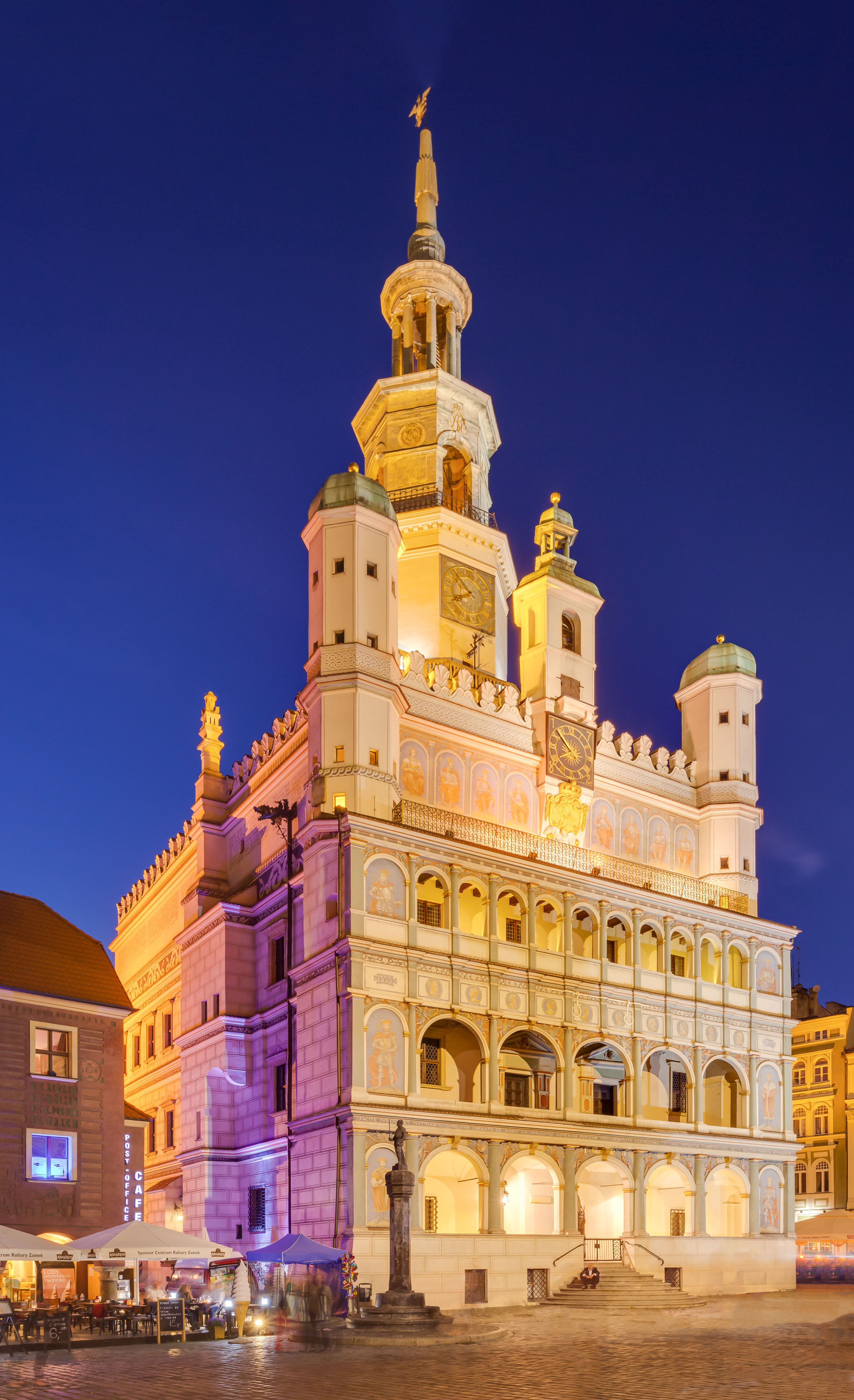
Collaborative efforts between Veolia Energia Poznan and hosting provider Beyond.pl have launched a groundbreaking project aimed at recycling waste heat generated from data centers in Poznan, Poland. This partnership, marked by a signed letter of intent, seeks to channel thermal energy produced by Beyond.pl’s facilities into the city’s district heating network, effectively providing low-emission heating for local residents.

The initiative focuses on recovering heat from servers in Beyond.pl’s data centers, especially those powered by high-performance, AI-driven computing systems. It will incorporate advanced waste heat recovery technology utilizing industrial-grade heat pumps alongside high-density servers, facilitating the distribution of thermal energy suitable for integration into the district heating system. This innovative setup is projected to deliver thermal energy with a capacity of around 30 megawatts, primarily serving the southeastern area of Poznan.

Significantly, this project aims to reduce the city’s carbon footprint, with estimates indicating a potential decrease of approximately 52,500 tons of CO2 emissions annually and a reduction in water usage by around 76,500 cubic meters. By replacing fossil fuel sources with this waste heat, the initiative enhances energy security and sustainability for Poznan and its surroundings.

Luiz Hanania, CEO of Veolia Group in Poland, highlighted the alignment of this project with their GreenUp strategy, designed to promote decarbonization and improve quality of life through sustainable solutions. This approach underscores the company’s commitment to utilizing waste heat as a renewable energy resource, which contributes significantly to increasing the low-emission heating options in Poznan’s energy mix.

Beyond.pl, recognized as a leader in sustainable practices within the data center industry, has established its reputation by operating its facilities entirely on renewable energy. The data center located at Poznan’s campus, operational since 2016, has already been recycling waste heat for its office and logistics spaces, making this city-wide initiative a natural progression of its existing sustainability efforts.

BlackRock has achieved a milestone with its assets under management (AUM) surpassing $11.5 trillion, reflecting robust growth for the third consecutive quarter in 2024. This impressive increase can be attributed to significant inflows into the company’s exchange-traded funds (ETFs) and strategic acquisitions, notably the $12.5 billion acquisition of Global Infrastructure Partners. The surge in AUM is indicative of a broader trend in the investment management industry, where […]

MACAU SAR – Media OutReach Newswire – 11 October 2024 – As the global higher education landscape continues to evolve, the University of Macau (UM) has launched a series of forward-thinking initiatives designed to cultivate world-class talent. These innovative programs, firmly aligned with the world’s top academic standards, aim to equip students with the skills and competencies essential for thriving in today’s increasingly interconnected world. Expanding Global […]

Lunate, an investment entity based in the UAE, is actively considering a substantial investment estimated at $1 billion in HPS, a prominent credit management firm headquartered in Morocco. This strategic move reflects Lunate’s ambition to strengthen its foothold in the North African financial sector, specifically targeting opportunities in credit services and risk management. The potential partnership with HPS signifies a noteworthy shift as it aims to capitalize on the growing demand for financial services in the region.

Established in 2009, HPS has emerged as a key player in the payments and credit sectors across Africa and the Middle East. The firm specializes in offering payment solutions and software development for various financial institutions, including banks and telecommunications companies. HPS has experienced robust growth, bolstered by the increasing digitization of financial services and the rising need for efficient payment solutions. Its software products have gained traction among a diverse clientele, which includes major banks and businesses throughout the continent.

Lunate’s interest in HPS comes at a time when the credit and payments landscape in Africa is undergoing significant transformation. With the continent’s financial inclusion rates improving and digital payment adoption accelerating, the demand for innovative financial services is skyrocketing. This trend has attracted both regional and international investors, positioning firms like HPS to capture emerging market opportunities. Analysts believe that Lunate’s investment could potentially enhance HPS’s technological capabilities and expand its market reach, ultimately leading to increased profitability and growth.

Reports indicate that the negotiations between Lunate and HPS are in advanced stages, with both parties optimistic about the prospects of this collaboration. If finalized, this investment would not only provide HPS with additional capital for expansion but could also facilitate knowledge transfer and expertise sharing between the firms. Lunate’s strategic vision aligns with HPS’s growth objectives, creating a synergistic partnership aimed at maximizing value in the rapidly evolving financial landscape.

The backdrop of this potential investment is characterized by a wave of consolidation and investment activity within the African financial sector. With increasing competition from fintech startups and traditional financial institutions pivoting towards digital solutions, companies like HPS are under pressure to innovate continuously. Lunate’s entry into this market would signify a proactive approach to navigating these challenges, positioning HPS to remain competitive in a fast-changing environment.

Lunate’s decision to invest in HPS may signal its broader strategy to diversify its investment portfolio beyond traditional sectors. Historically, Lunate has focused on sectors such as real estate and technology, but this move into financial services underscores a strategic pivot towards high-growth sectors with substantial potential for returns. The firm’s leadership has expressed confidence in the African market’s potential, particularly in credit management and payment solutions.

As the investment landscape evolves, various key players are closely monitoring developments in the African credit market. International financial institutions and venture capitalists are increasingly interested in exploring opportunities across the continent, recognizing its untapped potential. This heightened interest has led to increased competition for investments, resulting in higher valuations for promising companies like HPS.

Analysts are keen to observe how this potential partnership between Lunate and HPS may impact the broader financial ecosystem in North Africa. A successful collaboration could pave the way for additional investments in the region, further enhancing its reputation as a burgeoning hub for financial innovation. The implications of such investments extend beyond individual companies, potentially driving industry standards and practices that could benefit consumers and businesses alike.

HPS’s recent advancements in payment technology, including the launch of new services aimed at improving transaction efficiency and security, have positioned it favorably to benefit from additional capital investment. These innovations not only address the growing demands of consumers but also align with regulatory expectations in the financial sector. As the landscape continues to evolve, companies that can adapt and innovate will likely emerge as leaders in their respective fields.

Abu Dhabi-based Ghitha Holding, a subsidiary of the International Holding Company (IHC), is making strategic moves to strengthen its position in the food sector by acquiring a significant stake in International Food Industries (IFI) for $11 million. This transaction highlights the company’s ongoing commitment to expanding its portfolio, particularly in the food and agribusiness sectors.

Ghitha, which has consistently pursued high-growth opportunities in line with IHC’s overarching diversification strategy, is expected to leverage IFI’s established market presence and distribution networks across the UAE and beyond. The acquisition aligns with IHC’s broader vision to solidify its presence in sectors deemed critical to the region’s food security.

The acquisition of a stake in IFI is seen as a vital move for Ghitha, known for its investments across agriculture, food processing, and distribution. This deal further enhances Ghitha’s capabilities to scale its operations, allowing it to meet the increasing demand for food products in the region and establish a stronger foothold in local and regional food markets.

The food sector in the UAE is experiencing significant growth, driven by rising demand for sustainable food sources, population growth, and government initiatives aimed at food security. IHC has been particularly active in this area, with several recent investments in food, agriculture, and logistics to bolster the UAE’s supply chain resilience. Ghitha’s acquisition is in line with these goals, as the company aims to contribute to national food security efforts while expanding its revenue base.

This acquisition comes on the heels of IHC’s broader strategy of acquiring stakes in diverse industries such as healthcare, energy, and technology, making it one of the largest and most diversified holding companies in the region. The holding company, chaired by Sheikh Tahnoon bin Zayed Al Nahyan, has demonstrated a keen focus on scaling investments in key sectors that align with the UAE’s long-term growth strategy. IHC’s rapid rise in the global investment landscape has been fueled by both organic growth and aggressive acquisition strategies, with its subsidiaries, including Ghitha, playing a critical role in achieving this vision.

International Food Industries, a notable player in the region’s food manufacturing space, specializes in producing a wide range of food products that cater to consumer needs. With this acquisition, Ghitha is expected to introduce operational efficiencies and enhance the production capabilities of IFI, further cementing its position as a leader in the region’s food industry.

The acquisition of a stake in IFI also underscores Ghitha’s ambition to scale its food-related businesses in international markets. Given its history of successful partnerships and acquisitions, Ghitha is poised to utilize its resources and expertise to ensure that IFI continues to grow and compete on a global scale.

By reinforcing its presence in the food industry, Ghitha is aligning with the UAE government’s broader goals of ensuring food security, increasing local production, and reducing dependence on food imports. The investment is expected to drive innovation within IFI, supporting the development of new products and enhancing its distribution reach across the region.

Market analysts see the acquisition as a strategic move that will likely bolster Ghitha’s financial performance, adding to the holding company’s expanding revenue streams. This also serves as another indication of IHC’s growing influence in critical industries across the UAE and its commitment to supporting sectors that play a crucial role in the country’s economic future.

VISHNU RAJA
RYO YAMADA
HITORI GOTOH
IKUYO KITA