News related to
partners establish

A second term for Donald Trump could usher in significant changes for investors in the Middle East, with the potential for both increased economic opportunities and geopolitical instability. Trump’s return to the presidency would likely revive his administration’s assertive economic policies, reshaping U.S. foreign relations, particularly toward China, Europe, and Middle Eastern nations, while possibly impacting global market dynamics in ways that will directly affect Gulf economies.

Trump’s “America First” approach, previously marked by attempts to realign American foreign policy priorities, could lead to heightened trade tensions with major global economies, including the European Union and China. During his previous term, the Trump administration imposed steep tariffs on Chinese goods and withdrew from the Trans-Pacific Partnership, signaling a shift from multilateral agreements to bilateral deals with clear U.S. advantages. These policies could place Middle Eastern investors in a challenging position, especially those with extensive ties to both Western and Asian markets. His re-election could rekindle these policies, affecting key industries and the economic strategies of regional stakeholders, who may need to reassess their portfolios to navigate potential trade disruptions.

One area of likely change would be Trump’s approach to the U.S.-China trade war, which saw tariffs as high as 25% imposed on hundreds of billions in imports. The escalating tariffs strained trade flows globally, and with Trump’s potential return, the continuation or expansion of such tariffs could push China to deepen its ties with Gulf nations as it seeks alternative partners. The Middle East, particularly Saudi Arabia and the UAE, has already seen increased investment from China under the Belt and Road Initiative, and a further intensification of U.S.-China rivalry could strengthen these relations. Additionally, Gulf economies that depend heavily on oil exports may find opportunities as China looks for secure energy suppliers outside of the American sphere.

Simultaneously, Trump’s proposed policies are expected to drive further U.S. disengagement from traditional allies in Europe, compelling these countries to secure alternative economic partnerships. This shift could create an environment where European countries turn to the Middle East to establish closer trade relations, viewing Gulf states as critical energy providers and investment hubs. Regional investors could benefit from an increased inflow of European capital seeking to mitigate the effects of U.S. tariffs.

In terms of defense, Trump has consistently voiced support for reducing U.S. military commitments abroad, urging allies in Europe and the Middle East to shoulder more responsibility for their own defense. This could result in reduced U.S. military presence in Gulf nations, which may encourage these states to expand defense partnerships within the region and seek additional security alliances beyond the U.S. This shift could spur an increase in local defense spending and the development of domestic defense industries, presenting investment opportunities in these sectors. However, it may also bring heightened insecurity, which could lead to market instability, especially in oil-dependent economies that rely on stable energy production and export environments.

The Middle East’s energy sector might experience new pressures and opportunities under a Trump administration focused on American energy independence. Trump has previously supported policies that increase domestic oil and gas production in the U.S., which could lead to a drop in oil prices globally, impacting the revenue of oil-exporting countries in the Gulf. To counter this, Gulf economies may be motivated to diversify and boost non-oil sectors such as technology, real estate, and tourism, creating new avenues for regional and international investors.

Trump’s stance on Iran could also lead to renewed tensions in the region. During his first term, the administration’s “maximum pressure” campaign aimed at curbing Iran’s nuclear ambitions led to economic sanctions and heightened regional conflicts. If reinstated, such policies could escalate instability in areas around the Strait of Hormuz, a key chokepoint for global oil exports. Middle Eastern markets might face disruptions if these tensions spill over, particularly for industries dependent on steady energy flows and safe trading routes. Yet, defense and energy infrastructure investments may see a boost in response to these renewed geopolitical challenges.

Trump’s previous involvement in brokering the Abraham Accords set a precedent for Arab-Israeli normalization. A return to power could see a renewed push for expanded economic ties between Israel and more Arab states, following the precedent of UAE, Bahrain, Morocco, and Sudan establishing official relations with Israel. Investors across the Gulf could benefit from these expanded commercial ties through greater market access, technology transfers, and joint ventures, particularly in high-growth sectors like technology, renewable energy, and tourism. The prospect of regional integration holds promise for attracting further foreign direct investment (FDI) and bolstering Middle Eastern economies.

Middle Eastern investors, therefore, may need to prepare for a mixed impact, balancing potential market volatility with strategic opportunities. Gulf Cooperation Council (GCC) countries, particularly the UAE and Saudi Arabia, may find themselves in a pivotal position, with increased leverage in securing favorable trade agreements as both Western and Eastern economies seek partnerships in response to Trump’s policies. Yet, they may also have to contend with the risks of being on the frontline of fluctuating U.S. policies toward the region, especially regarding defense and energy.

PHNOM PENH, CAMBODIA – Media OutReach Newswire – 8 November 2024 – Neak Oknha Chen Zhi, Chairman of Prince Holding Group, has been honored with the title “Visionary Philanthropist of the Year – Cambodia” for his ongoing contributions to community development and sustainable growth across Cambodia. Presented by The Business Pinnacle Awards, this accolade acknowledges Chen Zhi’s commitment to philanthropy, emphasizing sustainable impact through well-targeted programs. Neak […]

The facility caters to high-tech end-user industries, such as Aerospace, Healthcare, 5G, Artificial Intelligence (AI) and Electric Vehicles (EV) SINGAPORE – Media OutReach Newswire – 7 November 2024 – SABIC, a global diversified chemicals company, today announced the official launch of its new US$170 (S$220) million ULTEM™ resin manufacturing facility in Singapore, marking the company’s first advanced specialty chemical manufacturing facility in the region producing the high-performance […]

SINGAPORE – Media OutReach Newswire – 7 November 2024 – Held at the Grand Hyatt Taipei on 13 September, the much-anticipated Asia Pacific Enterprise Awards (APEA) 2024 Taiwan recognized many leading companies and entrepreneurs for their success and excellent leadership. The APEA is Asia’s premier awards recognition program promoting outstanding entrepreneurship, bringing together top entrepreneurs, and fostering networking between various industries. Alljack Technologies, Inc. was among the […]

HONG KONG SAR – Media OutReach Newswire – 6 November 2024 – The first baijiu company listed on the Hong Kong Stock Exchange, ZJLD Group Inc. (“ZJLD” or the “Company”, SEHK stock code: 06979. HK), is pleased to announce that the Group has been awarded the Excellence Award for First-Year Listed Companies and the Best New Entry in “General” Category at the 2024 Best Annual Reports Awards […]

Masdar, Sarawak Energy, and Gentari have joined forces to explore the feasibility of a large-scale floating solar energy project in Malaysia. The initiative, part of broader efforts to advance renewable energy in the region, seeks to harness Malaysia’s vast water bodies for solar energy generation. The companies aim to assess the potential environmental, technical, and economic factors influencing the deployment of such a project, which could mark […]

Tajul Islam Donald Trump’s recent critique of Bangladesh on social media, branding it as a nation rife with “barbaric violence” against religious minorities and claiming it exists in a “total state of chaos,” has drawn significant attention. This statement, made just days before the US presidential election, appears to be an effort to appeal to Hindu-American voters, a demographic that has increasingly urged Trump to address issues related […]

Advertisements

The UAE has unveiled its long-term National Investment Strategy 2031, aiming to attract and retain investments that will fortify the country’s economic diversification and accelerate its status as a global hub for business. The strategy is poised to reshape the investment landscape, focusing on key sectors including advanced technology, renewable energy, healthcare, and financial services.

The UAE’s leadership emphasized that the strategy is a pivotal element of the country’s broader economic transformation plan, building on its recent successes in establishing itself as a leading center for trade, technology, and innovation. As part of the strategy’s goals, the country is looking to increase the volume of foreign direct investment (FDI), enhance local businesses, and promote the integration of sustainable economic practices across industries.

Underpinning this ambitious strategy is the objective to improve the UAE’s competitive position in the global market by tapping into sectors of emerging global importance. This approach is intended not only to attract new investments but also to foster innovation that will drive growth across both traditional and non-traditional sectors. By 2031, the UAE aims to position itself as a key player in the global knowledge economy, with sustainable and cutting-edge technologies leading the charge.

One of the most critical components of the strategy is a comprehensive focus on advanced industries, particularly those that integrate artificial intelligence (AI), data science, and renewable energy technologies. In line with global trends, the UAE is seeking to capitalize on the opportunities brought about by climate change adaptation and green technologies. By investing in renewable energy projects, including solar and nuclear power, the nation is positioning itself to become a leader in sustainable energy solutions while contributing to global climate goals.

Another key feature of the strategy is its emphasis on strengthening the healthcare sector. As the world faces growing challenges related to aging populations and pandemics, the UAE is investing in health technologies that promise to not only improve the quality of healthcare services but also reduce costs and enhance healthcare delivery. This includes advancements in medical research, biotechnology, and digital health technologies, all aimed at improving efficiency and accessibility in the health sector.

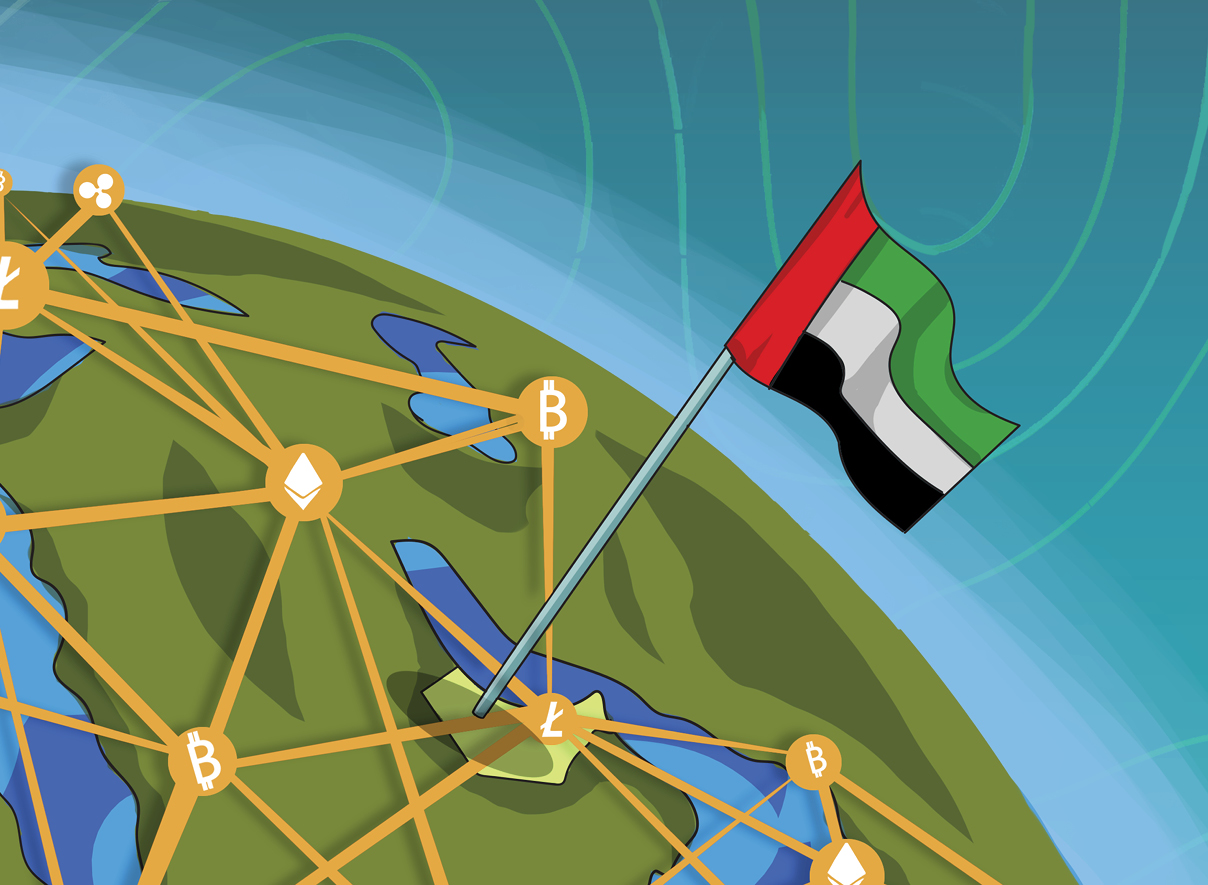
A focal point of the UAE’s National Investment Strategy is also its effort to encourage the expansion of the financial services industry, particularly focusing on fintech innovations. By tapping into emerging trends such as blockchain, digital currencies, and decentralized finance, the UAE seeks to redefine its financial ecosystem, making it more agile and globally competitive. This is part of a broader initiative to attract a new generation of entrepreneurs and investors, particularly those in the tech and financial sectors.

The strategy also acknowledges the importance of a flexible and attractive regulatory framework for investors. The UAE plans to introduce measures that further ease the process of setting up businesses, reducing bureaucratic hurdles, and promoting an environment conducive to innovation. These steps include improvements in intellectual property laws, enhancing access to venture capital, and increasing transparency within the market. In this context, the UAE’s government is also aiming to make significant strides in digitizing the business registration process and enhancing the speed and efficiency with which new enterprises can operate.

The announcement of the National Investment Strategy 2031 comes at a time when the UAE is already seeing notable investments flowing into its economy. The UAE government has actively pursued bilateral investment agreements with countries across the globe, resulting in increased foreign capital inflows. The goal is to build on this momentum and ensure that the country remains an attractive proposition for investors and entrepreneurs seeking a stable and profitable business environment.

The strategy also aligns with the UAE’s Vision 2030, which places heavy emphasis on sustainability and economic diversification. It seeks to reduce the country’s reliance on oil exports and move towards a more knowledge-based economy. This vision aims to diversify revenue streams while fostering innovation and ensuring a more resilient economy in the face of global economic fluctuations. To support this transition, the UAE has been progressively creating a conducive ecosystem for high-tech industries, incorporating digital and green solutions into its infrastructure projects, and providing substantial incentives for businesses engaged in sustainability.

At the heart of the National Investment Strategy is the creation of new partnerships with global technology companies, investors, and academic institutions. These collaborations are expected to drive research and development activities, particularly in sectors that focus on sustainability, health, and innovation. Such partnerships are intended to propel the country’s efforts in creating a vibrant innovation ecosystem, fostering an environment where groundbreaking ideas can thrive and scale up quickly.

The strategy’s success will be closely tied to its ability to leverage the UAE’s geopolitical position as a bridge between East and West. Positioned at the crossroads of Europe, Asia, and Africa, the UAE has long served as a gateway for international trade, investment, and commerce. This strategic location, combined with its advanced infrastructure and growing talent pool, will help the UAE remain a prominent player on the global investment map.

EDGE Group, a key player in the UAE’s defense and advanced technology sector, has entered into a strategic partnership with Italian shipbuilding giant Fincantieri to develop next-generation underwater solutions. This collaboration, announced in a series of formal statements, seeks to combine the strengths of both companies to advance the development of cutting-edge maritime technology. The joint venture is expected to significantly bolster both nations’ defense capabilities and […]

The adoption of Central Bank Digital Currencies (CBDCs) in the UAE is fostering closer collaboration between financial institutions and FinTech companies, marking a transformative shift in the country’s financial landscape. In response to the rapid advancement of digital currencies, the UAE government and its financial regulators have emphasized the importance of integrating CBDCs into the nation’s economy. This development is shaping the future of financial transactions and reshaping the relationship between traditional banks and emerging FinTech players.

The UAE’s Central Bank has been at the forefront of digital currency discussions, focusing on exploring a digital dirham, which could enhance the country’s financial infrastructure. The initiative, as part of a broader effort to modernize the financial system, is seen as a strategic move to diversify the nation’s economy, reduce its reliance on oil, and boost its global competitiveness. Banks are now working closely with FinTech firms to understand and integrate CBDCs, aligning with the government’s vision of becoming a hub for digital finance innovation.

One of the driving forces behind this collaboration is the need to create a more efficient and secure payment system. CBDCs, unlike cryptocurrencies, are state-backed and carry the guarantee of the central bank. This makes them an attractive proposition for banks, which are seeking to improve their payment systems while staying ahead of the competition in a rapidly digitizing market. For FinTech companies, the introduction of CBDCs offers a unique opportunity to expand their services, leveraging blockchain technology and other digital tools to enhance financial inclusion and streamline transactions.

Among the key players in this space are traditional banks such as Emirates NBD, First Abu Dhabi Bank (FAB), and Mashreq Bank, which are increasingly working with technology providers and startups to develop CBDC solutions. These banks are testing various use cases for digital currencies, including faster cross-border payments, improved customer experiences, and more secure digital wallets. By collaborating with FinTech firms, these banks aim to bridge the gap between traditional banking services and the fast-evolving digital economy.

FinTech companies, on the other hand, are seizing this moment to expand their footprint in the UAE’s financial sector. Many have already established partnerships with banks to develop CBDC platforms that are more agile and adaptable to user needs. These firms are leveraging their expertise in areas like digital payments, cybersecurity, and blockchain to build innovative solutions that can seamlessly integrate with the UAE’s financial ecosystem. As digital currencies become more mainstream, these partnerships between banks and FinTech firms are expected to accelerate, leading to the rapid development of CBDC infrastructures.

One notable collaboration between traditional banks and FinTech firms is the establishment of new payment systems, which will enable faster, more secure transactions. For instance, several financial institutions are exploring the use of blockchain technology to create a more efficient digital payment infrastructure. Blockchain’s decentralized nature offers enhanced security, transparency, and reduced transaction fees—features that are appealing to both banks and consumers.

The UAE’s regulatory environment plays a crucial role in facilitating these partnerships. The Central Bank has been proactive in introducing regulations that support the development of digital currencies while ensuring financial stability. In 2024, the Central Bank announced that it would begin testing a digital dirham, focusing on its integration with existing financial systems. The success of these trials could lead to the widespread adoption of CBDCs, which could further enhance the UAE’s position as a regional leader in digital finance.

The UAE’s ongoing push towards financial innovation is supported by the Dubai International Financial Centre (DIFC), which serves as a hub for global FinTech companies. The DIFC has established itself as a key player in attracting investment in digital finance and supporting the development of blockchain-based solutions. The centre’s efforts are complemented by the UAE’s broader ambition to integrate artificial intelligence (AI) and blockchain into financial services, further driving the collaboration between banks and FinTech firms.

Despite the promise that CBDCs hold, there are still challenges to overcome. Security concerns, the risk of cyber-attacks, and regulatory uncertainties remain top of mind for both banks and FinTech companies. To address these issues, collaboration between financial institutions, technology providers, and regulators will be critical. As these stakeholders continue to work together, they will need to develop robust cybersecurity frameworks and ensure that the legal and regulatory frameworks are agile enough to accommodate the rapid pace of digital innovation.

Another challenge is the need for public awareness and education. While the benefits of CBDCs are widely recognized within the financial industry, consumer adoption remains a key hurdle. Banks and FinTech companies are tasked with educating their customers about the advantages of digital currencies, including faster transaction times, lower fees, and greater financial inclusion. The success of CBDC integration depends not only on the technological and regulatory landscape but also on how well these digital currencies are received by the public.

China’s strategic move to sell its inaugural sovereign dollar bonds in Saudi Arabia marks a significant step in its international finance ambitions, reflecting its broader goal of bolstering ties within the Middle East. This issuance aligns with China’s ongoing efforts to deepen its influence in global bond markets, strategically selecting Riyadh as a financial hub to tap into capital flows and investment networks in the region. By […]

ADNOC, Masdar, and Microsoft are joining forces to spearhead initiatives that fuse artificial intelligence with low-carbon technology, aiming to accelerate the energy sector’s transition to a more sustainable and efficient future. The collaboration among the three companies focuses on the application of advanced technologies to reduce carbon emissions and drive the development of cleaner, smarter energy solutions across the globe. At the core of the partnership lies […]

BANGKOK, THAILAND – Media OutReach Newswire – 5 November 2024 – Indorama Ventures Public Company Limited, a global sustainable chemicals company, celebrated the success of the Waste Fiction Challenge, a pioneering initiative that rallied young people from over 90 countries to envision zero-waste schools by 2030. Mrs. Suchitra Lohia The Waste Fiction Challenge is a global competition designed to engage youth in crafting imaginative stories of a […]

Strategic alliance poised to create new growth avenues in Thailand, Japan, and beyond. BANGKOK, THAILAND – Media OutReach Newswire – 5 November 2024 – Dusit Foods, a subsidiary of Dusit International, one of Thailand’s leading hotel and property development companies, has signed a strategic partnership agreement with Green House Co., Ltd, a prominent player in Japan’s food industry, to accelerate the growth of Epicure Catering Co., Ltd., […]

KUALA LUMPUR, MALAYSIA – Media OutReach Newswire – 5 November 2024 – In Japan, known for its world-leading water technology, there is a rapidly growing service. This is the cloud-based mapping service, Tenchijin COMPASS KnoWaterleak provided by Tenchijin, Inc., a space venture certified by the Japanese national air and space agency JAXA, supporting efficient leak detection. Since its launch in 2023, the service has been adopted by […]

International Forum for sustainable development gathered political and commercial leaders HONG KONG SAR – Media OutReach Newswire – 4 November 2024 – To celebrate its 35th Anniversary, Hong Kong Quality Assurance Agency (HKQAA) held the 35th Anniversary Forum cum Celebration Ceremony at Ballroom, Level 3, JW Marriott Hotel Hong Kong. The Forum in the morning session was officiated by Mr Christopher Hui, GBS, JP, Secretary for Financial […]

Lumen Technologies has entered a significant partnership with Amazon Web Services (AWS) to transform its network capabilities and boost cloud infrastructure. This collaboration is set to bring advanced artificial intelligence (AI) and machine learning (ML) technologies into Lumen’s network services, aiming to optimize data transfer speeds, strengthen security measures, and enhance overall cloud connectivity across the United States. As part of this partnership, Lumen will leverage AWS’s […]

To Foster Emotional Well-Being Through Art and Technology HONG KONG SAR – Media OutReach Newswire – 4 November 2024 – Breast cancer is the most common cancer among women in Hong Kong. In addition to improving treatment options for better disease management and survival rates, the medical community is increasingly prioritizing the enhancement of patients’ emotional well-being. From left to right: Professor Angela, Leung Yee-man, Associate Head […]

Verax AI has successfully completed a seed funding round, amassing $7.6 million to enhance its enterprise AI solutions aimed at promoting transparency and control. This funding round, which has attracted significant attention in the tech industry, was spearheaded by TQ Ventures, with participation from Concept Ventures, Cardumen Capital, Seedcamp, InMotion Ventures, and XTX Ventures. The investment reflects the growing demand for reliable and transparent AI technologies as […]

Rackspace Technology has formalized a multi-year Strategic Collaboration Agreement (SCA) with Amazon Web Services (AWS), marking a significant expansion of their partnership. This agreement aims to enhance Rackspace’s ability to deliver a comprehensive suite of cloud services, including hybrid and multicloud solutions, as well as artificial intelligence capabilities to its clients. As enterprises increasingly pivot toward cloud-based infrastructures, this collaboration positions Rackspace to play a pivotal role […]

Actress and filmmaker Olivia Wilde has entered the world of venture capital with the launch of her new firm, which aims to invest in innovative start-ups across various industries. This move marks a significant shift from her Hollywood career and positions Wilde as a burgeoning player in the investment landscape. With a focus on nurturing creativity and fostering entrepreneurial spirit, the firm seeks to support companies that align with Wilde’s values, particularly those led by women and underrepresented founders.

Wilde’s firm has been described as an extension of her long-standing commitment to advocating for diverse voices in the entertainment industry. By transitioning into venture capital, she intends to amplify these efforts by providing financial backing to emerging companies that challenge the status quo. This venture comes at a time when the tech and entertainment sectors are increasingly intertwined, offering unique opportunities for innovative collaborations.

In her announcement, Wilde emphasized her desire to empower entrepreneurs who prioritize ethical practices and social responsibility. The firm is particularly interested in companies that address pressing global issues, such as climate change and social inequality. This aligns with Wilde’s own advocacy work and reflects a broader trend among investors who are increasingly seeking to make a positive impact through their financial decisions.

The establishment of Wilde’s venture capital firm reflects a growing trend among Hollywood figures who are diversifying their portfolios and engaging in investment activities. Celebrities such as Ashton Kutcher and Serena Williams have also made headlines with their venture capital endeavors, demonstrating that the intersection of entertainment and entrepreneurship is becoming more commonplace. These figures leverage their influence and resources to identify and support promising start-ups, often bringing valuable connections and insights from their respective industries.

Wilde’s approach to venture capital aims to differentiate her firm from traditional investment models. By prioritizing personal connections and collaborative relationships with entrepreneurs, she seeks to create a supportive ecosystem where start-ups can thrive. This ethos is particularly relevant in a market that can be notoriously challenging for new businesses to navigate.

Emerging trends in the venture capital landscape indicate a growing demand for investments in technology that address sustainability and social justice. As investors increasingly recognize the importance of Environmental, Social, and Governance (ESG) criteria, Wilde’s firm appears well-positioned to capitalize on this shift. Many investors are prioritizing companies that not only show potential for financial returns but also contribute positively to society.

Wilde’s entry into venture capital also comes at a time when the start-up ecosystem is witnessing unprecedented growth. According to industry reports, investment in start-ups has surged in various sectors, including health tech, fintech, and green technology. This influx of capital has created a competitive landscape, making it crucial for entrepreneurs to differentiate themselves to attract funding. Wilde’s firm may offer a unique advantage to start-ups that resonate with her values and vision.

The firm has already begun to explore potential investment opportunities, actively engaging with founders and attending pitch events. With Wilde’s celebrity status and industry connections, she can leverage her platform to elevate the visibility of the start-ups she chooses to support. This aspect of her venture could open doors for promising companies that might otherwise struggle to gain traction in a crowded market.

Wilde’s commitment to mentorship is expected to be a hallmark of her investment strategy. By offering guidance and resources to start-ups, she aims to foster an environment where innovative ideas can flourish. This hands-on approach contrasts with the more traditional model of passive investment, positioning Wilde’s firm as a collaborative partner in the entrepreneurial journey.

The impact of Wilde’s venture capital firm may extend beyond financial support; it could also inspire other figures in the entertainment industry to explore similar paths. As more celebrities engage in venture capital, the potential for creative partnerships and cross-industry innovation grows. This could lead to exciting developments in sectors ranging from technology to sustainability.

As Wilde embarks on this new chapter, her background as a filmmaker may influence her investment choices. Her experience in storytelling and understanding of audience engagement could guide her in identifying start-ups with compelling narratives and strong market potential. By focusing on the human element of entrepreneurship, Wilde’s firm is likely to emphasize not just the financial metrics but also the stories behind the companies and their founders.

The cryptocurrency market is witnessing a surge of interest in emerging tokens that analysts predict could follow the trajectory of previous meme coin successes. Among the multitude of digital currencies, four specific coins are currently drawing heightened attention for their potential explosive growth. As investors scour the market for the next big opportunity, the community is eager to identify which tokens may rise to prominence in the same way as the now-famous PEPE coin.

At the forefront of this emerging trend are Shiba Inu (SHIB), Floki Inu (FLOKI), Dogecoin (DOGE), and the newly launched meme-inspired currency, Wojak (WOJAK). These coins, while tethered to the whimsical and often unpredictable nature of meme culture, demonstrate fundamental characteristics that have sparked interest from seasoned and novice investors alike. Analysts point to a combination of community engagement, social media momentum, and unique branding strategies as pivotal elements influencing these cryptocurrencies’ potential success.

Shiba Inu, which started as a playful homage to Dogecoin, has evolved into a prominent player within the meme coin arena. Its community-driven approach and decentralized nature have facilitated a loyal following, leading to significant price fluctuations that investors seek to capitalize on. The Shiba Inu ecosystem continues to expand with initiatives such as ShibaSwap, which allows users to trade various tokens within its platform. Moreover, the introduction of Shiba Inu’s own decentralized stablecoin, TREAT, has further bolstered its position as a multifaceted player in the crypto landscape.

Floki Inu, another meme-based cryptocurrency, has made significant strides in establishing its identity beyond mere speculation. With a focus on utility, Floki Inu aims to integrate its currency into a wider array of applications, including play-to-earn gaming and NFT marketplaces. The project has garnered attention through strategic marketing campaigns, including sponsorships and partnerships that elevate its visibility within the crowded crypto space. The growing community of Floki enthusiasts continues to push for adoption and usability, which could enhance its value proposition.

Dogecoin remains a staple in the cryptocurrency market, often regarded as the benchmark against which other meme coins are measured. Originally created as a joke, Dogecoin’s robust community and high-profile endorsements from celebrities and industry leaders have propelled it into mainstream recognition. As new projects and tokens emerge, Dogecoin continues to hold its ground, aided by ongoing developments such as increased transaction capabilities and collaborations with prominent brands, which sustain its relevance and appeal.

The newly minted Wojak coin represents the latest wave of meme-inspired cryptocurrencies seeking to tap into the cultural zeitgeist surrounding internet memes. Named after the Wojak meme, a character symbolizing various emotions, this coin has quickly gained traction among meme enthusiasts. Early adopters are eager to explore its potential for both profit and community engagement. With social media buzz fueling its initial momentum, Wojak coin is positioning itself as a fresh contender in the meme coin landscape.

Market analysts suggest that the rise of these four cryptocurrencies reflects a broader trend within the digital currency space, characterized by the intersection of meme culture and financial speculation. As investors become increasingly adept at identifying emerging opportunities, the excitement surrounding these coins serves as a testament to the evolving dynamics of the crypto market.

A pivotal factor in the success of these tokens is their ability to harness community involvement and social media presence. Platforms like Twitter and Reddit play a crucial role in shaping perceptions and driving investment decisions, as enthusiastic communities rally around these coins to promote their growth. The viral nature of meme coins creates a feedback loop, where hype can lead to increased investment, which in turn fuels further hype, creating a self-sustaining cycle.

However, the volatility of meme coins poses inherent risks for investors. Many experts caution that the speculative nature of these investments can lead to sharp price fluctuations and potential losses. The market is rife with examples of tokens that have skyrocketed in value only to plummet just as dramatically, underscoring the importance of thorough research and a cautious approach to investing in cryptocurrencies.

As the cryptocurrency landscape continues to shift, investors are advised to stay informed about market trends and the underlying technologies of the coins they consider. The evolution of Shiba Inu, Floki Inu, Dogecoin, and Wojak coin illustrates the fluid nature of the crypto market, where the next potential success story can emerge from unexpected corners.

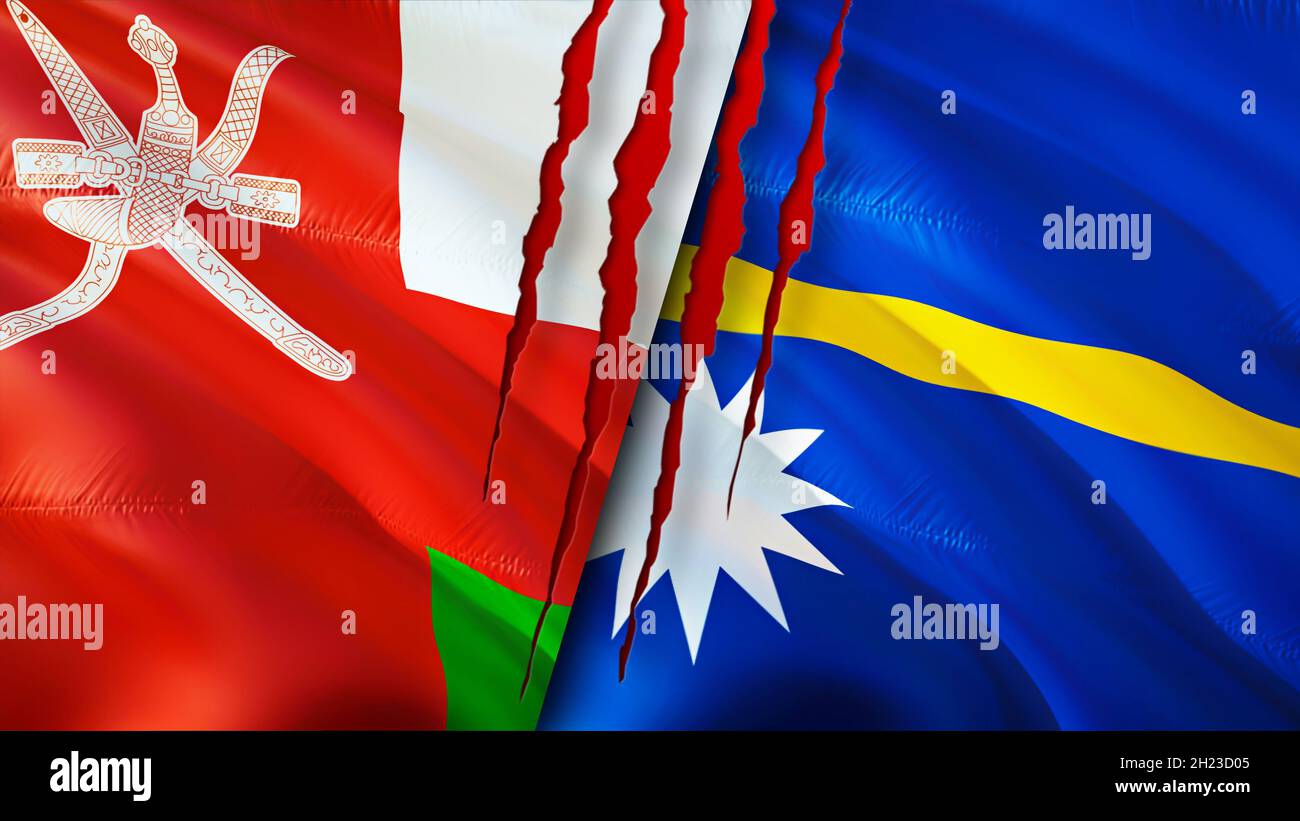
Oman and Nauru are exploring ways to enhance bilateral relations, focusing on economic, diplomatic, and developmental cooperation, as both nations seek mutual benefits in diverse sectors. Oman’s Foreign Minister Sayyid Badr Hamad Al Busaidi welcomed Nauru’s President David Ranibok Adeang in Muscat, underscoring Oman’s strategic interest in expanding its diplomatic reach. The discussions highlighted Oman’s Vision 2040, a national strategy emphasizing economic diversification through sectors like logistics, tourism, and technology, which aligns with Nauru’s developmental needs and ambitions.

The meeting emphasized Oman’s positioning as a major logistics and trade hub. Ports in Salalah, Duqm, and Sohar serve as pivotal centers for regional commerce, with plans to extend facilities that could support Nauru’s trade interests and benefit from its location in the Pacific. Both nations have identified tourism as a shared area of interest, and Oman’s plans for tourism expansion—aiming to attract 11 million annual visitors by 2040—could include tailored partnerships with Nauru to enhance cultural and environmental tourism in both regions. Similarly, Oman’s ports, critical in the global maritime routes, provide additional infrastructure and maritime trade support that may serve the strategic needs of Nauru’s Pacific-based trade interests.

Oman’s Vision 2040 agenda also prioritizes advanced technology and infrastructure development, areas where Nauru could collaborate on sustainable projects. As Oman pursues the expansion of its broadband connectivity, partnerships in information and communication technology (ICT) could allow Nauru access to advancements that boost digital connectivity and infrastructure. The Oman Broadband Company, a leader in the region’s digital initiatives, has successfully laid fiber-optic networks and built high-speed internet infrastructure with support from major international financing groups. Nauru, with its need for reliable communication networks, could benefit significantly from these technological exchanges, aiding both domestic and international connectivity.

Energy cooperation also offers promising potential. Oman’s interest in renewable energy and sustainable development, alongside its established oil and gas sector, positions it as a possible partner in energy-related projects. Oman’s Al Wusta governorate, a central oil production area, has expanded oil and gas field development to boost output and meet both local and export demands. Nauru’s resource-dependent economy may find utility in Oman’s experience in balancing resource extraction with sustainability measures, possibly adapting these practices to foster responsible resource management within its own industries.

Mubadala Investment Company, a prominent state-owned investment arm based in Abu Dhabi, has acquired a 49% stake in the Spanish industrial firm Tubacex’s subsidiary, Tubacex Group, for approximately $200 million. This strategic investment aims to bolster Mubadala’s presence in the European industrial sector, particularly in the field of manufacturing specialized steel products used in energy, oil, and gas applications. The acquisition signifies a continued trend of Middle […]

VISHNU RAJA
RYO YAMADA
HITORI GOTOH
IKUYO KITA