Just in:
Toward a Shared Future for Humanity: Rethinking Civilizational Exchange // Bail refused to 17-year old in Abhiram murder // ED searches five districts in probe against hawala // Diabetes Malaysia And Alpro Pharmacy Set National Record With 11,007 Most Blood Glucose Screenings Conducted Across Malaysia In Just 48 Hours // Singapore regulator cautions against AI access to bank logins // PayerMax and ShopeePay Strengthen Strategic Partnership to Advance Digital Payment Collaboration in Southeast Asia // Egypt’s African Union trade climbs to $8.2 billion // Fungal toxins detected across 212 UK plant-based products // Dalilk Academy reaches 27 million, targets 100 million by 2030 // Saudi defences destroy three Houthi missiles targeting Riyadh // Ex-minister named accused in Messi visit fraud case // Sui activates Hashi Bitcoin lending across partner network // Padmini follows Padmaja for ‘ghar vapsi’ // Dubai Introduces SHARH, an AI-Powered Platform Helping Entrepreneurs Buy, Sell and Manage Businesses in the UAE // Crypto market loses $150 billion amid broad sell-off // Workday targets Honeydew purchase to unify AI metrics // Sabarimala booking discrepancies prompt sabotage angle probe // Promoting Common Human Development Through Exchanges and Mutual Learning Among Civilizations // Yeebo Announces Interim Results for FY26/27 Revenue Increases by 45.5% to HK$806.7 Million Profit Attributable to Owners Surges 87.6% to HK$2,284.7 Million // Balagopal challenges CM over tax revenue //

News related to
profit

Call for Submissions from Tertiary, Secondary and Primary School Students Showcase their Ideal Green and Smart City HONG KONG SAR – Media OutReach Newswire – 24 October 2024 – To enhance public understanding and awareness of green buildings, the Hong Kong Green Building Council (HKGBC) has established “My Green Space” Student Competition since 2011. This Competition encourages students to apply creative ideas related to green building concepts […]

Abu Dhabi’s International Holding Company (IHC) has made a significant move in the leasing market by acquiring a 51% stake in Gallega Global, a strategic acquisition that underscores IHC’s commitment to diversifying its investments. The deal marks a crucial step for EasyLease, IHC’s leasing arm, as it seeks to enhance its service offerings and expand its footprint in the global market. This acquisition comes at a time […]

HONG KONG SAR – Media OutReach Newswire – 23 October 2024 – A rising level of insolvency risk has emerged as a major concern looking ahead for half of companies surveyed by Atradius across Asia, with widespread worries it could negatively impact B2B trade on credit. Businesses are preparing for ripple effects and payment risks, adding to further anxiety about future profitability. At the heart of the […]

HSBC has appointed Pam Kaur as its Chief Financial Officer (CFO), marking the first time in its 160-year history that a woman has taken on this prominent role. Kaur, currently the bank’s Chief Risk and Compliance Officer, will officially assume her new position following the departure of Georges Elhedery, who is stepping into the Chief Executive role at HSBC. This leadership reshuffle reflects the bank’s continued transformation efforts aimed at driving growth and streamlining operations.

Pam Kaur, 60, brings a wealth of experience to her new role. Since joining HSBC in 2013, she has held several senior positions, including leading risk management and compliance. She is known for her expertise in managing complex regulatory landscapes, which has earned her a solid reputation within the financial industry. Her promotion to CFO is a significant move, not only for HSBC but also for gender representation in the upper echelons of global banking leadership.

The leadership transition aligns with HSBC’s strategic objectives, as the bank has been focusing on optimizing its operations amidst a volatile global economic climate. With its headquarters in London, HSBC has been working to enhance its financial performance across its key markets, particularly in Asia, where it generates a substantial portion of its profits. Kaur’s appointment is expected to play a crucial role in helping the bank navigate regulatory complexities and manage financial risks effectively.

Kaur’s promotion also highlights HSBC’s broader efforts toward increasing diversity within its leadership ranks. Global banks have faced increasing pressure to diversify their boards and executive teams, and Kaur’s ascension to the CFO position represents a milestone for the bank in addressing gender imbalances at the top. As one of the most senior women in banking, she is expected to bring a fresh perspective to the bank’s financial strategies.

This change in leadership comes at a time when HSBC is under pressure to increase its profitability while also managing various regulatory and compliance challenges. Elhedery’s move to CEO will be crucial in steering the bank through these changes, and Kaur’s role as CFO will be vital in ensuring that the bank remains on a sound financial footing.

Kaur’s career has been characterized by her deep understanding of risk management and compliance, two areas that have become increasingly important in the banking world following the global financial crisis. Before joining HSBC, Kaur held senior positions at several leading financial institutions, including Deutsche Bank and the Royal Bank of Scotland, further cementing her qualifications for the CFO role.

Her elevation to this role also reflects HSBC’s commitment to fostering internal talent and promoting diversity in its leadership, a strategy that has become increasingly important in the global financial industry. This internal promotion signals the bank’s trust in its established leadership team and its focus on continuity amid broader strategic shifts.

As Kaur prepares to take on the responsibilities of CFO, HSBC will be looking to her to help streamline its financial operations and bolster investor confidence. The bank, which has faced scrutiny from both regulators and shareholders over its financial strategies in recent years, will benefit from Kaur’s expertise in navigating complex regulatory frameworks and her ability to manage financial risks effectively.

Her appointment comes at a critical time for HSBC, as the bank seeks to bolster its performance in key growth markets such as Asia while also dealing with economic challenges posed by the global economy. As she steps into her new role, Kaur’s leadership is expected to be instrumental in guiding the bank through these challenges, ensuring that HSBC remains a dominant player in the global banking industry.

Air India is implementing a comprehensive restructuring of its airfare policies, covering all cabin classes, amid its ongoing efforts to enhance its global presence and profitability. This shift comes in the context of the airline’s broader plans under the Tata Group to integrate services with Vistara and streamline operations. The changes reflect a strategic push to attract a diverse range of passengers, including premium, budget, and corporate travelers.

As part of this overhaul, Air India is simplifying its fare structures across Economy, Premium Economy, Business, and First Class, introducing more transparent pricing tiers that provide passengers with clearer value propositions. The airline aims to improve customer engagement by ensuring that ticket prices across its global network are competitive while delivering a higher standard of service onboard. The restructuring includes expanding its flexibility options for Economy passengers and improving the availability of premium services for frequent flyers.

In Economy class, Air India is now offering greater flexibility in ticket choices, introducing distinct tiers for passengers with varying needs, such as free baggage, meal services, and flexibility on changes and cancellations. This move is designed to make air travel more accessible while allowing customers to personalize their experiences based on their requirements and budgets.

Premium Economy, a class that has gained significant popularity on international routes, will also see enhancements. Air India is revising its fare structures to provide more competitive rates and improved onboard services, such as more spacious seating, additional baggage allowances, and enhanced meal options, appealing to passengers seeking a mid-tier experience between Economy and Business Class.

Business and First Class passengers are expected to benefit the most from this policy restructuring. The airline has committed to upgrading its premium services across these classes, particularly focusing on improving the inflight experience with better meal options, entertainment, and more personalized services. By enhancing its premium product offering, Air India aims to capture a larger share of the corporate travel market, which is seeing a gradual recovery post-pandemic.

The changes coincide with the broader integration of Vistara into Air India’s operations. As Vistara’s routes and services are absorbed into Air India, starting November 2024, passengers will notice more uniformity in fares and service levels across the combined airline. This integration is set to streamline operations while maintaining the customer-centric approach both airlines have championed. Additionally, frequent flyers from Vistara will find their loyalty points transferred to Air India’s Flying Returns program, ensuring continuity in customer rewards.

The restructuring aligns with Air India’s efforts to transform itself into a leading global airline. Under the ownership of the Tata Group, which took over the airline in 2022, Air India has embarked on an aggressive turnaround plan aimed at regaining its position in the international market. In tandem with these changes, the airline has placed a significant aircraft order to renew and expand its fleet, adding more fuel-efficient planes that will support its long-haul routes.

Part of the fleet expansion includes the introduction of wide-body aircraft that are better suited for long-haul international travel, offering a more comfortable experience for premium passengers and greater seating capacity for economy travelers. This expansion aligns with the airline’s goal to serve more destinations in Europe, North America, and Asia-Pacific, positioning itself as a major player in the international aviation market.

The fare restructuring is also expected to better align Air India’s pricing with global standards, making it more competitive against international carriers such as Emirates, Qatar Airways, and Singapore Airlines. Air India’s management has emphasized that the new policies aim to balance affordability with service excellence, ensuring that the airline can cater to a diverse demographic while maintaining profitability.


Donald Trump has unveiled a tax reform proposal aiming to exempt approximately 93.2 million Americans from federal income taxes. This ambitious plan focuses on eliminating income tax liabilities for individuals earning below a certain threshold, which aligns with Trump’s ongoing efforts to reshape the tax system and promote economic growth. The initiative proposes significant changes, including the removal of taxes on tips and Social Security benefits, signaling a shift in fiscal policy that may impact millions of low- and middle-income workers.

Central to Trump’s tax strategy is the introduction of a new revenue framework based on tariffs, which he argues will replace the traditional income tax model. The proposal outlines a universal 20% tariff on all imports, with an even steeper 60% tariff on goods imported from China. By doing so, the former president aims to generate substantial revenue that would fund his tax cuts and other fiscal initiatives. This approach represents a fundamental change in how the government would collect revenue, relying more heavily on trade rather than direct taxation of citizens’ incomes.

The proposed reforms have sparked debate among economists and policymakers regarding their viability and potential consequences for the economy. Proponents argue that the elimination of income taxes for a large segment of the population would increase disposable income, thereby stimulating consumer spending and fostering economic growth. They contend that individuals who currently face a significant tax burden would have more resources to invest in goods, services, and savings.

Critics, however, caution that such a tax overhaul could lead to considerable budget deficits if the anticipated tariff revenues do not materialize as projected. They highlight that a universal 20% tariff on imports could provoke retaliation from trade partners, particularly China, potentially escalating into a trade war. The economic implications of increased tariffs could also ripple through domestic industries that rely on imported materials, resulting in higher costs for consumers and businesses alike.

Key players in the political landscape are beginning to respond to Trump’s tax plan. Some members of Congress have expressed cautious optimism, suggesting that the proposal may resonate with constituents frustrated by high taxes. Others remain skeptical, voicing concerns about the long-term fiscal implications and the impact on essential government services funded by income tax revenue.

The plan’s reliance on tariffs raises questions about its impact on inflation. With increased costs associated with imported goods, the price of everyday items could rise, disproportionately affecting low-income families who already spend a larger share of their income on necessities. Economists warn that the resulting inflationary pressures could negate any short-term benefits gained from tax exemptions.

Public opinion regarding tax reforms is mixed. A recent survey indicates that while many Americans favor tax cuts, there is significant apprehension about how those cuts would be funded. The possibility of higher consumer prices due to increased tariffs creates a dilemma for many voters, who may find themselves caught between lower taxes and rising costs of living.

Amid this backdrop, Trump’s proposal has found both support and resistance within the Republican Party. Some party members see this as an opportunity to fulfill a long-standing goal of overhauling the tax system in a way that aligns with conservative principles. Others warn against the potential fallout from abandoning traditional income tax structures, emphasizing the need for a balanced approach to tax reform that safeguards government revenue and public services.

As discussions surrounding the proposal continue, financial markets are watching closely. The uncertainty around tariff policies and their economic repercussions could lead to increased volatility, especially in sectors sensitive to trade. Investors are likely to assess how the tax plan and its implementation will influence consumer behavior and corporate profits.

While the tax reform proposal seeks to simplify the tax code and alleviate the burden on a significant portion of the American population, the broader implications of such changes remain to be fully understood. Stakeholders from various sectors are encouraged to engage in the debate, weighing the benefits of tax relief against the potential economic risks associated with an untested revenue model reliant on tariffs.

Takaful Emarat, a prominent insurance company based in Dubai, has initiated a significant capital reduction of AED 121 million (approximately $33 million). This move comes as part of the company’s broader strategy to enhance its financial stability and streamline its operations. The decision, which was announced in a regulatory filing, has been sanctioned by the company’s board of directors and will be executed following approval from the […]

Advertisements

MBC Group has divested 2.45 million shares of Al Arabia, amounting to a substantial $111 million deal, marking a significant shift in its investment strategy. The move follows a broader trend in the media industry, where conglomerates are re-evaluating their holdings amid changing market dynamics and financial pressures. Al Arabia, a major player in the Middle Eastern media landscape, has seen fluctuations in its stock performance in […]

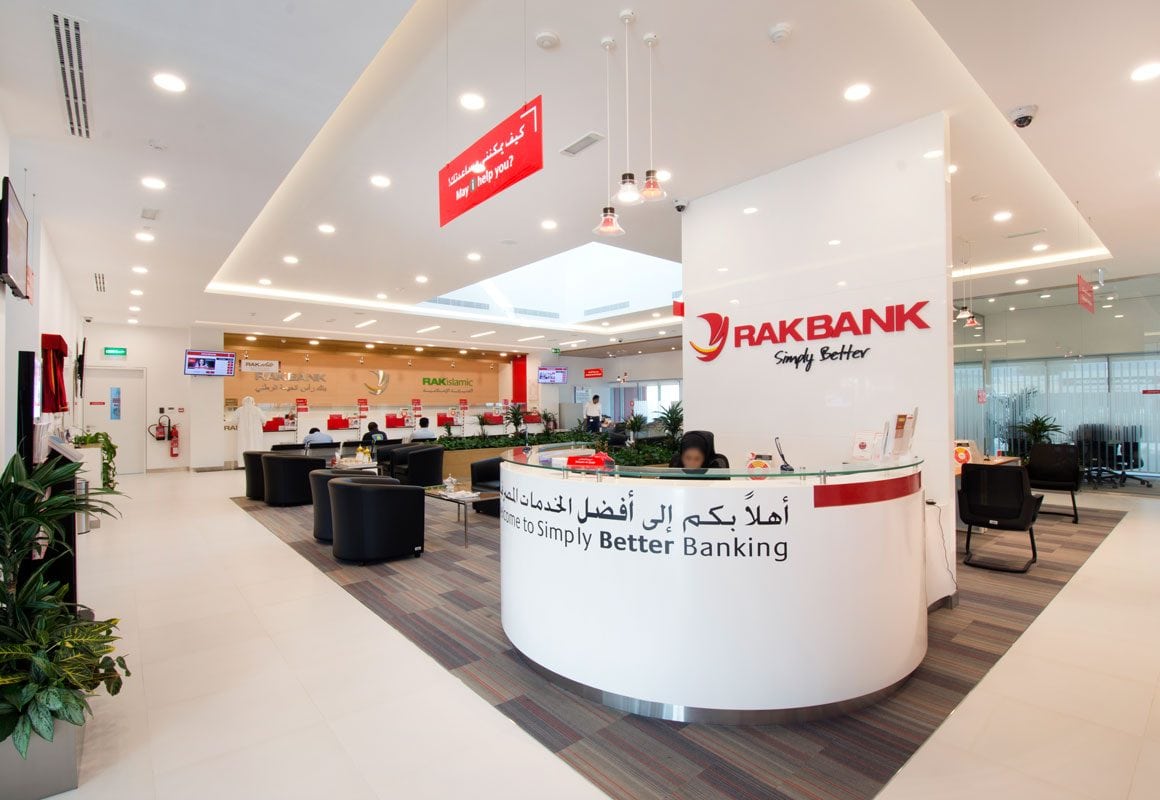
RAK Bank, officially known as the National Bank of Ras Al Khaimah, has announced robust financial results for the third quarter of 2024, highlighting significant growth in interest income alongside a reduction in provisions for loan losses. The bank’s net profit surged by 38% compared to the same quarter in the previous year, reflecting the bank’s effective strategies and the positive impact of the current economic landscape.

The increase in interest income has been attributed to the ongoing rise in interest rates, which has positively influenced the bank’s lending operations. This has resulted in a notable expansion of its net interest margin, a key indicator of a bank’s profitability. RAKBANK reported a net interest income of AED 563 million for the third quarter, marking a 30% increase from AED 433 million in the same period last year. The bank’s focus on optimizing its asset-liability management has allowed it to capitalize on the higher interest rates effectively.

The bank’s lending portfolio also showed resilience, with total loans and advances increasing by 12% to AED 32.4 billion. This growth is reflective of the bank’s strategic emphasis on retail banking and SME (small and medium-sized enterprises) lending, which have been prioritized as key growth areas. Retail loans accounted for a significant portion of the growth, as the bank introduced several attractive products tailored to meet customer needs.

RAKBANK has demonstrated a commendable effort in managing its operational costs, which have remained stable despite the increased lending activity. The cost-to-income ratio improved to 36.5%, down from 38.2% in the previous year, indicating enhanced operational efficiency. This metric is crucial for assessing how well a bank controls its costs relative to its income.

A noteworthy aspect of the quarterly results is the decline in provisions for credit losses, which decreased by 28% year-on-year to AED 96 million. This reduction is significant as it indicates a stabilizing economic environment and improved asset quality. The bank’s non-performing loan (NPL) ratio has also seen improvement, declining to 5.2% from 5.7% in the previous quarter, reflecting the bank’s effective risk management strategies.

RAKBANK’s leadership has expressed confidence in the bank’s strategic direction and financial health. The CEO emphasized the bank’s commitment to maintaining a strong balance sheet while focusing on sustainable growth initiatives. The management believes that by continuing to strengthen its core banking operations and expanding its service offerings, RAKBANK is well-positioned to navigate the current economic climate and capitalize on emerging opportunities.

Market analysts have responded positively to RAKBANK’s financial performance, noting that the bank’s robust results reflect not only its strong operational foundation but also its ability to adapt to changing economic conditions. Analysts project that RAKBANK will continue to benefit from the favorable interest rate environment and that its focus on retail and SME lending will drive further growth in the coming quarters.

The UAE’s overall economic environment remains supportive of banking sector growth, fueled by government initiatives aimed at diversifying the economy and fostering a more robust private sector. RAKBANK’s strategy to align its offerings with national objectives, such as promoting small businesses and innovation, positions it favorably in a competitive landscape.

RAKBANK has been actively investing in technology and digital transformation to enhance its customer service and streamline operations. Initiatives aimed at improving digital banking experiences have garnered positive feedback from customers, helping the bank to attract and retain clients in an increasingly digital-oriented market. The bank’s efforts to embrace fintech solutions are expected to further enhance its competitive edge and operational efficiency.

With these strong third-quarter results, RAKBANK has solidified its position as one of the leading banks in the UAE. The combination of increased interest income, reduced provisions, and efficient cost management underscores the bank’s commitment to delivering value to its shareholders while enhancing customer satisfaction. The management remains optimistic about future growth, emphasizing that continued focus on core banking and customer-centric strategies will be key to navigating the evolving financial landscape.

Russia’s covert network of oil tankers, often referred to as the “shadow fleet,” has drawn intense scrutiny from Western governments as it plays a central role in circumventing sanctions imposed on the country since its invasion of Ukraine. This fleet consists of hundreds of vessels engaged in the global transport of Russian oil, utilizing a web of deceptive practices, shell companies, and obscured ownership to avoid detection and maintain a steady flow of oil exports. As sanctions grow tighter, so do the clandestine methods employed by this fleet, particularly in securing insurance, which is critical for ships to operate globally.

With the imposition of strict international sanctions on Russia, major Western insurers withdrew from covering Russian oil tankers, creating a vacuum that Moscow has scrambled to fill. The creation of alternative insurance networks has become a lifeline for these vessels, allowing them to continue trading. Countries with limited regulatory oversight, such as certain Middle Eastern and Asian nations, have become key players in providing cover to these ships, enabling them to avoid scrutiny. The complex insurance arrangements are often routed through obscure entities that make it challenging for authorities to track or block the movement of sanctioned vessels.

The UK’s recent actions highlight the extent of the shadow fleet’s activities. In September 2024, the UK government sanctioned ten vessels linked to the shadow fleet, each involved in transporting large quantities of Russian oil. These ships, which had collectively moved over $5 billion in Russian oil, were barred from accessing UK ports and removed from the UK ship register. The sanctions underscore how pivotal the shadow fleet has become for Moscow, which has invested over $8 billion to maintain this network, despite the tightening economic pressure from the G7 and other Western nations. Western authorities hope to cripple this vital revenue stream for the Kremlin, but Russia remains defiant, with this secretive fleet operating across key global trade routes.

One of the most significant elements enabling this shadow trade is the reinsurance market. Reinsurance, which helps insurance companies manage risks by sharing portions of large policies with other firms, is a crucial piece of the puzzle for Russia. While direct insurance contracts for Russian tankers have become scarce, reinsurance deals continue to operate through less-regulated markets, creating layers of separation between the insured vessels and their true owners. These arrangements obscure the ships’ connections to Russia and make enforcement of sanctions difficult, as insurers may not always know they are covering Russian vessels. Some reports indicate that companies in regions like Dubai and Singapore are playing an increasing role in providing this indirect coverage, further complicating international efforts to clamp down on the shadow fleet.

The trade routes these vessels follow are also a significant aspect of their operations. Many ships involved in the shadow fleet use transshipment points, such as ports in Greece or off-shore locations in the Mediterranean and Asia, to transfer oil from sanctioned Russian tankers to other vessels. This practice of ship-to-ship transfers allows Russian oil to be rebranded or disguised before being sold on the global market. The use of such tactics has expanded in scale, with Western observers noting a steady increase in the number of these operations as Russia looks to maintain its oil revenues.

As a response to this ongoing trade, the European Union and G7 have both imposed price caps on Russian oil, limiting the price at which it can be sold legally. This measure, implemented in late 2022, was intended to reduce Russia’s profits from oil exports while keeping the global energy market stable. However, the shadow fleet has allowed Russia to bypass these restrictions by selling oil at a discount through third-party buyers. This system of backdoor trading has proven highly effective, even as governments in the West ramp up their sanctions and surveillance efforts.

What stands out in this complex landscape is the role of emerging markets in supporting Russia’s oil trade. Countries such as China and India have dramatically increased their imports of Russian crude, taking advantage of the lower prices and turning a blind eye to sanctions. In turn, their involvement in Russia’s energy exports has further insulated the country from the full impact of Western economic measures. Despite this, the shadow fleet has remained a critical cog in Moscow’s oil export machine, facilitating the continued flow of crude oil to these markets.

Dubai’s real estate sector is poised for a significant expansion, projected to deliver approximately 90,000 new homes within the next two years. This surge, driven by a blend of robust demand, favorable government policies, and infrastructural advancements, marks a pivotal moment in the emirate’s housing market, indicating a strong recovery from the downturn experienced during the pandemic.

The influx of new housing is expected to address the growing population’s needs and meet the demand from expatriates and investors seeking to establish residence in the emirate. Recent reports from various real estate consultancies highlight that Dubai’s property market has shown resilience, with residential sales and rental prices steadily increasing. This trend has been underpinned by factors such as Dubai’s strategic location, world-class amenities, and a business-friendly environment that continues to attract global investments.

Leading real estate developers have ramped up their construction efforts, with several large-scale projects underway across various districts. Notable developers such as Emaar Properties, DAMAC Properties, and Nakheel are among the key players contributing to this ambitious housing agenda. Emaar, for instance, is actively advancing its Dubai Hills Estate and Downtown Dubai projects, which are anticipated to add thousands of units to the market.

Analysts emphasize that this upcoming supply will not only enhance housing availability but also introduce a diverse range of options, from affordable units to luxury villas. The diversification in housing stock is crucial for catering to the varied needs of potential buyers and renters. Moreover, government incentives aimed at boosting homeownership, including long-term residency visas for property investors, have further stimulated market interest.

Data from the Dubai Land Department indicates a remarkable growth trajectory in property transactions. The value of real estate transactions in Dubai reached AED 69 billion (approximately USD 18.8 billion) in the first half of 2024, reflecting a 23% increase compared to the same period in 2023. This vibrant market dynamic is expected to sustain momentum as the emirate continues to position itself as a global business hub.

Emerging trends in the housing market reveal a growing preference for sustainable and smart living solutions. Developers are increasingly incorporating green technologies and sustainable practices in their projects, appealing to environmentally-conscious buyers. This shift is aligned with Dubai’s broader vision to become one of the world’s most sustainable cities, as outlined in its Dubai 2040 Urban Master Plan.

In addition to sustainability, there is a heightened focus on community living, with many new developments emphasizing integrated communities that provide residents with a blend of lifestyle, leisure, and connectivity. The trend reflects a growing recognition of the importance of communal spaces and amenities in enhancing the overall quality of life for residents.

Infrastructure developments also play a pivotal role in bolstering Dubai’s real estate sector. The ongoing expansion of public transportation, including the Metro and road networks, is facilitating easier access to various neighborhoods, thereby enhancing their attractiveness. The upcoming Expo 2025 and the anticipated hosting of major events will further augment the demand for housing, as international visitors flock to experience what Dubai has to offer.

Challenges remain, however, as the market navigates through fluctuations in global economic conditions and interest rates. Rising construction costs and supply chain disruptions pose potential hurdles that could impact project timelines and profitability. Developers are urged to adopt innovative construction methodologies and materials to mitigate these challenges and maintain project viability.

Investors are also keeping a close watch on regulatory developments that could affect market dynamics. The Dubai government’s commitment to transparency and investor protection has fostered a favorable climate for investment. New regulations aimed at enhancing the ease of doing business and ensuring the stability of the property market are likely to maintain investor confidence and encourage further capital inflows.

Hedge funds are increasingly betting against the renewable energy sector, raising concerns over the viability of green investments. As climate change initiatives gain momentum and governments around the world push for a transition to clean energy, a growing number of hedge funds are accumulating short positions, signaling skepticism about the sustainability and profitability of these sectors. This strategic pivot reflects a complex interplay of market dynamics, regulatory […]

Saudi Arabia’s United International Holding has confirmed plans to sell a 30% stake in the company through an initial public offering (IPO). This decision marks a significant move in the Saudi capital markets, reflecting the broader trend of privatization and investment diversification pursued by the kingdom. The company aims to utilize the funds raised through the IPO to enhance its operations and expand its market presence across […]

Octa, a broker with globally recognised licences, will conduct an online trading workshop, ‘Profit Formula’, on 31 October. The event aims to bring the trading community together to share trading expertise. It will feature top industry experts covering crucial trading-related topics and revealing the secrets of achieving consistent success in the financial markets. KUALA LUMPUR, MALAYSIA – Media OutReach Newswire – 18 October 2024 – Many success […]

Taking Place on 24 – 25 October the Forum Brings Together Leading Venture Capitalists and Entrepreneurs to Discuss Global Venture Capital Trends and Challenges, and Explore the Future Path of Hong Kong as the International Innovation and Technology Hub with Fresh Perspectives HONG KONG SAR – Media OutReach Newswire – 19 October 2024 – In the face of the lingering global economic and geopolitical uncertainties, the annual […]

Many industry experts see crypto as having the potential to shape the future of finance, and this year, Bitcoin’s all-time high reflected this sentiment. For traders looking to explore crypto markets, Octa, a globally recognised financial broker, offers valuable tips and insights to help beginners approach trading digital assets effectively. KUALA LUMPUR, MALAYSIA – Media OutReach Newswire – 18 October 2024 – These days, many traders in […]

Lake Shore India Advisory, supported by the Abu Dhabi Investment Authority (ADIA), has successfully raised $143 million in a green loan to expand its Viviana Mall in Mumbai. This move aligns with the growing trend of sustainable financing in the commercial real estate sector, with the funds earmarked for eco-friendly upgrades to the shopping complex, a critical step in enhancing its green credentials. The mall, situated in […]

First Abu Dhabi Bank (FAB), the largest lender in the United Arab Emirates, has reported a remarkable performance for the third quarter of 2024. The bank posted a net profit of $1.2 billion, exceeding analysts’ expectations and reflecting a robust 38% year-on-year growth. This surge is attributed to a diversified revenue mix and strong growth across its core banking operations and investment banking division. FAB’s positive performance […]

Lucid Motors, the electric vehicle manufacturer backed by Saudi Arabia’s Public Investment Fund (PIF), is set to launch a stock sale aiming to raise approximately $1.67 billion. This move comes as the company seeks to bolster its financial position amid ongoing challenges in the EV market, including increased competition and supply chain constraints. With ambitions to expand production capabilities and improve cash flow, Lucid’s strategic decision highlights the importance of capital infusion in achieving its long-term growth objectives.

Founded in 2007, Lucid Motors initially gained attention for its luxury electric sedans, particularly the Lucid Air, which offers high performance and premium features. The vehicle has garnered numerous accolades for its impressive range and innovative technology, solidifying Lucid’s position as a key player in the luxury EV segment. The company went public in 2021 through a merger with a special purpose acquisition company (SPAC), further fueling expectations of significant growth and innovation.

The stock offering is expected to be conducted through an underwritten public offering, with the PIF participating as a significant investor. This partnership with the Saudi fund underscores the commitment of both entities to not only enhance Lucid’s market position but also align with Saudi Arabia’s broader economic diversification plan, Vision 2030. This initiative aims to reduce the kingdom’s dependence on oil revenues by investing heavily in renewable energy and technology sectors.

Financial analysts view this stock sale as a necessary step for Lucid to secure funds to navigate the challenges of scaling production while maintaining quality and safety standards. The company has faced scrutiny over its production timelines, with initial targets for delivering vehicles falling short of expectations. As Lucid ramps up its manufacturing capabilities, having sufficient capital will be crucial for maintaining operational efficiency and meeting consumer demand.

Recent data indicates that Lucid delivered a total of 2,000 vehicles in the first half of the year, a significant increase from previous figures, but still below market expectations. Analysts suggest that this stock sale could provide Lucid with the financial flexibility to address bottlenecks in its supply chain and enhance its manufacturing processes.

Competition in the luxury EV space is intensifying, with established automakers such as Tesla, Rivian, and traditional automotive giants investing heavily in electric vehicle development. This competitive landscape necessitates that Lucid not only increases production but also invests in marketing and customer acquisition strategies to capture a larger share of the growing EV market.

Lucid’s management has indicated plans to introduce new models in the coming years, including an SUV variant that could broaden its appeal beyond the luxury sedan segment. Such diversification is expected to attract a wider customer base and generate additional revenue streams. However, executing these plans requires substantial investment in research and development, which the anticipated stock offering aims to support.

Investor sentiment surrounding Lucid remains cautiously optimistic, especially given the strategic backing from the PIF. This partnership not only provides financial resources but also enhances Lucid’s credibility in the global market. As part of Saudi Arabia’s strategy to invest in innovative technologies, the PIF’s involvement serves to align Lucid with the kingdom’s goals of fostering sustainable energy solutions and advancing technological advancements.

Despite the promising outlook, challenges remain for Lucid. The automotive industry has been significantly impacted by ongoing supply chain disruptions, including semiconductor shortages that have hindered production across the sector. As a new player in the industry, Lucid must navigate these hurdles effectively to establish itself as a viable competitor against more established manufacturers.

Lucid’s market performance has been volatile since its public debut, reflecting broader trends in the EV sector. Investors are closely monitoring Lucid’s ability to execute its growth strategies and achieve profitability in the coming quarters. The outcome of the stock sale will play a crucial role in shaping the company’s future trajectory and investor confidence.

As the electric vehicle market continues to evolve, Lucid’s strategic decisions will be closely scrutinized by industry observers and investors alike. The forthcoming stock offering is a pivotal moment for the company, as it seeks to secure the necessary funds to enhance its production capabilities and innovate its product line.

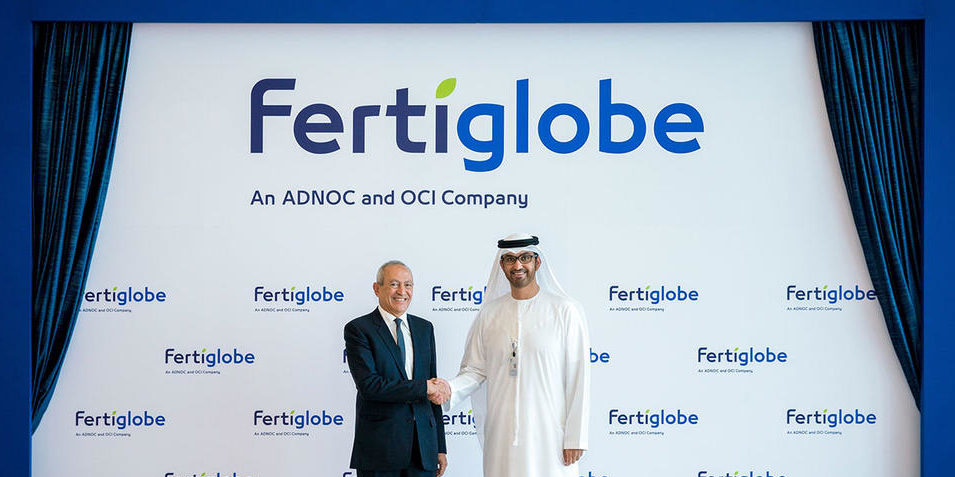
Fertiglobe, a prominent player in the nitrogen fertilizer industry, is making significant strides in securing long-term ammonia contracts, a move that could reshape its growth trajectory. The CEO, Hassan Badrawi, recently emphasized that these contracts are pivotal in bolstering the company’s market position and enhancing its profitability in an evolving landscape.

The company, a joint venture between Abu Dhabi National Oil Company (ADNOC) and OCI N.V., has been actively pursuing long-term agreements with key industrial clients globally. These contracts, spanning multiple years, are designed to provide stable pricing and guaranteed supply, allowing Fertiglobe to navigate the volatility often seen in the commodity markets. Badrawi noted that securing these contracts not only solidifies relationships with clients but also ensures a consistent revenue stream that supports long-term investments in production capacity and technology.

Fertiglobe’s approach aligns with broader industry trends, where manufacturers are increasingly prioritizing sustainability and supply chain resilience. The global ammonia market has experienced fluctuations due to geopolitical tensions, trade dynamics, and changing regulatory environments. Fertiglobe aims to mitigate these challenges by locking in long-term agreements that provide predictability in supply and pricing. This strategy is particularly crucial as countries transition towards more sustainable agricultural practices and seek reliable sources of nitrogen fertilizers.

The CEO highlighted the importance of innovation in Fertiglobe’s operations. The company has been investing heavily in technology to enhance production efficiency and reduce carbon emissions. Fertiglobe is committed to producing “green ammonia,” which is generated using renewable energy sources and is expected to play a crucial role in meeting future fertilizer demand while addressing environmental concerns. This commitment to sustainability resonates with clients who are increasingly seeking eco-friendly solutions in their supply chains.

The ammonia market is witnessing robust growth, fueled by rising global food demand and a push for more sustainable agricultural practices. As populations expand and dietary patterns shift, the need for effective fertilizers has never been more critical. Fertiglobe’s strategic focus on long-term contracts positions it favorably to capitalize on this growth, ensuring that it can meet the needs of its customers while also contributing to global food security.

Fertiglobe’s operational footprint is another factor that enhances its competitive advantage. The company’s facilities, located in the United Arab Emirates, benefit from proximity to key markets and access to essential raw materials. This geographical advantage not only reduces transportation costs but also improves supply chain efficiency. By securing long-term contracts with local and regional clients, Fertiglobe is poised to solidify its role as a reliable ammonia supplier.

Analysts are optimistic about Fertiglobe’s strategy. The company is seen as a key player in the ammonia sector, with the potential to expand its market share significantly. The move towards long-term contracts aligns with investor expectations for stability and growth, particularly in a sector characterized by fluctuations in demand and supply. As the agricultural sector increasingly emphasizes sustainability, Fertiglobe’s initiatives in producing green ammonia are likely to attract attention and investment.

Fertiglobe’s commitment to transparency and ethical practices strengthens its position in the market. As stakeholders demand greater accountability from corporations, Fertiglobe’s focus on sustainable practices and responsible sourcing is expected to enhance its reputation and foster long-term relationships with clients. This ethical approach not only appeals to consumers but also aligns with the growing expectations from investors for companies to prioritize environmental, social, and governance (ESG) factors.

Fertiglobe’s initiatives reflect a broader industry shift towards greater collaboration among key players. The establishment of long-term contracts is not just about securing sales; it also involves sharing knowledge and resources to drive innovation in fertilizer production and distribution. As Fertiglobe continues to forge strategic partnerships, the potential for collaborative projects that enhance sustainability and efficiency becomes increasingly feasible.

As the global market for ammonia evolves, Fertiglobe is well-positioned to adapt to changing dynamics. The emphasis on long-term contracts reflects a proactive strategy to ensure stability and growth, while the commitment to innovation and sustainability aligns with industry trends. With food security and environmental sustainability at the forefront of global concerns, Fertiglobe’s initiatives in securing long-term ammonia contracts underscore its role as a pivotal player in the agricultural supply chain.

FTT, the native token of the defunct FTX exchange, has witnessed a significant overnight price surge, raising eyebrows and suspicions within the cryptocurrency community. Currently trading close to the $3 mark, the token has experienced an impressive rally of approximately 16%. This sudden surge comes in the context of a broader recovery in the cryptocurrency market, which has seen various altcoins gaining momentum. However, many analysts are cautioning that this rise may not be a straightforward bullish signal, but rather a potential setup for market manipulation orchestrated by larger investors, commonly referred to as “whales.”

The surge in FTT’s price has been attributed to several factors, including increased trading volumes and speculative interest from investors hoping to capitalize on the anticipated recovery of cryptocurrencies following a turbulent period. Market dynamics have seen FTT becoming a focal point for traders, particularly as interest in altcoins resurges. However, the sudden nature of the price movement has led some analysts to speculate about the underlying motives driving this activity. The price rally appears disconnected from any fundamental developments associated with FTX, especially given the ongoing legal proceedings and regulatory scrutiny surrounding the exchange’s collapse.

Whale activity in the cryptocurrency market is well-documented and often leads to drastic price fluctuations. These larger holders can significantly influence market prices through large buy or sell orders, leading to manipulation concerns among smaller investors. Experts suggest that the current spike in FTT’s price may be an orchestrated move to entice retail investors to enter the market, potentially leaving them vulnerable to losses once larger investors decide to offload their holdings at a profit. This tactic is not new; similar patterns have been observed in the past, where sudden price surges preceded sharp declines, raising alarms about the integrity of market movements.

Market analysts are also examining the overall trading patterns of FTT. The trading volume has seen a marked increase, suggesting heightened interest. Data indicates that this surge could be a strategic play by whales looking to manipulate sentiment around FTT. Analysts advise caution, highlighting the historical context of FTT’s price fluctuations, which have been marked by volatility since the collapse of FTX. The token was once a key player in the crypto landscape but has struggled to regain its footing in the wake of significant regulatory challenges and public scrutiny.

As FTT nears the critical $3 threshold, the cryptocurrency market is rife with speculation. Many traders are monitoring the situation closely, attempting to discern whether this price increase represents a genuine recovery or a setup for a potential downturn. This pivotal moment may act as a litmus test for investor sentiment and the broader market’s reaction to price manipulations. The fear of being caught in a “whale trap” is palpable, especially for new entrants in the market who may lack the experience to navigate these complex dynamics.

Investors are urged to remain vigilant and to conduct thorough research before making decisions related to FTT or any other tokens exhibiting similar price patterns. The implications of whale manipulation can be severe, leading to significant financial losses for unsuspecting investors. Many market participants are advocating for increased transparency and regulatory oversight in the cryptocurrency space to protect investors from these potentially harmful practices.

Despite the challenges, there remains a strong community of supporters rallying around FTT and its potential for a comeback. Some proponents argue that the current rally is indicative of a broader trend within the cryptocurrency sector, where tokens can rebound despite adverse conditions. This perspective emphasizes the possibility of recovery and growth, contingent on improved market conditions and regulatory clarity.

The development of decentralized finance (DeFi) protocols and growing adoption of cryptocurrencies by mainstream financial institutions may provide a foundation for a more stable future for tokens like FTT. As the crypto market evolves, the ability to mitigate manipulation risks through technological advancements and regulatory frameworks will be critical in shaping investor confidence.

Abu Dhabi National Hotels (ADNH) Catering has set the final price for its Initial Public Offering (IPO) at AED 1.18 per share. This decision comes as the company prepares to list its shares on the Abu Dhabi Securities Exchange, with trading expected to commence on October 23. The pricing reflects a market capitalization of approximately AED 1.79 billion ($487 million) and follows a successful offering process that garnered strong interest from both institutional and retail investors.

The IPO represents a significant opportunity for ADNH Catering to enhance its capital structure and expand its operations. The company plans to utilize the proceeds from the IPO to support its growth strategy, which includes diversifying its services and improving operational efficiencies. This strategic move aligns with the broader goals of the Abu Dhabi government to bolster the local economy and increase the participation of private sector entities in the market.

ADNH Catering has been a key player in the hospitality and catering sectors in the UAE, offering a range of services including catering solutions for events, institutional catering, and food services for hotels and restaurants. The company’s strong market position is underpinned by its extensive experience and reputation for quality, making it a preferred partner for various clients in the region.

Market analysts view the IPO as a positive development for both ADNH Catering and the broader UAE market. The successful pricing indicates robust investor confidence in the company’s future prospects. The IPO follows a growing trend of public offerings in the Gulf Cooperation Council (GCC) region, which has seen increased activity in the capital markets as companies seek to capitalize on favorable economic conditions and investor appetite.

Investors’ interest in the ADNH Catering IPO has been driven by several factors, including the company’s track record of profitability and its plans for future expansion. According to reports, the IPO attracted significant attention from institutional investors, with the offering being oversubscribed multiple times. This enthusiasm reflects a broader trend of investor confidence in the UAE market, driven by various economic reforms and a commitment to diversifying the economy.

The UAE’s hospitality sector has shown resilience and adaptability in the face of global challenges, such as the COVID-19 pandemic. As travel restrictions have eased, there has been a notable resurgence in tourism, leading to increased demand for catering services. ADNH Catering aims to leverage this recovery by enhancing its service offerings and expanding its market reach both domestically and internationally.

The IPO is expected to contribute to the UAE’s goal of attracting foreign direct investment. By providing a platform for local companies to access capital, the IPO aligns with the UAE’s Vision 2030 initiative, which seeks to transform the economy by fostering innovation and increasing private sector participation. This initiative is vital for maintaining the UAE’s competitive edge in the global market.

As the date for the start of trading approaches, ADNH Catering has focused on ensuring a smooth transition to the public market. The company has engaged with stakeholders, including investors, financial advisors, and regulatory bodies, to prepare for its debut on the Abu Dhabi Securities Exchange. This proactive approach is designed to instill confidence among potential investors and promote transparency in the company’s operations.

The finalization of the IPO price marks a critical milestone for ADNH Catering, which has undergone significant transformations in recent years. The company has invested in modernizing its infrastructure and enhancing its service capabilities to meet the evolving needs of its clients. This commitment to innovation positions ADNH Catering well for future growth in a competitive market.

The success of the IPO is also likely to inspire other companies in the region to consider going public. As more firms seek to tap into the capital markets, the UAE could see a surge in IPO activity, further solidifying its status as a financial hub in the Middle East. This trend could lead to increased liquidity in the market and offer investors more opportunities to diversify their portfolios.

Analysts are closely monitoring the developments surrounding ADNH Catering’s IPO, recognizing its potential implications for the broader market. The company’s listing is expected to attract considerable attention from both domestic and international investors, adding to the vibrancy of the Abu Dhabi Securities Exchange. The interest generated by the offering underscores the confidence investors have in the company’s growth trajectory and the overall health of the UAE economy.

Nokia’s third-quarter performance failed to meet expectations, with net sales dropping to €4.33 billion, down 7% from the previous year. The company’s recovery, anticipated to pick up by now, has been slower than forecasted. While Network Infrastructure and Nokia Technologies divisions saw some growth, a significant drop in Mobile Networks, particularly in India, along with divestments in Cloud and Network Services, led to this overall decline. Despite these setbacks, Nokia maintained its full-year outlook, expecting profits at the lower end of its projected range.

Nokia’s profit did see a year-on-year improvement, rising to €169 million, while comparable profit from continuing operations increased to €358 million. However, these gains could not offset the overall sales decline. Nokia’s mobile networks, especially in key markets, face challenges, with weaker demand, notably in India, being a major factor. The company continues to focus on operational cost-cutting to counterbalance slow sales recovery.

Despite missing sales estimates, Nokia remains committed to its longer-term goals, aiming for improved margins and profitability through to 2026. The company’s leadership is banking on ongoing restructuring and investments in 5G and new technologies to drive this future growth. Nonetheless, investor concerns remain, particularly given the sluggish turnaround and competitive pressures in the global telecom sector.

KUALA LUMPUR, MALAYSIA – Media OutReach Newswire – 16 October 2024 – The U.S. dollar holds significant sway over global markets, particularly for traders in India and Southeast Asia. This release highlights the critical importance of monitoring the dollar’s value and explores how its fluctuations affect currency pairs, commodity prices, and market strategies in the region. The U.S. dollar’s dominance in global trade and finance is unparalleled. […]

VISHNU RAJA
RYO YAMADA
HITORI GOTOH
IKUYO KITA
Just in:
Rahul addresses League’s INDIA bloc grievances
// Egypt’s African Union trade climbs to $8.2 billion // Toward a Shared Future for Humanity: Rethinking Civilizational Exchange // Yeebo Announces Interim Results for FY26/27 Revenue Increases by 45.5% to HK$806.7 Million Profit Attributable to Owners Surges 87.6% to HK$2,284.7 Million // 2026 Tropical Rainforest Ecosystem Partners Conference Kicks off in Hainan // Sabarimala booking discrepancies prompt sabotage angle probe // US military rebuts Iran’s Gulf F-16 strike allegation // Balagopal challenges CM over tax revenue // Dubai Introduces SHARH, an AI-Powered Platform Helping Entrepreneurs Buy, Sell and Manage Businesses in the UAE //
Centre grants aircraft cabin access for Sabarimala pilgrims’ irumudi
// Fungal toxins detected across 212 UK plant-based products // Russia permits retail cryptocurrency purchases under regulated framework // Workday targets Honeydew purchase to unify AI metrics // Padmini follows Padmaja for ‘ghar vapsi’ // Jaiedco and Golden Bridge Announce Strategic Collaboration for a New Dubai Islands Development // Promoting Common Human Development Through Exchanges and Mutual Learning Among Civilizations // Diabetes Malaysia And Alpro Pharmacy Set National Record With 11,007 Most Blood Glucose Screenings Conducted Across Malaysia In Just 48 Hours // Crypto market loses $150 billion amid broad sell-off // PayerMax and ShopeePay Strengthen Strategic Partnership to Advance Digital Payment Collaboration in Southeast Asia // ED searches five districts in probe against hawala //