HONG KONG SAR – Media OutReach Newswire – 24 April 2026 – AS Watson Group has been ranked No. 14 globally in the 2026 NRF Top 50 Global Retailers List1. The recognition places AS Watson among the world’s top 15 retailers and reinforces its position as one of the leading international retail groups and the highest-ranked global health and beauty retailer on the list.
“Retail today demands more than scale, it requires agility, digital precision and deep customer trust,” said Dr. Malina Ngai, Group CEO of AS Watson. “Being ranked among the world’s top 15 retailers is a timely affirmation that we are focusing on the right priorities: disciplined allocation of capital, an unwavering focus on customers, empowered by technology and executed with discipline.”
“As we celebrate our 185th anniversary this year, this recognition is especially meaningful. Since 1841, AS Watson has evolved through generations of change – economic cycles, technological revolutions and shifting consumer expectations. Our presence across Asia and Europe has strengthened our ability to combine the speed and digital dynamism of Asia with the operational excellence and retail heritage of Europe.”
“In an increasingly digital retail world, we believe our true differentiation lies in combining advanced data, AI and seamless O+O (Offline plus Online) integrated capabilities with something far more enduring – the human touch. That combination of digital precision and human service drives stronger conversion, deeper loyalty and long-term trust. It is this balance that has sustained us for 185 years, and will continue to define our leadership in the years ahead.”
Scaling AI and Personalisation at Global Reach
AS Watson has accelerated investments in AI-powered personalisation, advanced analytics and digital ecosystems across its brands. By integrating loyalty data, online platforms and in-store engagement, the Group continues to enhance customer relevance while improving operational efficiency.
This data-driven approach enables: – A strengthened focus on customer needs – More precise assortment and pricing strategies – Enhanced loyalty engagement – Faster supply chain responsiveness
Resilient Growth in a Volatile Environment
Amid ongoing supply chain volatility, cost pressures and shifting consumer behaviour, AS Watson has demonstrated resilience through diversified geographic exposure, strong local market execution and disciplined cost management.
The Group’s scale, combined with agile regional operations, positions it to respond swiftly to market dynamics while sustaining long-term growth.
The issuer is solely responsible for the content of this announcement.
About AS Watson Group
Established in 1841, AS Watson Group is one of the world’s longest-standing and most recognised retail companies with roots in Asia. Today, the company operates over 17,000 stores across 12 retail brands in 31 markets, employing 130,000 people globally. This makes AS Watson Group the largest international health and beauty retailer in the world.
In the fiscal year 2025, AS Watson Group reported revenue of over US$26 billion. The company’s technology-enabled O+O (Offline plus Online) platforms serve over 6 billion shoppers annually, seamlessly integrating physical and digital retail experiences.
AS Watson Group supported over 180 charitable and non-profit organisations every year, dedicating over 40,000 hours of volunteer work to serve over 370,000 people in need in our operating markets.
AS Watson Group is also a member of the world-renowned multinational conglomerate CK Hutchison Holdings Limited, which has four core businesses ‐ ports and related services, retail, infrastructure and telecommunications in over 50 countries.
Federal prosecutors have charged a U. S. Army Special Forces master sergeant with using classified information from a military operation in Venezuela to make more than $400,000 through prediction-market bets, opening a criminal case that links national security secrecy with the expanding trade in event contracts. Gannon Ken Van Dyke, 38, of Fayetteville, North Carolina, was named in an indictment unsealed in Manhattan federal court on charges […]
Arabian Post Staff -Dubai Abu Dhabi’s Aldar has sold 80 per cent of the homes released at Yas Park Place, generating more than AED800 million in sales and underscoring sustained investor appetite for lifestyle-led residential communities on Yas Island. The sales result places the project among the developer’s stronger launches of 2026, at a time when Abu Dhabi’s property market is drawing deeper interest from both […]
HONG KONG SAR – Media OutReach Newswire – 23 April 2026 – Hong Kong’s small businesses delivered their strongest performance in a decade in 2025, while confidence in the year ahead has climbed to a record high, according to CPA Australia’s latest Asia‑Pacific Small Business Survey 2025–26.
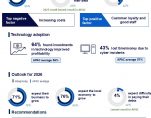
The survey shows that 68 per cent of Hong Kong SMEs recorded growth in 2025, up from 65 per cent in 2024 and marking the highest result on record. This positive momentum is expected to continue this year, with 71 per cent of SMEs expecting their businesses to grow and 76 per cent anticipating growth in the local economy — both at record highs. Customer loyalty and a strong workforce were identified as key drivers behind SMEs’ solid performance last year.
Mr Cliff Ip, Councillor of CPA Australia’s Greater China Divisional Council, said Hong Kong’s improving business environment played a critical role in supporting SME growth. “Hong Kong’s business confidence and economic growth strengthened last year, supported by robust capital markets, a recovery in tourism and consumption, and signs of stabilisation in the property market,” said Mr Ip. “Against this stable and supportive backdrop, small businesses not only benefited from increased business activity, but were also able to expand in a healthy and sustainable manner.”
Looking ahead, Mr Ip noted that while global geopolitical tensions and external uncertainties pose rising challenges, Hong Kong’s underlying strengths remain a key advantage for SMEs. “Rising geopolitical risks are likely to create headwinds for many sectors such as trade and logistics through higher fuel costs and supply chain disruptions. However, I remain confident about Hong Kong’s overall business outlook this year,” he said. “As many regions become more unpredictable or less secure, Hong Kong’s stable and consistent business environment, together with supportive policy settings including the city’s low and simple tax regime stand out as important advantages in attracting international companies and investors.”
Mr Ip added that these developments also present new opportunities for local SMEs, particularly as increased international interest creates scope to build partnerships, expand networks and tap into new markets. “This environment also creates favourable conditions for younger entrepreneurs to explore emerging markets and pursue new business opportunities,” he said.
Improved business performance has strengthened the solvency of many local SMEs. The share of businesses reporting difficulty paying debts fell sharply from 22 per cent in 2024 to just 3 per cent in 2025, while only 4 per cent expect to face difficulties this year, down markedly from 26 per cent previously. As a result, Hong Kong small businesses are now the least likely among the surveyed businesses to report solvency concerns.
Mr Ip said, “The solvency of many SMEs has notably improved, driven by stronger cash flow from improved business growth, a robust capital market and a recovering property market over the past year. This healthier cashflow has both supported easier access to external finance and reduced the need for such finance.”
Hong Kong SMEs have also strengthened their capability to invest in technology that delivers rapid improvements in profitability. In 2025, 64 per cent of SMEs reported that their technology investment in that year helped improve profitability, up from 59 per cent in 2024. Two in five Hong Kong SMEs invested in artificial intelligence (AI) last year, making it the leading technology investment among local SMEs, followed by customer relationship management (CRM) software.
At the same time, cyber protection has improved, with the share of Hong Kong businesses reporting losses from cyber incidents falling sharply from 72 per cent in 2024 to 43 per cent in 2025. However, as digitalisation accelerates, cyber risks remain elevated, with nearly three in five SMEs expecting to face cyber threats this year, above the survey average 42 per cent.
Mr Davy Leung, Deputy Chairperson of CPA Australia’s SME and Entrepreneurship Committee of Greater China, said the growing maturity and availability of AI tools is helping SMEs enhance productivity, reduce operating costs and improve customer experience.
(Left) Mr Davy Leung, Deputy Chairperson of SME and Entrepreneurship Committee 2026 from CPA Australia (Right) Mr Cliff Ip Greater China Divisional Councillor 2025 from CPA Australia
“However, rising digital fraud, wider AI adoption and SMEs’ increasing reliance on digital banking have prompted the Hong Kong Government to significantly strengthen banking security and cybersecurity resilience over the past year. This includes the rollout of low-cost and practical initiatives such as the Cybersec One Programme and the continued implementation of the ‘9+5’ SME support measures. The decline of cyberattack-related losses reported in the survey in part reflects the effectiveness of these measures.
“As cybersecurity threats and digital fraud risks continue to escalate, SMEs should make better use of these available resources, including free website risk assessments and vulnerability identification services, to strengthen their defence capabilities and safeguard business operations.”
Mr Leung also suggested that the Government consider revamping the Technology Voucher Programme to support broader digitalisation efforts, including the adoption of both AI and non-AI technologies. He added that enhanced training support would help SMEs identify and implement modern tools to drive innovation, improve efficiency and strengthen long-term competitiveness.
Rising costs remain a key challenge for Hong Kong SMEs in 2025, with 29 per cent reporting it having a negative impact on their business. However, this was the second‑lowest level among all surveyed markets, underscoring Hong Kong’s relatively low inflationary environment last year. Notably, the share of SMEs citing staff costs as a negative factor rose from 35 per cent to 42 per cent, making it the most significant cost pressure for Hong Kong businesses in 2025. This increase may help explain why the proportion of SMEs hiring additional staff declined from 42 per cent to 38 per cent last year.
Mr Leung said, “Increasing costs remain a significant barrier for many SMEs across Asia‑Pacific region, but Hong Kong’s relatively low inflation has helped cushion the impact on local small businesses,” Mr Leung said.
Mr Leung added that while headcount growth has moderated, overall staff costs have continued to rise as businesses invest in higher‑value talent. “Greater digitalisation and automation have helped ease labour constraints in Hong Kong. When SMEs do add staff, they are increasingly recruiting employees with digital and AI capabilities, or creating new roles to support business transformation. These positions typically command higher salaries, which has contributed to higher overall staff costs despite slower hiring growth.”
The annual survey collected the views of 4,166 small businesses across 11 Asia-Pacific markets, including Singapore, the Chinese Mainland, and Australia, with 305 respondents from Hong Kong. Hashtag: #CPAAustralia
The issuer is solely responsible for the content of this announcement.
About CPA Australia
CPA Australia is Australia’s leading professional accounting body and one of the largest in the world. We have more than 176,000 members in over 100 countries and regions. Our core services include education, training, technical support and advocacy. CPA Australia provides thought leadership on local, national and international issues affecting the accounting profession and public interest. We engage with governments, regulators and industries to advocate policies that stimulate sustainable economic growth and have positive business and public outcomes. A CPA is a Certified Practising Accountant. More at cpaaustralia.com.au
A newly disclosed cyberattack using destructive malware known as Lotus Wiper has put Venezuela’s energy and utilities sector under sharper scrutiny, highlighting how digital sabotage is moving beyond theft and extortion towards permanent operational damage. Security researchers say the malware was designed to erase data, cripple recovery options and leave affected systems unusable, signalling a far more aggressive intent than the ransomware campaigns that have dominated critical […]
Arabian Post Staff -Dubai Commodity trading houses are drawing another surge in earnings as the conflict centred on Iran tears through oil, gas and shipping markets, sending prices higher, widening regional differentials and creating the kind of volatility that large physical merchants have historically turned into outsized gains. The upheaval has hit flows through the Strait of Hormuz, jolted tanker availability, lifted insurance costs and scrambled crude […]
Arjavi Indraneesh While demand for shisha smoking is steadily going up, air quality regulations, fire safety concerns and the operational burden of managing charcoal-based systems have historically presented challenges to hospitality venues. Ronan Barry, Chief Legal and Corporate Affairs at AIR, the global leader in hookah and pioneer in advanced inhalation technologies, spoke to the Arabian Post on the emerging shisha trends and the company’s future plans. […]
flydubai will begin daily flights to Bangkok’s Don Mueang International Airport on July 1, expanding its Thailand network beyond Krabi and adding a second entry point into one of Southeast Asia’s busiest travel markets. The service will operate from Terminal 3 at Dubai International Airport under the carrier’s codeshare partnership with Emirates, giving passengers onward access across a wider global network.
The move is more than a straightforward route launch. It signals how Dubai’s low-cost carrier is sharpening its focus on high-demand leisure and business corridors in Asia while using its partnership model to compete more effectively against full-service rivals. Bangkok has long been a major draw for Gulf-based travellers, migrant communities, short-break tourists and business passengers, and the use of Don Mueang rather than Suvarnabhumi suggests flydubai is aiming for a cost-efficient operating base while still tapping into the Thai capital’s large catchment area.
According to the published schedule, outbound flight FZ1333 will leave Dubai at 01:35 and arrive in Bangkok at 11:25, while return flight FZ1334 will depart Don Mueang at 23:50 and land in Dubai at 03:25 the next day, all in local times. Introductory return fares start at AED 11,100 in Business Class and AED 3,000 in Economy Class Lite from Dubai, with corresponding starting fares from Bangkok at THB 83,900 and THB 22,100. Those fare levels position the route as a hybrid offering rather than an ultra-budget play, reflecting flydubai’s steady shift towards a broader market that includes premium leisure and corporate demand.
The airline’s management has framed the Bangkok launch as a response to strong summer demand and as part of a wider effort to deploy capacity where yields and passenger volumes justify expansion. The commercial logic is supported by flydubai’s broader performance. In 2025, the carrier reported revenue of AED 13.6 billion, pre-tax profit of AED 2.2 billion, passenger traffic of 15.7 million and a network spanning 140 destinations, underlining both scale and financial resilience at a time when many airlines continue to wrestle with fleet bottlenecks, maintenance costs and geopolitical disruptions.
That backdrop matters because airline route announcements do not happen in isolation. Carriers are adding capacity cautiously, especially where aircraft supply remains constrained. flydubai ended 2025 with a fleet of 97 aircraft and has been pursuing long-term growth with major Airbus A321neo and Boeing 737 MAX orders, broadening a fleet strategy that was once almost entirely centred on Boeing narrow-bodies. That gives the airline more room to grow deeper into medium-haul markets where price-sensitive demand overlaps with demand for better connectivity and upgraded cabin products.
Thailand fits that strategy well. Demand between the Gulf and Thailand has been supported by tourism, retail travel, medical trips, visiting friends and relatives, and small-business movement. Bangkok also works as a distribution point for wider travel into Thailand and neighbouring markets. By choosing Don Mueang, flydubai enters a major airport with a strong low-cost profile and dense domestic and regional links. For passengers, the appeal is likely to rest on timing, one-stop connectivity through Dubai, and the convenience of booking through the Emirates partnership on a single ticket with baggage checked through.
The Bangkok service also reflects a wider pattern in Gulf aviation. Airlines based in Dubai, Abu Dhabi and Doha have spent years turning geographic advantage into network depth, linking Europe, Asia and Africa through hub operations that can absorb both premium and value-focused traffic. flydubai’s role in that system has evolved significantly. It no longer operates purely as a low-cost feeder or point-to-point budget airline. Its commercial model now leans on network breadth, underserved routes, codeshare traffic and selective premium demand, a shift reinforced by a 19 per cent rise in Business Class uptake last year.
HONG KONG SAR – Media OutReach Newswire – 20 April 2026 – The Institute of ESG & Benchmark (IESGB) proudly announces the launch of the ESG Achievement Awards 2025/2026, marking another milestone in recognising outstanding achievements in environmental, social, and governance (ESG) practices. Building on its established legacy, this year’s Awards will spotlight organisations and individuals that are strengthening resilience and long-term competitiveness through people-centric ESG strategies, responsible leadership, and measurable impact. The Early Bird application period is open until 15 May 2026.
This year’s ESG Achievement Awards are centred around the theme “Shaping a Resilient Future Through People and ESG,” placing a strong emphasis on ESG education and human capital development. In today’s fast-evolving landscape, organisations are increasingly recognising that sustainable success depends not only on strategy, but on equipping people with the right skills, capabilities, and mindset. This year, entrants are invited to showcase how they embed ESG into their culture, invest in talent development, and foster accountability and employee engagement in ESG across all levels of the organisation.
In addition to continuing to recognise holistic ESG excellence across environmental stewardship, social responsibility, and governance, the Awards introduce new award that reflect evolving market priorities. And the newly launched Outstanding Women Empowerment Awards will celebrate organisations that drive measurable progress in gender equality, workplace inclusion, and leadership representation.
Mr Paul Pong, Co-Founder of IESGB, highlighted the significance of this year’s theme, stating, “As ESG continues to mature, we are seeing that resilience is built not only through strategy, but through people who understand how to turn ESG principles into action. This year’s Awards are designed to recognise organisations that are investing in human capital, reinforcing ESG ownership, and embedding sustainability into the way they work every day.”
Mr Vincent Pang, Chairman of the Jury Panel, shared his perspective, saying,”What truly distinguishes the strongest entries is not just ambition, but tangible evidence — measurable progress, genuine execution, and long-term impact. Under this year’s theme ‘Shaping a Resilient Future Through People and ESG,’ we are especially looking for organisations that embed ESG into their culture, invest in human capital development and ESG education, and drive meaningful inclusion and women’s empowerment.”
The Awards will continue to honour excellence across a comprehensive range of categories, covering corporate ESG performance, innovative projects, sustainable vision, talent development, and individual leadership. With a distinguished and diverse jury panel comprising experts from academia, finance, corporate governance, and sustainability, submissions will be evaluated based on impact, innovation, transparency, and alignment with ESG principles. Winners of the ESG Achievement Awards 2025/2026 will be celebrated at the prestigious Awards Ceremony Luncheon, scheduled for September 2026. The Awards continue to serve as a leading platform for knowledge exchange, peer learning, and recognition of best practices that contribute to a more sustainable and resilient economy.
Award Categories
Category
Sub-Categories
1. ESG Benchmark Awards
1.1) Outstanding Performance in Environmental Responsibility
1.2) Outstanding Performance in Social Responsibility
1.3) Outstanding Performance in ESG Governance
2. Outstanding ESG Awards
2.1) Listed Company
2.2) Non-Listed Company
2.3) NGO /NPO
3. (New) Outstanding Women Empowerment Awards
3.1) Company /Organisation
4. Outstanding ESG Product and Service Awards
4.1) Company /Organisation
5. Outstanding Fund Manager’s Choice Awards
5.1) Only applicable to entrants from Category 1 &2.1 (Listed Company).
6. Outstanding Sustainable Vision Awards
6.1) Company /Organisation
7. Outstanding ESG Innovative Project Awards
7.1) Company /Organisation
8. Outstanding ESG Talent Development Awards
8.1) Company /Organisation
9. ESG Elite Awards
9.1) Individual
10. Honorary Awards (By invitation only)
10.1) Company /Organisation
10.2) Individual
10.3) Outstanding Sustainability Dividend Awards
Key Dates (Subject to change)
Date
Key Milestone
20 April
Awards Launch & Open for Application
Early Bird: 15 May
Standard: 15 June
Application Deadline
July
Judging Period
July
Presentations to the Jury Panel
*Upon confirmation for applicants requiring presentation
August
Finalist Announcement
September
Award Ceremony Luncheon *Subject to venue availability
Jury Panel (in alphabetical order of last name)
Full Name
Post
Chairman of Jury Panel
Mr Vincent Pang
Managing Partner AVISTA Group
Vice Chairman of Jury Panel
Ms Ashley Khoo
Past President CFA Society Hong Kong
Jury Panel Members
Ms Fanny Chan
Chief Human Resources Officer CTF Life
Ms Mabel Chan
Veteran of mutual fund industry Co-host of Metro Finance Radio HK Accredited Mediator AALCO Sports AMed
Ms Lovinia Chiu
Founder, Chairman & CEO Medialink Group Limited (2230.HK)
Prof Rebecca Choy Yung
Founder & Chair Golden Age Foundation
Mr Roy Fan
Head of Sustainability, Climate Change and ESG Services SWCS Corporate Services Group (Hong Kong) Limited
Ms Loretta Fong
Sustainability Assurance Leader PwC Hong Kong
Ms Grace Kwok
Chairman and Executive Director Allied Sustainability and Environmental Consultants Group Limited
Ir Prof C.F. Lam
Organizing Committee Member Hong Kong Green Strategy Alliance
HON Robert Lee, JP
Legislative Council Member Functional Constituency – Financial Services
Ir Edmund K H Leung
Vice-President Hong Kong Institute of Director
Ms Nana Li
Head of Sustainability & Stewardship, Asia-Pacific, Director Impax Asset Management
Dr Kenny Tang
Chairman The Hong Kong Institute of Financial Analysts and Professional Commentators
Dr Aries Wong
Senior Lecturer, Department of Accountancy, Economics and Finance Associate Director of Centre for Sustainable Development Studies Hong Kong Baptist University
Mr Mike Wong
Chief Executive Officer The Chamber of Hong Kong Listed Companies
Ms Jessie Yu BBS, MH, JP
Chief Executive Hong Kong Single Parents Association
Hashtag: #IESGB
The issuer is solely responsible for the content of this announcement.
IESGB
The Institute of ESG & Benchmark (IESGB) is a non-profit organization founded in 2020, dedicated to advancing environmental, social, and governance (ESG) practices in Hong Kong and beyond. Through professional training, certification, and industry collaboration, IESGB promotes ESG education and fosters the development of a robust and sustainable ecosystem that drives long-term value and positive impact.
GUANGZHOU, CHINA – Media OutReach Newswire – 20 April 2026 – XTransfer, the World’s Leading B2B Cross-Border Trade Payment Platform, released its latest figures at the 139th China Import and Export Fair (Canton Fair). In the first quarter of this year, emerging markets across Asia, Africa, and Latin America accounted for 73% of XTransfer’s inbound cross-border payment collections, with 45% increase year-on-year. Collections from Africa, Latin America, and Southeast Asia increased 115%, 97%, and 18% year-on-year, respectively, highlighting growing demand among exporters for secure and efficient cross-border collection channels.
XTransfer at the 139th Canton Fair
According to statistics from the China General Administration of Customs, emerging markets in Asia, Africa, and Latin America have become a key driver of export growth. However, underdeveloped local financial infrastructure, incomplete cross-border payment systems, and shortages of foreign exchange mean buyers often struggle to access U.S. dollars. As a result, exporters in these markets frequently face low settlement efficiency, slow cash recovery, and risks such as account freezes.
To address these collection challenges, XTransfer has developed a comprehensive set of cross-border collection solutions. In 2025, payment collections from emerging markets in Asia, Africa, and Latin America rose 106% year-on-year. By region, collections increased 273% in Africa, 82% in Southeast Asia, and 94% in Latin America.
Over the same period, customs statistics show that in 2025, China’s total goods exports to Asia, Africa, and Latin America increased 14.6% year-on-year, with exports to Africa, Southeast Asia, and Latin America up 26.6%, 14%, and 8%, respectively. XTransfer’s significantly faster growth in collections compared with export growth suggests exporters are accelerating the shift from informal channels to secure, compliant collection methods, and that market recognition of high-quality cross-border payment services continues to rise.
Bill Deng, Founder and CEO of XTransfer, said emerging markets offer long-term opportunities for Chinese exporters, but many are held back by the “last mile” of collections. He added that XTransfer is committed to helping SMEs collect funds safely and quickly through secure, compliant, and efficient cross-border financial services comparable to those used by multinational companies.
Release of XTransfer PMI At the Canton Fair, XTransfer partnered with the Yicai Research Institute to publish the “China Small and Medium Enterprises (B2B) Merchandise Export Purchasing Manager Index” (XTransfer Export PMI), offering operational guidance and decision-making reference for small and micro export-oriented businesses.
This edition draws on a sample survey of XTransfer’s 800,000 SME users, selecting over 3,000 companies nationwide. It covers the full export process across export orders, pricing, procurement, logistics, staffing, and cash flow. The report shows that the March 2026 XTransfer PMI was 51.56%, indicating export conditions for SMEs are generally improving. Despite a complex external environment, SMEs have remained resilient and steadily strengthened their pricing power in international markets. Meanwhile, demand structures in emerging markets are reshaping, with export focus shifting toward intermediate goods and higher value-added products.
Resilience Amid Geopolitical Disruptions Customs data show that in the first quarter, China’s goods exports reached RMB 6.85 trillion, up 11.9% year-on-year, marking a strong start to the year and benefiting SMEs. The XTransfer PMI also shows expansion in the export order index (53.85) and the export price index (56.15). While seasonal factors like the Spring Festival affected the short term, the underlying “volume and price rising together” trend suggests SMEs are accelerating their shift from “low-price internal competition,” strengthening pricing power through technology upgrades and improved quality.
Geopolitical disruptions have also extended delivery times, pushing the logistics time PMI down to 37.50. In contrast, the sales collection (receivables) index rose to 68.59, showing a pattern of “goods moving slower, money returning faster”. This suggests overseas buyers remain strongly tied to China’s high-quality supply chain and are willing to raise prepayment ratios or shorten payment terms to secure capacity. One exhibitor, Mr Wang, said, “A Southeast Asian customer increased its deposit from 30% to 70% to lock in production, worried our capacity would be booked by others.“
Emerging Markets Demand Trends Toward “High-End” Upgrading The report highlights a shift toward higher-end demand in emerging markets. Africa’s export orders index (57.55) points to rising infrastructure-related demand; Latin America’s export orders index (56.47) and price index (57.81) signal opportunities in electromechanical and optical medical equipment; and Southeast Asia is absorbing components and semi-finished goods, calling for SMEs to move from finished-goods suppliers to supply-chain partners.
As industrialisation accelerates in emerging markets, demand for high-quality intermediate goods, complete electromechanical equipment, and technical services is rising. SMEs are moving from “low-end capacity exports” to “exports of technology and supply chain support”.
The composite PMI for the “New Three” (new energy vehicles, photovoltaics, and lithium batteries) was 54.59. The “New Three” sectors continue to hold growth potential, and enterprises need to enhance profit margins by delivering differentiated value. Hashtag: #XTransfer #PMI #Crossborder #Payment #SMEs
The issuer is solely responsible for the content of this announcement.
Asteroid, a little-known meme coin tied to a Shiba Inu character called “Asteroid”, surged after a social media chain involving broadcaster Glenn Beck and Elon Musk drew intense attention to the story of Liv Perrotto, a 15-year-old from Pennsylvania whose design had been linked to SpaceX symbolism. Crypto trackers and market sites showed the token posting a violent jump before giving back part of the move, underlining […]
Lenskart has raised $220 million from investors including Temasek and Falcon Edge Capital, a deal that marked one of the standout funding rounds in a year when technology companies were drawing heavy global capital and pushing valuations sharply higher. The eyewear retailer was valued at about $2.5 billion in that transaction, according to multiple reports at the time, extending a run in which consumer internet businesses were moving from niche start-up status into large-scale retail platforms with national reach.
The deal did not arrive in isolation. It came only weeks after KKR invested $95 million, taking the wider financing linked to that phase of fundraising to about $315 million. Lenskart said the fresh capital would support expansion of its online business and physical store network, reinforcing its strategy of building an omni-channel model rather than relying solely on digital sales. That approach helped distinguish it from many internet-first companies that were still testing how to translate app traffic into durable consumer brands.
Founded in 2010, Lenskart entered physical retail in 2013 and built its business around prescription eyeglasses, contact lenses and sunglasses, using technology tools such as virtual try-on features and a tightly managed supply chain to bring down delivery times and widen consumer choice. The 2021 fundraising gave investors another signal that eye care and vision products could support a scaled consumer business in a market where organised retail had long remained fragmented. It also underlined growing confidence that health-linked discretionary categories could attract repeat spending even outside the big metropolitan centres.
At the time, the broader market backdrop was unusually supportive. India’s start-up sector went through a record funding cycle in 2021, with Reuters later reporting that start-ups in the country raised about $35 billion that year before the market turned more difficult in 2022. Lenskart’s round therefore became part of a larger story: global investors were competing for exposure to domestic consumption, digital adoption and a new generation of companies that blended software, logistics and offline distribution. That enthusiasm also produced a wave of unicorns, richer private valuations and a heavier pipeline for later public listings.
What makes the Lenskart story more durable than a single boom-year headline is what followed. The company continued to attract capital after the 2021 round, raising another $200 million in 2024 from Temasek and Fidelity in a deal that valued it at about $5 billion, according to reports. That step-up suggested investors still saw room for growth despite the post-2021 funding reset that hit many privately held technology firms. It also showed that consumer-facing businesses with large store networks, repeat demand and clearer revenue visibility were being treated differently from cash-burning platforms built around discount-led expansion.
By 2025, Lenskart had moved into the next phase of that journey, filing for an initial public offering and seeking a valuation of nearly $8 billion at the top end of its price band. Reuters reported that the company had 2,067 stores across the country and another 656 overseas, reflecting a business that had grown well beyond its original online-only identity. That proposed public market debut placed Lenskart among a wider group of venture-backed companies testing whether private-market optimism could translate into sustained investor demand on the stock exchange.
Operationally, the business has also shown signs of maturing. Reuters reported in November 2025 that Lenskart had turned profitable in financial year 2025 and posted a 23% rise in revenue to 66.53 billion rupees. Another Reuters report in February 2026 said about 80% of its revenue came from prescription eyeglasses, while international revenue from Southeast Asia, Japan and the Middle East was rising strongly. Those figures matter because they suggest the company’s scale is now being supported not only by funding rounds and valuation jumps, but by a more established earnings and expansion profile.
Air passengers face a tougher booking season as airlines trim connections, suspend weaker routes and ground aircraft to absorb a jet-fuel shock that has spread from energy markets into ticket prices and network planning. Industry officials are warning that the disruption could deepen through the northern summer, especially on thinner international and regional links where carriers have little room to absorb higher costs. Jet fuel prices have […]
Bhutan has moved another 250 bitcoin worth about $18.5 million, extending a steady disposal of the digital asset that has cut the kingdom’s publicly tracked holdings to roughly 3,500 BTC and raised fresh questions over how long one of the world’s best-known sovereign crypto stockpiles can last. The transfer, flagged by Arkham Intelligence and widely followed across crypto markets, came as bitcoin traded near $77,000 on April […]
Strategy’s vast bitcoin treasury swung back into paper profit after the cryptocurrency climbed above $78,000, restoring gains on one of the market’s most closely watched corporate bets and reviving confidence in Michael Saylor’s high-risk, high-conviction strategy. Market data on Friday showed bitcoin trading as high as about $78,242, while Strategy’s latest disclosed average purchase price stood at roughly $75,577 per coin, leaving the company’s position above cost […]
RaveDAO’s RAVE token has staged one of the sharpest rallies in the digital-asset market this month, climbing more than 1,600% over seven days on major trackers and touching an all-time high near $19.7 before swinging violently lower and then rebounding. The scale and speed of the move have turned a little-known token tied to music, events and Web3 culture into a magnet for short-term traders, while also […]
AD Ports Group says it has kept operations running normally through the Gulf supply chain disruption that began at the end of February, using its integrated network to reroute cargo across land, rail, sea and air as traffic through the Strait of Hormuz remained severely constrained. The Abu Dhabi-based operator said on April 16 that it had shifted volumes through Fujairah Terminals and Khor Fakkan Port, activated […]
Nissan’s vehicle sales across the Middle East fell sharply in March as the war centred on Iran hit consumer demand, disrupted travel and darkened business sentiment across one of the carmaker’s stronger overseas markets. A report published on April 15 said Nissan’s sales in the region dropped to about half of pre-war levels, while overall regional sales were down 40 per cent for the month, according to […]
Attackers are exploiting trust in Adobe’s brand to deliver covert remote access, using a fake Acrobat Reader download page to install ConnectWise ScreenConnect through a fileless, memory-heavy attack chain that is designed to leave few traces on disk and make forensic analysis harder. Security researchers who uncovered the campaign said the operation began with a phishing site made to resemble Adobe’s official software page, where victims were […]
China’s economy expanded faster than expected in the first quarter, giving Beijing a firmer platform as it confronts the fallout from the war involving Iran, but the details beneath the headline number pointed to a recovery still leaning heavily on industry and exports while households remain cautious. Official data released on Thursday showed gross domestic product grew 5.0% from a year earlier in January to March, above the 4.8% forecast in a Reuters poll and up from 4.5% in the final quarter of 2025. Quarterly growth came in at 1.3%, slightly ahead of the previous quarter.
The stronger reading suggested that the first shockwaves from the conflict in the Middle East have not yet knocked China off course. Markets took the figures as a sign of resilience. Mainland share indices rose after the release and the yuan held near its strongest levels in three years, reflecting confidence that the world’s second-largest economy has, for now, absorbed higher energy risks better than some had feared.
Yet the composition of growth was less reassuring. March industrial output rose 5.7% from a year earlier, beating expectations, but retail sales slowed to 1.7%, well below forecasts and down from 2.8% in the first two months of the year. Fixed-asset investment in the first quarter rose 1.7%, also missing expectations, while property investment fell 11.2%. Those figures reinforced a pattern that has defined China’s economy for months: factories, infrastructure and technology manufacturing are carrying more of the load than domestic consumption or housing.
That imbalance matters because Beijing has repeatedly signalled that stronger household demand is essential to putting growth on a steadier footing. Economists cited in the reporting on Thursday said the first-quarter strength was driven largely by momentum built in January and February, especially through exports and industrial activity, while March showed signs of softer conditions. The slowdown in shop spending is particularly sensitive because consumer confidence has remained fragile even as policymakers talk up support for incomes, jobs and services-led demand.
The war has complicated that task without yet derailing it. Since hostilities erupted on 28 February, China has faced a familiar vulnerability: it is the world’s largest energy importer and still relies on stable global shipping and manageable oil prices to protect factory margins and household purchasing power. Reuters reported that economists believe China has so far weathered the shock because of large oil reserves, a diversified energy mix and price controls, but they also warned that persistently higher oil costs are beginning to filter through supply chains and squeeze profits.
Evidence of that pressure is already visible. Reuters noted this week that factory-gate prices in March rose for the first time in more than three years, a signal that energy-driven cost increases are feeding into production. Export growth, which had been one of the brighter spots, also lost momentum in March after a very strong start to the year, raising the possibility that manufacturers will find it harder to sustain their pace if shipping costs stay elevated and overseas demand weakens.
Beijing’s response is likely to stay measured unless the conflict worsens. Policymakers have already set a budget deficit of about 4% of GDP for 2026 and planned heavy bond issuance to support activity. Analysts polled by Reuters expect the central bank to keep the one-year loan prime rate steady through the year, with only a modest cut to reserve requirements anticipated later on. A stronger first quarter gives officials more room to avoid large-scale stimulus at this month’s Politburo meeting, though that calculus could change if oil prices climb further or exports weaken more sharply.
The broader international backdrop is not especially forgiving. The IMF said in its April World Economic Outlook material that the Middle East conflict is lowering growth expectations for advanced economies in 2026, even if the aggregate effect is described as modest. For China, that matters less through direct battlefield exposure than through energy costs, shipping uncertainty and the health of major overseas markets. A prolonged conflict would test the durability of China’s export-led strength at the same time as its consumer recovery remains incomplete.
Bitcoin’s market backdrop has strengthened sharply, with a closely watched Bull Score Index climbing to its highest reading since October 2025 after several previously weak on-chain signals improved over roughly three days, according to market analytics platforms tracking network activity and investor behaviour. The shift has added momentum to a rebound that has pushed Bitcoin back towards the mid-$70,000 range, even as analysts warn that the move […]
Arabian Post Staff -Dubai Aldar Properties has closed an AED 5 billion five-year syndicated sustainability-linked revolving credit facility, giving Abu Dhabi’s biggest listed developer a fresh layer of financial flexibility as it pushes ahead with expansion across development, investment properties and strategic capital partnerships. The senior unsecured facility, structured across conventional and Islamic tranches in dirhams and US dollars, lifts Aldar’s total available liquidity to AED 38.2 […]
Asian equities pushed higher on Thursday as hopes of a diplomatic opening in the US-Iran conflict combined with solid corporate earnings to lift sentiment across the region, extending a rebound that has carried global benchmarks back towards, and in some cases beyond, their pre-war highs. MSCI’s broadest index of Asia-Pacific shares outside Japan rose about 0.9 per cent, while Japan’s Nikkei jumped 2.2 per cent to a fresh record, tracking Wall Street gains after the S&P 500 and Nasdaq ended at all-time closing highs on 15 April.
The rally reflected a market view that the worst-case economic fallout from the conflict may yet be avoided if negotiations regain momentum. Investors were encouraged by signs that talks between Washington and Tehran could resume after earlier efforts faltered, easing some fears over energy supply disruptions and allowing attention to swing back to earnings, economic data and the resilience of household demand in the United States and Asia. That shift in mood helped lift US stock futures and underpinned broader gains from Tokyo to Mumbai.
Japan led the advance, with exporters and technology names benefiting from stronger risk appetite and the market’s belief that any easing in Middle East tensions could reduce pressure on fuel costs and shipping. The Nikkei’s record level also reflected investor confidence that large Japanese companies remain well placed to benefit from global demand for semiconductors, automation and artificial intelligence infrastructure. Elsewhere, South Korean and Hong Kong shares also moved higher, while mainland Chinese markets were supported by data showing the economy expanded by 5.0 per cent in the first quarter, beating expectations and offering some reassurance that domestic activity has retained momentum despite the geopolitical shock.
Wall Street’s lead mattered. The S&P 500 closed at 7,022.95 on Wednesday, a record that marked a full recovery from losses triggered after the conflict began in late February, while the Nasdaq posted another record finish and extended a powerful winning streak. Strong results from major banks, including Bank of America and Morgan Stanley, reinforced the idea that corporate America is entering the earnings season on firmer footing than many investors had feared when oil prices spiked and risk assets sold off. Reuters reported that 84 per cent of companies that had reported by then had beaten expectations, helping to steady nerves about margins and consumer activity.
The earnings story is now sharing the stage with geopolitics. Markets are effectively pricing a narrower range of negative outcomes than they were only weeks ago, but that optimism remains conditional. Oil prices, while off their most alarming levels, are still elevated by historical standards, and every diplomatic headline continues to carry outsized weight because the Strait of Hormuz remains central to global crude flows. Reports that Iran may allow shipping through the waterway helped calm traders, though supply risks have not disappeared, especially with refinery disruptions in Australia and the threat of fresh sanctions or military miscalculation still present.
That tension between relief and caution is visible across asset classes. The dollar was broadly steady, the euro stayed firm, gold edged up and cryptocurrencies drifted lower, all signs that investors have not fully abandoned hedges even as they add exposure to equities. In India, shares opened higher as lower oil prices and hopes of renewed dialogue supported all major sectors, with the Nifty 50 and Sensex building on gains from the previous session. For economies that import large volumes of energy, any sustained cooling in crude would ease inflation pressure, support currencies and give central banks more room to focus on domestic growth rather than external shocks.
Technology remains a central pillar of the market’s confidence. Taiwan Semiconductor Manufacturing Co. was in focus ahead of results that investors expected to show a sharp profit jump, driven by demand tied to artificial intelligence chips. That anticipation has fed into a broader belief that the AI investment cycle can continue to offset weakness elsewhere in the global economy. Yet the strength of that narrative also creates a vulnerability: richly valued technology shares leave little room for disappointment, and any sign of slowing orders or tighter capital spending could quickly change the market tone.
HANOI, VIETNAM – Media OutReach Newswire – 15 April 2026 – VinUniversity (VinUni) has announced the launch of its Global Academic Recruitment Tour 2026, an initiative spanning 10 countries and designed to engage outstanding scholars across key academic centres worldwide. As part of this effort, the University introduces the VinUniversity Assistant Professorships (VAP), offering substantial research support of up to USD 1 million for early-career academics in selected fields.
VinUni is offering substantial research support of up to USD 1 million for early-career academics in selected fields.
The tour, taking place from April to August, will include visits to major academic hubs in the United Kingdom, the United States, Europe, Japan, South Korea and South East Asia. Through a series of academic exchanges, faculty dialogues, and participation in leading international conferences—including IEEE International Conference on Acoustics, Speech, and Signal Processing (IEEE); the Conference on Computer Vision and Pattern Recognition (CVPR), the International Conference on Machine Learning (ICML); The 17th Asian Conference on Arts & Humanities (ACAH); and The Annual Meeting of the Academy of Management (AOM). VinUni seeks to foster meaningful engagement with scholars working at the forefront of research, particularly in artificial intelligence and emerging technologies.
This initiative reflects VinUni’s evolving approach to academic recruitment, characterised by sustained international engagement and an emphasis on scholarly collaboration. The University aims to attract individuals of high academic distinction who are committed not only to advancing disciplinary knowledge, but also to contributing to the broader societal application of research.
Central to this effort is the VinUniversity Assistant Professorships (VAP), established to support exceptional early-career scholars. The programme provides a comprehensive academic environment, including significant research funding, access to dedicated laboratory space, and advanced research infrastructure. Scholars are further supported through institutional mechanisms for research development, grant acquisition, and academic administration.
In addition to internal resources, VAP appointees may pursue competitive funding opportunities through established national and international channels, including the Vingroup Innovation Foundation and the National Foundation for Science and Technology Development (NAFOSTED), thereby enabling the sustained growth and international visibility of their research programmes.
Professor Ling San, Senior Deputy President of VinUniversity, noted: “The VinUniversity Assistant Professorships program is designed to attract exceptional early-career scholars who want to do more than follow traditional academic pathways. With up to $1M in research funding, dedicated lab support, and strong industry partnerships, VinUni provides the conditions for scholars—particularly in AI and emerging technologies—to move quickly from ideas to real-world impact.
What makes VinUni distinctive is the rare opportunity to help build a world-class university in a rapidly evolving economy. For many scholars, this is not just a career move, but a chance to shape the future of research and innovation in a new global hub.”
Established as Vietnam’s first private, not-for-profit university founded on international standards, VinUni has developed strategic partnerships with leading global institutions, including Cornell University, the University of Pennsylvania, and Nanyang Technological University (Singapore). These collaborations contribute to the University’s academic development and its integration within the international higher education landscape.
Supported by Vingroup, VinUni operates within a broader ecosystem that connects academic inquiry with industry and innovation. This environment offers faculty the opportunity to extend the reach of their research beyond the academy and engage with questions of practical and societal significance.
Through the Global Academic Recruitment Tour 2026, VinUni affirms its commitment to academic excellence and international engagement, and extends an invitation to scholars who seek to contribute to the advancement of knowledge within a dynamic and globally connected setting.
Hashtag: #VinUniversity
The issuer is solely responsible for the content of this announcement.





 https://www.aswatson.com/our-company/o-and-o-strategy/
 https://www.linkedin.com/company/aswatson/
 https://www.facebook.com/ASWGroupofficial/
 https://www.instagram.com/aswatsongroup_corp/