News related to
profit

Drake & Scull International PJSC has secured two infrastructure contracts worth more than AED 1 billion in Dubai’s sprawling Arabian Hills development, marking its first foray as a real estate developer. The contracts cover infrastructure works in Area 10 and Area 05, including power installations, street lighting and a sewage treatment plant. The project is scheduled for delivery by the end of 2027, with expected profit margins of 8–10 per cent.

This shift reflects a strategic diversification. While DSI has traditionally focused on mechanical, electrical and plumbing contracting, the Arabian Hills initiative positions the company as a developer in its own right. The contracts will be funded through existing cash reserves and bank facilities, as confirmed in a filing to the Dubai Financial Market.

The Arabian Hills project spans an immense 224 million sq ft, featuring both residential and commercial zones. DSI’s roles entail foundational infrastructure—roads, utilities and public amenities—across two major precincts. Sun Valley will receive infrastructural services and power systems, while Park Vista will also benefit from a sewage treatment facility. Landowner Arabian Hills Investment and Real Estate Development describes the venture as a “transformative development” with a focus on innovation and sustainability.

DSI’s entry as a developer aligns with the broader regional real estate trend. Dubai’s market is experiencing a notable uptick, with developers diversifying amid stronger investor sentiment and rising demand. Industry sources suggest that entrants with established construction capabilities, like DSI, can leverage vertical integration to enhance margins and control over delivery schedules.

The timing of this move follows DSI’s high-profile financial turnaround. The company emerged from a court-approved restructuring process involving a 90 per­cent debt write-off and issuance of mandatory convertible sukuk for the remaining 10 percent. A capital increase exceeding AED 450 million underpinned the reforms, enabling DSI to resume trading on the Dubai Financial Market in late May 2024.

Restructuring milestones include:
Approval of a court-ordered plan involving debt write-off and sukuk conversion.
A AED 600 million capital hike and listing reinstatement, facilitating access to new contracts.
Clearance of AED 4.18 billion in historical debts, with share capital raised by AED 450 million.

Following restructuring, DSI rapidly bid and won significant contracts, including MEP projects and large-scale infrastructure builds. A notable contract includes the AED 180 million agreement to construct a 38‑storey residential tower in Jumeirah Village Circle for Reef Real Estate.

Industry analysts note that DSI’s revival is a landmark in UAE’s corporate restructuring landscape. Its process, executed under the onshore UAE bankruptcy law, sets a precedent for other distressed firms. The successful debt-to-equity and sukuk conversion arrangements are expected to influence future corporate reorganisations.

Financially, the Arabian Hills contracts are projected to be revenue-recognised on a percentage-of-completion basis. DSI forecasts 8–10% margins, signalling confidence in its integrated delivery model.

DSI’s CEO Muin El Saleh emphasised the contracts as a major milestone in the company’s growth and sustainability roadmap. He described the development as a reaffirmation of their “unique capabilities” and their standing as a strategic partner for sustainable urban developments. Arabian Hills MD Salem Al Muheiri welcomed DSI’s involvement, citing trust in its track record to meet high standards on time and within budget.

With DSI now embracing a developer’s role, the move brings vertical integration into sharper focus. Analysts warn that successful execution will be critical; infrastructure delivery and utilities construction carry significant logistical and regulatory complexity. However, DSI’s strengthened financials and reclaimed market position give it a sturdy platform from which to venture.


KUALA LUMPUR, MALAYSIA – Media OutReach Newswire – 7 July 2025 – For many traders, one of the main concerns when choosing a financial broker is the risk of falling victim to various shady tricks. The experts at Octa, a globally regulated and trusted broker since 2011, explain some of the questionable practices that traders must look out for when planning their journey in the markets. Trading […]

Brazil’s antitrust regulator CADE technical body has urged the conviction of Apple for what it deems anti‑competitive conduct within its iOS ecosystem. This recommendation, made on 30 June, comes after complaints from 2022, including one by MercadoLibre, alleging that Apple restricts digital‑goods distribution and forces developers to use its proprietary payment system for in‑app purchases. The body has proposed an undisclosed fine and a cease‑and‑desist order, with […]

Saudi energy giant Aramco is preparing to divest up to five gas-fired power plants as part of a broader strategic shift aimed at unlocking billions of dollars to bolster state revenues and maintain fiscal discipline amid softening global oil prices. The proposed sale, focused on gas-based plants supporting key refinery operations, is expected to yield approximately $4 billion, according to individuals familiar with the internal deliberations. These […]

Brazil has enacted sweeping tax reforms, imposing a 17.5% flat levy on all cryptocurrency capital gains from 12 June 2025 under Provisional Measure 1303. This marks a stark shift from the former progressive system with a monthly exemption, now replaced by a single rate that applies to any crypto profit—trade, swap, DeFi yield, NFT sale—even via offshore exchanges or self-custody wallets.

Casual traders previously exempted on gains up to R$35,000 per month will now face taxation. A modest R$30,000 profit previously carried a zero burden; today, the same yield triggers a R$5,250 tax under the uniform rate. Medium-scale investors face a slight rise from the previous 15%, while the wealthy—who once paid up to 22.5%—now benefit from reduced liability.

The reform extends the tax net to assets held outside Brazil or in private wallets: all gains, regardless of custody location, fall under the 17.5% rule. Gains from decentralised finance activities, staking rewards, NFT transactions and token swaps are subject to the same flat regime.

Capital gains must now be reported and paid quarterly. Taxpayers may carry forward losses for up to five prior quarters—a benefit that will be curtailed in 2026 under proposed legal adjustments.

The reform’s scope is broader than crypto. Fixed‑income investments previously exempt—such as LCIs, LCAs, CRIs and CRAs—will now face a 5% tax on earnings. Meanwhile, gross revenue from online betting will be taxed at 18%, rising from 12% this coming October.

Brazil’s decision mirrors its wider fiscal strategy. With the nation’s overall tax-to-GDP ratio peaking above 32% in 2024, the government seems intent on widening the tax base and closing enforcement gaps. By bringing offshore holdings and DeFi into scope, authorities signal enhanced oversight and a tightening grip on previously opaque financial flows.

Advocates highlight the new system’s simplicity. A flat rate streamlines compliance, eliminating thresholds and multiple brackets, potentially reducing disputes and administrative complexity. Critics argue it disproportionately affects small investors and gig‑economy earners, who lose prior exemptions with little recourse.

Financial institutions and crypto‑focused service providers are preparing advisory tools to assist taxpayers with new obligations. Tax‑tracking platforms, accounting software and professional guidance are expected to surge in demand as individuals and small enterprises strive for compliance.

Looking ahead, the government plans to reduce the loss carry‑forward period in 2026 and explore pilot schemes to permit up to 50% of salaries to be paid in cryptocurrencies, particularly for remote work and contractors. Some fintech firms are already eyeing the change, examining crypto payroll and treasury integration.

Investors and citizen‑taxpayers must now track all crypto movements—onshore and offshore, centralised or decentralised. Each taxable event requires precise record‑keeping of acquisition cost, sale value, platform or exchange used, and timing. Errors or omissions could trigger penalties, including fines and interest charges.

Brazil’s audit agency intends to intensify scrutiny using on‑chain analytics, cross‑referencing declarations with blockchain records. Collaboration with international tax authorities may further bolster enforcement capacity.

The flat 17.5% tax places Brazil in a middling position globally—higher than zero‑tax jurisdictions like the UAE and Switzerland, but considerably lower than India’s 30% flat or Japan’s top marginal rates exceeding 50%.

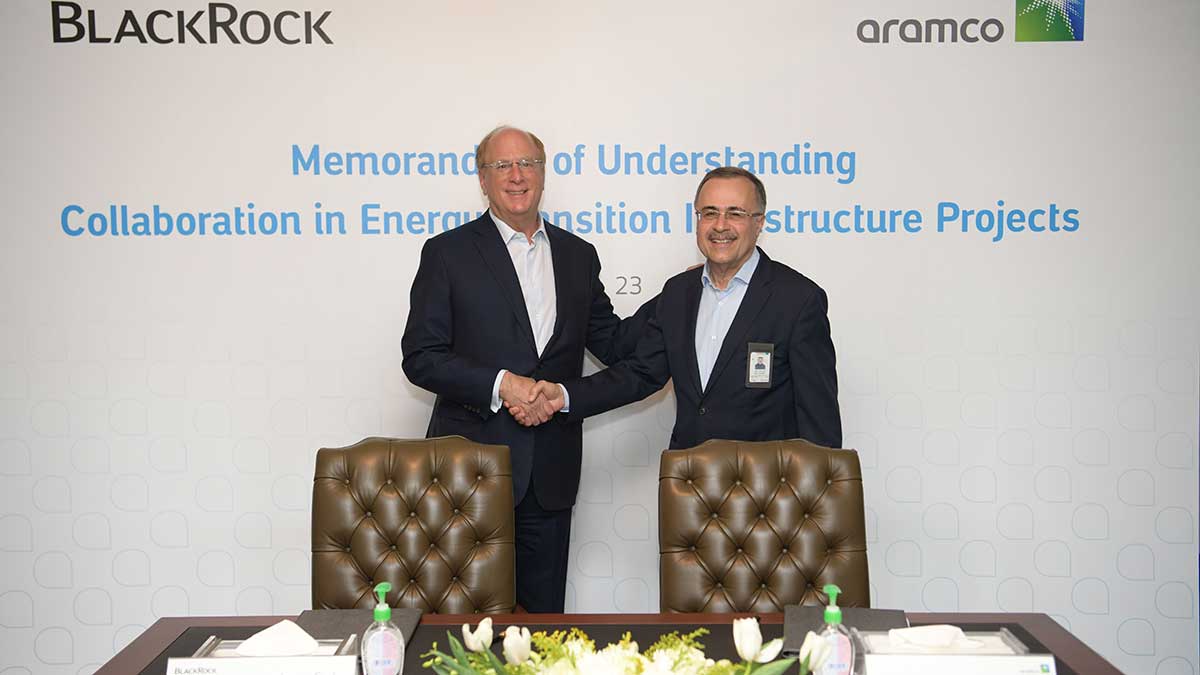
BlackRock Inc is reportedly engaged in discussions with Saudi Aramco over the future ownership of its stake in the leasing rights of a major natural gas pipeline network. The asset manager, which entered the arrangement in 2021, acquired the rights as part of a $15.5 billion lease-and-leaseback agreement. Sources close to the matter indicate BlackRock now values its position at several billion dollars and is considering divesting the stake back to the state oil major.

In 2021, BlackRock joined a consortium to purchase a 49 per cent interest in an entity known as Aramco Gas Pipelines Co under a lease-and-leaseback deal, financing the project with bridge loans and later issuing bonds to refinance the structure. The network comprises critical infrastructure integral to Saudi Arabia’s petroleum operations, serving both domestic consumption and export logistics.

Financial analysts highlight that BlackRock’s move represents a shift in strategy for pipeline investments. As bond markets recover from turbulence and the global energy transition reshapes demand, investors are recalibrating their exposure to long-cycle fossil fuel assets. One advisor noted that BlackRock will “weigh other options if discussions don’t lead to agreement,” indicating the firm might pursue third‑party sales or stake dilution.

Saudi Aramco’s interest in regaining full control aligns with its broader strategy of asset consolidation. Reacquiring the lease rights would enhance its operational sovereignty and reduce dependency on external partners in a sector that underpins national energy security. Aramco’s share in regional indices has already seen modest gains, supported by optimism over non-oil growth; the company itself has been trading up by around 0.9 per cent in recent sessions.

The bonds issued by the consortium in 2024—worth $3 billion across tranches due in 2036 and 2042—were aimed at refinancing initial acquisition debts. Demand for those bonds was robust, with subscription levels significantly exceeding issuance. BlackRock’s majority ownership of Greensaif Pipelines Bidco grants it leverage in shaping any transaction, whether through direct sale or restructuring of lease terms.

Market observers note that BlackRock’s pivot may be driven as much by strategic repositioning as by financial calculation. With global pressure building on climate policy and energy transition commitments, large institutional investors are under increasing scrutiny over holdings tied to fossil fuel extraction and transport. Divesting from pipeline leases allows BlackRock to reallocate capital to renewable infrastructure or alternative energy real estate, while still preserving long-term client relationships.

However, the sale would mark a significant return on investment. The original acquisition and bond refinancing positioned BlackRock to gain from stable, long-duration lease revenues pegged to volume throughput. Exiting now at a multi-billion-dollar valuation ensures a profitable wind-down of exposure while the asset remains robust. Some of the stakeholders in the consortium may view this as a precedent for handling similar assets in other jurisdictions.

Observers anticipate a negotiation process extending into the next quarter, with both parties likely to focus on valuation frameworks, lease renewal terms, and host‑country regulatory approvals. Any agreement may set a template for future transactions between global asset managers and sovereign energy entities, particularly in the Gulf region. While details of the discussions are confidential, the size and strategic nature of the pipeline network suggest that a deal could shift later this year.

Investment flows in the Middle East have showed renewed strength. Saudi and Emirati stock markets climbed this week, powered by stronger service-sector indices and easing of global trade tensions. Against this backdrop, Aramco’s potential repurchase aligns with sovereign objectives to consolidate energy assets in the hands of national champions.

Should talks falter, analysts predict BlackRock may explore secondary-market sales to other infrastructure investors, or retain partial control under renegotiated terms. A phased exit or continued minority stake is also plausible, contingent on pricing, return targets, and geopolitical sensitivities.

The U. S. House of Representatives will convene “Crypto Week” from 14–18 July to vote on three pivotal digital asset bills: the CLARITY Act, the Anti‑CBDC Surveillance State Act, and the GENIUS Act. This coordinated effort signals a major shift in federal crypto policy as lawmakers aim to clarify regulation, protect financial privacy, and foster blockchain innovation.

The CLARITY Act seeks to establish a definitive regulatory framework by delineating the roles of the SEC and CFTC, mandating the segregation of customer funds, and requiring enhanced retail disclosures. It has already passed through both the Financial Services and Agriculture Committees by decisive margins, reflecting bipartisan support and responding directly to industry demands for legal certainty.

The GENIUS Act, recently approved by the Senate in a strong 68–30 bipartisan vote, focuses on stablecoin regulation. It mandates that stablecoin reserves be held in high‑quality, liquid assets such as U. S. Treasuries, requires annual audits for issuers with over $50 billion in market cap, and clarifies regulatory oversight while allowing banks to issue their own tokens. The bill now awaits a House vote, with hopes of reaching the president’s desk by late July.

The Anti‑CBDC Surveillance State Act takes a definitive stance against a federally issued central bank digital currency, effectively prohibiting the Federal Reserve from developing or distributing a CBDC. Proponents frame it as a necessary measure to safeguard financial privacy and prevent potential government surveillance through digital currency systems.

Deputy Speaker Mike Johnson and committee chairs, including Financial Services Chair French Hill and Agriculture Chair GT Thompson, have emphasised that this legislative package aligns with former President Trump’s digital assets agenda — aiming to position the U. S. as a leader in crypto innovation. Johnson stated that the bills would deliver the full scope of that agenda, while Hill highlighted that the initiative would finally provide clarity for innovators, protecting both consumers and the broader digital economy.

Majority Leader Steve Scalise echoed the sentiment, saying the legislation would solidify the U. S.’s global leadership in digital assets. Minority voices have also weighed in: Majority Whip Tom Emmer described the moment as a “historic opportunity” to uphold “privacy, individual sovereignty, and free‑market competitiveness.” Senator Bill Hagerty voiced Senate support, noting the urgency of enacting these measures swiftly.

While the GENIUS Act has Senate backing, the CLARITY Act has faced scrutiny from Democrats and former regulators. Experts such as ex‑CFTC Chair Timothy Massad have warned that its provisions could be overly broad or convoluted, advocating instead for a collaborative regulatory approach between the SEC and CFTC. Concerns also persist among left‑leaning lawmakers that pairing the CLARITY Act with stablecoin regulation could stall progress, despite strong crypto industry support calling for their passage in tandem.

Lawmakers like Rep. Warren Davidson have promoted consolidating stablecoin, market‑structure, and CBDC ban measures into a single legislative package to ensure comprehensive reform. However, this strategy may encounter resistance in the Senate, potentially delaying the bills past the intended timeline.

The Senate’s passage of the GENIUS Act earlier this month reflected growing bipartisan agreement on stablecoin oversight but also revealed tensions over inclusion of Trump‑era cryptocurrency interests. Indeed, some critics have raised ethical questions about exempting the president’s family from the bill’s prohibitions on member profits, and the influence of Trump‑linked ventures that reportedly earned tens of millions from crypto operations.

Despite these controversies, House Republicans are pushing ahead with “Crypto Week” as a gateway to shaping U. S. cryptocurrency policy. The CLARITY Act furthers efforts made under the FIT21 digital asset law passed in May 2024, which established initial delineation of regulatory authority.

As 14 July approaches, industry stakeholders, advocacy groups, and congressional offices are bracing for intense debates. Passing these bills could redefine market structures, unlock stablecoin innovation, and reinforce constitutional privacy rights—or it may start a protracted legislative battle over oversight, accountability, and the future role of federal oversight in digital currencies.

Advertisements

Launches Extended Round to Accelerate Climate Tech Innovation Across Indonesia SINGAPORE – Media OutReach Newswire – 3 July 2025 – GreenTeams, a rapidly growing climate technology company advancing data-driven environmental governance in Indonesia, has announced the successful close of its Series A funding round. The round was led by Oriza Greenwillow Technology Fund. Operating at the intersection of environmental intelligence, regulatory compliance, and industrial decarbonization, GreenTeams empowers […]

KUALA LUMPUR, MALAYSIA – Media OutReach Newswire – 3 July 2025 – Crypto volatility poses both potentially spectacular possibilities and enormous risks. For example, by investing in crypto assets on the spot market, traders buy the crypto and, hence, risk their budget if the price drops and never returns to the initial position. Instruments like crypto CFDs (Contracts for Difference) provide more opportunities for flexible capital management […]

Bit Digital has raised a total of $162.9 million through an underwritten public share offering, signalling its strategic pivot from Bitcoin mining into building a substantial Ethereum treasury. Underwriters fully exercised their over‑allotment option on 1 July 2025, expanding the issuance to 86.25 million ordinary shares and boosting net proceeds to the disclosed sum.

The capital infusion positions the Nasdaq‑listed miner to sharply reduce its focus on Bitcoin operations and allocate the funds towards acquiring Ethereum—a shift that aligns with broader trends among institutional investors favouring Ether. The company already manages 24,434 ETH, valued at approximately $59.8 million, and plans to convert around 417.6 BTC—worth roughly $44.9 million—into ETH, further bolstering its holdings.

Bit Digital’s decision emerges at a pivotal moment for Ethereum, which continues to draw momentum from its network upgrades and growing appeal in decentralised finance and staking arenas. Industry analysts interpret this move as institutional endorsement of Ethereum’s utility and long‑term integrity.

The offering was executed under a shelf registration declared effective on 20 June 2025, with B. Riley Securities acting as sole bookrunner and Clear Street, Craig‑Hallum, and Northland Capital Markets serving as co‑managers.

This marked exit from Bitcoin mining investments reflects a growing recognition of proof‑of‑stake ecosystems, such as Ethereum’s, as lower‑carbon and increasingly profitable ventures relative to energy‑intensive Bitcoin operations. Bit Digital’s move mirrors strategic shifts by other firms seeking to diversify within the crypto landscape.

By converting a significant portion of its Bitcoin holdings into Ethereum, the company is betting on the upside potential of ETH staking rewards. Ethereum’s transition to proof‑of‑stake has positioned it as a credible alternative revenue stream for firms with digital asset treasuries, moving beyond merely holding and mining cryptocurrencies.

The structural implications for investors are multifaceted. While diluting existing shareholders through the share issuance, the company now holds a stronger, more liquid position in Ethereum. Analysts suggest that institutional confidence in Ether is rising, as evidenced by the flurry of allocations into ETH‑focused treasuries, staking projects, and exchange‑traded funds.

Investor reactions have been mixed. Some view the dilution as manageable given the scale of capital and the clear strategic direction. Others question how successfully Bit Digital will deploy its ETH assets, including whether it will stake holdings and manage risk across its newly acquired portfolio.

Industry observers emphasise that successful execution will require transparent operation of staking protocols, disciplined treasury management, and risk mitigation strategies to protect against Ether’s price volatility. Questions also remain over how quickly the BTC-to-ETH conversion will be completed and whether the Ethereum market can absorb such large inflows without destabilising prices.

Bit Digital’s acquisition comes on the heels of growing institutional inflows into Ethereum, including predictions of multi‑billion dollar inflows into ETH‑based ETFs in 2025, suggesting a wave of mainstream financial participation.

Figma has filed its S‑1 registration to go public on the New York Stock Exchange under the ticker “FIG”, and disclosed holdings of approximately $69.5 million in a spot Bitcoin ETF as of 31 March 2025. The filing also confirms that the board approved allocating $30 million in USDC for later conversion into Bitcoin, signalling a strategic embrace of digital assets. Financial disclosures reveal robust growth for the design‑collaboration platform, […]

Mubadala Investment Company is set to acquire a 30 per cent stake in Loscam International, a move that significantly strengthens its foothold in Asia‑Pacific’s logistics and packaging sector. The agreement positions Mubadala alongside existing shareholders Trustar Capital, FountainVest and Sinotrans Limited, aligning sovereign wealth capital with a proven regional operator. The deal revolves around a share purchase agreement dated 26 June 2025, under which Mubadala, via its wholly owned Abu Dhabi […]

After discovering institutional inefficiencies in traditional finance, this young CFA is helping investors access opportunities previously reserved for Wall Street. The mahogany-paneled conference room fell silent. On the 47th floor of one of Wall Street’s most prestigious firms, Tan Gera stared at his computer screen in disbelief. The evidence of systematic insider trading was not only shocking—it was the final piece of a puzzle he’d been putting […]

Sharjah-based carrier Air Arabia has unveiled a limited-time mega sale, offering one-way fares starting from just Dh149. The promotion runs from June 30 to July 6, 2025, and applies to travel scheduled between July 14 and September 30, 2025.

The headline offer of Dh149 applies to flights from Sharjah to Bahrain and Muscat, spurring travel demand across the Gulf Cooperation Council. Other GCC destinations such as Dammam, Riyadh, Salalah and Kuwait begin at Dh199, while routes to Abha, Tabuk and Yanbu are priced from Dh298. More premium Gulf destinations, including Doha, Jeddah, Madinah and Taif, come in at Dh399, Dh449 and Dh574 respectively.

South Asian routes feature compelling deals. From Sharjah to Ahmedabad, Delhi and Mumbai, fares are available from Dh299, Dh317 and Dh323. Flights to Thiruvananthapuram start at Dh325, while Abu Dhabi-origin flights include Dh275 for Chennai, Dh315 for Kochi, Dh499 for Dhaka and Dh549 for Chattogram.

The sale follows Air Arabia’s strong financial performance in the first quarter of 2025. The carrier reported a net profit of Dh355 million for the quarter ending March 31, up 34 per cent from Dh266 million in the same period of 2024. Total turnover rose 14 per cent to Dh1.75 billion, with passenger numbers climbing 11 per cent to 4.9 million and an average seat load factor of 84 per cent.

Analysts suggest the promotion is designed both to capitalise on peak summer travel demand and reinforce Air Arabia’s market share. “By launching a mega sale at the start of the summer period, Air Arabia is applying strategic pricing pressure in a highly competitive GCC aviation market,” says aviation expert Sara Al-Mansoori. Her analysis indicates that budget carriers increasingly must balance promotional pricing with yield management to avoid revenue dilution.

The broader aviation context in the UAE supports such aggressive offer strategies. Competing airlines, including Etihad Airways, have launched discount initiatives that match heightened travel demand. For instance, Etihad’s summer sale offers up to 25 per cent off on round-trip economy fares until July 3, with travel valid from July 20 to September 12. This trend suggests a concerted effort by regional carriers to attract price-sensitive leisure travellers, while also filling seats during off-peak hours or on emerging routes.

Air Arabia’s capacity expansion further informs its ability to run such promotions confidently. The carrier has added new destinations—including Damascus, with flights resuming 10 July—and expanded its frequency on existing routes. Increased aircraft utilisation drives down unit costs, making low base fares viable while still yielding profitability. Load factors in Q1 support this capacity strategy, reflecting solid uptake even at promotional price points.

Public response has been visible online, with travel-focused X accounts and social media threads echoing enthusiasm. A post on travelobiz’s X account states: “Air Arabia Mega Sale! Fly from Sharjah with one‑way fares starting at just Dh149!”. While social media buzz is expected, confirmed ticket pricing on stock booking platforms like Air Arabia’s official website corroborates the offers, affirming veracity beyond promotional headlines.

Consumers stand to gain from the competitive pricing, although awareness around baggage charges, seat selection fees and fare restrictions remains crucial. Budget-friendly base fares frequently exclude extras, prompting passengers to weigh overall cost versus perceived savings. Air Arabia’s spokesperson advises: “Travellers should review booking terms carefully—specifically baggage allowances and change fees—to fully assess the total cost.” Industry analysts support this guidance, advising passengers to conduct transparent comparisons including add-on fees.

The timing of the sale aligns with school holiday patterns across the GCC and parts of South Asia. Families and leisure travellers planning summer breaks ahead of the academic year can take advantage of the fare window. However, seat availability is expected to be limited on popular routes, potentially applying pressure on consumers to book early to secure the advertised fare.

From a competitive standpoint, low pricing may pressure other Gulf-based budget carriers, including flydubai. Market observers anticipate a wave of counter-promotions in the coming days, particularly targeting overlapping city pairs such as Sharjah‑Muscat and Sharjah‑Doha. For travellers, this could spell continued availability of discounted fare options through July.

In addition to stimulating short-term travel, the sale reinforces Air Arabia’s brand as a value-focused carrier, reinforcing its positioning among price-sensitive travellers. Its Q1 financial success supports ongoing network expansion and promotional flexibility, allowing the airline to use pricing as a strategic lever while preserving profit margins.

Saudi Arabia’s Public Investment Fund posted a 60 per cent plunge in net profit for 2024, even as its assets surpassed the US $1 trillion mark, the fund disclosed on 30 June. The drop came amid persistent high interest rates, inflationary pressures, and a wave of impairments tied to escalated costs and shifting operational plans.

Net income dwindled to 25.8 billion riyals, down sharply from 64.4 billion riyals in the prior year. This contrast underscored the divergence between headline growth and bottom‑line volatility within Saudi Arabia’s principal engine for economic diversification.

Assets under management rose by 18 per cent to 4.321 trillion riyals, up from 3.664 trillion riyals in 2023. The surge came largely from fresh capital injections, including transfers from oil‑linked revenues, plus appreciation in existing holdings, particularly in domestic champions such as Saudi Aramco and Saudi National Bank.

Yet, comprehensive income—an accounting measure that factors in unrealised gains and asset revaluations—tipped into negative territory, registering a 140 billion riyals loss following a gain of 138.1 billion riyals the previous year. The swing reflected deep writedowns, tied to project revaluations across the PIF’s footprint.

Monica Malik, chief economist at Abu Dhabi Commercial Bank, attributed the downturn in part to recalibration of investment strategies. She highlighted how “prioritisation of some projects and the extension in the timelines of some giga projects could have been a factor for the impairments,” and pointed to rising costs as another pressure point.

Among these giga‑projects is NEOM, an ambitious urban megacity on Saudi’s Red Sea coast. Backed by hundreds of billions of dollars in PIF funding, NEOM remains central to the fund’s strategy, though its scale and timeline have been under increased scrutiny amid cost inflation and changing economic dynamics.

Cash reserves stood firm at 316 billion riyals, while group loans edged up to 570 billion riyals, signalling ongoing borrowing to propel expansions. This reflects PIF’s dual posture: aggressive investment on one hand, and debt financing on the other.

Historically, PIF has been pivotal to Saudi Arabia’s Vision 2030 programme—Crown Prince Mohammed bin Salman’s blueprint to reduce national dependence on oil by building world‑class tourism, tech and renewable sectors. Since 2015, the fund’s remit expanded from passive equity holdings to sovereign‑directed mega‑investments. By end‑2024, PIF had amassed over US $1 trillion in assets, bolstered by successive Aramco asset transfers.

Its investment portfolio spans global holdings—Uber, Boeing, Disney—and domestic ventures like Qiddiya, the Red Sea luxury resort and NEOM. The fund also pursued high‑profile investments, including planned stakes in Heathrow Airport and European hotel chains. Overseeing this expansion has drawn both political and governance scrutiny, reflecting complex trade‑offs under Saudi rules.

Despite today’s profit contraction, the growth in assets cements the fund’s scale and influence. Dividends from Aramco and SNB now fuel a substantial portion of PIF’s recurring income, augmenting returns from non‑oil investments.

The portfolio writedowns—particularly impairments linked to escalated project outlays—underline broader macroeconomic challenges. High global interest rates have upped the cost of capital for long‑gestating developments, while inflation has pushed construction, labour and materials costs upward. PIF’s balance sheet has borne both pressures.

Operating amid this headwind, the fund has begun recalibrating timelines and reprioritising capital deployment. Malik’s comments suggest PIF faces a complex balancing act: stewarding mega‑projects while preserving fiscal discipline. Illiquidity risk, rising debt and market exposure also feature in ongoing risk assessments.

In parallel, PIF is broadening its footprint via bond issuances and global partnerships. According to finance industry disclosures, it is preparing a seven‑year sukuk targeting US $1.25 billion in proceeds. Such moves signal evolving financing strategies that complement traditional government funding and cash reserves.

Central to this outlook is Vision 2030. Despite the profit slump, PIF retains its mandate to catalyse non‑oil economic sectors, from tourism to tech to renewable energy. Arab regional peers have pursued similar diversification, but few match PIF’s scale. The fund’s willingness to shoulder large‑scale writedowns may reflect long‑term thinking: strategic build‑out today, stabilised returns in future decades.

Global investors and markets will likely watch upcoming quarterly and full‑year data for signs of recovery or further calibrations. Rising global interest rates remain a wildcard. Additionally, cost overruns in mega‑projects may prompt sharper scrutiny and public debate about deliverables.

PIF’s holding company, chaired by the Crown Prince, retains political backing, but governance observers continue to emphasise improved transparency and oversight. The fund’s decisions now carry wider implications: not just for returns, but as a barometer for Saudi Arabia’s Long‑Term economic strategy.

In a world where careers often follow straight lines, Lea M. Jabre Fayad’s journey has been anything but conventional. What began with a love for reading and writing evolved into a lifelong mission to use words as a tool for awareness, healing, and empowerment. Lea first discovered her passion for storytelling during her academic years, which eventually led her to intern at a publication house between her […]

Hyperliquid has processed a staggering $1.571 trillion in perpetual futures volume over the past year, outstripping all other on‑chain perp platforms combined. In June alone, it accounted for $208 billion in trading, compared with a collective $140 billion for its rivals, while revenues reached $56 million for the month and reached $310 million to date.

The scale of Hyperliquid’s growth positions it at the apex of the decentralised derivatives landscape. It handled $248 billion in May trading volume, marking consecutive monthly milestones and accelerating ahead of competitors. High‑frequency and professional traders have migrated in significant numbers, drawn by the platform’s deep liquidity and sub‑second trade execution, powered by its Layer‑1 consensus architecture.

From a revenue standpoint, Hyperliquid’s fee income has climbed in tandem with its trade volume. The $56 million earned in June boosted cumulative revenues to $310 million, indicating a protocol that is both popular and profitable. This places Hyperliquid among elite DeFi entities by financial metrics.

Its distinctive approach includes a high yield from protocol fees—the majority of which are reinvested through HYPE token buybacks—and the launch of HyperEVM, an Ethereum‑compatible layer that supports smart contracts and decentralised applications. This diversification strategy is intended to establish Hyperliquid beyond perpetuals trading, and into a broader DeFi ecosystem.

The platform’s airdrop strategies have been instrumental in attracting users and liquidity. A notable HYPE token airdrop, totalling around $1.2 billion in value, triggered a sharp increase in activity at the end of 2024. Monthly volumes leapt from approximately $75 billion in November to over $150 billion in December.

Despite early-stage competition, Hyperliquid now dominates with approximately 70 per cent market share of decentralised perp volume, while still trailing major centralised exchanges such as Binance—where it handles roughly 10 per cent of Binance’s volume.

Underlying infrastructure also underpins its rapid adoption. Hyperliquid supports over 100,000 transactions per second and offers sub‑second trade finality with extraordinarily low spreads. Its fee structure—0.025 per cent taker fees and a 0.002 per cent maker rebate—encourages high-frequency participation.

The HYPE token, launched via the airdrop in November 2024, has experienced a dramatic uptick in value, up 300 per cent in two months and recently reaching a market capitalisation north of $12 billion. Reinvestment of over 97 per cent of fee revenue into token buybacks is designed to reinforce token utility and value.

Analysts acknowledge the bold strategy but flag decentralisation concerns—Hyperliquid operates just 21 delegated validators compared with thousands in more established chains, which may raise governance and resilience risks. Still, the streamlined validator model has enabled performance gains attractive to traders.

Market observers also point to institutional interest, such as Nasdaq‑listed Lion Group designating HYPE as a primary treasury asset, signalling growing confidence in the network’s tokenomics.

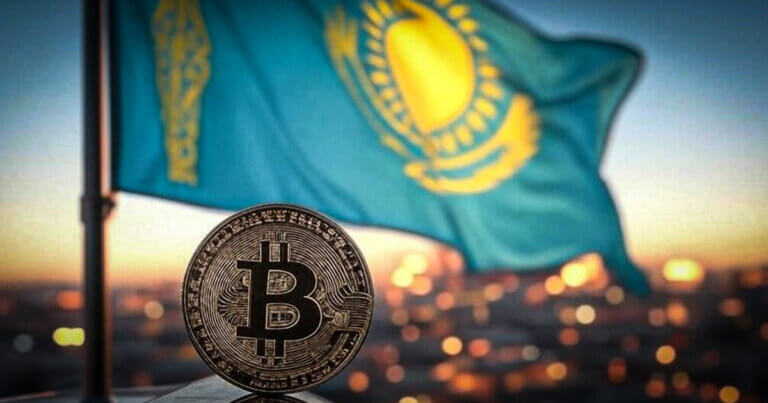
Kazakhstan’s National Bank, under its chairman Timur Suleimenov, is taking steps to build a state-held cryptocurrency reserve managed by a subsidiary entity, following international sovereign fund practices. The proposal outlines funding sources that include confiscated crypto-assets and coins mined through ventures with state participation—measures aimed at enhancing governance and stability within the digital asset ecosystem.

The National Bank is developing a comprehensive framework for the reserve’s formation and administration, emphasising transparency and institutional safeguards. It plans to enshrine in law both the status of the reserve and the protocols for deposit and use, with draft legislation to be submitted to parliament for approval.

Suleimenov highlighted that the envisioned affiliate would follow global norms for sovereign funds, ensuring robust accounting, secure storage, and resilient governance structures. The legal amendments under discussion would affirm the reserve’s legal standing and empower authorities to handle crypto-assets seized under law as well as profits generated from state-linked mining operations.

The banking chief stressed the importance of centralised institutional oversight, noting the high volatility and vulnerability of crypto-assets. Centralisation, he said, is key to mitigating risks such as market fluctuations or cyber threats.

This effort is part of a wider regulatory overhaul targeting cryptocurrency flows. Under proposals by the Ministry of Digital Development, draft laws would impose criminal and administrative liability on grey‑market trades, require licences for investment advisers, and curb unlicensed exchanges and misleading crypto promoters—many of whom target younger investors.

Parliamentary deputies have endorsed the overarching concept. One lawmaker, Kuspekov, recommended creating a “national digital reserve” at the central bank to anchor confiscated digital assets and tighten financial controls. He also urged strengthened due diligence by banks, prohibition of unlicensed crypto platforms, and mandates for licensed investment coaches.

These developments follow a surge in legislative activity since May. The National Bank has proposed amendments defining legal status for digital assets, licensing for crypto exchanges outside the Astana International Financial Centre, and a regulatory sandbox for testing digital services. The objective is to restore confidence in Kazakhstan’s crypto sector after capital flight estimated at US$15 billion last year.

Timur Suleimenov, appointed as National Bank chair in September 2023 and former minister of national economy, has emphasised institutional integrity and macroeconomic resilience. He recently noted that international reserves reached US$104.7 billion at end-2024, bolstered by gains in gold and foreign-exchange holdings.

The crypto reserve initiative appears aligned with broader state efforts. Issuance of AIFC‑backed crypto payment cards was piloted in early June by major banks including Halyk Bank, Forte and Altyn Bank—allowing consumers to instantly convert digital assets into fiat currency for everyday purchases.

The Ministry of Digital Development has proposed the creation of a crypto reserve as a digital asset repository to support the national digital economy. This official endorsement underscores the government’s increasing interest in integrating digital assets within its fiscal infrastructure.

Central to this initiative are practical mechanisms that remain under review. The National Bank is working with law-enforcement agencies and other government bodies to outline operational procedures, compliance norms and asset custody arrangements.

Eight‑year‑old Gavin Batarse, CEO of Glove Wrap, secured a $50,000 investment from Mark Cuban and Michael Rubin on the US ‘Shark Tank’ stage for his ingenious sports glove accessory. The lightweight elastic band, costing just $3 to produce and retailing at $19.99, simplifies the process of breaking in baseball, softball or hockey gloves by holding a ball in place until a perfect pocket is formed. Gavin pitched […]

Demand for physical gold is diverging sharply across regions, with US investors cashing in on their bullion holdings while Asian buyers ramp up their purchases. Data shows US retail demand for gold bars and coins dropped to roughly 19.3 tonnes in the first quarter of 2025 — a five‑year low, down 22% year‑on‑year — as Americans took advantage of record prices to realise gains. Meanwhile, in Asia, […]

A decision by Abu Dhabi National Oil Company to slash July shipments of its flagship Murban crude has led to significant trading losses for equity partners hedging their positions, with estimates reaching $12 per barrel. The move stunned major stakeholders, including BP Plc and TotalEnergies SE, forcing abrupt reshuffling in the derivatives market and weighing on profitability metrics. The volume cut, amounting to approximately 3–4 million barrels […]

Santos has granted a six‑week exclusive due‑diligence period to a consortium led by Abu Dhabi’s National Oil Company, signalling serious progress towards its A$36.5 billion takeover proposal.

The consortium, comprising ADNOC’s investment arm XRG, Abu Dhabi Development Holding Company and private equity investor Carlyle, has placed an all‑cash offer of A$8.89 per share—representing a roughly 28 per cent premium on Santos’s previous closing price. Santos’s board is prepared to endorse the deal, pending satisfactory outcomes from due diligence, no better competing bids and approval by an independent fairness expert.

Should the offer proceed, it would mark Australia’s largest-ever all‑cash corporate takeover and rank among the top three transactions nationally—holding an enterprise value near A$36.4 billion.

The acquisition targets Santos’s LNG assets, including Australia’s Gladstone and Darwin facilities, plus substantial interests in Papua New Guinea’s LNG project and the forthcoming Papua LNG development. XRG aims to build an integrated gas and LNG portfolio capable of delivering 20–25 million tonnes annually by 2035.

Adhering to regulatory requirements, the consortium has signed confidentiality agreements and secured exclusive negotiating rights for this due‑diligence phase.

Santos’s management is forecasting a binding scheme implementation agreement before enabling a shareholder vote needing at least 75 per cent support, as per Australian scheme‑of‑arrangement rules. Shareholder approval will depend on a legal and financial assessment of the offer’s fairness.

While the consortium has pledged to maintain Santos’s Adelaide headquarters, preserve local employment, and continue momentum on major projects like the Barossa LNG development and Moomba carbon‑capture initiative, significant regulatory scrutiny lies ahead.

National oversight will involve multiple bodies: Australia’s Foreign Investment Review Board, ACCC, ASIC, and National Offshore Petroleum Titles Administrator; Papua New Guinea’s Securities and Competition commissions; and the US Committee on Foreign Investment due to Santos’s cross-border interests.

Analysts caution that the central risk is FIRB rejection, given Santos’s control over critical gas infrastructure. Potential remedies, like spinning off assets, may invite legal and decommissioning complexities.

South Australian state officials, including Premier Peter Malinauskas and Energy Minister Tom Koutsantonis, have highlighted the importance of protecting domestic jobs, the company’s base, and energy security—leveraging recent legislative powers to oversee licence transfers.

The political backdrop complicates matters, with Treasurer Jim Chalmers in caretaker mode ahead of a potential election. His decision will pivot on FIRB advice and the national interest implications.

Santos has endured pressures in recent years, including a near‑16 per cent drop in annual profit and a 41 per cent dividend cut in 2024. It also abandoned merger negotiations with Woodside that would have created an A$80 billion energy entity.

The consortium’s revised offer follows an initial A$8.00 bid in March, raised to A$8.60 later that month, and now stands at A$8.89—reflecting sustained negotiations and valuation uplifts. Should the agreement proceed, final receipt of regulatory and shareholder clearances could extend into early 2026.

This transaction underscores ADNOC’s growing appetite for strategic LNG assets in the Asia‑Pacific region and exemplifies broader Middle Eastern investment trends in global energy infrastructure. The outcome will influence the balance of power in Australia’s evolving LNG market and set significant precedents for future foreign investment decisions.

Continued Gross Profit Margin and Net Operating Cash Flow improvements albeit difficult market conditions HONG KONG SAR – Media OutReach Newswire – 26 June 2025 – HONMA Golf Limited (“HONMA”; together with its subsidiaries, the “Group”; HKEx stock code: 6858), one of the world’s most prestigious golf brands, announces its consolidated annual results for the year ended 31 March 2025 (the “Period”). Financial Highlights Due to economic […]

Dutch courts are set to rule on a class‑action lawsuit brought by Stichting Massaschade & Consument, which claims Sony has leveraged its dominance in the PlayStation ecosystem to impose inflated digital pricing, burdening an estimated 1.7 million gamers and costing consumers at least €435 million since 2013. At the heart of the case is the allegation that digital editions of games—often bought via diskless PS5 consoles—are around 47 per cent […]

VISHNU RAJA
RYO YAMADA
HITORI GOTOH
IKUYO KITA