News related to
profit

OwlTing, a Taiwan-based fintech focussed on stablecoin infrastructure, is set to begin trading its Class A common shares on the Nasdaq via direct listing on 16 October under the ticker “OWLS”. The move marks what the company calls a milestone in its evolution from hospitality and e-commerce into a compliance–led blockchain payments firm.

In its public filings, OwlTing reported revenue of US 7.6 million in 2024 and a payment volume across its platforms of approximately US 218 million. Though still unprofitable, the listing underscores growing confidence in the fragmented stablecoin infrastructure space.

The listing comes at a moment when several high-profile developments are shaping the stablecoin and payments ecosystem. Stripe’s Bridge unit is reportedly preparing to apply for a federal banking charter, aiming to navigate evolving U. S. stablecoin regulation. Meanwhile, major financial and technology firms are said to be in advanced talks to acquire BVNK, a London-based stablecoin platform.

OwlTing’s pivot from hospitality and blockchain traceability to payments and stablecoin services has been underway for some years. Its OwlPay platform enables businesses to accept stablecoins or fiat and settle globally. The company has obtained money transmitter licences in multiple U. S. states and holds themselves out as a “compliance-first” operator in a space that often struggles with regulatory uncertainty.

By listing via direct listing rather than a traditional IPO, OwlTing seeks to avoid dilution of existing shares and allow market-based price discovery. The company will ring the Nasdaq opening bell on 16 October to commemorate the debut. Analysts view the listing as Asia’s first fintech with a pure direct listing on Nasdaq, positioning OwlTing as a regional trailblazer in blockchain payments.

In parallel, Stripe’s ambitions in stablecoin continue to intensify. Its Bridge arm, acquired earlier this year, is now seeking a national trust charter to get ahead of U. S. regulation on digital assets and stablecoins. The charter would permit holding deposits and issuing stablecoins more directly under U. S. oversight.


What first inspired you to pursue your current industry or professional path? Was there a defining moment or influence that shaped your direction? My journey into financial technology began during my early days at Banque Misr, Egypt’s second-largest bank, where I witnessed firsthand the inefficiencies of traditional paperbased banking systems. The defining moment came when I was tasked with spearheading the digital transformation initiative, converting traditional transactions […]

Emirates NBD is in advanced negotiations to acquire up to a 25 percent stake in Mumbai-based RBL Bank through a preferential allotment of equity and warrants, two people familiar with the matter told Reuters. The proposal would mark a major move by the Dubai-based lender into India’s private banking sector.

The Dubai bank is evaluating the terms of the deal, including pricing and structure, though both parties have yet to confirm the arrangement publicly. One of the sources indicated that the deal may be announced once approvals are in place.

On the Indian equities front, news of the talks propelled RBL’s shares higher: the stock climbed over 3 percent on 14 October, reaching its highest level since January 2024, and became one of the top gainers among private banks. Investor optimism stemmed from expectations that a reputable foreign investor might bolster transparency, governance and capital strength at RBL Bank.

Under Indian banking regulations, strategic foreign investors are generally restricted to a 15 percent stake, although exceptions have been made in high-profile cases. The Reserve Bank of India earlier permitted Sumitomo Mitsui Banking Corporation to hold 20 percent in Yes Bank, setting a precedent for flexibility in exceptional circumstances. Simultaneously, India is exploring adjustments to foreign ownership rules to enhance capital inflows into its banking sector.

Emirates NBD already holds regulatory approval in principle to convert its branches in India into a wholly owned subsidiary, positioning itself to operate on par with domestic Indian banks. That architecture would facilitate compliance with local regulations and provide greater autonomy to its Indian operations.

RBL Bank maintains a dispersed shareholding structure, with retail investors, mutual funds and small institutional holders driving most of its capital. It has no traditional promoter group. In June 2024, the bank had announced plans to raise ₹65 billion through a mix of institutional share issuance and debt instruments to support growth plans.

Previous media reports spanning earlier in 2025 suggested Emirates NBD’s interest in acquiring a minority stake in RBL, via a preferential allotment route, as part of its Asian expansion push. Those earlier discussions laid the groundwork for the current advanced negotiations.

The deal—if consummated—would align with Emirates NBD’s broader strategy of deepening its footprint in India, a market it already serves through branches in Mumbai, Chennai and Gurugram, and via its approved subsidiary structure. The bank has posted robust growth: in the first quarter of 2025, it exceeded profit expectations, buoyed by strong loan expansion and net interest income.

Still, multiple hurdles remain. Key among them are regulatory approvals from the RBI and possibly the finance ministry, clearances from capital markets regulators, and acceptance by RBL Bank’s board. Moreover, the valuation will be closely scrutinised, since acquiring a wedge of 25 percent may require pricing the equity at a premium to prevailing market values.

On the regulator’s side, officials have been deliberating over changes to banking ownership norms to attract foreign capital, particularly in systems where capital demand is rising rapidly. Some observers view case-by-case relaxation of limits as a likely path forward.

Institutional analysts have viewed Emirates NBD’s possible entry as a positive for RBL. One equity research note from ICICI Direct argued that the presence of a well-capitalised global investor could strengthen governance practices and investor confidence.

Dubai-based Dubizzle Group Holdings has unveiled plans to float about 30.34 % of its share capital via an initial public offering on the Dubai Financial Market. The offer comprises 1.25 billion ordinary shares, of which 196.1 million are fresh issues from the company and 1.05 billion are existing shares sold by current shareholders. Subscription will be open from 23 to 29 October, the price will be fixed on 30 October, and trading is expected to begin on 6 November 2025.

The firm has appointed Rothschild & Co. as Independent Financial Advisor and Emirates NBD Capital as Listing Advisor. The IPO will be co-managed by banks including Abu Dhabi Commercial Bank, Barclays, EFG-Hermes UAE, Emirates NBD, Goldman Sachs International, HSBC Middle East and Morgan Stanley. Dubizzle’s largest shareholder, Prosus N. V., is committing USD 100 million to the issuance, signaling continued backing after initially investing in 2011.

Dubizzle operates across two main platforms: dubizzle, which handles automotive and general classifieds, and Bayut, focused on real estate. In the 18 months leading up to the IPO, the group pursued strategic acquisitions such as Drive Arabia, Hatla2ee, and most recently Property Monitor, a UAE real estate data and analytics provider. The acquisition of Property Monitor, which delivered a revenue CAGR of 55 % from 2022 to 2024, is expected to deepen Dubizzle’s insight offering in its property vertical.

Financially, the group has improved its performance. In 2024, revenues reached USD 222 million, with the net loss narrowing. For the first half of 2025, revenue rose to USD 133 million, while adjusted profit stood at USD 14 million. The more constrained net loss of USD 8.9 million in H1 2025 marks further progress in reducing deficits.

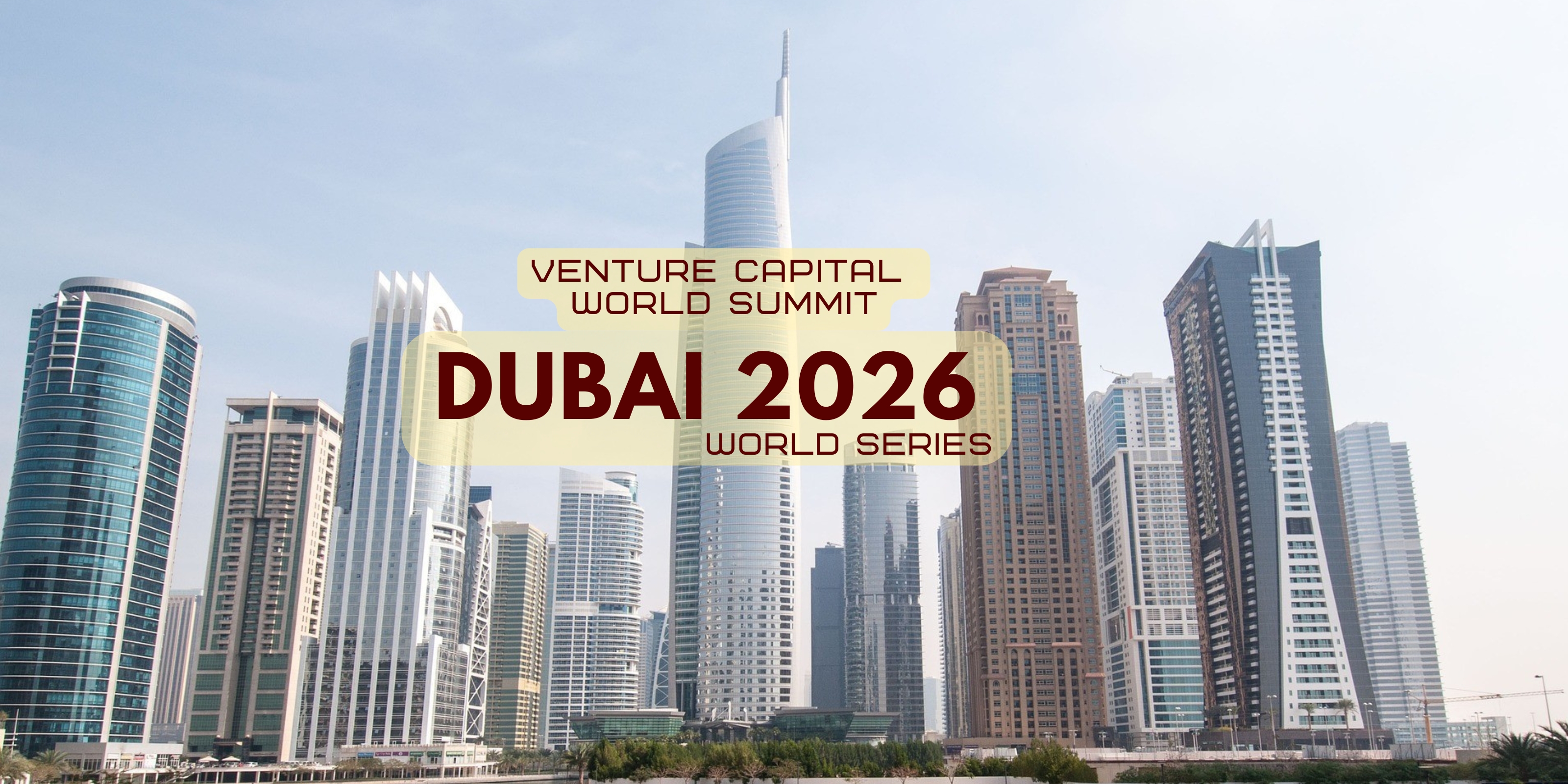
Market conditions have played in Dubizzle’s favour. Dubai’s real estate market has surged, with prices climbing over 70 % over four years, boosting transaction activity and demand for online classifieds. Analysts view the Dubizzle IPO as one of the largest tech offerings this year in the UAE, designed to attract capital inflows into the growing digital marketplace sector.

Yet challenges lie ahead. Investor scrutiny of valuations and corporate transparency will intensify, and Dubizzle must show sustainable path to profitability beyond growth. Some analysts estimate the IPO value in the USD 500 million to USD 1 billion range, consistent with its fundraising and valuation aspirations. Liquidity and free float requirements—especially for inclusion in indices like MSCI—may pressure the group to deliver consistent operational metrics.

In preparing for the public listing, Dubizzle has restructured its syndicate. It previously engaged banks such as Emirates NBD, Goldman Sachs, HSBC, and now rotated in Morgan Stanley, replacing former links to Citigroup. The reconfiguration suggests an adaptive approach designed to secure stronger placement and institutional interest.

Dubizzle and many other UAE firms are benefiting from momentum in the IPO pipeline. According to regional capital markets observers, between 25 IPOs were recorded in the first half of 2025, generating about USD 4.5 billion. Brokers like Citi assert that the pipeline remains healthy, even amid macro and geopolitical headwinds, and highlight investor demand for exposure to unlisted technology, fintech, and real estate-adjacent sectors.

Tether CEO Paolo Ardoino has asserted that only Bitcoin, gold and land will endure as reliable monetary instruments as fiat systems unravel. He framed those three assets as hedges against systemic collapse and said they will outlast any rival currency, reflecting Tether’s ongoing pivot from pure stablecoin backstop to diversified asset allocator.

Speaking during appearances at Bitcoin 2025 and in media interviews, Ardoino has emphasised that Tether will continue to channel a portion of its profits into Bitcoin accumulation and expand gold exposure. He described gold not merely as a relic but as a “natural Bitcoin” and strategic complement to digital reserves. Ardoino also dismissed claims that Tether was liquidating Bitcoin to fund gold purchases, suggesting any shifts in allocation are incremental and disciplined.

Tether’s balance sheet already demonstrates the alignment between rhetoric and action. As of mid-2025, it held around US$8.93 billion in Bitcoin and US$8.72 billion in precious metals, alongside the core swathe of U. S. Treasury allocations. Ardoino has disclosed that gold assets reside in a Swiss vault, underlining both security and the company’s intent to position gold holdings more prominently. His remarks come amid reports that Tether has held discussions with gold mining and royalty firms as part of a broader commodity strategy.

The company’s asset diversification bid is playing out amid intensifying regulatory clarity. With the U. S. Senate having passed the GENIUS Act—legislation meant to regulate stablecoins—Ardoino is charting Tether’s path to compliance while preserving its global reach. He has portrayed the bill as presenting “high but fair” standards for reserve disclosure and anti-money laundering. While it is branded as beneficial to onshore issuers like Circle, Ardoino contends Tether’s offshore structure can adapt via comparable systems or U. S.-based subsidiaries.

Tether is not simply a passive holder of assets. Ardoino has also announced the company’s ambition to become one of the world’s largest Bitcoin miners by year-end, arguing that supporting network security reinforces the value of its reserve holdings. He claimed that while direct Bitcoin investment can outpace mining returns in many scenarios, mining offers strategic hedging benefits. Tether is preparing to open-source its Bitcoin Mining Operating System to enable broader participation in the network, potentially lowering barriers to entry for smaller mining operators.

Qualcomm has confirmed its acquisition of Arduino, the Italian open-source electronic prototyping platform used by more than 33 million developers worldwide, in a move intended to deepen the chipmaker’s stake in edge computing and AI development. Under terms not disclosed publicly, Arduino will retain its brand, tools and mission, while joining Qualcomm’s broader technology and development ecosystem. As part of the deal, the two firms unveiled the […]

Linh Tran The Dow Jones (US30) recorded its fourth consecutive decline, reflecting the growing caution across financial markets as the U.S. government remains partially shut down and a series of key economic data releases have been delayed. This disruption has made investors more defensive, as crucial reports such as Nonfarm Payrolls (NFP), CPI, and GDP have yet to be published. The absence of clear economic signals has […]

Advertisements

Rania Gule It seems that gold is going through a delicate phase, balancing between long-term bullish momentum and short-term profit-taking pressures, at a time when global markets are on edge ahead of upcoming U.S. sentiment data. As prices approach the $4,000 per ounce mark once again, the key question resurfaces: can gold still break its historical ceiling at $4,059, or will the current corrective wave extend temporarily […]

Lyft Inc. has entered into a partnership with the autonomous vehicle company Tensor Auto Inc. to introduce a fleet of robotaxis across North America and Europe by 2027. The companies aim to reshape the transportation landscape, focusing on the future of urban mobility. Lyft’s venture into the robotaxi market signals a significant step towards embracing fully autonomous driving technologies, which could revolutionise urban transport systems globally.

Under the terms of the agreement, Tensor Auto will provide the necessary technology to power the autonomous vehicles, while Lyft will manage the operations, including fleet logistics, ride-hailing services, and customer-facing platforms. The collaboration is set to leverage Lyft’s extensive experience in the ride-hailing industry, which already covers a wide range of urban markets in both regions. This partnership marks a key milestone in the journey towards making driverless cars a reality, aiming to deliver more efficient and eco-friendly transportation alternatives.

Lyft’s move into robotaxis comes as the autonomous vehicle market is experiencing a rapid surge in interest, with several major players such as Tesla, Google’s Waymo, and others investing heavily in the technology. These vehicles are designed to operate without human intervention, using a combination of sensors, cameras, and advanced artificial intelligence to navigate city streets. By eliminating the need for drivers, robotaxis promise to cut costs, reduce congestion, and lower emissions, aligning with the growing demand for greener urban transport solutions.

The rollout of robotaxis is expected to be gradual, with Lyft planning to initially deploy a limited number of vehicles in select cities. The fleet will be integrated with Lyft’s existing app, allowing customers to book rides as they would with traditional cars. While the service will begin with a small fleet of vehicles, Lyft and Tensor Auto anticipate expanding the network as regulatory frameworks for autonomous vehicles evolve and urban infrastructure adapts to accommodate driverless cars.

Lyft’s decision to enter the autonomous ride-sharing market comes at a time when the company is looking to diversify its services beyond traditional ride-hailing. The potential of robotaxis could be a game changer in terms of profitability and service efficiency. As the global shift towards sustainability grows stronger, self-driving electric vehicles like these offer a promising solution to reduce carbon emissions and dependence on fossil fuels.

Tensor Auto, a leader in autonomous driving technology, has been a key player in the development of self-driving solutions for both private and commercial transportation. The company has been refining its autonomous system, focusing on the safety, reliability, and efficiency of its vehicles. Tensor Auto’s vehicles are equipped with state-of-the-art sensors and machine learning algorithms designed to enable smooth navigation in complex urban environments. These innovations are expected to be central to the success of the Lyft robotaxi initiative.

While many of the logistics regarding the fleet’s operation remain in development, key challenges will include regulatory approvals, vehicle safety standards, and ensuring that autonomous systems can navigate the dynamic nature of urban environments. Several regions, including parts of Europe and North America, have already started the process of revising their traffic laws to accommodate self-driving vehicles, with pilot programs and test sites being established in cities like San Francisco and London.

Experts suggest that the integration of robotaxis could lead to significant shifts in how people approach urban mobility. With the promise of safer, more reliable, and more affordable transportation, the expansion of driverless cars could be particularly beneficial in densely populated cities, where congestion and pollution are persistent challenges. Lyft and Tensor Auto’s collaboration could set a new benchmark for the future of transportation, one that is driven by sustainability and technological advancement.

This pioneering initiative by the hospital can cut unnecessary interventions, optimise health outcomes and deliver sustainable care SINGAPORE – Media OutReach Newswire – 9 October 2025 – Imagine your next specialist’s appointment at a hospital being a true partnership. Instead of being prescribed a care plan outright, your doctor seeks your feedback, discusses your progress and treatment goals, and co-designs a plan that fits your needs and […]

Nasdaq Dubai has officially welcomed the listing of USD 500 million Sustainability-Linked Financing Sukuk issued by Emirates Islamic, heralding what the bank describes as the world’s first issuance of its kind. The structure is designed to tie financial terms to environmental and sustainability metrics, reflecting escalating demand in both Islamic finance and ESG markets. The Sukuk is issued under Emirates Islamic’s USD 4 billion Sukuk Programme and […]

Abu Dhabi National Oil Company announced that its six publicly traded subsidiaries will distribute AED 158 billion in dividends through to 2030, nearly doubling the AED 86 billion cumulative payout since the first listing in 2017.

The announcement came during ADNOC’s inaugural Investor Majlis in Abu Dhabi, where the group underscored its commitment to shareholder returns and transparent governance. The dividend programme is subject to customary approvals and will provide long-term visibility to investors across its diversified portfolio of listed entities.

ADNOC’s six listed companies currently account for more than AED 550 billion in market capitalisation on the Abu Dhabi Securities Exchange and represent nearly 40 percent of the annual dividends distributed on the market. Under the new plan, three additional entities—ADNOC Distribution, ADNOC Gas, and ADNOC Logistics & Services—will join ADNOC Drilling in issuing quarterly dividends.

Dr Sultan Ahmed Al Jaber, ADNOC’s Managing Director and CEO, also serving as UAE Minister of Industry and Advanced Technology, described the dividend target as a “landmark step” adding clarity to the group’s capital return path. He stated the move would “enhance value” for citizens, residents, and partners, and reaffirmed ADNOC’s focus on cost discipline, efficiency and growth.

Each listed unit announced specific dividend floors and policy reforms. ADNOC Drilling set a cumulative floor of AED 25 billion by 2030, representing a 26 percent minimum return over the period. ADNOC Gas pledged a target of AED 90 billion, with dividends moving to a quarterly basis from 2025 onward. ADNOC Logistics & Services raised its guidance to AED 8.1 billion for 2025–2030 and intends to adopt quarterly distributions from the third quarter of 2025.

Other units will also tighten their dividend structures. ADNOC Distribution expanded its dividend policy through 2030 and targets cumulative returns exceeding 30 percent over the 2025–2030 period. Borouge affirmed a dividend floor for 2025 and envisaged a payout ratio of 90 percent of net profit in future years. Fertiglobe flagged interim dividend payments and share buybacks for 2025 to support yield.

Beyond dividends, ADNOC disclosed key developments across its upstream, LNG and petrochemical segments. ADNOC Gas has secured a long-term feedstock agreement worth AED 147 billion with its Ruwais LNG facility. Over 80 percent of project capacity is under contract. The group also reported that the merger of its petrochemical assets with OMV—that is, combining Borouge and Borealis into Borouge Group International —remains on course for completion in Q1 2026. Financing for the transaction, valued at AED 56.6 billion, is in place and synergies of at least AED 1.8 billion annually have been identified.

Earlier this year, ADNOC transferred its stakes in several listed subsidiaries—namely Distribution, Drilling, Gas and Logistics & Services—to its wholly owned investment arm, XRG, via off-market moves. The transfers, completed or pending regulatory clearance, were explicitly stated not to affect operations, leadership or dividend policies. Control remains with ADNOC via its 100 percent ownership of XRG.

Analysts view the dividend pledge as a strategic signal in a more competitive capital-raising environment. It strengthens the case for long-term investor confidence, especially amid global volatility in energy markets and shifting sector dynamics. Some warn, however, that such large commitments require careful balance with capital expenditure demands, especially for exploration, decarbonisation and upstream expansion to meet rising regional energy and gas demand.

Gold climbed past $4,000 per ounce for the first time, propelled by soaring investor demand for safer assets in the face of intensifying economic and political uncertainty. Spot gold reached about $4,011.18 per ounce, while U. S. gold futures for December delivery touched $4,033.40. The rally reflects mounting expectations that the U. S. Federal Reserve will begin trimming rates, combined with a weakening dollar, heavy central bank […]

Ahmad Assiri Gold has done it. Gold has reached the long-awaited $4,000 per ounce mark, a level that carries psychological and symbolic significance. This moment represents a powerful and sustained rally that began with a breakout from a lengthy consolidation phase in early September, evolving into a pivotal chapter for the market and the yellow metal. Since that breakout, gold has risen by 16%, while attempts at […]

Oil markets climbed modestly on Wednesday as traders digested OPEC+’s decision to raise production by only 137,000 barrels per day from November — a figure widely viewed as cautious and aimed at managing oversupply pressures. Brent crude gained about 0.7 per cent to $65.93 a barrel, while US West Texas Intermediate added 0.8 per cent, reaching $62.24.

The measured increase is part of an ongoing tug-of-war between easing supply fears and softening demand estimates. Analysts argue that the restrained hike helped calm immediate market jitters about a flood of new barrels entering global markets. At the same time, the surge in output from non-OPEC producers—especially the United States—is tipping the scale toward a heavier supply environment.

The U. S. Energy Information Administration raised its 2025 forecast for domestic oil production to a record 13.53 million barrels per day, up from earlier projections. That upward revision intensifies concerns that global inventories could swell, placing downward pressure on prices. The EIA warns that crude inventories may build further, potentially squeezing prices in the coming months.

OPEC+ has signalled a cautious approach. The bloc’s members, including Saudi Arabia and Russia alongside six others, opted for incremental supply additions rather than aggressive increases. The decision underscores a balancing act: securing market share without triggering a disruptive oversupply.

Some market watchers believe the group is constrained by internal capability limits and the risk of destabilising the market. Only about 75 per cent of the targeted 2.7 million bpd raise since April has actually materialised, as certain member states struggle to meet output goals. Meanwhile, signs of macro slowdown and tepid fuel demand, especially in Asia and Europe, loom as headwinds.

Large oil majors are already adjusting strategies to navigate the tighter margins. Chevron, ExxonMobil, BP, Shell, and TotalEnergies are implementing cost cuts, trimming share buybacks, and streamlining operations to preserve balance sheets. Oil prices under $65 are straining profitability across the sector, particularly for producers with high breaking-even costs. Shell, for instance, has taken a $600 million impairment hit tied to biofuel and remediation operations in Europe.

In Argentina, falling oil revenues threaten the government’s ambitious economic plans centred on energy exports. Output at the country’s Vaca Muerta formation peaked in August but has shown signs of deceleration due to weaker global pricing and elevated costs. Local industry sources warn that strapped fiscal conditions and foreign-exchange restrictions are discouraging further investment.

Futures markets also reflect a state of tension. The structure remains sensitive to signals that either reassure or alarm about supply and demand balances. Traders are closely watching upcoming US inventory data, geopolitical developments affecting Russian shipments, and demand dynamics from China. Some analysts regard the cautious output hike as a temporary reprieve, with the risk that a sharper fall may take prices into the $50–$60 range if oversupply intensifies.

The International Energy Agency projects a potential surplus of 3.3 million barrels per day in 2026, even if current output levels persist — a scenario that would further test OPEC+’s capacity to contain downside. In contrast, OPEC’s internal modeling suggests a smaller deficit under the same conditions, reflecting wide divergences in forecasting assumptions. Investors and policymakers now wait for signs of demand resilience or fresh supply shocks, both of which could dictate whether oil stabilises in the $60s or slips further.

BlackRock’s iShares Bitcoin Trust has overtaken all other funds in its suite to become its most profitable exchange-traded product, generating approximately $244 million in fee revenue over the past year, analysts estimate. Its assets under management are approaching the $100 billion mark, driven by massive capital inflows into the spot Bitcoin ETF space.

IBIT has pulled in surging investor interest, with around $970 million flowing into it in a single trading session — the largest share of the $1.2 billion that U. S. spot Bitcoin ETFs collectively attracted that day. The fund now sits about $2.2 billion short of the $100 billion milestone, a level it is on track to cross more rapidly than any ETF in history.

That speed is notable: IBIT has amassed nearly $98–$100 billion in under 435 days, compared to Vanguard’s flagship S&P 500 ETF, which required over 2,000 days to reach the same threshold. This acceleration reflects investor appetite for regulated, exchange-traded access to digital assets.

BlackRock’s fee structure — currently 0.25% of AUM on IBIT — means that each incremental inflow directly boosts revenue. Analysts Eric Balchunas and James Seyffart have identified IBIT as now bringing in more income than long-established heavyweights in BlackRock’s portfolio, such as the iShares Russell 1000 Growth ETF and iShares MSCI EAFE ETF.

The inflow pattern underscores a broader shift. Since the U. S. Securities and Exchange Commission authorised spot Bitcoin ETFs in January 2024, the category has seen multiple single-day inflows exceeding $1 billion. In several past instances, such inflow spikes have coincided with short-term peaks in Bitcoin’s price, raising questions among market watchers whether these are signs of a turning point.

Bitcoin itself has responded: it pushed past $125,000 this month, buoyed by demand for regulated crypto exposure and safe-haven demand amid macroeconomic pressures. This run-up in price further amplifies IBIT’s appeal, because asset growth happens both through net inflows and valuation gains on its holdings.

BlackRock is also deepening its Bitcoin product strategy. It has filed to create a Bitcoin Premium Income ETF, which would generate yield by selling covered call options on Bitcoin futures — a move aimed at appealing to yield-focused investors seeking regulated crypto exposure. BlackRock has avoided entering the altcoin ETF arena for now, focusing its efforts on Bitcoin-linked products where regulatory clarity is more established.

Still, the meteoric rise of IBIT carries risks. Fee compression remains a structural challenge across the ETF industry, and competitors are poised to launch rival crypto products. The volatility inherent in Bitcoin could reverse gains sharply. Moreover, regulatory shifts — whether through tax treatment, disclosure mandates, or limits on crypto exposure — could reshuffle the competitive landscape.

Goldman Sachs Bank Europe Se-ODI has sold 8.1 crore shares in Eternal Limited, parent company of Zomato, in a block transaction worth about ₹266.1 crore, marking its fourth offloading in a month.

The shares were priced at ₹328.45 each, roughly 2 per cent below the stock’s prior closing. The buyer was BofA Securities Europe SA, which absorbed the entire block.

Earlier in October, Goldman Sachs sold 8.2 crore shares to Morgan Stanley for ~₹266.9 crore, and executed a ₹355.3-crore deal—offloading 1.08 crore shares at ₹329 apiece—to BofA. Prior to that, it disposed of 9.52 lakh shares in September for ₹31.6 crore. From these four block transactions, the firm has realised over ₹900 crore.

The continuous divestment follows a rally in Eternal’s share price. Over the past three months, the stock surged by approximately 26 per cent, reaching a high of ₹343.95 in late September, and has clocked an 18 per cent gain year to date.

Despite the strong top-line momentum, Eternal’s profitability has come under significant strain. In the first quarter of fiscal year 2025–26, consolidated net profit plunged over 90 per cent to ₹25 crore, while operating revenue rose 70 per cent to ₹7,167 crore.

Goldman Sachs’ repeated stake reductions evoke questions over motive, especially as its own brokerage arm continues to maintain a bullish stance. In September, it reaffirmed a “Buy” rating on Eternal and raised the price target to ₹360 from ₹340, citing the growth potential of its quick-commerce vertical Blinkit.

The buyer, BofA Securities, could be positioning itself on expectations of long-term value, absorbing these large blocks. The handling of these blocks at slight discounts suggests a balance between exit urgency and price discipline.

Analysts are watching closely for further block deals from Goldman Sachs, and whether these are timed to capitalise on current valuations or signal a recalibration of confidence. The broader investor community may interpret the continuous divestment, despite favourable stock momentum, as a nuanced signal regarding risk, liquidity or internal reshuffling.

Teams at GITEX Global 2025 in Dubai will put liquid-cooled AI laptops under extreme thermal stress, testing whether advanced cooling systems can uphold sustained performance in one of the world’s harshest climates. Omnix International’s HOT Systems division, in partnership with PNY, will unveil a lineup of AI workstations, liquid-cooled laptops and the new HOT Guard monitoring suite, aiming to prove that these machines can maintain stability in high ambient temperatures.

At the heart of the exhibit is the challenge posed by regional heat: daytime temperatures in Dubai frequently exceed 40 °C, while indoor exhibition halls still pose cooling constraints. For high-performance AI workloads—particularly those involving CAD, BIM and machine learning—thermal throttling can cripple throughput. HOT Systems claims its integrated cooling and hardware optimisation can circumvent that performance drop. The accompanying HOT Guard software will monitor temperatures, fan and pump behaviour and security in real time on site.

Liquid cooling is no novelty in high-density server enclosures, but applying it in portable form factors presents a tougher engineering problem. In data centres, the shift from air to liquid systems has accelerated because conventional cooling struggles to keep up with power densities above 10–15 kW per rack. Liquid systems offer reduced power use, higher thermal headroom and often reclaimed waste heat reuse. But translating that to mobile form demands compact and robust fluid paths, efficient pumps, and risk control against leakage.

Advances in chip cooling are reinforcing that liquid systems represent more than a marginal improvement. Microsoft engineers have developed a microfluidics cooling technique that embeds coolant channels within the silicon substrate itself, enhancing heat removal efficiency at the chip level. That suggests future AI hardware may increasingly rely on liquid solutions at a micro scale.

Regional data centre operators are already embracing the shift: Khazna Data Centres, active across the UAE, has rolled out the country’s first liquid-cooled AI data centre and is developing more AI-optimised campuses. The move reflects recognition that standard cooling infrastructure cannot scale profitably with AI workloads.

Technical design choices behind liquid cooling include direct-to-chip systems, which place cold plates atop CPUs or GPUs, and immersion cooling, where liquid envelops hardware. The former is more suited for modular, retrofit deployments; the latter can offer full heat removal but introduces maintenance and material challenges, especially for localised devices. A recent review in AI systems architecture emphasises single-phase direct cooling as a flexible compromise for power levels below extreme thresholds, though it demands high reliability in fluid delivery and sealing.

Within the exhibition context, the HOT Systems demo will likely emphasise sustained throughput rather than peak benchmarks. The company plans real-world workflows—such as rendering, simulation and AI model inference—to demonstrate how the cooling system maintains clock speeds under load. PNY’s involvement underlines the reliance on qualified memory, GPUs and driver support, ensuring that thermal gains translate into usable computing stability.

End-users in architecture, media, engineering and AI fields are closely watching such developments. If heat throttling can be mitigated in this climate, portable AI rigs could expand in markets previously constrained to air-conditioned labs. But adoption depends on how well the solutions resist failure under harsh dust, vibration and heat cycles inherent to Gulf environments.

Strong demand and constrained inventory have pushed Dubai’s residential rents upward for several years. However, multiple indicators now suggest that 2026 will bring slower growth—perhaps even declines—in many segments of the market.

Headline figures already point to a deceleration. Yearly rental growth across residential properties in Dubai fell to about 8.5 percent by May 2025, down from 14.3 percent at the start of the year and 21.1 percent a year earlier. The long-term rental sector is under pressure as new supply enters the market: in the second quarter of 2025, long-term rental contracts fell 6.3 percent year on year, new contracts dropped nearly 8.9 percent, and overall rents declined 12.9 percent in quarterly comparison.

Analysts attribute the cooling largely to a surge in forthcoming housing supply. Some 150,000 new homes are expected to be completed between 2025 and 2027, representing a stock increase of nearly 20 percent in many parts of the market. Fitch Ratings projects residential property values could pull back by as much as 15 percent during late 2025 and into 2026, citing that the volume of handovers will likely outpace demand.

In the mid- and affordable segments, the impact may be most visible. Experts expect that communities with heavy handovers—such as Jumeirah Village Circle, Al Furjan, Dubai South, and surrounding areas—will experience downward pressure on asking rents. Nevertheless, prime areas like Downtown Dubai and Palm Jumeirah are forecast to continue seeing double-digit rent growth, buoyed by scarcity and sustained demand for luxury housing.

A tale of two markets is emerging. In central, premium sectors, landlords maintain leverage, while suburban and emergence zones will offer more negotiation room for tenants. Springfield Properties’ chief executive, Farooq Syed, observes that the large transaction volume and development pipeline into 2026 will provide tenants greater choice—especially in the apartment segment. Cushman & Wakefield Core’s head of research, Prathyusha Gurrapu, describes the trend as “clear signs of stabilisation,” especially outside the top-tier districts.

Beyond supply and demand dynamics, shifts are occurring in tenant preferences. Short-term and flexible lease arrangements continue to gain popularity, particularly among transient professionals and investors seeking yield. In Q2 2025, short-let occupancy remained strong—AirDXB, a key player in Dubai’s short-term rental market, achieved 90 percent occupancy compared to citywide averages around 63 percent. Technology trends are also creeping into real estate: blockchain-based platforms are being tested to automate rent payments and maintenance workflows.

On the investor side, yields remain attractive. Knight Frank reports residential yields are holding in the 5–7 percent range for apartments and 4.5–6 percent for villas and townhouses. But concerns are rising about overleveraged speculative investment, especially in lower-end segments. The Financial Times recently noted that many flippers—investors hoping to resell properties quickly for a profit—are already struggling to offload unfinished units as competition mounts.

Regulatory efforts may also temper volatility. Dubai’s Real Estate Regulatory Agency continues to push for transparency and consistent valuation practices, while the broader Dubai Land Department is moving toward digital registration and enhanced oversight. For tenants, the requirement to declare all occupants in Ejari contracts—an enforcement step introduced in 2025—tightens accountability in co-living arrangements.

Macro-economic fundamentals still support the market, albeit with caution. The emirate’s population passed 3.8 million in 2025, reflecting steady migration and growth—fuelling housing demand. Moreover, Dubai continues to attract global capital, drawn by tax benefits, infrastructure, economic diversification, and a relatively stable environment across the Gulf region.

Pressures are evident however. UBS’s 2025 index flagged Dubai at “bubble risk,” warning that rapid appreciation may not be sustainable without moderation. If large-scale oversupply hits the market at once, correction cycles may deepen in specific micro-markets.

Markets across the crypto derivatives space are on edge as Bitcoin and Ethereum options worth approximately $4.33 billion enter settlement today, setting the stage for heightened volatility in the near term.

On the Deribit platform, Bitcoin dominates the expiries, with about $3.5 billion notional value scheduled for settlement in roughly 30,200 contracts. Its put-to-call ratio stands at 1.23, suggesting more downside protection bets than bullish wagers. The so-called “max pain” level — the strike price at which the greatest number of contracts expire worthless — is pegged at $114,000, close to current trading levels and potentially acting as a magnet for price movement.

Ethereum’s portion comprises about $806.75 million, across 177,398 contracts, with a put-to-call ratio near 0.99, indicating a more balanced bias among traders. Its max pain is estimated at $4,500, just beneath recent market trading ranges.

Derivatives analysts caution that expiries of this size tend to exert short-term pressure on price behaviour, particularly as market makers and institutional actors roll, hedge or unwind positions ahead of settlement. In many past cycles, price action has gravitated toward max pain levels in the hours leading up to expiry.

Volatility expectations are reinforced by elevated implied volatility in both Bitcoin and Ethereum options markets. Some trading desks point to a compression of liquidity around strike clusters and warn that even modest directional flows may trigger outsized price swings.

Some market strategists argue that Bitcoin’s bearish tilt reflects growing hedging demand after price consolidation above major resistance zones. Meanwhile, Ethereum’s near-neutral PCR hints at structural hedging and profit-taking rather than outright directional bets.

Macro factors could amplify sensitivity. With markets digesting central bank policy signals, inflation indicators and equity market drift, crypto derivatives flows may act as a conduit for correlation shocks. That makes expiry day risk not purely technical but potentially reactive to broader sentiment shifts.

Earlier this month, a near-identical expiry event saw $4.3 billion in options settle, with BTC positioning yielding shortterm downside pressure and ETH holding more firmly near its pricing bands. That expiry foreshadowed a larger $18 billion BTC options expiry scheduled for 26 September, intensifying speculation on whether today’s event will prime momentum.

Market watchers are watching order-book depth near the $114,000 and $4,500 levels, as sharp absorption or rejection there may offer clues to directional bias post-expiry. In the absence of sustained trend breaks, much of the post-settlement period could hinge on whether institutions successfully reestablish exposure rather than exit.

Traders are also navigating strategy choices: rolling forward, closing positions, or rebalancing via delta hedges. The interplay of those flows may create forks in volatility—in which the first few hours post-expiry see directionless chop before a stronger move emerges.

OpenAI has surged past its prior valuation to reach an estimated $500 billion after current and former employees sold approximately $6.6 billion worth of shares to a consortium of investors. The deal, structured as a secondary share transaction, elevates OpenAI to the top of private tech valuations globally. Buyers in the transaction include Thrive Capital, SoftBank, Dragoneer Investment Group, Abu Dhabi’s MGX and T. Rowe Price. Although […]

A wave of investor appetite lifted the combined market cap of the top 15 public bitcoin miners to $58.1 billion in September, up from $41.6 billion in August and nearly three times the March low of $19.9 billion. That gain vastly outpaced bitcoin’s six-month rise of 21 per cent.

Iris Energy delivered a standout return of +624 per cent, while Applied Digital jumped +345 per cent and Cipher Mining rallied +321 per cent. Other strong performers included TeraWulf, Hut 8 and Bitfarms, up between +179 and +280 per cent; Riot Platforms added +147 per cent, HIVE rose +133 per cent, and Core Scientific gained +105 per cent. Even industry heavyweights such as CleanSpark, Bitdeer and Mara Holdings posted returns well above bitcoin’s own gain.

The bullish momentum coincided with accelerating pivots by mining firms into high-performance computing and AI infrastructure. Cipher Mining secured a 10-year colocation deal with AI cloud provider Fluidstack worth $3 billion, supported by $1.4 billion in backing from Google for lease obligations in return for share warrants. This deal boosted investor confidence and underscored the strategic shift beyond raw bitcoin mining.

Analysts note that miners with credible AI/HPC pivots posted average gains of roughly 57 per cent over the past month, significantly beating more traditional or “pure-play” miners. Those gains also outstripped bitcoin’s roughly 9 per cent rise in the same period.

At the same time, the bitcoin network’s hash rate jumped 9 per cent month on month, reaching an average of about 1,031 exahashes per second. That increase intensified competition and compressed margins: daily block reward revenue fell 10 per cent, and gross profit dropped 17 per cent compared to August.

Although elevated valuations reflect renewed investor faith in the mining sector, concerns about sustainability persist. The widening gap between equity valuations and operating revenues prompts questions about whether mining operators can sustain growth amid rising electricity costs, regulatory risks and hardware supply constraints.

Several firms are doubling down on their diversification efforts. Iris Energy has expanded into cloud services, while Core Scientific is pushing deeper into enterprise AI hosting. TeraWulf recently announced multi-year AI hosting contracts backed by Google and leased deployment capacity across its sites.

Electronic Arts, creator of blockbuster franchises like “Battlefield” and “Madden NFL,” has agreed to be acquired by a consortium led by Saudi Arabia’s Public Investment Fund, private equity firm Silver Lake, and Jared Kushner’s Affinity Partners, in what would be the largest leveraged buyout in history. Under the terms, EA shareholders will receive $210 per share in cash, valuing the company at roughly $55 billion. The transaction […]

DoBeGo announces the launch of its all-in-one digital platform designed to transform the way cars are purchased, leased, financed, and resold in the UAE and beyond. Built to serve both individual drivers and automotive businesses, DoBeGo integrates every step of the vehicle journey — from acquisition to resale — into a single, seamless ecosystem. A Connected Ecosystem for Smarter Mobility DoBeGo bridges key stages of car ownership […]

VISHNU RAJA
RYO YAMADA
HITORI GOTOH
IKUYO KITA