News related to
profit

Nokia’s third-quarter performance failed to meet expectations, with net sales dropping to €4.33 billion, down 7% from the previous year. The company’s recovery, anticipated to pick up by now, has been slower than forecasted. While Network Infrastructure and Nokia Technologies divisions saw some growth, a significant drop in Mobile Networks, particularly in India, along with divestments in Cloud and Network Services, led to this overall decline. Despite these setbacks, Nokia maintained its full-year outlook, expecting profits at the lower end of its projected range.

Nokia’s profit did see a year-on-year improvement, rising to €169 million, while comparable profit from continuing operations increased to €358 million. However, these gains could not offset the overall sales decline. Nokia’s mobile networks, especially in key markets, face challenges, with weaker demand, notably in India, being a major factor. The company continues to focus on operational cost-cutting to counterbalance slow sales recovery.

Despite missing sales estimates, Nokia remains committed to its longer-term goals, aiming for improved margins and profitability through to 2026. The company’s leadership is banking on ongoing restructuring and investments in 5G and new technologies to drive this future growth. Nonetheless, investor concerns remain, particularly given the sluggish turnaround and competitive pressures in the global telecom sector.

KUALA LUMPUR, MALAYSIA – Media OutReach Newswire – 16 October 2024 – The U.S. dollar holds significant sway over global markets, particularly for traders in India and Southeast Asia. This release highlights the critical importance of monitoring the dollar’s value and explores how its fluctuations affect currency pairs, commodity prices, and market strategies in the region. The U.S. dollar’s dominance in global trade and finance is unparalleled. […]

By Dr. Gyan Pathak “NPPA revises the ceiling prices of eight scheduled drugs to meet the twin objectives of availability and affordability,” reads the title of the press release published on the Press Information Bureau’s website pib.gov.in. The title reverberated the sole esoteric Modi Mantra of the ritual of the price rise, that no one […]

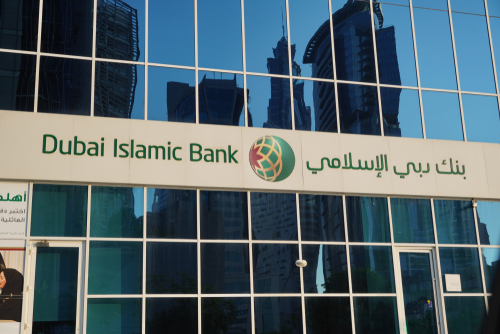
Dubai Islamic Bank (DIB) has successfully issued a $500 million Additional Tier 1 (AT1) sukuk, marking a significant milestone for the lender in the capital markets. The sukuk carries a profit rate of 5.25%, reflecting strong demand and investor confidence amid a challenging economic climate. This issuance comes as part of DIB’s strategy to bolster its capital base and enhance its financial stability.

The sukuk was priced within the bank’s existing curve, demonstrating its robust standing in the market. This issuance is particularly noteworthy given the broader context of the global financial environment, where rising interest rates have led to cautious investor sentiment. The strong demand for DIB’s sukuk highlights the bank’s solid credit profile and the appeal of Sharia-compliant financial instruments.

According to industry experts, the success of this sukuk reflects DIB’s commitment to maintaining a diversified funding base while supporting its growth strategy. The bank’s Chief Financial Officer emphasized the importance of such instruments in ensuring liquidity and financial strength. With this issuance, DIB aims to reinforce its position as a leader in Islamic banking and enhance its capital structure in alignment with regulatory requirements.

Investor appetite for AT1 sukuk has been robust, driven by the attractive profit rates compared to traditional bonds. Analysts indicate that the increasing interest in Sharia-compliant financial products among global investors has contributed to this trend. DIB’s sukuk issuance has not only attracted local investors but has also garnered significant interest from international institutions, showcasing the bank’s global reach.

Market participants have noted that the issuance comes at a time when several regional banks are exploring similar funding avenues to meet capital adequacy ratios mandated by regulators. DIB’s proactive approach in tapping into the sukuk market is seen as a strategic move to ensure compliance while capitalizing on favorable market conditions. The bank’s successful placement of the sukuk also reflects the strength of its franchise and the effectiveness of its outreach efforts to a diverse investor base.

The AT1 sukuk structure allows banks to raise capital in a manner that is compliant with Islamic law while offering investors a higher yield compared to conventional debt instruments. This structure has gained traction among financial institutions as it provides a means to enhance capital ratios without diluting existing shareholders’ equity. With the issuance, DIB has not only secured necessary capital but has also positioned itself favorably in the competitive landscape of Islamic finance.

DIB’s management expressed optimism about the future, highlighting the potential for further sukuk issuances in response to market demand. This issuance aligns with the bank’s overall growth strategy, which focuses on expanding its footprint in the Islamic finance sector while addressing the needs of its diverse customer base. The successful placement of the AT1 sukuk also underscores the importance of maintaining a strong balance sheet, especially in a period characterized by economic uncertainty.

Investor sentiment towards DIB remains positive, as evidenced by the strong subscription levels during the sukuk offering. The issuance was oversubscribed, reflecting a healthy appetite for Islamic financial instruments. This enthusiasm among investors is indicative of the broader trend within the region, where Islamic banks are increasingly recognized for their resilience and ability to navigate complex financial landscapes.

The issuance comes as the UAE continues to position itself as a global hub for Islamic finance. The government’s commitment to enhancing the Islamic financial ecosystem through regulatory frameworks and supportive policies has fostered an environment conducive to growth. DIB’s strategic initiatives align with this national agenda, reinforcing its role as a key player in promoting the Islamic finance industry.

As the global economy continues to evolve, DIB’s proactive stance in the sukuk market exemplifies its commitment to adapting to changing market dynamics. The successful issuance of the AT1 sukuk not only enhances the bank’s capital base but also reinforces its position as a preferred choice for investors seeking Sharia-compliant financial products. With a solid reputation and a strong track record, DIB is poised to continue its growth trajectory in the Islamic banking sector.

International Conference on The Science behind skincare, Skin Analysis & Skincare Knowledge HONG KONG SAR – Media OutReach Newswire – 14 October 2024 – The International Skin Health Foundation successfully held its Opening Ceremony and its annual thematic event, “Caring for Skin, Health and Beauty”, at the Hilton Garden Inn in Mong Kok, Hong Kong. The Inauguration Ceremony featured opening speeches by Professor Zheng Zhizhong, Chairman of […]

As tensions escalate between Israel and Iran, the world is watching with bated breath, and financial markets are bracing for a potential economic shock. The deployment of additional US troops and advanced anti-missile systems to Israel highlights how serious the situation has become. Recent unprecedented attacks from Iran and Israel’s potential countermeasures, particularly targeting Iran’s vital oil or nuclear facilities, could set the stage for a global […]

HONG KONG SAR – Media OutReach Newswire – 14 October 2024 – Henderson Sunlight Asset Management Limited (the “Manager“) is pleased to announce that Sunlight REIT has achieved a four-star rating in the 2024 GRESB Real Estate Assessment (“GRESB Assessment“), the leading global environmental, social and governance (“ESG“) benchmark in the real estate sector. Mr. Wu Shiu Kee, Keith, Chief Executive Officer of the Manager, said, “We […]

Advertisements

An initial public offering (IPO) by a leading Saudi human resource firm has garnered significant attention, with the offering fully subscribed within the first hour of trading. This surge in interest reflects growing investor confidence in the burgeoning Saudi market, driven by economic reforms and diversification efforts as outlined in the Vision 2030 initiative. The firm, which specializes in workforce management and recruitment services, has positioned itself […]

WordPress.org has taken steps to assert control over a plugin developed by WP Engine, following a series of disputes between the two entities. The conflict, which started with criticisms from WordPress founder Matt Mullenweg, centers on trademark infringements and accusations of profiteering by WP Engine. The decision to restrict WP Engine customers from accessing updates and plugins has left many concerned about security vulnerabilities. Both parties have engaged in cease-and-desist actions, escalating tensions that have drawn widespread attention within the WordPress community.

The friction between Automattic, the company behind WordPress, and WP Engine has been intensifying over the past months. Mullenweg’s remarks at WordCamp USA sparked a broader debate, as he labeled WP Engine a “cancer to WordPress” and criticized the company’s lack of contributions to the open-source ecosystem. He accused WP Engine of placing commercial interests ahead of community welfare, despite the company generating substantial revenues from WordPress users.

In response to Mullenweg’s comments, WP Engine issued a legal warning, demanding the retraction of statements made by Mullenweg and Automattic. This led to a standoff, with both sides trading legal threats over the use of WordPress and WooCommerce trademarks. Mullenweg defended his stance by pointing out WP Engine’s continuous violation of the WordPress Trademark Policy, which prohibits using the “WordPress” name in product or service titles.

One of the key flashpoints in this confrontation has been the alleged impact on WP Engine customers. WordPress.org temporarily blocked WP Engine users from updating or installing plugins and themes, which raised concerns about site security and performance. WP Engine acknowledged these issues, assuring customers that efforts were underway to address the problem and restore plugin functionality.

The dispute highlights broader issues about control within the WordPress ecosystem. While WordPress prides itself on being open-source and community-driven, Mullenweg’s actions against WP Engine are being viewed by some as a move toward greater centralization. His criticism of WP Engine’s proprietary systems, which control various aspects of the WordPress experience for their customers, points to a deeper concern about third-party entities monopolizing certain elements of the open-source platform.

A new study by Accenture highlights that companies embracing artificial intelligence (AI) and automation are experiencing notable performance advantages over their peers. The research indicates that 74% of firms reported their investments in automation and generative AI achieving or exceeding their expectations, with 63% planning to enhance these capabilities further by 2026. This comprehensive survey included insights from approximately 2,000 executives across various sectors. The findings underscore […]

Dubai Silicon Oasis (DSO) has garnered the prestigious title of “Middle East Free Zone of the Year” at the Global Free Zones of the Year 2024 Awards, hosted by the Financial Times’ fDi Intelligence. This recognition underscores DSO’s commitment to fostering innovation and entrepreneurship within the region’s economic landscape. The accolade highlights DSO’s strategic initiatives aimed at enhancing the free zone’s competitiveness, infrastructure, and service offerings, positioning it as a premier hub for technology and innovation.

Established in 2006, Dubai Silicon Oasis serves as a Special Economic Zone (SEZ) that focuses on attracting technology-based companies and supporting innovative businesses. It is one of five Urban Zones identified within Dubai’s 2040 Urban Master Plan, reflecting the emirate’s vision to transform into a global center for knowledge and innovation. DSO’s robust framework facilitates the growth of start-ups and established companies alike, offering a conducive environment for research, development, and collaboration.

Key to DSO’s success is its state-of-the-art infrastructure, which includes a mix of residential, commercial, and educational facilities. The free zone boasts advanced telecommunications and technology systems, making it an attractive destination for businesses seeking to establish a presence in the UAE. Moreover, DSO provides a variety of incentives for companies, including tax exemptions, 100% foreign ownership, and full repatriation of profits, which are critical in attracting international firms.

The recent award signifies DSO’s proactive approach to evolving with industry demands. The zone has embraced innovative practices, such as implementing smart city technologies and promoting sustainability initiatives, which resonate with global trends in urban development. DSO has introduced initiatives aimed at integrating artificial intelligence and smart solutions within its operational framework, thereby enhancing the overall efficiency and competitiveness of businesses operating within its premises.

One of the key factors contributing to DSO’s recognition is its extensive support for start-ups and entrepreneurs through initiatives like the Dubai Technology Entrepreneur Campus (DTEC). DTEC serves as an incubator for technology-focused businesses, providing mentorship, networking opportunities, and access to funding. The center plays a pivotal role in nurturing local talent and encouraging innovation, positioning Dubai as a prominent player in the global technology ecosystem.

DSO actively collaborates with academic institutions and research centers to drive innovation. This partnership model ensures that businesses have access to cutting-edge research and development resources, further enhancing the zone’s appeal. The synergy between industry and academia fosters a vibrant ecosystem that encourages knowledge sharing and innovation.

DSO’s commitment to sustainability is also noteworthy. The free zone has launched several initiatives aimed at reducing its carbon footprint and promoting green practices among its tenants. This focus on sustainability not only aligns with global environmental goals but also attracts businesses that prioritize corporate social responsibility.

The recognition from fDi Intelligence is expected to further bolster DSO’s reputation as a leading free zone in the region. This accolade will likely enhance its attractiveness to foreign investors and companies looking to tap into the lucrative Middle Eastern market. As the UAE continues to position itself as a hub for technology and innovation, DSO is poised to play a critical role in shaping the future of the region’s economy.

In addition to attracting international businesses, DSO is focused on fostering a diverse and inclusive workplace culture. This approach has contributed to its reputation as an employer of choice among skilled professionals. The free zone’s commitment to diversity not only enriches its work environment but also drives creativity and innovation among its workforce.

As the competitive landscape among free zones intensifies, DSO’s ability to adapt to changing market conditions and embrace new technologies will be crucial. The ongoing investment in infrastructure and services indicates that DSO is well-positioned to maintain its leadership in the innovation sector. The zone’s emphasis on continuous improvement and customer-centric services ensures that it remains responsive to the needs of businesses.

DSO’s strategic location in Dubai enhances its accessibility to global markets, facilitating trade and collaboration. The free zone’s proximity to major transport hubs and its integration with Dubai’s extensive logistics network make it an ideal base for companies seeking to expand their reach.


Bybit has launched an enticing new initiative aimed at attracting participants to its World Series of Trading (WSOT) 2024 as the final registration phase unfolds. The world-renowned cryptocurrency exchange, which ranks second globally in trading volume, has introduced a limited-time opportunity featuring a prize pool of $100,000. This effort targets traders who join the competition late, enhancing engagement and broadening participation in the high-stakes trading event. The […]

Saudi Aramco has officially awarded the principal contract for the engineering, procurement, and construction (EPC) of the third expansion phase of its Jafurah unconventional gas development project. This strategic move marks a significant step towards enhancing the Kingdom’s gas production capabilities and aligning with Saudi Arabia’s long-term energy strategy. The project is expected to bolster the nation’s energy security and support economic diversification efforts.

The Jafurah gas field, located in the eastern province of Saudi Arabia, is recognized as the largest unconventional gas field in the Kingdom. The field is part of a broader plan to increase domestic natural gas production to meet growing demand and reduce dependence on oil. Saudi Arabia aims to produce 2.2 billion standard cubic feet per day (Bscfd) of gas by 2030, significantly contributing to the country’s energy mix.

This latest expansion phase is set to add substantial new production capacity, which will play a crucial role in powering various industries, supporting power generation, and fueling the domestic petrochemical sector. The contract award follows an extensive evaluation of bids from several international contractors, reflecting Aramco’s commitment to fostering collaboration with leading global firms to enhance project execution efficiency.

The engineering and procurement components of the project will be critical in ensuring that the necessary infrastructure is developed to support the anticipated gas output. Industry analysts note that the selected contractor will need to navigate complex logistical challenges inherent in operating within such a vast and demanding environment, given the scale and scope of the Jafurah project.

As part of Saudi Arabia’s Vision 2030, the Jafurah gas development is a pivotal element in diversifying the economy and moving towards a more sustainable energy future. The initiative aims to reduce carbon emissions by utilizing natural gas as a cleaner alternative to oil for energy generation. Additionally, it supports the government’s efforts to develop the downstream sector, with increased availability of natural gas for petrochemical production.

The awarding of the contract is also a reflection of the resilience and adaptability of the Saudi oil and gas sector amid fluctuating global energy prices and evolving market dynamics. Industry stakeholders emphasize the importance of executing such large-scale projects efficiently, particularly in a landscape characterized by increasing demand for cleaner energy solutions.

Saudi Aramco’s commitment to investing in infrastructure and technology to optimize gas production is evident through its investment in advanced technologies. These technologies aim to enhance recovery rates and operational efficiency, ultimately leading to lower production costs and improved profitability for the project. Furthermore, the Jafurah gas development aligns with global trends toward gas as a transitional fuel, positioning Saudi Arabia as a vital player in the international energy market.

The project has garnered attention not only for its potential economic impact but also for its contributions to job creation and skill development within the Kingdom. Local employment opportunities will arise throughout the project’s lifecycle, fostering talent development in engineering, construction, and project management. This aligns with the Kingdom’s broader goals of enhancing local workforce capabilities and reducing reliance on expatriate labor.

The Jafurah gas project is anticipated to generate significant revenues for the Saudi government, supporting public spending and investment in infrastructure projects. As global energy demands evolve, the Kingdom’s efforts to maximize its natural gas resources are poised to play a pivotal role in meeting both domestic and international energy needs. Analysts predict that the development will also enhance Saudi Arabia’s bargaining position in global energy markets, particularly in the context of OPEC+ agreements and fluctuating oil prices.

With the Jafurah gas field set to enter a new phase of development, the importance of maintaining regulatory compliance and environmental standards cannot be overstated. Saudi Aramco has emphasized its commitment to sustainability and environmental stewardship throughout the project. Continuous monitoring and assessment of environmental impacts will be essential to mitigate any adverse effects associated with gas production.

This milestone in the Jafurah project represents a significant advancement in Saudi Arabia’s energy agenda, reflecting its aspirations to transition towards a more sustainable and diversified energy landscape. As global markets increasingly prioritize cleaner energy solutions, the Jafurah gas development is well-positioned to meet emerging demands while enhancing the Kingdom’s energy security.

Dubai Islamic Bank (DIB), the largest Islamic lender in the UAE, successfully issued a $500 million Additional Tier 1 sukuk, marking a significant moment in the global Islamic finance sector. The offering, which attracted substantial interest from regional and international investors, was designed to enhance the bank’s capital adequacy under Basel III regulations. The sukuk comes with a 5.25% profit rate per annum, a competitive pricing compared […]

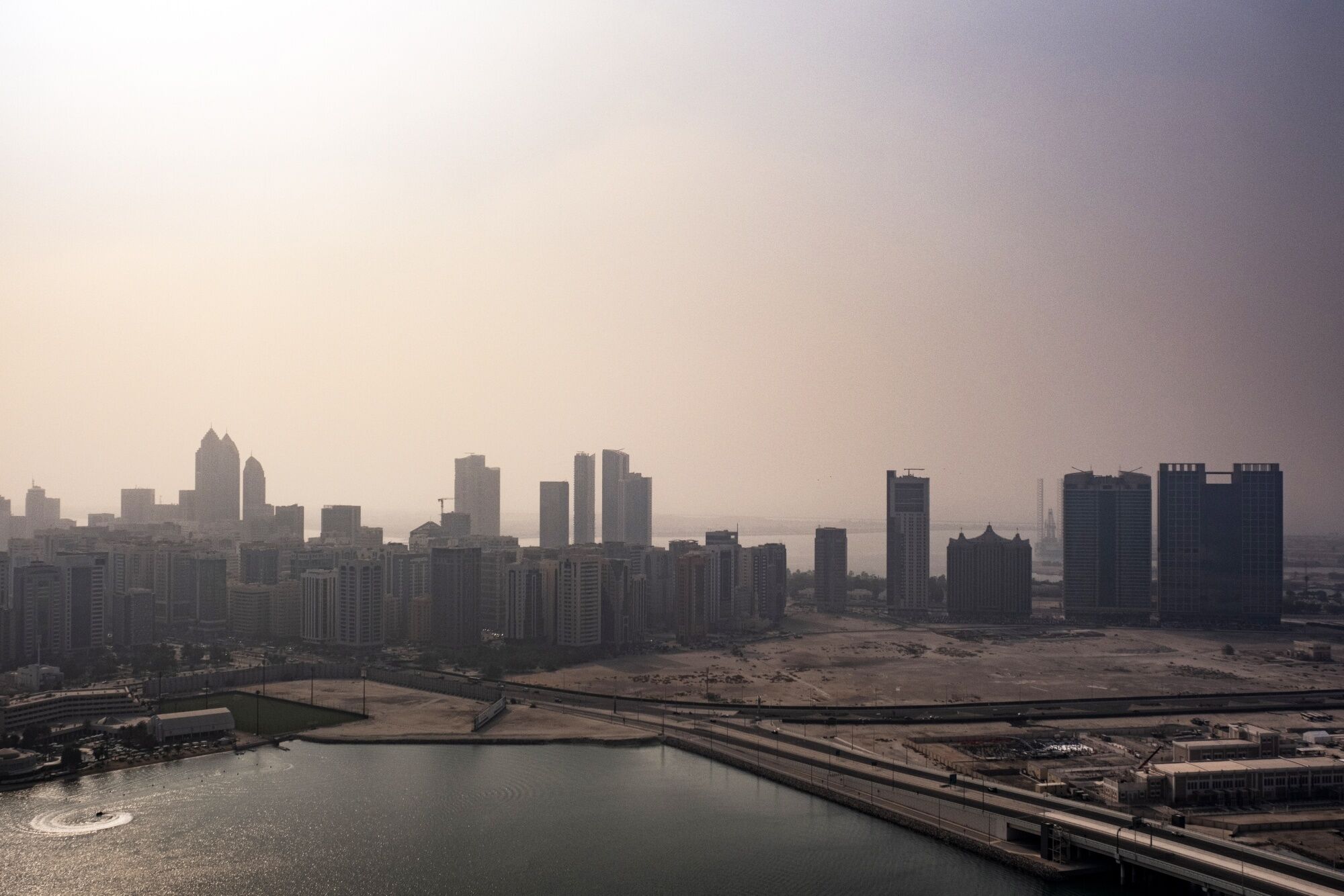
The launch of the Abu Dhabi Real Estate Centre (ADREC) signals a major push to attract more foreign direct investment (FDI) into the emirate’s growing real estate sector. Spearheaded by the Department of Municipalities and Transport (DMT), ADREC is tasked with promoting transparency, innovation, and operational efficiency, all while creating a more investor-friendly regulatory framework. The initiative underscores Abu Dhabi’s ambition to position itself as a global […]

Lunate, an investment entity based in the UAE, is actively considering a substantial investment estimated at $1 billion in HPS, a prominent credit management firm headquartered in Morocco. This strategic move reflects Lunate’s ambition to strengthen its foothold in the North African financial sector, specifically targeting opportunities in credit services and risk management. The potential partnership with HPS signifies a noteworthy shift as it aims to capitalize on the growing demand for financial services in the region.

Established in 2009, HPS has emerged as a key player in the payments and credit sectors across Africa and the Middle East. The firm specializes in offering payment solutions and software development for various financial institutions, including banks and telecommunications companies. HPS has experienced robust growth, bolstered by the increasing digitization of financial services and the rising need for efficient payment solutions. Its software products have gained traction among a diverse clientele, which includes major banks and businesses throughout the continent.

Lunate’s interest in HPS comes at a time when the credit and payments landscape in Africa is undergoing significant transformation. With the continent’s financial inclusion rates improving and digital payment adoption accelerating, the demand for innovative financial services is skyrocketing. This trend has attracted both regional and international investors, positioning firms like HPS to capture emerging market opportunities. Analysts believe that Lunate’s investment could potentially enhance HPS’s technological capabilities and expand its market reach, ultimately leading to increased profitability and growth.

Reports indicate that the negotiations between Lunate and HPS are in advanced stages, with both parties optimistic about the prospects of this collaboration. If finalized, this investment would not only provide HPS with additional capital for expansion but could also facilitate knowledge transfer and expertise sharing between the firms. Lunate’s strategic vision aligns with HPS’s growth objectives, creating a synergistic partnership aimed at maximizing value in the rapidly evolving financial landscape.

The backdrop of this potential investment is characterized by a wave of consolidation and investment activity within the African financial sector. With increasing competition from fintech startups and traditional financial institutions pivoting towards digital solutions, companies like HPS are under pressure to innovate continuously. Lunate’s entry into this market would signify a proactive approach to navigating these challenges, positioning HPS to remain competitive in a fast-changing environment.

Lunate’s decision to invest in HPS may signal its broader strategy to diversify its investment portfolio beyond traditional sectors. Historically, Lunate has focused on sectors such as real estate and technology, but this move into financial services underscores a strategic pivot towards high-growth sectors with substantial potential for returns. The firm’s leadership has expressed confidence in the African market’s potential, particularly in credit management and payment solutions.

As the investment landscape evolves, various key players are closely monitoring developments in the African credit market. International financial institutions and venture capitalists are increasingly interested in exploring opportunities across the continent, recognizing its untapped potential. This heightened interest has led to increased competition for investments, resulting in higher valuations for promising companies like HPS.

Analysts are keen to observe how this potential partnership between Lunate and HPS may impact the broader financial ecosystem in North Africa. A successful collaboration could pave the way for additional investments in the region, further enhancing its reputation as a burgeoning hub for financial innovation. The implications of such investments extend beyond individual companies, potentially driving industry standards and practices that could benefit consumers and businesses alike.

HPS’s recent advancements in payment technology, including the launch of new services aimed at improving transaction efficiency and security, have positioned it favorably to benefit from additional capital investment. These innovations not only address the growing demands of consumers but also align with regulatory expectations in the financial sector. As the landscape continues to evolve, companies that can adapt and innovate will likely emerge as leaders in their respective fields.

JOHANNESBURG, SOUTH AFRICA – Media OutReach Newswire – 10 October 2024 – IT News Africa is excited to announce IT Leaders Forum 2024, which will take place on November 5, 2024, at The Capital Empire in Sandton, South Africa. This premier event will bring together top technology decision-makers from diverse industries to explore strategies for resilience and innovation in the IT sector. In the face of skilled […]

Ratan Tata, a stalwart in India’s corporate landscape and a key figure in elevating the Tata Group to international prominence, has passed away at the age of 86. His leadership was marked by significant transformations within the Tata Group, extending its reach across various sectors including steel, automotive, and technology, while also prioritizing philanthropic initiatives that enhanced the group’s societal contributions. Tata’s tenure as chairman began in […]

Further enhance the Company’s earnings per share and maintain long-term financial stability HONG KONG SAR – Media OutReach Newswire – 9 October 2024 – Yuexiu Transport Infrastructure Limited (“Yuexiu Transport” or the “Company”; stock code: 01052.HK) announced today that a wholly-owned subsidiary of the Company has entered into an agreement to acquire 55% equity interests in the target company which holds the toll collection rights of Henan […]

A significant investment agreement has been reached between the Public Investment Fund (PIF) of Saudi Arabia and Central Group, a leading Thai retail and property conglomerate, aimed at bolstering the Selfridges Group’s market position. This partnership, revealed by both entities, marks a strategic move to enhance the group’s retail and property development capabilities, ensuring its resilience in a rapidly evolving market landscape.

The transaction is poised to solidify Selfridges Group’s status within the luxury retail sector. The partnership between PIF and Central Group is projected to provide the necessary financial backing for various initiatives, including enhancing the brand’s e-commerce offerings and expanding its physical footprint across key markets. These developments come as luxury retail brands increasingly seek to adapt to changing consumer behaviors, particularly in light of the pandemic’s long-term impacts.

Selfridges, a well-known name in the luxury department store market, has faced challenges stemming from shifts in shopping habits, particularly a surge in online shopping. The investment from PIF, a sovereign wealth fund with significant resources, combined with Central Group’s retail expertise, positions Selfridges Group to better compete against both traditional rivals and online platforms. This collaboration is seen as an avenue to navigate these challenges while fostering innovation.

Key players in the retail sector have noted that this investment aligns with broader trends in the market where partnerships between traditional retailers and financial investors are becoming increasingly common. The infusion of capital from PIF, coupled with Central Group’s extensive experience in retail operations, will enable Selfridges Group to streamline its supply chain and enhance customer experience both online and in-store. The commitment to enhancing digital capabilities is particularly critical, as brands strive to create seamless shopping experiences for consumers who are now more accustomed to online transactions.

Analysts suggest that the strategic alliance could lead to an expansion of the Selfridges brand beyond its traditional boundaries. Central Group, which has a robust portfolio of retail operations in Thailand and other regions, brings a wealth of knowledge about consumer preferences and market dynamics. This expertise could facilitate the entry of Selfridges into new markets, leveraging Central Group’s established networks and distribution channels.

The agreement has garnered attention not just for its financial implications but also for its potential impact on the luxury retail landscape. As competition intensifies, particularly from digital-native brands and international luxury players, established brands like Selfridges must evolve to maintain relevance. The backing from PIF and Central Group is expected to drive innovation and adaptation strategies, including enhancing sustainability initiatives that resonate with the growing eco-conscious consumer base.

Experts in the field have noted that this investment represents a proactive approach to growth in an industry marked by uncertainty. The luxury retail sector has seen a shift toward sustainability, personalization, and technological integration, prompting brands to rethink their strategies. Selfridges Group’s focus on improving e-commerce capabilities is part of a broader industry trend where digital sales channels are no longer supplementary but central to retail success. The new investment will facilitate the necessary technological upgrades to meet these changing demands.

This deal could serve as a precedent for future investments in the luxury retail sector. It reflects a growing recognition among investors of the potential profitability of well-established retail brands that can successfully adapt to new market conditions. The collaborative effort between PIF and Central Group illustrates how financial institutions can play a critical role in supporting the transformation of traditional retail businesses.

While the financial specifics of the deal have not been publicly disclosed, it is widely acknowledged that both parties aim to maximize returns on their investment through careful strategic planning. The partnership is expected to unfold in stages, with initial focus areas likely including refurbishing existing stores, expanding product offerings, and enhancing the overall shopping experience.

The evolution of Selfridges Group under this new investment is anticipated to be closely watched by industry observers, particularly as the luxury retail sector navigates the complexities of a post-pandemic world. Retail experts are keen to see how effectively the company integrates technological advancements while retaining the unique brand identity that has made Selfridges a staple in luxury shopping.

Surging interest in initial public offerings (IPOs) has led many families in India to allocate their savings towards these investments, igniting fears of a potential market bubble. With a plethora of IPOs hitting the market, a growing number of retail investors are now navigating the complex landscape of public offerings, eager to capitalize on perceived opportunities for wealth generation. This significant shift in investment strategy has raised […]

Cryptocurrency markets are experiencing notable fluctuations, with Bitcoin holding steady at approximately $62,000 despite significant swings in traditional financial assets like stocks and gold. The dynamics between these markets reveal a complex relationship, influenced by various economic indicators and investor sentiment. While risk assets such as equities have surged, driven by optimistic corporate earnings and robust economic data, precious metals like gold have faced downward pressure. Recent […]

Saudi Arabia’s food giant Almarai is poised for a major expansion in the region with its decision to acquire Jordan’s Hammoudeh Food Industries for $70 million. This strategic move aims to bolster Almarai’s dairy and cheese production capabilities through its subsidiary, Teeba Investment. The deal is seen as part of Almarai’s broader efforts to deepen its presence in core markets across the Middle East.

Hammoudeh Food Industries, a leading producer of dairy, juices, and other related products in Jordan, represents a crucial addition to Almarai’s portfolio. The acquisition, valued at SR263 million (roughly $70 million), will be financed through Almarai’s internal cash flows. This investment not only solidifies the company’s foothold in Jordan but also aligns with its long-term growth strategy. The acquisition is still subject to regulatory approvals in both Jordan and Saudi Arabia, and adjustments to the final price may occur as the process progresses.

The acquisition is expected to provide Almarai with significant operational leverage, enabling it to enhance its product offerings and scale operations across the region. Almarai’s strategic move aligns with ongoing trends in the Middle East’s food and beverage sector, where companies are increasingly looking to consolidate their presence in key markets and diversify their product lines. For Almarai, this acquisition marks another step in maintaining its competitive edge as one of the largest dairy producers in the region.

The company has been eyeing expansion opportunities in key markets like Jordan, where Hammoudeh’s established brand and operational capabilities complement Almarai’s ambitions to enhance its supply chain and distribution networks. This move is likely to have significant implications for Almarai’s growth trajectory as it works to tap into Jordan’s growing dairy market and further expand its consumer base.

Almarai’s financial performance has been robust, reflecting its successful execution of strategic acquisitions and operational efficiencies. Over the years, the company has maintained a strong presence in the GCC, and the acquisition of Hammoudeh is expected to solidify its position as a leading player in the region’s dairy market. This latest acquisition will enable Almarai to extend its product range, which includes milk, cheese, and other dairy products, while also leveraging economies of scale to drive profitability.

The Middle East’s dairy market has seen a surge in demand driven by shifting consumer preferences toward healthier food options. Companies like Almarai have responded by investing in innovation and expanding their product lines to cater to these trends. Almarai’s recent financial results also demonstrate the company’s resilience and ability to adapt to changing market conditions. In its latest trading updates, Almarai’s stock price climbed by 1.62% following the announcement of the acquisition, signaling strong investor confidence in its expansion strategy.

Almarai’s acquisition of Hammoudeh Food Industries also comes at a time when regional trade relationships are being strengthened. Saudi Arabia and Jordan have been enhancing economic cooperation, especially following the signing of the Comprehensive Economic Partnership Agreement (CEPA), which aims to boost trade between the two nations. The trade between Saudi Arabia and Jordan is projected to reach $8 billion in the near future, a sign of the deepening ties between these neighboring nations. Almarai’s investment in Jordanian assets could serve as a catalyst for further collaborations between businesses in the two countries, strengthening economic ties and creating opportunities for other sectors as well.

This acquisition is seen as a continuation of Almarai’s strategy of diversifying its business and enhancing its regional footprint. Previously, the company had made strategic acquisitions and investments to expand into new product segments, particularly in the food and beverage industry. This focus on expansion has enabled Almarai to maintain its leadership in the market, especially amid growing competition in the sector.

Looking ahead, Almarai is expected to continue seeking out new growth opportunities in the region, with a particular focus on emerging markets that offer strong consumer demand for dairy products. The acquisition of Hammoudeh is just one piece of the puzzle in Almarai’s broader growth strategy, as the company works to enhance its production capabilities, streamline its supply chain, and expand its distribution network across the Middle East.

HONG KONG SAR – Media OutReach Newswire – 7 October 2024 – Sometimes in October Hong Kong gets typhoons and thunderstorms, while on rare occasions at the season opener CBRE Lantau 2 Peaks there is blue sky, baking sun with record temperatures well over 30c, which is what happened Sunday, making the climbing over the 934m Lantau Peak and 800m+ Sunset Peak, close to 1900m elevation gain […]

VISHNU RAJA
RYO YAMADA
HITORI GOTOH
IKUYO KITA