Just in:
Diabetes Malaysia And Alpro Pharmacy Set National Record With 11,007 Most Blood Glucose Screenings Conducted Across Malaysia In Just 48 Hours // ED searches five districts in probe against hawala // Saudi Arabia schedules multinational top-up tax for 2027 // Promoting Common Human Development Through Exchanges and Mutual Learning Among Civilizations // 2026 Tropical Rainforest Ecosystem Partners Conference Kicks off in Hainan // Bail refused to 17-year old in Abhiram murder // Dubai Introduces SHARH, an AI-Powered Platform Helping Entrepreneurs Buy, Sell and Manage Businesses in the UAE // Fungal toxins detected across 212 UK plant-based products // Singapore regulator cautions against AI access to bank logins // Coinbase targets 2027 launch amid state gambling lawsuits // Crypto market loses $150 billion amid broad sell-off // Ex-minister named accused in Messi visit fraud case // US military rebuts Iran’s Gulf F-16 strike allegation //
Rahul addresses League’s INDIA bloc grievances
// Workday targets Honeydew purchase to unify AI metrics // PayerMax and ShopeePay Strengthen Strategic Partnership to Advance Digital Payment Collaboration in Southeast Asia // Russia permits retail cryptocurrency purchases under regulated framework // Phancy Announces Business Performance for the Nine Months Ended September 30, 2026 // Sui activates Hashi Bitcoin lending across partner network // Yeebo Announces Interim Results for FY26/27 Revenue Increases by 45.5% to HK$806.7 Million Profit Attributable to Owners Surges 87.6% to HK$2,284.7 Million //

News related to
profit

GUANGDONG, CHINA – Media OutReach Newswire – 31 August 2024 – On August 26, 2024, Viomi Technology Co., Ltd (NASDAQ: VIOT) issued its first half of 2024 unaudited financial results. Based on the financial report, the net revenues were US$143.1 million, net income attributable to ordinary shareholders of the Company was US$0.8 million. According to the management’s preliminary estimates, excluding the divested businesses, the estimated revenues from […]

Saxo Bank has announced a substantial 35% increase in its adjusted net profit for the first half of 2024, reaching USD 76 million, up from USD 56 million during the same period last year. This impressive growth reflects the bank’s strong performance across various financial sectors and robust trading volumes.

The bank attributes its success to a combination of strategic investments, increased trading activity, and enhanced client engagement. Saxo Bank’s diverse range of financial products and services, including its advanced trading platforms and investment solutions, have contributed to its ability to capture a significant share of the market.

Key to this growth has been Saxo Bank’s expansion into new markets and the continued enhancement of its digital trading platforms. The bank’s efforts to leverage cutting-edge technology and data analytics have enabled it to offer more tailored investment solutions and improve overall client satisfaction. As a result, Saxo Bank has seen a notable rise in both retail and institutional clients.

Moreover, Saxo Bank’s strong performance is underpinned by a favorable market environment characterized by increased volatility and higher trading volumes. The bank’s ability to effectively navigate market fluctuations and capitalize on trading opportunities has been a crucial factor in its financial success.

The bank has also emphasized its commitment to sustainable growth and innovation. Investments in technology and infrastructure have been pivotal in maintaining a competitive edge and delivering value to clients. Saxo Bank’s focus on sustainability is reflected in its strategic initiatives aimed at reducing operational costs and enhancing efficiency.

Saxo Bank’s management has expressed optimism about the future, citing a positive outlook for the remainder of 2024. The bank plans to continue its strategic expansion and innovation efforts, aiming to further strengthen its market position and deliver consistent results. The successful execution of its growth strategy positions Saxo Bank as a leading player in the global financial services industry.

Saxo Bank’s robust performance in the first half of 2024 underscores its ability to adapt to changing market conditions and drive significant financial growth. The bank’s focus on technology, market expansion, and client satisfaction continues to be a key driver of its success.

Dubai-listed companies have reported a substantial increase in net profits, rising by 30.9% year-on-year to reach $6.7 billion in the second quarter of 2024. This performance marks a significant leap from the $5.1 billion recorded in the same period last year. This growth contrasts sharply with the broader trend observed across the Gulf Cooperation Council (GCC) region, where listed companies saw a more modest net profit increase […]

Aggregate net profits for companies listed on Gulf Cooperation Council (GCC) exchanges grew by 5.7% year on year (YoY) during the second quarter of 2024, driven by broad-based growth across most regional markets. This performance reflects the resilience of key sectors amid global economic challenges, with particular strength observed in the banking, materials, and telecommunications industries.

Saudi Arabia, the largest economy in the region, saw a 2.6% YoY increase in aggregate net profits, reaching $39.1 billion in Q2-2024. The banking, materials, and telecommunications sectors were the main contributors to this growth. However, several sectors, including energy and consumer services, experienced profit declines, tempering the overall increase.

The United Arab Emirates (UAE) displayed robust financial results across both its main markets, Dubai and Abu Dhabi. Dubai-listed companies reported a significant 30.9% YoY rise in net profits, totaling $6.7 billion. Banks, capital goods, and telecommunications companies drove this growth, with these sectors accounting for over 80% of the exchange’s aggregate earnings.

Abu Dhabi’s companies experienced a more moderate 4.7% YoY increase in net profits, amounting to $8.3 billion. The banking and energy sectors were the primary growth drivers, with the latter witnessing a 20.7% YoY surge in profits. However, on a half-year basis, Abu Dhabi’s total net profits slightly declined by 2.2% compared to the same period in 2023.

Bahrain and Kuwait also reported positive financial performances. Bahrain-listed companies achieved a 37.5% YoY rise in total net profits for Q2-2024, driven by gains in the banking and materials sectors. Meanwhile, Kuwait’s listed firms saw a modest 1.0% YoY growth in net profits, with the real estate sector showing the most significant improvement, reporting a 104.4% jump in profits.

Qatar’s stock market recorded a 5.6% YoY gain in total earnings for Q2-2024, reaching $3.35 billion. The banking, insurance, and capital goods sectors were the primary contributors, although this growth was partially offset by declines in the materials and real estate sectors.

In contrast, Oman was the only GCC market to report a slight decline in total net profits, with a 0.9% YoY decrease to $506.4 million in Q2-2024. This was largely due to underperformance in several key sectors, despite growth in banking and commercial services.

The overall 5.7% YoY growth in the GCC’s aggregate net profits highlights the region’s economic resilience, with a diverse range of sectors contributing to the financial health of these markets. As the global economic landscape continues to evolve, the GCC remains a key area of focus for investors seeking stability and growth opportunities.


KUALA LUMPUR, MALAYSIA – Media OutReach Newswire – 29 August 2024 – Malaysia’s leading independent investment bank, Kenanga Investment Bank Berhad (“Kenanga” or “The Group“) today announced stronger earnings for the period ended 30 June 2024 (“1H24“). Datuk Chay Wai Leong, Group Managing Director, Kenanga Investment Bank Berhad Revenue for 1H24 rose by 18.3% to RM447.3 million from RM378.1 million, while profit before tax (“PBT“) increased by […]

Sustaining Momentum Fueled by Robust Global Demand for K-Beauty Products Results Highlights Revenue and net profit grew 80.2% to US$163.35 million and 610.6% year-on-year to US$11.1 million respectively, hitting first-half year historical high Revenue from beauty products, in particular Korean beauty (“K-Beauty”) products, increased 113.9% to US$149.4 million, contributing 91.4% of the Group’s total revenue While the US remained as the largest market, European Union became the […]

By Nitya Chakraborty Former British Prime Minister Harold Wilson once said that a week is too long a time in politics. This was in the context of post-war turmoil in British politics. As regards India, it seems that the post 2024 Lok Sabha elections scenario is changing fast and the most affected has been the […]
Advertisements

Salik, Dubai’s road toll operator, has revised its revenue growth projections upwards to 7-8% for 2024, driven by the addition of two new toll gates expected to be operational by November. The company’s decision to expand its tolling network comes as part of a broader strategy to boost revenues and enhance its market presence. In the first half of 2024, Salik reported a strong financial performance with […]

Achieved Record High Revenue of HK$273.6M and Net Profit of HK$67.4M Further Penetration to Osteoporosis, Ophthalmology, and Medical Aesthetic Device Markets HONG KONG SAR – EQS Newswire – 28 August 2024 – A fully integrated biopharmaceutical company – Uni-Bio Science Group Limited (“Uni-Bio Science”, together with its subsidiaries referred to as the “Group”, stock code: 0690.HK), is pleased to announce its interim results for the six months […]

Majid Al Futtaim, a leading retail and leisure conglomerate, has reported a robust Dh1.6 billion profit for the first half of the year, reflecting a strong performance across its diversified portfolio. The company’s latest financial results showcase significant gains driven by strategic expansions and increased consumer spending. The company’s profitability is largely attributed to its diverse business model, which includes shopping malls, retail operations, and leisure and […]

Proposed an interim dividend of HK11.0 cents per share Highlights: Revenue increased by approximately 10.6% to approximately HK$1,393.7 million as compared with the Corresponding Period Last Year. Gross profit increased by approximately 11.6% to approximately HK$507.9 million as compared with the Corresponding Period Last Year, gross profit margin increased to approximately 36.4%. Profit attributable to owners of the Company increased by approximately 6.2% to approximately HK$122.6 million […]

Dubai-based Web3 streaming platform Myco has raised $10 million in the first closing of its Series A funding round, pushing its post-money valuation to $80 million. This influx of capital will fuel Myco’s expansion plans and migration to blockchain technology, particularly its partnership with the Aptos Foundation to migrate the platform’s wallet infrastructure and re-launch its native utility token on the Aptos Blockchain by Q4 2024. The […]

By Nantoo Banerjee Union Finance Minister Nirmala Sitharaman’s advice to government-controlled banks to launch special drives to step up deposit mobilization to catch up with the demand for loans may give a wrong impression that the public sector bank (PSB) management does not know the basic principles of banking. How can a PSB mobilise enough […]
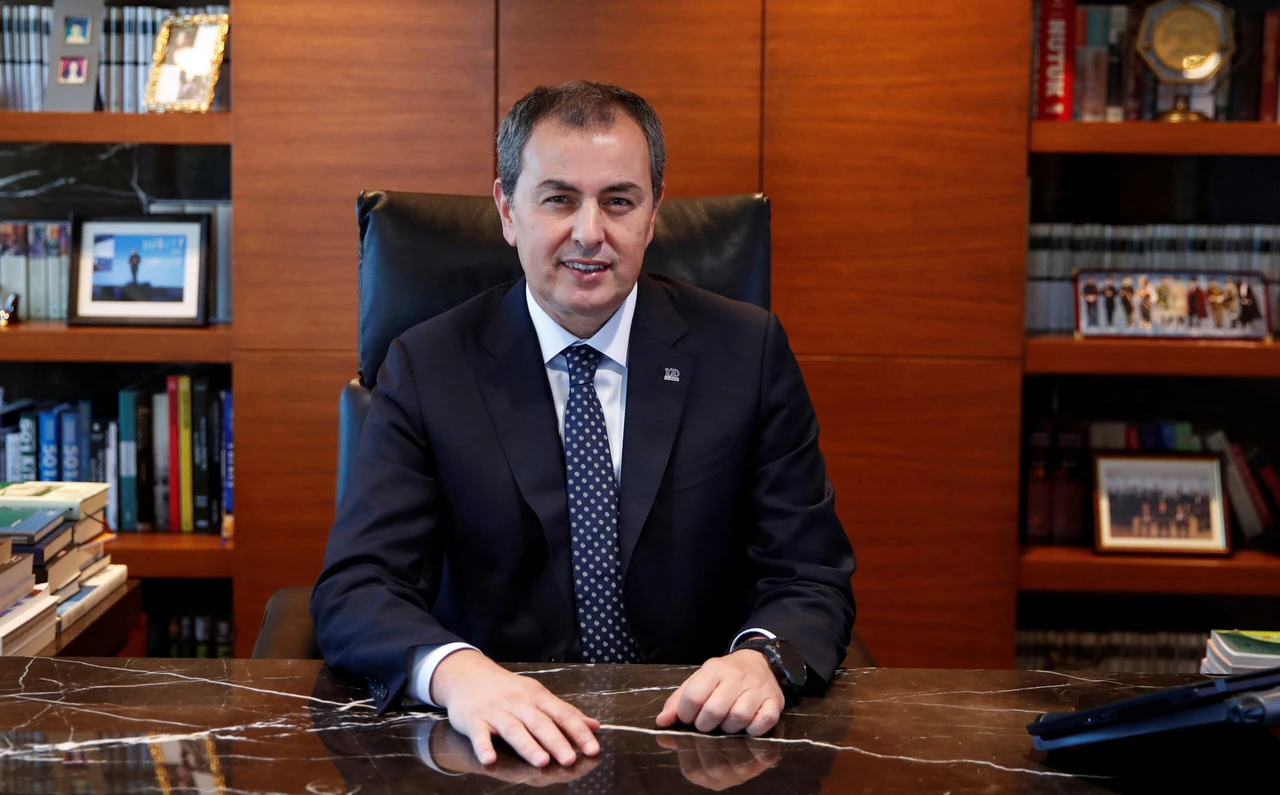
Isbank CEO, Hakan Aran, acknowledged significant hurdles for the bank as it navigates the complex economic landscape of Turkey. The country’s soaring inflation and fluctuating interest rates have cast a long shadow over the financial sector. In a notable development, Aran outlined plans for a strategic rate cut in November, a move anticipated to affect both the bank’s operations and the broader Turkish economy.

Aran’s statement came on the heels of Isbank’s centennial celebrations, marking 100 years of operation. This milestone underscores the institution’s long-standing presence in the Turkish financial market, which is currently under intense scrutiny due to the nation’s economic volatility. Despite Isbank’s historic achievements, the challenges posed by Turkey’s economic conditions are expected to shape its future strategies.

Inflation in Turkey has surged to unprecedented levels, driven by a combination of global economic pressures and domestic factors. The Central Bank of Turkey has responded with high interest rates, aiming to curb inflation and stabilize the currency. However, this policy has led to a constrained lending environment, impacting banks’ profitability and operational flexibility.

Isbank’s upcoming rate cut is a strategic response to these economic pressures. By lowering its rates, Isbank aims to stimulate lending and support economic growth amidst a challenging environment. The decision aligns with broader efforts by Turkish authorities to balance inflation control with economic growth stimulation. Aran emphasized that the rate cut is designed to enhance the bank’s competitiveness and support its clients during these turbulent times.

As Isbank celebrates its 100th anniversary, the institution reflects on a century of navigating Turkey’s economic ups and downs. The anniversary provides an opportunity for introspection and reassessment of the bank’s strategies in the face of evolving economic conditions. Aran highlighted that while the historical legacy of Isbank is a source of pride, the focus must remain on adapting to contemporary challenges.

The Turkish financial sector, including Isbank, is grappling with a tight economic environment marked by high inflation rates and fluctuating currency values. The Central Bank’s high interest rate policy, while aimed at stabilizing the economy, has created a complex landscape for financial institutions. Banks are required to balance the need for competitive interest rates with the necessity of maintaining financial stability and profitability.

Aran’s approach involves a nuanced understanding of these economic dynamics. The planned rate cut is seen as a proactive measure to mitigate some of the adverse effects of the high-interest environment. By adjusting its rates, Isbank aims to enhance its lending capabilities and provide better support to its clients, particularly businesses and individuals affected by the current economic pressures.

The broader context of Turkey’s economic challenges includes global factors such as energy price fluctuations and supply chain disruptions, which have exacerbated inflationary pressures. Domestic economic policies and geopolitical factors also play a crucial role in shaping the financial environment.

Isbank’s response to these challenges reflects a broader trend among Turkish banks to adapt their strategies in response to changing economic conditions. As the financial sector continues to evolve, the ability to navigate these challenges effectively will be crucial for maintaining stability and fostering growth.

The strategic decisions made by Isbank, including the anticipated rate cut, will be closely watched by analysts and stakeholders within the financial sector. These decisions will not only impact the bank’s operations but also have broader implications for Turkey’s economic landscape.

Enjoy Local Favourites with Exclusive Rewards KUALA LUMPUR, MALAYSIA – Media OutReach Newswire – 26 August 2024 – In celebration of Malaysia Day, inDrive, the global ride-hailing platform, and Kedai Kopi Malaya, the beloved local food brand, are teaming up to offer Malaysians a special treat! This exciting collaboration highlights the perfect blend of convenience and culinary delight, bringing together two essential elements of Malaysian culture—getting around […]

Declared an interim dividend of HK1.5 cents per share Highlights: Revenue generated by RMAA works increased by approximately 11.2% Gross profit increased by 25.0% to approximately HK$188.1 million. Gross profit margin increased by 1.5 p.p. to approximately 6.8%. Basic earnings per share was HK7.17 cents. The Board resolved to declare the payment of interim dividend of HK1.5 cents per share. Financial Highlights: For the 6 months ended […]

Sanofi has initiated the process of selling its consumer health unit, with France’s PAI Partners and the Abu Dhabi Investment Authority (ADIA) emerging as key players in the bidding. The French pharmaceutical giant is exploring options to maximize value, which includes a potential sale or separate listing of the unit.

As part of this strategic move, Sanofi has set a mid-July deadline for first-round bids. Among the prospective buyers, private equity firm PAI Partners, in collaboration with ADIA, is considered a strong contender. Other potential bidders include industry heavyweights like Blackstone, Advent International, and Clayton Dubilier & Rice.

Sanofi’s consumer health business, known for popular over-the-counter brands, has garnered significant interest from global investors. The company is evaluating various separation scenarios with the aim of concluding the transaction by the end of 2024. This move aligns with Sanofi’s broader strategy to streamline its operations and focus on core pharmaceutical activities.

The involvement of ADIA signals growing interest from sovereign wealth funds in the pharmaceutical sector, reflecting the appeal of stable, cash-generating assets in the healthcare industry. As the bidding process unfolds, the collaboration between PAI Partners and ADIA is expected to play a crucial role in the outcome of this high-stakes deal.

Sanofi’s decision to potentially divest its consumer health unit underscores the ongoing trend among large pharmaceutical companies to reallocate resources and focus on more profitable segments like innovative drugs and biotechnology. The outcome of this sale could have significant implications for the global healthcare market, particularly in the consumer health sector.

UBS Group AG’s push against increased capital requirements has been firmly rejected by Swiss Finance Minister Karin Keller-Sutter. Despite the bank’s substantial lobbying efforts, Keller-Sutter has maintained her stance, indicating that the proposed new regulations will proceed as planned.

UBS has been advocating for more leniency regarding capital requirements, arguing that the proposed rules could impose undue constraints on its operations and profitability. The lobbying campaign has included high-profile meetings and extensive dialogue with policymakers, aiming to influence the Swiss government’s decision on financial regulations.

However, Keller-Sutter’s response has been unequivocal. She emphasized that the government is committed to strengthening financial stability and ensuring that large financial institutions are adequately capitalized to withstand potential economic shocks. Her firm position reflects a broader trend among regulators worldwide, who are increasingly focusing on enhancing the resilience of the banking sector.

The debate over capital requirements is part of a larger global discussion about financial regulation following the 2008 financial crisis. Regulators and financial institutions continue to grapple with finding the right balance between maintaining financial stability and supporting economic growth. UBS’s lobbying efforts highlight the tension between these objectives, as banks seek to mitigate regulatory burdens while regulators aim to protect the financial system.

Keller-Sutter’s decision underscores Switzerland’s commitment to upholding stringent financial standards. The country has long been a global financial hub, and its regulatory policies often set a precedent for other nations. The Finance Minister’s stance signals a firm resolve to prioritize financial stability over industry lobbying.

The implications of this decision are significant for UBS and the broader banking sector. If the new capital requirements are implemented, UBS may need to adjust its financial strategies to comply with the regulations. This could involve raising additional capital, altering its investment strategies, or adjusting its business operations to align with the new requirements.

UBS’s lobbying efforts are not an isolated case. Financial institutions worldwide regularly engage in lobbying to influence regulatory policies that affect their operations. The effectiveness of such campaigns can vary, depending on the political climate, regulatory environment, and the strength of the arguments presented.

Keller-Sutter’s firm position has been met with both support and criticism from various stakeholders. Supporters argue that strong capital requirements are essential for preventing future financial crises and protecting the stability of the global financial system. Critics, however, contend that excessive regulatory constraints could stifle innovation and economic growth.

As the debate continues, the focus remains on how best to balance regulatory demands with the needs of the financial sector. UBS’s lobbying efforts reflect the ongoing negotiation between regulators and financial institutions over the future of banking regulations. The outcome of this issue will likely have far-reaching implications for the financial industry, both in Switzerland and globally.

Swiss Finance Minister Karin Keller-Sutter’s rejection of UBS’s lobbying against increased capital requirements emphasizes the Swiss government’s commitment to maintaining rigorous financial standards. The resolution of this issue will be closely watched by financial institutions and regulators alike, as it could shape the future of banking regulation in Switzerland and beyond.

Dubai’s newly-opened RIBAMBELLE restaurant offers a unique blend of warmth and hospitality. It is conceived as a unique place where every member of even the largest families can bask in comfort. The first Ribambelle outlet was opened in  2012, and has since spread across across three countries: Kazakhstan, Uzbekistan, and Russia, besides the UAE. Founder and CEO Yulia explains the thought behind the concept and her exciting […]

Board Approves Plan to Return US$180 million to Shareholders over Three Years in Addition to Normal Dividend Highlights: Shipment volume increased by 12.3%, led by Sports category Revenue increased by 7.5% to US$770.0 million Further enhanced customer portfolio Gross profit margin expanded by 2.7 percentage points to 25.8% Reported operating profit margin increased to 12.9% from 9.0% same period last year Adjusted net profit increased by 54.1% […]

VILNIUS, LITUANIA – Media OutReach Newswire – 22 August 2024 – VILNIUS, Lithuania, — BingX, a leading cryptocurrency exchange, is excited to announce the launch of its groundbreaking BingX Pre-Market Trading feature. This innovative offering provides BingX users with early access to cryptocurrencies, enabling more effective price discovery and improving market liquidity. The Pre-Market Trading feature also sparks community trading interest, establishing BingX as a key platform […]

Marking the Fourth Consecutive Year of Sustainable High-quality Growth Agile Channel Structure and Geographic Diversification Bolster Resilience Amid Industry Downturns HONG KONG SAR – Media OutReach Newswire – 21 August 2024 – The first baijiu company listed on the Hong Kong Stock Exchange and the second Chinese sauce-aroma baijiu stock being publicly listed, ZJLD Group Inc. (“ZJLD”, the “Group” or the “Company”, SEHK stock code: 06979. HK), […]

Zomato, the food delivery giant, is set to expand its portfolio beyond food and grocery delivery by acquiring Paytm’s movie and event ticketing business for ₹2,048 crore ($244 million). This strategic acquisition is aimed at bolstering Zomato’s presence in the “going-out” sector, which includes movie and event ticketing, a market segment that has seen substantial growth in India.

The deal was approved by the boards of both companies, with the transaction expected to close within 90 days. Under the agreement, Paytm’s movie ticketing platform, OTPL, and its sports and events ticketing arm, WEPL, will become wholly-owned subsidiaries of Zomato. The acquisition will include a primary infusion into both subsidiaries, enabling them to settle the amount payable for the transfer.

Paytm, which has been a key player in the ticketing space since acquiring the TicketNew and Insider platforms in 2017 and 2018 respectively, is divesting these assets to focus on its core financial services. Zomato’s move into this sector is seen as a strategic expansion, aiming to capture a larger share of the entertainment market in India, where it will directly compete with established players like BookMyShow.

The acquisition marks a significant shift in Zomato’s business strategy as it seeks to diversify its offerings. As of March 2024, OTPL and WEPL had reported turnovers of ₹13.14 crore and ₹236.03 crore respectively, reflecting their robust presence in the ticketing market. The deal underscores Zomato’s intent to leverage these platforms to enhance its market position and revenue streams beyond its traditional food delivery service.

Zomato’s entry into the ticketing business also aligns with the broader trend of tech companies diversifying their services to capture more value from their user bases. By integrating Paytm’s ticketing services, Zomato aims to create a more comprehensive lifestyle platform for its users, capitalizing on the growing demand for online ticketing in India.

This acquisition is part of a broader consolidation in the Indian tech sector, where companies are increasingly looking to acquire complementary businesses to drive growth and profitability. As Zomato ventures into this new domain, industry observers will be watching closely to see how the company integrates and scales its new ticketing business.

Arabian Post Staff Toronto-Dominion Bank’s ambitious push into the U.S. market, which once held great promise for boosting its growth, is now casting a shadow over its financial performance. The failed $13.4 billion acquisition of First Horizon Corp., coupled with a money-laundering investigation into its American branches, has severely affected investor confidence. Despite occasional positive developments, TD’s stock has significantly underperformed compared to other major Canadian banks, […]

VISHNU RAJA
RYO YAMADA
HITORI GOTOH
IKUYO KITA