Just in:
Sui activates Hashi Bitcoin lending across partner network // Saudi defences destroy three Houthi missiles targeting Riyadh // Sabarimala booking discrepancies prompt sabotage angle probe // Crypto market loses $150 billion amid broad sell-off // Fungal toxins detected across 212 UK plant-based products // Padmini follows Padmaja for ‘ghar vapsi’ // Dubai Introduces SHARH, an AI-Powered Platform Helping Entrepreneurs Buy, Sell and Manage Businesses in the UAE // Workday targets Honeydew purchase to unify AI metrics // Russia permits retail cryptocurrency purchases under regulated framework // US military rebuts Iran’s Gulf F-16 strike allegation // Diabetes Malaysia And Alpro Pharmacy Set National Record With 11,007 Most Blood Glucose Screenings Conducted Across Malaysia In Just 48 Hours // Balagopal challenges CM over tax revenue // Toward a Shared Future for Humanity: Rethinking Civilizational Exchange // Dalilk Academy reaches 27 million, targets 100 million by 2030 // PayerMax and ShopeePay Strengthen Strategic Partnership to Advance Digital Payment Collaboration in Southeast Asia // Phancy Announces Business Performance for the Nine Months Ended September 30, 2026 // ED searches five districts in probe against hawala // Jaiedco and Golden Bridge Announce Strategic Collaboration for a New Dubai Islands Development //
Centre grants aircraft cabin access for Sabarimala pilgrims’ irumudi
// Technology at Work, Heritage for All: The “Chinese Approach” to Safeguarding the Leshan Giant Buddha //

News related to
profit

Anchored in a “Single Brand, Multi-categories, Diversified Channels” Strategy
Technology and Premium Sports Resources Drive Our Competitive Edge

FINANCIAL HIGHLIGHTS

  • During the year, the Group recorded the following operating results:
    • Revenue rose by 3.2% to RMB29,598 million; gross profit margin declined by 0.4 percentage points to 49%
    • Net operating cash inflow was RMB4,852 million
    • Net profit attributable to equity holders was RMB2,936 million with net profit margin of 9.9%, and EBITDA margin was 20.8%
  • Working capital remained at a healthy level:
    • The percentage of gross average working capital to revenue was 7.7%
    • The cash conversion cycle was at 37 days, two days longer than last year
  • The Board has recommended the payment of final dividend of RMB23.36 cents per ordinary share for the year ended 31 December 2025, together with the interim dividend of RMB33.59 cents per ordinary share paid in September 2025, the total dividend for the year ended 31 December 2025 will amount to RMB56.95 cents per ordinary share or a total dividend payout ratio of 50%.

OPERATIONAL HIGHLIGHTS

  • The retail sell-through for the overall platform remained flat, including online and offline channels.
  • Offline new product sell-through accounted for 83% of overall offline sell-through, maintaining at healthy and reasonable level.
  • The overall channel inventory turnover was at 4 months, channel inventory level and ageing structure remained healthy.

HONG KONG SAR – Media OutReach Newswire – 19 March 2026 – Li Ning Company Limited (the “Company” or “Li Ning Company”; together with the subsidiaries, the “Group”; stock codes: 2331 (HKD counter) and 82331 (RMB counter)) today announced its audited annual results for the year ended 31 December 2025 (the “Year”).

Financial Results

In 2025, the Group continued to enhance the technological features of its products, optimising channel efficiency, and strengthening the brand’s professional positioning, delivering stable operating performance. During the year, the Group’s revenue amounted to RMB29,598 million, representing an increase of 3.2% compared with 2024 (2024: RMB28,676 million). Gross profit amounted to RMB14,489 million, up 2.4% from 2024 (2024: RMB14,156 million). The overall gross profit margin decreased by 0.4 percentage points to 49.0% (2024: 49.4%).

During the year, the net profit attributable to equity holders was RMB2,936 million (2024: RMB3,013 million). The margin of net profit attributable to equity holders was 9.9% (2024: 10.5%). Return on equity attributable to equity holders was 10.9% (2024: 11.9%). Basic earnings per share was RMB113.91 cents (2024: RMB116.98 cents). The Board has recommended the payment of a final dividend of RMB23.36 cents per ordinary share for the year ended 31 December 2025. Together with the interim dividend of RMB33.59 cents per ordinary share paid in September 2025, the total dividend for the year ended 31 December 2025 will amount to RMB56.95 cents per ordinary share or a total dividend payout ratio of 50% (2024: 50%).

In cash flow management, the Group’s net cash generated from operating activities during the year amounted to RMB4,852 million (2024: RMB5,268 million). As at 31 December 2025, cash and cash equivalents (including cash at banks and on hand, and fixed-term deposits with an original maturity of no more than three months) amounted to RMB16,717 million, an increase of RMB9,218 million compared with 31 December 2024. Adding back the amount recorded as fixed-term deposits held at banks, cash balance at 31 December 2025 amounted to RMB19,973 million, representing a net increase of RMB1,833 million compared with 31 December 2024. During the year, revenue increased year-on-year, while cash-based expenses including marketing costs and tax payments rose, coupled with the settlement time lag of e-commerce platforms, leading to a year-on-year decrease in net cash generated from operating activities. Meanwhile, the maturity and redemption of time deposits led to a significant increase in net cash generated from investing activities. The Group will continue to place extra emphasis on cash flow management to ensure the stable development of the Company in the long term.

Operational Summary

In 2025, the Group remained anchored in its “Single Brand, Multi-categories, Diversified Channels” strategy, advancing development through product upgrades, channel optimisation, and brand marketing.

The Group focused on six core categories—running, basketball, training, badminton, table tennis and sports casual—while actively pursuing opportunities in emerging fields and exploring new sports subcategories, such as outdoor, tennis and pickleball. During the year, the Group continued to upgrade its products through technological innovation and enhance the deployment of professional sports resources, guided by three key pillars: reinforcing a professional sports mindset, showcasing sports-fashion aesthetics, and honouring Chinese cultural heritage. In addition, it worked proactively to strengthen brand influence and increase brand recognition and visibility through diversified, and comprehensive marketing campaigns.

As the official partner of the Chinese Olympic Committee, the Group leveraged its deep expertise and strong professional sports credibility to blend sportsmanship with cutting-edge technology and Eastern aesthetics—all under the narrative theme “China’s Glory, Together with LI-NING.” During the year, it opened the world’s first LI-NING “Loong Store” and launched the “Glory Gold Label” product series, transforming exclusive, top-tier scarce sports resources into a driving force for brand reputation and market recognition, continuously strengthening consumers’ perception of LI-NING’s professional capabilities and product reliability.

In terms of channel development, the Group continued to advance a multi-dimensional channel network layout to expand market coverage while enhancing operational efficiency. In high-end markets, the Group deepened synergistic collaborations with top-tier commercial complexes and leading outlet malls, jointly promoting the planning and implementation of innovative stores. During the year, the Group successfully launched an independent outdoor store “COUNTERFLOW”, marking an important milestone for the brand’s official entry into the outdoor segment. The Group actively carried out cross-industry collaborations, partnering with top IPs embodying Chinese cultural heritage such as the Palace Museum, and launched marketing campaigns by collaborating with channel partners through diverse initiatives, effectively improving brand reach and conversion. In terms of efficiency enhancement, the Group continued to optimize the channel structure and improved rental structures and cooperation models, enhancing overall channel health and operational sustainability through a series of strategic optimization measures. As of 31 December 2025, the LI-NING brand (including LI-NING Core Brand and LI-NING YOUNG) operated a total of 7,609 conventional stores, flagship stores, China LI-NING stores, factory outlets, and multi-brand stores, representing a net increase of 24 POS compared with 31 December 2024.

In terms of retail operations, the Group built a highly profitable, efficient, and replicable single-store operating model. In high-level markets, targeted brand strategies were implemented across key regions, strengthening brand image and improving product operation efficiency through optimised channel structure, store product mix, and shopping experience. The Group established a distribution management model to improve operational efficiency and sustainable development capabilities of the distribution system. In addition, the Group strengthened the efficient coordination between retail outlets and the logistics system. Through refined planning systems, flexible supply chain construction and digital support, channel inventory turnover and full lifecycle product management were realised, thereby comprehensively improving operational quality and efficiency.

In terms of e-commerce operations, the Group made precise deployments that effectively enhanced consumer awareness and market share during major e-commerce campaigns such as Tmall Celebration Day and Tmall Super Product Day. During the year, core IP products such as “Zhui Feng”, “DLO”, “ULTRALIGHT” and “LI REN” delivered outstanding performance, successfully penetrating multiple consumer segments including Gen Z, professional sports and trendy fashion, ranking highly in both sales and reputation across segmented markets. By leveraging top athletes, celebrities, trending events and channel resources, the Group not only enhanced product exposure and achieved traffic acquisition and promotional sales conversion, helping inventory optimisation, but also supported offline business and drove overall revenue growth.

In terms of supply chain, the Group continuously optimised the supplier matrix, aligning high-quality supplier resources for high-end sports, outdoor, premium and sponsored product lines. Meanwhile, the Group aligned with its major product plan by adopting segmented production planning and data-driven management to achieve high-level coordination among product planning, supply chain, logistics, and retail outlets. To improve operational efficiency, the Group adopted multiple measures such as integration of fabric resources, optimization of process structures, large-scale procurement of materials and staggered production scheduling, further improving the cost structure, while enhancing production efficiency. In addition, the Group continued to integrate sustainable development into supply chain management and promoted green products, with the proportion of eco-friendly products exceeding annual targets during the year.

In terms of logistics, the Group launched a channel logistics project to connect the order system with logistics operations, improving product circulation efficiency and fulfilment timeliness. On the digital front, the Group introduced a warehouse coordination system and adopted SKU-level refined management. In terms of automation, automated equipment was introduced into various warehouses, enabling multi-scenario coverage and data visualization management. In December 2025, the East China and North China warehouses took the lead in adopting RFID full-process warehouse management, achieving full-process traceability of logistics data, greatly strengthening inventory management precision, and deployment across all warehouses is expected to be completed in the first quarter of 2026 to continuously drive cost reduction and efficiency improvement.

In terms of its kidswear business, LI-NING YOUNG continued to focus on professional sports and children’s developmental needs, advancing product optimization and exclusive IP creation. In terms of channel strategy, the Group continued to strengthen outlet channel development, improve single-store efficiency and optimize overall channel structure while accelerating its e-commerce deployment. LI-NING YOUNG maintained a coordinated development of wholesale and direct retail. Through refined management and strategic layout, both scale and quality were improved. In terms of marketing, LI-NING YOUNG centred its efforts around three core pillars “Event Cooperation + User Stories + IP Collaboration” to build professional recognition and accumulate its user foundation, successfully expanding its influence among youth and family demographics. As at 31 December 2025, the total number of LI-NING YOUNG POS was 1,518, representing a net increase of 50 POS since 31 December 2024.

Outlook

Entering 2026, the Group will seize the development opportunities arising from the continuous release of domestic demand potential. The Group will remain committed to its core value of “serving the public with sportsmanship,” meticulously refine its “LI-NING’s experience value,” and strive to become the preferred professional sports brand.

1. Technology-driven product upgrades: The Group will firmly implement the development strategy of “Single Brand, Multi-categories, Diversified Channels”, empowering product iterative upgrades with technology to build core competitiveness and market differentiation barriers. Relying on the technical accumulation and R&D of the LI-NING technology innovation platform, the Group will focus on deep cultivation of core categories and actively expand into emerging segments such as outdoor sports. The Group aims to respond to increasingly diversified and personalised consumer demands, achieving full-scenario coverage from professional competitive sports to daily wear. By promoting the ingenious integration of cutting-edge technology and fashion design, the Group will create a product system that combines excellent functionality, technological texture, and aesthetic value. Furthermore, the Group will continuously strengthen the efficiency of transforming scientific and technological achievements, promoting the rapid realization of frontier technologies into product competitiveness.

2. Olympic marketing empowering the brand: The Group will drive value creation through sports marketing, establish emotional connections with consumers, and facilitate the steady enhancement of brand value. By continuously deepening the cooperation with the Chinese Olympic Committee, the Group will seize the development window of the Olympic cycle and promote the brand to achieve a leap from resource cooperation to value co-creation. LI-NING will fully explore the diversified value of the cooperation with the Chinese Olympic Committee. Through systematic marketing layout and technological equipment support, it will convey the story of the mutual growth of LI-NING and Chinese sports, highlighting the technological strength and cultural confidence of the national brand.

3. Dual improvement in quality and efficiency of business operations: The Group will continue to focus on improving quality and efficiency across all aspects of its business. By deepening channel layout, strengthening product operations, and optimising supply chain management, the Group aims to build an efficient operational system, achieve simultaneous improvements in operational quality and efficiency, and lay a solid foundation for the high-quality growth of the enterprise. Offline channels will focus on improving efficiency in high-tier markets and penetrating emerging markets, while exploring new business models. Online channels will strengthen domain synergy and resource integration, promoting complementarity between online and offline channels. In terms of product operations, the Group will optimize the precision of full-chain planning and flexible supply capabilities, and accelerate inventory turnover. The supply chain will achieve coordinated optimization of cost, quality, and delivery time across the entire chain, thereby enhancing overall operational efficiency.

4. Consolidating the foundation to safeguard development: The Group will continuously strengthen three core support capabilities: talent, finance, and digital intelligence, to lay a solid bedrock for high-quality development. In terms of talent strategy, talent development will focus on selection, incentives, and efficiency. In terms of financial management, emphasis will be placed on precise resource allocation and risk control. In terms of digitalization, the Group will promote the deep integration of AI and big data with business operations, enhance operational efficiency and the scientific nature of decision-making, and provide systematic safeguards for the long-term development of the Group.

Mr. Li Ning, Executive Chairman and Joint CEO of the Group, concluded: “2026 marks the first year of the 15th Five-Year Plan. With the strategic goal of accelerating the development of a sports powerhouse, the nation will further unlock sports consumption potential while driving the transformation and upgrading of the sporting goods manufacturing industry. We expect this to release domestic demand potential and create both strong support and a vast stage for the sports industry to thrive.”

“We will remain rooted in the local market while looking ahead, seizing opportunities of the era with greater foresight and more efficient execution. We will continue to deepen the Group’s ‘Single Brand, Multi-categories, Diversified Channels’ strategy, optimising and upgrading our core category matrix while exploring emerging segments. Most importantly, we will keep strengthening the core advantages of our products—professional performance, technological capability, and sports experience—by empowering them with innovative technology and design aesthetics to reward consumer trust.”

Hashtag: #LiNing

The issuer is solely responsible for the content of this announcement.

About Li Ning Company Limited

Li Ning Company Limited is one of the leading sports brand companies in China, mainly operating professional and leisure footwear, apparel, equipment and accessories under the LI-NING brand. The Group has comprehensive research and development, design, manufacturing, marketing, distribution and retail management capabilities. It has established an extensive retail distribution network and supply chain management system in China. We are committed to be the most prominent, stylish, world-leading sports brand from China.

In addition to its core LI-NING brand, the Group also manufactures, develops, markets, distributes, sells various sports products which are self-owned by or licensed to the Group, including Double Happiness (table tennis), AIGLE (outdoor sports) and Kason (badminton), which are operated through joint venture/associate with third parties of the Group.


Large bitcoin holders widely regarded as early adopters have sold more than $100 million worth of the cryptocurrency, reflecting a shift in sentiment as expectations of prolonged high interest rates ripple across global markets. Blockchain tracking data indicates that several long-dormant wallets moved substantial volumes of bitcoin to exchanges over a short period, triggering speculation about coordinated selling by so-called “OG” investors. Market analysts say such movements […]

Bitcoin dropped below the $70,000 threshold, signalling renewed volatility in the cryptocurrency market as traders reacted to shifting macroeconomic signals and a wave of profit-taking following a sustained rally earlier in the year. The world’s largest digital asset fell sharply during active trading hours, breaching a level that had been viewed as a psychological support zone. Market participants pointed to a combination of factors, including tightening liquidity […]

Deepens “One Core and Two Wings” Strategy Continues to Strengthen Core Competitiveness to Enhance Shareholder Returns

HONG KONG SAR – Media OutReach Newswire – 18 March 2026 – The world’s largest telecommunications infrastructure service provider China Tower Corporation Limited (“China Tower”, or the “Company”) (Stock Code: 0788.HK) is pleased to announce its annual results for the year ended 31 December 2025.

Performance Highlights

RMB Million 2025 2024 Change
Operating revenue 100,411 97,772 2.7%
EBITDA[1] 65,814 665.59 -1.1%
Profit attributable to owners of the Company 11,630 107.29 8.4%
Basic earnings per share (RMB yuan) (Re-presented) 0.6653 0.6138 8.4%
Dividend per share (RMB yuan) 0.45789 0.41696 9.8%
Key operating data
Number of tower sites (thousand) 2,149 2,094 2.6%
Number of tower tenants (thousand) 3,856 3,791 1.7%
Tenancy ratio (tenants / tower site) 1.79 1.81 -1.1%

In 2025, the Company’s operating revenue maintained stable growth and profitability remained strong. Operating revenue for the year reached RMB100,411 million, an increase of 2.7% year-on-year. EBITDA reached RMB65,814 million, a decrease of 1.1% year-on-year, with an EBITDA margin[2] of 65.5%. Profit attributable to the owners of the Company reached RMB11,630 million, an increase of 8.4% year-on-year, with a net profit margin of 11.6%.

The Company maintained a strong and stable cash flow. Net cash generated from operating activities for the year amounted to RMB56,116 million, an increase of RMB6,648 million year-on-year. Capital expenditures stood at RMB29,486 million while free cash flow[3] reached RMB26,630 million, up by RMB9,103 million year-on-year.

As at 31 December 2025, our total assets amounted to RMB336,579 million, with interest-bearing liabilities of RMB90,460 million and a gearing ratio[4] of 27.7%, representing a decrease of 3.3 percentage points from the end of 2024. Our financial position remains healthy and stable.

The Company has always attached great importance to shareholder returns. After considering our profitability, cash flow and future development needs, the board of directors of the Company has recommended a final dividend of RMB0.32539 per share (pre-tax) for the year ended 31 December 2025. Together with the interim dividend distributed, the total full-year dividend amounted to RMB0.45789 per share (pre-tax), equivalent to a payout ratio of 77% of our annual distributable net profit.

Refined operations enabled steady progress in TSP business

The Company continued to play a leading role in new 5G infrastructure construction, further deployed the Dual-Gigabit network joint-entry implementation, and made solid progress in supporting special projects such as upgrading signal strength, extending broadband coverage to all border areas, forests and grasslands. Capturing the strategic opportunities arising from the wide-area 5G network coverage expansion and enhancement of in-depth coverage, we focused on enhancing intensive sharing of network resources and fully satisfying customers’ demands for network construction. As a result, our TSP business maintained stable growth in 2025, recording revenue of RMB84,725 million, an increase of 0.7% year-on-year.

Tower business. The Company seized opportunities arising from customers’ ongoing network expansion requirements and leveraged our competitiveness as a service provider by offering efficient delivery, superior maintenance and optimal cost structure, while minimizing management risks. We deepened the embedded service mechanism, precisely captured customers’ network planning needs, and comprehensively secured construction demands in key scenarios and key regions. Leveraging our site resources and base station data, we proactively conducted coverage analysis to enhance network optimization capabilities. We also enhanced our collaborations with TSPs to provide customers with better services. By adhering to a customer-oriented philosophy, we continued to optimize end-to-end business processes and management standards to enhance service capabilities across the board. In 2025, revenue from our Tower business amounted to RMB75,498 million, a decrease of 0.3% year-on-year. As at the end of 2025, the Company managed a total of 2.149 million tower sites, an increase of 55,000 from the end of 2024. We have gained 23,000 new TSP tenants since the end of 2024, bringing the total number of TSP tenants to 3.567 million at the end of 2025. Our TSP tenancy ratio was 1.70.

DAS business. We continued to focus on high-value and livelihood-critical scenarios, systematically enhancing resource coordination and sharing, and collaborative construction capabilities, as well as accelerating 5G network upgrades on high-speed railways. At the same time, we deployed shared repeaters at scale in everyday scenarios such as elevators, underground parking lots, tunnels, and residential communities, helping TSPs achieve efficient and low-cost network coverage extension. We continued to optimize the integrated active and passive DAS sharing solutions and promoted the implementation of innovative solutions such as shared frequency shifting in existing DAS 5G upgrades. By doing so, we enhanced product and service competitiveness to efficiently meet customer needs. In 2025, our DAS business achieved relatively high growth, with revenue reaching RMB9,227 million, an increase of 9.5% year-on-year. By the end of 2025, we had covered buildings with a cumulative area of 15.15 billion square meters, up by 19.5% year-on-year, while the coverage in railway tunnels and subways reached a cumulative length of 33,661 kilometers, an increase of 14.8% year-on-year.

Vertical advancement supported strong growth in Two Wings business

In the Two Wings business, we seized market opportunities while continuing to strengthen product competitiveness and drive rapid growth of the business. In 2025, revenue of the Two Wings business reached RMB14,985 million and accounted for 14.9% of our overall operating revenue, an increase of 1.2 percentage points over the same period last year.

Smart Tower business. Focusing on spatial digital intelligence governance and leveraging ourrich resources and capabilities, we continued to enhance our Smart Tower business, achievingrevenue in excess of RMB10 billion. We continued to deepen our presence in key industries andscenarios, steadily increasing market share in key areas such as straw burning prohibition, farmlandprotection, and disaster alert. We advanced our nationwide distributed platform, optimizingalgorithm service capabilities for mid-to-high point scenarios, with further improvements inplatform response speed, algorithm accuracy, and application availability. We maintained our focuson implementing the “AI+” special project, promoting the application of large models for spatialdigital intelligence governance, which were included in the first batch of strategic high-value AIscenarios for central state-owned enterprises. Customers are always at the center of everything wedo. Therefore, we strengthened the development of product iterations, construction delivery,and operation and maintenance support, as well as expanding our integrated technical support teams,with an aim to respond actively and promptly to customers’ needs. In 2025, our Smart Tower business generated revenue of RMB10,172 million, up by 14.2% year-on-year, among which, revenue from our Tower Monitoring business reached RMB6,327 million, accounting for 62.2% of the Smart Tower business revenue.

Energy business. We focused on key business segments such as battery exchange and powerbackup. By improving refined operations and strengthening core capabilities and competitiveadvantages in products, services, and platforms, we continued to develop our specialty in theEnergy business. For the battery exchange business, we continued to expand our share in the fooddelivery mass market while accelerating the expansion of our corporate customer base, resulting instable user growth. As at 31 December 2025, we had approximately 1.477 million battery exchangeusers, an increase of 173,000 since the end of 2024, further solidifying our leading position inthe low-speed electric vehicle battery exchange market. We accelerated the construction of acommunity-based low-speed electric vehicle charging facility network while optimizing operationalefficiency, resulting in expanded service coverage and user scale. For the power backup business,we continued to focus on pivotal industries and our premium customer base, creating the ChinaTower “energy butler” integrated industry solutions and enhancing the value of our “energy butler”brand. In 2025, our Energy business achieved revenue of RMB4,813 million, a year-on-year increase of 7.5%, of which the battery exchange business accounted for RMB3,029 million, an increase of21.2% year-on-year, and with its contribution to the Energy business reaching 62.9%.

Innovation strategy resulted in remarkable technology empowerment

We made concrete progress in developing the “four lists” working mechanism of competencies and capabilities, task and project planning, resource allocation, and the commercialization of research outcomes. Focusing on the “One Core and Two Wings” businesses, we continued to intensify our efforts to address the challenges in key and core technologies, and accelerated the transformation of technological achievements to inject new momentum into high-quality business development. In 2025, our R&D investment and the number of R&D personnel increased by 82% and 22% respectively, compared to 2024. The number of patent applications and the cumulative number of patent authorizations increased by 77% and 54%, respectively, compared to the year before. We participated in the formulation of multiple international standards. A range of innovative products were commercialized and deployed at scale such as shared micro repeaters, monitoring platforms, and “one code for all”. Our technological innovation system continued to strengthen, as shown in the high-quality construction and development of six regional technological innovation centers, the expansion and quality improvement of joint innovation platforms, and the steady enhancement of innovation efficiency and performance.

Mr. Zhang Zhiyong, Chairman of China Tower said, “In 2025, we remained focused on high-quality development, promoting stability through progress while improving quality and efficiency. As a result, throughout the year our business maintained healthy, steady growth and demonstrated a positive outlook. Looking ahead, we will continue to uphold the philosophy of resource sharing and adhere to the “One Core and Two Wings” strategy to further enhance our core competitiveness, promote high-quality development, and create value for shareholders, customers, and society.”

[1] EBITDA is calculated by operating profit plus depreciation and amortization.

[2] EBITDA margin is calculated by dividing EBITDA by operating revenue, and multiplying the resulting value by 100%.

[3] Free cash flow is the net cash generated from operating activities minus the capital expenditures.

[4] Gearing ratio is calculated as net debts divided by the sum of total equity and net debt, then multiplying the result by 100%. Net debt is calculated as the amount of interest-bearing liabilities minus the amount of cash and cash equivalents.

Hashtag: #ChinaTower

The issuer is solely responsible for the content of this announcement.

About China Tower (Stock Code: 0788.HK)

China Tower is the world’s largest telecommunications tower infrastructure service provider, and the Company always adheres to the philosophy of shared development and implements the “One Core and Two Wings” strategy. The Company is principally engaged in the construction, maintenance and operation of base station ancillary facilities such as telecommunications towers, public network coverage in railway tunnels and subways, and large-scale indoor Distributed Antenna Systems (DAS). Meanwhile, relying on unique resources to provide energy application services such as information application and intelligent battery exchange and power backup to the society, the Company strives to build itself into a world-class integrated digital infrastructure service provider, and a highly competitive information and new energy applications provider. As of the end of 2025, the Company’s total assets amounted to RMB336,579 million. China Tower operated and managed 2.119 million tower sites across 31 provinces, municipalities and autonomous regions in the PRC, and served over 3.856 million tenants with the tenancy ratio of 1.79.

Arabian Post Staff -Dubai UAE’s central bank has approved a sweeping package aimed at strengthening financial institutions against mounting global and regional pressures, signalling a calibrated shift from precaution to structured resilience in one of the Gulf’s largest banking systems. The move, endorsed by the Board under the direction of the Chairman, introduces a Financial Institution Resilience Package designed to safeguard liquidity, enhance capital buffers and reinforce […]

KUALA LUMPUR, MALAYSIA – Media OutReach Newswire – 18 March 2026 – Inspired by the values of compassion and the importance of sharing rezeki (blessings) during this blessed month, AEON Bank, Malaysia’s first digital Islamic bank, has brought to life its Ramadan and Syawal campaign themed “Niat di Hati, Budi Terpateri.”
The campaign is anchored on the principle that good intentions (niat yang baik), when demonstrated through kind and thoughtful actions (amal budi yang indah) will lead to meaningful outcomes. This theme is brought to life through a self-produced Ramadan Aidilfitri 2026 brand video, available on the Bank’s official YouTube channel.

NIAT TO EMPOWER THE COMMUNITY : SALAM PRIHATIN 4.0

The beneficiaries of Salam Prihatin 4.0, alongside the committee of Pertubuhan Kebajikan Masyarakat Penyayang Lembah Pantai (PERKEMP), senior leadership of AEON Bank and AEON BiG, and AEON Bank’s volunteers

As part of its Shared Value Creation (SVC) commitment, AEON Bank continues to drive its flagship community impact initiative, Salam Prihatin.

Targeted Support and Value Added Impact

This year, Salam Prihatin 4.0 engaged 100 households, amounting to more than 400 beneficiaries from the community Perumahan Pantai Permai, Kuala Lumpur. The engagement was held on 3 March 2026, in collaboration with AEON BiG Wangsa Maju and a local NGO, Pertubuhan Kebajikan Masyarakat Penyayang Lembah Pantai (PERKEMP) Lembah Pantai.

Fostering Financial Inclusion and Enabling Budget Savvy Autonomy Among the Beneficiaries

Fostering financial inclusion among the community, the beneficiary families were guided by AEON Bank team to plan for purposeful purchase of grocery and essential items, giving them the autonomy to optimise their budget, based on the needs of their respective families – be it multigenerational households, or families with small children or those caring for persons with disabilities (PWD).

Each beneficiary family received a RM300 grocery budget, which rounded up AEON Bank’s contribution this year to RM30,000 in total. In order to assist the families with their grocery shopping on the event day, more than 50 of AEON Bank employees, including the Bank’s senior leadership, were paired up with the families during the engagement. To date, AEON Bank has engaged almost 2,000 beneficiaries throughout 4 years, under its Salam Prihatin community impact initiative.

Now in its fourth year, AEON Bank has engaged almost 2,000 beneficiaries throughout 4 years, under its Salam Prihatin community impact initiative.

NIAT TO BE MORE RINGGIT SAVVY : SMART SAVINGS AND VALUE ADDED REWARDS

In the effort to help Malaysians manage the rising cost of living, AEON Bank has introduced several financial tools in its digital banking app and meaningful rewards for its customers, including :

(i) Neko Sensei : AEON Bank’s very own in-app financial coach designed to empower customers to track and manage their finances wisely.

(ii) RM30 Raya Cashback : Customers can earn RM30 cashback when paying with their AEON Bank Debit Card-i at stores participating in the MyDebit campaign, valid from 1 February to 15 April 2026.

(iii) Competitive Rate for Savings Pot : Enjoy a high 3.00% p.a. profit rate for the Savings Pot to help keep your financial goals on track, valid until 31 May 2026.

(iv) Personal Financing-i (PF-i) : Financing options from RM1,000 to RM100,000 with a profit rate starting at 3.88% p.a. and flexible tenures from 3 to 84 months. PF-i application process fully takes place online via the app, available to Malaysians with a minimum monthly gross income of RM2,500 including salaried employees, self-employed individuals, freelancers and gig economy workers.

(v) Neko Missions : A gamified digital banking experience that offers RM5 cashback for DuitNow QR transactions via AEON Bank app, valid until 15 May 2026.

(vi) JomPay : Customers can also make their JomPay transactions, including telco and utility bills via the AEON Bank app. providing a centralised platform for all essential online payments.

(vii) Inclusivity and Flexibility : Effective 17 March 2026, AEON Bank has removed the minimum balance requirement, ensuring Shariah-compliant digital banking is more inclusive and accessible for Malaysians.

NIAT TO FULFILL RELIGIOUS OBLIGATIONS : SAH AND SEAMLESS ZAKAT PAYMENT VIA AEON BANK APP

Starting from the month of Ramadan this year, Zakat payment feature has been made available on the AEON Bank app. With just a few easy steps, customers can fulfill the contribution for 11 types of Zakat with a sah Aqad, including Zakat Fitrah, Zakat Pendapatan (Income), Zakat Perniagaan (Business), Zakat Emas (Gold) and more.

Made possible through the strategic partnership with Tulus Digital, the Zakat payment feature currently facilitates payments to Lembaga Zakat Selangor and PPZ-MAIWP, with more states and Zakat authority to be added in the near future.

NIAT TO BRING DIGITAL BANKING TO THE MASSES : O2O WONDERS

Beyond the digital screens, throughout four weeks of Ramadan, AEON Bank brought the O2O (online to offline) wonders to the crowd at the Bazaar Ramadan Seksyen 2 and 23, Shah Alam, in partnership with Persatuan Penjaja & Peniaga Kecil Melayu Negeri Selangor (PPPKMNS). On 16 March 2026, from 4.00 pm onwards, come on over to the Bazaar Ramadan Seksyen 23 and stand a chance to win AEON Bank merchandise and surprise goodies.

Better Banking – The Digital Way, Better Banking – The Shariah Way

As a cloud-native AI-powered digital bank, AEON Bank remains dedicated in its commitment to provide accessible financial solutions for Malaysians, while empowering communities to pursue their financial aspirations and achieve economic independence. Striving to foster a more inclusive financial future for all, AEON Bank will continue to offer a better banking experience for the larger demographic and contribute towards the development of Islamic banking in the region and the nation’s digital economy.

Click HERE to visit AEON Bank’s website and download the AEON Bank app. Don’t forget to view AEON Bank’s Ramadan Aidilfitri 2026 video, available on the Bank’s official YouTube channel.

Hashtag: #AEONBank


The issuer is solely responsible for the content of this announcement.

ABOUT AEON BANK (M) BERHAD

AEON Bank (M) Berhad is the first digital Islamic bank in Malaysia, licensed and regulated by Bank Negara Malaysia and the Ministry of Finance. Officially launched on 26 May 2024, we currently offer a suite of Shariah-compliant products and services under the Personal Banking and Business Banking (AEON Bank Biz).
Our Personal Banking offerings are 100% accessible via the AEON Bank app, namely the deposit Savings Account-i, AEON Bank x Visa Debit Card-i, Personal Financing-i, Term Deposit-i, Savings Pots, DuitNow QR, utility bill payments, personal financial management and budgeting tools with Neko Sensei, and a range of digital payment services with strategic partners and merchants, as well as Neko Missions, Malaysia’s first gamified digital banking interactive rewards programme.
On 8 August 2025, AEON Bank (M) Berhad officially launched AEON Bank Biz, anchored by the Current Business Account-i and integrated cash management capabilities, alongside Biz Term Deposit-i. AEON Bank Biz offers streamlined processes for account onboarding, credit assessments and financial services, utilising AI-driven fintech solutions to enable simplified procedures, faster approvals, and an enhanced digital banking experience for SMEs and micro entrepreneurs.
Being part of the AEON Group conglomerate, AEON Bank (M) Berhad is equally held by AEON Financial Service Co. Ltd. (AFS Japan) and AEON Credit Service (M) Berhad (ACSM). AFS Japan is responsible for the AEON Group’s financial services businesses, with strong roots in the retail sector which operates in Japan and 10 countries across Asia. AEON Group is Japan’s largest retail group and it is a pure holding company that comprises eight core businesses.
AEON Group Malaysia consists of several entities, namely, AEON Co. (M) Bhd, AEON Credit Service (M) Berhad, AEON Bank (M) Berhad, AEON BiG (M) Sdn Bhd, AEON Fantasy (M) Sdn Bhd, AEON Delight (M) Sdn Bhd, AEON Global Supply Chain Sdn Bhd and Malaysian AEON Foundation (MAF). AEON Group has been a recognizable household brand with more than 200 years of history and evolution in Japan since the Edo era, along with 4 decades of growth in Malaysia, providing consumers with daily financial solutions and diversified retail convenience.
Our cloud native agility and AI optimisation, combined with the strength of our Shariah DNA, Malaysian roots and Japanese heritage are our distinguishing factors, while the integration with the AEON ecosystem gives us a competitive advantage of being the only bank in Malaysia with its own nationwide retail network. On top of that, AEON Points loyalty programme offers customers value-added benefits and meaningful rewards, as the AEON Points can be redeemed into cash value, deposited directly into customers’ AEON Bank Savings Account-i.
AEON Bank (M) Berhad is committed to provide accessible financial solutions for Malaysians and we aim to empower the community in pursuing their financial aspirations and achieve economic independence, hence fostering a more inclusive financial future for all. We will continue to contribute towards the Islamic banking development in the region and the nation’s digital economy.

Escalating hostilities involving Iran have entered a third week, prompting growing unease across financial markets in the Gulf as investors recalibrate risk exposure amid fears of a prolonged conflict and wider regional spillover. Equity markets in the UAE have shown heightened volatility over the past several trading sessions, reflecting a cautious shift in sentiment as geopolitical uncertainty intensifies. Analysts say the sustained confrontation is beginning to influence […]

Advertisements
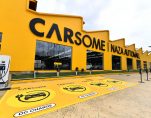
PETALING JAYA, MALAYSIA – Media OutReach Newswire – 17 March 2026 – CARSOME Group Inc (CARSOME or the Group), Southeast Asia’s largest integrated car e-commerce platform, today announced a strategic investment round of more than USD 30 million from a set of new and existing investors including the Hong Kong Investment Corporation Limited (HKIC), Gobi Partners, and Asia Partners. This fundraise underscores the investors’ confidence in CARSOME’s journey to profitability and long-term vision across the region, as demonstrated by the recent record FY25 results. These funds will further accelerate its profitable growth in the region for the coming years.

CARSOME Group Inc (CARSOME or the Group), Southeast Asia’s largest integrated car e-commerce platform, today announced a strategic investment round of more than USD 30 million from a set of new and existing investors including the Hong Kong Investment Corporation Limited (HKIC), Gobi Partners, and Asia Partners.

This investment and partnership reflect a shared ambition to strengthen connections between Southeast Asia and Greater China, leveraging Hong Kong’s role as a regional gateway for advanced automotive capabilities, technology development, and global talent. With the support from the HKIC, CARSOME will drive initiatives across areas such as supply chain sourcing and technology collaboration, accelerating the application of data and artificial intelligence (AI) in the automotive sector, which further empowers CARSOME for its regional expansion.

“CARSOME has spent the last several years focused on building a resilient, profitable business with strong fundamentals,” said Eric Cheng, CARSOME Group Co-founder and CEO. “This strategic collaboration and fundraise is a vote of confidence in our continued momentum and long-term vision. This partnership gives us crucial access to innovation capabilities, cross-border networks, and world-class talent that will support our work in AI, data, and next-generation mobility services across Southeast Asia.”

Clara Chan, Chief Executive Officer of the HKIC, said, “We are pleased to support CARSOME as part of our continued effort to harness technology to drive industry transformation, contributing to Hong Kong’s long-term economic development and resilience. With Hong Kong’s unique position as a gateway connecting global innovation and investment opportunities, CARSOME exemplifies the type of high-conviction, technology-driven enterprise that aligns with the HKIC’s mandate to foster scalable innovation across our strategic sectors. We look forward to supporting forward-thinking companies like CARSOME in creating tangible value for the future of Hong Kong.”

Chibo Tang, Managing Partner of Gobi Partners, said, “CARSOME is a leading example of how Southeast Asian startups are well-positioned to create close ties with partners in Greater China, leveraging each region’s unique strengths. We are pleased to be a returning investor in CARSOME, having supported them for almost a decade. Gobi was an early believer in CARSOME’s ability to scale across international borders, and we are happy to see their early potential come to fruition as they reimagine the way consumers across Asia purchase vehicles.”

Hashtag: #CARSOME


The issuer is solely responsible for the content of this announcement.

About CARSOME

CARSOME is Southeast Asia’s largest integrated car e-commerce platform. With operations across Malaysia, Indonesia, Thailand, and Singapore, CARSOME aims to digitize the region’s used car industry by reshaping and elevating the car transaction and ownership experience.

Together with subsidiary brands , , and , , and , CARSOME provides end-to-end solutions to consumers and used car dealers across the decision funnel, from car content consumption, car inspection, and ownership transfer to financing and other ancillary services, as well as an automotive training institution, promising to bring trust, transparency, and choice to our customers. For more information, please visit .

About Hong Kong Investment Corporation Limited (HKIC)

The HKIC was established in 2022 as the Patient Capital institution wholly owned by and representing the HKSAR Government. It adopts an “Investment +” approach, seeking reasonable financial return in the medium to long term and at the same time creating and supporting growth impetus with a view to contributing to Hong Kong’s economy and society.

The HKIC currently manages the “Hong Kong Growth Portfolio”, “Greater Bay Area Investment Fund”, “Strategic Tech Fund”, and “Co-Investment Fund”. At this stage, it is focusing on three key sectors, namely Hard and Core Technology, Biotech, and New Energy and Green Technology, as well as the relevant applications.

As of January 2026, the HKIC has invested in over 170 projects. Every Hong Kong dollar invested by the HKIC has attracted over 6 Hong Kong dollars from long-term capital for investment. Visit the website for more information: https://www.hkic.org.hk/

About Gobi Partners

Founded in 2002, Gobi Partners is a leading pan-Asian investment firm specialising in bespoke capital solutions for family offices, sovereign wealth funds, financial institutions and corporate investors. Headquartered in Hong Kong and Kuala Lumpur, Gobi manages US$1.7 billion across 20 funds, investing in early to growth-stage companies with the potential for generational and global impact.

The firm’s team of over 90 investment professionals operates from 17 locations, curating a diversified portfolio of more than 400 companies, with 75 exits achieved to date. Gobi is recognised for its long-term, values-aligned approach, building ecosystems at the intersection of technology, sustainability, and inclusion. From pioneering TaqwaTech for two billion Muslims, to advancing the circular economy, to promoting gender-diverse leadership, Gobi backs the trends that are reshaping societies.

Gobi’s edge lies in identifying structural and demographic shifts, forging partnerships with universities and institutions of higher education; bridging world-class research with private capital and bringing deep technology breakthroughs to commercialisation.

For more information, please visit:

About Asia Partners

Asia Partners is a growth equity firm focused on the next generation of high-growth technology and technology-enabled companies that will transform the Southeast Asia economy. Its mission is to empower founders to build a new generation of tech giants, through deploying capital that directly addresses the region’s ‘Series C/D Gap’, and expertise in operating skills, drawing upon its collective experience of growing eight multi-billion dollar companies, including three in Southeast Asia.

Visit the website for more information:

VinFast plans to restart construction of its electric vehicle manufacturing complex in North Carolina this year, even as the Vietnamese automaker reported a deeper quarterly loss driven by rising costs tied to expansion, marketing and production ramp-ups.

The company said the project in Chatham County will move forward after earlier delays tied to supply-chain adjustments and financing decisions. The facility, once completed, is expected to anchor VinFast’s ambitions in the United States market, producing electric sport utility vehicles and battery packs aimed at competing with established global manufacturers.

The announcement came alongside financial results that showed losses widening in the final quarter of the year as the company continued investing heavily in overseas manufacturing capacity and global sales networks. VinFast, part of Vietnam’s conglomerate Vingroup, has been expanding aggressively beyond Southeast Asia in a bid to gain a foothold in one of the world’s largest electric-vehicle markets.

Chief executive Le Thi Thu Thuy said the company remained committed to its strategy of building a manufacturing presence close to customers in key markets. Executives argue that local production in the United States will help VinFast reduce logistics costs, navigate tariff regimes and qualify for incentives tied to domestic manufacturing under US clean-energy policies.

The North Carolina facility represents one of the most significant foreign manufacturing investments announced by a Vietnamese company. Plans call for an initial production capacity of around 150,000 vehicles annually once the site becomes operational. The project also includes battery production facilities and a supplier ecosystem expected to attract component manufacturers to the region.

Construction began after the project was announced with strong backing from state authorities, who offered incentive packages to attract the investment. Delays followed as the company reviewed construction schedules and adjusted financing strategies while global demand for electric vehicles experienced uneven growth. VinFast has now indicated work will restart this year as preparations move into the next phase.

The company’s financial statements showed that aggressive expansion continued to weigh on profitability. VinFast has been spending heavily on vehicle development, dealer networks, charging infrastructure partnerships and marketing campaigns in North America and Europe. These investments have expanded operating losses even as vehicle deliveries increased.

VinFast’s product portfolio currently includes several electric SUVs, including the VF 6, VF 7, VF 8 and VF 9 models, which target different segments of the global market. Early deliveries in the United States began with the VF 8, while additional models are being introduced gradually as the company builds service and distribution networks.

Industry analysts say VinFast’s strategy mirrors that of other emerging electric-vehicle manufacturers that are prioritising market share and brand recognition over short-term profitability. Building manufacturing capacity in major markets is seen as essential for competing with established automakers and benefiting from incentives tied to local production.

Global demand for electric vehicles continues to grow, though the pace has moderated in some markets as higher interest rates and infrastructure challenges influence consumer purchasing decisions. Established manufacturers including Tesla, General Motors and Ford have adjusted production plans in response to evolving market conditions, while new entrants continue pushing forward with long-term investments.

VinFast’s push into the United States comes as competition intensifies across the electric-vehicle sector. Chinese manufacturers have rapidly expanded production capacity and export volumes, while European and North American automakers are investing billions of dollars in battery technology and electric platforms.

Executives at VinFast argue that the company’s vertically integrated model, which includes battery development and vehicle production within the broader Vingroup ecosystem, gives it flexibility to adapt to changes in supply chains and technology. The company has also explored partnerships with technology firms and battery specialists as it scales manufacturing.

North Carolina officials have described the planned factory as a potential economic catalyst for the region, with expectations of thousands of jobs and the development of an automotive supply chain around the plant. Infrastructure upgrades and workforce training programmes are being planned alongside the project as authorities prepare for construction to accelerate.

VinFast’s global expansion forms part of Vietnam’s broader push to develop advanced manufacturing industries capable of competing internationally. The country has emerged as a major hub for electronics production, and policymakers have encouraged the growth of domestic companies capable of expanding into high-technology sectors such as electric mobility.

Financial markets have watched VinFast closely since its public listing in the United States, where its share price has experienced sharp swings amid changing investor expectations about the pace of growth in the electric-vehicle sector. Investors have been assessing the company’s ability to scale production, expand deliveries and narrow losses as global competition intensifies.

Chicago soybean futures retreated on Monday as traders reassessed market optimism that had lifted prices to near two-year highs the previous week, with uncertainty over a possible delay in talks between United States President Donald Trump and China’s President Xi Jinping prompting fresh caution in agricultural markets. The decline in soybean prices followed strong gains driven by expectations that renewed diplomatic engagement between Washington and Beijing could […]

  • 63 percent of industrial leaders in Malaysia have already invested in energy efficiency and a further 33 percent plan to within 12 months – yet results remain fragmented and uneven
  • Energy consumes 25 percent of operating costs in Malaysia, and 61 percent say rising costs threaten profitability – but barriers have shifted since 2022, from cost to data, skills and organizational silos
  • Digital readiness in Malaysia reaches 84 percent, and 85 percent agree total cost of ownership should guide investment in energy efficiency – however, only 42 percent consistently apply this approach

KUALA LUMPUR, MALAYSIA – Media OutReach Newswire – 16 March 2026 – Energy efficiency has become a board‑level margin and risk issue, but many industrial organizations in Malaysia are struggling to turn intent into sustained results, according to a new report from ABB.

Based on a survey of 2,700 senior decision‑makers across 15 countries and 15 industries, the study, developed in partnership with Sapio Research, finds that 63 percent of respondents in Malaysia have already invested in energy efficiency and a further 33 percent plan to within the next 12 months. Yet, progress is increasingly constrained by execution gaps.

Energy accounts for 25 percent of operating costs on average in Malaysia, and 61 percent of companies say rising energy costs continue to threaten profitability. For executives, the challenge has shifted from reacting to price spikes to managing persistent price volatility and structural exposure.

Compared to the global average, Malaysia shows an average energy cost burden (25% vs 25% globally), above-average profitability threat perception (61% vs 59% globally), and the highest level globally of digital readiness (84% vs 67% globally).

“Energy efficiency has become a foundation for business continuity, compliance, and long-term value creation. It’s a condition for market access,” explains S Kanavati, Vice President, Motion Services, ABB Malaysia Sdn Bhd. “Today, leaders care about optimizing energy use. What they struggle with is deployment, at scale, and over time.”

Execution, not intent, is now the differentiator

The study shows that digital readiness in Malaysia has reached 84 percent, with respondents already using or ready to deploy digital energy‑management tools. However, readiness alone does not guarantee results. Only 42 percent of Malaysia companies consistently apply total cost of ownership (TCO) when making investment decisions – despite 85 percent agreeing it should guide purchasing.

At the same time, responsibility for energy efficiency remains fragmented across executive management, operations, sustainability, maintenance and finance, with no single function clearly accountable.

“The barriers to energy efficiency have fundamentally changed,” adds Pearl Ong, Regional Service Manager, Asia, Motion Services, ABB Malaysia Sdn Bhd. ” Cost is no longer the main blocker for many organizations globally – it has fallen from 50 percent to 43 percent since 2022. What’s holding companies back now are organizational silos, skills gaps and a lack of usable data. That’s a critical inflection point. It tells us the challenge is helping businesses turn intent into repeatable execution.”

In Malaysia, the most significant barriers to energy efficiency are the costs (54%), the potential for downtime and disruption (44%), and a lack of specialist resource (36%).

Renewables alone are not enough

The research also points to a growing risk of ‘post‑renewables complacency’. Among organizations in Malaysia that have switched to renewable energy sources (43% of respondents), 37 percent report a reduced focus on energy efficiency.

While renewables lower the carbon intensity of energy, they do not reduce the volume consumed – meaning significant efficiency gains remain untapped, even for companies that have already secured green power. As a result, opportunities to strengthen resilience, control long‑term costs and reduce exposure to volatility are being left on the table.

When asked about their primary reasons for investing in energy efficiency, respondents in Malaysia said reducing energy costs (63%), complying with regulations (53%), and improving their resilience and competitiveness (49%).

The next phase of the industrial energy transition will be defined by delivery capability. While activity levels are high across businesses in Malaysia and globally, efforts remain shallow, lacking coordination and long‑term structure.

“To close the execution gap, ABB combines diagnostics with targeted modernization of motor‑driven systems, software‑based optimization tools, outcome‑based financing and lifecycle services,” concludes Pearl Ong. “End-to-end energy intelligence is another way we help industries outrun, leaner and cleaner – turning isolated initiatives into sustained performance gains.”

For the full report, visit this page.

Hashtag: #ABB

The issuer is solely responsible for the content of this announcement.

About ABB

ABB is a global technology leader in electrification and automation, enabling a more sustainable and resource-efficient future. By connecting its engineering and digitalization expertise, ABB helps industries run at high performance, while becoming more efficient, productive and sustainable so they outperform. At ABB, we call this ‘Engineered to Outrun’. The company has over 140 years of history and around 110,000 employees worldwide. ABB’s shares are listed on the SIX Swiss Exchange (ABBN) and Nasdaq Stockholm (ABB).

ABB Motion, a global leader in motors and drives, is at the core of accelerating a more productive and sustainable future. We innovate and push the boundaries of technology to contribute to energy efficient, decarbonizing and circular solutions for customers, industries and societies. With our digitally enabled drives, motors and services we support our customers and partners to achieve better performance, safety and reliability. To help the world’s industries outrun – leaner and cleaner, we deliver motor-driven solutions for a wide range of applications in all industrial segments. Building on over 140 years of domain expertise in electric powertrains, our more than 23,000 employees across 100 countries learn and improve every day.

SINGAPORE – Media OutReach Newswire – 16 March 2026 – Months before the current geopolitical crisis hit global markets, Asia Pacific (APAC) executives had begun shielding their businesses by shortening supply chains and focusing on regional trade. Forvis Mazars’ C-suite barometer 2026: Adapting in uncertainty shows this proactive approach, alongside with efficiency-driving AI investments, is now key to navigating today’s global challenges.
While the number of APAC leaders expecting revenue growth had dropped to 67% (down from 80% in 2025) ahead of this year, underlying business confidence had notably strengthened to 41% (up from 30% in 2025). This contrast, lower growth expectations yet stronger confidence, highlights a resilience paradox: leaders are separating financial outlook from global turmoil, actively reinventing their operations to endure anticipated shocks rather than waiting for conditions to improve.
Key findings for APAC:
  • Measured confidence amidst geopolitical volatility: Amidst ongoing geopolitical volatility, APAC leaders remain acutely aware of the shifting landscape. Notably, 29% cite geopolitical instability and social unrest as a top trend impacting their organisation over the next 12 months, outpacing the global average of 26% and tying with regulatory pressures. Consequently, growth expectations are tempered: while 83% still anticipate positive growth in 2026, this trails the global average of 92% and marks a decline from 84% in 2025.
  • Expansion turns inward: Driven by geopolitical and tariff risks, expansion plans have shifted to regional neighbours, with China (36%), Australia (29%) and Hong Kong (29%) as the top destinations.
  • AI is a net job creator: Defying global displacement fears, 43% of APAC leaders say AI has created new roles in their organisation, significantly outpacing the 28% who say it replaced them.
  • The sustainability gap: While 91% are confident in meeting reporting compliance, only 73% feel prepared to manage the actual physical impacts of climate change.
The APAC resilience paradox: Building structural resilience despite lower revenue expectations
The anticipated dip in revenue expectations was primarily driven by converging pressures that have only intensified: economic uncertainty, political instability and intensifying competition. Yet, this foresight did not dampen investment. In a clear sign that businesses are fortifying their foundations, investment in human capital remains strong across the region, with 63% of APAC respondents plan to increase spending on acquiring new talent and 68% intend to upskill their workforce.
APAC’s underlying optimism is supported by a high level of operational readiness. Even as geopolitical instability remains a top concern, 76% of executives express confidence in their organisation’s preparedness to manage it. This sentiment extends to navigating supply chain challenges (85%) and new regulatory requirements (91%), showing that leaders are turning global disruptors into manageable areas of control.

Rick Chan, Managing Partner Singapore, Head of Audit & Assurance APAC and Member of Group Governing Board, Forvis Mazars, observed, “Asia Pacific has always had to move fast. The region’s businesses are built on agility – on reading the market, adjusting quickly and staying close to customers. That DNA is proving invaluable right now. The data shows leaders are transitioning from short-term firefighting to building lasting resilience. By investing in localised supply chains and AI, they are taking highly practical steps to insulate their operations against escalating geopolitical risks and secure long-term growth.”
The strategic pivot: strengthening intra-regional trade
The barometer reveals a fundamental change in how APAC firms plan to grow. Rather than facing global trade barriers head-on, executives are pivoting to markets closer to home. The top three expansion destinationsareChina (36%), Australia (29%) and Hong Kong (29%).
This inward shift is a direct, data-driven response to rising global tensions. A striking 67% of APAC leaders who revised their expansion plans this year cited geopolitical instability as the primary driver, making it the top catalyst for changing global strategies. Furthermore, 42% cite costs and operational issues due to tariffs as their biggest challenge when entering new markets. Facing these dual threats, APAC businesses have pragmatically shortened their supply chains to secure growth in neighbouring markets where geopolitical and tariff risks are more manageable.

The growth engine: AI as a workforce catalyst
In an environment where operational margins are under pressure, AI has become a critical tool for efficiency. Notably, the data indicate that AI is a net job creator in the region. 43% of APAC C-suite leaders report that AI has already prompted the creation of new roles, compared to 28% who report job replacements.

While 47% of executives rank AI as their top technology priority, their approach is disciplined. APAC leaders are prioritising high-impact applications such as forecasting (65%), knowledge acquisition, banking and retrieval (61%), client services, recommendations, relationships (61%), and operational efficiency, including automation (60%). Interestingly, they are achieving these gains with leaner investment; 41% (versus 35% globally) allocate less than 10% of their budget to AI, suggesting a focus on cost-effective, high-return AI adoption.
The blind spot: the sustainability gap – compliance versus operational resilience
While the report highlights strategic maturity in technology and trade, it reveals a critical disconnect in sustainability. Although 91% of APAC executives express confidence in meeting sustainability reporting compliance, only 73% feel prepared to manage the actual physical and operational impacts of climate change. This disparity indicates that while they are confident in meeting regulatory expectations, the priority now is to bridge the gap between compliance and reality, specifically by strengthening supply chains and building physical resilience against tangible climate risks.
Chester Liew, Partner, Head of Risk Consulting & Sustainability, Forvis Mazars in Singapore, said, “High confidence in reporting compliance is an encouraging baseline, but paperwork does not protect operations. The foresight APAC leaders are demonstrating in navigating geopolitical risks must now be urgently applied to climate risks. With regulatory timelines providing some breathing room, the prudent next step is to pivot resources from disclosure to physical defence – ensuring that supply chains and physical assets can actually withstand extreme weather and emerging environmental shocks.”
Forvis Mazars’ 2026 C-suite barometer survey captures insights from 3,012 senior executives worldwide prior to the US-Israeli war with Iran in February 2026. This independent research was conducted in October and November 2025 and captures the views of C-suite leaders at for-profit organisations with annual revenues of over US$1 million across 40 countries, including 260 respondents from seven markets in the Asia-Pacific region: Australia, China, Hong Kong, India, Japan, Singapore and South Korea. Findings reflect executive sentiments at the time of fieldwork.

Hashtag: #ForvisMazars #ForvisMazarsSingapore #APACBusiness #BusinessOutlook2026 #ExecutiveInsights #LeadershipTrends #AIAdoption #DigitalTransformation #Sustainability #ClimateResilience


The issuer is solely responsible for the content of this announcement.

Forvis Mazars in Singapore

About Forvis Mazars in Singapore
Forvis Mazars Group SC is an independent member of Forvis Mazars Global, a leading professional services network. Operating as an internationally integrated partnership in over 100 countries and territories, Forvis Mazars Group specialises in audit, tax and advisory services. The partnership draws on the expertise and cultural understanding of over 40,000 professionals across the globe to assist clients of all sizes at every stage in their development. Forvis Mazars in Singapore is part of the Forvis Mazars Group. Our clientele benefits from the combined expertise of 400+ Singapore-based professionals and our international team.

About Forvis Mazars APAC
Present in Asia Pacific since 1997, Forvis Mazars operates in more than 15 countries and territories in the region and draws on the expertise of over 10,100 professionals in more than 60 offices. We work as one integrated team, leveraging expertise, scale and cultural understanding to deliver exceptional and tailored services in audit and accounting, as well as tax, financial advisory, outsourcing, consulting, sustainability and legal services.

| |

HONG KONG SAR – Media OutReach Newswire – 16 March 2026 – Professional credit management firms CollectForU Expert and Debt Hunter today jointly released a comprehensive industry observation report regarding the financial health of local enterprises. The report indicates that small and medium enterprises (SMEs) in Hong Kong are currently facing significant liquidity risks as payment cycles across supply chains continue to lengthen. This trend has resulted in a critical imbalance between recorded profits and actual cash flow.

CollectForU Expert and Debt Hunter Jointly Report Critical Credit Risk Management Gaps Among Hong Kong SMEs

Widespread Absence of Credit Defense Mechanisms
According to the findings, more than 70% of Hong Kong SMEs lack robust credit defense mechanisms. The report highlights that many businesses fail to perform in-depth credit due diligence on new clients or establish firm payment thresholds.

Alex Yeung, founder of CollectForU Expert, noted that a high percentage of SMEs remain in a state of low defense regarding credit management. Yeung emphasized that bad debts in B2B transactions often have a domino effect. He stated that if a company focuses solely on gross margins while ignoring the operational stability of a counterparty, a single large-scale default could potentially eliminate an entire year of net profit. He recommends that businesses establish standardized defense systems including background checks, credit limit settings, and continuous monitoring to ensure operational safety.

The 90-Day Recovery Threshold
The joint report identifies the 90-day mark as a critical watershed for the successful recovery of overdue accounts. Many SME owners hesitate to take action during the early stages of delinquency to preserve client relationships, which inadvertently increases the risk of asset dissipation or insolvency proceedings by the debtor.

Obis Tsang, founder of Debt Hunter and a professional mediator, stated that the success rate of commercial debt recovery is inversely proportional to the duration of the delinquency. Once a debt is overdue by more than 90 days, the probability of recovery decreases significantly. Tsang suggested that early intervention by specialized third parties should be viewed as a rational tool for commercial negotiation. Engaging mediation-focused professionals can facilitate viable repayment plans and prevent the loss of claims due to excessive delays.

Strategic Recommendations for SMEs
In response to the current economic environment, both institutions advise SMEs to adopt a proactive approach to credit defense rather than waiting for defaults to occur:

  • Strengthen Pre-Contract Screening: Implement standardized credit assessments before finalizing commercial agreements.
  • Establish Warning Mechanisms: Define clear payment deadlines and take immediate action when clients breach these thresholds.
  • Seek Timely Professional Assistance: Introduce expert third-party advice early in the delinquency period to stabilize cash flow.

CollectForU Expert and Debt Hunter intend to continue their collaboration to standardize credit management practices and enhance the financial resilience of Hong Kong SMEs.
Hashtag: #CreditManagement #AccountsReceivable #CollectForU #DebtHunter #DebtCollection #HongKongSMEs


Wechat: DebtHunterHK

The issuer is solely responsible for the content of this announcement.

About Debt Hunter

Debt Hunter is a commercial debt resolution agency founded by professional mediator Obis Tsang. The firm prioritizes negotiation and mediation as its core service philosophy. Debt Hunter was awarded the “Mediate First” Pledge Star Logo Award by the Hong Kong Department of Justice, in recognition of its commitment to mediation practices. Recognized by HackerNoon as a “Startups of the Year 2023” in Hong Kong, the firm employs a strategy involving legal compliance, behavioral insights, and big data to resolve commercial disputes. The agency has processed over 10,000 commercial cases to provide rational asset protection for its clients.

Website:

About CollectForU Expert

CollectForU Expert was founded by Alex Yeung, who possesses over 15 years of practical experience in commercial debt recovery and credit management. The firm provides integrated solutions ranging from credit risk early-warning systems to accounts receivable recovery, with a focus on maintaining corporate reputation and long-term partnerships. CollectForU Expert utilizes behavioral psychological analysis and commercial negotiation techniques to resolve complex financial disputes and helps SMEs optimize internal credit processes.

Website:

Switzerland’s federal government is preparing to determine how much additional capital UBS Group AG must hold as regulators complete a major overhaul of banking rules following the collapse of Credit Suisse. The decision, expected in April, will set the tone for one of the most significant regulatory shifts in the country’s financial sector since the emergency takeover that reshaped Swiss banking. Authorities are weighing stricter capital requirements […]

Authorities in Hong Kong have launched one of the most sweeping investigations into the territory’s financial industry in nearly a decade, placing hedge fund Infini Capital Management at the centre of a widening insider-trading probe that has rattled brokers, banks and investors across Asia’s leading financial hub.

The investigation, conducted jointly by the Securities and Futures Commission and the Independent Commission Against Corruption, has led to the arrest of eight people and the search of offices and residences across the city. The operation targeted suspected exchanges of confidential market information tied to share placements in Hong Kong-listed companies, a practice that authorities say may have generated illicit profits while undermining confidence in capital markets.

Sources familiar with the matter have identified Infini Capital Management, alongside brokerage operations linked to Citic Securities and Guotai Junan International, as among the firms caught up in the crackdown. The investigation centres on allegations that executives accepted more than HK$4 million in bribes in return for non-public information about equity placements before those transactions were disclosed to investors.

According to regulatory statements, the suspected information leaks allowed traders to establish short positions in companies whose share placements would later depress prices once announced publicly. Authorities estimate the strategy generated profits of roughly HK$315 million, underscoring the scale of the alleged misconduct.

Infini Capital has said its operations remain normal and that its investment management processes have not been disrupted by the investigation. The firm has pledged to comply fully with regulatory authorities while declining to comment on what it described as unverified reports circulating in the market.

Founded in 2015 by former investment banker Tony Chin, the hedge fund built a reputation for aggressive trading strategies and direct negotiations with companies seeking capital. Market participants say the firm sometimes approached share placement deals in ways that bypassed traditional investment bank intermediaries, a tactic that brought both attention and scrutiny within Hong Kong’s tightly interconnected financial community.

Chin, who previously worked at major global financial institutions before establishing the fund, has not responded publicly to requests for comment regarding the probe. Regulatory filings indicate that he stepped down as a responsible officer for Infini Capital at the end of 2025, meaning he no longer holds the licence required to oversee regulated asset management activities on behalf of the firm.

Developments surrounding the investigation have reverberated beyond the immediate targets of the raid. Several global banks, including JPMorgan and UBS, had already severed prime brokerage relationships with Infini Capital months before the probe became public, according to people familiar with the matter. The reasons behind the decisions were not disclosed, though the timing has drawn attention among market observers assessing the fund’s risk profile and compliance record.

Prime brokerage services play a critical role in hedge fund operations, providing financing, securities lending and trade execution support. Losing such relationships can constrain trading activity and signal broader concerns among financial institutions regarding counterparty risk.

The crackdown arrives at a moment when Hong Kong’s equity capital markets have been undergoing a revival following a prolonged downturn in listings. Fundraising through share offerings surged in the past year as Chinese technology and industrial companies turned to the territory for capital, helping restore the city’s position as one of the world’s busiest venues for initial public offerings.

Regulators have responded to that surge by intensifying scrutiny of investment banks and brokers responsible for underwriting and distributing share sales. Officials have warned repeatedly that lapses in due diligence or market conduct could undermine investor trust and the credibility of Hong Kong’s financial system.

Analysts say the case highlights the complex ecosystem that has developed around equity placements, where hedge funds, banks and corporate issuers interact in fast-moving transactions worth hundreds of millions of dollars. Such deals often involve limited groups of investors receiving shares at discounted prices, creating incentives for traders to speculate on how markets will react once the placements are disclosed.

Authorities believe that confidential information about several such deals was circulated before public announcements, allowing certain investors to position themselves advantageously. The resulting trades allegedly generated substantial profits when share prices fell following the disclosure of the placements.

Operation “Fuse”, the codename given to the joint investigation, involved searches at fourteen locations across Hong Kong, including corporate offices and private residences. The arrests included senior executives within financial firms, signalling that regulators are pursuing accountability at the highest levels of the industry.

Market participants are watching closely to see whether the probe expands further. Hong Kong’s regulators have historically pursued insider trading cases aggressively, but raids on multiple high-profile financial institutions simultaneously are comparatively rare.

Infini Capital had become an active participant in the city’s equity markets over the past several years, taking positions in a number of high-profile share placements linked to technology companies and other fast-growing sectors. The firm also forged financing partnerships with emerging robotics and artificial intelligence businesses seeking funding through Hong Kong’s capital markets.

Nintendo’s newest Pokémon spin-off has delivered a powerful commercial debut, selling more than 2.2 million copies worldwide within its first four days and triggering a sharp rally in the company’s share price as investors respond to renewed momentum for the Switch 2 platform. The title, Pokémon Pokopia, launched globally on 5 March for Nintendo Switch 2 and rapidly climbed digital sales charts while physical editions sold out […]

HONG KONG SAR – Media OutReach Newswire – 13 March 2026 – The Hong Kong Innovation and Invention (HKII), one of the flagship projects organised by the Hong Kong Exporters’ Association (HKEA), leads 48 inventions from the Guangdong–Hong Kong–Macao Greater Bay Area(GBA) to showcase at the International Exhibition of Inventions Geneva (IEIG), taking place from 11 to 15 March (Central European Time).

(From Left to right: Ms. Helena Chiu, Chairman of the Hong Kong Exporters Association; Ir. Andrew Young Honorary Advisor, The Hong Kong Exporters’ Association; and Ms. Alice Lai, Vice Chairman of the Hong Kong Exporters Association and Project Convenor, Hong Kong Innovation & Invention)

Hosted by HKEA and sponsored by the Innovation and Technology Commission (ITC) of the Government of the Hong Kong Special Administrative Region, HKII is committed to providing free international exchange opportunities for Hong Kong’s innovation and technology community. The initiative brings Hong Kong’s unique technological inventions onto world‑class exhibition platforms, connecting GBA innovators with global enterprises and users, and showcasing Hong Kong’s innovation story to the world.

Exhibited inventions have undergone rigorous evaluation by a distinguished panel of industry professionals. The shortlisting process will be conducted based on novelty, level of innovation and invention, technical utility, and symbolic significance. All exhibits are original inventions and launched in the market with patent protection or are under patent filing.

“‘Created in Hong Kong’ has long been recognised worldwide, yet the global visibility of our SMEs and start‑ups still has room to grow,” said Helena Chiu, Chairman of HKEA. “Through HKII, we enable Hong Kong’s innovation and technology brands to participate in top‑tier international exhibitions at no cost and connect directly with the global business community. This year, we are also bringing leading innovators from the Greater Bay Area to join Hong Kong enterprises as we venture overseas together and capture new opportunities around the world.”

MEET International, a multi-functional engineering inspection company, exhibits at IEIG for the first time. “With a supply chain anchored in the Greater Bay Area and more than 30 years of global market experience, we have been committed to strengthening ties with overseas clients and building a world‑recognised brand,” said K.S. Chou, Director of MEET International. “IEIG offers valuable access to engineers from European construction firms and research organisations, enabling us to present our product capabilities directly and substantially enhance our opportunities for international orders.”

“Intellectual property built on core technologies is essential for Hong Kong enterprises to upgrade their businesses,” said Marco Li, Managing Director of Propagate Intellectual Property, an invention commercialisation platform. “We are committed to nurturing academic innovations into patented technologies, developing products tailored for different scenarios for global customers. By exhibiting with other Greater Bay Area enterprises at Generva, our intellectual properties could become more attractive to European buyers. On top of greater revenue to companies and inventors, it also strengthens the branding of ‘Created in Hong Kong’ among the global, high‑end, industrial value chain.”

48 innovations and inventions are being showcased at the exhibition through HKII for free. The inventions span a wide spectrum of categories, including:

  1. Smart City,
  2. Smart Home & Lifestyle,
  3. Health Technologies and Medicine, and
  4. Smart Industry,

alongside a dedicated Youth Category for inventors aged 18 or below. The showcased innovation and technology products from the Greater Bay Area include:

Smart City: MEET International, a multi-functional engineering inspection company, developed a “7‑in‑1 Building Leakage Tracing Device,” breaking through the technical limitations of traditional single‑function inspection tools and redefining the standards for leakage detection. By continuously capturing and comparing highly precise data readings, the device pinpoints the source of leakage, ensuring that concealed problem areas are accurately exposed.

The device features synchronized “AC leakage” and “water leakage” dual detection, enabling early identification of hidden risks and precise localisation of the source to mitigate both seepage and electrical hazards. It also incorporates an innovative all‑scenario adaptability design, allowing it to operate effectively across different building materials and leakage environments. Applications include building maintenance, renovation inspection, and property management.

Smart Home & Lifestyle: Researchers at Sun Yat‑sen University developed a patented “Composite Heating Material” that integrates advanced graphene and nano-carbon tube composite heating films, replacing traditional heating tubes. The invention delivers precise, rapid and efficient heating with uniform heat distribution, while reducing energy loss.

Propagate Intellectual Property has commercialised the invention into more than 40 intellectual property assets, applying it to products such as electric teppanyaki, food‑warming mats and beauty eye masks, as well as in building and industrial settings, providing an efficient and flexible heating solution across diverse applications.

Health Technologies and Medicine: Health‑tech start‑up Kin Technology launched Kindo & App, a homecare solution redefining homecare and wellness. Integrating automation, IoT connectivity, and advanced AI, Kindo & App can automatically sort and dispense up to 10 types of medication with a single click. Equipped with smart reminders, a child‑safety lock, and built‑in humidity and temperature sensors, the solution ensures medication safety, accuracy, and convenience.

Paired with the Kin App and Web Platform, users can track their dosage history, set reminders, and receive low-medication alerts. The platform also supports remote dispensing, enabling caregivers to manage prescriptions and dispense medications from anywhere. Families and caregivers gain real-time access to adherence data and remote management tools, while healthcare providers can monitor patients, manage prescriptions, and access analytics to enhance outcomes.

Smart Industry: URS AI developed URS AI MATE, a holographic interactive AI agent. Integrating holographic projection technology, proprietary LLM, and multimodal interaction algorithms, URS AI MATE has successfully built a full closed‑loop of perception, cognition, decision‑making, and execution that enables continuous self‑evolution. This strengthens its ability to adapt in different scenarios and understand users, creating an AI agent uniquely tailored to each individual.

Hashtag: #HongKongExporters’Association #HKEA #HongKongInnovation&Invention #HKII

The issuer is solely responsible for the content of this announcement.

About “Hong Kong Innovation & Invention” (HKII)

Launched in 2023, “Hong Kong Innovation & Invention” (HKII), organized by the Hong Kong Exporters’ Association (HKEA) and sponsored by the Innovation and Technology Commission (ITC) of the Government of the Hong Kong Special Administrative Region, is an initiative dedicated to showcasing and promoting Hong Kong’s immense potential in innovation and technology (I&T) to a global audience. The Project aims to facilitate collaboration within the industry and cultivate a vibrant I&T culture among the general public.

For more details on the Project, visit

About Hong Kong Exporters’ Association (HKEA)

Founded in May 1955, the Hong Kong Exporters’ Association (HKEA) is a non-profit-making trade association registered under the Hong Kong Companies Ordinance. The Association’s mission is to develop Hong Kong as a trading hub for exporters, dedicating its efforts to serve and add value for the exporter community.

This press release is distributed by Mitopia Limited on behalf of the Hong Kong Exporters’ Association.

*Disclaimer: Any opinions, findings, conclusions or recommendations expressed in this material/event (or by members of the project team) do not reflect the views of the Government of the Hong Kong Special Administrative Region, the Innovation and Technology Commission or the Vetting Committee of the General Support Programme of the Innovation and Technology Fund.

Shiba Inu has staged a modest rebound after a prolonged slide, prompting speculation among crypto traders that the meme-inspired token could be approaching a technical breakout. The price movement has revived debate about whether the digital asset can escape months of bearish pressure or whether the uptick represents only a short-lived relief rally. Market data shows the token climbing from levels near $0.0000055 to around $0.0000060 during […]

HONG KONG SAR – Media OutReach Newswire – 13 March 2026 – KCM Trade, a leading global CFD broker, has recently announced the launch of KCM Trade Copy, a new mobile copy trading platform officially released in February and now available on both iOS and Android. The launch comes as the company marks its 10th anniversary, highlighting a decade of growth and innovation in the global trading industry.

A Platform Designed for Collaboration

KCM Trade Copy is a dedicated mobile application that allows clients to automatically replicate the trades of experienced Master Traders in real time. Through the app, users can browse detailed trader profiles, review historical performance data, and select strategies that match their individual goals and risk preferences.

Once a Master Trader is selected, their trades are automatically replicated in the client’s account in real time, allowing users to participate in the markets without the need for constant monitoring or manual trading. Meanwhile, experienced traders can join the platform as Signal Providers, showcase their performance, grow a following, and earn profit-sharing fees, fostering a collaborative and opportunity-driven trading community.

Key features of KCM Trade Copy include:

  • Real-time automated trade replication
  • Full transparency through detailed performance data
  • User control with adjustable lot sizes and risk limits
  • The ability to follow multiple Masters simultaneously
  • Secure infrastructure with segregated accounts and SSL protection
  • Fast execution and competitive trading conditions

By combining these capabilities within a single mobile application, KCM Trade Copy provides clients with a convenient and efficient way to engage with the global financial markets.

Supporting Traders Through Innovation

The launch of KCM Trade Copy is part of KCM Trade‘s broader strategy to continuously improve the trading experience for clients around the world. By integrating new technology alongside its established MT4 and MT5 offerings, the company is expanding opportunities for traders of all experience levels to participate in the markets with greater flexibility and convenience.

Commitment to Client-Centric Growth

With the launch of KCM Trade Copy, the company aims to foster a more inclusive environment where clients can choose strategies that align with their individual goals while strengthening long-term relationships with its global client base.

Looking ahead, the company plans to further enhance the platform, including the development of a web-based version, as part of its ongoing efforts to build a comprehensive suite of trading tools designed to serve modern investors.

Hashtag: #KCMTrade #KCMTradeCopy #10years #globalbrokers


The issuer is solely responsible for the content of this announcement.

Japan’s stock market volatility has surged to levels not seen since the global pandemic turmoil of 2020 as a sharp jump in crude oil prices shakes confidence in the country’s economic outlook and disrupts what had been a strong equity rally.

Measures of market anxiety tied to Japanese equities climbed sharply as investors reacted to the sudden rise in global energy prices and mounting geopolitical tensions affecting oil supply routes. The spike in volatility coincided with a steep sell-off in Tokyo’s equity market, where the Nikkei 225 index plunged more than 7 per cent during trading while the broader Topix index fell over 6 per cent, marking one of the most severe declines in several years.

Traders and analysts attribute the surge in market fear to an abrupt reversal of expectations that had supported Japan’s equity rally earlier in the year. A powerful jump in crude prices above the $100-a-barrel threshold has heightened concerns about rising import costs, inflationary pressure and potential disruption to the country’s fragile economic recovery.

Japan remains one of the world’s largest importers of energy resources, relying heavily on overseas supplies for oil and liquefied natural gas. The sharp rise in crude prices therefore carries immediate implications for corporate profitability, household spending and the nation’s trade balance. Higher fuel costs can quickly feed into transport, manufacturing and electricity prices, creating ripple effects across the broader economy.

Equity strategists say that markets had been pricing in a favourable scenario for Japan’s corporate sector, including stable energy costs, a weaker yen that supports exporters, and gradual improvement in domestic consumption. The oil shock has complicated that outlook, prompting investors to reassess earnings forecasts and risk exposure.

The volatility gauge for Japanese equities, often referred to as the market’s “fear index,” spiked to levels not seen since the early months of the Covid crisis. Such indicators measure the expected turbulence in stock prices based on options trading, and a sharp rise typically signals increased hedging activity by investors preparing for further market swings.

The abrupt shift in sentiment comes amid wider turbulence across global financial markets. Equity benchmarks across Asia fell sharply as investors reacted to the energy price shock and rising geopolitical tensions in the Middle East, a region responsible for a large share of global oil production. The surge in crude prices has revived worries that inflation could accelerate again just as many central banks were expected to ease monetary policy.

Market participants say the latest volatility reflects more than a temporary correction. Analysts note that the rally in Japanese equities had drawn significant foreign investment during the past year, encouraged by corporate governance reforms, share buybacks and improved shareholder returns. Strong gains in technology stocks and export-oriented companies had helped drive the Nikkei to multi-decade highs.

Rising energy costs now threaten to undermine some of those positive dynamics. Japan’s manufacturing sector, including carmakers and electronics producers, depends heavily on imported raw materials and fuel. A sustained rise in oil prices could increase production costs and squeeze margins, particularly for companies unable to pass higher expenses on to consumers.

Currency movements add another layer of complexity. The yen often weakens when oil prices surge because the country must spend more on energy imports. While a weaker currency can benefit exporters by boosting overseas earnings, it also increases the cost of imported fuel and food, intensifying inflationary pressure on households.

Economic policymakers are watching the developments closely. Officials at the Bank of Japan have maintained an accommodative monetary stance even as other major central banks tightened policy to fight inflation. The current surge in energy prices raises questions about how the central bank might respond if inflationary pressure accelerates further while economic growth slows.

Financial analysts emphasise that volatility indicators should not be interpreted as a prediction of sustained market decline. Instead, they reflect heightened uncertainty and the demand for protection against abrupt price swings. Still, such spikes often coincide with periods of intense market stress and rapid portfolio adjustments.

Energy-related stocks and commodity producers have been among the few segments to benefit from the oil surge, as higher crude prices can boost revenues for companies involved in exploration, refining and trading. Conversely, sectors sensitive to fuel costs, including airlines, shipping and heavy manufacturing, have faced selling pressure.

Global investors are also weighing broader geopolitical risks tied to the energy market. Disruptions to shipping routes in key waterways used for oil transport could tighten supply and prolong elevated prices. Analysts warn that if crude remains above the $100-a-barrel mark for an extended period, the impact could spread beyond equity markets into inflation expectations, bond yields and currency movements.

Industry insights indicate that ride-hailing platforms are gradually expanding beyond core passenger transport, with increased focus on predictive safety capabilities, AI-enabled customer support, embedded payment systems, and more structured regulatory engagement.

MANILA, PHILIPPINES – Media OutReach Newswire – 11 March 2026 – 2026 may be the year that more ride-hailing apps will expand their operations to become mobility superapps, according to industry experts who have analyzed the movements of multiple apps across the board. The analysis suggests that this shift will be driven by multi-service bundling, predictive safety features, boosted AI integration, cashless payment options, and coordination with regulators.

“Our global market review found that the way forward for ride-hailing platforms is to evolve into mobility superapps,” Evgenia Matrosova, inDrive Chief Ride-Hailing Officer, said. “Users want convenience more than anything, where diverse mobility solutions, proactive safety functions, and seamless digital payments can all be found in one platform. Integrated services won’t just push innovation forward; they signify reliability and flexibility on the road and beyond.”

#1 Ride-hailing apps may begin venturing into adjacent services.

More ride-hailing apps may begin expanding into adjacent mobility services this year due to an increase in global demand for integrated transport services. For instance, market intelligence firm Sensor Tower listed inDrive and other ride-hailing platforms among the most downloaded travel apps in 2025—revealing global demand for their expansion into adjacent travel services.

Zooming into the platforms’ service expansion, industry experts are optimistic about the potential in food delivery. Data shows that restaurants worldwide are considering working with delivery platforms that offer them more control over their profit margins.

A separate Ken Research study also revealed that online travel booking has also enjoyed similar local growth, with a projected revenue of Php 50 billion. This could boost pre-booked airport pickups’ popularity, with travelers viewing this as a much-needed convenience.

These all reveal one thing: the lines between passenger transport and adjacent mobility services are beginning to blur. Thus, ride-hailing apps may begin venturing into adjacent mobility services to create an all-in-one experience for users.

#2 Safety systems are slowly shifting from protection to prediction

At present, in-app safety features are often limited to real-time monitoring, emergency hotline buttons, and a speed dial to the platform’s 24/7 support. However, industry experts forecast that ride-hailing apps may begin using AI-powered analytics and risk modeling for predictive road safety measures.

For instance, the Forum of European National Highway Research Laboratories says that AI can collect traffic data, weather feeds, and other key information to predict collisions and recommend alternate routes. Predictive safety features like this can help ride-hailing apps move past interventionary measures and proactively protect their drivers and passengers.

#3 AI to enhance the in-app customer experience

Industry experts also say that mobility services may continue leveraging AI to improve customer experience. There are also early indicators that ride-hailing apps may experiment with using human-like AI voices in their customer support systems. AI may also be used in developing personal mobility agents that manage drivers’ schedules and earnings and intervene during emergencies.

With ride-hailing platforms considering venturing into food delivery, they may use AI to simulate customer interactions. Large language models can simulate dialogue-based ordering, allowing users to verbally dictate their orders or send them via chat platforms like WhatsApp. Not only would this speed up the delivery process, but it would also cater to users who prefer personal interactions.

#4 Ride-hailing apps eyeing seamless in-app payment systems

Cashless payment options, such as e-wallets and online bank transfers, are gaining popularity among Filipino consumers. A Bangko Sentral ng Pilipinas report found that 57.4% of Filipinos’ retail transactions were paid online. This creates an opportunity for ride-hailing companies to make their payment schemes more seamless. They may consider embedding cashless payment options in their apps, which can automatically deduct their transaction from their attached online banking and e-wallet accounts.

inDrive’s internal research shows that Filipino commuters are also price-sensitive, often allocating tight budgets to their transportation expenses. This consumer attitude could pave the way for ride-hailing companies to install in-app wallets. These facilitate better online budgeting and accommodate users who prefer cash.

#5 Ride-hailing apps expected to continue to uphold price fairness

Strict regulatory compliance has always influenced the dynamics of the ride-hailing industry. In particular, the Land Transportation Franchising and Regulatory Board has been staunch in implementing its fare matrix. Just last December, the regulator imposed surge caps to maintain affordable holiday fares—underscoring its commitment to keeping prices affordable for passengers.

With this in mind, industry dynamics suggest a growing emphasis on collaborative regulatory models. Experts advise ride-hailing companies to continue collaborating with government regulators to promote pricing fairness. They also recommended continuing to implement lower commission rates to increase drivers’ income and strengthen passenger loyalty. This year, platforms may also take it a step further by rolling out promotions, capped surge policies, and loyalty models.

These trends paint a picture of what could come next for the ride-hailing industry this year. With these in mind, inDrive will continue to uphold transparency, safety, and inclusivity for drivers and passengers alike. For more updates on inDrive’s initiatives this year, visit www.inDrive.com or follow @inDrive.ph on social media.

Hashtag: #inDrivetrends #MobilityPhilippines

The issuer is solely responsible for the content of this announcement.

About inDrive

inDrive is a global mobility and urban services platform. The inDrive app has been downloaded over 400 million times, and has been named the second most downloaded mobility app for the third consecutive year. In addition to ride-hailing, inDrive provides an expanding list of services, including intercity transportation, delivery, and financial services. In 2023, inDrive launched New Ventures, a venture and M&A arm.

inDrive operates in 1065 cities in 48 countries. Driven by its mission of challenging injustice, the company is committed to having a positive impact on the lives of one billion people by 2030. It pursues this goal both through its core business, which supports local communities via a fair pricing model; and through the work of its impact programs.

For more information visit

Arabian Post Staff -Dubai Escalating conflict in the Middle East is unlikely to significantly damage the credit ratings of major Gulf companies, according to a new assessment by Fitch Ratings, which says the region’s largest state-linked energy groups possess financial resilience strong enough to absorb the shock of ongoing geopolitical disruption. The ratings agency indicated that publicly rated national oil companies across the Gulf Cooperation Council — […]

Salesforce is preparing to raise as much as $25 billion through a bond sale aimed at financing a major share repurchase programme, marking the largest debt offering in the software company’s history and one of the biggest corporate borrowings seen in the technology sector this year. The proposed issuance would allow the cloud-software group to fund a significant expansion of its stock buyback plan while maintaining liquidity […]

By R. Suryamurthy Few economic variables carry the political volatility of oil prices in India. When global crude rises, inflation anxieties spread quickly across households, transport costs ripple through supply chains, and governments scramble to contain the political fallout. Yet the latest oil shock — triggered by tensions involving the US-Israel-Iran war— has exposed a […]


The article Oil Volatility Before Polls Exposes India’s Political Windfall Trap On Fuel Taxes appeared first on Latest India news, analysis and reports on Newspack by India Press Agency).

VISHNU RAJA
RYO YAMADA
HITORI GOTOH
IKUYO KITA
Just in:
Yeebo Announces Interim Results for FY26/27 Revenue Increases by 45.5% to HK$806.7 Million Profit Attributable to Owners Surges 87.6% to HK$2,284.7 Million //
Rahul addresses League’s INDIA bloc grievances
// Sui activates Hashi Bitcoin lending across partner network // Dalilk Academy reaches 27 million, targets 100 million by 2030 // Sabarimala booking discrepancies prompt sabotage angle probe // Jaiedco and Golden Bridge Announce Strategic Collaboration for a New Dubai Islands Development // Singapore regulator cautions against AI access to bank logins // Padmini follows Padmaja for ‘ghar vapsi’ // Balagopal challenges CM over tax revenue // Workday targets Honeydew purchase to unify AI metrics // Crypto market loses $150 billion amid broad sell-off // Saudi defences destroy three Houthi missiles targeting Riyadh // Toward a Shared Future for Humanity: Rethinking Civilizational Exchange // Bail refused to 17-year old in Abhiram murder // US military rebuts Iran’s Gulf F-16 strike allegation // Promoting Common Human Development Through Exchanges and Mutual Learning Among Civilizations // Energy Markets Find Little Substance In Shenzhen Summit Promises // PayerMax and ShopeePay Strengthen Strategic Partnership to Advance Digital Payment Collaboration in Southeast Asia // Diabetes Malaysia And Alpro Pharmacy Set National Record With 11,007 Most Blood Glucose Screenings Conducted Across Malaysia In Just 48 Hours // Ex-minister named accused in Messi visit fraud case //