News related to
profit

Emirates Islamic Bank recorded a significant upswing in profitability in the first quarter of 2025, with net profits rising to AED 1 billion, marking a 23% year-on-year increase from AED 811 million in the corresponding period of 2024. The performance was driven by robust income from both funded and non-funded sources, underlining the bank’s strengthened position in the UAE’s competitive banking sector.

Earnings per share reached AED 0.18, up from AED 0.14 a year earlier. Total income for the quarter climbed to AED 1.7 billion, an 18% increase from the same period last year. This upturn in revenue stemmed from higher financing and investment income, as well as growth in fee and commission income, which points to a broader recovery in consumer and business activity.

The bank’s managing director and CEO, Salah Mohammed Amin, attributed the strong financial performance to disciplined cost management, enhanced digital adoption, and sustained growth across key segments. He also noted that the bank’s strategic alignment with Emirates NBD Group objectives, including digital transformation and innovation, continues to yield tangible results.

Operating profit rose by 20% year-on-year to AED 1.1 billion, while the cost-to-income ratio improved to 36%, reflecting operational efficiency. Provisioning for credit losses was AED 129 million, a figure that remains within manageable limits and signals prudent risk management amid ongoing macroeconomic fluctuations.

The bank’s asset base expanded to AED 92 billion, a 9% growth compared to the first quarter of 2024. Customer deposits increased by 5% to AED 70 billion, with current and savings account balances forming 78% of total deposits, indicating continued customer confidence and loyalty. Financing receivables stood at AED 51 billion, up 6% from the previous year, signalling strong demand for retail and corporate financing.

Islamic banking products across consumer, SME, and corporate segments registered healthy uptake, supported by product innovation and the bank’s expanding digital footprint. Emirates Islamic has also ramped up investments in technology infrastructure to improve service delivery and enhance customer engagement through mobile and online platforms.

Emirates Islamic’s focus on ethical finance and Shariah-compliant services has positioned it well within the UAE’s growing Islamic finance ecosystem. The country continues to be a major hub for Islamic banking, which is gaining traction both regionally and globally. The bank’s growth mirrors broader trends in the sector, where increasing customer preference for Shariah-compliant solutions and strong regulatory support are bolstering market expansion.

Emirates Islamic’s capital adequacy ratio stood at a comfortable 18.4%, well above regulatory requirements, ensuring resilience and capacity for future growth. Liquidity coverage ratio remained strong at 161%, reflecting a solid funding base and proactive balance sheet management.

The bank’s digital strategy remains a core pillar of its long-term growth plans. Over the past year, Emirates Islamic has launched multiple enhancements to its mobile banking app, introduced AI-driven features for personalised financial services, and partnered with fintech players to expand its service offerings. These efforts have not only improved customer experience but have also helped in capturing a younger, tech-savvy demographic.

As part of its sustainability agenda, the bank reported progress on green finance initiatives and continues to integrate environmental, social, and governance principles into its lending and operational frameworks. The bank also highlighted its support for SMEs and community initiatives as part of its broader commitment to social responsibility.

Looking ahead, Emirates Islamic anticipates continued positive momentum, supported by favourable economic conditions in the UAE, ongoing investment in innovation, and a resilient customer base. The leadership expects the bank to remain well-positioned to navigate emerging challenges while delivering strong returns.


Abu Dhabi National Oil Company Group’s six publicly traded subsidiaries have secured shareholder approval to distribute a combined $6.7 billion in dividends for the fiscal year 2024, underscoring their robust financial health and dedication to shareholder value. This substantial payout follows a collective net profit exceeding $9 billion and total revenues of $49.7 billion across the listed entities. ADNOC Gas emerged as the leading contributor, confirming a […]

Senior leader with 30 years of insurance experience, 16 years with Chubb SINGAPORE – Media OutReach Neswire – 22 April 2025 – Chubb announced today the appointment of Janene Blizzard as the Head of Accident & Health (A&H) for Asia Pacific, effective 1 June 2025. In this role, she will lead the strategy, growth, and performance of Chubb’s A&H portfolios across the region. Based in Singapore, Blizzard […]

Matein Kalid Only the poetic genius of an Irishman can do justice to the epic Big Boy sumo wrestling match in history – between Shogun Trump and Sensei Powell-san as panic spreads at the speed of light across the digital arteries of the global banking village. W.B. Yeats’s immortal versus echo in my brain – things fall apart, the center can​not hold, mere anar​chy is loosed upon […]

KUALA LUMPUR, MALAYSIA – Media OutReach Newswire – 19 April 2025 – Even the most seasoned CFD traders can fall into psychological traps—from chasing the hype to holding poor trades out of stubborn hope. Emotional biases can cloud judgment and lead even experienced traders to costly blunders. However, psychological resilience reduces the risk of a loss. Octa Broker, as part of its commitment to traders’ education, explores […]

Sobha Realty and Omniyat are exploring dollar-denominated sukuk issuances to bolster their financial strategies in Dubai’s evolving real estate landscape. Sobha Realty, a prominent luxury developer, has already made significant strides by issuing a $300 million sukuk in July 2023, which was later expanded by an additional $230 million in September 2024, bringing the total to $500 million. This sukuk, notable for its inclusion of a call […]

KUALA LUMPUR, MALAYSIA – Media OutReach Newswire – 18 April 2025 – Trading success often depends on whether or not one can pinpoint potentially profitable assets before sharp price movement. This is particularly evident in crypto, where high volatility is the norm. Technical analysis—an analysis of historical price action and chart patterns—is one of the main methods to predict price direction. Candlestick analysis, a part of technical […]

Advertisements

Fifteen publicly listed Bitcoin mining firms collectively sold more than 40% of their mined BTC in March, marking the most significant monthly liquidation since October 2024. This trend underscores the mounting financial pressures faced by miners due to escalating operational costs and evolving market dynamics.

Marathon Digital, one of the largest Bitcoin mining companies, reported selling over 60% of its mined Bitcoin in May, amounting to 390 BTC out of 616 BTC produced. This move reflects a broader strategy among miners to liquidate assets in response to reduced profitability following the Bitcoin halving event in April, which cut mining rewards from 6.25 BTC to 3.125 BTC per block.

Other major players, such as Riot Platforms and CleanSpark, have adopted varied approaches. Riot Platforms disclosed no BTC sales in May despite producing 215 BTC, while CleanSpark sold only a small portion of its 417 BTC production. These decisions highlight the diverse strategies miners are employing to navigate the post-halving landscape.

The sell-off trend is not isolated to a few companies. In February, the combined market capitalization of 15 major Bitcoin mining stocks dropped by $13 billion, reflecting broader market volatility and the challenges miners face in maintaining profitability. Companies like Bitdeer and Hut 8 experienced significant declines in their stock prices, with Bitdeer leading the downturn with a 55% loss.

To mitigate these challenges, miners are exploring various strategies. Marathon Digital is expanding its operations overseas, partnering with the Ministry of Energy and Petroleum of the Republic of Kenya to optimize renewable energy projects. The company also initiated a pilot project in Paraguay to enhance its energy structure, aiming to have 50% of revenues coming from overseas by 2028.

Hut 8, in collaboration with Eric Trump, launched a new Bitcoin mining company named American Bitcoin. This venture focuses on building a significant Bitcoin reserve and plans to go public in the future to enhance capital access. Hut 8 will serve as American Bitcoin’s exclusive infrastructure and operating partner, indicating a strategic shift towards energy and digital infrastructure.

Film Finance Group International , a North Carolina-based innovator in the film finance sector, has unveiled plans to launch its ERC-20 FFG Token , a utility token designed to enhance transparency and efficiency in the film funding ecosystem. The announcement marks a pivotal step in the evolution of film financing, offering a blockchain-powered solution for a traditionally opaque industry.

FFGI’s decision to embrace blockchain technology stems from the desire to modernise and streamline the complex processes of film production financing. The $FFG token, built on the Ethereum network, is expected to provide a transparent, milestone-based funding mechanism for film projects, enabling direct participation from a global pool of investors. The token aims to ensure accountability and reduce the risks typically associated with film investments, which can be affected by unpredictable production challenges, budget overruns, or box-office failures.

The launch of the FFG Token aligns with a growing trend in both the film industry and the broader entertainment sector to integrate blockchain solutions for operational transparency. While film financing has long been dominated by high-net-worth individuals, institutional investors, and major production companies, FFGI is seeking to democratise access to capital, allowing smaller investors and enthusiasts of the medium to engage with and support projects at an unprecedented scale.

FFGI’s vision for its ERC-20 token is not just about financial transactions, but about creating a self-sustaining ecosystem. Token holders will have the opportunity to participate in the decision-making process for the funding of films, making it a truly community-driven platform. The milestone-based structure ensures that each phase of a project, from pre-production to post-production, is funded as it progresses, mitigating the risks of mismanagement and delays often encountered in traditional film financing.

The team behind FFGI comprises seasoned fintech professionals and film production veterans, blending expertise in financial technologies with in-depth knowledge of the film industry. This fusion of skills aims to create an asset-backed token that promises stability and growth for its holders. The $FFG token will provide access to a wide range of functionalities, including governance rights, access to exclusive content, and potential profits from the success of films financed through the platform.

As the use of blockchain technology in film production continues to expand, FFGI’s move to launch the FFG token places it at the forefront of this emerging trend. Blockchain’s potential for enhancing transparency and security in the film industry has already garnered attention from key industry stakeholders, including production companies, investors, and content creators. By leveraging smart contracts, FFGI aims to eliminate intermediaries, reducing the time and cost associated with traditional methods of film financing.

The FFGI platform is positioned to tackle several longstanding challenges within the industry. One of the key issues film financiers face is the difficulty in tracking project milestones and ensuring that funds are being allocated correctly. Traditional models have often relied on lengthy paperwork, complex reporting, and human oversight, which leaves room for error. Through the blockchain, FFGI will offer a more secure and efficient alternative that provides real-time data on the progress of a film and ensures that financial resources are distributed according to pre-established benchmarks.

Beyond operational improvements, the FFGI token also represents a shift in how film financing could become more accessible. Traditionally, only a select few have had the means to invest in large-scale film projects, with barriers to entry being high due to the capital-intensive nature of production. The $FFG token, however, promises to democratise film investment by allowing smaller, individual investors to participate in a growing marketplace. Investors can purchase tokens as a means of securing a stake in projects, potentially benefiting from the financial success of films they help fund.

As the film industry continues to evolve, the integration of blockchain technology could become a key driver of change. Tokenisation allows for greater liquidity, enabling faster and more efficient transactions between stakeholders. This, in turn, may lead to more fluid investments, increased funding for independent filmmakers, and greater flexibility in the way film financing is structured. FFGI’s $FFG token is well-positioned to take advantage of these developments, offering an innovative alternative to the traditional ways of financing film projects.

FFGI’s entry into the blockchain space comes at a time when the broader entertainment sector is exploring innovative solutions to address financing challenges. Major players in the industry, including studios, production companies, and streaming platforms, have shown increasing interest in the use of blockchain for rights management, content distribution, and audience engagement. By leveraging blockchain’s inherent capabilities for transparency and decentralisation, FFGI is poised to make a significant impact on the landscape of film financing.

Local governments across China have turned to private companies to offload seized cryptocurrency assets in offshore markets, a move that has sparked concern amid the nation’s ongoing ban on crypto trading. These actions come as part of an effort to generate revenue during an economic slowdown, with figures showing the sale of approximately 15,000 BTC . Reports suggest that around 194,000 BTC are still held within the […]

HONG KONG SAR – Media OutReach Newswire – 16 April 2025 – Zero Fintech Group Limited (“Zero Fintech” or the “Company”, stock code: 0093.HK), a leading fintech innovator, is proud to announce its stellar financial performance for the year ended 31 December 2024, showcasing remarkable growth driven by strategic execution and advanced risk management. 2024 Financial Highlights: Revenue: HK$261.8 million – a 33% increase YoY, driven by […]

BONK, a Solana-based meme coin, is experiencing a notable surge in market activity, driven by significant whale accumulation and bullish technical indicators. The token’s price has shown a strong upward trajectory, with analysts pointing to a potential double-bottom reversal pattern that could signal further gains. A prominent whale has recently invested $4.29 million to acquire 204 billion BONK tokens, increasing their holdings to a total value of […]

KUALA LUMPUR, MALAYSIA – Media OutReach Newswire – 15 April 2025 – In online trading, speed is king. Below, the experts at Octa, a regulated and trusted broker since 2011, break down the aspects of trading where speed matters most and offer an accessible way to accelerate trading progress. The modern world revolves around speed and solutions that solve problems faster than their predecessors. Speed advantage determines […]

HANOI, VIETNAM – Media OutReach Neswire – 14 April 2025 – Together with world-renowned scientists including Prof. Joel F. Habener, Prof. Jens Juul Holst and Assoc. Prof. Svetlana Mojsov, Prof. Daniel Drucker at the University of Toronto and the Lunenfeld-Tanenbaum Research Institute, has discovered the role of glucagon-like peptide-1 (GLP-1), leading to life-changing therapies for people with diabetes and obesity while stimulating emerging applications for neurodegenerative diseases. […]

European stock markets gained ground on Monday, with investor sentiment buoyed by expectations of a break from the escalation of global trade tensions. As concerns over tariffs eased, the market shifted its focus towards corporate earnings for the first quarter, which could offer valuable insights into the resilience of businesses amidst ongoing global challenges. The major indices in Europe showed positive momentum, with investors optimistic about potential […]

10+ conceptual inventions from student teams of primary and secondary schools in Hong Kong were exhibited for the first time at the top international exhibition HONG KONG SAR – Media OutReach Newswire – 13 April 2025 – The Hong Kong Innovation and Invention(HKII), a project organised by the Hong Kong Exporters’ Association (HKEA), presented over 60 innovations by around 30 local innovation and technology companies and student […]

U.S. shale oil producers are confronting a challenging landscape as falling crude prices, escalating tariffs, and global market shifts undermine the sector’s profitability and growth prospects. Despite technological advancements that have bolstered production efficiency, the convergence of economic and policy pressures is prompting a reassessment of the industry’s trajectory.

Crude oil prices have declined to approximately $55 per barrel, a level below the $65 threshold that many U.S. shale companies require to maintain profitable operations. This price drop is attributed to a combination of increased output from the Organization of the Petroleum Exporting Countries and the impact of tariffs on imported equipment, which have raised operational costs for domestic producers. The U.S. Energy Information Administration has adjusted its 2025 crude price forecast downward from $70.68 to $63.88 per barrel, reflecting these market dynamics.

The rig count, a key indicator of drilling activity, has experienced a significant decline. According to Baker Hughes, the number of active oil rigs in the U.S. fell by nine in the past week, marking the largest single-week drop since June 2023. The Permian Basin, the nation’s most prolific shale region, saw its rig count decrease by five to 289, the lowest level since December 2021. This trend suggests a cautious approach among producers in response to the current economic environment.

President Donald Trump’s administration has advocated for increased domestic energy production as part of its “America First” agenda. However, the imposition of tariffs, particularly on steel and other imported equipment essential for drilling operations, has inadvertently strained the sector. Industry analysts warn that these policies may counteract efforts to achieve energy dominance by making U.S. oil less competitive on the global stage.

Efforts to expand U.S. energy exports have also encountered obstacles. The administration’s proposal for the European Union to purchase $350 billion worth of American energy products to address trade imbalances has been met with skepticism. European officials cite logistical challenges, existing long-term contracts with other suppliers, and a strategic emphasis on energy diversification as barriers to such a substantial shift in procurement.

Despite these challenges, U.S. shale production is projected to reach new heights. BloombergNEF forecasts a 4.5% increase in output, bringing production to a record 13.9 million barrels per day in 2025. This growth is attributed to improved drilling techniques and efficiencies that allow for greater output with fewer rigs. However, the sustainability of this growth is uncertain amid the current economic pressures.

The industry’s focus has shifted toward capital discipline and shareholder returns, moving away from aggressive expansion strategies. This shift, combined with the financial strain of tariffs and low oil prices, has led to a more conservative approach to drilling and investment. Some companies are exploring mergers and acquisitions as a means to consolidate resources and reduce operational costs.

Technological advancements continue to play a role in enhancing production efficiency. Innovations such as longer lateral wells and simultaneous fracturing of multiple wells have improved output per rig. However, the benefits of these technologies may be offset by the increased costs associated with tariffs and the need for significant upfront investment.

Ajman Bank has divested its stake in Gulf Navigation Holding, concluding a series of direct share transactions valued at AED 173.4 million over the past month. Data from the Dubai Financial Market indicates that nine direct deals, each ranging between 2.6 million and 9 million shares, were executed since March 5. This move signifies the bank’s complete exit from its investment in the Dubai-based shipping company. Previously, […]

Saudi Arabia’s leading petrochemical firms are projected to report significant year-on-year declines in net profits for the first quarter of 2025, reflecting ongoing challenges in global demand, pricing pressures, and operational headwinds across the sector. Saudi Basic Industries Corporation , the kingdom’s flagship chemicals producer, is expected to post a 47% drop in net profit to SAR 130 million for Q1 2025, down from SAR 246 million […]

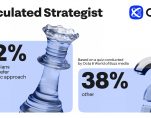
KUALA LUMPUR, MALAYSIA – Media OutReach Newswire – 10 April 2025 – A recent quiz conducted by global broker Octa and World of Buzz media discovered that 62% of Malaysian traders are ‘calculated strategists’—investors who base their decisions on information, risk management, and long-term stability rather than emotional fluctuations. This change in trading behaviour makes rational, strategic investing the new norm. In this article, Octa Broker, a […]

Global oil prices have fallen to their lowest levels in over four years, driven by escalating trade tensions and fears of a global economic slowdown. Brent crude dropped by 3.79% to $60.44 per barrel, while West Texas Intermediate declined by 4.13% to $57.12, marking their lowest points since February 2021. This decline follows the United States’ implementation of 104% tariffs on Chinese imports, after Beijing maintained its 34% retaliatory tariffs on U.S. goods. The escalating tit-for-tat measures have dampened hopes for a swift resolution, raising concerns about a deepening global recession and diminishing energy demand.

Compounding the situation, the Organization of the Petroleum Exporting Countries and its allies plan to increase output by 411,000 barrels per day in May, potentially leading to a supply surplus. Analysts warn that this move could further destabilize the market. Despite a slight easing from a 1.1 million-barrel decrease in U.S. crude inventories, overall sentiment remains bearish. Goldman Sachs forecasts further declines in oil prices through 2025 and 2026. Additionally, Russia’s ESPO Blend oil has, for the first time, dropped below the $60 Western price cap, underlining the global pressure on oil markets.

In Canada, oil and gas executives are adopting a cautious approach in response to the price slump. Doug Bartole, CEO of InPlay Oil, indicated that while immediate cutbacks in production or spending are not planned, sustained low prices, especially around $50 per barrel, could prompt strategic reassessments. InPlay recently completed a C$321 million acquisition of Alberta oil assets from Obsidian Energy, despite market uncertainties. Analysts from ATB Capital Markets have downgraded InPlay’s share target based on current low WTI price levels. Economist Peter Tertzakian noted that while major oil sands companies can sustain lower prices, smaller firms may need to adjust capital expenditures if the price slump continues. Meanwhile, Birchcliff Energy CEO Chris Carlsen highlighted a potential benefit for natural gas producers, as reduced oil drilling may decrease associated gas output, potentially tightening supply.

The sharp decline in oil prices poses significant challenges for Saudi Arabia’s ambitious Vision 2030 megaprojects, including the futuristic Neom city. Oil remains the backbone of the kingdom’s economy, despite efforts to diversify. With Brent crude recently falling to $62 a barrel and forecasts suggesting further declines due to global economic instability and increased OPEC+ output, the country faces a budget deficit and reduced oil-derived income. Saudi Aramco’s anticipated dividends have dropped significantly, compounding financial pressures. Analysts expect the government may scale back or delay lower-priority projects, focus on key investments like global events, or increase borrowing and taxation. Notably, plans for “The Line” have reportedly been reduced to a 1.5-mile stretch associated with the 2034 FIFA World Cup. Despite reassurances from Saudi officials, concerns persist that the ambitious Neom development, championed by Crown Prince Mohammed bin Salman, may need to be downsized unless oil revenues recover.

The U.S. administration’s tariff policies have been a significant factor in the market’s volatility. While some argue that the tariffs, impacting about 1% of the $28 trillion U.S. economy, are intended to shift global trade dynamics in favor of the United States and counter countries like China, others believe that the market’s reaction has been exaggerated. Despite the uproar, these tariffs would channel approximately $300 billion annually to the U.S. Treasury. Critics argue that the U.S., while the world’s largest importer, has a relatively low import-to-GDP ratio compared to other countries. They contend that China has more to lose in a trade war due to its export-reliant economy and employment structure. American public sentiment appears cautiously supportive of fair trade measures, especially against perceived Chinese industrial subsidies. Some suggest that markets should adopt a wait-and-see approach rather than panicking, likening the administration’s stance to the backlash faced by UK Prime Minister Liz Truss over her economic reform attempts, suggesting a resistance to market-driven pressure.

Falling oil prices, encouraged by policies aimed at reducing regulatory burdens, may bring lower gasoline costs but also discourage new oil production due to unprofitable pricing levels and economic uncertainty. Efforts to stimulate future energy production, such as expanding drilling access and reviving coal via executive order, are counterbalanced by cautious industry investment amidst global trade tensions. Additionally, March 2025 was the second-warmest on record globally, with Arctic sea ice hitting a near half-century low, continuing a concerning trend of climate anomalies. On the tech front, battery startup Bedrock Materials is shutting down due to competitiveness issues against cheaper lithium-ion technology from China. Meanwhile, Tesla alum Drew Baglino’s Heron Power is raising $50 million to develop advanced solid-state transformers, reflecting continued clean-tech investment. Furthermore, the Bezos Earth Fund and Global Methane Hub announced a $27.4 million initiative to identify and breed cattle and sheep that emit less methane, a step toward sustainable livestock farming. These developments reflect significant intersections between policy, environment, and innovation shaping global energy and climate landscapes.

The United Arab Emirates will enforce a 15% Domestic Minimum Top-up Tax on large multinational enterprises operating within its jurisdiction, effective for financial years commencing on or after January 1, 2025. This measure aligns with the Organisation for Economic Co-operation and Development’s Two-Pillar Solution, aiming to ensure that MNEs pay a minimum effective tax rate globally. The DMTT applies to MNEs with consolidated global revenues of €750 million or more in at least two of the four financial years preceding the tax period.

The UAE Ministry of Finance announced this initiative as part of its commitment to international tax standards and to bolster non-oil revenue streams. The DMTT is designed to prevent tax base erosion by ensuring that large MNEs contribute a fair share of taxes in the countries where they operate. This move follows the UAE’s introduction of a 9% corporate tax on business profits exceeding AED 375,000, implemented in June 2023. The new 15% tax specifically targets large MNEs, reflecting the UAE’s dedication to global tax transparency and fairness.

World’s Pioneering Drone Solution Achieving Millimetre-level Precision Setting a New Benchmark for Smart Sites in Hong Kong HONG KONG SAR – Media OutReach Newswire – 7 April 2025 – ​The Hong Kong Productivity Council (HKPC), the Civil Engineering and Development Department, and the Hyder-Meinhardt Joint Venture have co-developed the “Autonomous Air-ground Cooperative Tunnel Inspector” in the Trunk Road T2 and Cha Kwo Ling Tunnel project. This system […]

Bitcoin’s price experienced a significant drop, falling from over $83,000 to below $77,000 within a 24-hour period. This abrupt decline led to the liquidation of more than $1 billion in leveraged positions, with long positions accounting for approximately $865 million of the total. The sudden downturn caught many traders off guard, resulting in substantial financial losses across the cryptocurrency market.

Data from Coinglass indicates that a total of 305,170 traders were liquidated during this period, reflecting the widespread impact of Bitcoin’s price movement on investor positions. The majority of these liquidations stemmed from long positions, where traders had anticipated a price increase. As the market moved against them, forced sell-offs occurred, further accelerating the downward momentum.

Among the affected cryptocurrency exchanges, Bybit and Binance recorded the highest liquidation volumes, with $411.54 million and $242.25 million, respectively. Bitcoin itself accounted for the largest share of the total liquidations, contributing $371.66 million. Ethereum was the second most impacted cryptocurrency, with $200.94 million in liquidations, while other crypto assets collectively accounted for over $100 million. The single largest liquidation order took place on Bitfinex, involving a $13.40 million BTC position being forcefully closed.

The high liquidation volume suggests that many traders were caught off guard by Bitcoin’s price drop. With long positions dominating the liquidations, it indicates that market sentiment was largely bullish before the downturn. This scenario underscores the inherent volatility of the cryptocurrency market and the risks associated with leveraged trading.

Despite the sharp downturn, some analysts remain optimistic about Bitcoin’s long-term trajectory. Crypto analyst Javon Marks noted that indicators still suggest Bitcoin could be gearing up for a larger bullish rally. Meanwhile, RektCapital pointed out that Bitcoin’s decline has resulted in a fully filled CME gap between $84,650 and $93,300, which could potentially lead to a price reversal in the near term.

The recent price movement also aligns with patterns observed in previous market cycles. Historically, Bitcoin has experienced significant price corrections following substantial rallies. These corrections often lead to a shakeout of leveraged positions, contributing to market volatility. However, such corrections have also been followed by periods of consolidation and subsequent recoveries.

Market analysts suggest that the current price drop may be attributed to a combination of factors, including profit-taking by long-term holders and macroeconomic uncertainties. The broader financial markets have been experiencing volatility, with investors reacting to various economic indicators and geopolitical developments. These external factors can influence investor sentiment and contribute to price movements in the cryptocurrency market.

The recent liquidation event serves as a reminder of the risks associated with leveraged trading in the cryptocurrency market. Traders employing leverage amplify their potential gains but also their potential losses. In volatile markets, sudden price movements can trigger margin calls and forced liquidations, leading to significant financial losses.

VISHNU RAJA
RYO YAMADA
HITORI GOTOH
IKUYO KITA