The latest addition to Kenanga Investors’ flagship series follows the same proven investment objective and philosophy to meet the evolving needs of today’s investors.
KUALA LUMPUR, MALAYSIA – Media OutReach Newswire – 8 January 2026 – Kenanga Investors Berhad (“Kenanga Investors“) has announced the launch of the Kenanga Growth Fund Series 3 (“KGFS3” or “the Fund“), its third fund in its flagship conventional fund series.
Datuk Wira Ismitz Matthew De Alwis, Executive Director and Chief Executive Officer of Kenanga Investors Berhad.
KGFS3 utilises the asset manager’s proven investment objective and philosophy whilst driven by a differentiated strategy to meet the evolving needs of investors. The Fund seeks to provide capital growth over a medium to long term investment horizon. It will be managed with an active investment strategy depending on the market conditions and outlook, combining a top-down asset and sector allocation process with a bottom-up stock selection methodology.
Lee Sook Yee, Chief Investment Officer of Kenanga Investors Berhad.
“Kenanga Growth Fund Series 3 continues our commitment to disciplined growth and investor-focused solutions. Instead of reinventing the wheel, we believe in refining our methods. As a result, the Fund builds on a proven philosophy that has delivered consistent value to our investors, while adapting to today’s market realities. We prefer to stay practical and to apply what works to continue earning the trust of our investors. Simultaneously, the Fund provides investors flexibility and accessibility while benefiting from a professionally managed, mandate-style investment strategy”, said Datuk Wira Ismitz Matthew De Alwis, Executive Director and Chief Executive Officer of Kenanga Investors.
Since the inception of the Kenanga Growth Fund on 17 January 2000, followed by Series 2 in 2018, both funds have displayed consistent performance. As of November 2025, both funds have surpassed RM1 billion in assets under management*, a testament to the fund house’s disciplined investment approach and commitment to long-term value creation.
While equities remain the central focus for KGFS3, the investment team will strategically allocate the remaining net asset value into other permitted asset classes, guided by market conditions and potential growth prospects, ensuring a well-balanced and opportunistic portfolio.
“Our asset allocation decisions are driven by a comprehensive review of macroeconomic trends across global economies. Particularly, we look at key indicators such as GDP growth direction, interest rate movements, inflation patterns and government policies. We believe these factors are critical to determine corporate earnings, allowing us to identify predictable trends that inform our sector selection. This structured approach helps keep us nimble, responsive and grounded in fundamentals”, explained Lee Sook Yee, Chief Investment Officer of Kenanga Investors Berhad.
The minimum initial investment amount is RM10,000 while subsequent investments are at a minimum of RM5,000. The Fund will be measured against a benchmark of 8% growth per annum. It is suitable for Sophisticated Investors who have a high-risk tolerance, have a medium to long term investment horizon; and are looking to achieve high returns through investments in multi-assets.
Kenanga Investors is known for its investment offerings and expertise within the equities space, making this latest launch a strategic addition for its product expansion efforts. The Hong Kong-based Asia Asset Management’s 2025 Best of the Best Awards recognised Kenanga Investors under the following categories, Malaysia Best Retail Asset Management Company and Malaysia Best Equity Manager. The FSMOne Recommended Unit Trusts Awards 2025/2026 awarded the Kenanga Growth Fund Series 2 with the “Sector Equity — Malaysia Focused” award for the fourth consecutive year since 2022.
The issuer is solely responsible for the content of this announcement.
Kenanga Investors Berhad 199501024358 (353563-P)
We provide investment solutions ranging from collective investment schemes, portfolio management services, alternative investments, as well as wills and trusts for retail, corporate, institutional, and high net worth clients via a multi-distribution network.
The Morningstar Awards 2025 has recognised the Kenanga Blue Chip Fund as Best Malaysia Large-Cap Equity Fund. The Bursa Excellence Awards 2024 awarded KIB’s exchange-traded funds’ arm, Eq8 Capital Sdn Bhd with the Special Award – Thought Leadership for launching Eq8WAQF, the world’s first Waqf-featured Exchange Traded Fund. Introduced under a newly established category, the award highlights innovations that are reshaping the investment landscape.
At the LSEG Lipper Fund Awards Malaysia 2025, KIB received awards for the Kenanga DividendEXTRA Fund (“KDEF”) under the Best Equity Malaysia Diversified – Malaysia Funds over 3 years, Kenanga Malaysian Inc Fund (“KMIF”) under the Best Equity Malaysia Diversified – Malaysia Provident Funds over 10 years, Kenanga Balanced Fund (“KBF”) under the Best Mixed Asset MYR Balanced – Malaysia Provident Funds over 10 years, Kenanga Managed Growth Fund (“KMGF”) under Best Mixed Asset MYR Flexible – Malaysia Provident Funds over 10 years, and Kenanga SyariahEXTRA Fund (“KSEF”) under the Best Mixed Asset MYR Balanced – Malaysia Islamic Funds Awards over 10 years.
The Hong Kong-based Asia Asset Management’s 2025 Best of the Best Awards awarded KIG under the following categories, Malaysia Best Impact Investing Manager, Best Impact Investing Manager in ASEAN, Malaysia Best Equity Manager, Malaysia CEO of the Year (Co-Winner), Malaysia CIO of the Year, Malaysia Best House for Alternatives, Malaysia Best ESG Engagement Initiative, Malaysia Fund Launch of the Year, and Malaysia Best Retail Asset Management Company.
The FSMOne Recommended Unit Trusts Awards 2025/2026 has awarded the Kenanga Growth Fund Series 2 with the “Sector Equity – Malaysia Focused” award for the fourth consecutive year since 2022. We were also recognised at The BrandLaureate BestBrands Awards 2024 – Brand of the Year under the category Wealth Management & Investment Solutions. For the ninth consecutive year, KIB was affirmed an investment manager rating of IMR-2 by Malaysian Rating Corporation Berhad, since first rated in 2017.
This Press Release was issued by Kenanga Group’s Marketing, Communications & Sustainability department.
SINGAPORE – Media OutReach Newswire – 8 January 2026 – MOONTON Games, the international video game company behind Mobile Legends: Bang Bang (MLBB), has announced a multi-year strategic partnership with 1Play, a rising brand in youth-focused cultural collectibles. As the Official Trading Card Partner of the M7 World Championship (M7), 1Play will roll out a multi-year lineup of M Series collectible cards that pays homage to the tournament’s qualified teams. Featuring M Series teams, players, key competitive moments and more, the launch aims to enrich the MLBB Esports experience by allowing fans to relive the tournament’s legacy through physical collectibles.
1Play and MOONTON Games Introduce First Official M Series Trading Card Collection in Multi-Year Strategic Partnership
Designed to bring fans closer to the competitive action, the partnership extends MLBB Esports engagement beyond viewership. Through the collectible cards, the title’s passionate fanbase will be able to connect with the M Series, its teams, and its players both during and outside of tournament periods.
According to Esports Charts, MLBB emerged as 2024’s most popular mobile esports title with over 475 million Hours Watched (HW). At the heart of the MLBB Esports circuit stands the M Series, the title’s flagship international tournament. Uniting players and fans from across the world, the M Series has become the main competitive stage for the world’s best MLBB teams and a driver of the game’s global esports ecosystem. In previous editions, the M6 and M5 reached 4.13 million and 5.06 million Peak Concurrent Viewers (PCV) respectively. The tournaments ranked ninth and sixth amongst the most-watched esports events of all time, according to Esports Charts. Backed by millions of viewers and a seven-year legacy of competitive excellence, the M Series has established itself amongst the biggest names in global sports and entertainment.
Just as trading cards have been a cornerstone of fan culture in traditional sports such as the National Basketball Association (NBA), English Premier League (EPL), and the FIFA World Cup—the MLBB Official Trading Card collection brings this longstanding tradition to MLBB Esports. It celebrates the game’s competitive excellence while giving fans a tangible way to connect with the M Series, commemorate iconic moments, and honour the players who define its legacy. Its launch also extends a global, time-honoured collectibles tradition into MLBB Esports, creating a new avenue for the community to engage with the tournament beyond the screen.
Through this partnership, MOONTON Games and 1Play will introduce the M Series’ first official trading card system, which includes:
All 22 participating teams and all players competing at the M7
A premium lineup of Player Signature Cards, Jersey & Materials Cards, and Match Moments Cards
Two flagship product lines for the M7: the Super Series and the Elite Series
Fans will be able to purchase the collections through 1Play’s official platforms and participate in offline retail experiences, pop-up events, card-trading sessions, exclusive onsite drops, and other interactive activities at future M Series editions. By integrating digital touchpoints with offline engagement, the partnership aims to strengthen the presence of MLBB Esports in global mainstream culture through an immersive collectibles experience for fans.
At the same time, as 1Play’s key strategic retail and offline experience partner across Southeast Asia and other core markets, OH!SOME will establish a long-term and stable collaboration framework with 1Play, playing a deep role in the overall planning and ongoing development of offline showcasing, retail infrastructure, and fan engagement experiences for the official M Series esports trading card collection. 1Play and OH!SOME will work closely across product presentation, spatial design, and user experience, jointly defining new standards for esports collectibles within offline consumer and cultural spaces.
With over 180 stores across Asia—including Indonesia, Singapore, Thailand, Hong Kong of China, Malaysia, Vietnam, Cambodia, and the Philippines—OH!SOME has developed into a beloved and widely recognized regional retail brand. Leveraging OH!SOME’s established regional retail network and its strategic presence in major urban consumer hubs, 1Play will collaborate with OH!SOME to advance the rollout of offline experiences. Fans will be able to purchase, showcase, and engage with official 1Play card packs and trading cards at selected OH!SOME locations, achieving an explosive market presence for M Series collectibles across core cities.
Adrian Cher, Global Head of Partnerships, MLBB Esports at MOONTON Games, said: This partnership with 1Play marks a strategic step in how we extend MLBB Esports beyond the screen and into the everyday lives of our fans. As trading cards gain renewed traction among younger audiences, this partnership allows us to connect with the next generation through an avenue that reflects their interests and self-expression. By bringing the M Series into physical collectibles, we’re not only enriching the M7 experience, but also reinforcing MLBB’s place alongside traditional sports ecosystems where memorabilia plays a central role in fan culture. The upcoming collectibles launch reflects our long-term commitment to building MLBB Esports as a global sports and entertainment IP.”
AnJie, Founder & CEO of 1Play, said: “1Play is dedicated to creating collectible items that resonate with young audiences and express cultural identity. Our partnership with MOONTON Games represents a milestone in the development of esports collectibles. We aim to build a defining collectible ecosystem for this era—one that allows every fan to record their passion, celebrate their heroes, and collect the moments that matter.”
The 1Play × M Series Official Trading Card Collection is scheduled to launch during the M7, with its first edition dedicated to the tournament. Additional experiences—including team collaborations, onsite exclusives, signing sessions, and community-driven fan events—will be rolled out to further expand the cultural reach of MLBB esports.
Survey covers 15 countries and includes first nationwide polling inside Syria The Arab Center for Research and Policy Studies has released findings from the 2024 to 2025 Arab Opinion Index following a presentation at its headquarters in Doha. The survey, now in its ninth edition, examines political, economic and social views across 15 Arab countries. Fieldwork took place between October 2024 and August 2025 and included interviews […]
A landmark agreement between Caracas and Washington will see up to $2 billion worth of Venezuelan crude oil exported to the United States under terms announced by President Donald Trump, marking a major shift in energy geopolitics and offering a potential reprieve to Venezuela’s embattled oil sector. The arrangement, underscored by negotiations that could divert barrels previously bound for China, elevates the United States into a key […]
Dubai Aerospace Enterprise Ltd has moved to the international debt markets with plans for a benchmark-sized, dollar-denominated Regulation S senior unsecured bond with a seven-year tenor, as the aircraft leasing and aviation services group looks to extend its maturity profile amid steady demand for high-quality aviation credit. The proposed notes will be issued through DAE Funding LLC under the company’s Global Medium Term Note Programme and are […]
TDK has unveiled STRIDE, a low-power, real-time positioning software platform aimed at wearables and connected IoT devices, marking a push to strengthen its presence in software-defined sensing alongside its established sensor hardware business. The launch positions the Tokyo-based electronics group to compete more directly in applications where accurate location tracking must operate continuously on constrained batteries, such as smartwatches, fitness bands, asset tags and industrial monitoring devices. […]
Tackle rising business costs and trade barriers with a unified digital platform for Free Trade Agreements as well as build stronger economic partnerships.
Bridge AI adoption gaps by co-funding shared data pools and introducing a regional “Trusted AI” mark to drive innovation and governance.
Future-proof the workforce with targeted work visas for global experts, job transformation roadmaps, and advanced leadership programmes.
SINGAPORE – Media OutReach Newswire – 7 January 2026 – KPMG in Singapore and the Singapore Institute of Directors (SID) are pleased to announce the release of a joint Budget 2026 Proposal, titled “Prospering in a New Global Landscape”.
From Left to Right: Yong Jiahao, Partner, Infrastructure, Government & Healthcare (IGH) & Industrial Manufacturing, Tax, KPMG; Ajay Kumar Sanganeria, Partner and Head of Tax, KPMG; Lee Sze Yeng, Managing Partner, KPMG; Max Loh Khum Whai, Vice-Chair, Singapore Institute of Directors; Edwin Lee, Deputy CEO, Singapore Institute of Directors
By fostering resilient economic linkages, embedding digital trust, and cultivating world-class talent and leadership with cross-domain expertise, Singapore can ensure its businesses and economy remain secure, innovative, and competitive in an uncertain global landscape.
This Proposal outlines strategies to position Singapore as a critical hub for global flows, covering three crucial areas:
A new global order: Resilience as a pivotal growth strategy
The Intelligent Age: Smart solutions for an innovative era
The recommendations in the proposal are also supported by data-driven insights from a survey recently conducted by KPMG and SID. More than 1,000 professionals, managers, executives and technicians (PMETs) and business owners were surveyed on the challenges they face and the kinds of Budget 2026 support they hoped to see. [For more information, please refer to the deck with the full survey results: https://kpmg.com/sg/en/campaigns/kpmg-singapore-budget.html ]
Empowering businesses to leverage Singapore’s trusted role as a global connector
Global commerce is rapidly transforming amid rising protectionism, shifting trade rules, evolving tax regimes, and geopolitical tensions. Singapore’s long-term prosperity in the new global order depends on its ability to lead as a trusted connector and aggregator of the flows of goods, capital, data, and talent.
Singapore must strengthen its economic linkages, build secure and interoperable digital platforms, cultivate a workforce equipped with cross-domain expertise, and equip boards with essential skills to navigate emerging risks and opportunities. Trusted and resilient economic linkages will ensure the seamless movement of goods, services, and investments, while interoperable digital platforms will play a critical facilitation role in enabling cross-verification of information, streamlining compliance, and fostering trust across borders. These efforts are especially important in helping businesses cope with shifting regulations. KPMG and SID’s survey found that 51 percent of respondents identified increased business costs as the main challenge to cross-border expansion, followed by higher tariffs (26 percent) and supply chain difficulties (25 percent). To address these challenges, 43 percent of respondents want stronger economic and trade partnerships to overcome trade barriers.
KPMG and SID recommend:
a) Developing a unified digital platform for Free Trade Agreement (FTA) management (page 7) to help businesses navigate complex procedures and unlock the full benefits of FTAs. This would be seamlessly integrated with government systems, making it more seamless and cost-effective for businesses to comply with FTA requirements. This would enable firms to leverage Singapore’s extensive FTA network to gain footholds in new markets, further enhancing Singapore’s regional and global competitiveness.
b) Increasing access to working capital to accelerate local enterprises’ strategic transformation and implementing industry-specific governance frameworks (page 7). With geopolitical shifts driving a more complex regulatory landscape, increased and dedicated funding would enable businesses to transform for the future while responding effectively to evolving governance standards. Such funding should be complemented by industry-specific governance playbooks to equip boards with essential tools to strengthen agility and resilience.
c) Enhancing Singapore’s government-backed trade platform with blockchain and AI (page 6). The global economy has seen an increase in supply chain disruptions amid geopolitical and trade uncertainties. An enhanced Government-backed trade platform would enable Singapore to further facilitate the flow of trusted payments, making it even easier for businesses to validate transactions and act on smart recommendations to elevate supply chain efficiency. Amid a more fragmented world, the enhanced platform would also reinforce Singapore’s position as a reliable hub for global commerce, by promoting increased supply chain transparency for critical industries like semiconductors, pharmaceuticals, and advanced manufacturing.
d) Introducing progressive carbon taxes to reward decarbonisation and establish performance-based pathways for large emitters (page 9). Singapore’s carbon taxes must evolve to consider unique business needs and companies’ decarbonisation plans. Progressive carbon tax rates post-2030 – based on facility emissions volume, emissions per unit of output, and sectoral abatement potential – could be accompanied by permanent conditional tax rebates for energy-intensive, trade-exposed sectors. These rebates could be based on set criteria such as verified year-on-year reductions in carbon intensity and investments in low-carbon technology. To strengthen these efforts, Singapore could also establish an ASEAN Environmental Data Exchange to facilitate the sharing of standardised and interoperable environmental data between Singapore and its regional trade partners (page 8). The exchange would improve the flows of green trade and green capital, enabling Singapore to be a regional hub for environmental data harmonisation. Organisations like the Singapore Institute of Directors could play a catalytic role by building board-level capability, aligning disclosure expectations and promoting best practices through director education, guidance frameworks and peer learning on a regional scale, helping boards to lead initiatives like progressive carbon taxation.
Fostering an ecosystem of Trusted AI in the Agentic Era
The rise of artificial intelligence (AI) is reshaping global competitiveness, with agentic AI—capable of autonomous decision-making—introducing both transformative opportunities and significant challenges. While agentic AI can drive innovation, optimise operations, and unlock new efficiencies, it also raises critical concerns around accountability, ethical deployment, and governance.
A critical enabler of AI’s potential is data sharing, yet this often proves difficult due to competition, concerns over intellectual property, and a lack of trust between organisations. Businesses—particularly smaller enterprises—also face cost constraints in accessing high-quality data, and many also lack the strategic clarity and workforce competencies to identify where AI can augment their operations.
KPMG and SID’s poll found that 54 percent of respondents cited talent and skills gaps as the top challenge for adopting AI, followed by high costs of technology adoption (52 percent) and a lack of clear AI adoption strategies (48 percent). By addressing these concerns, Singapore will be able to fully leverage the vast potential of AI and data to reinforce its status as a hub across various sectors.
KPMG and SID recommend:
a) Co-funding sector-specific shared data pools in partnership with trade associations and industry stakeholders (page 15). These shared, anonymised data pools would enable businesses to access high-quality datasets without incurring prohibitive costs. Tailored to specific sectors such as logistics and retail, these pools would facilitate benchmarking, model training, and experimentation under a trusted framework that safeguards data privacy and protects intellectual property. Shared data initiatives should be paired with guided AI adoption support to help businesses understand how AI can enhance specific parts of their value chain. For example, targeted support could help logistics firms optimise supply chains or assist retailers in leveraging AI to personalise customer experiences. This dual approach would enable broader AI adoption and accelerate innovation across industries.
b) Enhancing the public-private partnership (PPP) framework to accelerate AI adoption (page 15). As firms navigate high costs and limited guidance around AI adoption, there is an opportunity for the Government to provide greater access to infrastructure to lower barriers for AI experimentation and deployment. The enhanced framework would create positive spillover effects from existing AI initiatives, as government agencies, academia and industry stakeholders collaborate to strategically integrate AI solutions into business strategies. The framework could also promote cross-sector collaboration in key industries, fostering a culture of open innovation in AI. To bolster digital trust, Singapore could also establish a regional “Trusted AI” mark to drive harmonisation and innovation (page 12). Although Singapore’s Model AI Governance Framework provides a strong foundation for responsible AI deployment, there is still a largely untapped opportunity for Singapore to champion an assurance label that shows firms have AI controls aligned with recognised AI governance standards. By pushing regionalrecognition of this mark, Singapore could accelerate cross-border innovation and trade. The mark would build on initiatives like AI Verify and Project Moonshot, which have helped to promote Trusted AI in Singapore.
c) Supporting hands-on AI governance training for board members and executives (page 13) through a dedicated fund. This would complement existing SkillsFuture programmes which focus primarily on AI awareness, by expanding the emphasis to address strategic and operational gaps at the leadership level – covering ethical deployment, change management and cross-domain applications.
Building globally relevant leaders with cross-domain skills
To fulfil its role as a hub for global flows, Singapore must enable its businesses to navigate a complex web of governance requirements, trade rules, tax policies, and tariffs. While compliance with governance standards will bring higher upfront costs, it also provides a foundation for businesses to lead in innovation and competitiveness. For instance, businesses that embrace sustainability compliance can innovate in areas like green finance, carbon accounting, and environmental data exchange.
Yet, none of this is possible without specialised talent and leadership. Singapore needs professionals and board leaders with expertise in areas such as supply chain management, AI governance, and sustainability strategy. These individuals must be able to connect the dots across domains, such as linking data governance with trade compliance or integrating sustainability goals into business operations. The need for enhanced talent development also emerged from KPMG and SID’s survey findings. Forty-nine percent of respondents want more skills development and upskilling courses. Meanwhile, 42 percent hope for more support for workforce transformation and job redesign, such as higher grants. In addition, 37 percent of respondents want more leadership and management development initiatives, especially in the areas of mentorship and coaching for emerging leaders and advanced leadership programmes.
KPMG and SID recommend:
a) Creating a dedicated work-pass category for “master trainers” and mentors (page 18). The work-pass would encourage international professionals to join local companies, public agencies and training institutions to lead structured upskilling or leadership development programmes. This would accelerate skills transfer, expose workers to global best practices, and build a robust pipeline of talent capable of driving strategic transformation and competitiveness in a rapidly evolving global landscape. Structured leadership development programmes could also include peer-sharing platforms (page 21) aimed at promoting transformation training among C-suite leaders. Backed by the public sector and industry stakeholders, such platforms could foster the exchange of best practices, promote collective learning on key sustainability capabilities and empower leaders to proactively redesign roles and workflows ahead of market shifts.
b) Setting up job transformation roadmaps with co-funded training and certification initiatives (page 19) tied closely to sector-specific needs. As rapid technological developments shape industry demand for skills, job transformation roadmaps would be beneficial in outlining sector-specific disruptions, challenges and opportunities. These roadmaps could be accompanied by industry-recognised certification, and programmes backed by both the public and private sectors. Tailored to sectoral needs, certifications could help to assess whether workers have acquired the necessary skills to perform in transformed roles, especially in fast-evolving sectors where traditional qualifications may no longer suffice.
c) Establishing a $100 million fund to advance social impact reporting (page 9). As Singapore pursues long-term resilience, it must also ensure that economic growth is sustainable and inclusive. The fund could be used to train professionals and board directors in the reporting of social metrics, support academic modules in social sustainability and certify social auditors and advisers. It could also be complemented by broader efforts to enhance environmental, social and governance (ESG) competencies among businesses’ top leadership. Singapore could establish a national registry of certified sustainability committee members (page 20) who can be matched to boards and committees across sectors. This would help to expand access to qualified board resources, especially for local enterprises.
Lee Sze Yeng, Managing Partner, KPMG in Singapore, said:
“Leadership today isn’t just about mastering AI or acquiring specialised skills—it’s about navigating the intersections of cross-border trade, technology, and sustainability. To remain competitive, leaders must move beyond the basics, using AI and data to drive real business outcomes while building governance frameworks that inspire trust. At the same time, they need the courage to take calculated risks and collaborate across ecosystems to unlock new opportunities. Initiatives like co-funding sector-specific shared data pools and guided AI adoption support are critical to overcoming barriers and equipping leaders with the tools to thrive. As disruptions grow increasingly cross-border and cross-domain, Singapore’s ability to cultivate leaders who can turn complexity into opportunity will define its success as a global flows hub.”
Ajay Kumar Sanganeria, Partner, Head of Tax, KPMG in Singapore, said:
“Singapore’s position as a global hub—connecting trade, data, and capital—offers businesses significant opportunities to grow and compete globally. Grants and platforms are vital enablers, but they must be part of a broader solution that simplifies complexities and empowers businesses to focus on innovation. Future-ready approaches, such as managing governance and compliance in a more consolidated or ‘as-a-service’ mode, can reduce burdens on enterprises. A unified digital platform for Free Trade Agreement (FTA) management, enhanced with blockchain and AI, could streamline compliance and unlock the full benefits of Singapore’s FTA network. Co-funded training programmes and shared governance frameworks can further help businesses pool resources and build capabilities. By combining grants, platforms, and smarter ways of working, Singapore strengthens its role as a trusted global connector and equips businesses to lead with confidence in an evolving world.”
Yeoh Oon Jin, Chair, Singapore Institute of Directors, said:
“Singapore’s future as a global hub for connectivity and commerce will be shaped by how boards of directors evolve to lead with resilience and trust. Budget 2026 is an opportunity to strengthen governance frameworks that embed sustainability, cyber trust and accountability into every organisation’s agenda. By empowering directors to champion innovation, sustainability and digital assurance, organisations can grow with confidence while reinforcing Singapore’s position as a secure and trusted connector for goods, capital, data and talent in an increasingly complex global landscape.” Hashtag: #KPMG #SID
The issuer is solely responsible for the content of this announcement.
About KPMG in Singapore
KPMG in Singapore is part of a global organization of independent professional services firms providing Audit, Tax and Advisory services. We operate in 142 countries and territories with more than 275,000 partners and employees working in member firms around the world. Each KPMG firm is a legally distinct and separate entity and describes itself as such. KPMG International Limited is a private English company limited by guarantee. KPMG International Limited and its related entities do not provide services to clients.
About SID
The Singapore Institute of Directors (SID) is Singapore’s national association for company directors. Established in 1998, our mission is to transform boards and empower board directors to be champions of good governance. SID works with regulators and partners to serve as the voice for directors and facilitates consultations and feedback sessions on regulatory matters. In advocating for good governance, SID advances thought leadership and benchmarking research and indices on corporate governance and directorship issues.
SID builds competencies and capabilities to enhance boardroom skills of directors for informed decision-making. An accreditation programme serves to set standards for and showcase best practices of good governance. The organisation supports members on their directorship journey with courses, workshops, advanced masterclasses, forum discussions and pit-stops. SID connects and strengthens the ecosystem with initiatives such as mentoring and networking. The Governance for Good Alliance is an initiative by SID to bring together key stakeholders who help advance our vision for every board director to be a champion of good governance.
Arabian Post Staff -Dubai Emirates NBD has raised a combined $1 billion through blue and green sustainability-linked bonds, signalling sustained investor appetite for environmentally themed debt from the Gulf’s largest banking groups despite volatile global credit markets. The transaction drew orders exceeding $2 billion, underscoring strong demand from international asset managers, insurers and regional institutions seeking exposure to ESG-aligned issuers with solid balance sheets. The issuance […]
71 per cent of Asia’s young adults prefer clear planning, with 69 per cent optimistic about their financial future despite prevailing uncertainty
HONG KONG SAR – Media OutReach Newswire – 7 January 2026 – Asia’s young adults are taking a structured approach to managing their finances, according to a new study published by Prudential plc (“Prudential”), the leading Asia and Africa insurer. The research, titled “Financial Mindset of Young Adults in Asia”, finds that more than seven in 10 respondents (71 per cent) choose clear planning over spontaneity, maintaining consistent insurance and investment habits. This pragmatism is coupled with optimism: nearly 70 per cent believe their personal finances will improve in the next five to 10 years.
The study surveyed over 5,300 young adults aged 20-35 across seven Asian markets, including Hong Kong, Indonesia, Malaysia, the Philippines, Singapore, Taiwan, and Thailand, aiming to take a pulse on this dynamic generation’s insurance and investment experiences, preferences, and attitudes.
A Generation of Financial Pragmatists
The majority of Asia’s young adults believe living in uncertainty is now the norm (63 per cent), citing financial security as their top life concern (77 per cent), surpassing family responsibilities (53 per cent), health (52 per cent), career and education (42 per cent). Close to 60 per cent report focusing more on the future over enjoying the present moment.
Amidst this prevailing sense of unpredictability, young Asians maintain a positive personal financial outlook. Sixty-four per cent express confidence that they will have enough money to fund retirement.
In terms of financial management, more than half of young adults (53 per cent) seek a balance of smart investment strategies with freedom to enjoy life. Flexibility remains a defining preference, with 62 per cent of respondents favouring financial solutions that evolve alongside their lives and aspirations, rather than adhering rigidly to one style of saving or investing.
A measured risk profile with a long-term perspective also defines how young adults in Asia approach investment. They are balanced between high-risk investments for higher returns (42 per cent) and safe, low-risk options such as fixed deposits to safeguard savings (40 per cent). Nearly 60 per cent prefer investment instruments designed to be held for an extended period, reflecting an orientation toward sustainable financial growth.
Priscilla Ng, Chief Customer and Wealth Officer at Prudential plc, said: “Prudential is committed to empowering people across all life stages, including young adults, to shape their future, protecting possibilities and nurturing every promise. Today, Asia’s median age is just 32.5 years1, highlighting a vibrant and youthful population. This generation is redefining how financial management and security is approached, with unique priorities and expectations. Understanding their perspectives helps us tailor solutions that are simple, accessible, and relevant to their needs.”
Digital Ease, Human Expertise
The survey further reveals that young adults in Asia are navigating their insurance and investment journey through a blend of digital convenience and human support. With the prevalence of digital tools, 61 per cent of respondents feel confident researching and selecting products on their own, and 54 per cent are confident managing their portfolio independently.
Yet, human touchpoints remain highly valued: 64 per cent prefer consulting financial advisers for life or health insurance decisions and ongoing support, especially when handling complexities in coverage details (70 per cent) and the claims process (68 per cent). At the same time, digital platforms are favoured for real-time financial management, reflecting a growing demand for hybrid insurance and investment experiences that integrate technology and personal guidance – an approach that strongly resonates with today’s pragmatic young adults.
Millennials and Gen Z are expected to make up about half of Asia-Pacific’s consumers by 20302. For insurers, this means reimagining engagement with this segment through simple, accessible products and innovative, empathetic experiences that blend data, technology, and human understanding, said Ms. Ng.
1 United Nations’ World Population Prospects 2024 2 Eastspring Investment: Asia’s consumer-fuelled growth, September 2025Hashtag: #Prudential
The issuer is solely responsible for the content of this announcement.
About the report
Financial Mindset of Young Adults in Asia is a Prudential commissioned report, delving into the insurance and investment experiences, preferences and attitudes of 5,348 people aged 20-35 in seven Asian markets. through online quantitative survey. The survey was conducted in July-August 2025.
About Prudential plc
Prudential provides life and health insurance and asset management in Greater China, ASEAN, India and Africa. Prudential’s mission is to be the most trusted partner and protector for this generation and generations to come, by providing simple and accessible financial and health solutions. The business has dual primary listings on the Stock Exchange of Hong Kong (HKEX: 2378) and the London Stock Exchange (LSE: PRU). It also has a secondary listing on the Singapore Stock Exchange (SGX: K6S) and a listing on the New York Stock Exchange (NYSE: PUK) in the form of American Depositary Receipts. It is a constituent of the Hang Seng Composite Index and is also included for trading in the Shenzhen-Hong Kong Stock Connect programme and the Shanghai-Hong Kong Stock Connect programme.
Prudential is not affiliated in any manner with Prudential Financial, Inc. a company whose principal place of business is in the United States of America, nor with The Prudential Assurance Company Limited, a subsidiary of M&G plc, a company incorporated in the United Kingdom.
LAS VEGAS, UNITED STATES – Media OutReach Newswire – 7 January 2026 – Amidst a CES 2026 landscape dominated by AI headlines and humanoid robots, a quiet corner of the Lens Technology booth has unexpectedly become a focal point for commercial space analysts.
There are no flashy RGB lighting effects here, only a sheet of glass as thin as a cicada’s wing, being repeatedly rolled and unrolled like a tape measure. This is the public debut of Lens Technology’s aerospace-grade UTG (Ultra-Thin Glass) photovoltaic encapsulation solution. This technology marks the official entry of the manufacturing titan—best known as a giant in the Apple supply chain—transferring its precision manufacturing capabilities from consumer electronics to humanity’s next trillion-dollar market: space infrastructure.
As leading global satellite companies begin the mass deployment of third-generation (V3) satellites, the Low Earth Orbit (LEO) internet race is entering a “second half” defined by heavy payloads, long lifespans, and low costs. Lens Technology’s entry aims to untie the knot that has long plagued the aerospace industry: the trade-off between flexibility and durability.
Farewell to the “Plastic Feel”: The Material Battle in Space
At the Lens Technology booth, engineers demonstrated the core contradiction to the audience: Traditional aerospace solar cell covers are either heavy Cerium-doped Glass (CMG) or expensive Fused Silica, typically ranging from 100μm to 500μm in thickness. They are robust, but too heavy and impossible to bend.
To adapt to the massive power demands of next-generation satellites (such as those supporting direct-to-cell services), solar wing designs are rapidly evolving from rigid panels to Roll-Out Solar Arrays (ROSA-like structures). This shift forced designers to temporarily turn to polymer materials like transparent Polyimide (CPI).
“However, polymers have a fatal weakness in space,” explained a Lens Technology on-site technical lead. “The LEO environment is filled with high-energy Atomic Oxygen (AO) and strong UV radiation. Under long-term exposure, polymer molecular chains break, causing the material to yellow, become brittle, and suffer a drastic drop in light transmission. This efficiency decay was tolerable for early satellites with 5-7 year lifespans, but for the new generation of mega-constellations pursuing higher commercial returns, it is unacceptable.”
Lens Technology’s answer is Aerospace-Grade UTG. As an inorganic material, glass possesses innate “immunity” to Atomic Oxygen and UV aging, ensuring high light transmission throughout the satellite’s lifecycle. More importantly, its dense structure provides an effective barrier against water vapor and micrometeoroids, offering physical protection for delicate ultra-thin HJT or future Perovskite batteries.
The 30-Micron “Moat”: A Perfect Match for Next-Gen Satellites
In the demo area, a piece of glass only 30μm-50μm thick is bent to an astonishing radius of R1.5mm. This level of flexibility drew gasps from the audience.
This is exactly the characteristic most coveted by top global satellite companies today. To reduce the cost per launch, next-generation mega-satellites must be stowed with origami-like efficiency inside the rocket fairing. Lens Technology’s UTG solution allows solar wings to be tightly wound like a tape measure during launch, and instantly recover to a flat state upon orbital deployment.
However, making glass thin is the first step; keeping it from shattering during the violent vibration of a rocket launch is the real challenge.
Analysts point out that Lens Technology’s core competitiveness lies in its proprietary chemical strengthening processes and laser/diamond wire cutting technologies. Glass fractures often originate from micro-cracks invisible to the naked eye. Leveraging processes honed on foldable smartphones, Lens has significantly reduced the density of micro-defects on the glass edges and surfaces. This means that even under immense tension and vibration, this “glass skin” remains tough and resilient.
Dimensional Strike: Reshaping Aerospace Costs with “Consumer-Grade” Capacity
If technical specifications are the ticket to entry, then capacity and cost control are Lens Technology’s ultimate weapons.
“The logic of commercial space has changed; it is now the era of industrial mass production,” commented an industry analyst at the scene. Compared to the small-batch, lab-grade customization model of traditional aerospace glass manufacturers, Lens Technology brings the scale of consumer electronics manufacturing.
Facing the grand ambition of global satellite leaders planning to launch tens of thousands of satellites annually, supply chain elasticity is critical. Lens Technology stated that it has the capability to rapidly expand existing pilot lines or flexibly retrofit mass production lines. This potential for “ten-thousand-satellite scale” delivery and yield control can significantly lower the BOM (Bill of Materials) cost per satellite—addressing the most sensitive pain point for commercial space giants today.
Outlook: The New Cornerstone of Next-Gen Space Energy
At CES, Lens Technology also “spoiled” its future technology roadmap.
As Perovskite/Silicon tandem cells are viewed as the mainstream for future satellite power, UTG will serve not just as a cover, but as an encapsulation substrate. Lens Technology revealed it is developing next-generation composite UTG integrated with Anti-Static (ESD) coatings and Selective Radiation coatings, which will not only protect chips from electrostatic discharge damage but also assist in regulating battery temperature.
Although this business currently accounts for a tiny fraction of Lens Technology’s massive revenue and is in a period of intensive validation with global top-tier photovoltaic component manufacturers (Tier 2) and top commercial space clients (Tier 1), its signal significance cannot be ignored.
From smartphone screens to satellite wings, Lens Technology is proving that in the era of scaled expansion for space infrastructure, ground-based industrial giants possessing extreme craftsmanship and mass manufacturing capabilities will be indispensable “pavers” for the interstellar journey.
Hashtag: #LensTechnology
The issuer is solely responsible for the content of this announcement.
WILLEMSTAD, CURAÇAO – Media OutReach Newswire – 6 January 2026 – 1win Charity, together with MMA legend Jon Jones, has successfully concluded its global campaign 1wish Season – a holiday initiative that brought together tens of thousands of people around the world through kindness, support, and real action.
The campaign ran from December 1 to December 23, and invited participants to share personal wishes – not only for themselves, but also for their families, communities, and those in need. Each day, Jon Jones chose winners and helped turn their wishes into reality.
Campaign Highlights:
60,000+ participants
More than 40 countries involved
$100,000 prize fund
100+ wishes fulfilled
Among the most touching wishes were stories that went far beyond personal gifts. Together, 1win and Santa Jon helped bring joy to thousands of people worldwide – from gifting a gaming console to a young fan, to making a long-awaited family trip possible; from donating food and supplies to animal shelters, to equipping an entire volunteer rescue team with the tools they need to save lives. Each wish, big or small, carried a story – and every fulfilled one became a moment of real warmth this winter.
Unlike traditional holiday promotions, 1wish Season was built around the idea that winning is not just about luck. It is about listening, understanding, and offering meaningful support where it truly matters.
“What moved us the most was how many people wished not for themselves, but for others – for their families, their communities, and even strangers. This project reminded us that the real spirit of the holidays is about giving, listening, and showing up when it matters.”
– Jon Jones & 1win.
By connecting people across continents, 1wish Season became a reminder that generosity has no borders. Through small daily actions, the campaign demonstrated how collective participation can create lasting impact.
Hashtag: #1win
The issuer is solely responsible for the content of this announcement.
About 1win
Founded in 2016, 1win is a major player in the global gaming industry. Operating across Asia, Latin America, and Africa, 1win offers a wide range of services adapted to regional audiences. In 2024, 1win partnered with actor Johnny Sins as its brand ambassador. In 2025, MMA legend Jon Jones joined 1win as its global ambassador.
By Nitya Chakraborty India’s isolation from Global South on the issue of Trump’s invasion of Venezuela is now complete. Prime Minister Narendra Modi claims himself as the leader of Global South. Both at the SCO summit and BRICS meeting last year, Modi was active in articulating the aspirations and the programmes of the developing and […]
Britain’s new car market crossed the two-million mark in 2025 for the first time since the pandemic, signalling a broad-based recovery powered by electric vehicle uptake and steady fleet demand, according to industry data compiled across manufacturers and dealers. Registrations reached about 2.02 million units, lifting volumes above levels seen during the disrupted years of supply shortages and subdued consumer confidence. Britain’s auto market clears two million […]
US-based multinational corporations are set to be exempt from key elements of the global minimum tax regime, following an agreement among major economies that eases pressure on Washington while preserving the broader framework championed by the Organisation for Economic Co-operation and Development. The move reshapes the implementation of the 15 per cent global minimum tax and recalibrates how countries apply enforcement rules to the world’s largest companies. […]
World leaders have mounted robust diplomatic resistance against Washington’s unprecedented military operation that ousted Venezuelan President Nicolás Maduro and brought him to the United States to face federal charges. Amid escalating rhetoric from President Donald Trump’s administration about extending U. S. influence beyond Venezuela, governments in Latin America, Europe and Asia have criticised what they view as a breach of international norms and a threat to national […]
Uncertainty has gripped Cuba after claims circulated that Venezuelan President Nicolás Maduro had been captured following a United States strike in Venezuela, a development that, if confirmed, would shake the island’s most important political and economic partnership. Cuban authorities have offered no confirmation of the reports, while state media has urged calm and emphasised continuity in Havana’s foreign policy, underscoring the fog surrounding events that residents say […]
Dubai’s offshore sailing calendar moves into gear this weekend as Dubai International Marine Club stages the third leg of the Dubai 43-foot Sailing Race, marking the first competitive fixture of the club’s 2026 season and signalling an early test of crews ahead of a packed winter programme. The race, hosted at Dubai Marine, is expected to draw a broad cross-section of established teams and newer entrants, underlining […]
Arabian Post Staff -Dubai Abu Dhabi has announced the inaugural winners of the Abu Dhabi International Competition for Composition, marking a significant step in the emirate’s ambition to position itself as a global centre for contemporary music creation and cultural exchange. The competition, held under the patronage of Sheikh Abdullah bin Zayed Al Nahyan, Deputy Prime Minister and Minister of Foreign Affairs, and Founding Honorary Patron […]
Web Awesome has entered the front ranks of open-source front-end projects with an explicit ambition: to make modern, high-quality user interface components available without locking developers into any single framework or tooling stack. Positioned as the largest open-source library of web-standards-based UI components, the project arrives at a moment when many developers are reassessing heavy framework dependencies and long-term maintainability in their front-end architectures. Launched as a […]
Two-year collaboration to support Hong Kong’s talent pipeline by strengthening STEM readiness and industry exposure among teen girls and young women aged 12-19
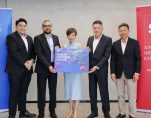
HONG KONG SAR – Media OutReach Newswire – 6 January 2026 – The FutureGen Girls Foundation (“the Foundation“) and Microsoft Hong Kong have signed a Memorandum of Understanding (MOU) to launch a two-year strategic collaboration aimed at expanding access to artificial intelligence (AI) and STEM education for teen girls and young women aged 12-19 across Hong Kong. The collaboration will focus on developing future-ready skills, mentoring networks, and pathways that help teen girls and young women imagine and pursue diverse career opportunities in a rapidly evolving world of work and further expand outreach to all.
Starting in year 2026, Microsoft Hong Kong will support the Foundation to support the development of new learning experiences that integrate AI education, hands-on digital skills training, and real-world career exposure opportunities. Through workshops, mentorship, recognized learning programs, and outreach initiatives, the collaboration seeks to broaden participation in emerging fields and level the playing field from teen girls and young women to all students.
This initiative aligns with the Foundation’s mission to empower teen girls and young women, helping them bridge youth to careers with confidence, purpose, and access to diverse industry pathways. Key highlights of the collaboration include:
AI Skills Education: Integrating age-appropriate Microsoft AI learning tools and certification courses into FGG programs.
Mentorship & Role Modelling: Connecting students with Microsoft professionals and student ambassadors.
Community Engagement: Joint workshops, outreach activities, and participation in Foundation Youth Career Fairs.
Real-World AI Application: Showing how AI is applied across industries and helping students understand real-world applications and inspire problem-solving skills.
Inclusive Access: Ensuring opportunities reach students across diverse schools and districts.
“For many secondary school students, future development pathway can feel distant or unclear simply because they may not yet have the access or exposure to see what is possible,” said Jennifer Yu Cheng, Founder of the Foundation. “Our aim is to make that exploration easier – to open doors across more than 20 industries.”
“By expanding access to future ready learning and real world career experiences, we are helping to build a strong and diverse talent pipeline ready to step into the opportunities of tomorrow. This is the foundation of our collaboration with Microsoft Hong Kong.”
“Through this collaboration, we hope to empower students to unlock the courage to try, to explore different fields, and to image big futures for themselves,” said Secy Cheung, Foundation Founding Board Director. “The most meaningful change happens when young people realize that their voice and vision matter.”
Leo Liu, General Manager of Microsoft Hong Kong shared, “At Microsoft, we are deeply committed to empowering the next generation by democratizing access to AI and future-ready skills. Through trusted, secure platforms and hands-on learning experiences, we strive to make advanced technology accessible to all, fostering creativity, critical thinking, and lifelong learning. Together with the FutureGen Girls Foundation, we look forward to supporting Hong Kong’s youth to become frontier talent in the digital era.”
The foundation and Microsoft Hong Kong are committed to exploring further opportunities in future.
Hashtag: #FutureGenGirlsFoundation
The issuer is solely responsible for the content of this announcement.
About the FutureGen Girls Foundation
The FutureGen Girls Foundation (“the Foundation”) is a registered charitable organization dedicated to empowering teen girls and young women, bridging youth to careers. By collaborating with schools, industry partners, and community organizations, the Foundation creates pathways that support skill-building, career exploration, and youth leadership development across Hong Kong.
About Microsoft
Microsoft (Nasdaq “MSFT” @microsoft) creates platforms and tools powered by AI to deliver innovative solutions that meet the evolving needs of our customers. The technology company is committed to making AI available broadly and doing so responsibly, with a mission to empower every person and every organization on the planet to achieve more.
Canada’s airline sector is bracing for sharper competition after Ottawa moved to widen market access for carriers from the Middle East, a shift that industry executives and analysts say could force domestic airlines to improve pricing, punctuality and onboard service as more long-haul capacity enters the market. The policy change, announced through updated air transport arrangements, gives carriers based in the Gulf greater flexibility to add frequencies […]
Caracas has slipped into an uneasy calm as Venezuelans await signals about the direction their country will take, with political negotiations stalled, economic pressures unresolved and social tensions simmering beneath the surface. “There is a strange lull,” said Benigno Alarcón Deza, a long-time resident of the capital, describing a sense of collective anticipation that has settled over daily life. “People are waiting, watching, unsure of what comes […]
Meta’s plan to expand artificial intelligence across private messaging on Facebook, Instagram and WhatsApp has triggered a wave of privacy concerns, as users, civil society groups and regulators question how conversational data will be used and protected under the company’s 2026 policy framework. The update, disclosed as part of Meta’s broader AI roadmap, allows automated systems to analyse interactions in private chats to refine content recommendations and […]
United Arab Emirates will assume the presidency of the Middle East and North Africa Financial Action Task Force in 2026, placing the country at the centre of regional efforts to strengthen safeguards against money laundering, terrorist financing and the proliferation of illicit funds. The appointment comes at a time when the bloc is seeking tighter coordination among member states as cross-border financial flows grow in scale and complexity.
MENAFATF brings together 21 jurisdictions across the Middle East, North Africa and neighbouring regions, representing a combined gross domestic product estimated at more than $3 trillion. The organisation functions as the regional body aligned with the global Financial Action Task Force standards, conducting peer reviews, issuing guidance and supporting members as they implement international rules designed to protect financial systems from abuse.
The decision for the UAE to lead the organisation follows its expanding role in financial regulation and enforcement across the region. Federal authorities have invested heavily in strengthening supervision of banks, exchange houses, designated non-financial businesses and professions, while also expanding cooperation with international counterparts. Officials involved in the process describe the presidency as recognition of the country’s progress in aligning domestic frameworks with global benchmarks and its capacity to convene consensus among diverse economies.
During its term, the UAE is expected to steer MENAFATF’s strategic agenda, including the scheduling of mutual evaluations, thematic studies and capacity-building programmes. These initiatives are central to helping member states address gaps identified in national risk assessments and respond to emerging typologies such as the misuse of virtual assets, trade-based money laundering and complex ownership structures.
Regulatory specialists say the presidency carries influence beyond administrative oversight. The chair country plays a pivotal role in shaping discussions on policy priorities, coordinating technical assistance and representing the region in dialogue with global standard-setters. This places added scrutiny on how effectively the bloc can balance the varied economic structures and legal systems of its members while maintaining consistent application of standards.
The UAE has signalled that cooperation and practical implementation will be key themes of its tenure. Policymakers have spoken about deepening information-sharing among financial intelligence units, enhancing public-private partnerships and supporting jurisdictions that face capacity constraints. Such measures are viewed as essential for raising overall compliance levels and reducing vulnerabilities that can be exploited across borders.
MENAFATF members span hydrocarbon-rich Gulf economies, large consumer markets in North Africa and smaller states with developing financial sectors. This diversity has historically posed challenges in achieving uniform progress. Analysts note that leadership will need to balance ambition with pragmatism, ensuring that reforms are realistic and tailored to local contexts while still meeting international expectations.
The presidency also coincides with broader shifts in the region’s financial landscape. Digital payments, fintech platforms and virtual assets have expanded rapidly, creating new opportunities for inclusion but also new risks. Addressing these developments requires updating supervisory tools, training regulators and fostering dialogue with technology providers. Observers expect the UAE to push for clearer regional guidance in these areas, building on its own experience in regulating emerging financial services.
Another area likely to feature prominently is the effectiveness of enforcement. While many jurisdictions have strengthened legal frameworks, translating laws into successful investigations and prosecutions remains uneven. MENAFATF’s peer review process increasingly emphasises outcomes, not just technical compliance. Under UAE leadership, the organisation is expected to encourage members to demonstrate tangible results in asset recovery, sanctions and international cooperation.
Diplomats familiar with the process say the appointment also reflects confidence in the UAE’s ability to engage constructively with both regional partners and global institutions. The country has positioned itself as a bridge between markets, hosting multinational financial institutions and acting as a hub for trade and investment. That role brings responsibilities, particularly in ensuring that financial openness is matched by robust controls.












 www.prudentialplc.com/


 By Nitya Chakraborty India’s isolation from Global South on the issue of Trump’s invasion of Venezuela is now complete. Prime Minister Narendra Modi claims himself as the leader of Global South. Both at the SCO summit and BRICS meeting last year, Modi was active in articulating the aspirations and the programmes of the developing and […]





