News related to
unit

Kyoto-based gaming giant Nintendo has raised its sales projection for the Switch 2 console to 19 million units for the fiscal year ending March 2026, up from a previous estimate of 15 million. The upward revision reflects stronger-than-expectations demand since the hardware’s launch in June. The company reported that as of the end of September, 10.3 million Switch 2 units had been sold globally. Sales momentum has […]

The African Union and the Global Fund to Fight AIDS, Tuberculosis and Malaria have signed a memorandum of understanding aimed at bolstering health systems across the continent, particularly in the fight against AIDS, tuberculosis and malaria. The agreement, inked on 3 November 2025 in Geneva, commits both parties to deeper collaboration including data-driven accountability, domestic resource mobilisation and integrated development planning. Under the pact, the AU and […]

The Czech-based registry operator CZ. NIC has launched its new second-generation router, the Turris Omnia NG, which incorporates swappable Wi-Fi and cellular modules alongside a lifetime automatic update policy, signalling a push towards longer-term home network hardware. At its core the Turris Omnia NG runs a quad-core ARMv8 64-bit processor clocked at 2.2 GHz and features a passively-cooled design to deliver silent operation under heavy load. The […]

HANOI/ ABU DHABI, VIETNAM – Media OutReach Newswire – 4 November 2025 – The Vietnam Exposition Center (VEC) and dmg events have announced a strategic partnership and launch their first collaborative initiative – a global energy congress and exhibition. Operated under an exclusive brand model, this global event is expected to become a new international platform connecting the renewable energy, power, hydrocarbons, energy storage, hydrogen, low-carbon technology, […]

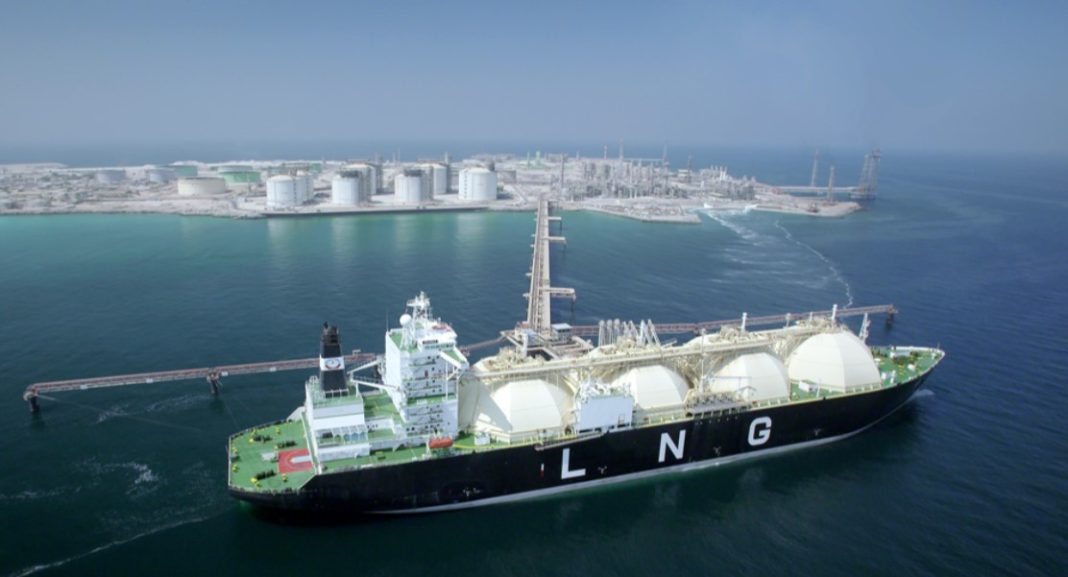
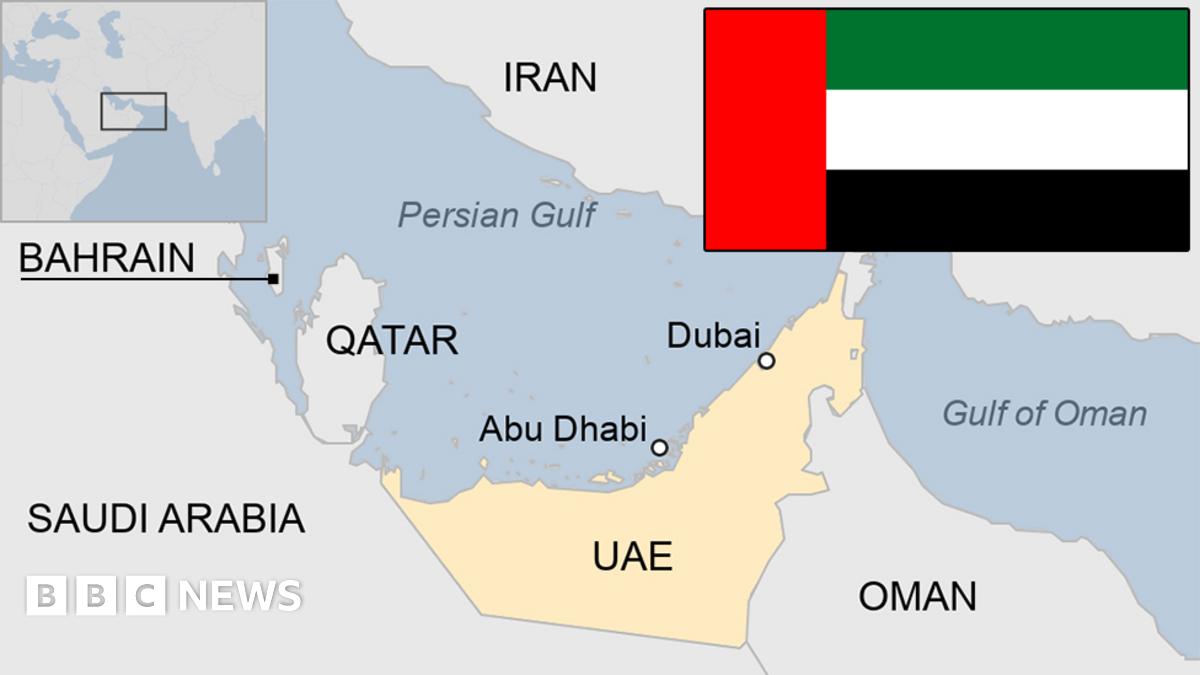
Abu Dhabi’s state energy company signed a 15-year sales and purchase agreement with a unit of British energy major for the delivery of up to 1 million tonnes per annum of liquefied natural gas. The contract represents the first long-term LNG sales deal between the company and Shell and marks the eighth offtake agreement secured for its new export facility.

The LNG will be supplied from the Ruwais LNG project in Al Ruwais Industrial City, Abu Dhabi, which is under development and is set to become the first LNG export plant in the Middle East and Africa region to operate on clean power. Shell holds a 10 per cent equity stake in the project. The agreement converts a previous heads of agreement into a definitive contract and accelerates the project’s commercial timeline.

By securing this deal, more than 8 mtpa of the facility’s planned 9.6 mtpa capacity has already been contracted across Asia and Europe, just 16 months after the project’s final investment decision in July 2024. The project comprises two liquefaction trains of 4.8 mtpa each and is designed to more than double the company’s existing LNG production capacity to around 15 mtpa.

The deal is timed to global gas-market conditions where demand is picking up and energy security is a key concern for buyers. By locking in long-term supply, the exporting company seeks to position itself as a “reliable global supplier of lower-carbon LNG”, while the buyer views the contract as a strategic commitment to expanding its LNG portfolio and securing long-term supplies.

For the seller, the rapid pace at which contract commitments have been won is significant. The chief executive of the gas-division described the achievement of contracting more than 80 per cent of the plant’s capacity within roughly a year of FID as “a new benchmark” for large-scale LNG projects globally, and noted that construction, contractor mobilisation and site works remain on track for commissioning by the end of 2028. The buyer emphasised its long-standing partnership of more than fifty years with the Abu Dhabi exporter and said the agreement supports its global LNG-expansion strategy.

Analysts note that the project’s clean-power design, advanced technology deployment, and rapid contracting distinguish it in the LNG market. That said, while the exporting company releases its ambition to expand its LNG portfolio, competitors in the region are also pursuing aggressive growth, raising competitive risk. Moreover, delivering commercial operations at a low-carbon intensity adds complexity and cost — achieving the projected timeline and performance will require careful execution.

On the demand side, the contract underscores how buyers are increasingly seeking longer-term and lower-emissions supply arrangements in the transition-era gas market. For the buyer, the deal adds to its diversified portfolio of LNG suppliers as it faces intensified competition for cargoes from traditionally dominant exporters. The seller’s ability to secure multiple offtake agreements rapidly helps de-risk the project and supports financing and construction momentum.

One key theme emerging is the alignment of LNG expansion with sustainability credentials. The Ruwais facility’s design to run on clean grid-powered operations, along with claims of being among the lowest-carbon intensity LNG plants globally, reflects a shift in gas-project metrics: projects are now evaluated not solely on cost and capacity but also on carbon footprint and technology sophistication. This trends suggests that access to lower-carbon LNG could become a differentiator among suppliers and a value driver for buyers.

However, achieving this low-carbon ambition may face challenges such as securing clean-power infrastructure, managing capital-cost escalation, and meeting stringent environmental and regulatory expectations across export markets. The broader LNG market is also subject to volatility in feed-gas supply, shipping capacity constraints, and fluctuating demand growth in key markets such as Asia and Europe.

By Dr. Arun Mitra On October 29, U.S. President Donald Trump announced that ‘Because of other countries testing programs, I have instructed the Department of War [the Pentagon] to start testing our nuclear weapons on an equal basis. That process will begin immediately. This statement is not only disturbing but also extremely dangerous’. The last […]

The article US Cannot Be Allowed To Push The World To The Nuclear Precipice appeared first on Latest India news, analysis and reports on Newspack by India Press Agency).

HAI PHONG, VIETNAM – Media OuReach Newswire – 4 November 2025 – Indochina Kajima, the joint venture between Indochina Capital and Kajima Corporation, and ITOCHU Corporation held a ground-breaking ceremony for Core5 Vietnam’s second industrial project in Hải Phòng at Deep C 2 Hai Phong Industrial Zone. The project will deliver approximately 80,000sq.m of world-class ready-built factory space for lease, with a handover expected in Q1/2027. Photo […]

Advertisements

Video game publisher Nintendo has won a legal victory against a Colorado streamer identified as Jesse Keighin, following his broadcast of pirated, unreleased games for the Switch console. The court awarded Nintendo US$17,500 in damages after Keighin failed to respond to the lawsuit and default judgement was entered in March. The company’s filing indicates that Keighin, who used the handle “Every Game Guru”, streamed at least 10 […]

A team of researchers at the Okayama University of Science has unveiled a novel wine grape variety known as Muscat Shiragai, marking a milestone in hybrid viticulture. The new cultivar pairs the wild Shiraga grape native to the Takahashi River basin in Okayama Prefecture with the globally recognised Muscat of Alexandria. The project was led by Professor Emeritus Takuji Hoshino, a plant systematics expert and founding director […]

A significant security breach involving the open-source extension registry Open VSX Registry and maintained by Eclipse Foundation has exposed a vulnerability in the software-supply-chain ecosystem. Developer tokens that grant publish permissions were unintentionally made public, enabling threat actors to upload malicious extensions and target developers using the platform. Security researchers from Wiz flagged more than 550 exposed secrets within public repositories, among which tokens belonging to Open […]

Dubai Duty Free has announced October sales totalling AED805.6 million, setting a new monthly high and delivering its eighth months-on-year record in 2025. This figure surpasses the previous October benchmark of AED692 million achieved in 2023 and now stands as the third-highest monthly performance in the operator’s 42-year history, after the AED821.4 million recorded in December 2024. The growth rate year-on-year reached 19.31 per cent for October, […]

Sky enthusiasts worldwide are preparing for what scientists describe as the largest and brightest full moon of the year. On 5 November 2025, the moon will reach its full phase while positioned at perigee—its closest point to Earth—amounting to a lunar distance of approximately 356,980 km. This alignment marks the second in a series of three consecutive supermoons and the most extreme of the year. Called the […]

Apple’s Wallet app is set to embrace a new era of digital identity with the introduction of a “Digital Passport” capability that will allow holders of United States passports to store their credential securely on an iPhone or Apple Watch. The innovation is expected to ship with iOS 26 and brings transformative implications for travel and identity verification, although its roll-out and functionality remain subject to constraints. […]

South Korean industry and government have secured a major hardware boost as Nvidia will deliver more than 260,000 of its flagship “Blackwell” AI chips to the Republic of Korea in a partnership spanning the public sector and major corporations. The deal, announced during the Asia‑Pacific Economic Cooperation Summit in Gyeongju on 31 October, positions South Korea as a rising artificial-intelligence hub and reflects Nvidia’s pivot amid shifting global semiconductor geopolitics.

The agreement covers deployments across multiple sectors: the government will obtain roughly 50,000 of Nvidia’s GPUs for its National AI Computing Centre; top chip-maker Samsung Electronics and conglomerate SK Group are each set to install about 50,000 units; automaker Hyundai Motor Group another 50,000; and internet-giant Naver Corporation around 60,000.

Nvidia’s chief executive, Jensen Huang, described the arrangement as an opportunity to “produce intelligence as a new export” for South Korea—drawing on its track record in electronics, ships and cars. He met President Lee Jae Myung and leading industrial executives during APEC’s leader-week, underpinning the deal’s strategic importance.

For South Korea the timing is critical. The country’s ambition to become one of the world’s top three AI powerhouses is tied to this surge in computing capacity. Officials estimate that the new GPU stock will raise South Korea’s installed AI-chip inventory from roughly 65,000 to over 300,000 units—more than a four-fold increase.

The motive spans multiple strands. Domestically, the government has signalled its intent through a budget push to triple AI-related spending to 10.1 trillion won in the 2026 fiscal year, with AI infrastructure now a key focus alongside semiconductors, autos and ship-building. Meanwhile, on the global stage, the transaction reflects Nvidia’s response to US export restrictions targeting China: by deepening partnerships with allied economies, Nvidia hedges market access and secures demand beyond geopolitical risk zones.

Industry commentators note the strategic value for South Korea’s private sector. Samsung’s aim to build an AI-factory on the back of these chips and Hyundai’s plan to apply them in autonomous driving and smart factories indicate a broad industrial integration of AI hardware. SK Group’s creation of an industrial-AI cloud, together with Naver’s scaling of its model-training infrastructure, further illustrate the ecosystem approach.

However, risks remain. The logistics of deploying such volumes of high-performance chips across multiple sectors present challenges in cooling, power supply and skilled workforce capabilities. Moreover, the influx of foreign hardware raises questions about long-term sovereignty of critical AI infrastructure—South Korea may become reliant on external chip providers even as it strives to build home-grown strength. Some analysts caution that building capacity alone does not always translate into global leadership in AI.

Another layer of uncertainty stems from the export environment. US policy is tightening its grip on shipments of Nvidia’s most advanced chips to China and other countries. While the South Korean deal has been approved, shifts in global regulation or export licences could affect timelines or chip-variants supplied.

For the key players in South Korea the stakes are substantial. Samsung and SK are leveraging this infusion to advance semiconductor development and edge-computing systems. Hyundai is tackling next-generation vehicle autonomy. Naver and Kakao increasingly rely on large-scale model training—now anchored to the new hardware. At a national level, the government aims to unlock innovation, jobs and exports through “sovereign AI” infrastructure under domestic control.

In global context, South Korea’s move places it firmly within the push by middle powers to stake out a significant role in the AI value chain, not merely as chip supplier but as a platform developer and services export economy. For Nvidia it reinforces its global reach and market dominance at a time when alternatives seek to challenge its position. The magnitude of the chip deployment and its industrial-strategic alignment make this one of the most consequential AI-hardware partnerships of the year.


Greenlogue/AP Coastal communities and seafood industries face mounting pressure as a body of research shows that pathogenic bacteria of the genus Vibrio—long confined largely to warmer waters—are advancing into higher-latitude regions, creating new public-health risks associated with shellfish consumption and marine recreation. A 2023 study found that Vibrio vulnificus infections in the eastern United States increased eightfold between 1988 and 2018 and that the northern edge of […]

Microsoft has announced a commitment to invest approximately $15.2 billion in the United Arab Emirates by the end of 2029, while securing U. S. export licences to ship advanced AI chips to the Gulf state. The investment is centred on building and expanding cloud infrastructure, artificial-intelligence data centres and talent development in partnership with local entities.

The majority of this sum will flow into the construction and operation of AI-enabled data-centre campuses, with Microsoft Vice-Chair and President Brad Smith describing the growth of those facilities as “by far” the largest element of the investment. The U. S. export licences permit shipment of tens of thousands of the latest-generation Nvidia GB300 Grace Blackwell GPUs to the UAE, enabling Microsoft to deploy higher-end compute capacity in its regional centres.

The investment timeline outlines that Microsoft had invested just over $7.3 billion between 2023 and the end of the present year and plans to spend more than $7.9 billion from 2026 to 2029. Of the latter, over $5.5 billion is earmarked for capital expenditure on data-centres and cloud systems, with the remainder directed at local operating expenses and workforce development. The export licence approvals follow a strategic arrangement between Washington and Abu Dhabi, reflecting shifting U. S. policy on high-end chip exports and technology partnerships with Gulf states.

By leveraging the licences, Microsoft gains the ability to scale AI infrastructure in the UAE under its own operation and in concert with regional firms. The firm emphasizes talent and ecosystem-building alongside infrastructure, noting its launch of a Global Engineering Development Centre in Abu Dhabi, and targeting wide-scale skilling of AI talent across the region. Local partner G42-based in Abu Dhabi plays a key role, with Microsoft having invested $1.5 billion for a minority stake and a board seat for Smith. G42’s board participation and Microsoft’s alignment reinforce the strategy of blending global tech capability with regional execution.

Beyond the financials, the deeper strategic purpose illuminates broader geopolitical dynamics. The U. S. decision to grant chip-export licences to the UAE signals a recalibration of export controls in favour of trusted partners, even as Washington manoeuvres to counter Chinese influence in the global AI supply-chain. The UAE’s ambition to become a global AI hub, and to host one of the world’s largest data-centre complexes in Abu Dhabi, aligns with Microsoft’s drive to diffuse AI at scale. The chip-export approvals are bound by stringent cyber-security and physical-security conditions; Smith emphasised that Microsoft became “the first company” under this administration to obtain such licences for the Gulf region.

Concerns remain, however. Some U. S. lawmakers have flagged that the UAE’s past technology ties with China raise questions about enforcement of export-control safeguards and potential technology diversion. The export licences carry conditional compliance obligations; any lapses may provoke regulatory scrutiny. For Microsoft and the UAE, execution risk spans multiple fronts: timely deployment of infrastructure, talent acquisition and retention, regulatory alignment, and ensuring that capital investment yields operational returns in a cloud and AI market set to intensify.

For the UAE, the benefits are manifold: access to cutting-edge AI hardware, alignment with global technology leaders, and bolstered credentials as a regional innovation hub. For Microsoft, the Gulf expansion offers a new growth frontier outside its traditional markets, delivering cloud-services scale and AI-model hosting in a region keen to adopt generative-AI applications at high per-capita levels. According to Microsoft’s own AI diffusion data, the UAE leads global per-capita use of generative AI, with 59.4 per cent of its population reported to be active users, ahead of second-placed Singapore at 58.6 per cent.

The United Arab Emirates has established itself as a leading hub for innovation and the deployment of advanced technology in the energy sector, according to George Bou Mitri, President of Honeywell for the Middle East, Türkiye and Central Asia. Speaking at the sidelines of the Abu Dhabi International Petroleum Exhibition & Conference 2025, he highlighted how the country’s digital transformation initiatives are serving as a global model for sustainable, technology-driven energy systems.

Bou Mitri said the UAE presents a distinctive example of openness, collaboration and synergy between public and private sectors in driving innovations that are making a tangible global impact in the energy industry. “The solutions created here in the UAE extend their influence far beyond its borders,” he commented. He noted that the country is actively integrating advanced technologies across its energy ecosystem, including expanding the use of LNG, hydrogen, solar and developing sustainable aviation fuel and bio-fuel as part of its emissions-reduction drive.

Honeywell is playing a significant role in this transformation. Bou Mitri pointed to the company’s participation in a landmark project with Abu Dhabi National Oil Company for the Ruwais LNG facility, expected to produce about 9.6 million tonnes annually. He also revealed that Honeywell is developing the region’s first fully autonomous control room powered by agent-based artificial intelligence in partnership with Borouge, aimed at managing petrochemical operations without direct human intervention.

Bou Mitri stressed that digital transformation forms the backbone of the sector’s future. He noted that global energy demand is projected to increase by 32 percent by 2050, while electricity demand is expected to grow by more than 75 percent in the same period, necessitating comprehensive tech solutions to balance growth with emission reduction and operational efficiency. He added that the UAE is clearly adopting that approach, emphasising that the country’s facilities are becoming important development grounds for technologies related to emissions management, artificial intelligence applications and workforce productivity improvements through digitalisation.

The autonomous control-room initiative with Borouge stands out as a practical demonstration of this strategy. According to Borouge, the project will deliver the petrochemical industry’s first AI-driven control room at its UAE plant operations and forms part of its “AIDT” programme with a targeted value generation of US$575 million. The collaboration is intended to optimise production, reduce energy use and enhance safety while lowering costs at what is set to be the world’s largest petrochemical site.

The UAE’s positioning as an innovation frontier for energy technologies comes at a time when the industry is under growing pressure to adapt. Emerging themes include the convergence of artificial intelligence, digital twins, autonomous operations, and clean-energy integration. The broader Middle East region is witnessing major energy investment momentum, with expectations of exceeding US$130 billion this year in oil and gas alone, and simultaneous major expansion in clean-energy investments including hydrogen, LNG and carbon capture projects.

For Honeywell, the UAE’s energy ecosystem is a fertile environment for deploying its digital and automation technologies, but challenges remain. Among these are workforce skills deficits — Bou Mitri pointed out that more than 50 percent of the global energy workforce is aged over 45 — and the need to transfer accumulated expertise to a younger generation. In a sector where downtime, operational safety and emissions control have high stakes, the technology must deliver in real-world conditions, not just in controlled test environments.

Critics might point to the scale of investment required, potential cybersecurity and data governance risks as operations become more connected and autonomous, and the difficulty of scaling pilot programmes into full-scale operations across multiple sites. Nonetheless, the UAE’s strategic posture — combining government backing, private-sector capability and a willingness to test and deploy cutting-edge systems — presents a compelling case study for the global energy community.

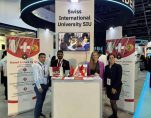
New collaborations with Citibank, Abu-Ghazaleh Global, RAK Properties, and others strengthen SIU’s commitment to connecting academic learning with global career opportunities. Swiss International University (SIU) has already informed about the new corporate partnerships that will start in October 2025 and that they will provide students with better access to internships, training programs, and job opportunities in various fields. The new partnerships are aligned with SIU’s goal to […]

HCM CITY, VIETNAM – Media OutReach Newswire – 4 November 2025 – Ho Chi Minh City Development Joint Stock Commercial Bank (HDBank, stock code HDB) reported consolidated 9M2025 profit before tax of VND14.8 trillion (US$562.4 million), up 17% YoY. Customers conduct transactions at an HDBank branch in HCM City. Profitability indicators remained among the highest in the banking sector, with Return on Equity (ROE) at 25.2% and […]

Belgrade’s governing party has introduced legislation designed to fast-track the development of a luxury hotel complex linked to the son-in-law of former United States President Donald Trump, signalling the project is gaining momentum despite mounting controversy. The law would relax planning and heritage oversight on the site of the former Yugoslav Ministry of Defence buildings, allowing the U. S.-based investment firm Affinity Partners, headed by Jared Kushner, […]

Istanbul flagged-carrier Turkish Airlines has completed a five-year financing agreement worth 2.9 billion yuan with Bank of China, under the coordination of its Türkiye unit and Macau branch. The deal positions the airline to accelerate fleet expansion, enhance infrastructure at Istanbul Airport and diversify its funding strategy.

The financing aligns with Turkish Airlines’ strategic ambition to raise its fleet to more than 800 aircraft by 2033. The carrier currently operates some 512 aircraft, including 26 freighters, and serves 353 destinations across 131 countries, making it the airline with the broadest country-reach globally.

Chief Financial Officer and board member Murat Şeker described the transaction as a strengthening of the airline’s financial structure and noted it would contribute to deeper economic and cultural collaboration between Türkiye and China. The lender, Bank of China Türkiye, collaborated with its Macau branch to deliver this cross-regional funding solution.

Analysts view the move as a sign of increasing Chinese willingness to facilitate offshore financing in yuan for non-Chinese corporates. Xinhua reports that the loan will also support cargo-business growth and the construction of a new simulator training centre within Istanbul Airport’s ecosystem.

For Turkish Airlines, the financing serves as a milestone in its drive to broaden funding channels beyond traditional Western banking and leasing markets. It arrives after the airline announced major aircraft purchase agreements, including 150 of the Boeing 737 Max family and up to 75 Boeing 787 wide-bodied jets, although final engine supply details remain subject to negotiation.

The infrastructure element stands out: part of the funding is earmarked for new facilities at Istanbul Airport, underscoring Turkish Airlines’ ambition to solidify Istanbul as a global aviation hub. The airline notes that the deal supports “core development initiatives including fleet expansion, business growth, new facility investments and infrastructure projects”.

In a broader context, Türkiye’s aviation sector faces rising costs—fuel, labour and regulatory compliance among them—so locking in a yuan-denominated facility may serve as a hedging mechanism against currency volatility and reliance on US-dollar debt. For Chinese finance, this deal further reinforces the Belt and Road Initiative’s financial architecture and the internationalisation of the yuan.

Despite the positives, risks remain. While Turkish Airlines has grown rapidly—its fleet jumped from about 100 aircraft in 2006 to 500 by 2025—the aggressive expansion strategy faces pressure from global economic uncertainties, competition in the MEA region, and potential over-capacity. Analysts caution that long-term debt commitments must be matched by sustained profitability and disciplined cost control.

Aircraft-financing environments have grown more complex since the pandemic, with lessor appetite curtailed and interest rates trending higher. By turning to a Chinese state-bank facility, Turkish Airlines is signalling both innovation and urgency in addressing its funding needs—but the source and terms of this financing will remain closely watched by investors and market participants.

For Bank of China, the arrangement opens the door to further cross-border deals with regional air-carriers and strengthens the bank’s credentials in aviation market financing outside its traditional geography. Observers say it may trigger similar deals as airlines seek diversified sources of capital and navigate constrained global leasing markets.

The production-alliance led by OPEC+ has agreed to raise crude oil output by 137 000 barrels per day for December, but will refrain from further increases during the first quarter of 2026. The decision reflects mounting concerns about global oil supply exceeding demand and comes amid sanctions on Russia and anticipated seasonal weakness in demand. The eight-member subgroup comprising Saudi Arabia, Russia, the United Arab Emirates, Iraq, […]

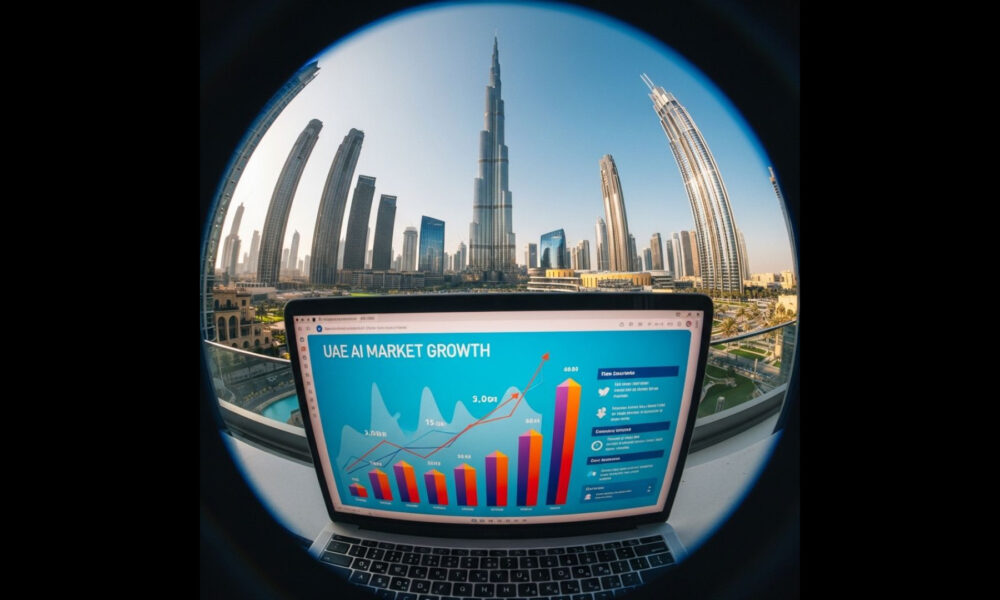
The United Arab Emirates is poised to become a major global hub for artificial intelligence, with its AI market projected to reach around Dh170 billion by 2030, according to a new study by market-research firm Grand View Research. The report indicates that the AI sector in the UAE is growing alongside the broader Middle East and North Africa region, where the AI market is forecast to expand to roughly US$166.3 billion by the end of the decade.

Key government initiatives are helping to drive this expansion. The UAE unveiled its first Arabic-language AI model earlier in the year and launched its “Strategic Plan 2031”, with the ambition of leveraging AI to improve federal-government efficiency and accelerate economic diversification. Grand View Research’s managing director, Swayam Dash, described the country and the wider region as “no longer just adopters of global AI technologies – they are shaping their own playbook,” pointing to sovereign-fund backing and proactive policy as major enablers.

The MENA region’s AI market, valued at about US$11.9 billion in 2023, is expected to grow at a compound annual growth rate of approximately 44.8 per cent between 2024 and 2030, reaching the projected US$166.3 billion figure. Within that broader region, the UAE’s market value is identified as roughly US$3.47 billion in 2023, with a projected CAGR of 43.9 per cent leading to the US$46.33 billion mark by 2030.

Analysts emphasise several drivers behind this growth. Public-sector adoption of AI for urban management, energy optimisation and security is mounting. Large language models and analytics tools are being integrated into government and enterprise workflows. Moreover, the UAE is building infrastructure to support AI ecosystems, including data centres, specialised talent programmes and partnerships with global technology firms.

However, growth is not without its challenges. The rapid adoption of AI raises concerns about data privacy, cybersecurity, ethical governance and workforce disruption. Some observers warn that regulatory frameworks may struggle to keep up with innovation rates. Others caution that scaling advanced AI beyond pilot projects into broad commercial deployment remains a complex and expensive endeavour.

Within the enterprise segment, cloud-based AI services are gaining traction, with the UAE’s cloud AI market estimated at approximately US$2.365 billion in 2024 and expected to reach US$11.08 billion by 2030. Meanwhile, the UAE healthcare-AI market is forecast to grow from US$17.2 million in 2023 to US$137.9 million by 2030, a CAGR of about 34.6 per cent.

CAN GIO, VIETNAM – Media OutReach Newswire – 3 November 2025 – The Can Gio Urban Area Project – Vinhomes Green Paradise – has officially applied to become a Participant in the global “7 Wonders of Future Cities” campaign, launched by the world-renowned New7Wonders organization. By firmly embracing this global initiative, Vinhomes reaffirms its forward-looking vision, positioning Vinhomes Green Paradise not merely as a real estate development […]

VISHNU RAJA
RYO YAMADA
HITORI GOTOH
IKUYO KITA