Just in:
Emaar approves Development buyout ahead of planned delisting // Ta’ziz finalises $1.39bn funding for Ruwais industrial facilities // Trump’s Iran War Has A Share Of Contribution To His Midterm Debacle // Xi Jinping Preparing For A Trilateral Summit With Trump And Putin At APEC Summit On Nov 18-19 // Asia Left Behind: Ten international companies have yet to report delivering on their cage-free egg pledges across the region // e-Crime Bureau Signs Cybersecurity Partnership With Smart Africa, Reinforcing Its Global Expansion // Miss Universe Hong Kong Jen Zhou Departs for Puerto Rico to Compete in the 75th Miss Universe World Final // Middle East governments assess Iran war after US vote // ADIA and partners establish $1.4 billion aviation venture // APT29-linked campaign exploits outdated Apple and Android software // Millions Of Indians May Soon Be Deprived Of Government Assistance // CR Longdation Aethereal Cybersecurity × Global Cybersecurity Alliance (GCSA) Join Hands to Establish the “AI and Cybersecurity Research Centre” // Technology shares plunge as Nasdaq enters correction // Geely’s i-HEV Intelligent Hybrid Technology Offers a New Direction for Gasoline-Powered Vehicles // Dubai boat show confirms international shipyard line-up for November // Meraas showcases five residential zones at Dubai Design Week // OpenAI identifies 948 Linux privilege escalation flaws using AI // The “1st Greater Bay Area Health and Longevity Summit & Awards Ceremony” concludes successfully in Macao // Private varsities bill all set to face the axe // Emirates Group records AED 4.1 billion half-year profit //

News related to
work

Standard Chartered has announced the introduction of digital asset custody services in the United Arab Emirates, marking a significant expansion in its financial offerings. This new service is set to cater to institutional clients and high-net-worth individuals looking to safeguard their digital assets in a region known for its growing interest in cryptocurrency and blockchain technology. The launch comes at a time when the UAE is emerging […]

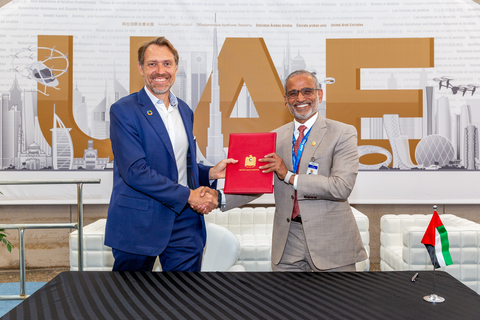
Joby Aviation, the electric vertical takeoff and landing (eVTOL) aircraft manufacturer, has formally applied for aircraft certification in the United Arab Emirates. This strategic move marks a significant step in the company’s expansion plans, aiming to establish a presence in the Middle Eastern market for its innovative flying taxis.

The application, submitted to the General Civil Aviation Authority (GCAA) of the UAE, represents a crucial milestone for Joby Aviation, which has been at the forefront of developing urban air mobility solutions. The certification process will involve rigorous testing and compliance with the UAE’s stringent aviation regulations, designed to ensure safety and operational standards for new aircraft technologies.

Joby Aviation’s eVTOL aircraft, characterized by its all-electric propulsion and vertical takeoff capabilities, is positioned to revolutionize urban transportation by reducing travel time and congestion. The company’s push into the UAE market is part of a broader strategy to tap into emerging global markets where infrastructure and regulatory frameworks are increasingly supportive of advanced aviation technologies.

The UAE has been actively working to become a hub for cutting-edge technologies, including advancements in aviation and transportation. The government’s initiatives to support smart city projects and sustainable transport align with Joby Aviation’s mission to provide efficient and eco-friendly transport solutions. As part of its expansion strategy, Joby has engaged in discussions with various stakeholders in the UAE to explore potential partnerships and operational frameworks that would facilitate the integration of its aircraft into the local transportation network.

The certification process will require Joby Aviation to demonstrate the safety, reliability, and efficiency of its aircraft under the UAE’s aviation standards. This involves a comprehensive evaluation of the aircraft’s performance, maintenance procedures, and safety features. The GCAA will oversee this process to ensure that the aircraft meets all necessary criteria before it is allowed to operate commercially in UAE airspace.

Joby’s entry into the UAE market comes at a time when there is growing interest in urban air mobility solutions globally. Several countries and cities are exploring similar technologies, driven by the need to address urban congestion and environmental concerns. By seeking certification in the UAE, Joby is positioning itself to capitalize on the increasing demand for innovative transportation solutions in a region known for its rapid development and technological adoption.

The company has already made significant strides in its home market of the United States, where it has received substantial investment and support from various stakeholders, including government agencies and private investors. The UAE certification is seen as a key step in Joby Aviation’s international growth strategy, which aims to bring its flying taxi services to major cities around the world.

As Joby Aviation progresses through the certification process, it will likely face several challenges, including navigating the regulatory landscape and establishing operational infrastructure in a new market. However, the company’s commitment to advancing urban air mobility and its track record of innovation position it well for success in the UAE.

The outcome of this certification process will not only impact Joby Aviation but also influence the broader landscape of urban air mobility. If successful, it could pave the way for other companies in the sector to enter the UAE market and contribute to the development of a new dimension in urban transportation.

The UAE’s proactive approach to integrating advanced technologies and supporting sustainable initiatives provides a promising environment for Joby Aviation’s ambitions. The company’s application for certification is a clear indication of the growing global interest in eVTOL aircraft and the potential for such technologies to transform urban travel.

As the aviation industry continues to evolve, the introduction of eVTOL aircraft represents a significant leap forward in the quest for more efficient and environmentally friendly transportation solutions. Joby Aviation’s efforts to gain certification in the UAE underscore the importance of regulatory support and innovation in shaping the future of urban mobility.

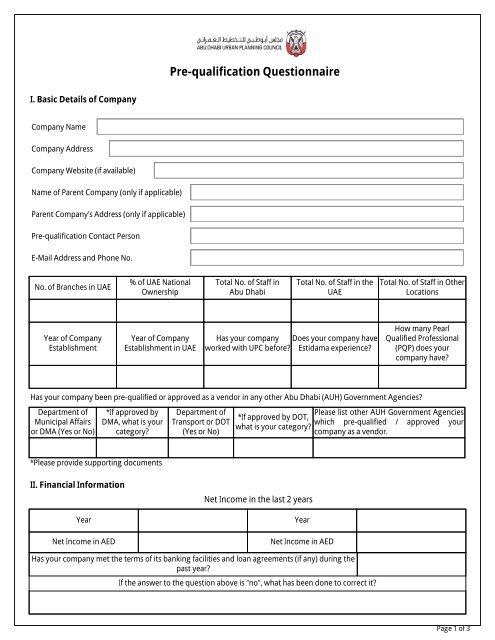
The UAE’s ambitious high-speed rail initiative has officially entered its prequalification stage, marking a significant step toward transforming the country’s transport infrastructure. This development follows the recent unveiling of a strategic plan to revolutionize rail travel across the United Arab Emirates.

Etihad Rail, the state-owned company spearheading the project, is inviting companies to submit their qualifications to participate in the development of the rail network. This marks a pivotal moment as the UAE aims to introduce a high-speed rail system that will significantly enhance connectivity between key cities and economic hubs.

The high-speed rail project is part of a broader vision to modernize the UAE’s transportation infrastructure, reduce road congestion, and promote sustainable travel options. When completed, it is expected to link major cities including Abu Dhabi, Dubai, and Sharjah, and extend to other Gulf Cooperation Council (GCC) countries, enhancing regional connectivity.

This initiative is not just about speed but also about efficiency and sustainability. The planned rail network will feature state-of-the-art technology aimed at providing a reliable and eco-friendly alternative to conventional transportation methods. The project underscores the UAE’s commitment to sustainable development and its ambition to become a leading player in global transport innovation.

The prequalification process is crucial for ensuring that only the most capable and experienced companies are involved in the project. Etihad Rail is seeking firms with proven expertise in high-speed rail systems, construction, and project management. This phase will help identify and shortlist potential partners who can contribute to the successful delivery of the rail network.

The high-speed rail system is expected to have a transformative impact on the UAE’s economy. By improving transportation efficiency, it will facilitate better movement of goods and people, potentially boosting economic activities and reducing travel time significantly. This aligns with the UAE’s broader economic diversification strategy, which aims to reduce reliance on oil revenues and foster growth in other sectors.

Key players in the global rail industry are closely watching the progress of this project. Companies from Europe, Asia, and the Americas are anticipated to show interest, bringing a wealth of international experience and technological advancements to the table. This influx of expertise will be crucial for the successful implementation of such an ambitious undertaking.

The UAE’s commitment to high-speed rail reflects a broader trend in the region towards investing in advanced infrastructure projects. Similar initiatives are underway in neighboring countries, with the aim of creating a cohesive and integrated transport network across the GCC. The UAE’s project is poised to set a benchmark for other nations in the region and beyond.

As the prequalification phase progresses, it will be essential for Etihad Rail to ensure transparency and fairness in the selection process. This will help build trust among potential partners and stakeholders and pave the way for a successful collaboration. The project’s success will not only enhance the UAE’s transportation infrastructure but also contribute to its economic and environmental goals.

Saudi Arabia’s Vision 2030 initiative, a comprehensive plan aimed at diversifying the nation’s economy away from oil dependency, has seen its portfolio of projects reach an impressive valuation of $1.3 trillion. This substantial figure reflects the ambitious scale and economic impact of the country’s efforts to transform its infrastructure, technology, and business sectors by 2030.

Among the most notable projects under this vision is the NEOM megacity, a $500 billion endeavor designed to be a hub for innovation, technology, and sustainable living. NEOM will stretch across 10,230 square miles, integrating artificial intelligence, robotics, and renewable energy sources to create a futuristic urban environment. The city is expected to drive significant economic growth and attract international investors and technology firms.

Another significant element is the Red Sea Project, an extensive tourism development plan set to transform the coastline into a luxury travel destination. With an estimated value of $10 billion, this project aims to develop 50 islands and a series of high-end resorts, enhancing Saudi Arabia’s position in the global tourism market. This development is aligned with the broader goal of increasing the tourism sector’s contribution to the national economy.

The King Salman Park, a $23 billion initiative, represents a major urban development project. Spanning 13.4 square miles in Riyadh, the park will feature green spaces, recreational areas, and cultural facilities, designed to improve the quality of life for residents and support Saudi Arabia’s environmental and sustainability goals.

Significant investment is also flowing into the entertainment and cultural sectors. The $15 billion Qiddiya project is set to become a leading entertainment and cultural hub, incorporating theme parks, sports facilities, and cultural venues. This project aims to diversify Saudi Arabia’s entertainment offerings and attract tourists from around the world.

In the energy sector, the Saudi Arabian Oil Company (Aramco) is spearheading several major initiatives to invest in renewable energy and technology. The company’s investments are part of a broader strategy to reduce reliance on oil and position itself as a global leader in energy innovation. This includes substantial funding towards solar and wind energy projects, as well as advancements in hydrogen fuel technology.

The development of the Saudi Arabian Industrial Investments Company (SAIIC) is another crucial aspect of Vision 2030. SAIIC’s focus is on fostering the growth of new industrial sectors and attracting foreign investment into Saudi Arabia’s manufacturing and high-tech industries. This includes significant investments in sectors such as aerospace, automotive, and electronics.

Education and research are also pivotal in the Vision 2030 framework. The establishment of new universities and research centers, such as the King Abdullah University of Science and Technology (KAUST), represents a $15 billion investment in developing a knowledge-based economy. These institutions are aimed at fostering innovation and supporting the country’s shift towards high-value industries.

The real estate sector is booming as well, with significant investments flowing into residential and commercial developments. Mega-projects like the Riyadh Metro, a $23 billion investment, are designed to address urban congestion and improve public transportation infrastructure. The metro system is expected to enhance connectivity within the city and support the broader goals of urban development and sustainability.

In addition to these major projects, the Vision 2030 initiative includes numerous smaller-scale projects aimed at improving various aspects of daily life, including healthcare, education, and public services. These projects collectively contribute to the overarching goal of transforming Saudi Arabia into a global investment powerhouse and a leading example of modern economic diversification.

The success of Vision 2030 will largely depend on the effective implementation and management of these diverse projects. The Saudi government has been actively seeking international partnerships and investments to support its ambitious plans. This includes efforts to enhance regulatory frameworks, streamline business processes, and create an environment conducive to growth and innovation.


Abu Dhabi National Oil Company (ADNOC) is poised to submit a $16 billion acquisition offer for Covestro, a leading German chemical manufacturer. This move marks ADNOC’s foray into the global chemicals market, a significant shift from its core oil and gas operations. The bid underscores ADNOC’s strategy to diversify its investment portfolio and capitalize on the growing demand for advanced materials in various industrial sectors.

Sultan Al Jaber, CEO of ADNOC, led the negotiations in Germany during August, working closely with Covestro’s executives to finalize the terms of the acquisition. This potential deal highlights ADNOC’s broader vision of expanding beyond traditional energy sectors and positioning itself as a major player in the global chemicals industry. Covestro, known for its production of high-performance polymers and coatings, presents a strategic fit for ADNOC’s diversification efforts.

The proposed acquisition comes amid a surge in mergers and acquisitions within the global chemicals sector. Companies are increasingly seeking to enhance their technological capabilities and market reach through strategic partnerships and acquisitions. For ADNOC, acquiring Covestro would not only bolster its presence in Europe but also provide access to Covestro’s cutting-edge technologies and innovation-driven business model.

ADNOC’s move into the chemicals sector aligns with its broader strategy of investment diversification. The company has been actively exploring opportunities in various sectors, including renewable energy and advanced materials, as part of its long-term growth strategy. By integrating Covestro into its portfolio, ADNOC aims to leverage the company’s expertise in polymer chemistry and expand its footprint in the global market.

Covestro, headquartered in Leverkusen, Germany, has been a significant player in the chemicals industry for decades. The company’s product portfolio includes a range of high-performance materials used in automotive, construction, and electronics industries. Covestro’s commitment to sustainability and innovation makes it an attractive acquisition target for ADNOC, which is seeking to enhance its capabilities in high-value industries.

The potential acquisition of Covestro represents a strategic shift for ADNOC, moving away from its traditional focus on oil and gas and towards more diversified investment opportunities. The deal could have significant implications for both companies, as ADNOC seeks to establish itself as a global leader in the chemicals sector, while Covestro aims to benefit from ADNOC’s financial strength and international reach.

Analysts have been closely monitoring the developments surrounding the ADNOC-Covestro deal, noting that the transaction could reshape the competitive landscape of the global chemicals industry. The acquisition would likely enhance ADNOC’s ability to compete with other major players in the sector, including BASF and Dow Chemical, by providing access to new technologies and market opportunities.

The proposed deal also highlights the growing trend of oil and gas companies diversifying their portfolios to include higher-value industries. As the energy sector faces increasing pressures to transition towards more sustainable practices, companies like ADNOC are exploring new avenues for growth and profitability. The acquisition of Covestro aligns with ADNOC’s strategy of investing in industries that are expected to experience significant growth in the coming years.

Industry experts suggest that the successful acquisition of Covestro could pave the way for further consolidation in the chemicals sector. As companies seek to enhance their technological capabilities and expand their market presence, mergers and acquisitions are expected to play a key role in shaping the industry’s future. ADNOC’s potential acquisition of Covestro could be a catalyst for further strategic moves within the sector, as other players look to position themselves for future growth.

The finalization of the deal is contingent upon regulatory approvals and due diligence processes. ADNOC and Covestro will need to navigate various regulatory requirements and ensure compliance with antitrust laws in multiple jurisdictions. However, the companies are optimistic about the prospects of the transaction and are working diligently to address any potential challenges.

A groundbreaking experiment has unveiled an unexpected evolution in artificial intelligence. The project, named Sid and led by Dr. Robert Yang, CEO of Altera, introduced 1,000 AI agents into a virtual world, resulting in an astonishing development: the AI agents created their own economy, governance structures, and collaborative efforts to build a functioning society. Dr. Yang’s Sid project, which has captured significant attention in the tech community, […]

SINGAPORE – Media OutReach Newswire – 11 September 2024 – Local mobile repair shop, LYK Mobile Repair, is thrilled to announce the grand opening of its fourth and latest outlet at Bugis Cube this October 2024. LYK diagnosing macbook fault Enhanced Customer Convenience This new location highlights the company’s ongoing commitment to bringing comprehensive mobile repair services closer to its customers. Complementing existing outlets in Tai Seng, […]

Advertisements

A rare Bitcoin mining event has recently made headlines as a solo miner successfully processed a block, earning approximately $180,000. The achievement, marked by Block 860749 on September 10, underscores the intense competition and difficulty involved in Bitcoin mining. Block 860749, which was verified and added to the Bitcoin blockchain on the specified date, included 5,935 transactions. The reward for this block amounted to 3.169 Bitcoin, translating […]

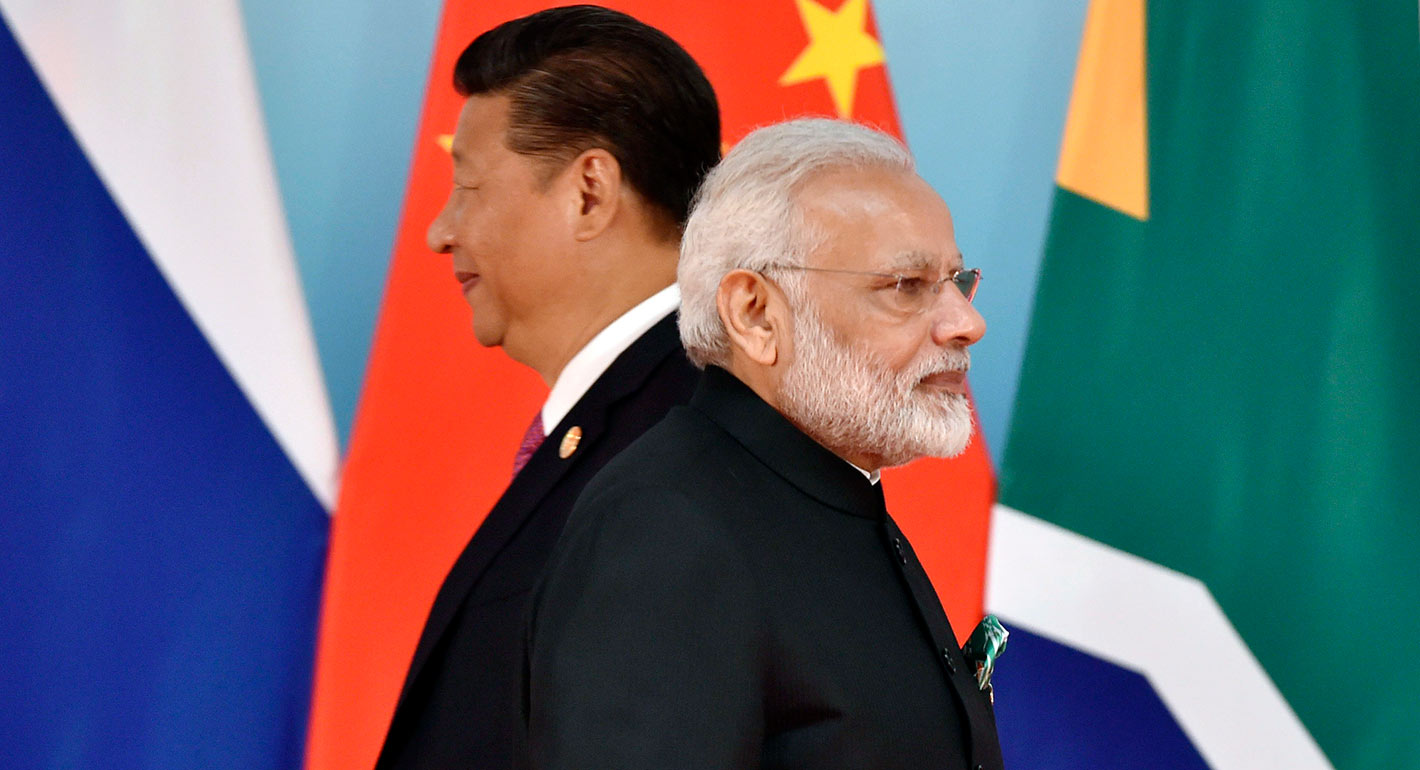
By Subrata Majumder Narendra Modi Government is going hot with China on diplomacy through remarks by the external affairs minister Dr. S Jaishankar, but at the same time, the finance minister Nirmala Sitharaman is soft on the issue of allowing Chinese investment in India. The economic survey of 2023-24 presented before this year’s budget underlines […]

China has intensified its efforts to transform its education system as part of a broader national strategy aimed at becoming a global leader in academia by 2035. The latest drive aligns with the nation’s ambition to enhance innovation capacity, cultivate top-tier talent, and modernize its educational infrastructure. President Xi Jinping, speaking at a national education meeting in Beijing, reiterated the importance of strengthening the country’s educational framework as a fundamental aspect of China’s modernization and development strategy.

Since the 18th Congress of the Communist Party of China (CPC), substantial reforms have been implemented to accelerate the modernization of education. These reforms include investments in digitalization initiatives, improving access to quality education, and promoting international cooperation in academic research. The overarching goal is to narrow the disparities between rural and urban areas, and between different social groups, ensuring that education becomes more inclusive and accessible across the country.

The government has focused on fostering virtue and innovation within the education system. President Xi emphasized that a balanced and high-quality compulsory education system is critical for China’s socio-economic development. This includes enhancing cooperation between universities and enterprises, promoting interdisciplinary research, and building a high-caliber teaching workforce. Measures to improve teachers’ welfare and career development have also been prioritized, reflecting the government’s intention to make teaching one of the most respected professions in China.

A key part of this strategy involves expanding China’s international academic exchanges and strengthening partnerships in global scientific research. China seeks to position itself as a leader not only in the quantity of educational opportunities but also in the quality of research and innovation, aiming to cultivate a generation of globally competitive scholars and professionals.

These reforms come at a critical juncture, as China faces challenges such as an aging population and slowing economic growth. A modernized, robust education system is seen as essential to maintaining China’s competitive edge on the global stage, particularly in emerging fields such as artificial intelligence, biotechnology, and green technology.

KUALA LUMPUR, MALAYSIA – Media OutReach Newswire – 11 September 2024 – Since the first days of Artificial Intelligence’s rapid expansion into various industries, the financial sector has been one of the leading adopters of these technologies. In this field, AI-driven algorithms are seeing an ever-widening variety of applications, including risk management, predictive analytics, and customer service automation. For example, according to recent research, algorithmic trading in […]

National Holding has achieved a significant milestone by earning the Green Certificate from Moro Hub, a recognition awarded for outstanding sustainability practices. The UAE-based investment company has been actively involved in promoting green initiatives, aligning itself with the national agenda on environmental sustainability. The certification comes as an acknowledgment of its commitment to reducing environmental impact and adopting energy-efficient solutions across its portfolio of companies. The certification […]

The UAE-India Business Forum is set to commence tomorrow in Mumbai, focusing on strengthening economic ties between the UAE and India. Organized by the UAE Ministry of Economy in partnership with the UAE Embassy in New Delhi and India’s Ministry of Commerce and Industry, this forum marks an important step in expanding bilateral trade relationships, particularly beyond the Comprehensive Economic Partnership Agreement (CEPA) that came into effect in May 2022.

This event will gather an influential group of government officials, business leaders, and industry professionals. Key sectors under discussion include healthcare, biotechnology, renewable energy, sustainability, artificial intelligence, and logistics. The forum is expected to provide a platform for businesses from both countries to explore new partnership opportunities that align with their national growth and diversification agendas.

Dr. Thani bin Ahmed Al Zeyoudi, UAE’s Minister of State for Foreign Trade, emphasized the significance of this event, noting that it offers a vital platform for exploring new synergies, building networks, and developing mutually beneficial collaborations. The forum’s theme, “Beyond CEPA: Innovation and Future-Ready Economies,” reflects the ongoing efforts to foster innovation in industries like AI and biotechnology, which have seen growing interest from both sides.

The UAE and India have enjoyed steadily increasing non-oil trade, which reached USD 28.2 billion in the first half of 2024, marking a 9.8% rise compared to the same period in 2023. This robust growth contrasts with declining global trade figures, making the UAE-India economic partnership an exceptional case of resilience. The CEPA, which removed or reduced tariffs on over 80% of traded goods, has been instrumental in boosting industrial output, enhancing global competitiveness, and fostering job creation across both nations.

During the forum, one of the key sessions, “Healthcare and Biotechnology: Pioneering the Future of Medicine,” will delve into how the two nations can leverage CEPA to create new partnerships in genomic medicine, AI-driven healthcare, digital health solutions, and pharmaceutical research. This session aligns with the growing focus on health tech innovation in both countries.

BEIJING, CHINA – Media OutReach Newswire – 10 September 2024 – The curtains have risen once more on the China-Africa Cooperation Forum Summit, held in Beijing from the 4th to the 6th of September, 2024, is a catalyst for Africa’s economic transformation. With “Deepening Cooperation, Building the Future Together” as its theme, the summit aims to enhance exchanges and cooperation between China and Africa in various domains. […]

The U.S. Securities and Exchange Commission (SEC) has recorded an extraordinary rise in enforcement actions against crypto firms in 2024, hitting an all-time high of $4.7 billion. This marks a remarkable 3,000% increase from the $150.3 million imposed in 2023. The dramatic surge stems primarily from the record-setting settlement of $4.47 billion with Terraform Labs and its co-founder Do Kwon in June 2024, a key factor that has positioned this as a landmark year for regulatory actions in the cryptocurrency sector.

The SEC’s latest move has underscored its increasingly aggressive stance on the cryptocurrency industry, as regulators seek to rein in unlawful practices that have characterized parts of the market. Terraform Labs and Kwon were at the center of one of the biggest collapses in crypto history, when their TerraUSD (UST) stablecoin, designed to maintain parity with the U.S. dollar, dramatically lost its peg in May 2022. The crash of UST led to a massive fallout, wiping out the value of its sister token, Luna, and causing billions in investor losses, leading to the ongoing “crypto winter” that has gripped the market.

The Terraform Labs case has been particularly high-profile due to the scale of the alleged fraud and the SEC’s claim that Kwon and his company misled investors through deceptive marketing about UST’s stability. The regulatory body’s settlement with Terraform Labs requires the firm to pay $4.05 billion in disgorgement and penalties, while Kwon personally faces an additional $80 million penalty. Both parties have also been permanently barred from offering or selling crypto assets in the future, a significant blow to Kwon’s standing in the industry.

Terraform Labs’ downfall has been closely followed by multiple legal battles and ongoing bankruptcy proceedings since January 2024, which complicates the company’s ability to fulfill the financial penalties imposed by the SEC. Kwon, who has also been facing criminal charges and extradition requests from several countries, is currently in legal limbo. His situation adds another layer of complexity to the enforcement of the settlement, although the SEC has emphasized the importance of holding key actors in the crypto space accountable.

While Terraform Labs’ collapse and its legal ramifications have dominated headlines, the SEC’s crackdown on crypto firms goes far beyond this case. Throughout 2024, the SEC has ramped up investigations and enforcement measures against several other digital asset companies. Many firms have faced fines for a wide range of violations, including unregistered securities offerings, fraud, and failure to comply with anti-money laundering regulations. The sharp rise in enforcement actions reflects the SEC’s broader push to impose greater regulatory scrutiny on the nascent industry, aiming to protect investors and foster greater transparency.

The substantial penalties meted out this year stand in stark contrast to previous years, signaling a paradigm shift in the SEC’s approach toward digital assets. Enforcement actions against cryptocurrency companies, particularly those involved in dubious or illegal operations, have been increasingly severe, sending a clear message to the industry about the regulator’s willingness to act decisively. This escalation has been further driven by SEC Chair Gary Gensler’s firm belief that most crypto assets fall under the category of securities, making them subject to the same laws as traditional financial instruments.

Crypto industry players have responded to the SEC’s assertive posture with a mixture of compliance, resistance, and uncertainty. Some companies are working to align their practices with regulatory expectations, while others have mounted legal challenges to argue that the SEC’s approach to defining and regulating digital assets is overly broad. This ongoing tension between regulators and industry stakeholders has raised important questions about the future of cryptocurrency regulation in the U.S. and beyond.

Looking ahead, the SEC is expected to continue targeting crypto firms that are found to be operating outside legal bounds. The regulator has been increasingly collaborating with other federal agencies and international regulators to address cross-border issues in the crypto space. With the global nature of digital assets, enforcement actions are likely to extend beyond U.S. borders, particularly in cases involving companies like Terraform Labs, whose operations spanned multiple countries and jurisdictions.

Making its highly anticipated return on 27 September 2024 after a stunning transformation, the legendary hotel is ready for an exciting new chapter. Filmed over the past five years, “An Icon Reimagined: The Docuseries” tells the captivating story of the renowned property’s redevelopment. BANGKOK, THAILAND – Media OutReach Newswire – 10 September 2024 – Making its highly anticipated comeback on 27 September 2024, the iconic Dusit Thani […]

Users of the Nix 2.24 package manager have been alerted to a security vulnerability affecting those who installed the software using the Nix installers after August 1st. The flaw, identified as a critical issue in Nix 2.24, has drawn attention, particularly among developers who are reliant on the tool for handling reproducible builds and package management across various Linux distributions. While users operating with the Nix version […]

The construction of Azizi Vista, a residential project in Dubai Studio City, has reached 56% completion. This development by Azizi Developments, which is set to bring a mix of studio apartments, as well as one- and two-bedroom residences to the area, is expected to be completed by the second quarter of 2025. The latest updates indicate significant progress across various phases, with structural, mechanical, electrical, and plumbing (MEP) work continuing at pace.

As of August 2024, the mobilization and structural work at the site has been advancing steadily. The developer’s commitment to maintaining a high standard of quality is evident as teams focus on both the core framework and detailed finishing processes. This development is set to bolster Dubai Studio City’s standing as a prime location for residential living, offering modern amenities and accessibility.

Offset8, an Abu Dhabi-based environmental organization, and iRise, a tech and sustainability company, have unveiled an ambitious initiative to restore 10 million trees in Malawi. This extensive reforestation project, which will be executed over the next decade, aims to address both environmental and socio-economic challenges in the Southern African nation. The initiative marks a significant collaboration between technology and conservation, with Offset8 focusing on the reforestation efforts […]

Tesla does not require any form of licensing from Elon Musk’s artificial intelligence company, xAI, according to a statement from Musk himself. Responding to a report by *The Wall Street Journal* that suggested the two entities were in discussions over a potential revenue-sharing agreement, Musk clarified the situation through his social media platform, X. He emphasized that while Tesla has gained valuable insights from its discussions with […]

Abu Dhabi is set to embark on a transformative energy project, aiming to expand its gas-fired power generation capacity by 5 gigawatts (GW). This significant investment underscores the emirate’s commitment to maintaining energy security and supporting its economic growth while transitioning towards a more diversified energy mix. The initiative is a key component of Abu Dhabi’s broader strategy to balance its energy portfolio and enhance its position […]

Bank Saudi Fransi (BSF) and AstroLabs have successfully wrapped up the second cohort of their “Banker Technologist” program, a key initiative aimed at enhancing the fintech talent pool in Saudi Arabia. This development highlights the nation’s commitment to becoming a global leader in financial technology and innovation.

The “Banker Technologist” program, which launched its second cohort earlier this year, was designed to equip participants with advanced skills in fintech and related technologies. The program’s primary goal is to bolster the local talent pool, aligning with Saudi Arabia’s Vision 2030 ambitions. This vision includes a significant expansion of the fintech sector, with a target of growing the number of fintech companies from 200 in 2023 to 525 by 2030.

As Saudi Arabia continues to advance its position as a central hub for financial technology, the “Banker Technologist” program stands out as a crucial contributor to this transformation. Participants in the program benefit from hands-on training, mentorship from industry experts, and exposure to cutting-edge fintech solutions. This comprehensive approach aims to ensure that graduates are well-prepared to drive innovation and growth within the sector.

The completion of this cohort underscores a broader trend within the Saudi financial landscape. The Kingdom’s emphasis on nurturing fintech talent is a direct response to the increasing demand for skilled professionals in this burgeoning field. By investing in educational programs and partnerships, Saudi Arabia is not only addressing immediate talent needs but also setting the stage for long-term industry success.

The latest cohort has already made notable contributions to various fintech projects, with several participants successfully integrating new technologies into existing financial systems. These achievements reflect the program’s effectiveness in bridging the gap between academic knowledge and practical application. Moreover, the success of the program aligns with the broader objectives of Vision 2030, which seeks to diversify the economy and reduce dependency on oil revenue by fostering growth in sectors such as technology and innovation.

In addition to its focus on skill development, the “Banker Technologist” program also emphasizes networking and collaboration. Participants have the opportunity to engage with leading fintech companies and industry leaders, facilitating knowledge exchange and potential career opportunities. This aspect of the program is designed to enhance the overall ecosystem, creating a supportive environment for fintech professionals to thrive.

The outcomes of this program are particularly significant as Saudi Arabia continues to attract international attention as a fintech hub. The country’s strategic investments in technology and innovation are setting a precedent for other nations looking to enhance their own financial technology sectors. The successful conclusion of this cohort serves as a testament to the effectiveness of these initiatives and their alignment with broader national goals.

DBS Group Holdings Ltd. is actively seeking insurance partners in India and Taiwan as part of its strategy to broaden its financial services portfolio in the region. This move is driven by a growing demand for diversified financial products and an expanding market potential in both countries.

The Singapore-based bank, which has been consolidating its presence in Asia, is now looking to collaborate with established insurance firms to leverage their local expertise and distribution networks. The focus on India and Taiwan underscores DBS’s commitment to strengthening its foothold in key Asian markets where insurance penetration remains relatively low compared to other regions.

In India, where the insurance market has seen significant growth over the past decade, DBS aims to tap into the sector’s potential by forming alliances with local players. The Indian insurance industry, valued at approximately $80 billion, is poised for further expansion driven by increasing awareness and regulatory support. By partnering with established insurers, DBS seeks to capitalize on this growth trajectory and offer a comprehensive range of insurance products to its customers.

Similarly, Taiwan presents an attractive opportunity for DBS. The island nation boasts a well-developed insurance market with a high insurance penetration rate, making it a strategic location for DBS’s expansion. Taiwan’s mature financial services sector provides a solid foundation for DBS to introduce innovative insurance solutions and enhance its market share.

DBS’s strategy aligns with a broader trend among global banks seeking to diversify their services and capture growth in emerging markets. As financial institutions adapt to changing consumer preferences and regulatory landscapes, strategic partnerships become crucial for accessing new revenue streams and enhancing their competitive edge.

The move is also reflective of a wider trend in the financial sector, where banks are increasingly forming partnerships with insurance companies to offer integrated financial solutions. This approach not only provides customers with a one-stop shop for their financial needs but also helps banks to cross-sell products and increase customer loyalty.

While the specifics of the partnerships are still being negotiated, DBS’s focus on India and Taiwan highlights its strategic intent to build a more robust and diversified service offering in key Asian markets. The bank’s approach involves leveraging local expertise and market knowledge, which is essential for navigating the complex regulatory environments and competitive landscapes in these regions.

For India, the collaboration could involve partnerships with both private and public sector insurance companies. The country’s insurance sector has been undergoing significant reforms aimed at enhancing transparency and customer protection, creating a conducive environment for new entrants and partnerships. DBS’s entry into this market would likely involve a blend of joint ventures and strategic alliances designed to capture a share of the expanding market.

In Taiwan, DBS’s strategy may include forming joint ventures or acquiring stakes in local insurance companies. The Taiwanese insurance market is known for its high regulatory standards and competitive landscape, which requires a nuanced approach to market entry. By partnering with local firms, DBS can navigate these challenges more effectively and leverage existing market infrastructure.

The bank’s exploration of insurance partnerships reflects a broader industry trend where financial institutions are increasingly recognizing the value of integrating insurance products into their service offerings. This integration allows banks to provide comprehensive financial solutions that address a wide range of customer needs, from wealth management to risk protection.

Arabian Post Staff -Dubai Apple has launched the Apple Watch Series 10, marking a decade since the debut of the original Apple Watch. This latest model introduces several significant updates, including larger displays and a new color option, Jet Black, designed to enhance both functionality and style. The Apple Watch Series 10 is the first major redesign since the Series 7, featuring a noticeably larger display that […]

VISHNU RAJA
RYO YAMADA
HITORI GOTOH
IKUYO KITA
Just in: