News related to
work

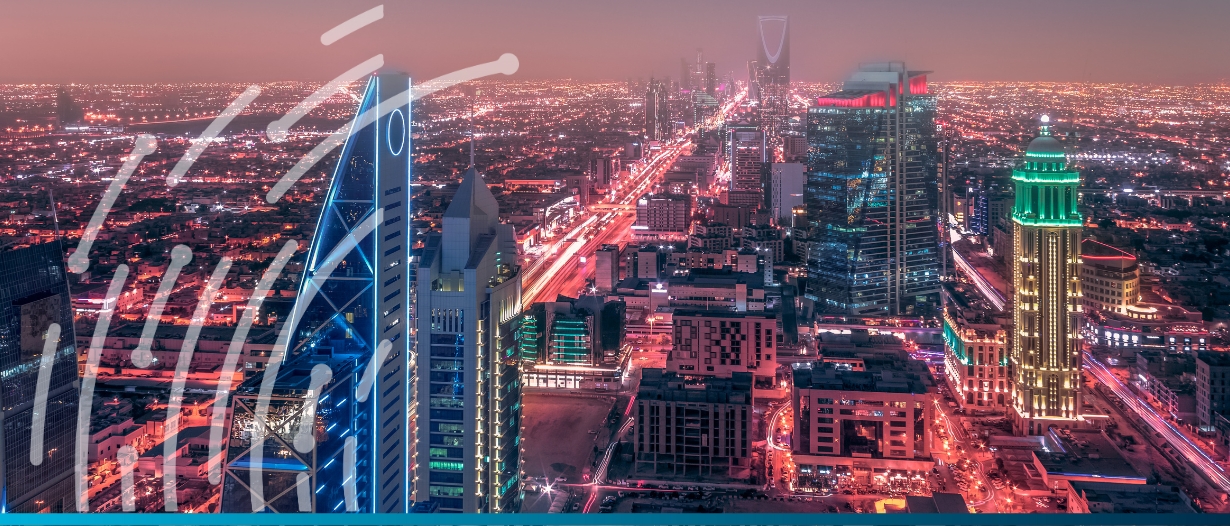
The net assets of licensed endowment investment funds in Saudi Arabia have hit a record SR1 billion ($266.67 million) in 2024, reflecting a significant growth of 29.3 percent compared to the previous year. This achievement marks a major milestone for the country’s endowment sector, driven by the licensing of new entities and an expanding investment landscape.

The growth in assets follows a noteworthy performance in 2023, where the total exceeded the half-billion riyal mark, reinforcing the momentum in Saudi Arabia’s drive to diversify its economy. The General Authority for Endowments, which monitors the endowment sector, attributed this increase to several key factors, including the licensing of five new entities in 2024. This brought the total number of licensed endowment investment funds to 34, with 27 public funds and seven private funds.

This surge in assets reflects a broader trend in Saudi Arabia’s efforts to enhance the endowment sector’s role in supporting long-term social, cultural, and economic development. The funds are primarily used for charitable and community-based projects, and their growing financial strength is seen as a direct result of enhanced regulatory frameworks and the increasing participation of private entities in the endowment market.

The rise in the value of endowment investment funds comes as Saudi Arabia continues to implement various initiatives aimed at strengthening the financial sector and boosting its non-oil revenue streams, in line with the Kingdom’s Vision 2030. This strategic vision seeks to reduce the country’s dependence on oil exports and create a more diversified economy.

Investment in endowment funds plays a critical role in fostering sustainable development across Saudi Arabia. These funds are used for a wide range of purposes, including supporting educational institutions, healthcare services, and cultural programs, in line with the Kingdom’s social goals. The funds are also seen as a way to foster social cohesion by promoting charitable activities and supporting the welfare of disadvantaged communities.

The increasing asset value also underscores the growing trust in Saudi Arabia’s regulatory environment. The General Authority for Endowments has made significant strides in modernizing the sector by introducing new regulations designed to attract more investment and streamline the governance of endowment funds. These reforms have created a more transparent and efficient framework for both public and private sector participants, which has contributed to the overall growth in assets.

Saudi Arabia’s endowment funds are also benefiting from a growing interest from institutional investors, both within the Kingdom and internationally. The licensing of new entities has made it easier for local businesses and global investors to tap into the endowment market, creating a more competitive landscape that is expected to drive further growth in the coming years. The inclusion of private funds in the sector has helped to create a more diverse range of investment opportunities, allowing for more innovative and tailored investment strategies that align with the broader goals of Saudi Arabia’s economic diversification efforts.

Experts have noted that while the growth in endowment fund assets is a positive sign of development, the sector still faces challenges. One of the main concerns is ensuring that the funds are managed effectively and ethically, with a focus on long-term sustainability. As the sector continues to expand, there is a growing need for robust oversight and accountability to ensure that the funds are used in ways that benefit society as a whole.

In addition to expanding the scope of endowment funds, Saudi Arabia has been working to improve the financial literacy and technical expertise within the sector. This includes providing training and resources for fund managers, as well as implementing programs aimed at increasing public awareness of the role of endowments in the country’s social fabric. By enhancing knowledge and expertise in the sector, Saudi Arabia aims to ensure that the funds continue to grow in value while serving their intended social purposes.

The rise in endowment assets comes amid broader financial reforms in Saudi Arabia, with the government continuing to prioritize investments in sectors such as technology, renewable energy, and infrastructure. These investments are viewed as essential to the Kingdom’s long-term economic strategy, which seeks to position Saudi Arabia as a leading player in the global economy. As part of this strategy, the endowment sector is expected to play a pivotal role in funding initiatives that support the Kingdom’s transformation into a knowledge-based economy.

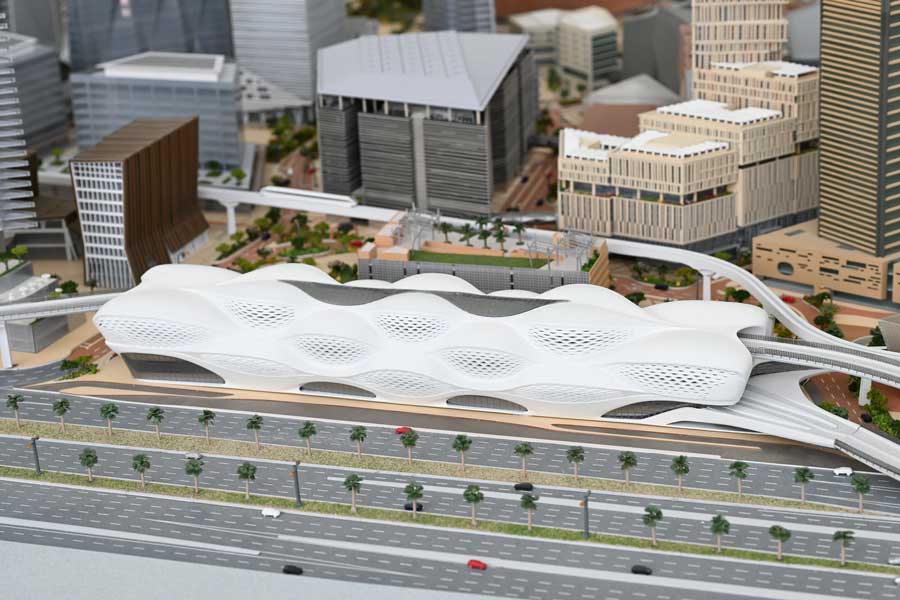
Blender 4.3 marks a significant milestone for the open-source 3D creation suite, with notable improvements aimed at enhancing user experience and performance. A primary feature of this release is the introduction of ray tracing support for Linux users, specifically those with AMD hardware. The addition of this technology brings a much-needed upgrade to Linux systems, allowing artists and developers to create more realistic lighting and reflections in […]

The Abu Dhabi National Oil Company (ADNOC) has announced plans to sell shares in its gas subsidiary, marking a pivotal move to unlock substantial value for its investors and support the UAE’s broader economic diversification goals. This strategic move is expected to enhance the company’s operational flexibility while contributing to ADNOC’s long-term growth prospects.

The share sale involves ADNOC Gas, a key subsidiary of the state-owned energy giant, which has been positioned to lead the UAE’s transition into a low-carbon energy future. ADNOC Gas is a crucial player in the gas sector, focusing on production, processing, and transportation, with a portfolio that spans both domestic and international markets. The company has been at the forefront of ADNOC’s gas exploration and development efforts, a key component of the UAE’s broader energy strategy. By listing its shares, ADNOC is poised to create a more diverse capital structure, positioning ADNOC Gas as a standalone entity in the rapidly evolving global energy landscape.

As part of ADNOC’s broader push to tap into the capital markets, the gas unit’s share sale will provide the company with increased financial flexibility, funding for future investments, and an avenue to pursue more growth opportunities. The move comes in line with ADNOC’s broader corporate restructuring and its ongoing efforts to enhance shareholder value. The public offering is expected to be a significant milestone for ADNOC, with analysts predicting a strong interest from global investors looking to capitalize on the stability and profitability of ADNOC Gas.

ADNOC’s gas subsidiary has seen strong performance in recent years, benefiting from both increased demand for natural gas and ADNOC’s investments in improving efficiency and expanding its infrastructure. The UAE’s strategic positioning as an energy hub also plays a key role in ADNOC Gas’s potential, with its expansive pipeline networks, substantial reserves, and proximity to growing energy markets in Asia and Europe. By offering shares to the public, ADNOC aims to capture additional capital that can be reinvested into expanding its gas production capacity and enhancing its market reach.

The sale also aligns with ADNOC’s broader efforts to diversify its revenue streams. The UAE’s long-term economic strategy emphasizes reducing dependency on oil, which accounts for a significant portion of the country’s GDP. By tapping into the global market for natural gas, ADNOC hopes to capitalize on the growing demand for cleaner energy sources. Natural gas has been increasingly recognized as a bridge fuel, offering lower carbon emissions compared to coal and oil, thus positioning ADNOC Gas to benefit from shifting global energy policies.

The decision to list ADNOC Gas is expected to draw significant interest from institutional investors, particularly those focused on energy and infrastructure sectors. With ADNOC Gas’s stable cash flows and its involvement in key infrastructure projects, it has emerged as an attractive prospect for those looking to invest in the Middle East’s energy sector. Furthermore, ADNOC has indicated that the share sale will also strengthen its corporate governance by increasing transparency and accountability.

ADNOC’s decision to list ADNOC Gas follows a broader trend among major energy companies to unlock value through initial public offerings (IPOs) and spin-offs. It mirrors similar moves made by companies in the oil and gas industry that are seeking to separate their traditional energy assets from their renewable energy or gas divisions. By creating standalone entities, these companies aim to streamline operations and enhance market valuations.

The share sale is also part of ADNOC’s broader initiative to increase the UAE’s capital markets activity. By expanding the participation of institutional and retail investors in its energy sector, ADNOC is working to boost the role of the UAE’s financial markets on the global stage. It is expected that the offering will deepen liquidity in the UAE’s stock markets and encourage further investments in energy-related sectors.

The proceeds from the share sale are anticipated to support ADNOC’s ambitious plans to develop new gas fields and expand its gas infrastructure. This includes the modernization of its gas processing plants and investments in carbon capture technologies, which are central to the UAE’s broader strategy for decarbonization. As part of its commitment to sustainability, ADNOC has been heavily involved in projects designed to reduce its carbon footprint while maintaining its role as a global energy supplier.

The listing of ADNOC Gas will likely have significant implications for the broader Gulf Cooperation Council (GCC) region, where energy companies are increasingly looking for ways to optimize their capital structures and attract new investors. The move underscores the UAE’s determination to maintain its position as a leading energy player while adapting to changing global energy demands and trends.

Experts believe that ADNOC Gas’s IPO could set a precedent for other energy giants in the region looking to unlock value and attract international investment. While ADNOC remains a state-owned entity, the partial sale of shares in ADNOC Gas represents a major shift in how energy companies in the UAE approach their capital strategies. The success of this listing could pave the way for more similar initiatives across the GCC, reinforcing the region’s reputation as a dynamic hub for energy innovation and investment.

Riyadh is set to mark a significant milestone in its urban development with the much-anticipated launch of the Riyadh Metro’s first phase on November 27. This phase will feature three key lines, marking the beginning of a transformative project aimed at reshaping the city’s public transport landscape.

The Riyadh Metro is one of the largest and most ambitious transportation projects in the world, spearheading the Saudi capital’s efforts to modernize infrastructure and reduce congestion. The first phase includes three lines: the Red Line, Green Line, and Blue Line. Together, these lines will cover a network spanning more than 40 kilometers and will offer commuters a fast, efficient, and environmentally friendly alternative to the city’s heavily congested roads.

The metro network is designed to cater to the growing population of Riyadh, which has seen rapid urbanization over the past few decades. With a population now surpassing 7.5 million, the city has been grappling with traffic congestion, air pollution, and a lack of efficient public transport options. The Riyadh Metro aims to address these challenges by providing a reliable, sustainable mode of transportation for both residents and visitors.

The project has been a long time in the making, with construction having begun in 2014. The Riyadh Metro is being developed by the Saudi Arabian government in collaboration with a number of international firms, including the Spanish company Obrascon Huarte Lain (OHL), the French multinational Alstom, and the American company Bechtel, among others. The project is a cornerstone of the Kingdom’s Vision 2030, which seeks to modernize and diversify the economy and improve the quality of life for Saudi citizens.

The Red Line, which will be the longest of the three, spans 22 kilometers and runs along a north-south axis, connecting key areas such as the King Abdulaziz Historical Center, King Saud University, and the King Khalid International Airport. This line is expected to significantly reduce travel times for residents and visitors moving between the city center and the airport, as well as improving access to cultural and commercial hubs.

The Green Line, at 13 kilometers in length, runs east-west and links some of Riyadh’s most densely populated neighborhoods. This line will provide an important service for commuters traveling between residential areas, business districts, and major shopping centers. The Green Line also intersects with the Red Line at several key points, allowing passengers to easily transfer between the two.

The Blue Line, though shorter at just 5 kilometers, will provide crucial access to critical sites within Riyadh’s urban core, including government buildings, commercial centers, and transportation hubs. This line is expected to help alleviate congestion in the city’s busiest areas, particularly during rush hours.

The Riyadh Metro’s infrastructure is designed with sustainability in mind, incorporating advanced technology to ensure minimal environmental impact. The system will be powered by electricity, which aligns with Saudi Arabia’s broader push toward cleaner, renewable energy sources. The trains are designed to be energy-efficient, with an automated system to reduce energy consumption during non-peak hours. In addition to being environmentally friendly, the metro is designed to handle high passenger volumes, with the system expected to carry around 1.16 million passengers per day once fully operational.

As the first phase of the Riyadh Metro prepares for its official launch, the city has been undergoing a significant transformation to accommodate the new system. New stations, depots, and maintenance facilities have been built, while roadways and pedestrian infrastructure have been upgraded to facilitate easy access to metro stations. Several test runs have been conducted to ensure the system operates smoothly and efficiently, and the Saudi government has promised to offer free rides during the initial months to encourage adoption among the city’s residents.

The Riyadh Metro will play a central role in addressing the Kingdom’s broader goals for urban mobility. Public transportation in Saudi Arabia has historically been limited, with car ownership and road travel being the primary modes of transport for most residents. The Riyadh Metro is expected to significantly reduce the city’s reliance on private cars, thus easing congestion and cutting down on air pollution. The metro is also expected to boost Riyadh’s economic development by providing better access to key business areas, enabling greater productivity and increasing the overall efficiency of the urban environment.

In addition to its environmental and economic benefits, the Riyadh Metro project is set to improve the quality of life for residents by reducing travel times and providing a safe, reliable, and convenient alternative to private cars. The metro stations have been designed with accessibility in mind, catering to the needs of people with disabilities, and offering modern amenities such as air-conditioned waiting areas, Wi-Fi, and ample space for commuters.

The completion of the first phase is just the beginning of a larger metro network planned for Riyadh. Future phases of the project will include additional lines, connecting more neighborhoods, business districts, and cultural centers. This expansion will help integrate the metro system into the city’s broader transportation ecosystem, which includes bus services, taxis, and ride-sharing options. The overall aim is to create a comprehensive, multimodal transportation system that enhances mobility and improves quality of life for all of Riyadh’s residents.

The second episode of *Dune: Prophecy* received mixed reactions, with viewers praising its growing tension but simultaneously pointing to an awkward scene that marred the episode. While the show continues to build on its intricate narrative, a particular moment involving Josh Heuston and Tessa Bonham Jones raised eyebrows, leaving fans uneasy. The series, a prequel to *Dune*, set in the sprawling universe created by Frank Herbert, delves […]

Bitcoin’s price experienced a sharp dip over the weekend, falling from $98,500 to $95,500 by Sunday, leading to significant volatility across the cryptocurrency market. This decline triggered a wave of liquidations, totaling over $500 million, as futures positions, particularly those linked to smaller altcoins and midcap cryptocurrencies, were abruptly closed out.

The pullback, although noticeable, did not shake long-term investor sentiment, as many market analysts continue to hold a positive outlook for Bitcoin’s future price trajectory. Despite the drop, experts maintain their expectation that Bitcoin could reach $100,000 in the near future, supported by ongoing institutional interest, potential regulatory clarity, and upcoming developments within the blockchain ecosystem.

XRP and Dogecoin were among the hardest hit during the weekend’s turbulence. XRP, facing legal challenges in the U.S., saw a significant decrease in value, which compounded with broader market losses. Dogecoin, popular for its meme-driven momentum, also took a substantial hit, as speculative trading took a backseat to more fundamental concerns over the broader crypto market outlook.

The spike in liquidations was primarily driven by leveraged positions within futures markets. Traders who had bet on price increases found themselves caught in a cascade of automatic sell-offs as Bitcoin’s decline spooked the market. Smaller altcoins, which often experience more volatile price movements than Bitcoin, were particularly susceptible to this market-wide pullback, leading to larger-than-usual liquidation events.

Bitcoin’s price, despite the weekend’s decline, is still far from the sharp corrections seen in past market cycles. The overall market sentiment remains cautiously optimistic, with many investors looking toward the potential for future catalysts to propel Bitcoin higher. Key factors driving this optimism include expectations of increased institutional adoption, blockchain infrastructure upgrades, and regulatory clarity in major markets.

The general consensus within the industry is that Bitcoin’s price movements, while volatile, do not indicate a fundamental shift in investor confidence. Many analysts argue that the pullback could actually provide an opportunity for new investors to enter the market at lower levels, positioning themselves for a potential rally once the market stabilizes. The price drop is viewed by some as a healthy correction after months of strong upward momentum, allowing the market to recalibrate before any further upward movement.

For smaller altcoins, however, the weekend liquidation event served as a stark reminder of the risks associated with highly leveraged positions in more speculative assets. As Bitcoin’s price corrected, altcoins like Solana, Cardano, and Polkadot also experienced sharp losses, though none to the extent of the leading cryptocurrencies. The widespread impact on midcap altcoins further highlights the fragility of these markets, particularly when liquidity dries up and risk aversion sets in.

Despite the market-wide pullback, Bitcoin’s fundamentals remain strong, with the cryptocurrency continuing to be viewed as a hedge against inflation and a potential store of value in the long term. Institutional interest has steadily increased, with major financial players like BlackRock and Fidelity continuing to push for Bitcoin ETFs and other financial products linked to the digital asset. This institutional push has not only brought new capital into the market but also legitimized Bitcoin in the eyes of traditional investors.

In addition to institutional adoption, the continued growth of decentralized finance (DeFi) platforms and blockchain technology is expected to further bolster Bitcoin’s value proposition. With more businesses adopting blockchain for a range of applications, including supply chain management, healthcare, and financial services, Bitcoin is increasingly being seen as an essential part of the broader blockchain ecosystem.

Though market corrections are inevitable in any asset class, Bitcoin’s established position as the leader in the cryptocurrency space ensures that its price movements remain closely watched by both retail and institutional investors alike. While volatility remains a characteristic of the crypto market, the long-term outlook for Bitcoin and major altcoins is driven by fundamental trends that support sustained growth over time.

The ongoing battle for market dominance between Bitcoin and Ethereum, along with the rise of other blockchain protocols, also plays a crucial role in shaping the broader crypto landscape. Analysts argue that while Bitcoin remains the undisputed leader in terms of market capitalization, Ethereum’s advancements in smart contract capabilities and its transition to Ethereum 2.0 have sparked renewed interest in altcoins. Ethereum’s ability to facilitate decentralized applications (dApps) and execute smart contracts gives it a technological edge over Bitcoin in some areas, although Bitcoin’s brand recognition and security features are expected to keep it ahead in terms of value.

The cryptocurrency market has witnessed a remarkable shift as altcoins gain significant bullish momentum, pushing Bitcoin to the sidelines while driving substantial market activity. The latest data reveals that liquidations across the crypto market have surpassed $494 million, primarily fueled by a surge in altcoins such as Stellar Lumens (XLM), Decentraland (MANA), and The Sandbox (SAND).

Bitcoin’s recent performance has been characterized by a steady consolidation phase, with the leading cryptocurrency closing out its third consecutive week within the price discovery phase. However, this period of indecision in Bitcoin’s market action has paved the way for a growing rally among altcoins, suggesting that investors may be shifting their focus to smaller tokens as they look for promising returns. Analysts point to the altcoin market’s strong performance as a sign of growing investor confidence outside of Bitcoin, possibly indicating the start of a broader shift in market trends.

Stellar Lumens, for example, has seen its value surge by over 30% in the past week alone, driven by renewed interest in its cross-border payment solutions. Similarly, Decentraland, the virtual reality platform, and The Sandbox, which provides a decentralized gaming experience, have also posted impressive gains. These altcoins, benefiting from positive market sentiment and strong project fundamentals, have been attracting both retail and institutional investors. Experts suggest that the increased focus on the decentralized finance (DeFi) sector and non-fungible tokens (NFTs) could be contributing factors to the bullish trends seen in these specific assets.

As Bitcoin’s price remained relatively stable, hovering around the $35,000 mark for the past several weeks, the broader cryptocurrency market saw increased volatility, particularly with altcoins. Liquidations—when leveraged positions are forcibly closed out due to price movements—have been a significant aspect of the market activity. The total liquidation figure for this week alone has exceeded $494 million, with the majority stemming from short and long positions in altcoins. This high liquidation value reflects the volatility that altcoins are experiencing, driven by sudden price shifts and investor actions within these smaller tokens.

The liquidations have sparked mixed reactions among market participants. On one hand, some see these liquidations as a sign of caution, where traders who bet on price declines in altcoins have been forced to cover their positions after the sudden upward momentum in these tokens. On the other hand, others view the liquidations as a natural part of the market cycle, often marking the end of a bearish phase and signaling the potential for further gains in altcoins.

In addition to individual altcoins like XLM, MANA, and SAND, the broader DeFi ecosystem has been undergoing rapid development. The sector, which aims to replicate traditional financial services like lending, borrowing, and trading on the blockchain, has been a key driver of altcoin value growth. DeFi protocols have seen a sharp increase in user engagement, which, in turn, has led to the appreciation of tokens associated with these platforms. As institutional investors begin to show more interest in the DeFi space, many believe this sector will continue to outperform Bitcoin in the short term.

While Bitcoin continues to hold its position as the dominant cryptocurrency by market capitalization, the altcoin sector is showing signs of growth that cannot be ignored. Many analysts have pointed out that the market’s focus on altcoins could be indicative of a growing shift in investor strategy. With Bitcoin’s price action stagnating, some traders are diversifying their portfolios by increasing their holdings in smaller, high-potential coins. This shift toward altcoins is particularly noticeable in the wake of Bitcoin’s dominance in the market, with Bitcoin’s market share dipping below 50% in recent weeks as altcoins rise in prominence.

This altcoin rally, however, comes with its own set of risks. The volatility seen in the altcoin market can lead to drastic price swings, as evidenced by the liquidations in the past week. The rise of altcoins also coincides with heightened regulatory scrutiny in various jurisdictions, which could bring about new challenges for these assets. Many in the market are closely watching the regulatory landscape, especially as governments and financial authorities begin to focus more on the potential risks associated with decentralized finance and crypto assets in general.

At the same time, altcoins such as Stellar Lumens and Decentraland have benefitted from major partnerships and network upgrades. These developments, along with increasing user adoption, have played a crucial role in the altcoin market’s ongoing rise. Stellar, for example, has been making strides in the cross-border payments industry, which has been increasingly appealing to investors looking for practical use cases for their digital assets. Decentraland’s integration of virtual real estate within its metaverse platform has also attracted significant attention, with institutional players and major brands seeking to capitalize on the growing trend of digital spaces.

Advertisements

Heavy rainfall in Bolivia has unleashed devastating landslides and flooding in parts of La Paz, the nation’s administrative capital. Torrents of water caused a river to breach its banks in the southwestern region of the city, destabilizing hillside neighborhoods and displacing hundreds of residents. This natural calamity has drawn attention to the vulnerabilities of poorly constructed dwellings in steep areas, as authorities scramble to manage the crisis. […]

“Connecting Global Experience, Strengthening Local Partnerships” HONG KONG SAR – Media OutReach Newswire – 25 November 2024 – The Social Enterprise Summit (SES 2024) officially opened at the Hong Kong Convention and Exhibition Centre. With the theme of “Connecting Global Experience, Strengthening Local Partnerships”, it emphasised the importance of synergy through collective intelligence, leveraging global insights and expertise to cultivate local partnerships, and foster innovative and transformative […]

Global leaders converge in Singapore to mark new era of growth and collaboration SINGAPORE – Media OutReach Newswire – 25 November 2024 – Forvis Mazars, the global professional services network, celebrated the new network formation in Asia-Pacific (APAC) on 30 October 2024 in Singapore. The event brought together key global and regional leaders, including Hérve Hélias, Chair of the Forvis Mazars Global Network Executive Board, and Matt […]

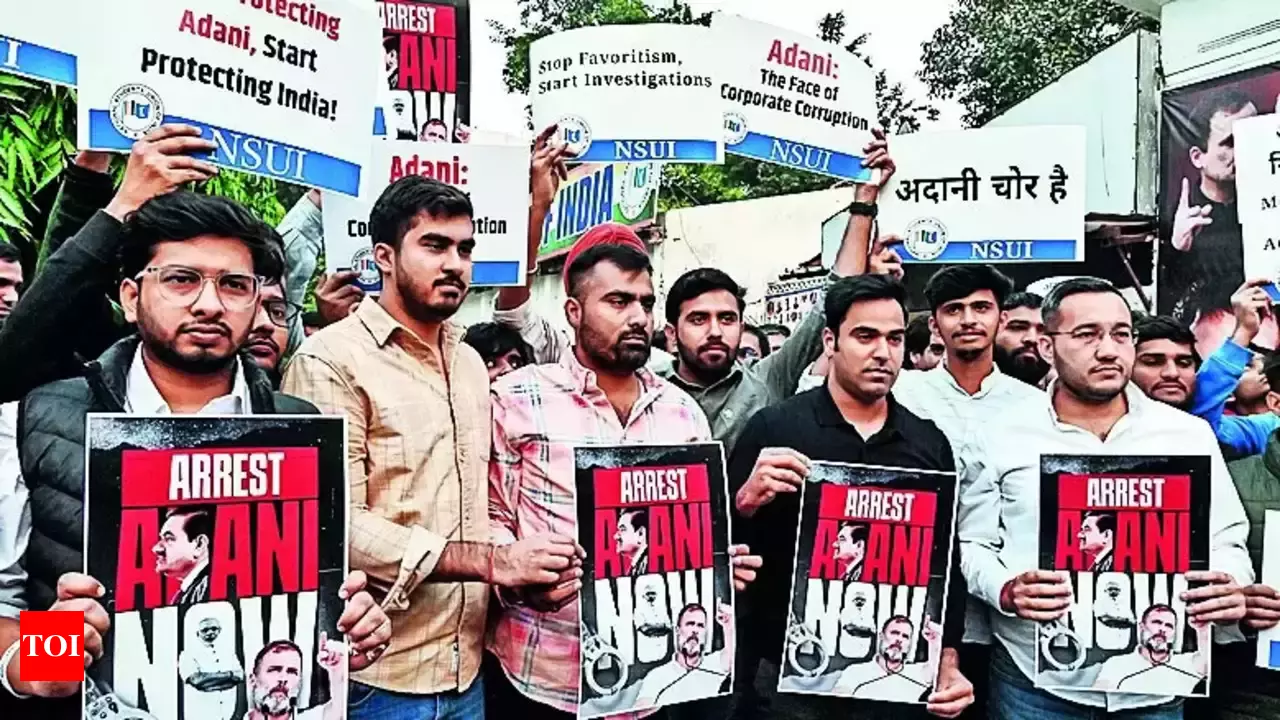
By K Raveendran The US chargesheet against the Adani group and the arrest warrant issued against Gautam Adani are the strongest indictment yet of the crony capitalism that has been playing out on the sides under the Narendra Modi government. The new developments shed light on the group’s rapid expansion, often facilitated by connections to […]

New Students Enrolling in December Courses Enjoy Exclusive Double Rewards HONG KONG SAR – Media OutReach Newswire – 21 November 2024 – The Kumon Method was first established in Japan in 1958 and has developed over the past 60 years to become a worldwide phenomenon. Classes have been opened in over 60 countries and regions with over 3 million students. Kumon offers Maths, English and Chinese programmes […]

Flex (NASDAQ: FLEX), a leading global manufacturing and supply chain solutions provider, has officially acquired JetCool Technologies, a Massachusetts-based pioneer in liquid cooling solutions for data centers. The acquisition aligns with Flex’s strategy to enhance its capabilities in managing the growing demands of artificial intelligence (AI) and high-performance computing (HPC) workloads, which necessitate advanced thermal management systems. JetCool Technologies, founded in 2019, has established itself as a […]

BANGKOK, THAILAND – Media OutReach Newswire – 22 November 2024 – PT. Eka Mas Republik, operating as MyRepublic, has received two prestigious honours at the 2024 Asia Corporate Excellence & Sustainability (ACES) Awards: Asia’s Best Performing Companies and Asia’s Most Inspiring Executives. These accolades recognise MyRepublic’s leadership in Indonesia’s digital landscape and the exceptional vision of CEO Timotius Max Sulaiman. PT. Eka Mas Republik celebrates a double […]

SAN JOSE, CALIFORNIA – Media OutReach Newswire – 22 November 2024 – MIPS, a leading developer of efficient and configurable IP compute cores, announced today the general availability (GA) launch of the MIPS P8700 Series RISC-V Processor. Designed to meet the low-latency, highly intensive data movement demands of the most advanced automotive applications such as ADAS and Autonomous Vehicles (AVs), the P8700 delivers industry-leading accelerated compute, power […]

The Press Conference for the Event Was Held This Afternoon at the Galaxy International Convention Center. The Main Event and Co-Main Event Athletes Attended and Spoke to Media. MACAU SAR – Media OutReach Newswire – 22 November 2024 – Galaxy Macau™ is proud to host the return of UFC®, the world’s premier Mixed Martial Arts (MMA) organization, to Macau. UFC® FIGHT NIGHT MACAU: YAN vs. FIGUEIREDO will […]

HONG KONG SAR – Media OutReach Newswire – 22 November 2024 – The spirit of Christmas has come alive at Pacific Place and Starstreet Precinct! Welcome to ChristmasVille, the tranquil village that bursts into life every Christmas, igniting your inner holiday spirit. From today to 2 January, join our larger-than-life monsters from the village as they take you on a stroll through their beautiful evergreen cove and […]

Bringing together UK and global expertise, the 12th edition of the global language testing and assessment conference explores how language learning and assessment can drive social and economic progress, boost education quality, and contribute to global interconnectedness. HONG KONG SAR – Media OutReach Newswire – 22 November 2024 – The British Council’s flagship event on language testing and assessment, New Directions East Asia 2024, brings together regional […]

By Satyaki Chakraborty The sweeping victory of the Trinamool Congress candidates in the by polls held to the six assembly constituencies in Bengal on November 20, has surpassed even the wildest expectations of the TMC leadership. Out of the six seats, one Madarihat seat was with the BJP while the other five seats were with […]


A banana duct-taped to a wall, conceptualized as a satirical take on the art world’s extravagance, has achieved an astonishing sale price of $6.2 million at a Sotheby’s auction in New York. This striking artwork, titled *Comedian*, was created by Maurizio Cattelan, a contemporary artist known for blending humor, wit, and commentary on societal norms through his provocative creations. Originally displayed at Art Basel Miami Beach in […]

President-elect Donald Trump has appointed Scott Turner, a former NFL player and experienced public servant, to oversee the U.S. Department of Housing and Urban Development (HUD). Turner, who previously served as executive director of the White House Opportunity and Revitalization Council, will now lead efforts to address affordable housing, urban development, and homelessness in the nation’s growing metropolitan areas.

Scott Turner’s appointment has drawn attention due to his blend of athletic career achievements and his leadership role in public policy. Having worked closely with President Trump during his first term, Turner brings a practical understanding of the challenges facing low-income communities. His previous work involved spearheading initiatives to revitalize distressed neighborhoods, aiming to stimulate economic growth and improve living conditions.

Turner’s NFL career, although a central part of his public identity, is not the focal point of his qualifications for the HUD post. Instead, his background in community service and economic development stands out. He has focused his efforts on helping underserved communities, working to foster business investment in areas that have long struggled with high poverty rates and economic stagnation.

The HUD department, which plays a critical role in the housing market, has faced significant scrutiny over the years, especially concerning the affordability of housing and the challenges posed by homelessness in major cities. As the new head of HUD, Turner is expected to tackle these issues head-on, bringing a blend of policy expertise and a fresh perspective to the department. His work with the Opportunity and Revitalization Council, aimed at empowering economically disadvantaged communities, aligns with the broader goals of the HUD, focusing on job creation and urban renewal.

Turner’s track record as a former player in the NFL may not immediately seem related to his new role, but his time with the league instilled in him a team-oriented approach to problem-solving. These qualities are expected to be crucial in his leadership role at HUD, as the department requires effective coordination with local governments, nonprofits, and private sector entities to implement its programs successfully.

During his tenure at the Opportunity and Revitalization Council, Turner was instrumental in promoting the “Opportunity Zones” initiative, which aimed to bring investment to struggling areas through tax incentives. The program has received both praise and criticism for its mixed results in revitalizing economically distressed communities, but Turner’s role in its implementation has put him in a position to make a significant impact at HUD. His new appointment could signal a continuation of policies focused on economic regeneration through infrastructure and housing.

Despite his strong support for community development, Turner’s appointment also places him in the midst of an ongoing debate over affordable housing in the United States. The housing crisis, exacerbated by rising construction costs, limited availability of affordable units, and increasing demand in urban areas, is one of the biggest challenges facing policymakers. As the new head of HUD, Turner will be under pressure to implement policies that increase affordable housing stock while also addressing zoning regulations that have long been a barrier to housing development.

Affordable housing advocates have already begun voicing concerns over Turner’s approach. While he has championed economic growth and business development, critics argue that his focus on market-driven policies may not sufficiently address the immediate housing needs of low-income families. For Turner, striking a balance between stimulating investment and ensuring access to housing for vulnerable populations will be a critical challenge in his new role.

Turner’s leadership will be tested in the area of homelessness, an issue that continues to worsen in many parts of the country. Cities such as Los Angeles, San Francisco, and New York have seen a sharp rise in homelessness, with thousands of individuals living on the streets and in shelters. Turner’s experience with urban revitalization may be an asset in addressing this crisis, but the solutions required are multifaceted and will demand cooperation across various levels of government, nonprofits, and private organizations.

In addition to these challenges, Turner’s leadership will play a key role in shaping the direction of HUD’s policies on fair housing, discrimination, and community development. His approach to these sensitive issues will be closely watched, as HUD has historically been involved in enforcing civil rights protections in housing and ensuring that federally funded housing programs are free of discrimination. Turner’s ability to navigate these complexities while advancing the administration’s housing agenda will be a pivotal aspect of his tenure.

For President-elect Trump, appointing Turner underscores a broader vision of empowering communities through economic opportunity. Turner’s work with the Opportunity Zones and his commitment to revitalizing distressed neighborhoods align closely with the administration’s focus on creating jobs and fostering economic independence for American families. However, the true impact of Turner’s leadership at HUD will ultimately depend on his ability to address the growing housing needs of a rapidly urbanizing country while also ensuring that the most vulnerable populations are not left behind.

Saudi Arabia has secured its first-ever credit rating upgrade from Moody’s Investors Service, a significant achievement that reflects the kingdom’s growing economic resilience and fiscal reforms. The credit rating agency raised the country’s rating from “A1” to “Aa3”, with a stable outlook, signaling enhanced investor confidence in the nation’s economic future.

This upgrade marks a turning point for Saudi Arabia, which has been actively pursuing a broad range of reforms under its Vision 2030 strategy. The country has made substantial strides in diversifying its economy away from oil dependence, focusing on non-oil sectors such as tourism, entertainment, and technology. The reforms have attracted attention from international investors and have been instrumental in Saudi Arabia’s efforts to modernize its economy.

The decision to upgrade Saudi Arabia’s rating is largely attributed to the country’s improved fiscal management and its ability to weather global economic challenges, including fluctuations in oil prices. Moody’s noted that the kingdom’s budgetary performance has been significantly strengthened by its efforts to boost non-oil revenues, such as through the implementation of a value-added tax (VAT) and reforms to its labor market and public sector.

Saudi Arabia’s efforts to diversify its revenue base have yielded positive results, according to financial analysts. Non-oil revenues have surged in recent years, providing the kingdom with a more stable financial foundation that is less reliant on volatile oil markets. Additionally, the government has made significant progress in reducing its fiscal deficits, which had been a major concern in previous years.

In a broader context, this upgrade is seen as a key indicator of the kingdom’s ongoing transition from an oil-dependent economy to one with a broader, more diversified economic base. Under Vision 2030, Saudi Arabia has committed to investing heavily in sectors like renewable energy, entertainment, and technology, with major projects such as the futuristic city of Neom and the Red Sea tourism developments receiving international attention. These initiatives are designed to boost foreign investment, create jobs, and reduce the kingdom’s economic vulnerability to oil price volatility.

The improvement in Saudi Arabia’s credit rating also comes at a time when the country has been actively pursuing strategic partnerships with global powers and international corporations. This includes strengthening its ties with the United States, China, and key European nations, as well as attracting international investment in various sectors. Moody’s noted that the kingdom’s international relationships have provided it with valuable opportunities to diversify its economic activities and deepen its global integration.

However, challenges remain as Saudi Arabia continues to navigate its ambitious reform agenda. While the country has made notable progress in certain areas, there are still concerns about the pace of some reforms and the potential for social unrest, particularly in relation to the country’s labor market and the integration of women into the workforce. Furthermore, while non-oil revenues have grown, they still represent a small fraction of the total fiscal intake, and the kingdom remains vulnerable to fluctuations in global commodity prices.

Despite these challenges, the positive shift in Saudi Arabia’s credit rating is viewed as a testament to the strength of its ongoing reforms and the successful implementation of key economic strategies. Investors have responded favorably, with some expecting further upgrades in the future as the kingdom’s economic transformation gains momentum.

The country’s sovereign wealth fund, the Public Investment Fund (PIF), is another key element of Saudi Arabia’s vision for the future. The PIF has been tasked with diversifying the kingdom’s investments beyond oil, and it has already committed to several high-profile projects in renewable energy, technology, and infrastructure development. The fund’s growing portfolio is seen as an essential component in ensuring the long-term stability of the kingdom’s economy.

While the rating upgrade offers an optimistic outlook for Saudi Arabia’s economic future, experts caution that the kingdom must remain vigilant in its efforts to reduce its dependence on oil and address lingering social and political challenges. Continued economic diversification, fiscal discipline, and the management of the nation’s growing public sector will be critical to maintaining the momentum of these reforms.

In light of these developments, it is clear that Saudi Arabia is on a transformative path, one that seeks to reshape its economic landscape and enhance its standing on the global stage. The upgrade from Moody’s is a significant milestone in this journey, and the kingdom’s leaders are now tasked with ensuring that the reforms and initiatives driving this transformation continue to produce tangible results.

Saudi Arabia and Japan have fortified their partnership through a newly signed memorandum of understanding (MoU) aimed at bolstering cultural cooperation. This agreement, finalized by Saudi Minister of Culture Prince Badr bin Abdullah bin Farhan and Japanese Minister of Education, Culture, Sports, Science, and Technology Dr. Toshiko Abe, seeks to foster mutual understanding and collaboration in areas including arts, heritage, and cultural exchange programs. The signing ceremony […]

The urgency of addressing climate finance dominated discussions at COP29 in Baku, Azerbaijan, as leaders from across the globe convened to tackle the escalating impacts of climate change. With rising temperatures already affecting vulnerable populations disproportionately, the summit has placed a significant focus on achieving an ambitious and actionable global financial framework. Chalermchai Sri-on, Thailand’s Minister of Natural Resources and the Environment, underscored the critical need for […]

VISHNU RAJA
RYO YAMADA
HITORI GOTOH
IKUYO KITA