Just in:
Meraas showcases five residential zones at Dubai Design Week // Utilities pursue ₹1,992 cr in unpaid bills // After Reaching 7 Million Users in the Philippines, Skyro Launches Transparent Cash Loans in Malaysia // Hong Kong mandates crypto transaction disclosures to tax authorities // UK air traffic outage inflicted £33m financial losses // Anthropic to prohibit persistent abuse of Claude chatbot // CR Longdation Aethereal Cybersecurity × Global Cybersecurity Alliance (GCSA) Join Hands to Establish the “AI and Cybersecurity Research Centre” // As AI Reshapes Education, Singapore Convenes Global Dialogue on the Future of Early Childhood Education // OpenAI identifies 948 Linux privilege escalation flaws using AI // APT29-linked campaign exploits outdated Apple and Android software // Ta’ziz finalises $1.39bn funding for Ruwais industrial facilities // xCube Access Welcomes Entrust Capital Limited  Expanding Access to Professional Portfolio Management // Vance attributes Republican midterm defeats to Iran conflict // Burying Head In “India Made Poverty Reduction” Data Is Dangerous // Fast Just Got Fastest: STING Energy Boost™ Celebrates Kimi Antonelli’s Formula 1® World Championship and the Fan Energy Behind It // Asia Left Behind: Ten international companies have yet to report delivering on their cage-free egg pledges across the region // Cloudflare unveils Zero Wire vulnerability intelligence service // Dubai boat show confirms international shipyard line-up for November // Oil and chip shares retreat after Democratic victories // The “1st Greater Bay Area Health and Longevity Summit & Awards Ceremony” concludes successfully in Macao //

News related to
work

Qatar Electricity and Water Company (QEWC) has announced its plans to develop a new solar power project with a capacity of 500 megawatts (MW), further reinforcing its commitment to sustainable energy. This venture aligns with Qatar’s broader push toward diversifying energy sources and reducing its carbon footprint as part of the national vision to achieve sustainability. With the global energy market pivoting toward renewable sources, QEWC’s announcement […]

The United Arab Emirates has introduced a significant tax reform, exempting value-added tax (VAT) on the transfer and conversion of cryptocurrencies. This decision, effective from January 1, 2018, aims to bolster the growth of the crypto market in the UAE, aligning the country with global trends favoring digital asset investments. Alongside these exemptions, the new regulations extend to additional services related to managing investment funds and virtual assets.

This reform marks a pivotal shift in the UAE’s approach to digital currencies, reflecting an effort to enhance the nation’s position as a hub for financial innovation and technology. As the global crypto landscape evolves, the UAE aims to attract businesses and investors by minimizing tax burdens, which could potentially stimulate economic activity within the sector.

The announcement includes provisions that exempt investment fund management services from VAT, addressing a significant gap in the taxation framework that previously imposed VAT on these services. Fund managers will now have a clearer regulatory environment as they operate, and this change could lead to a surge in the establishment of crypto-related investment funds in the region .

Experts predict that the VAT exemption will encourage more companies to engage with cryptocurrencies, enhancing liquidity in the market and fostering innovation. Firms previously deterred by tax implications may find the UAE a more attractive jurisdiction for crypto trading and investment. However, businesses involved in these transactions are advised to review their VAT accounting practices retrospectively to ensure compliance since the original implementation date.

The retroactive application of the exemption emphasizes the UAE’s commitment to not only facilitating current operations but also correcting any previous tax burdens faced by businesses in the cryptocurrency sector. Stakeholders will need to reassess their tax strategies, especially regarding the potential recovery of input VAT on expenses incurred from January 2018 onwards.

The expansion of smart cars is introducing a range of privacy and cybersecurity challenges that demand immediate attention. With vehicles evolving into data-collecting machines, privacy experts and regulators are sounding alarms about the vast amount of personal data being harvested. As modern cars are now equipped with sensors, cameras, and GPS systems, they gather data about drivers’ locations, driving habits, and even contacts stored in smartphones. This trend is raising significant concerns about who controls this data and how it is being used.

Automakers, eager to enhance the driving experience, have equipped their latest models with state-of-the-art connectivity features, from Wi-Fi to cloud services, making these vehicles resemble smartphones on wheels. However, the rise of connected cars has simultaneously led to an increase in the collection and monetization of personal information. Companies are gathering sensitive data through multiple channels, including onboard systems that monitor everything from driving behavior to entertainment preferences. What happens to this data, where it is stored, and how it is shared are questions that car owners are increasingly asking.

Privacy advocates have raised alarms about the potential risks posed by these vehicles. Smart cars can track driver behavior, record routes, and even monitor interactions with third-party services, creating a detailed profile of individual users. The data being collected is staggering, with some estimates suggesting that the average car could generate over a terabyte of data annually. Automakers have started to capitalize on this data, using it to optimize services, and in some cases, sharing it with third parties for targeted marketing and other purposes. However, transparency about what data is collected and how it is used remains limited, creating a troubling scenario for users who are often unaware of the extent of the data being harvested.

Regulatory frameworks are lagging behind technological advancements, leaving a regulatory vacuum in many parts of the world. China has made strides in addressing these concerns by tightening rules around data collection from connected vehicles. Meanwhile, other major markets, including the United States and Europe, have yet to introduce comprehensive regulations governing how carmakers handle user data. In the absence of robust laws, automakers have relied on vague privacy policies, which often lack clarity on what data is being shared and with whom.

The push for regulatory oversight is intensifying, with cybersecurity experts warning of the growing vulnerability of smart cars to hacking and cyberattacks. Hackers could potentially exploit weak points in a car’s digital systems to access personal data or even take control of the vehicle. As smart cars become more autonomous and connected, the risk of malicious attacks increases, prompting calls for automakers to bolster their cybersecurity measures and increase transparency around data usage.

At the heart of this debate is the question of consumer consent. Many car owners are unaware of the extent to which their vehicles collect data, and even when privacy policies are available, they are often filled with legal jargon that makes it difficult for users to understand what they are agreeing to. Automakers have generally not been proactive in educating consumers about their data rights, and the onus often falls on users to navigate complex policies and settings to protect their information.

Despite these concerns, some automakers have started to take steps toward greater transparency. For example, certain manufacturers have implemented clearer policies regarding the sharing of personal data, pledging not to sell data to third-party advertisers or resellers without explicit consent. These moves, however, are the exception rather than the rule, and much more needs to be done to ensure that consumers are fully informed and protected in the age of smart cars.

Creators from across the Middle East gathered in Riyadh last month for the TikTok Creator Summit, which provided a platform for content creators to delve into new trends and learn strategies to enhance their presence on the popular platform. The event, hosted by TikTok, showcased the company’s commitment to the evolving content landscape in the Middle East, focusing on content strategy, creator education, and the platform’s role […]

RNTrust is gearing up to present its groundbreaking advancements in artificial intelligence and hyperautomation at the 2024 edition of GITEX Global in Dubai. The company’s updated SPITrust Coopera platform, set to be unveiled at the Novotel DWTC, is designed to reshape the digital transformation landscape for businesses by offering a comprehensive solution for business orchestration, automation, and enterprise content management (ECM). This new version of Coopera is […]

Handpicked Selections of Refined Taste and Elegance Packaged in Floral Tin Boxes KUALA LUMPUR, MALAYSIA – Media OutReach Newswire – 4 October 2024 – Ahmad Tea, a renowned global tea brand, is pleased to announce the launch of its latest collection, the Tea Bouquet Caddies, in Malaysia. Available in blue, orange, and yellow tin boxes adorned with floral details, each Tea Bouquet is curated to highlight the […]

Gulf states are rapidly advancing their initiatives to produce low-carbon metals as the European Union prepares to implement its carbon border adjustment mechanism (CBAM). This development represents a significant shift in the region’s industrial strategy, focusing on sustainable practices to align with global decarbonization trends. The EU’s carbon tax is designed to reduce greenhouse gas emissions by imposing tariffs on imported goods that do not meet certain […]

Advertisements

Saudia and Delta Air Lines have announced a strategic partnership aimed at significantly enhancing their global network, promising to expand travel options for passengers around the world. This collaboration is expected to strengthen their respective positions in the aviation market, allowing for a more integrated travel experience for customers flying between the United States and the Middle East.

Under the agreement, both airlines will offer reciprocal codeshare flights, facilitating smoother connections and increased travel options. This partnership is set to take effect soon, allowing travelers to book flights seamlessly across the two carriers’ networks. Customers will benefit from access to a broader range of destinations and improved connectivity between major cities in the United States, Saudi Arabia, and other international locations.

The collaboration comes at a time when the aviation industry is gradually rebounding from the challenges posed by the COVID-19 pandemic. Demand for air travel has been on the rise, particularly in the long-haul market, and both Saudia and Delta are eager to capitalize on this trend. The partnership allows both airlines to leverage their strengths, with Saudia providing extensive connections in the Middle East and Delta offering a robust presence in North America.

Delta Air Lines, based in Atlanta, Georgia, has long been a key player in the U.S. aviation sector, known for its extensive domestic and international network. Saudia, the national carrier of Saudi Arabia, boasts a strong foothold in the Middle East and Asia, operating flights to numerous destinations across the globe. By joining forces, both airlines aim to enhance their operational efficiencies while providing better service to their customers.

The expansion of the partnership is particularly timely as travel demand surges in key markets. The Middle East, in particular, has seen a significant increase in tourism and business travel, driven by a growing appetite for international travel. Saudia’s existing routes to cities like Riyadh, Jeddah, and Dammam complement Delta’s offerings from various U.S. hubs, creating a more attractive proposition for travelers looking to explore these regions.

This alliance reflects a broader trend in the aviation industry where airlines are increasingly seeking strategic partnerships to bolster their networks and market share. Codeshare agreements allow airlines to collaborate on pricing, scheduling, and marketing, thereby enhancing their competitive edge. As air travel continues to evolve, such partnerships are likely to become more common as airlines adapt to changing market conditions.

With this partnership, passengers will also have the advantage of combined loyalty programs, allowing travelers to earn and redeem miles across both airlines. This integration is expected to enhance customer satisfaction and encourage loyalty, as travelers increasingly prefer airlines that provide seamless travel experiences.

The collaboration aligns with the growing focus on sustainability in the aviation industry. Both Saudia and Delta have committed to reducing their carbon footprints and improving operational efficiencies. This partnership is expected to facilitate more efficient route planning and flight scheduling, ultimately contributing to a greener aviation sector.

Industry analysts view this collaboration as a significant move, potentially reshaping the competitive landscape in international air travel. By combining their resources, Saudia and Delta can provide more comprehensive travel solutions, catering to the needs of both leisure and business travelers. As global travel restrictions ease and demand for air travel grows, this partnership positions both airlines well to capture a larger share of the market.

In addition to expanding their network, this collaboration is likely to benefit cargo operations as well. Both Saudia and Delta have strong cargo divisions, and the partnership may lead to increased efficiency in cargo transportation between the U.S. and the Middle East. This could be particularly advantageous for businesses looking to streamline their supply chains and enhance their logistics capabilities.

The partnership is expected to evolve further, with both airlines exploring additional areas of collaboration. This may include joint marketing initiatives, shared airport lounges, and other customer-centric services that enhance the overall travel experience. As the aviation industry continues to recover, partnerships like this one will be crucial for airlines seeking to innovate and adapt to new market realities.

As the collaboration between Saudia and Delta Air Lines unfolds, it will be essential for both airlines to maintain a keen focus on customer service and operational excellence. Travelers will be looking for reliable, efficient, and enjoyable travel experiences, and both carriers will need to deliver on these expectations to ensure the partnership’s success.


Wynn Resorts has officially received the first gaming license ever granted in the United Arab Emirates (UAE), marking a pivotal moment in the nation’s evolving stance towards regulated gambling. This approval paves the way for the company’s new multibillion-dollar integrated resort, which is currently under construction in Ras Al Khaimah and slated to open by 2027.

This significant development follows months of anticipation regarding the UAE’s potential move toward legalizing gambling, with Wynn Resorts at the center of the speculation. The project, titled Wynn Al Marjan Island, will include a luxury hotel, entertainment venues, and the nation’s first licensed casino, offering a highly curated experience that mirrors the glamour of Wynn’s Las Vegas operations. Wynn Resorts has expressed confidence in its ability to navigate the cultural and regulatory landscape in the region, highlighting that the gaming element will be incorporated sensitively to align with local expectations.

Ras Al Khaimah’s Tourism Development Authority has been instrumental in enabling this venture, introducing a new regulatory framework specifically to manage gaming activities. The Emirate’s regulations, crafted to uphold international standards of compliance, ensure responsible gaming practices are adhered to, with a focus on safeguarding social and economic interests. Ras Al Khaimah’s move appears strategic, aiming to bolster its tourism industry and compete with regional hubs, such as Dubai and Abu Dhabi, that have traditionally attracted tourists for non-gaming entertainment and luxury experiences.

For Wynn Resorts, this project marks its first foray into the Middle Eastern market, a bold step that positions the company as a trailblazer in the region’s nascent gaming sector. While Las Vegas Sands and MGM Resorts have also shown interest in expanding into Middle Eastern markets, Wynn’s success in securing the first license puts it ahead of its competitors.

As discussions about regulated gambling gain momentum across the UAE, it remains unclear whether this approval will set a precedent for future gaming licenses or whether Ras Al Khaimah will maintain its unique status. The UAE has long maintained strict regulations prohibiting gambling, making this decision a watershed moment for the country’s economic and social policies.

The investment is anticipated to bring significant economic benefits, with the resort set to create thousands of jobs and drive tourism to Ras Al Khaimah. Industry experts expect that the integrated resort could attract high-net-worth individuals from across the Gulf region, Europe, and Asia, helping to diversify the Emirate’s economy. This new focus on gaming as part of a broader tourism strategy represents a notable shift in Ras Al Khaimah’s ambitions to compete on a global scale.

Wynn Resorts, which operates successful properties in Las Vegas, Macau, and Boston, has stated that it aims to replicate the high standards of luxury and entertainment that it is known for worldwide. The company remains tight-lipped about the specifics of the gaming offerings, although it has been suggested that the casino will cater primarily to international tourists rather than local residents.

With over half (59%) of Singaporean consumers expressing a need or potential need for additional resources and support for mental wellness[1], AIA Singapore aims to bridge this gap with their upcoming policy enhancements. SINGAPORE – Media OutReach Newswire – 4 October 2024 – AIA Singapore, the leading insurer in employee benefits, today announced substantial enhancements to its corporate insurance policies starting in 2025. This includes a first-in-market […]

LANGKAWI, MALAYSIA – Media OutReach Newswire – 4 October 2024 – In a dazzling celebration of culinary and cinematic artistry, KOKU Japanese Restaurant hosted an exclusive curated dinner event last week, bringing together the stars of the much-anticipated film “Duyung Legenda Aurora” – sequel to the hit film “Duyung” from 2008, and a select group of guests. This unique event, held at Langkawi’s premier fine dining Japanese […]

Cycle & Carriage and smart Expand EV Offerings with New Showroom and SUV Coupé SINGAPORE – Media OutReach Newswire – 4 October 2024 – Cycle & Carriage and smart Automobile have announced the official opening of the smart showroom at Level 3 of the Mercedes-Benz Center, located at 301 Alexandra Road. The new showroom features the smart #1 compact SUV and marks the launch of the smart […]

‘Run with ViewQwest’ Challenge Offers Over SGD 20,000 in Cash Prizes Across All Race Categories Challenge invites all non-competitive SCSM runners to join for FREE SINGAPORE – Media OutReach Newswire – 4 October 2024 – ViewQwest is sponsoring the Standard Chartered Singapore Marathon (SCSM) for the third consecutive year, aligning with its commitment to support world-class endeavours in Singapore. The SCSM is recognised as one of the […]

Abu Dhabi National Energy Company (TAQA) has successfully priced its $1.75 billion dual-tranche bond offering, continuing its strategy of leveraging debt to support both its business objectives and environmental commitments. The issuance consists of two portions: a seven-year tranche worth $900 million, maturing in 2031, and a 12-year tranche of $850 million, maturing in 2037. The longer-term bonds come with a coupon rate of 4.75%, while the […]

Dubai’s Roads and Transport Authority (RTA) has lifted the restriction on foldable e-scooters within the Dubai Metro and Tram system, marking a shift in transport policy that comes with a firm set of guidelines. The RTA had initially introduced the ban in March 2024, citing concerns for commuter safety. However, with revised safety protocols in place, e-scooter riders are once again permitted to carry their devices on public transit, provided they adhere to stringent conditions aimed at maintaining safety and order within metro and tram stations.

The decision to relax the ban coincides with an increase in the popularity of e-scooters as a convenient mode of transport, especially for the last-mile commute in Dubai’s growing urban landscape. Foldable e-scooters have now been given the green light, provided they meet specific criteria set by the RTA. These scooters must be no larger than 120cmx70cmx40cm and weigh no more than 20kg. Additionally, they must be folded and placed in designated areas when inside stations or on public transport. This move comes as part of Dubai’s broader strategy to enhance eco-friendly transportation options, integrate diverse mobility solutions, and alleviate congestion in high-density areas.

Safety, however, remains a top priority. The new rules emphasize that riding e-scooters inside stations or on public transport is strictly prohibited, with the RTA reiterating that passengers must fold their scooters upon entering metro or tram premises. Failure to comply with these rules could lead to penalties, as part of the city’s drive to maintain high safety standards in public areas.

This policy adjustment reflects Dubai’s commitment to promoting sustainable transport, aligning with global trends that see cities embracing micro-mobility solutions. With e-scooters gaining traction in urban areas worldwide, especially in Europe and the US, cities are increasingly adopting frameworks to ensure these devices coexist safely with other forms of transport.

RTA’s renewed focus on safety is also evident in the broader context of its micro-mobility regulations. In addition to the size and weight restrictions, users are reminded that scooters must meet specific technical standards, such as brake functionality and proper lighting. Moreover, the RTA has announced that it will continue to monitor compliance and may introduce further updates to these regulations as necessary.

This regulatory shift follows a period of deliberation and review after the initial ban was imposed earlier this year. Public feedback and input from safety experts were reportedly considered in developing the new rules, ensuring that e-scooters can be integrated into the city’s public transport network without compromising the safety of metro and tram passengers.

By lifting the ban and putting these guidelines in place, Dubai joins a growing number of global cities that are actively working to incorporate micro-mobility solutions into their transport networks. It is yet another step in Dubai’s transformation into a smart city, enhancing the quality of life for residents by providing more flexible and sustainable transport options.

For e-scooter users, the easing of restrictions offers new convenience, particularly for commuters looking to bridge the gap between metro stations and their final destinations. As this mode of transport continues to evolve, the RTA is expected to remain vigilant in enforcing safety measures and adapting to the needs of a rapidly changing urban mobility landscape.

Coinbase has taken steps to delist certain stablecoins from its European platform as the European Union’s Markets in Crypto Assets (MiCA) regulatory deadline approaches. MiCA, which was officially adopted in 2023, is set to introduce a sweeping regulatory framework aimed at managing the cryptocurrency market within the EU. One of its key objectives is ensuring transparency, consumer protection, and compliance, particularly in stablecoin issuance and circulation. As […]

DUBAI, UAE – EQS Newswire – 4 October 2024 – The 10th World Green Economy Summit (www.WorldGreenEconomy.org) hosted a high-level roundtable that featured HE Surangel Whipps Jr, President of Palau; HE Dr Amna bint Abdullah Al Dahak, UAE Minister of Climate Change and Environment; HH Abdulla Balalaa, Assistant Minister for Energy and Sustainable Affairs at the UAE Ministry of Foreign Affairs; Dr Mahmoud Fathallah, Director of the […]

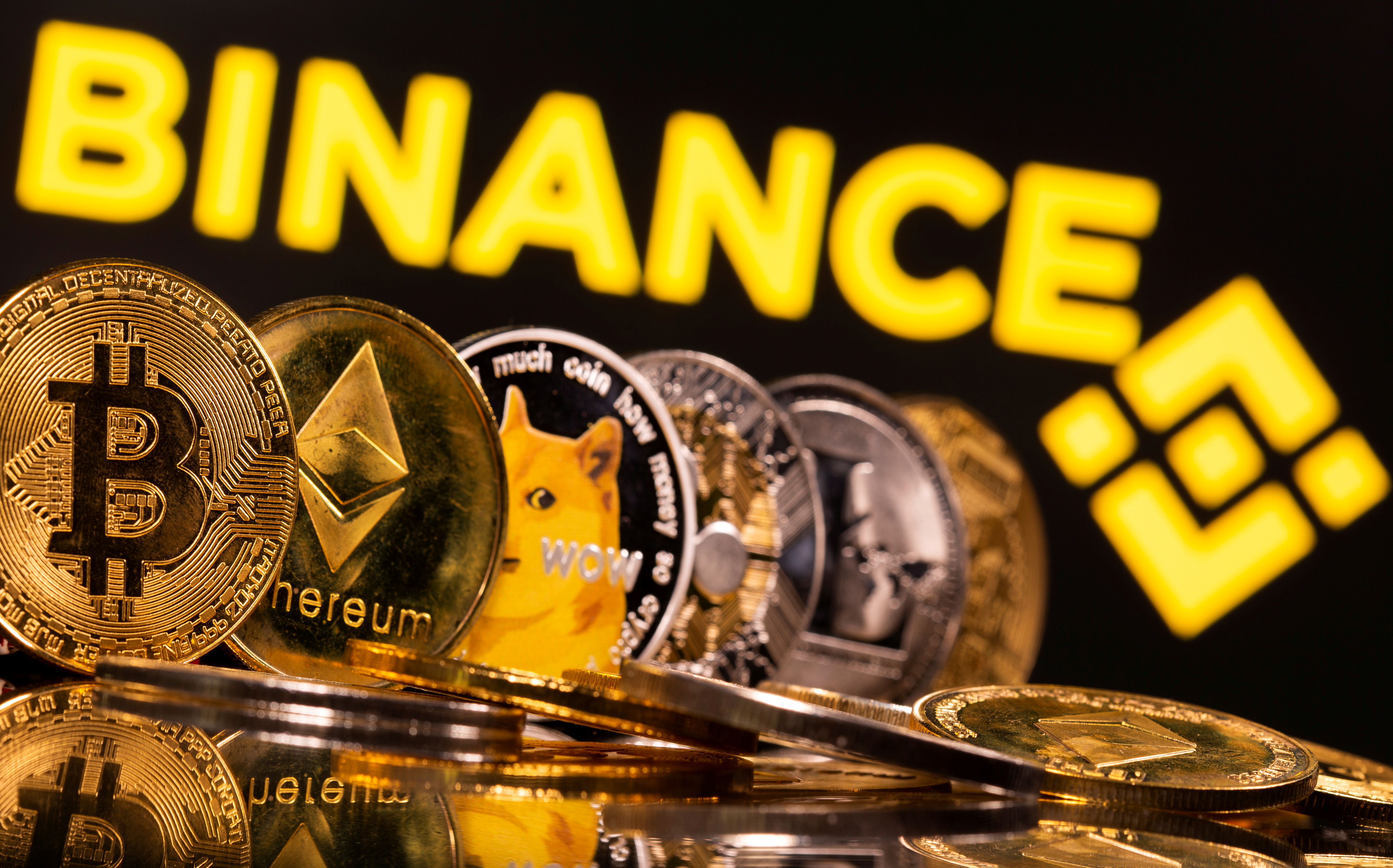
Binance, once the dominant force in cryptocurrency exchanges, has witnessed a sharp fall in its market share, marking a four-year low as of September 2024. This decline is coupled with a notable drop in trading volumes, with figures indicating a contraction of over 20% compared to the previous month. The exchange’s declining influence underscores broader market dynamics that are reshaping the competitive landscape of digital assets trading.

As of September, Binance’s market share slipped to approximately 34%, a significant decline from the 50% it commanded earlier in the year. The company’s dwindling dominance has raised questions about its long-term strategy and its ability to maintain its foothold in a market that is becoming increasingly fragmented. Several factors have contributed to Binance’s drop, including regulatory pressures, legal challenges, and the emergence of rival platforms that are capitalizing on the exchange’s setbacks.

Binance’s struggle is further exacerbated by the global regulatory environment, which has been tightening around the exchange. Multiple jurisdictions, including the U.S. and Europe, have introduced or expanded regulations aimed at increasing oversight of cryptocurrency exchanges. In particular, Binance has faced scrutiny from authorities over concerns surrounding compliance with anti-money laundering (AML) rules, as well as issues related to Know Your Customer (KYC) requirements. These challenges have resulted in some users migrating to alternative platforms that are seen as more compliant or less prone to legal uncertainties.

Despite these obstacles, Binance continues to be a major player in the crypto space. Its diverse offerings, including a wide array of digital assets and its established reputation, still attract a substantial user base. However, the exchange has been forced to adapt to changing conditions, implementing new policies aimed at addressing regulatory concerns. These measures, while necessary, have also created friction with some users who prefer the more relaxed regulatory environment that Binance originally thrived in.

Rival exchanges such as OKX and Bybit have gained ground, seizing the opportunity to attract traders dissatisfied with Binance’s regulatory troubles. OKX, in particular, has seen its market share rise, largely driven by its appeal to institutional investors and its regulatory standing in key regions. Bybit, on the other hand, has capitalized on its innovative product offerings, particularly in derivatives trading, which has drawn significant trading volume away from Binance.

Decentralized exchanges (DEXs) have surged in popularity as a viable alternative to traditional, centralized platforms like Binance. DEXs offer users the ability to trade directly from their wallets without the need for intermediaries, providing an additional layer of privacy and security that centralized exchanges sometimes struggle to offer. Uniswap and other DEXs have seen an uptick in usage, contributing to the redistribution of market share across the broader crypto ecosystem.

The overall cryptocurrency market has also been experiencing reduced trading activity, which has affected not just Binance but the industry as a whole. Lower volatility in major cryptocurrencies such as Bitcoin and Ethereum has led to a decrease in speculative trading, which typically drives much of the volume on exchanges. As a result, Binance’s reliance on high trading volumes has placed it in a vulnerable position during periods of market stagnation.

The exchange’s response to these challenges will likely determine its ability to regain market share. Binance has already made efforts to bolster its reputation and restore confidence, including expanding its regulatory compliance team and forging partnerships with regulators to create a more transparent operational environment. Nevertheless, with its trading volume plunging and competitors gaining traction, Binance’s path forward remains uncertain.

One of the more notable trends influencing Binance’s decline is the growing interest in institutional cryptocurrency trading. Institutional players have become more active in the space, seeking exchanges that can provide robust compliance frameworks, secure trading environments, and advanced features suited to their needs. Binance, despite its size and market share, has struggled to fully cater to these demands, creating an opening for more niche, institution-focused platforms to thrive.

Binance’s founder and CEO, Changpeng Zhao (CZ), has maintained a bullish stance on the future of the company, pointing to its innovation pipeline and its commitment to working with regulators. He has stressed the exchange’s focus on creating a sustainable ecosystem that will benefit both retail and institutional traders. However, the company’s future success will largely depend on how well it navigates the complex regulatory landscape and adapts to the evolving needs of its users.

You can exchange Tether ERC20 cryptocurrency for AED cash using an electronic exchanger. This service will allow you to organize a quick and profitable transaction, and it is as simple as possible. You just need to find a reliable contractor. But the solution to this problem will not be difficult. The monitoring portal BestChange will help you with this. The page bestchange.com/tether-trc20-to-dirham-in-dubai.html contains all offers to Cash out Tether […]

Abu Dhabi’s Abu Dhabi Holding Company (ADQ) has joined forces with EQTY Lab to introduce ClimateGPT, an innovative artificial intelligence tool aimed at addressing climate change challenges. The collaboration emphasizes the commitment of both organizations to leverage cutting-edge technology in the pursuit of sustainability and climate resilience. ClimateGPT is designed to provide actionable insights and recommendations to policymakers, businesses, and communities, facilitating more informed decision-making in the […]

Private jets provide passengers with a high level of luxury and convenience, but choosing the right aircraft can be extremely overwhelming, especially with the range of options available. From nimble light jets to well-stocked long-range models, each category serves unique travel needs and customer preferences. This guide navigates the world of private aviation, breaking down popular jets by size and capability. We’ll explore their features, costs, and […]

Masdar, the renewable energy subsidiary of Abu Dhabi’s Mubadala Investment Company, is experiencing accelerated growth in the United States, reflecting the country’s increasing commitment to clean energy. The company’s expansion strategy in the US has been underscored by its recent projects, significant investments, and partnerships aimed at enhancing its renewable energy capacity, particularly in solar and wind energy sectors. This momentum coincides with the US government’s focus […]

By Nitya Chakraborty Bangladesh has just completed two months after the ouster of Sheikh Hasina Wazed from power on August 5 following the mass upsurge led by the students of Anti-Discrimination Front, popularly known as anti Quota movement. The interim Government led by the Nobel Laureate Dr. Muhammad Yunus took oath on August 8 with […]

KUALA LUMPUR, MALAYSIA – Media OutReach Newswire – 4 October 2024 – Trading in the financial markets offers a valuable opportunity for supplementary income. Still, there is a caveat: the learning curve can be steep for new traders, which, combined with high ambitions, can result in a frustrating experience. Octa, a global broker with more than 13 years in the markets, offers some time-proven tips for traders […]

VISHNU RAJA
RYO YAMADA
HITORI GOTOH
IKUYO KITA