

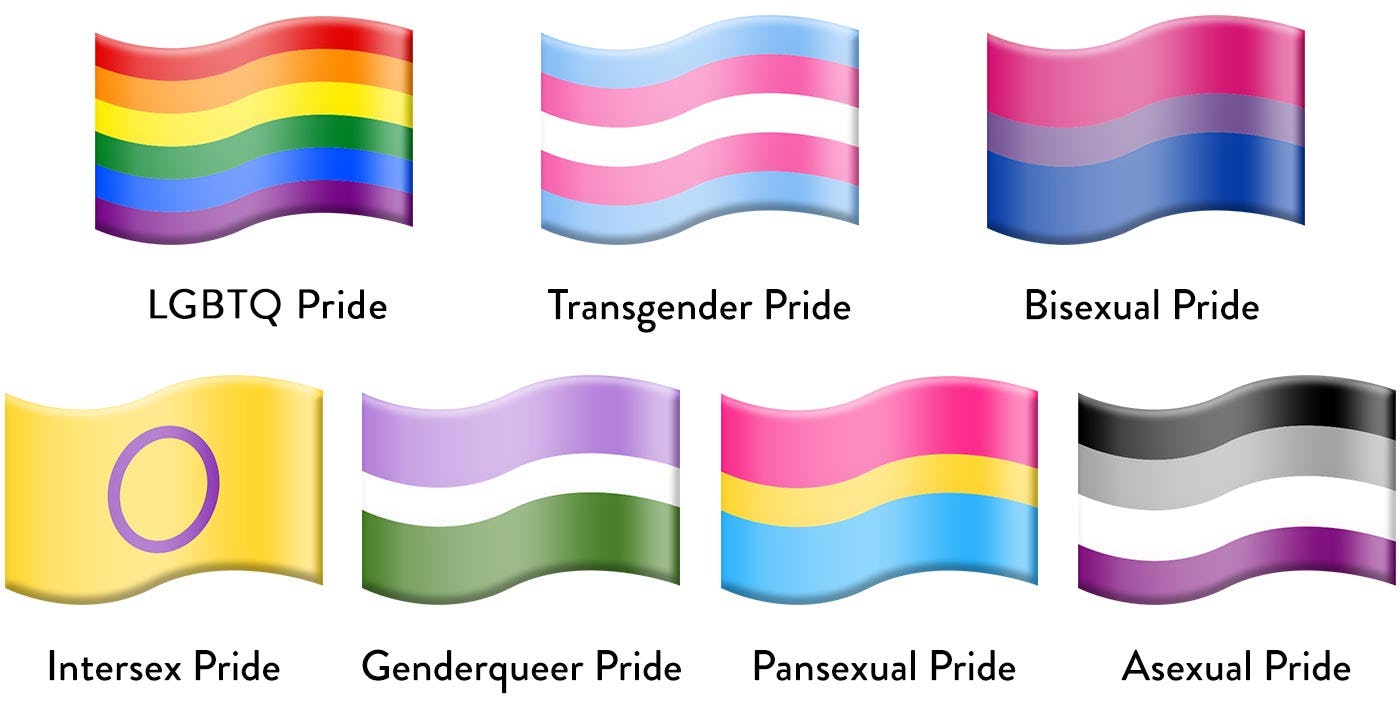
Platform operator Valve has come under sharp criticism for pulling the indie card game Flick Solitaire from its Steam storefront in Russia after authorities flagged the game’s queer-themed art decks as violating local laws. The game’s developer says the takedown was executed swiftly after multiple requests from Russia’s media regulator, shaping debate on platform responsibility and artistic expression.
Flick Solitaire, developed by UK-based Flick Games, entered Steam’s Early Access on 1 October 2025. The Russian censoring body, Roskomnadzor, issued a formal demand later that month to Valve, Apple and Google to remove the title on grounds that its LGBTQ+ content contravened the country’s 2006 law against “promotion of non-traditional sexualities.” Valve complied only for the Russian version of Steam, removing the game entirely from that regional storefront. Apple and Google reportedly ignored the demand, leaving the game accessible via their mobile stores.
The developer’s founder protested that the game has been available for years in more than 40 countries that criminalise queer identities — without pulling back on representation. He argued that the Pride-themed card decks are meaningful for visibility, saying that “LGBTQ+ people in these countries can see that other LGBTQ+ people exist… and that it should even be celebrated.” The removal, he said, amounts to a concession to authoritarian demands rather than a stand for creative freedom.
Analysts note this is likely not an isolated occurrence. Documents from industry observers suggest Valve has removed over 260 titles from its Russian platform at the behest of Roskomnadzor over the last few years. Critics warn that the company’s compliance creates a pattern of enforced erasure, positioning Steam as an enforcer of restrictive national censorship rather than a neutral distributor.
The move has sparked concern across the international games community. Developers warn that platforms — especially those operating globally — are increasingly forced to choose between market access and safeguarding creative expression. Some contend that compliance with restrictive regional laws risks normalising discriminatory content suppression and undermines the role of digital platforms as neutral distribution channels.
Advocacy groups argue the broader context of entertainment platform moderation must be considered. In 2025, payment processors pressured major storefronts to block NSFW and adult-themed content, prompting mass removals of games featuring mature or controversial themes. While those removals targeted explicit sexual violence and abuse, observers fear that the same enforcement mechanisms may be applied against queer content — regardless of its severity or context.
Follow Arabian Post
Select Arabian Post as your preferred source on Google and MSN News for trusted business news and Arab politics and updates.




