

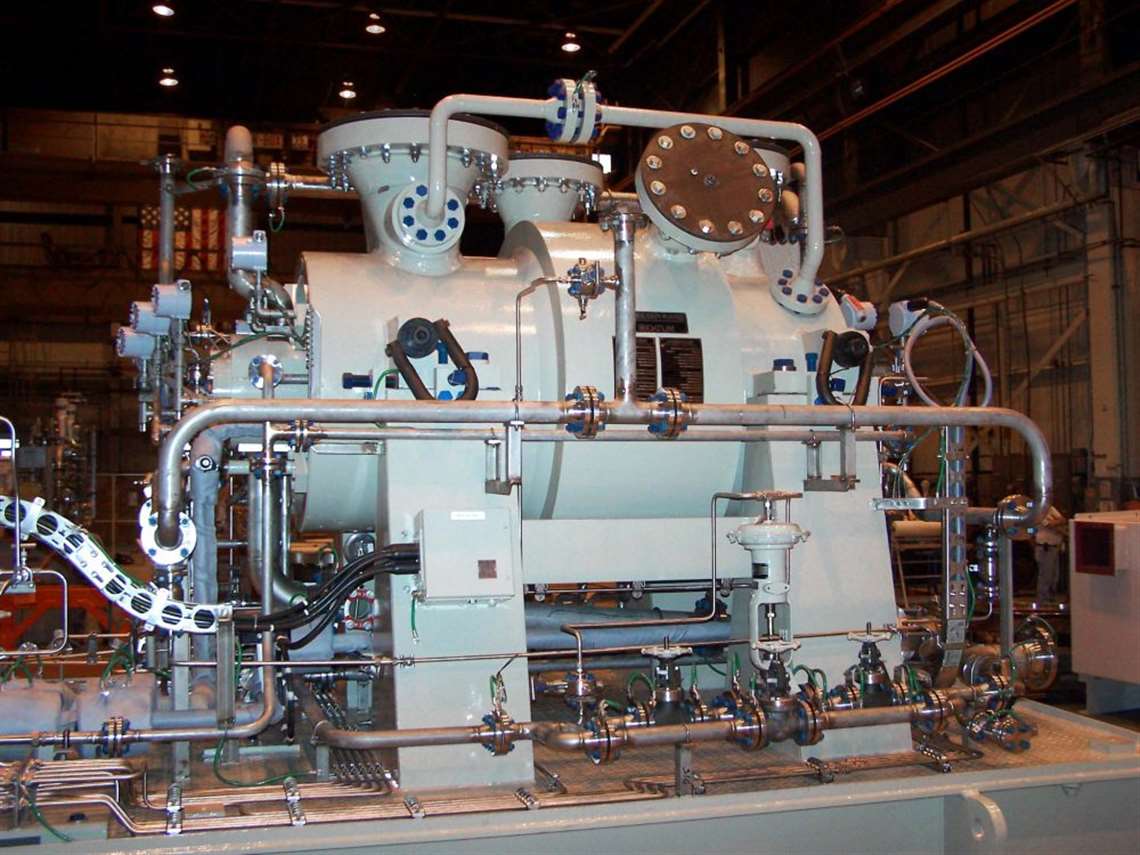
Saudi Aramco, in collaboration with Siemens Energy, has inaugurated the kingdom’s inaugural direct air capture unit, a pilot facility designed to extract 12 tonnes of carbon dioxide annually from the atmosphere. This initiative represents a significant advancement in Saudi Arabia’s commitment to reducing greenhouse gas emissions and exploring sustainable technologies.
The DAC unit, situated in Dhahran, serves as a testing platform for next-generation CO₂ capture materials tailored to Saudi Arabia’s unique climatic conditions. Aramco aims to utilize this facility to drive cost reductions and accelerate the deployment of DAC technologies across the region. The collaboration with Siemens Energy underscores a shared vision to scale up this technology, potentially leading to the development of large-scale DAC facilities in the future.
Ali A. Al-Meshari, Aramco’s Senior Vice President of Technology Oversight and Coordination, emphasized the pivotal role of DAC technologies in mitigating greenhouse gas emissions, particularly in sectors that are challenging to decarbonize. He stated, “Technologies that directly capture carbon dioxide from the air will likely play an important role in reducing greenhouse gas emissions moving forward, particularly in hard-to-abate sectors.” Al-Meshari further highlighted that the CO₂ extracted through this process could be utilized to produce more sustainable chemicals and fuels.
This development aligns with Aramco’s broader sustainability goals, including achieving net-zero Scope 1 and Scope 2 greenhouse gas emissions across its wholly-owned operated assets by 2050. The company is actively exploring various carbon management strategies, encompassing both point-source carbon capture and direct air capture technologies, as part of its circular carbon economy approach.
The launch of the DAC test unit follows a series of strategic initiatives by Aramco to bolster its carbon capture and storage capabilities. In December 2024, Aramco, in partnership with Linde and SLB, signed a shareholders’ agreement to develop a CCS hub in Jubail, Saudi Arabia. The first phase of this project is expected to be completed by the end of 2027, with a capacity to capture up to nine million tonnes of CO₂ annually from various industrial sources.
Aramco has been proactive in forging collaborations to advance emissions reduction solutions. In October 2023, the company announced its partnership with Siemens Energy to develop the DAC test unit, with the objective of paving the way for a larger pilot plant capable of capturing 1,250 tonnes of CO₂ per year. Aramco has also engaged in funding initiatives, including participating in an $80 million investment round for Los Angeles-based CarbonCapture, reflecting its commitment to supporting innovative carbon capture technologies.
The implementation of DAC technology, while promising, has faced criticism regarding its high costs and unproven scalability. However, Aramco’s strategic investments and pilot projects aim to address these challenges by testing the viability and efficiency of DAC systems in real-world conditions. The insights gained from these initiatives are expected to contribute to the broader deployment of DAC technologies, both within Saudi Arabia and globally.
Saudi Arabia’s dedication to environmental sustainability is further exemplified by its commitment to the Saudi Green Initiative, which aims to reduce carbon emissions by 278 million tonnes annually by 2030 and transition 50% of the country’s energy sources to renewables. The launch of the DAC test unit represents a tangible step towards achieving these ambitious targets and underscores the kingdom’s role in addressing global climate challenges.
Aramco’s exploration of novel CO₂ sequestration methods extends beyond DAC technology. The company has successfully piloted a CO₂ sequestration solution using in situ mineralization, which involves dissolving CO₂ in water and injecting it into volcanic rocks in Jazan, Saudi Arabia. This process permanently converts CO₂ into carbonate rocks, offering a potential pathway for long-term carbon storage.
Aramco is assessing the potential of geothermal energy as part of its renewable energy portfolio. By converting steam from naturally heated underground aquifers into electricity, the company aims to diversify its energy sources. Three potential areas on Saudi Arabia’s west coast have been identified for geothermal resource assessment, reflecting Aramco’s commitment to exploring diverse avenues for sustainable energy production.
The collaborative efforts between Aramco and Siemens Energy in developing the DAC test unit highlight the importance of partnerships in advancing environmental technologies. By leveraging combined expertise and resources, both companies aim to overcome existing challenges associated with DAC technology, such as high operational costs and scalability issues. The success of this pilot project could set a precedent for similar initiatives worldwide, contributing to global efforts in combating climate change.
____________________________________
This article first appeared on Greenlogue and is brought to you by Hyphen Digital Network
Follow Arabian Post
Select Arabian Post as your preferred source on Google and MSN News for trusted business news and Arab politics and updates.



