


Dubai’s Heatwave Highlights Future Climate Risks
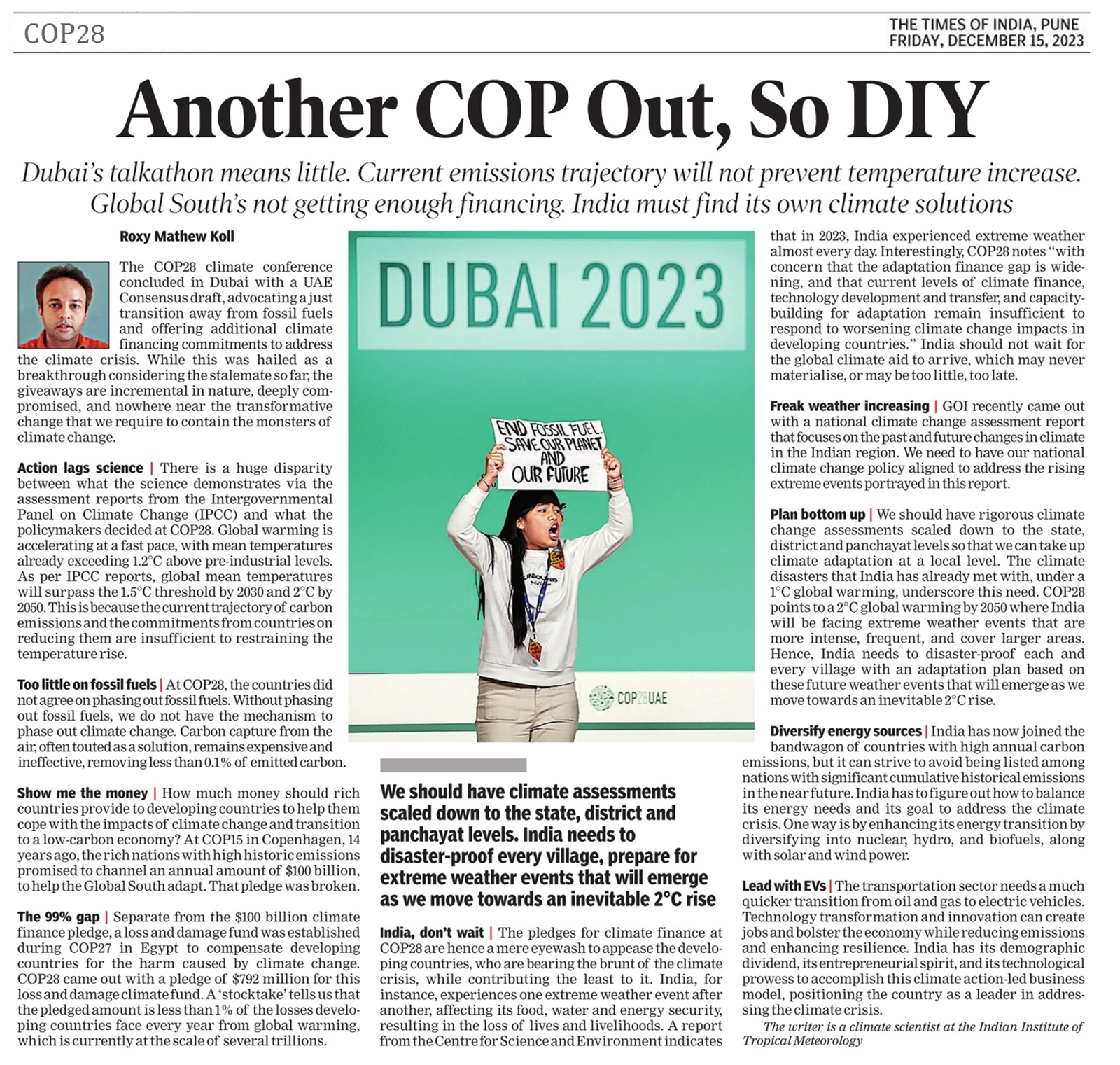
Dubai is currently experiencing extreme heat conditions, with temperatures feeling as high as 60°C (140°F) due to the combined effects of high air temperatures and humidity. This extreme weather is putting the city under significant stress and raising concerns about the future impacts of climate change.
The official temperature in Dubai during July averages around 39.4°C (102.9°F), with nighttime lows of about 32.3°C (90.1°F). However, the heat index, which factors in humidity, can make it feel significantly hotter, reaching dangerous levels of 54°C (129.2°F) and beyond. These extreme conditions are not only uncomfortable but also pose serious health risks, especially to those who must work or spend extended periods outdoors.
One of the key factors exacerbating the heat in Dubai is its high humidity levels, which hover around 51% in July. This combination of heat and humidity creates a stifling environment that can lead to heat exhaustion or heat stroke if proper precautions are not taken. The local authorities have issued advisories urging residents and visitors to stay hydrated, avoid strenuous activities during peak hours, and seek shelter in air-conditioned environments whenever possible.
The extreme heat has also highlighted the broader implications of climate change for the region. Dubai, like many parts of the Middle East, is expected to see even more extreme temperatures in the coming decades. Studies predict that heatwaves will become more frequent and intense, making large parts of the region uninhabitable without significant adaptations in infrastructure and lifestyle.
Dubai has already been taking steps to mitigate the effects of its harsh climate. The city has invested heavily in green building technologies, which include better insulation and energy-efficient cooling systems to reduce the reliance on air conditioning. Additionally, there are ongoing efforts to increase the amount of green space within the city to help lower temperatures through natural cooling.
Urban planners in Dubai are also looking into innovative solutions such as reflective building materials that can help reduce the urban heat island effect. This phenomenon, where cities become significantly warmer than their rural surroundings due to human activities, exacerbates the already extreme summer temperatures.
The health risks associated with such extreme weather are not limited to heat-related illnesses. High temperatures can also exacerbate existing health conditions such as cardiovascular and respiratory diseases. The healthcare system in Dubai is bracing for an increase in cases related to heat stress, and there are ongoing public health campaigns to educate people about the dangers of prolonged exposure to extreme heat.
Moreover, the economic impact of extreme heat is significant. High temperatures can reduce productivity, especially in sectors such as construction and outdoor services. The energy demand for cooling also spikes during heatwaves, putting additional strain on the power grid and leading to higher utility costs for both residents and businesses.
The current heatwave in Dubai serves as a stark reminder of the challenges that lie ahead as global temperatures continue to rise. It underscores the urgent need for both mitigation and adaptation strategies to address the risks posed by climate change. As Dubai continues to grow and develop, it will need to balance economic growth with sustainable practices that can help protect its residents and infrastructure from the escalating impacts of extreme weather.
Sources:
– Visit Dubai
– Weather Atlas
– Reuters
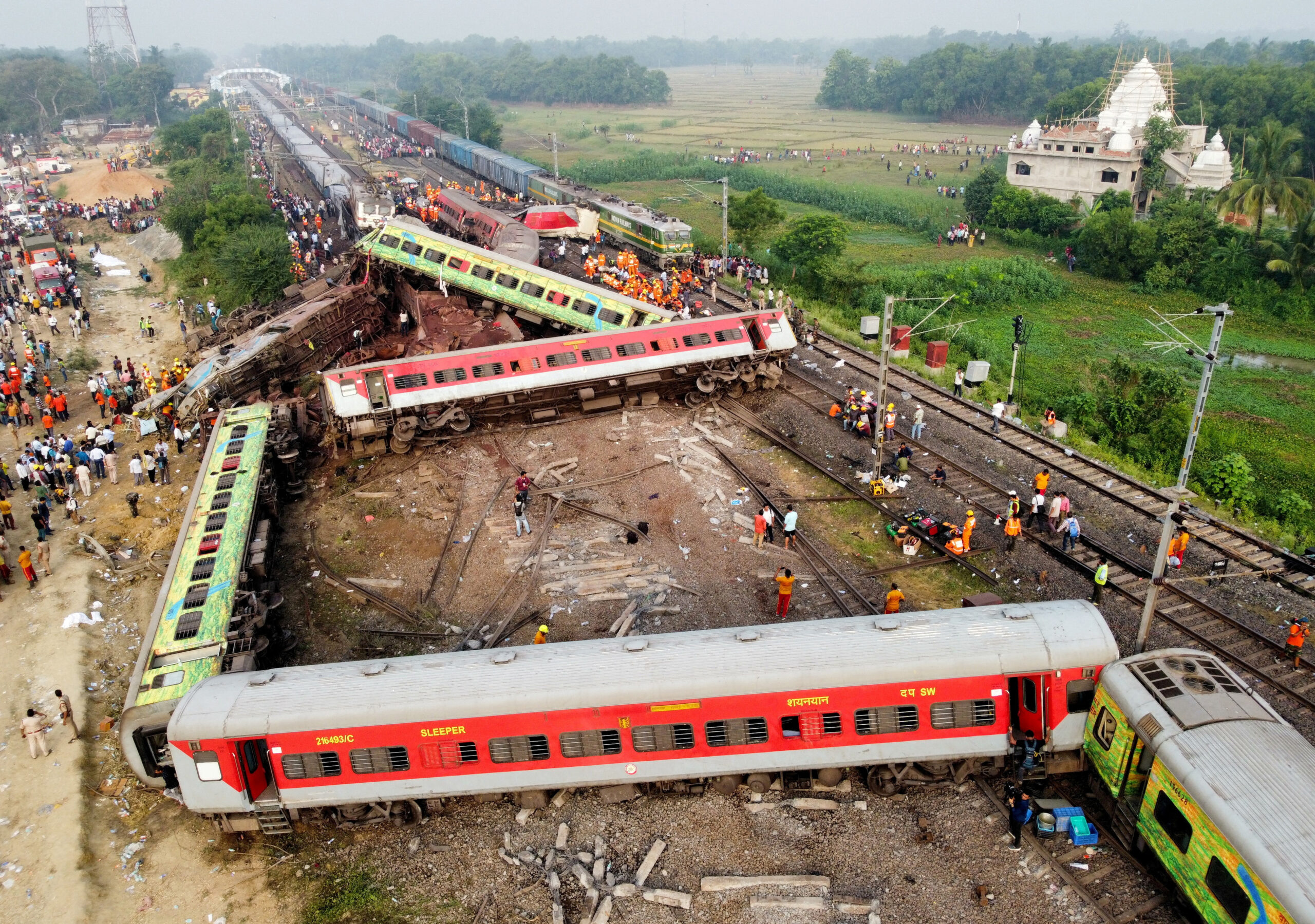
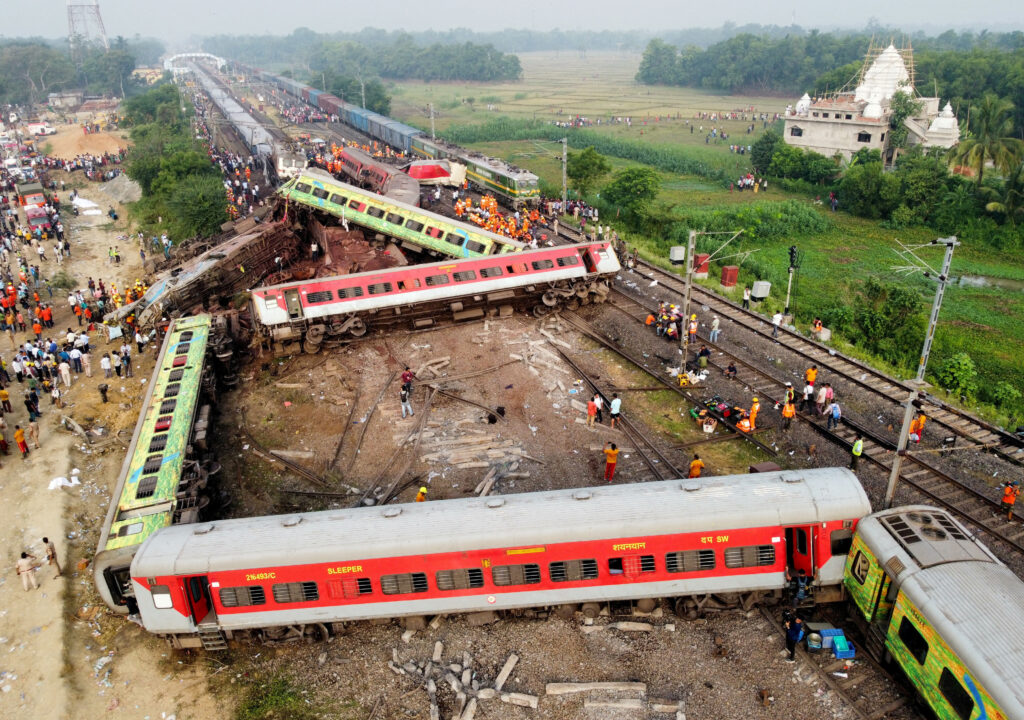 By Arun Srivastava Give a bad name to the dog and kill it. This is actually happening with the railways. Recurring train accidents are the best motives for marketing the train services to private sector. Selling a profit making organisation would invite severe public outcry and criticism. It would give a bad name to the […]


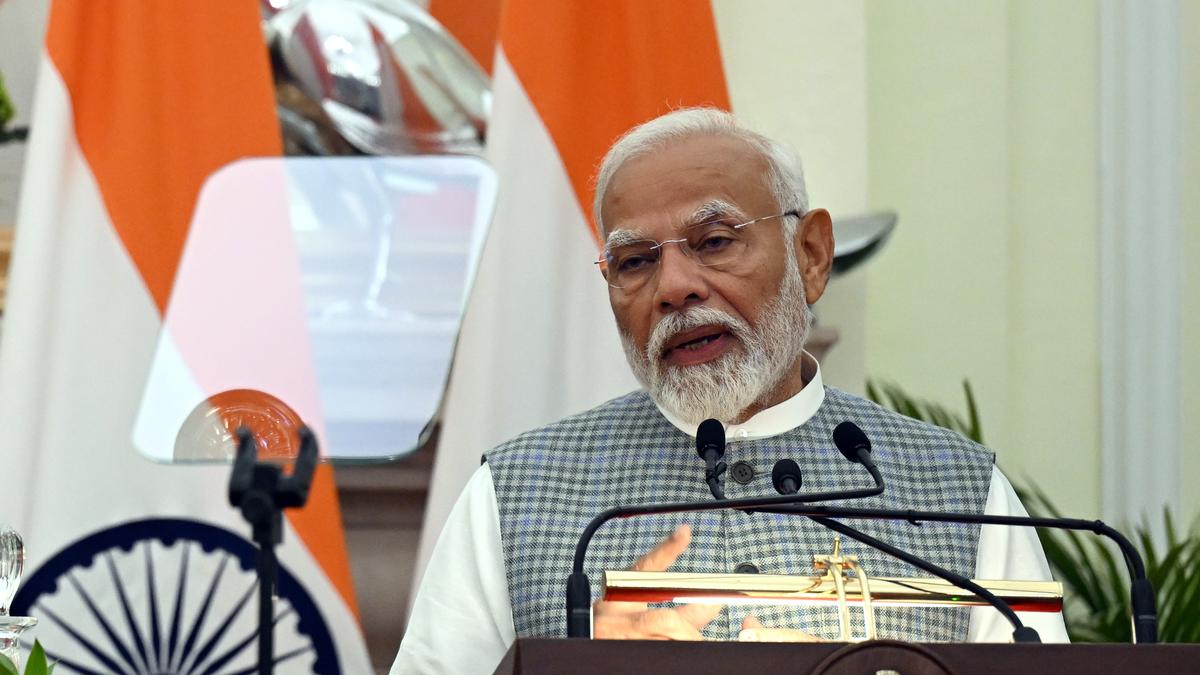
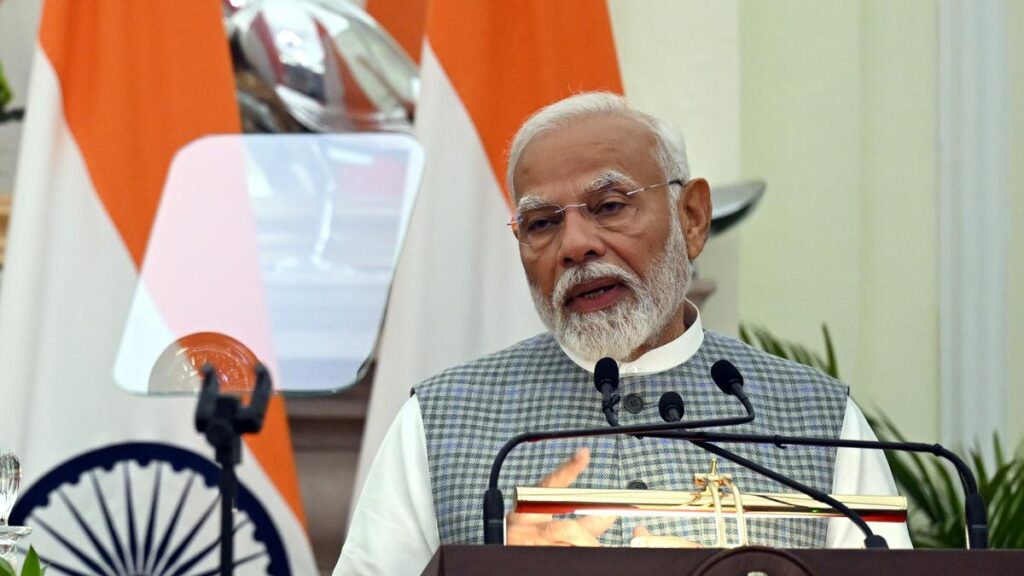 By Sushil Kutty Prominent voices in Pakistan have realized that diplomatic engagement between India and Pakistan is a Pakistani pipedream. The multilateral Shanghai Cooperation Organisation summit to be held in Islamabad in October holds promise but Pakistanis know Prime Minister Narendra Modi is unbending. The setback to Modi in Lok Sabha elections 2024 hasn’t helped. […]

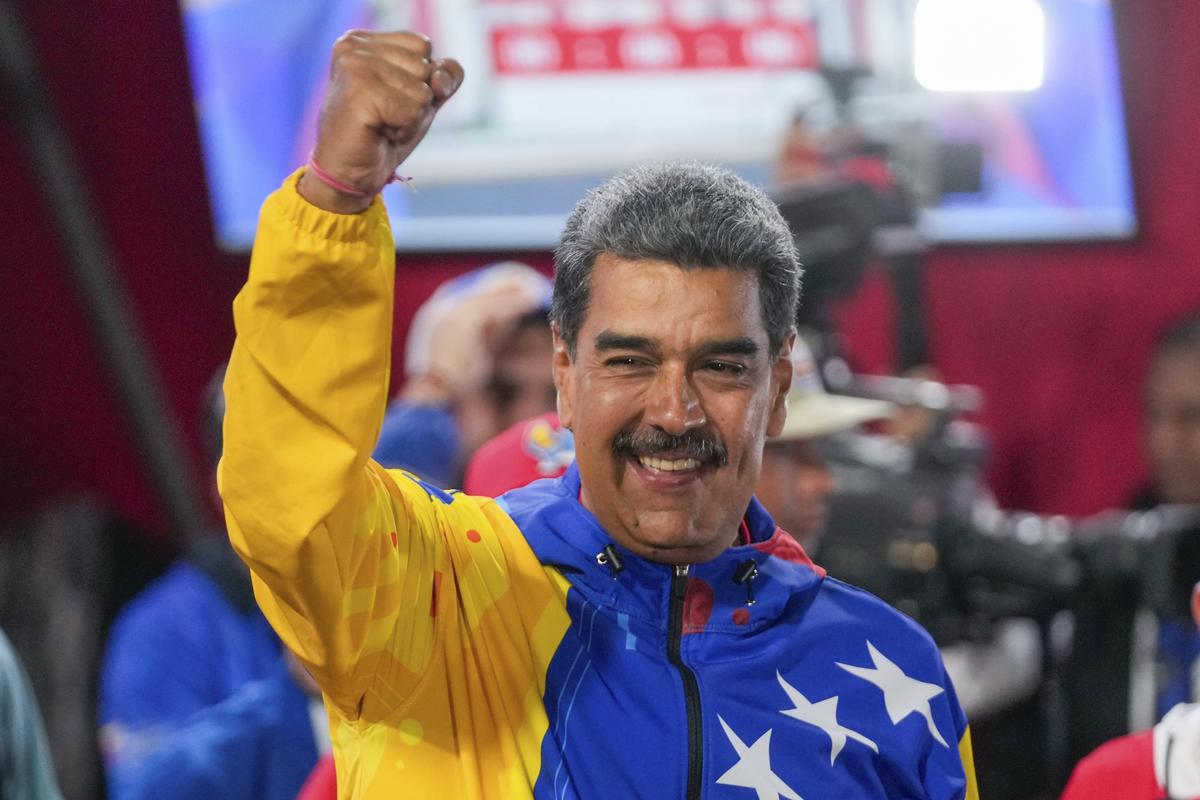
 By Satyaki Chakraborty President of Venezuela Nicholas Maduro won the Presidential elections held on July 28 by defeating the national opposition candidate Edmundo Gonzalez. As per the election council announcement, Maduro got 51.2 per cent of the votes polled as against 44.2 per cent received by Gonzalez. The council said that with about 80 per […]

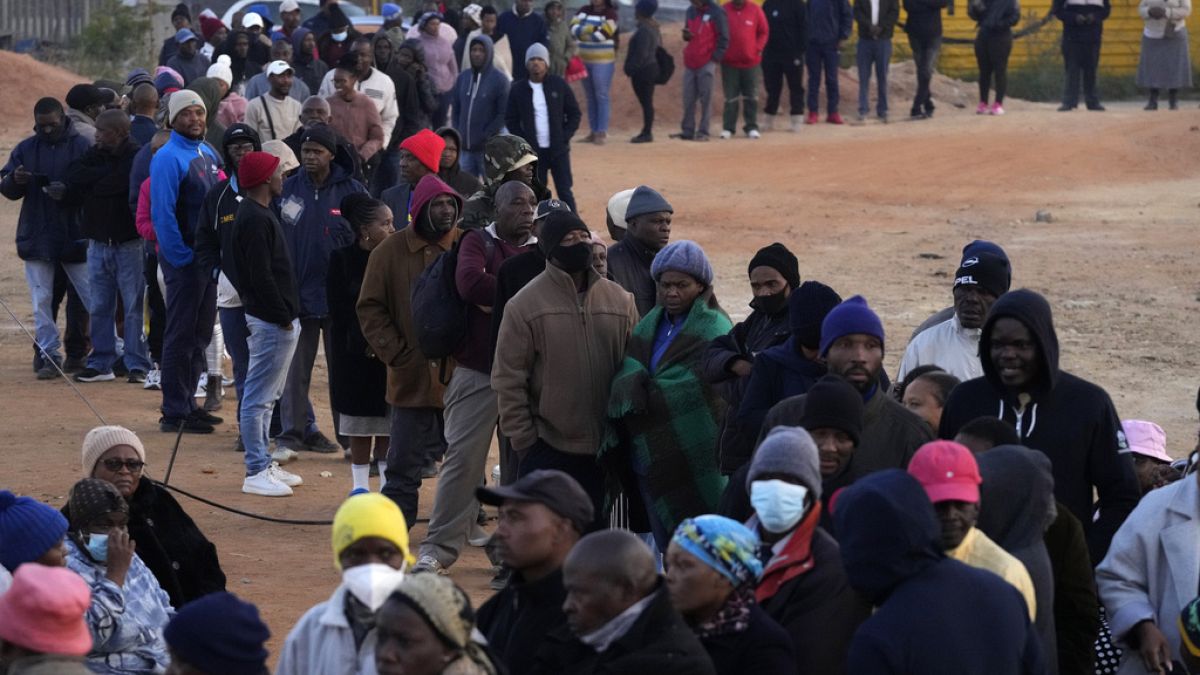
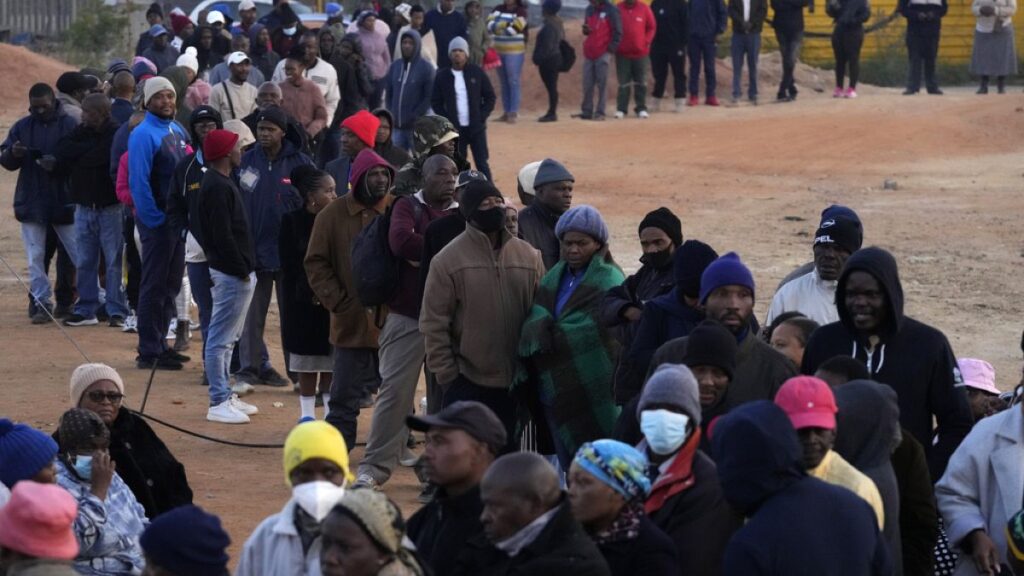 By Satyaki Chakraborty The new coalition government of South Africa formed last month after the national elections on May 29 is facing a major crisis as the leading party African National Congress (ANC) has been taken to court by its partner Democratic Alliance (DA) on the issue of a speech delivered by the President Cyril […]

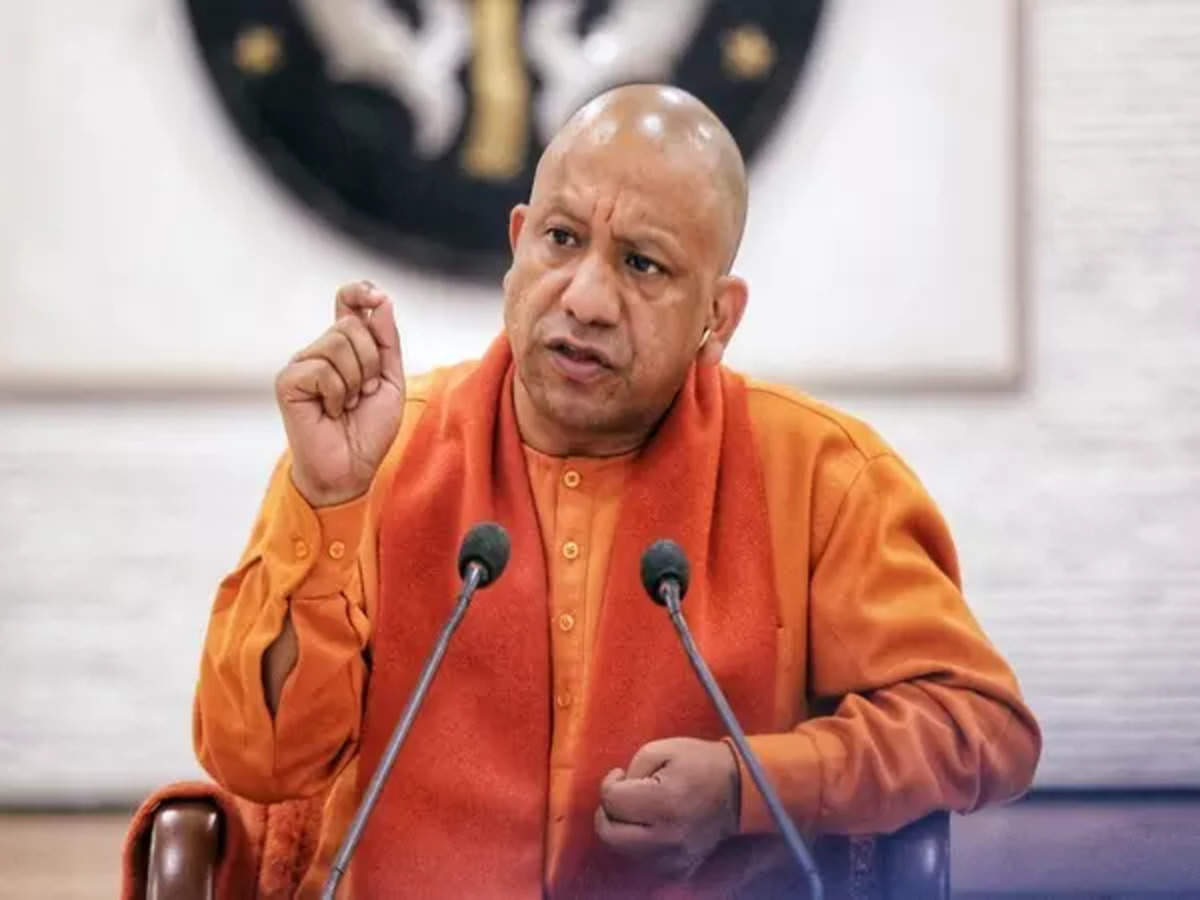
 By Sushil Kutty Who benefits from blaming Chief Minister Yogi Adityanath for the BJP’s poor Lok Sabha polls performance in Uttar Pradesh? As things have moved, Deputy Chief Minister Keshav Prasad Maurya is the dark horse though Union Home Minister Amit Shah is also talked about as somebody who gains from a downgraded Yogi. OBC […]
 By K Raveendran Rahul Gandhi and a host of Congress leaders have criticised Nirmala Sitharaman and the Modi government for copy-pasting from the Congress manifesto while formulating the new budget. Looking at the issue from another perspective, they must be happy that the finance minister has given Congress their best campaign point for the coming […]

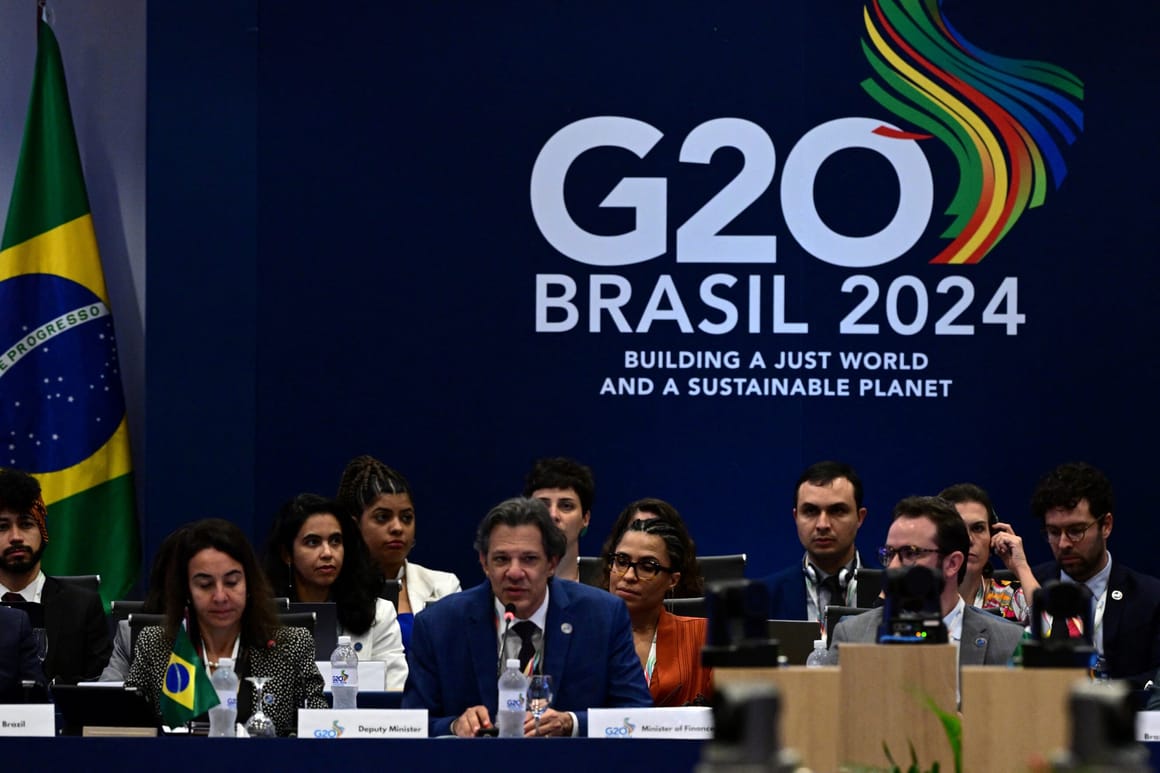
 By Dr. Gyan Pathak G20 has made a history to agree on working together to ensure ultra-rich are taxed effectively, even after the United States dismissed the need for an international accord on the matter for now. The agreement was reached on July 25 at a meeting of G20 finance ministers in Rio de Janeiro. […]
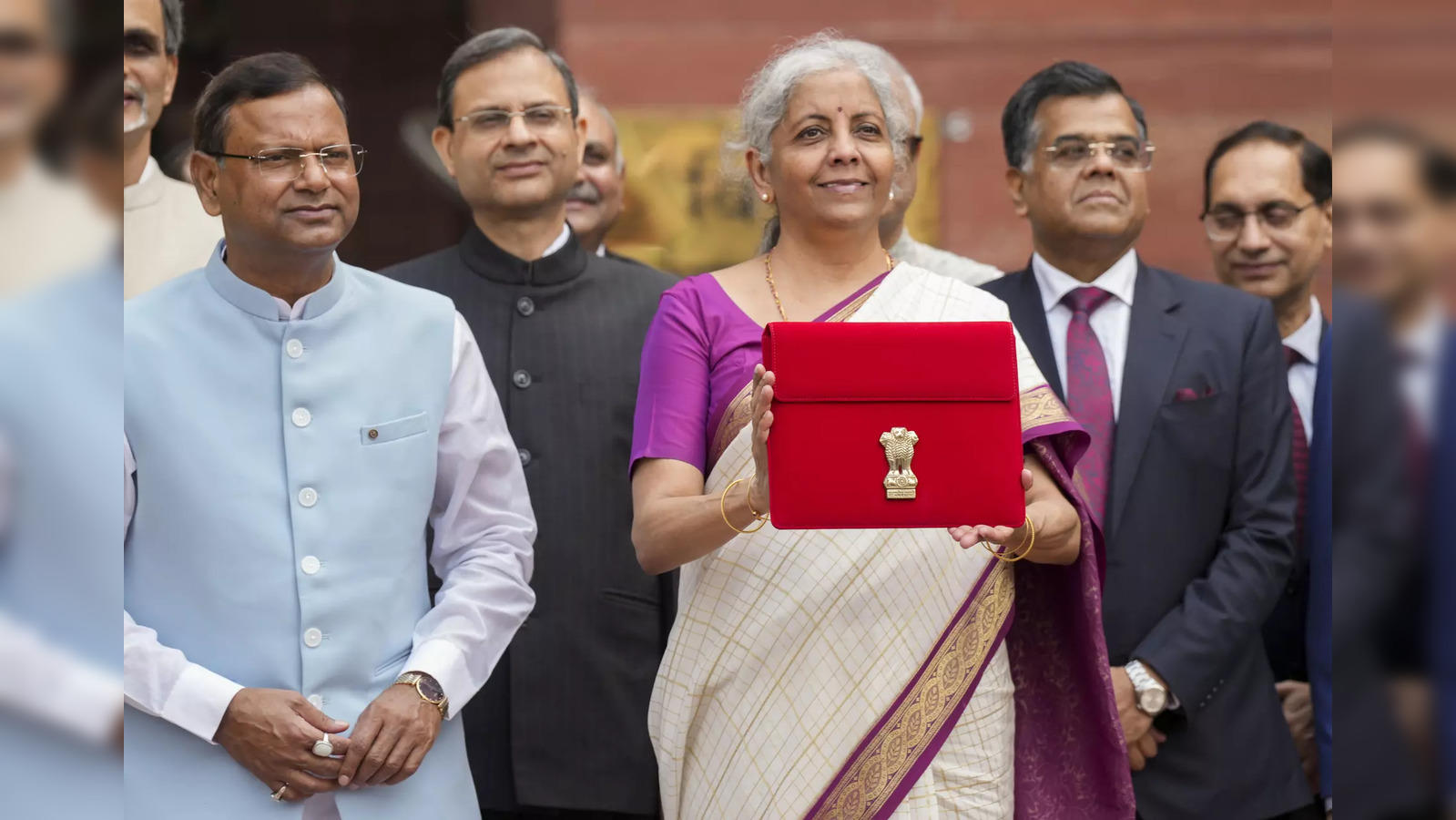
 By P. Sudhir The Indian economy is at a critical cross-road, where the GDP growth is in no way boosting the employment generation capacity. Even within the jobs created, 57.3 per cent are self-employed, 18.3 per cent are unpaid household workers and more than 45 per cent are employed in agriculture. The Production Linked Incentive […]
 By K Raveendran Finance minister Nirmala Sitharaman has provided a theoretical framework, explained in the acronym EMPLOYMENT, for her budget formulation: E for Employment and Education, M for MSMEs, P for Productivity, L for Land, O for Opportunity, Y for Youth, M for Middle Class, E for Energy Security, N for New Generation Reforms, and […]



