IMF Integrates Bitcoin into Global Economic Framework
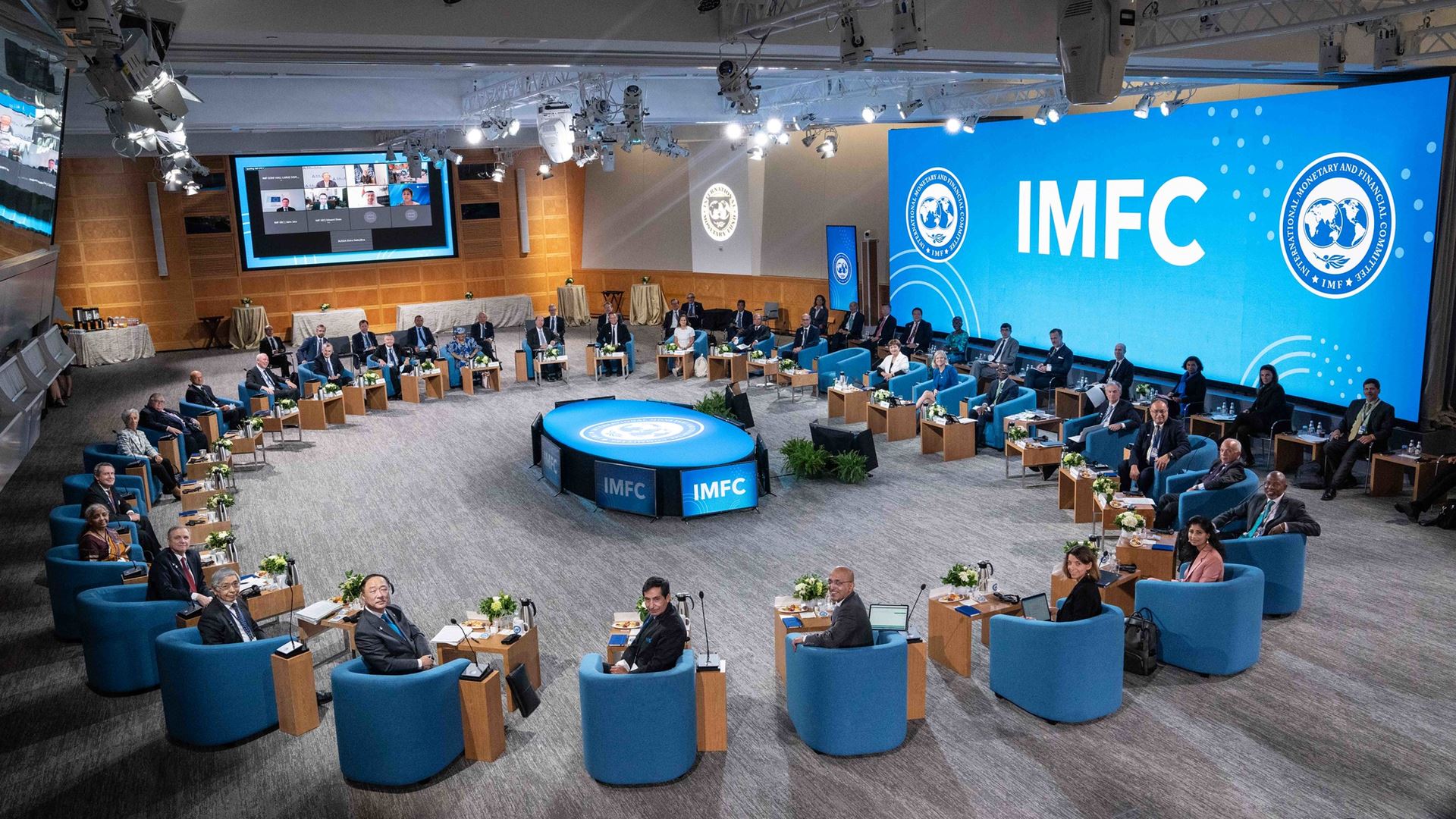
The International Monetary Fund has officially incorporated Bitcoin and other cryptocurrencies into its global economic statistics, reflecting their growing significance in the financial landscape. The IMF’s Balance of Payments Manual, Seventh Edition , released on March 20, 2025, provides detailed guidance on the classification and treatment of digital assets, marking a pivotal shift in international financial reporting standards.
In this updated manual, the IMF categorizes digital assets into two primary types: fungible and non-fungible tokens. Fungible tokens, such as Bitcoin, are further divided based on the presence or absence of corresponding liabilities. Cryptocurrencies like Bitcoin, which do not have associated liabilities and function as mediums of exchange, are classified as non-produced nonfinancial assets. These assets are recorded separately in the capital account, acknowledging their unique nature and economic role.
Conversely, digital assets with corresponding liabilities, such as certain stablecoins, are treated as financial instruments. This distinction underscores the IMF’s effort to accurately reflect the economic realities of various digital assets within the global financial system.
The BPM7 also addresses the classification of tokens tied to specific platforms. For instance, cryptocurrencies like Ethereum and Solana, which are integral to their respective platforms, may be treated akin to equity holdings in the financial account. This approach aligns with traditional financial principles, where ownership of platform-specific tokens is comparable to holding equity in a company.
The IMF recognizes activities such as staking and mining, which are essential for validating cryptocurrency transactions, as income-generating services. Rewards from these activities are treated similarly to dividends and are recorded as income, depending on the size and purpose of the holdings. This recognition reflects the growing economic impact of digital assets and adds visibility to related services in macroeconomic statistics.
The inclusion of cryptocurrencies in the IMF’s standards signifies a broader trend of acknowledging the role of decentralized digital currencies in the financial system. By treating cryptocurrencies as non-produced assets, the IMF acknowledges their unique characteristics and the need for specialized economic analysis.
This development is expected to enhance transparency and provide a more comprehensive view of global economic activities. It also highlights the IMF’s commitment to staying abreast of technological advancements and their impact on the global economy. As cryptocurrencies continue to evolve, this recognition by the IMF sets a precedent for other international organizations and governments to follow suit, potentially leading to more standardized and regulated approaches to digital currencies.
The IMF’s updated framework also addresses the complexity of staking and crypto yields, noting that rewards from holding tokens could be treated like equity dividends and recorded as income, based on the size and purpose of the holdings. Notably, this update helps countries better track the economic impact of digital assets. The IMF now treats activities like mining or staking, which help validate crypto transactions, as services. These will be included in computer services exports and imports.
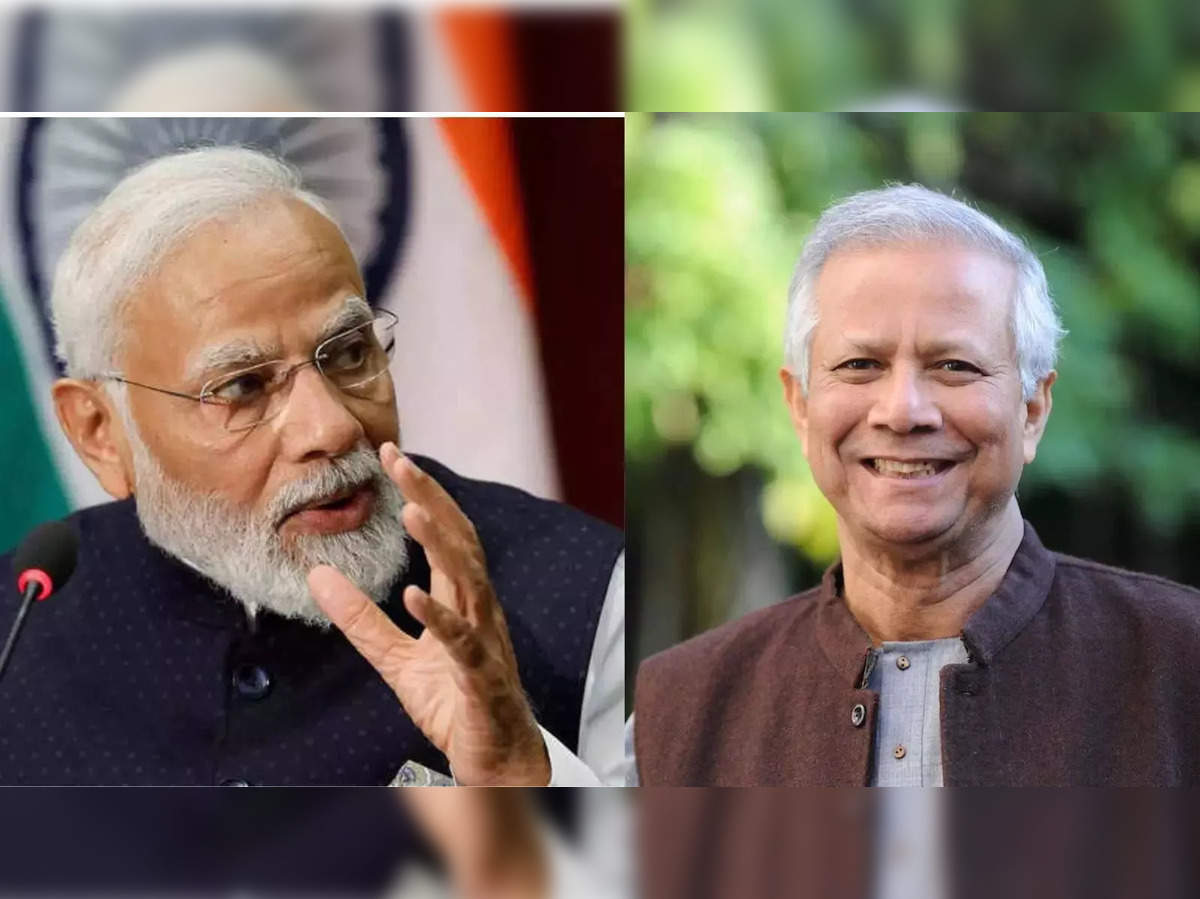
 By Nitya Chakraborty Bangladesh has officially sought a meeting between their head of interim government Dr. Mohammad Yunus and the Indian Prime Minister Narendra Modi on the sidelines of the coming BIMSTEC meeting at Bangkok on April 2-4 next. Both countries are members of BIMSTEC. As per present schedule, both have confirmed their presence at […]



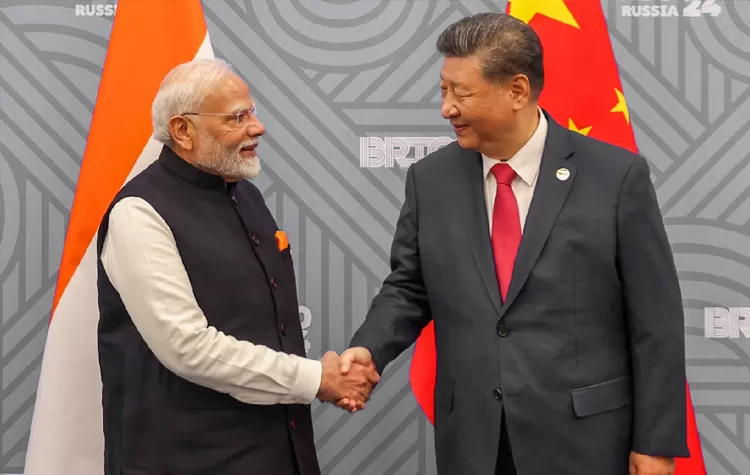



 By Deeksha Dwivedi The recent arrest of Mahmoud Khalil in the United States, an active member of Columbia University’s protests against the ongoing genocide in Gaza, takes me back to 2016 when student political leaders Umar Khalid, Kanhaiya Kumar and Anirban Bhattacharya were arrested by the Delhi Police on charges of sedition. A controversy had […]


 By K Raveendran Prime Minister Narendra Modi’s proclivity for favouring friends has become an enduring characteristic of his leadership, a trait that has shaped both his domestic and international strategies. His approach to governance, often criticised for prioritizing personal and political loyalties over broader national interest, is once again evident in the unfolding saga of […]