

![4rp0796r1k81e2kpn jpg[1]](https://thearabianpost.com/wp-content/uploads/2024/09/4rp0796r1k81e2kpn-jpg1-151x118.webp)
Dubai to Lead Urban Air Mobility with Electric Flying Taxis by 2026
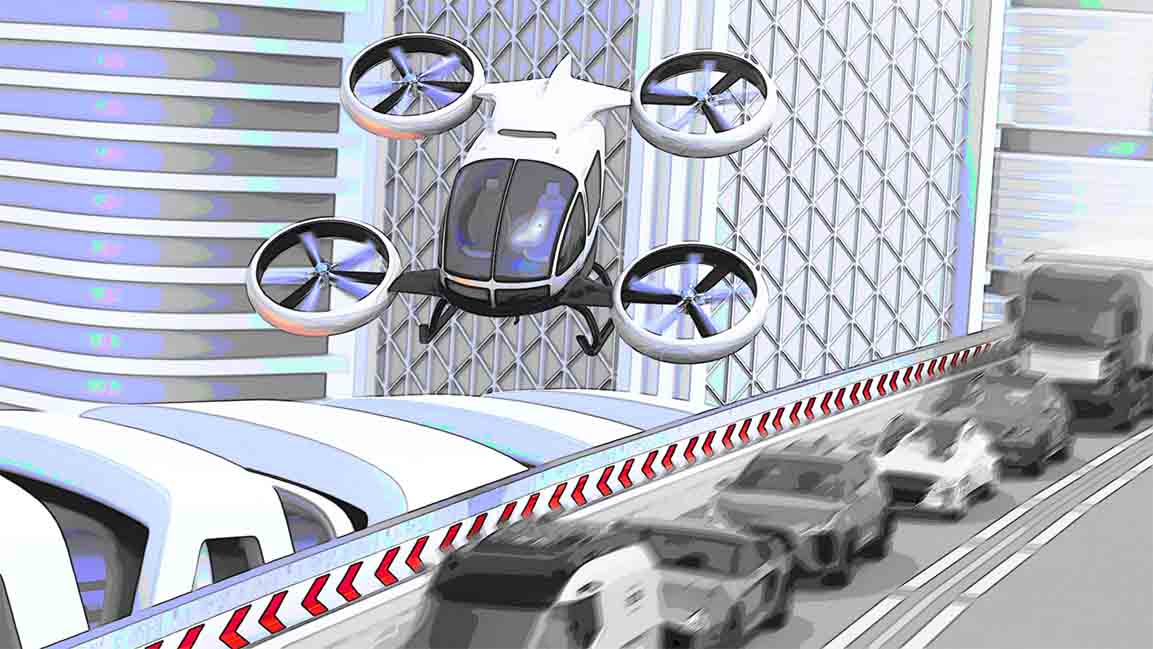
Dubai is gearing up to transform urban transportation with the introduction of fully electric flying taxis, expected to be operational by the first quarter of 2026. Khaled Al Awadhi, Director of the Transportation Systems Department at Dubai’s Roads and Transport Authority (RTA), announced the ambitious plan during the World Congress and Exhibition on Intelligent Transport Systems (ITS World Congress), which is currently being hosted at the Dubai World Trade Centre.
The flying taxi initiative is part of Dubai’s broader Advanced Air Mobility (AAM) strategy. Al Awadhi emphasized that Joby Aviation, a California-based aerospace company, will be supplying the electric air taxis. The first operational vertiport is projected to be in service by early 2026, positioning Dubai as a global leader in next-generation transport solutions.
The AAM project aims to address the challenges of urban congestion by offering a sustainable, fast, and technologically advanced mode of transportation. The development of vertiports—specially designed airports for vertical take-off and landing (VTOL) aircraft—is a key component of this initiative. Four vertiports are currently planned across Dubai, strategically located to integrate seamlessly with existing public transport networks. Al Awadhi stated that the inaugural vertiport will be situated near Dubai International Airport, ensuring connectivity between the air taxi system and traditional aviation services.
The announcement was made on the sidelines of the ITS World Congress, a prestigious event bringing together global thought leaders in mobility innovation. The congress, running from September 16th to 20th, has provided a platform for Dubai to showcase its cutting-edge advancements in transport technology and its commitment to sustainability. The flying taxi service will be a cornerstone of this vision, contributing significantly to reducing carbon emissions and improving traffic flow in the city.
Joby Aviation has been at the forefront of electric VTOL technology, and its selection as Dubai’s partner for the air taxi project underscores the city’s focus on leveraging innovative and environmentally friendly technologies. Joby’s aircraft, known for their quiet operation, have the capability to carry passengers over urban areas at speeds exceeding 200 kilometers per hour. This makes them an ideal solution for reducing travel time between key locations across the city.
The flying taxi system is expected to offer a premium transport experience, initially targeting business travelers and high-income individuals seeking faster commutes across Dubai’s busiest areas. Over time, as the technology matures and production scales up, the service could become accessible to a broader segment of the population, contributing to the city’s vision of becoming a global smart mobility hub.
The launch of electric air taxis in Dubai aligns with the emirate’s long-standing reputation as a pioneer in futuristic transport solutions. Dubai has consistently been at the forefront of introducing advanced mobility technologies, such as autonomous vehicles and hyperloop systems, with the flying taxis marking another major milestone. The city’s authorities have placed a strong emphasis on ensuring that the new air mobility service will be fully integrated with existing transport systems, providing a smooth transition for commuters and tourists alike.
RTA’s collaboration with Joby Aviation marks a significant step in the global race to bring electric air taxis into commercial use. Other cities around the world, including Paris and Los Angeles, have announced similar plans, but Dubai’s established infrastructure and commitment to innovation provide a distinct advantage in bringing this technology to life.
Al Awadhi also highlighted that the development of regulations and safety standards for the flying taxi service is already underway. The Dubai Civil Aviation Authority (DCAA) is closely coordinating with international aviation bodies to ensure that the air taxi service complies with global safety standards. As the launch date approaches, RTA will also conduct public awareness campaigns to familiarize residents with the new service and address any concerns related to safety and affordability.
As Dubai looks to the future of urban transportation, the city is positioning itself as a global leader in sustainable mobility. The electric air taxi service is expected to significantly reduce the city’s carbon footprint, contributing to Dubai’s broader environmental goals under its Green Mobility Strategy. This strategy, which prioritizes the use of clean energy in transportation, has already seen the city introduce electric buses, hybrid taxis, and a growing number of electric vehicle charging stations.
The flying taxi project will also support Dubai’s ongoing efforts to enhance its tourism appeal. As one of the world’s most visited cities, Dubai continues to invest in innovative solutions that enhance the visitor experience. The air taxis, with their futuristic appeal and time-saving advantages, are likely to become a unique attraction for tourists, offering a novel way to view the city’s iconic skyline while cutting down travel time between major landmarks.

 By Sushil Kutty It is Atishi and it will be Atishi who will be the next Delhi Chief Minister, to succeed Arvind Kejriwal. The ‘Marlena’ surname she dropped in 2019 when contesting the Lok Sabha election from East Delhi. Point to note, however, is Atishi will be Chief Minister only till the next assembly elections, […]
 By Kalyani Shankar Congress leader Rahul Gandhi’s recent trip to the United States has provoked a war of words between the ruling BJP and the main opposition Congress in India. Should the Indian leaders refrain from badmouthing the ruling BJP while abroad? Is there a red line, and has Rahul crossed it while he was […]

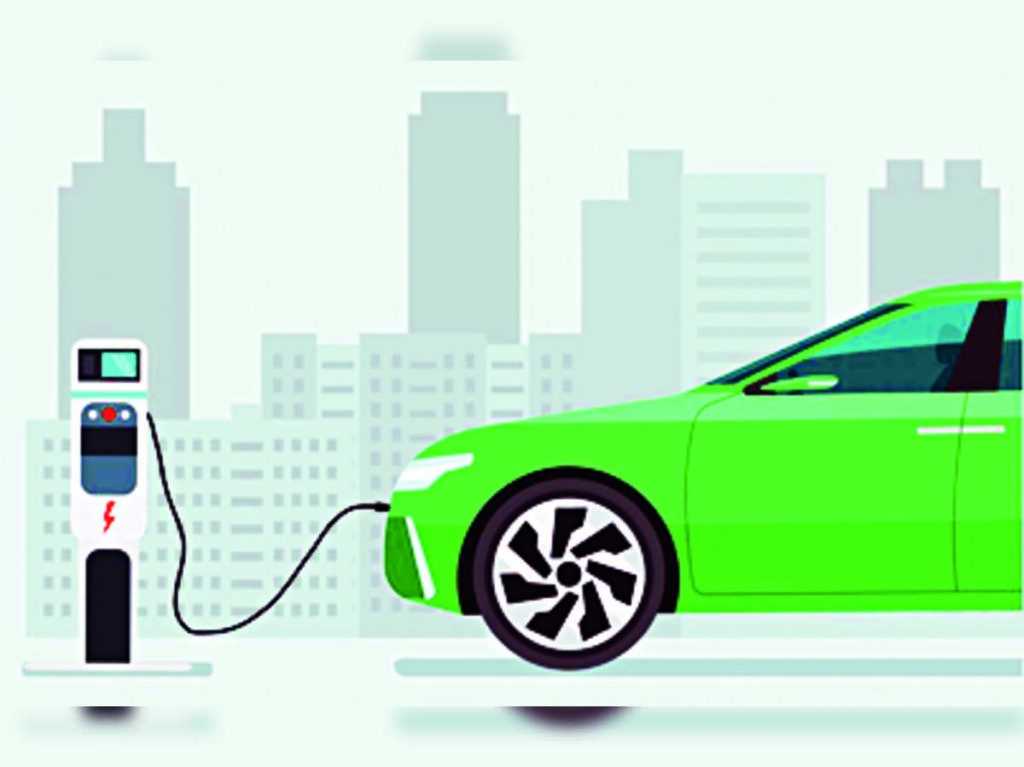 By Nantoo Banerjee Union Road Transport & Highways Minister Nitin Jairam Gadkari may be right to say that electric vehicles manufacturers do not need any more government subsidies, as consumers are now opting for EVs and CNG vehicles independently. The minister reasoned that the drop in production costs and the lower GST on EVs make […]









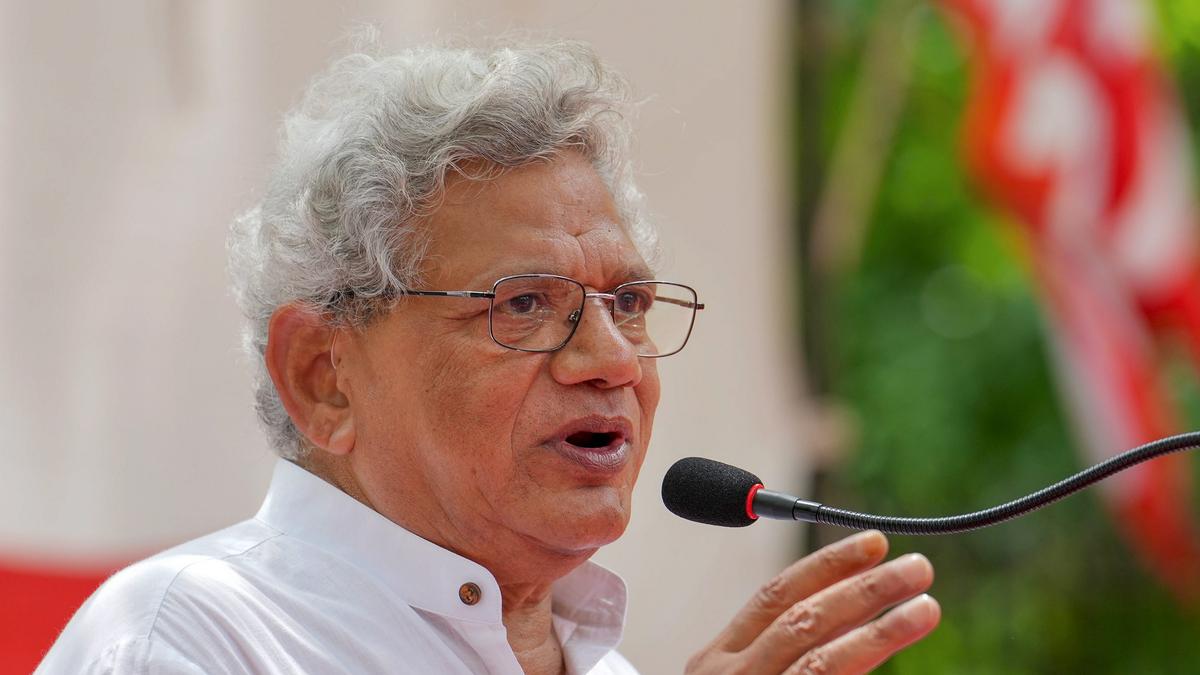
 By Nitya Chakraborty The Communist Party of India (Marxist) general secretary Sitaram Yechury, who passed away on Thursday, September 12 after a fatal bout of respiratory illness at the age of 72, has left a deep void just not in the leadership of the CPI(M), but also in the functioning of the INDIA bloc, that […]





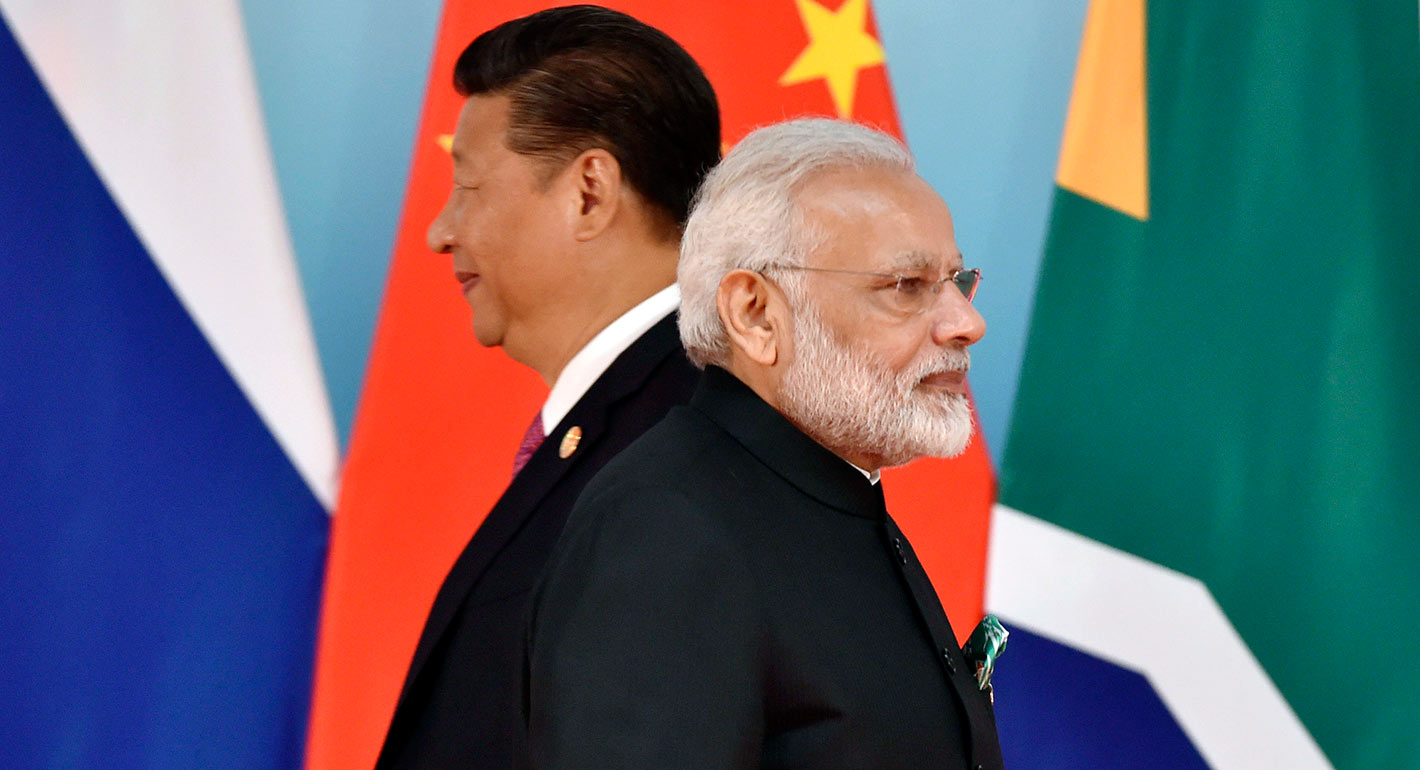
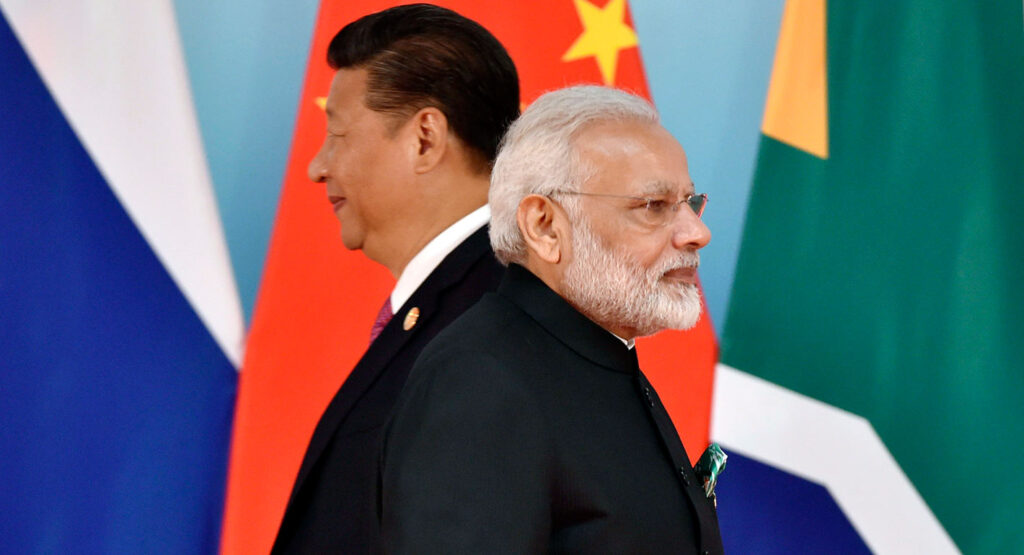 By Subrata Majumder Narendra Modi Government is going hot with China on diplomacy through remarks by the external affairs minister Dr. S Jaishankar, but at the same time, the finance minister Nirmala Sitharaman is soft on the issue of allowing Chinese investment in India. The economic survey of 2023-24 presented before this year’s budget underlines […]


