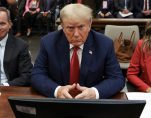
MBS and Trump Seek Strategic Gains in Their Tenuous Ties

Saudi Arabia’s Crown Prince Mohammed bin Salman continues to assert his influence in the global energy markets, a strategy that has far-reaching implications not only for the kingdom’s domestic policies but also for its relationship with the United States. Recent moves to reduce oil production as a means of boosting global oil prices have drawn international attention, as MBS looks to solidify his standing with key economic players, including former U.S. President Donald Trump. However, the evolving relationship between the two figures is far from straightforward, as both appear to have their own agendas in mind.
The Saudi decision to slash oil output in recent months comes on the back of increasing pressure to stabilise global oil prices, which had been fluctuating due to global economic instability and shifting energy demands. By reducing production, Saudi Arabia has not only asserted its dominance within OPEC but also sent a clear signal to the global market that it has the leverage to influence pricing dynamics.
This move directly impacts oil markets in the U.S., a key trading partner for Saudi Arabia. As a major importer of oil, the United States is highly sensitive to fluctuations in oil prices. For Trump, whose policies focused on energy independence and bolstering U.S. oil production, the actions of MBS represent a clear challenge to his broader economic goals. The former U.S. president’s embrace of the kingdom, characterised by lucrative arms deals and a focus on maintaining strong bilateral ties, suggests that any tension between the two figures could have significant geopolitical consequences.
For MBS, maintaining close relations with the U.S. remains a critical aspect of his strategy. He has worked tirelessly to secure arms deals and other investments from the U.S., ensuring that the kingdom remains a key player in global economic and political circles. However, the Crown Prince has also sought to diversify Saudi Arabia’s global alliances, looking toward China and Russia for alternatives in the wake of fluctuating U.S. domestic politics.
While Saudi Arabia’s actions in the oil market may be seen as a tactical move to assert its power within OPEC, there is also an undercurrent of economic diversification within the kingdom. MBS has long been an advocate for economic reform, including his ambitious Vision 2030 plan, which aims to reduce the country’s dependence on oil and foster other sectors like technology, entertainment, and tourism. These long-term goals often put him at odds with traditional partners like the U.S., who benefit from the current structure of the global oil market.
MBS’s strategy of reducing oil production comes at a time when the U.S. is attempting to navigate its own challenges within global energy markets. Biden’s administration has faced criticism for its handling of oil prices and its response to OPEC’s decision to cut production. There have been mounting calls for the U.S. to reassert its influence over global energy policy, especially as rising fuel prices continue to affect domestic inflation. Trump, during his tenure, positioned himself as a champion of American energy interests, and his critique of OPEC’s actions highlights the ongoing tension between the U.S. and Saudi Arabia over energy policy.
The dynamics of this relationship are further complicated by political realities within the U.S. The upcoming presidential election, with Trump seeking to regain power, could see a shift in how the U.S. engages with Saudi Arabia. Trump’s previous tenure saw him pursuing an “America First” policy that frequently placed him at odds with traditional allies, including Saudi Arabia. His emphasis on energy independence and a focus on domestic oil production often ran counter to Saudi interests, particularly as MBS sought to maintain control over global oil pricing.
Despite these tensions, there remains a mutual interest in maintaining a working relationship. Saudi Arabia’s desire to secure arms deals and investments from the U.S. continues to be a driving factor in their engagement with Trump and other American leaders. Meanwhile, Trump’s political aspirations likely hinge on securing economic benefits from Saudi Arabia, whether through increased oil production or strategic investments in U.S. infrastructure. These mutual interests, though at times misaligned, provide the foundation for ongoing negotiations between the two figures.

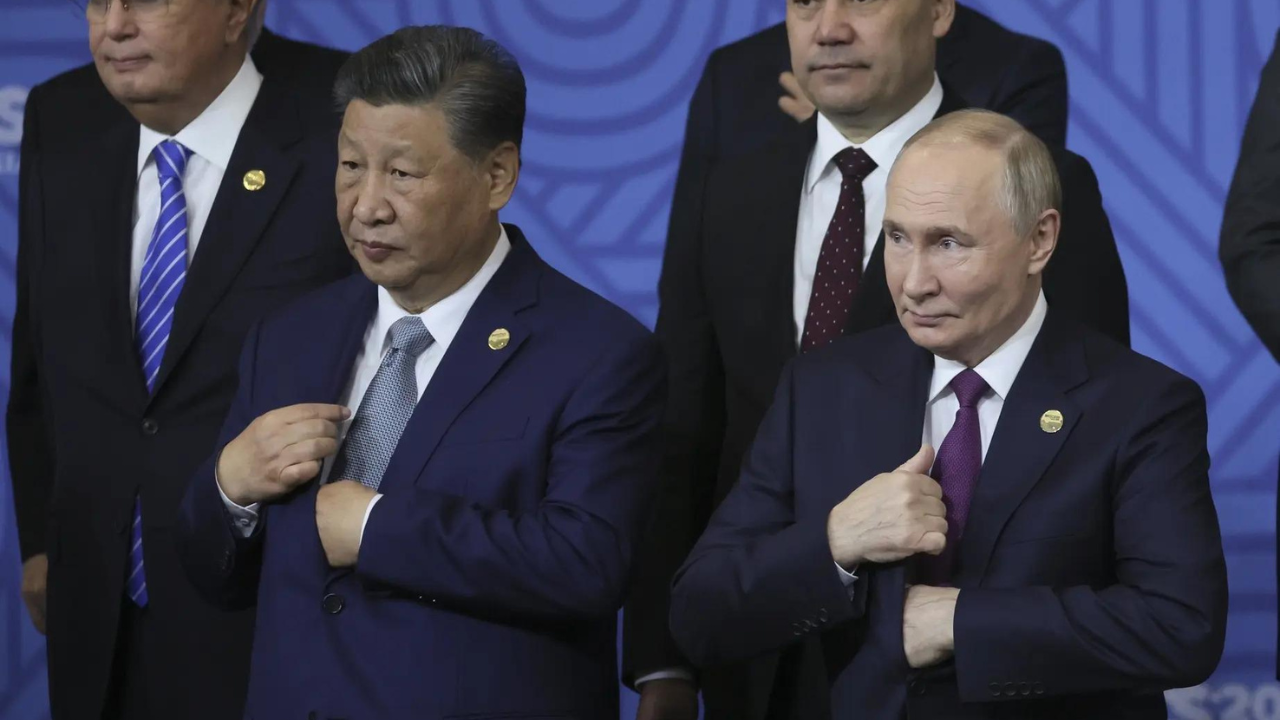
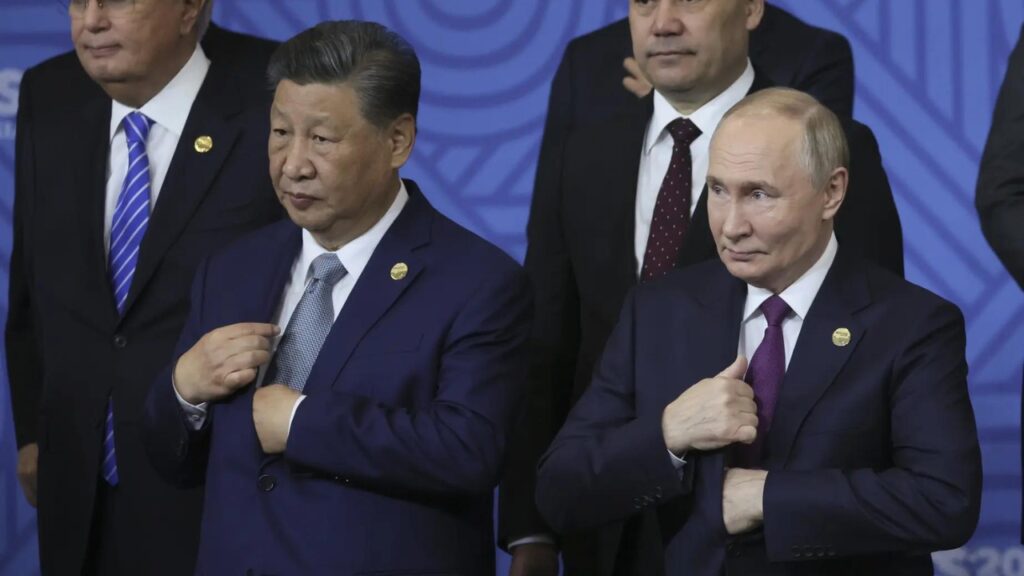 By Nitya Chakraborty The joint declaration issued by the Russian President Vladimir Putin and the Chinese President Xi Jinping on the eve of the Victory Day on May 9 upholding longstanding friendship to pursue mutual benefit and win-win outcomes in the new era carries major significance in the present period of global tariff war as […]


 By Nitya Chakraborty It is now official. After waiting for a few days since Donald Trump diluted the U.S. tariff rates for China and announced his intention for talks, China confirmed on Wednesday morning that a high level Chinese negotiating team will be visiting Switzerland for four days beginning May 9 to hold talks with […]




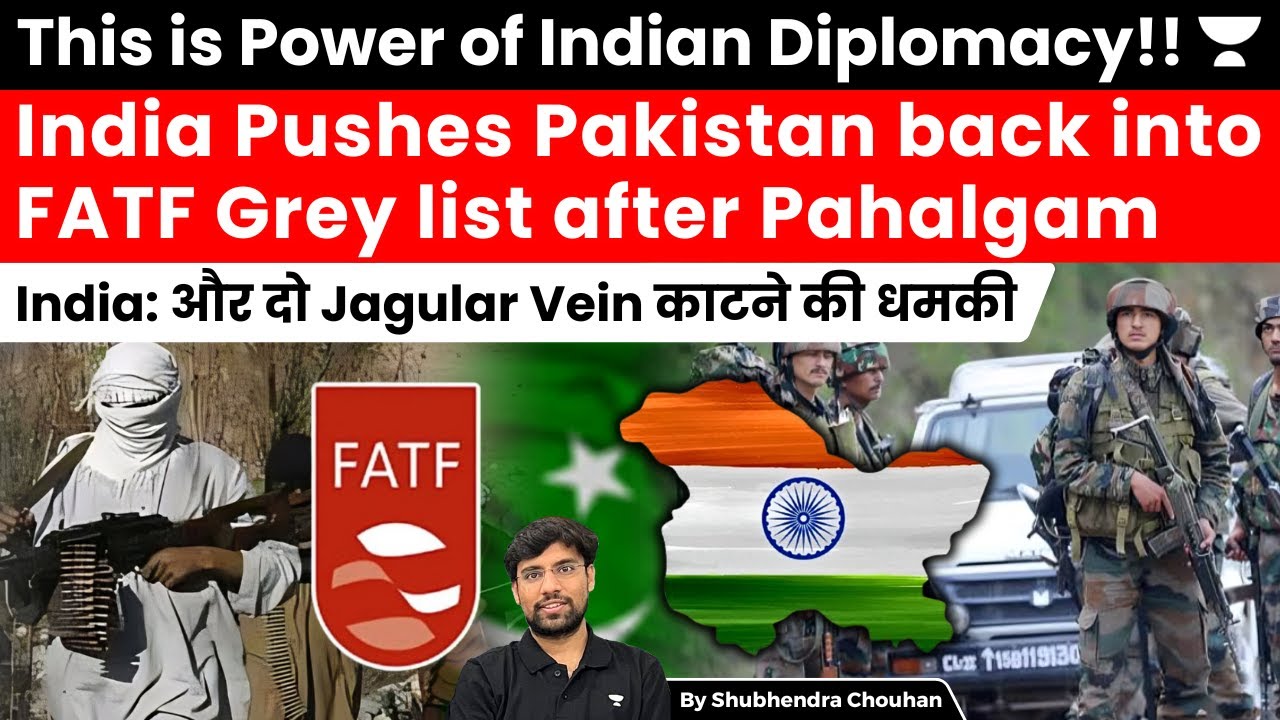
 By K Raveendran India is intensifying its diplomatic offensive against Pakistan, with efforts now underway to push for Islamabad’s re-listing on the Financial Action Task Force (FATF) grey list. This renewed push, backed by an unusually strong expression of support from the Trump-led U.S. administration, marks a strategic escalation by New Delhi to hold Pakistan […]
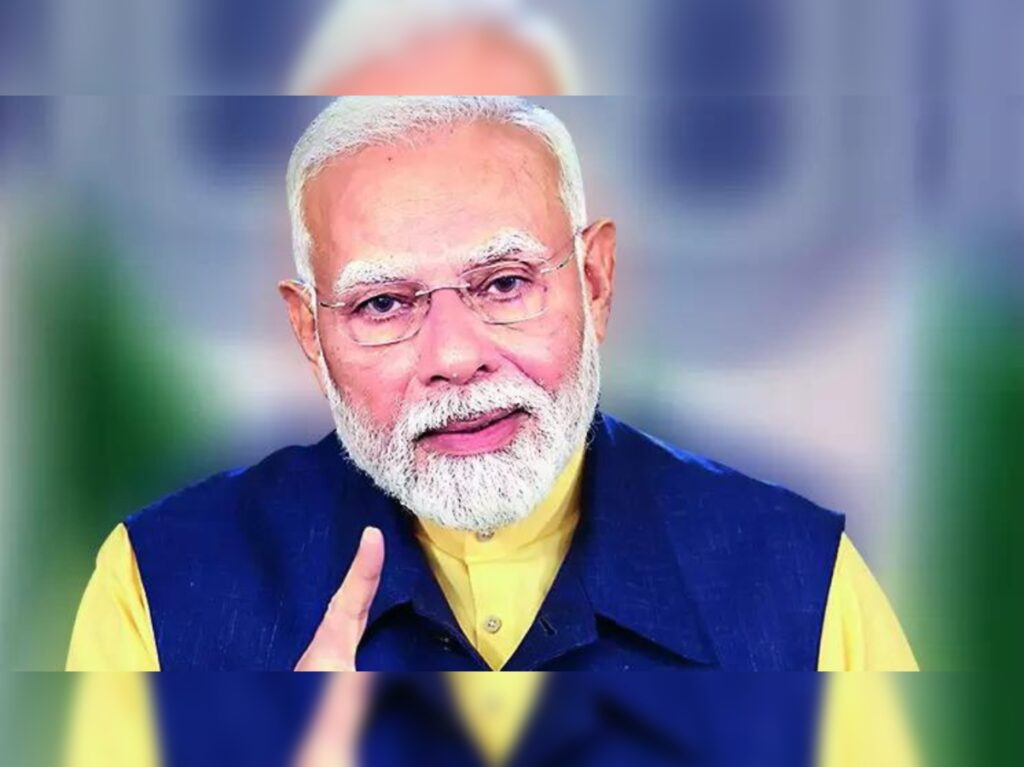 By Dr. Gyan Pathak Centre’s announcement of conducting national level Caste Census along with the forthcoming Census in India has intensified caste politics in Bihar, the first state to go to polls later in 2025, whose Vidhan Sabha’s term is to expire on November 22, this year. Political analysts have already claimed that by announcing […]

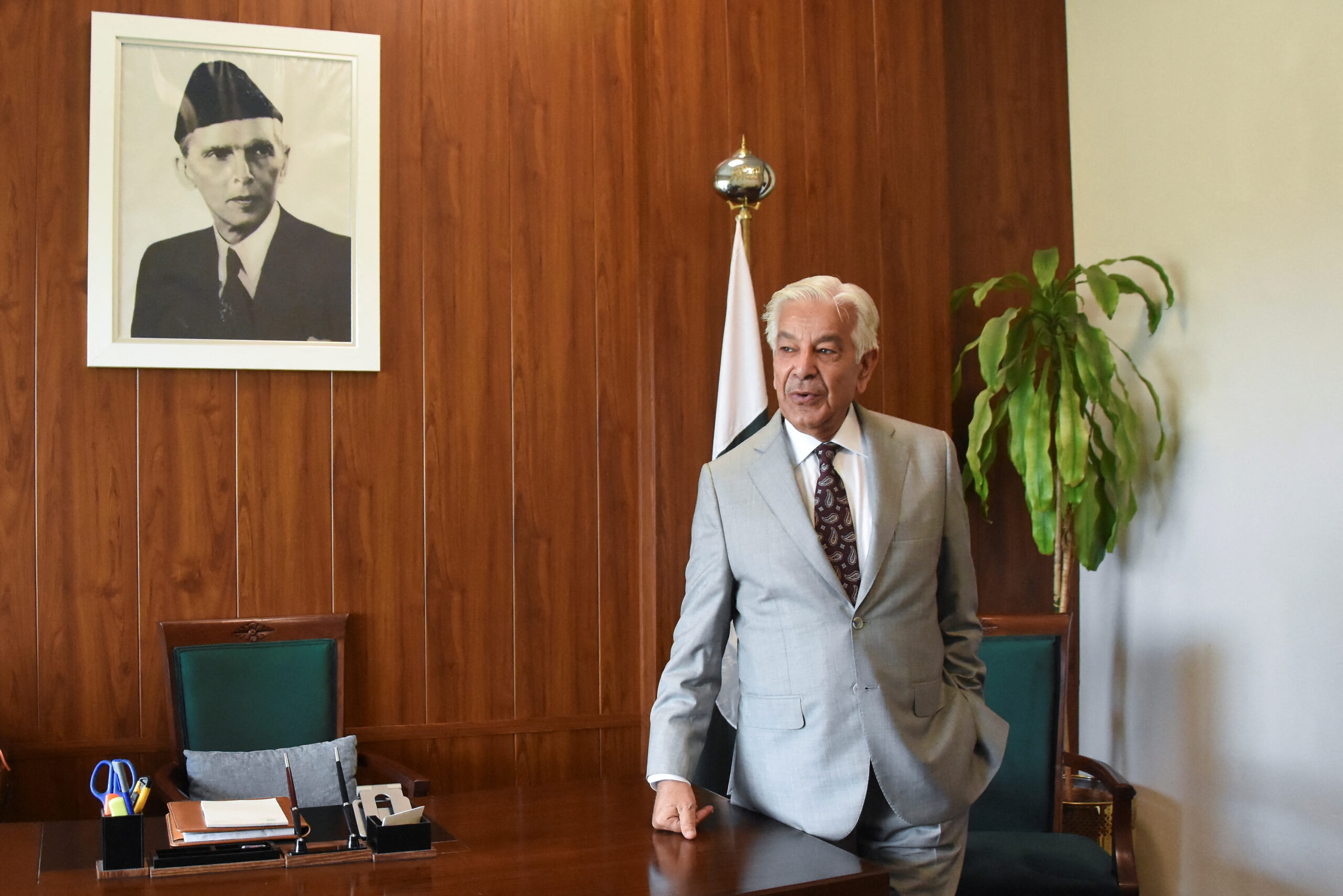
 By Nitya Chakraborty Ten days have passed since the gruesome killings of 26 people at Pahalgam on April 22. In the following days, Prime Minister Narendra Modi gave a lead to the boiling mood of the nation by announcing a number of measures, including the suspension of the 1960-signed Indus Water Treaty, followed by Pakistan’s […]