News related to
ARABIAN POST SPECIAL

By Nitya Chakraborty Three days have passed since the savage terrorist attack at Pahalgam resulting in the death of 26 people, mostly tourists. The communal tenor of the massacre shocked the Indian people. There was unequivocal demand from the people supported by all sections of the political parties that the Narendra Modi government must take […]

Arabian Post Staff -Dubai The United States is preparing to offer Saudi Arabia an arms package exceeding $100 billion, potentially to be announced during President Donald Trump’s upcoming visit to the kingdom in May. This proposal follows a failed attempt by the Biden administration to finalize a defense pact with Riyadh, which included conditions aimed at curtailing Chinese arms acquisitions and investments. Under Trump’s leadership, U.S.-Saudi defense […]

  Dubai has become a premier destination for real estate investment, drawing attention from around the world due to its favorable regulatory environment, economic stability, and strategic location. The emirate’s real estate sector has consistently attracted international investors, and the regulatory changes implemented over the past few years have only strengthened its appeal. In this article, Elkhan Salikhov, CEO and co-founder of Elite Merit Real Estate LLC […]

By Satyaki Chakraborty Vietnam has shown how a well calibrated trade diplomacy can be conducted in the year 2025 amidst the ongoing tariff war between the two biggest economic and military powers of the world USA and China. Both countries are having best trade relations with this South East Asian nation which is a sort […]

Dubai’s Virtual Assets Regulatory Authority and the Land Department have jointly issued a warning against unauthorised promotion of the Real Estate Tokenisation Project pilot, cautioning that entities not approved by both agencies could face fines and market bans for illegal virtual asset activities.

The initiative, launched under the Real Estate Innovation Initiative , aims to transform property ownership by converting real estate assets into digital tokens recorded on blockchain technology. This approach allows for fractional ownership, enabling multiple investors to co-own a single property through tokenised real estate assets. The DLD anticipates that this groundbreaking initiative will drive significant growth in the real estate tokenisation sector, with its market value projected to reach AED 60 billion by 2033, representing 7% of Dubai’s total real estate transactions.

The pilot phase is being implemented in collaboration with VARA and the Dubai Future Foundation through SandBox Real Estate. As part of this initiative, the DLD organised a specialised workshop on ‘Real Estate Tokenization,’ bringing together leading proptech companies, including top global firms specialising in real estate asset tokenisation.

Eng. Marwan Ahmed Bin Ghalita, Director General of the DLD, emphasised that real estate tokenisation is a revolutionary tool driving fundamental change in the real estate sector. “By converting real estate assets into digital tokens recorded on blockchain technology, tokenisation simplifies and enhances buying, selling, and investment processes,” he stated. This aligns with the DLD’s vision to achieve global leadership in real estate investment, leverage technology to develop innovative real estate products, and foster an ecosystem that supports real estate innovation.

The Real Estate Tokenisation Project aims to attract global technology firms and open new investment opportunities for the investor market. It seeks to diversify property ownership by allowing multiple investors to co-own a single property through tokenised real estate assets. Additionally, the project strengthens Dubai’s position as a regional and global hub for virtual assets, enhancing its competitiveness on both local and international levels.

The DLD’s initiative reflects a broader trend of integrating blockchain into traditional markets, placing real-world assets like bonds, funds, and credit on crypto rails. The digital token versions of real-world assets can be fractionally owned and transferred on the blockchain, lowering the entry barriers for investors and increasing market liquidity. Unlike crowdfunding, which pools investor funds for property purchases, tokenisation provides a more structured ownership model.

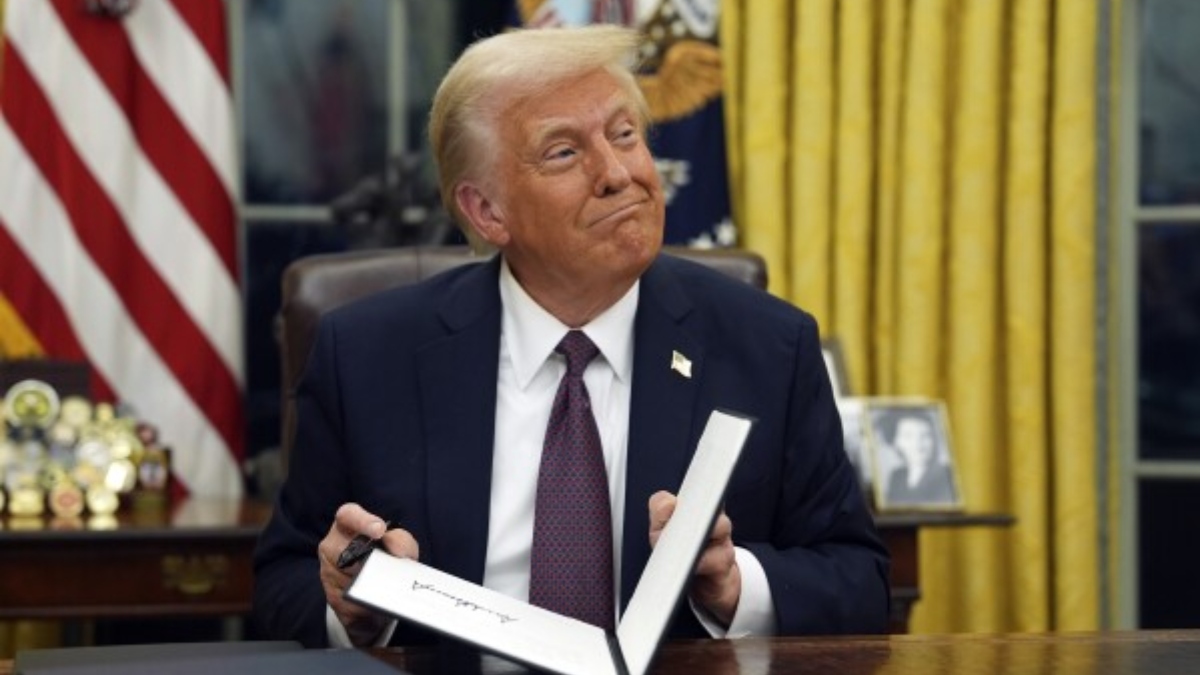
President Donald Trump is set to host an exclusive dinner on May 22 at the Trump National Golf Club in Washington, D.C., inviting the top 220 holders of his $TRUMP memecoin. This announcement has led to a significant surge in the coin’s value, with prices climbing over 60% to reach $16.17, marking its highest level since early March.

The event, organized by Fight Fight Fight LLC, stipulates that eligibility is determined by average holdings between April 23 and May 12. Attendees must pass a background check and cannot be from countries on Know Your Customer watchlists. The top 25 holders will receive additional perks, including a VIP reception and a special tour with the president. However, the event terms note that Trump may not attend, in which case winners would receive a limited edition Trump NFT instead.

Launched on January 17, 2025, just days before Trump’s inauguration, the $TRUMP coin is hosted on the Solana blockchain. Initially, 200 million tokens were released, with plans to expand the total supply to 1 billion over three years. Approximately 80% of the tokens are held by CIC Digital LLC and Fight Fight Fight LLC, entities linked to the Trump Organization. The coin’s market capitalization has reached approximately $2.6 billion, ranking it as the 37th-largest cryptocurrency.

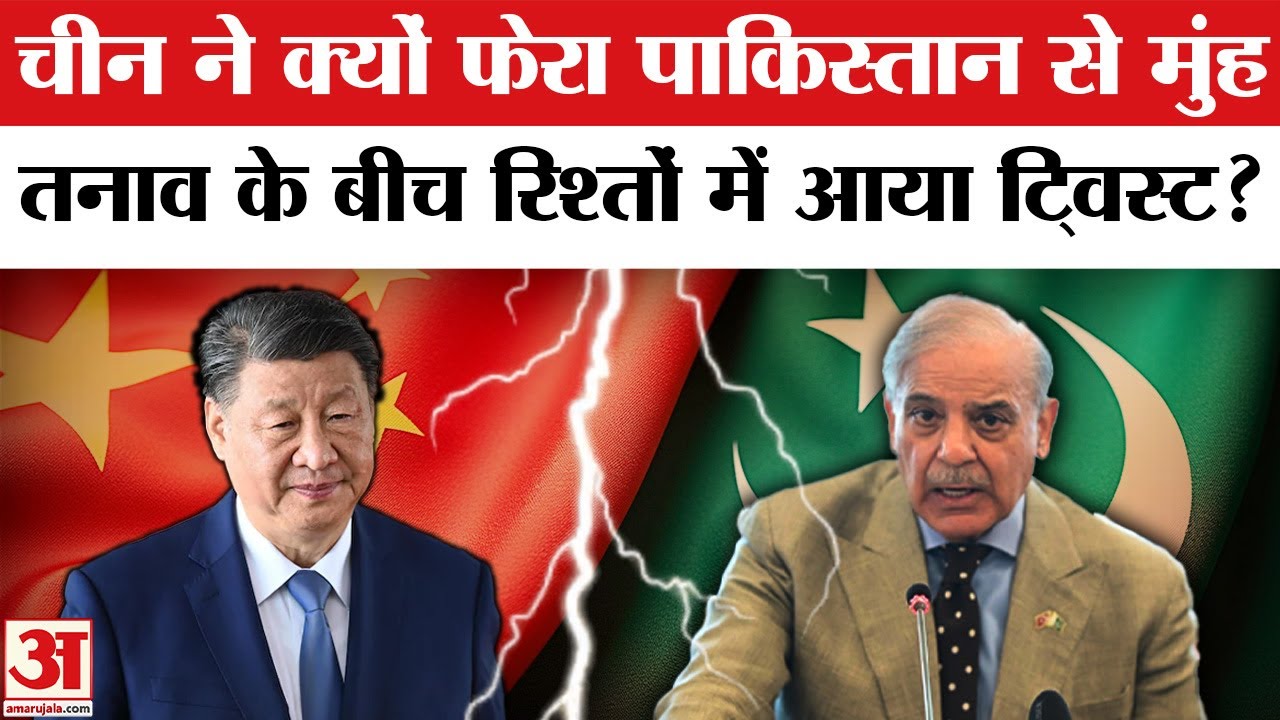
By Nitya Chakraborty Chinese President Xi Jinping has won the first round in the protracted battle against Donald Trump over his declaration of tariff war against China. After waiting for long three weeks for a personal call from XI Jinping offering talks to discuss the proposed tariff hikes, Trump partially retreated on Tuesday when he […]
Advertisements
By Pablo Castaño ROME: There may come a time when we look back on the last decade as an anomaly in the modern history of the Catholic Church. Pope Francis — the figurehead of these years, and a radical by the standards of the Catholic hierarchy — is gone, and we are now likely to […]
By Kalyani Shankar The Bihar polls at the end of the year are pretty unpredictable. As of now, there will be no cakewalk for the BJP, RJD, Congress or the JD(U). The churning is quietly taking place in Bihar politics. There could be a potential shift in power dynamics. The BJP, playing second fiddle to […]

Saudi Arabia has unveiled a $100 billion initiative, Project Transcendence, to establish itself as a dominant force in artificial intelligence and advanced technology. Spearheaded by the Public Investment Fund in collaboration with Google, this ambitious project seeks to transform the Kingdom into a global tech powerhouse, challenging regional competitors and aligning with its Vision 2030 economic diversification strategy.

Project Transcendence focuses on developing a comprehensive AI ecosystem within Saudi Arabia. Key components include the construction of state-of-the-art data centers, support for local tech startups, and the creation of employment opportunities in the technology sector. The initiative also emphasizes fostering collaborations with international technology firms to position the Kingdom at the forefront of regional innovation.

A significant aspect of the project is the development of Arabic-language AI models, addressing a substantial gap in AI accessibility for the region. This endeavor aims to enhance digital inclusion and literacy, enabling broader participation in the digital economy. By investing in localized AI applications tailored to Saudi Arabia’s needs, the project seeks to bridge the technological divide and promote inclusive growth.

The initiative is part of a broader strategy to reduce the Kingdom’s reliance on oil revenues by investing in emerging technologies and industries. By cultivating a robust AI ecosystem, Saudi Arabia aims to diversify its economy and create new revenue streams. This approach aligns with the Vision 2030 plan, which outlines a roadmap for economic transformation and sustainable development.

To support the growth of the AI sector, the Kingdom is investing in education and training programs to develop a skilled workforce. Institutions like the King Abdullah University of Science and Technology are playing a pivotal role in this effort by offering specialized courses and research opportunities in AI and related fields. These initiatives aim to equip Saudi citizens with the skills necessary to thrive in a technology-driven economy.

In addition to educational investments, Saudi Arabia is actively seeking to attract global AI talent to the Kingdom. By offering competitive incentives and fostering a conducive environment for innovation, the project aims to position Saudi Arabia as a preferred destination for AI professionals and researchers. This strategy is intended to enhance the Kingdom’s capacity for technological innovation and accelerate the development of its AI industry.

The Kingdom’s commitment to AI is further demonstrated by its hosting of high-profile events, such as the Global AI Summit. These gatherings bring together industry leaders, policymakers, and researchers to discuss advancements in AI and explore opportunities for collaboration. By positioning itself as a hub for AI discourse and innovation, Saudi Arabia seeks to influence the global AI agenda and attract further investment.

Project Transcendence also includes plans for significant infrastructure development to support AI applications. This encompasses the establishment of advanced computing facilities and the enhancement of digital connectivity across the Kingdom. By building a robust technological infrastructure, Saudi Arabia aims to facilitate the deployment of AI solutions across various sectors, including healthcare, education, and transportation.

The healthcare sector, in particular, stands to benefit from the integration of AI technologies. By leveraging AI for diagnostics, treatment planning, and patient monitoring, the Kingdom aims to improve healthcare outcomes and efficiency. This aligns with broader efforts to enhance the quality of life for Saudi citizens and modernize public services.

In the realm of transportation, AI applications are expected to optimize traffic management, enhance public transit systems, and support the development of autonomous vehicles. These advancements are anticipated to contribute to the Kingdom’s goals of sustainability and urban development, as outlined in Vision 2030.

By K Raveendran The Supreme Court’s interim order on the controversial Waqf Amendments Act has created an unusual equilibrium among opposing camps, hinting at a calculated balancing act rather than a decisive intervention. While the order does not represent a full-fledged stay on the implementation of the amendments, it introduces a layer of judicial restraint […]

A strategic alliance between the Abu Dhabi Investment Office , the Department of Health – Abu Dhabi , and Hub71 has been formalised to accelerate the growth of HealthTech and life sciences startups through the newly established Health, Endurance, Longevity, and Medicine cluster. This initiative aims to position Abu Dhabi as a global centre for biotechnology, MedTech, and digital health innovation.

The HELM cluster is projected to contribute AED 94 billion to Abu Dhabi’s GDP and create 30,000 new jobs by 2045. Under the agreement, Hub71 will leverage its extensive venture capital partner network to showcase investment opportunities within the HELM cluster through targeted roadshows, networking engagements, and dedicated promotional initiatives.

The announcement was made during Abu Dhabi Global Health Week , an event that convenes global researchers, policymakers, healthcare professionals, investors, and entrepreneurs to address critical global health challenges. The 2025 edition of ADGHW, held from April 15-17 at the Abu Dhabi National Exhibition Centre, emphasised precision medicine, digital health, and artificial intelligence.

The HELM cluster complements existing initiatives such as HealthX, a startup programme developed in partnership with New York University Abu Dhabi and startAD. HealthX provides startups with access to world-class facilities, expert mentorship, and pilot opportunities, enabling the transition of innovative concepts to impactful healthcare solutions within Abu Dhabi’s ecosystem.

The Department of Health – Abu Dhabi has been recognised for its efforts in fostering a dynamic healthcare innovation ecosystem, receiving the Startup Ecosystem Stars Award 2024. Since 2021, the department has supported over 80 healthcare startups, contributing to an annual growth of 35.8 per cent in the life sciences sector and creating 926 specialised jobs.

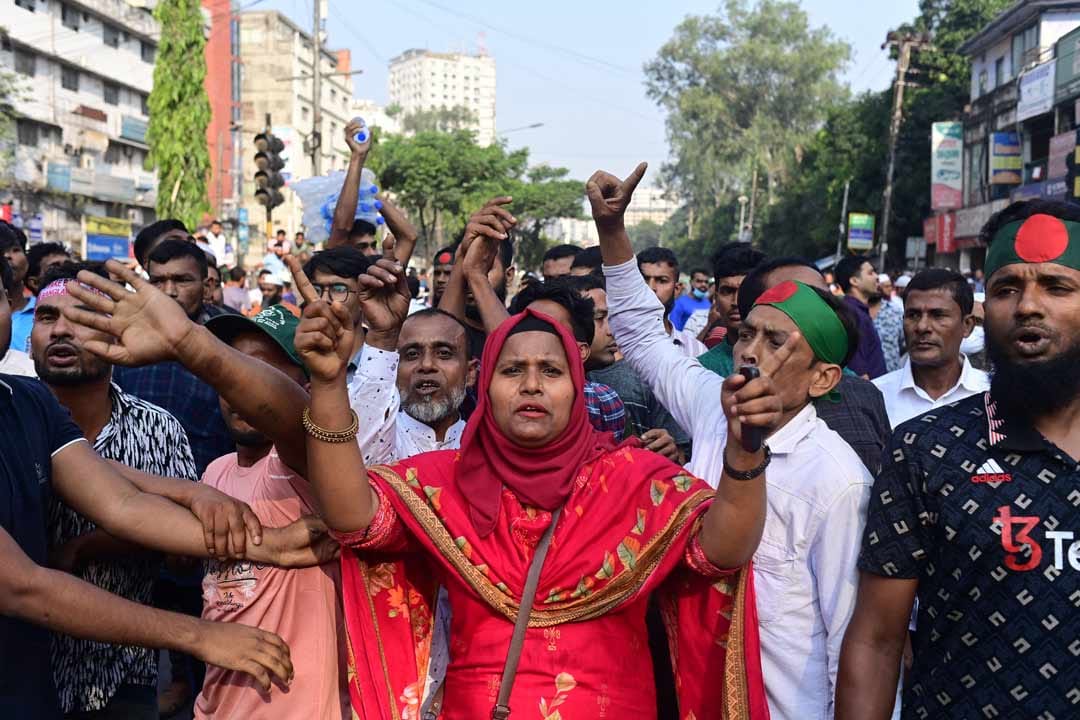
By Nitya Chakraborty Bangladesh’s Chief Adviser to the interim government Dr. Muhammad Yunus is presently in the midst of his diplomatic triumph by successfully outreaching to the major countries of the world including the two super powers. After having a major success in getting all the support from the Chinese President Xi Jinping during his […]

Russia’s Finance Ministry has proposed the development of domestically issued stablecoins pegged to non-dollar currencies, following the freezing of Russia-linked digital wallets holding over 2.5 billion roubles in USDT by Tether. Osman Kabaloev, Deputy Head of the Ministry’s Financial Policy Department, stated that the incident underscores the need for internal tools similar to USDT, potentially pegged to other currencies.

The move comes after the European Union imposed sanctions on the Russian crypto exchange Garantex, leading to the suspension of operations involving USDT. The Finance Ministry’s proposal aims to establish sovereign financial tools to circumvent global financial restrictions and reduce reliance on Western-dominated financial systems.

Despite the Finance Ministry’s push, the Bank of Russia remains opposed to the use of cryptocurrencies in domestic transactions. However, Russian firms are participating in experimental international crypto payments, especially as conventional cross-border payments become more challenging under Western sanctions.

The proposal aligns with Russia’s broader strategy to establish a stablecoin settlement platform with “friendly” nations, avoiding the use of U.S. dollars and euros. Deputy Finance Minister Alexey Moiseev has indicated that the government is working with countries such as China and Belarus to create platforms using tokenized instruments pegged to recognized assets like gold.

This initiative is part of a larger effort by BRICS nations to develop a single payment system and make settlements in a unified cryptocurrency. The BRICS Pay platform aims to link national payment systems of member countries, facilitating digital wallet transactions and reducing dependence on the U.S. dollar.

The Central Bank of Russia, however, has expressed skepticism about private stablecoins, citing high risks and lack of guaranteed redemption at nominal value. The Bank prefers the development of a digital ruble, which combines the advantages of digital payments with the reliability of national currency.

Wassim Elassaad is a name known for luxury, refinement, and an unbreakable passion for excellence. From humble beginnings in Australia to becoming a forerunner in Dubai’s luxury lifestyle industry, Wassim has redefined what it means to provide the finest experiences and services to the ultra-wealthy. His path is more than just about business success; it is also about leaving a legacy based on the key qualities of […]

Oman has formalised a landmark agreement to develop the world’s first commercial-scale liquid hydrogen corridor, aiming to supply green hydrogen to Europe via the Port of Amsterdam.

The Ministry of Energy and Minerals, alongside Hydrogen Oman , has entered into a Joint Study Agreement with the Port of Amsterdam, Zenith Energy Terminals, and GasLog. This collaboration focuses on establishing a comprehensive supply chain for green hydrogen, encompassing liquefaction, storage, and maritime transport to Europe. The agreement was signed during COP28 in Dubai, with Minister Salim bin Nasser Al Aufi and Prince Jaime de Bourbon de Parme, the Netherlands’ Climate Envoy, witnessing the ceremony.

Central to this initiative is the development of an open-access hydrogen liquefaction and export facility in Oman. GasLog is tasked with designing specialised vessels for transporting the liquefied hydrogen. The project aims to deliver Omani green hydrogen to Zenith Energy’s terminal in Amsterdam, facilitating distribution to local consumers and major industries across Europe.

The corridor’s first phase targets an annual export of 50,000 tonnes of liquefied hydrogen, with plans to scale up to 200,000 tonnes. This venture is a joint effort involving Hydrom, Athens-based Ecolog, and German energy firm EnBW, with the inaugural shipments anticipated by 2030.

Oman’s abundant solar and wind resources position it as a prime candidate for green hydrogen production. The nation’s strategic location and existing infrastructure further bolster its potential as a global hydrogen hub. The open-access nature of the liquefaction facility is designed to accommodate various projects, promoting cost-effective hydrogen export routes to diverse international markets.

This agreement aligns with Oman’s broader objectives of economic diversification and achieving net-zero emissions by 2050. By investing in green hydrogen infrastructure, Oman seeks to reduce its reliance on fossil fuels and contribute to global decarbonisation efforts.

By Dr. Gyan Pathak The game of political hunting, which is typically characterised in India by cases, raids, seizures, and arrests, which generally do not lead to conviction, but enable the government to pin its adversaries down for years without trial in cases registered by the Enforcement Directorate (ED), seems to be reaching its climax. […]

Local governments across China have turned to private companies to offload seized cryptocurrency assets in offshore markets, a move that has sparked concern amid the nation’s ongoing ban on crypto trading. These actions come as part of an effort to generate revenue during an economic slowdown, with figures showing the sale of approximately 15,000 BTC . Reports suggest that around 194,000 BTC are still held within the […]

BONK, a Solana-based meme coin, is experiencing a notable surge in market activity, driven by significant whale accumulation and bullish technical indicators. The token’s price has shown a strong upward trajectory, with analysts pointing to a potential double-bottom reversal pattern that could signal further gains. A prominent whale has recently invested $4.29 million to acquire 204 billion BONK tokens, increasing their holdings to a total value of […]

Global capital turned its back on ESG last year. But that shift, we believe, is temporary and mistaken. ESG investing should and will return to favour, not just because it’s aligned with the challenges and priorities of our time, but because it remains one of the most rational long-term strategies for investors and economies alike. The numbers from 2024 were stark. Global sustainable fund inflows halved. In […]

Tether, the issuer of the world’s most widely circulated stablecoin, has acquired a strategic stake in Fizen Limited, a fintech firm specialising in multi-chain stablecoin payments and merchant solutions. The investment aims to accelerate global adoption of stablecoins and expand access to decentralised financial tools, particularly in underserved markets.

Fizen offers a suite of crypto payment services designed to bridge the gap between digital assets and real-world commerce. Its platform enables merchants to accept stablecoins with instant fiat settlement, while consumers can use cryptocurrencies to pay for everyday expenses such as utility bills, mobile top-ups, and travel bookings. The company’s infrastructure supports multiple blockchains and integrates with a wide range of tokens, facilitating seamless transactions across 178 countries.

This partnership builds on previous collaborations between Tether and Fizen, including the ‘Tour de USDt’ initiative in Southeast Asia, which showcased the potential of stablecoins in cross-border payments and financial inclusion. The new investment is expected to deepen this relationship, enabling Tether to leverage Fizen’s technology to promote the use of USDt in everyday transactions.

Tether’s move comes amid a broader push to enhance the utility of stablecoins beyond trading and speculation. By investing in platforms like Fizen, Tether aims to embed stablecoins into the fabric of daily commerce, offering a stable and efficient alternative to traditional payment systems. This strategy aligns with the growing demand for financial services that are accessible, low-cost, and independent of conventional banking infrastructure.

Fizen’s technology is particularly relevant in regions where access to banking services is limited. By facilitating crypto payments for essential services and goods, Fizen empowers users to participate in the digital economy without relying on traditional financial institutions. This approach not only broadens the reach of stablecoins like USDt but also supports economic empowerment in communities that have historically been excluded from mainstream financial systems.

By Nitya Chakraborty Though there is a 90 day pause in Trump’s latest unilateral imposition of reciprocal tariffs on most of the countries, the trade war between the USA and China, the two largest economies of the world is in full steam imparting tremors in global trade and economy. Close advisers of Trump were expecting […]

The United States and Saudi Arabia are preparing to sign a preliminary agreement to collaborate on the development of a civil nuclear industry in the Kingdom. This marks a significant step in the two countries’ ongoing energy partnership, reflecting shared interests in enhancing the security and sustainability of global energy resources.

US Energy Secretary Chris Wright, addressing reporters in Riyadh, confirmed the impending deal, which is set to open a new chapter in Saudi Arabia’s ambitions to develop its own nuclear energy sector. The announcement comes amid growing global demand for cleaner and more sustainable energy solutions. Wright’s comments emphasised the importance of this agreement in both supporting Saudi Arabia’s long-term energy goals and strengthening the bilateral ties between the two nations.

The move follows Saudi Arabia’s ambitious Vision 2030 initiative, a broad economic reform programme designed to diversify the country’s economy away from its heavy reliance on oil exports. Among its many facets, Vision 2030 aims to establish a robust nuclear energy sector that can generate significant portions of the country’s electricity, reducing its dependence on fossil fuels. This is crucial for the Kingdom as it seeks to address both domestic energy needs and environmental concerns.

Saudi Arabia has made significant strides in recent years towards the development of nuclear energy. In 2018, the country’s nuclear authorities announced plans to construct two nuclear reactors by 2030, as part of a broader strategy to introduce nuclear power as a reliable energy source. These efforts have garnered attention from global nuclear power experts and energy companies, particularly those from the US, Russia, and China, all of which are vying for a role in the development of the Saudi nuclear industry.

The United States’ involvement in this sector is not new. Over the past decade, American firms have been at the forefront of nuclear technology development, exporting their expertise in reactors, fuel production, and regulatory frameworks. Saudi Arabia’s decision to move forward with a preliminary agreement highlights the growing importance of collaboration with nuclear powers like the US to achieve these ambitious goals. Additionally, American support could help ensure that the Kingdom adheres to international nuclear safety standards, a crucial consideration in the nuclear energy field.

The potential partnership between the US and Saudi Arabia is a step forward in strengthening their long-standing relationship, which spans multiple areas including defence, trade, and energy. Saudi Arabia’s energy infrastructure, heavily dependent on oil, has been under increasing pressure to adapt to the changing global energy landscape. As the world moves towards more sustainable energy sources, Saudi Arabia aims to take advantage of nuclear energy’s potential to generate electricity without emitting the high levels of greenhouse gases associated with fossil fuel consumption.

For the United States, the deal also represents a strategic move to expand its influence in the Middle East’s evolving energy market. The US has long maintained strong energy ties with the Kingdom, but this agreement will further cement its role as a key partner in Saudi Arabia’s energy diversification plans. By providing expertise in the nuclear field, the US ensures that it will be a prominent player in shaping the future of Saudi Arabia’s energy sector.

Critics, however, have raised concerns about the environmental impact of nuclear energy, especially with the potential risks associated with radioactive waste disposal and reactor safety. Despite these concerns, both nations appear committed to ensuring that the nuclear technology used in Saudi Arabia meets the highest safety standards. The Kingdom’s regulatory bodies are expected to follow stringent international protocols, a key point of focus in the upcoming agreement.

In the broader context, this agreement comes at a time when nuclear energy is experiencing a resurgence globally, driven by the need for cleaner alternatives to fossil fuels. Countries like China and Russia have been aggressively advancing their own nuclear energy sectors, while nations in Europe and Asia are exploring similar initiatives. With the increasing demand for clean energy, Saudi Arabia’s foray into the nuclear power industry positions it as a potential leader in the region, with the ability to export energy solutions to neighbouring countries.

The US-Saudi nuclear cooperation deal also plays a part in the shifting dynamics of international geopolitics. The Middle East has long been a region of strategic importance, and energy remains a critical element in the geopolitical landscape. By fostering deeper cooperation with Saudi Arabia, the US further solidifies its influence in the region, while also promoting energy security for both countries.

By Nantoo Banerjee It is good to know that the government is already cautious about the possible increase in Chinese export trade and investment to India to exploit both the local market as well as to push exports to the USA taking advantage of the massive US import tariff difference between India and China. India […]
VISHNU RAJA
RYO YAMADA
HITORI GOTOH
IKUYO KITA