News related to
ARABIAN POST SPECIAL

US investors are closely watching the performance of the Gulf Cooperation Council (GCC) countries, with expectations that they will soon surpass Latin America in key global equity indices such as MSCI and FTSE. As geopolitical stability, economic diversification, and investment-friendly policies continue to reshape the GCC region, investor sentiment is shifting in favor of markets like Saudi Arabia, the UAE, and Qatar. These shifts are positioning the GCC as a competitive alternative to Latin American markets, which have traditionally dominated emerging market portfolios.

The transformation of the GCC has been driven by the Vision 2030 initiatives in Saudi Arabia and similar long-term strategies in the UAE, Oman, and other member states, which aim to reduce dependence on oil exports and stimulate private-sector growth. The shift towards sustainable, knowledge-based economies has attracted foreign investment, with an increasing number of global funds seeking exposure to these markets. As a result, GCC markets are becoming more integrated into international investment indices, which influences investor behavior and portfolio allocations.

Over the last few years, the region has experienced remarkable economic resilience. Saudi Arabia, for instance, has embarked on large-scale infrastructure projects, including the $500 billion NEOM city, aiming to transform the country into a global tech hub. The UAE’s successful diversification into technology, tourism, and finance, alongside Qatar’s investments in real estate and sports, have been pivotal in shaping the region’s economic future. These developments have helped insulate the GCC from global economic shocks that have impacted other emerging markets, particularly in Latin America.

On the other hand, Latin America faces several challenges, including political instability, high inflation rates, and the ongoing effects of the COVID-19 pandemic. While countries like Brazil and Mexico continue to attract significant foreign investment, they struggle with internal issues that undermine their competitiveness in global markets. Currency devaluations, fiscal deficits, and socio-political unrest have made it difficult for Latin American nations to maintain the economic momentum necessary to attract sustained foreign capital flows.

One key factor driving the GCC’s rise in global indices is the region’s regulatory reforms and commitment to improving market transparency. The recent opening up of Saudi Arabia’s stock market to foreign investors has significantly boosted its profile in the MSCI Emerging Markets Index, making it one of the most important global equity markets. Likewise, the UAE and Qatar have undergone similar reforms to make their markets more attractive to international investors. These changes have helped secure the region’s position as a top destination for investment.

By contrast, Latin American markets face continued hurdles in enhancing their market accessibility to foreign investors. While efforts to reform capital markets have been made, the pace of regulatory change has often been slow, and institutional instability in countries like Argentina and Venezuela poses ongoing risks to foreign capital. The lack of uniform regulatory standards across the region makes it harder for investors to manage risk efficiently compared to the more standardized frameworks seen in the GCC.

Investor preferences are also shifting toward sectors where the GCC has a clear competitive advantage. The rise of the global green economy, for instance, has created new opportunities for the region, particularly in the fields of renewable energy and sustainable infrastructure. Countries like Saudi Arabia and the UAE have announced major green energy projects that are not only environmentally beneficial but also expected to generate long-term economic returns. These initiatives align well with the investment priorities of ESG (Environmental, Social, and Governance) focused funds, further boosting the region’s appeal.

Latin America, by contrast, has yet to fully tap into the green economy. While there are emerging opportunities, the lack of coherent national strategies and adequate infrastructure to support renewable energy projects has hindered the region’s growth in this space. The region’s natural resources, such as lithium and copper, are essential for the global transition to electric vehicles, but the lack of stable governance and investment in infrastructure has delayed progress.

The relative stability of GCC countries—especially in terms of governance and fiscal policy—has made them more attractive to foreign investors. With some Latin American countries struggling with political volatility, the GCC offers a more secure investment environment. Saudi Arabia’s Crown Prince Mohammed bin Salman has implemented various reforms to strengthen the business environment, which have been widely praised by foreign investors. Similarly, the UAE’s policies of attracting global talent and fostering innovation have made it one of the most dynamic economies in the region.

As the global economic landscape shifts, the GCC’s strong economic fundamentals, combined with its strategic initiatives to diversify and attract foreign capital, are making it a prominent contender for investors. The region’s stock markets are likely to continue their upward trajectory, surpassing Latin America in indices like MSCI and FTSE, further consolidating their position in the global investment community.

Argentina is set to become the first country in South America to install a cryptocurrency ATM, with plans to launch in 2025. The announcement comes at a time when the country is exploring new ways to enhance its digital economy, underscored by a recent partnership with El Salvador, a leader in digital currency adoption. The collaboration between Argentina and El Salvador aims to boost cryptocurrency use and financial innovation in the region.

BitBase, a Spanish cryptocurrency company, will be responsible for the installation of the ATM. The move marks a significant milestone in Argentina’s push towards embracing cryptocurrencies as a legitimate financial instrument, especially amid the country’s ongoing economic challenges. As inflation soars and the national currency struggles, Argentinians have increasingly turned to digital currencies for financial security. BitBase’s ATM will allow users to buy and sell cryptocurrencies like Bitcoin, facilitating easier access to digital assets in a country that has seen rapid growth in crypto adoption.

Argentina’s decision to integrate a crypto ATM into its financial infrastructure is also seen as a response to the evolving global economic landscape. As inflation rates continue to climb, Argentinians have turned to Bitcoin and other cryptocurrencies as a hedge against their volatile local currency. The country has already witnessed a surge in cryptocurrency transactions, and the introduction of the crypto ATM is expected to further fuel this trend, making it more convenient for citizens to access digital currencies.

The partnership with El Salvador is also a critical aspect of this shift towards digital currency adoption. El Salvador, the first country to make Bitcoin legal tender, has experienced a variety of successes and challenges in its efforts to integrate cryptocurrency into its financial system. Argentina’s collaboration with El Salvador aims to leverage their collective experiences, enabling Argentina to accelerate its own adoption of digital currencies while mitigating potential challenges.

The Argentinian government has remained cautious but open to the idea of integrating cryptocurrency into its financial system. While there is no official endorsement of cryptocurrency as a national currency, the government has acknowledged the potential of blockchain technology and digital assets to improve financial inclusion. As part of its economic strategy, Argentina is actively exploring the use of technology to combat financial instability, and cryptocurrency has become an increasingly prominent part of that conversation.

In a nation where access to traditional banking services is limited for many, cryptocurrencies offer an alternative financial system that is not reliant on centralized institutions. The ability to engage with a decentralized financial ecosystem presents an opportunity for the underbanked and those with limited access to traditional financial services. The installation of the crypto ATM is expected to bridge the gap for many Argentinians, providing them with a more direct route to engage with the digital economy.

BitBase’s decision to target Argentina for its first crypto ATM installation outside of Europe demonstrates the growing interest in Latin America as a hub for cryptocurrency adoption. Argentina, with its large population and economic struggles, offers an ideal environment for such initiatives. The region has become a key battleground for cryptocurrency firms, with countries like Brazil, Mexico, and Colombia also taking steps toward increasing cryptocurrency adoption.

While the introduction of crypto ATMs presents opportunities, it also raises concerns about the regulatory environment. Argentina’s government has yet to fully regulate cryptocurrency transactions, and the potential for future legislation remains a point of uncertainty. The Argentine Central Bank has issued warnings about the risks associated with cryptocurrencies, including their volatility and the potential for money laundering and other illicit activities. Despite these concerns, the growing public interest in cryptocurrencies is pushing the government to adopt a more pragmatic approach.

The installation of the crypto ATM in Argentina is expected to open the door for further advancements in the digital economy. This initiative aligns with the broader trend in Latin America, where countries are increasingly seeking to integrate blockchain technology and digital currencies into their financial systems. Argentina’s move is a significant step toward positioning itself as a leader in digital finance in the region.

As for the collaboration with El Salvador, both nations are working to develop a framework that ensures the safe and effective use of cryptocurrencies. The experience of El Salvador, which is currently navigating the complexities of cryptocurrency adoption, will provide Argentina with valuable insights. By learning from the successes and challenges faced by El Salvador, Argentina hopes to build a more robust infrastructure for digital currencies that can serve as a model for other countries in Latin America.

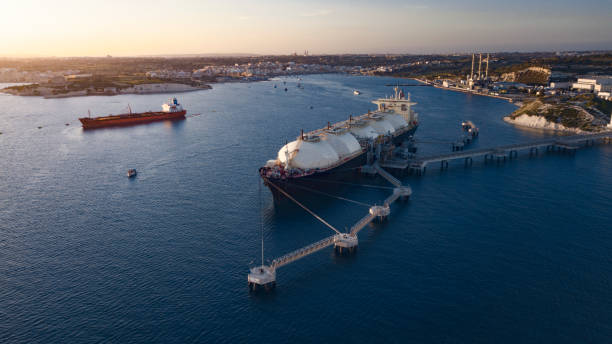
Abu Dhabi National Oil Company (ADNOC) has secured a pivotal 15-year Sales and Purchase Agreement (SPA) with Germany’s EnBW Energie Baden-Württemberg AG for the delivery of Liquefied Natural Gas (LNG) from the Ruwais project. This agreement, valued at over 15 years, marks the transformation of a previous Heads of Agreement (HoA) between both companies into a formal, legally binding contract.

The contract will see the supply of 0.6 million tons of LNG annually, signaling a significant step for both ADNOC and EnBW as they work together on the development and growth of the lower-carbon Ruwais LNG project. This long-term agreement further underscores the UAE’s growing commitment to diversifying energy exports and providing cleaner energy alternatives to global markets.

The Ruwais LNG project, positioned as an essential piece of ADNOC’s energy strategy, seeks to tap into the global LNG market by providing environmentally friendlier solutions. The project’s focus on carbon reduction is aligned with ADNOC’s broader sustainability goals and its drive to balance its role in global energy markets with commitments to lower carbon emissions.

As one of the first major deals to materialize under ADNOC’s expanded LNG export strategy, this SPA positions ADNOC as a crucial player in the global LNG market. The deal also underscores the UAE’s robust energy diplomacy, aligning closely with the country’s energy diversification objectives.

EnBW, a key German utility company, has seen its investment in the Ruwais LNG project as a vital step toward enhancing energy security in Europe while also meeting the increasing demand for cleaner energy sources. EnBW has long been an advocate of low-carbon energy solutions and sees this partnership as an essential addition to its LNG procurement strategy, marking a significant alignment between European energy needs and Middle Eastern resources.

The agreement comes amid heightened global interest in securing clean energy sources, with Europe especially focused on reducing dependence on traditional, carbon-intensive fuels. With this deal, EnBW solidifies its place in the strategic LNG supply chain and boosts its reputation as a responsible energy provider. Meanwhile, ADNOC continues to leverage its vast energy resources to foster long-term partnerships with key international players.

This milestone deal follows a series of strategic efforts by ADNOC to capitalize on its extensive infrastructure and supply capabilities in order to meet global energy demands while maintaining an eye on sustainability. The Ruwais LNG project, designed to produce lower-carbon LNG, is part of ADNOC’s broader vision to reduce carbon emissions from its natural gas and liquefied natural gas sectors. The project aligns with the company’s goal of contributing positively to the global transition towards cleaner energy, making ADNOC a more attractive partner for global investors looking to reduce the environmental impact of their energy consumption.

For ADNOC, the deal is part of a broader push to enhance its portfolio and expand its presence in global energy markets. The UAE has long been a key energy exporter, and this deal represents another step in ADNOC’s strategic expansion plans. The company continues to focus on providing low-carbon energy solutions, driven by both market demands and a global push for environmental responsibility.

The terms of the deal also underscore ADNOC’s ability to meet growing demand for LNG while ensuring a steady supply of energy to European markets, particularly during times of supply uncertainty. The UAE’s strategic location and its robust infrastructure make it an ideal hub for such critical energy partnerships. The deal also reflects the UAE’s ongoing efforts to strengthen its ties with global markets, enhancing energy security and fostering more sustainable energy practices worldwide.

Meanwhile, for EnBW, this deal with ADNOC is an important part of its strategic push to secure long-term, stable LNG supplies. Europe’s energy market is facing substantial challenges in the wake of the global energy crisis, and EnBW is taking proactive steps to secure the necessary energy resources to meet future demand. The partnership with ADNOC is expected to bolster EnBW’s energy mix, ensuring that the utility company can maintain a balance of secure and sustainable energy sources for its customers.

With an increasing emphasis on lowering carbon footprints across industries, both ADNOC and EnBW are positioning themselves as leaders in the shift toward cleaner energy. The move comes at a time when many global companies are seeking more environmentally responsible energy sources to comply with stringent emission reduction targets set by governments and international organizations. The deal represents a significant contribution to the global LNG market, and as the project progresses, both companies are expected to explore further opportunities for collaboration in areas related to renewable energy and emission reduction technologies.

Dan Company, a subsidiary of Saudi Arabia’s Public Investment Fund (PIF) specializing in agritourism, ecotourism, and adventure tourism, has entered into a contract with Abdulmohsen Al-Tamimi Contracting Company to develop the first luxury resorts in Al-Ahsa, Saudi Arabia.

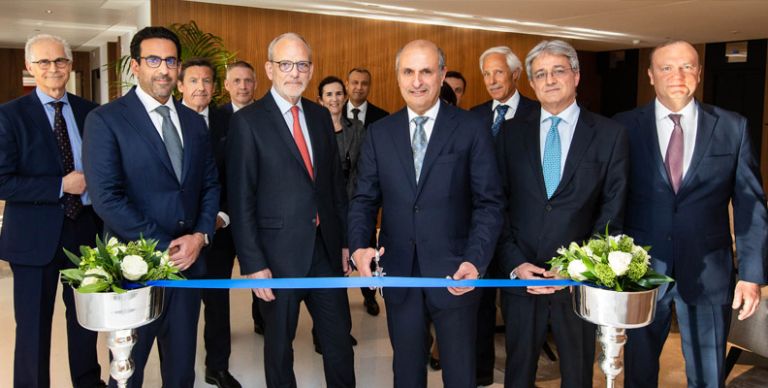
The signing ceremony took place at Dan Company’s headquarters in Riyadh, with Chairman Saad Abdulaziz Al-Kroud and Abdulmohsen Al-Tamimi Contracting Company’s Chairman Yousef Abdul Mohsen Al-Tamimi in attendance. The agreement was formalized by Dan Company’s CEO, Abdulrahman Abaalkhail, and Mohammed Abdul Mohsen Al-Tamimi, CEO of Abdulmohsen Al-Tamimi Contracting Company.

This project, branded as Tuaja Luxury Resorts, aims to enhance Saudi Arabia’s hospitality sector by integrating sustainability, innovation, and authentic hospitality. It also seeks to bolster Al-Ahsa’s appeal as a destination for both regional and international tourists.

Spanning 1.8 million square meters, the resort will feature 201 accommodation units, including hotel rooms and high-end villas, some equipped with private pools. The development will offer three distinct experiences:

– Tuaja Premium Farm Resort: Focused on luxury and exploration.

– Tuaja Eco Resort: An eco-friendly retreat emphasizing tranquility and contemplation.

– Tuaja Adventure Resort: Catering to guests seeking adventure and excitement.

Amenities will include diverse dining options featuring a ‘farm-to-table’ experience, a luxurious spa, a central activity area, a community center supporting local artisans, an event hall, and state-of-the-art sports facilities.

Chairman Saad Abdulaziz Al-Kroud stated, “We are pleased to announce the new resort, which aligns with the Kingdom’s efforts to enhance its hospitality and tourism offerings locally and internationally and reaffirms our commitment to contribute to the development of the tourism sector by leveraging the Kingdom’s enchanting natural landscapes and showcasing its rich natural diversity through agri, eco, and adventure tourism.”

Yousef Abdul Mohsen Al-Tamimi, Chairman of Abdulmohsen Al-Tamimi Contracting Company, expressed, “We are delighted to collaborate with Dan Company on this exceptional project, which underscores our unwavering commitment to shaping a sustainable future and actively contributing to the goals of Saudi Vision 2030.”

Dan Company is pursuing LEED (Leadership in Energy and Environmental Design) certification for the resort, emphasizing environmental conservation and sustainability. The project aims to blend modern sustainability practices with local traditions, preserving the region’s natural heritage and culture.

This initiative aligns with Saudi Arabia’s Vision 2030, which seeks to attract 150 million visitors by 2030 and increase the tourism sector’s contribution to the GDP from 6% to 10%. The development is expected to boost the local economy, create job opportunities, and elevate Al-Ahsa’s status as a premier tourist destination.

Abdulmohsen Al-Tamimi Contracting Company has a track record of involvement in significant projects within the Kingdom, including Red Sea Global, NEOM, and Qiddiya. Their collaboration with Dan Company reflects a shared vision to redefine hospitality and tourism in Saudi Arabia.

Al-Ahsa, recognized as a UNESCO World Heritage site, is renowned for its rich cultural and agricultural heritage. The introduction of Tuaja Luxury Resorts is poised to showcase the region’s unique character, offering guests immersive experiences in agritourism, ecotourism, and adventure tourism.

ADVERTISEMENT

MicroStrategy has further cemented its position as one of the largest corporate holders of Bitcoin, completing the acquisition of an additional 15,350 BTC for $1.5 billion, translating to an average price of approximately $100,386 per Bitcoin. This latest purchase marks a significant move for the company, reinforcing its bullish stance on the cryptocurrency as part of its long-term strategy.

The firm, led by Michael Saylor, now holds a total of 439,000 BTC, valued at around $27.1 billion. This represents a major commitment to the digital asset class, with an average purchase price of $61,725 per Bitcoin. The recent acquisition comes amid a highly volatile period for Bitcoin, reflecting MicroStrategy’s ongoing belief in the asset’s potential to appreciate over time despite fluctuations in market prices.

This move is part of MicroStrategy’s broader strategy, which has seen it steadily accumulate Bitcoin over several years. The company began its Bitcoin acquisition spree in August 2020, making waves with its decision to adopt Bitcoin as its primary treasury reserve asset. At the time, it was one of the first major publicly traded companies to make such a bold commitment. Since then, MicroStrategy has continued to expand its holdings, with the total now approaching half a million BTC.

The firm’s investment strategy has been both aggressive and disciplined. The recent purchase of 15,350 BTC is one of the largest single acquisitions the company has made, a testament to its confidence in Bitcoin’s future. With a BTC yield of 46.4% quarter-to-date and 72.4% year-to-date, the performance of its holdings has demonstrated significant growth, providing strong returns on investment amid the digital currency’s price movements. Despite the volatility of Bitcoin’s market, these figures underline MicroStrategy’s strategy of holding long-term, seeing fluctuations as temporary rather than risks to the investment.

MicroStrategy’s focus on Bitcoin has not been without its critics, especially given the volatility that the cryptocurrency market can exhibit. Yet, the company’s commitment to holding its Bitcoin rather than liquidating it has helped the firm weather some of the market’s downturns. For instance, when Bitcoin’s value dropped significantly in mid-2022, many investors reassessed their positions, yet MicroStrategy maintained its stance, reaffirming its strategy.

The recent surge in Bitcoin’s price in the latter part of 2023 and into 2024 has only bolstered MicroStrategy’s position. While Bitcoin’s market value has fluctuated over time, with sharp dips followed by recoveries, the price stability seen recently suggests that its adoption as a store of value is gaining broader acceptance. The digital currency has seen increasing interest from institutional investors, signaling a shift in market sentiment towards Bitcoin as a long-term asset rather than a speculative instrument.

MicroStrategy’s massive Bitcoin position has also had implications for the company’s financial health. The firm has financed many of its Bitcoin purchases through a combination of cash reserves and debt offerings, including a significant issuance of convertible senior notes. This strategy has allowed MicroStrategy to leverage its position in the cryptocurrency without diluting its equity.

As Bitcoin adoption continues to grow among institutional investors and corporations, the role of companies like MicroStrategy in shaping market trends becomes more apparent. Their buying patterns not only influence Bitcoin’s price movements but also signal to other investors the viability of cryptocurrency as part of a diversified investment portfolio.

The corporate adoption of Bitcoin, exemplified by MicroStrategy’s approach, has also sparked broader discussions about the future of digital currencies and their integration into the global financial system. While many countries are still grappling with the regulatory implications of cryptocurrencies, the rising influence of institutional players points to an inevitable shift towards digital assets in the broader financial ecosystem.

Despite the challenges of regulatory uncertainty and market volatility, MicroStrategy’s bet on Bitcoin has proven to be a long-term strategy rather than a short-term speculation. The firm’s actions illustrate a deep belief in Bitcoin as a foundational asset for the future, even as the broader market adjusts to its unpredictable nature.

The crypto industry, while growing rapidly, remains a highly competitive field where job opportunities are often limited relative to the number of aspiring candidates. Despite a surge in cryptocurrency and blockchain-related innovations, many still struggle to land full-time roles due to the industry’s relatively small size compared to more established sectors.

To succeed in this competitive environment, candidates need to go beyond possessing the right knowledge, skills, and enthusiasm. Preparation and organization are paramount in securing a crypto job. Aspiring crypto professionals must focus on understanding the fundamental concepts of cryptocurrencies and blockchain technology, staying informed about trends such as decentralized finance (DeFi) and emerging blockchain platforms.

Building specialized skills, such as proficiency in blockchain programming languages (Solidity, Python), smart contract development, and cybersecurity, is also crucial. Industry certifications, like Certified Blockchain Developer (CBD), can boost a candidate’s credentials, enhancing their attractiveness to employersking plays a significant role in the crypto industry. Engaging in crypto communities, attending industry events, and participating in hackathons are ways to expand one’s professional network. This not only opens up job opportunities but also provides a platform to showcase one’s skills and gain practical experience. For example, contributing to open-source projects or building a personal portfolio can demonstrate expertise and enthusiasm to potential employers .

With rms and social media channels acting as critical gateways to job opportunities, candidates need to customize their resumes and cover letters for each application. Researching the company and understanding its products, services, and recent developments is essential to show genuine interest during interviews. This effort can set candidates apart in a crowded job market where everyone else may have similar technical skills.

Advertisements
ADVERTISEMENT

Bitcoin has surged above $106,000, marking a notable milestone for the cryptocurrency as investors and analysts increasingly focus on its strategic role in future financial reserves. This rise reflects a broader shift in market sentiment, driven by growing institutional interest and increasing speculation around Bitcoin’s potential to become a key asset in global financial systems. As central banks, corporations, and financial institutions explore digital assets, Bitcoin’s price surge signals a pivot toward its establishment as a store of value.

Several factors have contributed to this dramatic price increase, but perhaps the most pivotal is the anticipation that Bitcoin will become a reserve asset for institutional investors and even central banks. As nations and large financial entities explore the possibility of holding Bitcoin in their reserves, it is positioning itself as a digital alternative to traditional assets like gold. Analysts view Bitcoin’s growth as part of a larger trend, where digital currencies are gaining acceptance amid growing concerns over inflation, currency debasement, and geopolitical risks.

Bitcoin’s performance, which has fluctuated significantly in recent months, now suggests a major shift in investor confidence. On platforms such as the Chicago Mercantile Exchange (CME), institutional interest in Bitcoin has been at an all-time high. Meanwhile, global financial institutions are increasingly analyzing the asset’s potential within their investment portfolios. Many are viewing Bitcoin not just as a speculative asset, but as a hedge against traditional financial risks, particularly in light of the ongoing turbulence in global markets. This shift in perception is underscored by statements from prominent market players, who indicate that Bitcoin could become a key part of diversified investment strategies moving forward.

Meanwhile, Bitcoin’s increasing adoption by large corporations has helped elevate its status. Companies like Tesla, MicroStrategy, and Block (formerly Square) have all made substantial Bitcoin purchases in recent years, contributing to the growing acceptance of the cryptocurrency as a legitimate investment. These moves are part of a larger trend in which major companies, especially in technology and finance, are increasingly embracing Bitcoin. Tesla’s CEO, Elon Musk, has notably been vocal about Bitcoin’s potential as a store of value, further fueling optimism in the market.

Bitcoin’s price surge also coincides with broader changes in global monetary policies. Amid inflationary pressures and low-interest rates in major economies, many investors are turning to digital assets as an alternative to traditional stocks and bonds. The growing acceptance of Bitcoin by governments and businesses as a viable asset class is helping drive the latest surge in its price. Notably, countries like El Salvador have already taken steps to recognize Bitcoin as legal tender, setting a precedent for other nations to follow suit.

Market participants also point to the increasing regulatory clarity surrounding Bitcoin and other cryptocurrencies. Countries such as the United States, with ongoing discussions in Congress, are exploring frameworks that could provide more stability and legitimacy to the cryptocurrency market. This evolving regulatory landscape is seen as a key factor in institutional investors’ willingness to adopt Bitcoin as part of their portfolios. While some concerns remain regarding how global regulators will handle cryptocurrencies in the long term, the current trend points toward greater integration of Bitcoin into the mainstream financial system.

As Bitcoin’s price climbs, so too does the debate over its environmental impact. Critics have long raised concerns about the high energy consumption required to mine Bitcoin. Despite this, Bitcoin’s advocates argue that advancements in sustainable mining technology and increasing use of renewable energy sources are addressing these issues. The rise of Bitcoin ETFs and other investment products also reflects a more mainstream acceptance of Bitcoin as an asset class. These products allow investors to gain exposure to Bitcoin without directly holding the cryptocurrency, expanding its appeal to a wider range of market participants.

The surging price has drawn the attention of both retail and institutional investors, who are looking to capitalize on Bitcoin’s new role in the global economy. However, while the optimism surrounding Bitcoin remains high, analysts warn that its volatility remains a significant risk. Prices can fluctuate dramatically in a short time frame, and this uncertainty continues to make Bitcoin a speculative investment for many. Nonetheless, with its growing acceptance among institutional investors, Bitcoin’s evolution from a niche asset to a more mainstream store of value seems increasingly likely.

The broader cryptocurrency market has also benefited from Bitcoin’s price movement, with altcoins like Ethereum seeing significant gains in recent weeks. Many investors view Bitcoin as a bellwether for the overall health of the digital asset market, and its rise has had a ripple effect across the industry. Ethereum, which has long been seen as the second-largest cryptocurrency by market capitalization, has also seen its price surge as more investors look for alternative digital assets with the potential for similar growth.

XRP has drawn renewed focus in the cryptocurrency market as on-chain data reveals substantial outflows of the token from major exchanges. Market analysts and blockchain trackers indicate that $300 million worth of XRP has been withdrawn, fueling speculation of accumulation by whales and institutional investors. This development arrives amid an extended phase of price consolidation for XRP, sparking discussions on its potential trajectory.

According to data from Coinglass, the significant outflows over the past week indicate a strategic shift by high-net-worth investors, who appear to be betting on the token’s future. The movement of such a considerable volume suggests confidence in XRP’s long-term potential despite broader market uncertainties. Observers highlight that such patterns of withdrawal often correlate with accumulation, as holders transfer their tokens to private wallets to prepare for anticipated price surges.

The timing of these transactions is notable, as XRP has demonstrated resilience following regulatory clarity in its ongoing legal battle with the United States Securities and Exchange Commission (SEC). The partial victory Ripple Labs achieved earlier this year, where XRP was deemed not to be a security when sold on secondary markets, has bolstered investor sentiment and rekindled interest in the asset.

XRP’s price has remained relatively stable, hovering within a tight range between $0.50 and $0.55. Analysts attribute this to broader market conditions and the lack of a significant catalyst in the crypto space. However, the scale of the $300 million outflows has prompted speculation that larger players could be positioning themselves for a breakout. Whale Alert, a blockchain tracker, recorded multiple transactions of XRP worth millions, adding weight to the idea that this activity is a precursor to strategic market movements.

Beyond these transactions, Ripple Labs has been advancing its efforts to expand XRP’s utility. The company has been actively pursuing partnerships with financial institutions globally, emphasizing cross-border payment solutions. Such initiatives aim to solidify XRP’s role as a preferred digital asset for seamless, low-cost transactions, a factor that experts believe could drive demand over time.

The cryptocurrency market has witnessed increased volatility in recent months, with fluctuating macroeconomic indicators and shifting investor sentiment impacting digital asset prices. While Bitcoin and Ethereum continue to dominate trading volumes, altcoins like XRP are gaining traction, especially among those seeking diversification in their crypto portfolios.

Analysts caution, however, that market dynamics remain uncertain. Although the $300 million outflows hint at positive sentiment, they do not guarantee immediate price action. Factors such as liquidity, macroeconomic conditions, and regulatory developments will play critical roles in shaping XRP’s near-term prospects. Some experts suggest that retail investors should carefully monitor market trends and avoid being swayed solely by whale activity.

On the regulatory front, Ripple’s legal entanglements continue to weigh on its ecosystem. Despite the partial victory in its case against the SEC, the broader question of XRP’s status under U.S. securities law remains unresolved. A final decision in the matter, expected in the coming months, could serve as a pivotal moment for the token, potentially influencing its adoption and price.

In addition to its legal battles, Ripple Labs is preparing for a new phase of innovation. Its recent announcements about leveraging XRP for real-world applications, including tokenized assets and central bank digital currency (CBDC) pilots, reflect the firm’s ambition to remain at the forefront of blockchain technology. This approach aligns with the growing demand for decentralized financial solutions, which many see as a transformative force in the global financial system.

Market participants are also paying close attention to XRP’s performance against broader altcoin indices. Some argue that the consolidation phase, coupled with heightened whale activity, presents a favorable entry point for long-term investors. However, the inherent volatility of cryptocurrency markets suggests that any investment carries significant risks.

ADVERTISEMENT

The stablecoin market has reached a significant milestone, surpassing a total market capitalization of $200 billion, a first in the digital asset’s history. This surge reflects a broader trend where stablecoins are increasingly being adopted for a range of uses beyond their initial function of facilitating cryptocurrency trading. Key drivers of this growth include rising capital inflows and the expanding role of stablecoins in real-world applications such as payments and remittances.

In the past few months, the stablecoin market has been on a steady upward trajectory, with assets like Tether (USDT) and USD Coin (USDC) leading the charge. Tether, in particular, has seen substantial growth, maintaining its dominance in the market with significant increases in its circulation. The overall growth of the stablecoin ecosystem is linked to both the rise in digital asset trading volumes and the increasing acceptance of these digital currencies as alternatives to traditional fiat money.

One of the main catalysts behind the expanding use of stablecoins is the broadening scope of their use cases. Traditionally, stablecoins were primarily used by traders as a way to move in and out of volatile cryptocurrency positions without leaving the ecosystem. However, in 2024, there has been a noticeable shift. Increasingly, businesses and individuals are utilizing stablecoins for payments, cross-border remittances, and even as a store of value. This shift has been especially visible in sectors like gaming, e-commerce, and even charity, where stablecoins offer a faster, cheaper, and more secure alternative to conventional payment methods.

As more users and companies look to leverage the benefits of stablecoins, the market has also attracted the attention of regulators. Many financial authorities around the world are taking a more active role in regulating stablecoins to ensure financial stability while balancing innovation. The regulatory landscape remains in flux, with governments working on frameworks to ensure stablecoins are used responsibly without undermining the traditional financial system.

The integration of stablecoins into decentralized finance (DeFi) platforms has further cemented their relevance. As DeFi grows, the demand for stablecoins within these decentralized applications has spiked. These platforms use stablecoins as a medium for lending, borrowing, and earning interest, all of which contribute to the broader adoption of stablecoins across various sectors.

Despite the growing popularity, challenges persist. Issues related to transparency, especially concerning the reserves backing stablecoins like Tether, have sparked debates among market participants and regulators alike. Nonetheless, the general outlook for the stablecoin market remains positive, as technological advancements continue to pave the way for greater adoption and diversification of stablecoin offerings.

ADVERTISEMENT

Oman remains steadfast in its commitment to becoming a global leader in green hydrogen production, despite facing a range of challenges in its pursuit of an energy transition. The Gulf nation is tapping into its vast renewable energy potential to position itself as a key player in the emerging green hydrogen market, which could play a pivotal role in global decarbonization efforts. The country’s green hydrogen strategy […]

The United Arab Emirates has finalized a comprehensive agreement aimed at boosting economic and trade relations with the Eurasian Economic Union (EAEU), marking a significant step in its efforts to diversify trade partnerships and expand its geopolitical influence. The deal, signed by top officials in both regions, is expected to enhance cooperation in sectors such as energy, technology, and logistics, and increase bilateral trade, which has already shown promising growth.

The EAEU, a political and economic union comprising Armenia, Belarus, Kazakhstan, Kyrgyzstan, and Russia, represents a growing market with over 180 million consumers. The agreement with the UAE promises to deepen economic integration between these countries and one of the Middle East’s most dynamic economies. This strategic alignment highlights the UAE’s broader ambition to strengthen its role as a global trading hub, positioning itself as a bridge between East and West.

Trade relations between the UAE and the EAEU have been steadily evolving, with the UAE emerging as a key partner for EAEU nations in recent years. This new pact, formalized after several rounds of negotiation, is designed to capitalize on existing commercial synergies, offering a platform for increased investment flows, joint ventures, and the expansion of supply chains. The agreement sets the stage for a substantial increase in trade volumes, as both parties have agreed to reduce trade barriers and streamline customs procedures, making it easier for goods and services to flow across borders.

In addition to the trade component, the agreement includes provisions for cooperation in technology and innovation. The UAE, already a leader in the tech sector in the Middle East, is looking to export its expertise in fields such as artificial intelligence (AI), renewable energy, and smart infrastructure. EAEU nations, particularly Russia and Kazakhstan, are keen to integrate more advanced technologies into their industries, and the UAE sees this as a prime opportunity to tap into these growing markets. The deal is expected to open up new avenues for collaboration in space technology, fintech, and cybersecurity, sectors in which the UAE has made substantial strides.

Energy remains one of the cornerstone industries in the relationship. The UAE, a member of the Organization of the Petroleum Exporting Countries (OPEC), and Russia, one of the world’s largest oil producers, have long had a robust partnership in the energy sector. This agreement formalizes their commitment to enhancing energy cooperation, particularly in the field of renewable energy. With both nations investing heavily in solar, wind, and nuclear power, the UAE’s clean energy expertise could play a pivotal role in helping EAEU countries achieve their energy transition goals.

The partnership holds significant strategic value for the UAE, which is seeking to diversify its international partnerships and reduce its reliance on traditional Western markets. As geopolitical dynamics shift, particularly with increasing tensions between the West and Russia, the UAE sees the EAEU as an important alternative to expand its global influence. The UAE’s government has been active in seeking closer relations with non-Western powers, building ties with China, India, and Russia in various sectors, including defense, technology, and trade.

For the EAEU, the agreement provides a new dimension to its outward economic orientation, as the bloc looks to reduce its dependence on Europe and enhance its engagement with the Middle East. This new avenue for collaboration is seen as critical for the EAEU’s long-term economic strategy, which aims to bolster ties with countries in Asia and the Arab world. The UAE’s rapidly growing economy and its strategic location between Asia, Africa, and Europe offer a unique gateway for EAEU countries to increase their exports, access global markets, and attract investments.

This agreement is part of a broader trend of the UAE pursuing economic diversification and expanding its trade footprint beyond its traditional partners. The UAE has been actively seeking new trade agreements with nations across the globe, and this deal with the EAEU complements similar initiatives with countries such as India, China, and various African nations. Through these agreements, the UAE is enhancing its position as a regional and global trade powerhouse, and the EAEU pact is a significant component of that vision.

The deal’s signing follows years of diplomatic and economic negotiations, with both sides recognizing the growing potential for collaboration across multiple sectors. The UAE has long prioritized the development of strong, diversified economic relationships, and this agreement with the EAEU is expected to deliver tangible benefits for both regions in the coming years.

While the agreement sets the stage for increased trade and investment, both sides are aware of the challenges involved in implementing such a broad partnership. Differences in regulatory environments, market structures, and political dynamics could present hurdles that need to be navigated carefully. However, the determination on both sides to push forward with these initiatives reflects the shared commitment to strengthening economic ties.

FIFA confirmed Saudi Arabia as the host of the 2034 Men’s World Cup on Wednesday, marking a historic moment for both the nation and the Middle East. The announcement was largely a formality, as Saudi Arabia was the sole bidder for the prestigious tournament, securing the rights without facing competition from other countries.

This victory positions Saudi Arabia as the second nation in the Middle East to host the World Cup, following Qatar’s successful bid for the 2022 tournament. FIFA’s decision to award Saudi Arabia the 2034 event underscores the growing influence of the region in global sports and aligns with the country’s ongoing push to diversify its economy and enhance its global stature.

The announcement follows the deadline for World Cup host bids, which closed without any other nations stepping forward. While other countries had considered bidding, Saudi Arabia’s extensive investment in sports infrastructure, coupled with its broader ambitions under the Vision 2030 initiative, positioned it as the dominant candidate. The country’s growing role in global sports has been evident in recent years with high-profile events such as the LIV Golf series and the Saudi Pro League attracting international attention.

The choice to award Saudi Arabia the 2034 World Cup aligns with FIFA’s ongoing efforts to globalize the tournament and increase its presence in new markets. This marks a continuation of FIFA’s strategy to bring the World Cup to regions that have historically been underrepresented in major international sporting events. For Saudi Arabia, hosting the World Cup is part of its broader ambitions to reshape its international image and establish itself as a leading destination for tourism, sports, and entertainment.

Saudi Arabia’s Vision 2030, spearheaded by Crown Prince Mohammed bin Salman, is a national development plan that aims to reduce the kingdom’s dependence on oil revenues by investing in non-oil sectors like tourism, entertainment, and sports. The 2034 World Cup fits into this larger strategy, with the event expected to boost the country’s economy, infrastructure, and international appeal. The announcement of the World Cup was celebrated within the country, reflecting national pride and ambition.

The infrastructure required for the World Cup is expected to drive further modernization efforts. Saudi Arabia has already embarked on major construction projects in recent years, including the building of new sports venues, hotels, and entertainment complexes. The country has also been investing heavily in upgrading its transportation networks, with the aim of creating a seamless experience for international visitors. The legacy of the tournament will likely include lasting improvements to Saudi Arabia’s tourism infrastructure, further positioning it as a destination for international visitors.

Although the lack of competition for the 2034 World Cup bid may raise questions about the transparency of the process, FIFA’s decision was met with enthusiasm from both supporters and critics of Saudi Arabia’s role in global sports. Some observers argue that the country’s growing presence in major international events raises important questions about the intersection of politics, sports, and human rights. However, others believe that hosting the World Cup presents an opportunity for Saudi Arabia to foster greater engagement with the global community.

The Middle East, as a region, has seen a rapid transformation in its sports culture over the last decade. The successful hosting of the 2022 World Cup in Qatar was a landmark event, showcasing the region’s ability to manage and execute a major international sports competition. Qatar’s ability to navigate the logistical challenges of hosting the World Cup has set a precedent for Saudi Arabia, which is expected to follow a similar path in preparation for 2034.

Saudi Arabia’s growing investment in football, particularly through its domestic league, has drawn attention from the international football community. The country’s efforts to attract top talent to the Saudi Pro League, including high-profile signings like Cristiano Ronaldo, have increased the league’s visibility. This influx of international stars has raised the profile of Saudi football and contributed to the country’s ambitions of becoming a leading force in the global football landscape.

The 2034 World Cup also presents a significant opportunity for FIFA to expand the tournament’s global reach. With the event taking place in the Middle East for the second time in just over a decade, FIFA aims to strengthen its presence in a region with rapidly growing football interest and infrastructure development. The decision is likely to further cement football’s place as the world’s most popular sport, especially in a region where the sport has seen an explosion in popularity and investment.

ADVERTISEMENT

Carlyle Group’s AlpInvest Partners has entered into a strategic partnership with Mubadala Investment Company, marking a significant development in the private equity and alternative investment landscape. The two entities are set to pool their expertise to create a new financing initiative, which is expected to reshape investment strategies in the coming years.

AlpInvest Partners, a leading global private equity firm, and Mubadala, a sovereign wealth fund based in Abu Dhabi, have long been prominent players in the investment world. Together, they are now focusing on expanding their reach across sectors such as technology, healthcare, and energy. The collaboration aims to tap into emerging investment opportunities, leveraging the expertise of both firms to provide flexible financing solutions to companies in need of capital.

The new partnership is expected to create a platform that offers both direct investments and secondary market opportunities, targeting firms across the growth and buyout spectrum. Experts highlight the synergies between Mubadala’s long-term investment approach and AlpInvest’s deep knowledge of the private equity landscape, which could prove to be a winning combination for identifying and nurturing high-growth ventures.

This initiative comes at a time when the global investment market is undergoing significant shifts. The private equity space, especially, has been growing at a rapid pace as more institutional investors look to diversify their portfolios. Analysts point out that this collaboration allows both firms to capitalize on a range of opportunities, from early-stage funding to large-scale buyouts, with a particular emphasis on sectors that are poised for transformative growth.

Mubadala’s significant capital base, bolstered by its vast portfolio of assets, gives the partnership a solid foundation to pursue deals that may otherwise be out of reach for smaller players. The sovereign wealth fund’s diverse holdings in global markets, particularly in sectors such as aerospace, technology, and healthcare, will complement AlpInvest’s extensive network of private equity investments. Together, they aim to target both established companies and innovative startups with high potential for growth.

One key aspect of the partnership is its potential impact on the Middle East and North Africa (MENA) region, where both Mubadala and AlpInvest have been steadily increasing their footprint. The region has seen a surge in private equity activity in recent years, driven by economic diversification initiatives and the growth of regional industries. Experts believe that the collaboration could further strengthen the MENA region’s position as a leading hub for private equity investments, drawing attention from both local and international investors.

The partnership’s approach to financing is seen as a significant shift in how private equity deals are structured. Unlike traditional private equity funds that typically focus on buyouts or growth equity, this collaboration is expected to provide more flexible financing solutions, including debt, equity, and hybrid structures. This flexibility could be a game-changer for companies looking for capital but unwilling to give up full control or ownership stakes.

For AlpInvest, this partnership adds to its growing portfolio of alliances with other institutional investors and private equity firms around the world. As part of the Carlyle Group, AlpInvest has access to a global platform that enables it to tap into high-value deals across North America, Europe, and Asia. This new venture with Mubadala allows AlpInvest to further solidify its position as a key player in the global alternative investments space.

Mubadala’s involvement in the partnership underscores its ongoing strategy to diversify its investments globally. As part of its broader investment strategy, Mubadala has been focusing on both growth and impact, directing funds towards industries that promise long-term value and societal benefits. The new financing venture with AlpInvest is expected to align with these goals, particularly in the fields of sustainable energy and technology, which are central to the UAE’s Vision 2030 and Mubadala’s broader strategic objectives.

The financial terms of the partnership have not been disclosed, but market analysts anticipate that the new venture will unlock a wave of new opportunities for investors and businesses alike. As the demand for alternative financing models continues to rise, the Carlyle-AlpInvest and Mubadala collaboration is poised to take advantage of the growing need for capital across a variety of industries, with a special emphasis on innovation-driven sectors.

On November 10, 2024, Dubai hosted the second Russian Design Forum, a key event for design and architecture professionals organized by Olga Melnikova. The Forum, which gathered more than 250 Russian-speaking professionals, became an important platform for sharing experience and establishing contacts in the international design environment. Special attention was paid to the development of design in the Emirates, where Russian designers are confidently asserting themselves, setting […]

The blockchain landscape is on the cusp of a transformative shift as new contenders challenge the dominance of established platforms like Ethereum and Solana. While Ethereum and Solana have carved out prominent positions with their focus on scalability, smart contracts, and decentralized applications, emerging blockchain networks are beginning to capture the attention of investors, developers, and enthusiasts alike.

Ethereum, long regarded as the king of smart contracts, has faced challenges in scaling its network to handle growing demand. Solana, with its high-speed transactions and low fees, quickly gained popularity but has encountered its own set of technical issues. In response to these pain points, several new blockchain projects are positioning themselves as solutions that could disrupt the current hierarchy and change the way blockchain technology is used.

At the forefront of this potential revolution is the development of layer-2 solutions, next-generation consensus mechanisms, and other blockchain innovations designed to address the scalability issues that have hindered Ethereum’s progress and Solana’s network stability. These new technologies promise to enhance transaction speed, reduce fees, and improve overall network performance.

The race is on to build a blockchain that not only scales efficiently but also remains decentralized and secure. New protocols are leveraging cutting-edge cryptographic techniques and modular designs to allow for greater flexibility in handling various types of blockchain applications, from decentralized finance (DeFi) to non-fungible tokens (NFTs). These protocols promise to deliver faster transaction times without sacrificing the security and decentralization that blockchain users expect.

One of the most talked-about developments in this space is the rise of *modular blockchains*. These blockchains, in contrast to the monolithic models used by Ethereum and Solana, separate the execution layer from the consensus layer, creating a more flexible, scalable architecture. This modular approach allows for tailored solutions that can better accommodate specific use cases, whether it be for enterprise adoption, decentralized finance, or other blockchain-based innovations. Projects like Celestia and Polkadot are leading the charge in this area, drawing significant interest from both developers and investors.

Modular blockchains allow for enhanced interoperability between different blockchains, a crucial factor in ensuring that the blockchain ecosystem remains open and accessible. Unlike the more isolated ecosystems of Ethereum or Solana, modular solutions enable smoother communication and asset transfers between multiple blockchain networks. This approach has the potential to address some of the interoperability issues that have plagued the space, making cross-chain transactions more seamless and efficient.

In addition to modular blockchains, the rise of *zero-knowledge proofs* (ZKPs) is also gaining momentum. ZKPs are cryptographic tools that allow one party to prove to another that a statement is true without revealing any underlying information. These proofs can be used to significantly improve privacy and scalability in blockchain systems. ZKPs are already being integrated into several promising blockchain platforms, with zk-SNARKs (a specific type of zero-knowledge proof) playing a pivotal role in projects like zkSync and StarkNet.

As these technological advancements continue to take shape, the conversation around blockchain’s future has become even more nuanced. Traditional giants like Ethereum and Solana are not standing still in response to these challenges. Ethereum is moving towards Ethereum 2.0, a major upgrade designed to improve scalability, security, and sustainability through a shift from proof-of-work (PoW) to proof-of-stake (PoS). While this transition has been slow, it is expected to significantly reduce Ethereum’s energy consumption and increase its overall capacity.

Solana, too, is doubling down on its efforts to solidify its position as a leading blockchain for decentralized applications. Despite its technical setbacks, the network’s lightning-fast transaction speeds and low fees continue to attract developers, especially those building decentralized finance (DeFi) applications and non-fungible tokens (NFTs). However, Solana’s ability to maintain network stability amid high transaction volumes will be crucial to its long-term success in the space.

The evolving blockchain ecosystem has brought with it the rise of decentralized autonomous organizations (DAOs), community-driven governance models that give token holders a voice in decision-making. These decentralized governance models, in which users have a say in protocol updates and network upgrades, are becoming more popular as users seek more control over the platforms they use. As DAOs continue to gain traction, the shift towards decentralized governance is poised to challenge traditional models of centralized control in blockchain development.

A proposal urging Microsoft to integrate Bitcoin into its financial reserves faced rejection during the company’s shareholder meeting, reflecting a cautious stance toward cryptocurrency adoption among major corporate players. The resolution, championed by MicroStrategy’s Michael Saylor, highlighted Bitcoin’s potential to augment shareholder value and align with broader technological trends. However, Microsoft’s leadership and a significant majority of its investors opposed the move, signaling concerns about volatility and strategic misalignment.

Michael Saylor, known for steering MicroStrategy toward aggressive Bitcoin investments, presented a compelling case during the meeting. He suggested that Microsoft could enhance its valuation by leveraging Bitcoin as a strategic asset, proposing a reallocation of the company’s $80 billion in cash reserves toward cryptocurrency acquisitions. Saylor argued that this shift could potentially add trillions of dollars to the company’s market value, citing the broader acceptance of Bitcoin among institutional investors and governments.

The proposal drew mixed reactions. While some retail investors, constituting approximately 23.5% of Microsoft’s shareholder base, expressed interest in exploring Bitcoin’s long-term benefits, institutional investors, who hold nearly 70% of Microsoft shares, were more reserved. Prominent shareholders, including Vanguard Group, BlackRock, and State Street, echoed concerns about Bitcoin’s price volatility, regulatory uncertainties, and its alignment with Microsoft’s core business strategy.

Microsoft’s executive team, led by CEO Satya Nadella, also maintained a cautious approach. Despite acknowledging the transformative potential of blockchain and decentralized technologies, the leadership emphasized the importance of prudent financial management and alignment with shareholder expectations. The decision to reject the proposal was reinforced by the belief that Microsoft’s current capital allocation strategies, such as stock buybacks and dividend payouts, deliver more predictable and stable returns.

Michael Saylor’s advocacy for Bitcoin stems from his own company’s extensive experience in cryptocurrency investments. MicroStrategy has acquired over 386,000 Bitcoins since 2020, with its holdings significantly appreciating in value during Bitcoin’s bullish phases. However, this strategy has also exposed the company to criticism and financial risks during market downturns.

The debate surrounding Microsoft’s potential adoption of Bitcoin highlights a broader discussion within corporate America about cryptocurrency’s role in financial and technological ecosystems. While tech-focused companies like Tesla and Square have embraced Bitcoin as a reserve asset, others remain hesitant, prioritizing stability and regulatory compliance over speculative gains.

This shareholder decision underscores the growing polarization over cryptocurrency in corporate governance. While proponents argue that Bitcoin can serve as a hedge against inflation and a catalyst for technological innovation, skeptics warn of its inherent risks and regulatory challenges. As Microsoft moves forward, its rejection of this proposal reaffirms its commitment to traditional financial prudence, signaling a reluctance to adopt untested financial strategies despite evolving market trends.

The rejection may influence broader corporate sentiment toward cryptocurrency adoption, especially among technology giants. It reflects a prevailing view that while blockchain technologies may hold significant promise, their integration into mainstream financial operations remains fraught with challenges. This decision will likely serve as a reference point for other corporations evaluating Bitcoin’s role in their financial frameworks.

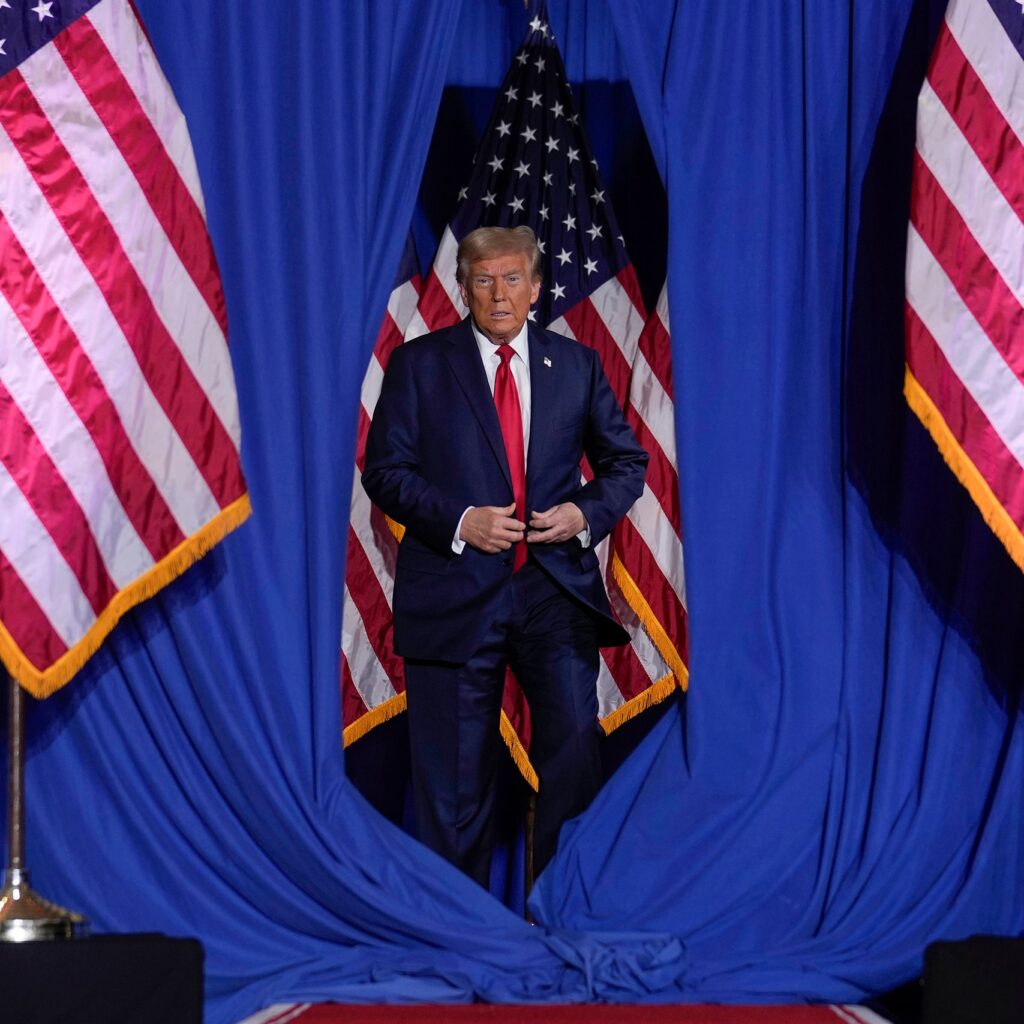
Several key figures from the Trump family and its network gathered at a high-profile cryptocurrency event in the Gulf region, where the convergence of digital currencies and the ever-growing market for crypto investments was on full display. The event, widely attended by industry leaders, investors, and political figures, provided a platform to discuss the emerging landscape of cryptocurrency, with a particular focus on Bitcoin, blockchain technology, and their future within global markets.

As the world navigates the evolving world of cryptocurrencies, the Gulf has become a hotspot for discussions around Bitcoin’s potential and the rising interest among both investors and political figures in the region. The event served as a reflection of broader global trends, where prominent political and business figures are increasingly aligning themselves with the digital currency space. For the Trump family and its allies, this marks an intensified involvement in the ever-growing crypto economy, a sector that has captured the attention of major global investors.

Donald Trump’s family members and political allies, including former White House officials and business partners, were seen attending various sessions during the gathering. These figures have been closely linked with the cryptocurrency movement for years, and their participation at the Gulf event highlights the increasing intersection between the digital currency world and high-profile political figures. Their presence not only signals a growing interest in the sector but also indicates how crypto has evolved from a niche technology to a mainstream financial asset.

The Trump family’s involvement in crypto aligns with broader Republican Party figures, some of whom have advocated for fewer regulations and a more lenient approach to crypto markets. Trump himself, while not overtly endorsing cryptocurrency in public statements, has repeatedly shown an interest in economic policies that benefit digital assets, often commenting on the need for more favorable conditions for businesses in the U.S. crypto space.

This growing alignment between the Trump family and cryptocurrency advocates has led to discussions regarding how the family’s network could further influence digital asset regulations. It is an environment that is ripe for policy lobbying and potential investment opportunities, making it a key area of focus for those gathered at the Gulf conference.

The Gulf region, particularly countries like the UAE and Saudi Arabia, has increasingly emerged as a global center for cryptocurrency innovation and regulation. These nations have been proactive in cultivating a crypto-friendly environment, with numerous free zones and financial hubs aimed at attracting digital asset companies and investors. Their push to position themselves as leaders in the digital finance sector is evident through initiatives aimed at creating regulatory frameworks that are conducive to cryptocurrency ventures.

For the Trump family and its allies, the event in the Gulf represents not just an opportunity to network, but also a deeper engagement with the region’s cryptocurrency potential. A number of Gulf-based investors have been vocal about their interest in Bitcoin, often citing its promise as a store of value amidst global economic instability. This is a view that aligns closely with statements made by key Trump allies, who see Bitcoin as a hedge against inflation and a safeguard for the future of financial systems.

While the Trump family’s direct involvement in crypto investments remains largely speculative, many members of their political network are increasingly vocal in advocating for the integration of cryptocurrency into mainstream financial markets. At the Gulf gathering, several key figures in the Trump camp discussed the potential for digital currencies to be integrated into broader financial systems, from asset management to cross-border payments, and even within the governance structures of central banks.

The event also highlighted the expanding role of cryptocurrency in global political and economic spheres. From the Trump family’s interactions with regional investors to the broader geopolitical implications of a burgeoning crypto economy, it is clear that the Gulf is positioning itself as a critical player in the digital finance space. For countries seeking to diversify their economies and establish dominance in future technologies, cryptocurrencies present an undeniable opportunity.

This expansion of crypto’s influence has not gone unnoticed among policy-makers. With growing calls for clearer regulations to protect both investors and the integrity of the financial system, the Gulf event also shed light on the regulatory challenges that come with rapid crypto adoption. Many industry leaders, alongside political figures, are discussing the importance of establishing global standards that could guide the industry in its growth while ensuring that digital currencies do not pose systemic risks to the financial ecosystem.

The Gulf event also served as a backdrop to discussions about the broader economic implications of cryptocurrencies, especially Bitcoin. As more global corporations and governments consider how to integrate digital assets into their financial systems, the Trump family’s growing involvement signals a broader shift in how political figures engage with the crypto industry. This is not just about investment but also about shaping the future of digital finance through favorable policies and regulatory measures.

As the cryptocurrency market continues to mature, it is clear that the involvement of key political figures, such as those from the Trump family, will play a crucial role in influencing both the regulatory landscape and the direction of investment in digital assets. The event in the Gulf was a clear demonstration of the growing interconnections between political figures, investors, and the rapidly evolving world of cryptocurrencies.

VISHNU RAJA
RYO YAMADA
HITORI GOTOH
IKUYO KITA
Social Media Auto Publish Powered By : XYZScripts.com