Ras Al Khaimah has successfully issued a $1 billion sukuk, marking its return to the international debt capital markets after a decade. The 10-year senior unsecured sukuk, priced at a profit rate of 5.038%, attracted substantial global investor interest, with orders exceeding the offering by 4.4 times. This significant demand underscores the emirate’s strong creditworthiness and economic stability.
The sukuk was issued under Ras Al Khaimah’s $2 billion Trust Certificate Issuance Programme through RAK Capital, a special purpose vehicle affiliated with the government. The transaction launched with an initial pricing guidance of 10-year US Treasury plus 120 basis points . Robust investor appetite allowed the government to tighten the final pricing by 40 bps to 10-year US Treasury plus 80 bps.
The issuance garnered interest from a geographically diverse investor base. Approximately 57.8% of subscriptions originated from the MENA region, 35% from the UK and continental Europe, and 7.2% from Asia and other regions. This widespread participation reflects global confidence in Ras Al Khaimah’s fiscal management and economic prospects.
Prior to the issuance, both S&P Global Ratings and Fitch affirmed their ratings for RAK Capital’s sukuk programme at ‘A’ and ‘A+’, respectively, each with a stable outlook. These affirmations align with the credit agencies’ ratings for the Government of Ras Al Khaimah, further bolstering investor confidence.
The sukuk structure aligns with recent Shari’a developments set by the UAE Central Bank Higher Shari’a Authority, including a government decree ensuring the enforceability of real estate ijara assets. This adherence to Shari’a-compliant structures highlights the emirate’s commitment to ethical financing practices.
The government expressed satisfaction with the overwhelming response from global investors. A spokesperson highlighted that the high oversubscription and the negative new issue concession of -10 bps underscore Ras Al Khaimah’s strong credit standing and the investor community’s confidence in the emirate’s growth trajectory.
Citi and Emirates NBD Capital acted as structuring advisors for the issuance. Joint global coordinators included Abu Dhabi Commercial Bank, Citi, Emirates NBD Capital, First Abu Dhabi Bank, RAKBANK, and Standard Chartered Bank. Their collaboration played a pivotal role in the successful execution of the sukuk offering.
Ras Al Khaimah has maintained credit ratings in the ‘A’ range from Fitch and S&P for 15 years. Known for its diversified economy and strategic location, the emirate continues to attract investment across multiple sectors. This sukuk issuance not only reinforces Ras Al Khaimah’s presence in the international debt markets but also showcases its commitment to sustainable economic development.
The successful sukuk issuance is expected to have positive implications for the emirate’s future projects and initiatives. The raised capital will likely be allocated to infrastructure development, public services, and other strategic sectors, further enhancing Ras Al Khaimah’s economic landscape. Investors’ strong interest indicates a robust appetite for Shari’a-compliant financial instruments and confidence in the emirate’s fiscal policies.
The global investor community’s response to Ras Al Khaimah’s sukuk issuance reflects a broader trend of increasing interest in Middle Eastern debt instruments. The region’s economic resilience and strategic initiatives have positioned it as an attractive destination for international investors seeking diversification and stable returns.
Ras Al Khaimah’s return to the international debt capital markets after a decade signifies its strategic approach to leveraging global financial platforms. The successful sukuk issuance not only provides the emirate with the necessary capital for its developmental projects but also enhances its reputation in the global financial community.
The emirate’s adherence to Shari’a-compliant structures and alignment with international best practices demonstrate its commitment to ethical and sustainable financing. This approach not only attracts a broader investor base but also reinforces Ras Al Khaimah’s position as a forward-thinking and responsible issuer in the global financial markets.
The collaboration with leading financial institutions as structuring advisors and joint global coordinators underscores the emirate’s dedication to ensuring the sukuk issuance’s success. Such partnerships are crucial in navigating the complexities of international debt markets and achieving favorable outcomes for all stakeholders involved.
Ras Al Khaimah’s strategic initiatives and prudent fiscal management have positioned it favorably in the eyes of international investors. The successful sukuk issuance serves as a testament to the emirate’s robust economic fundamentals and its commitment to fostering a conducive environment for investment and growth.
The emirate’s diversified economy, encompassing sectors such as tourism, manufacturing, and services, continues to thrive. The capital raised through the sukuk issuance is expected to further bolster these sectors, driving sustainable economic growth and enhancing the quality of life for its residents.
The positive reception of Ras Al Khaimah’s sukuk issuance by the global investor community highlights the emirate’s strong credit profile and the effectiveness of its economic policies. As Ras Al Khaimah continues to implement strategic initiatives and invest in key sectors, it is well-positioned to maintain its upward trajectory in the global economic landscape.
The successful execution of the sukuk issuance also reflects the emirate’s ability to adapt to evolving market conditions and investor preferences. By aligning its financial instruments with Shari’a principles and international standards, Ras Al Khaimah demonstrates its commitment to meeting the diverse needs of investors while ensuring compliance with ethical financing practices.


 By Nantoo Banerjee Returning empty-handed and crestfallen from his meeting with United States President Donald Trump, popular satirical comedian turned Ukraine President Volodymyr Zelensky looks more like a totally confused person now. He doesn’t know whom to trust — highly peeved US President Donald Trump or the leaders of the EU-UK combine, the backstage instigators […]


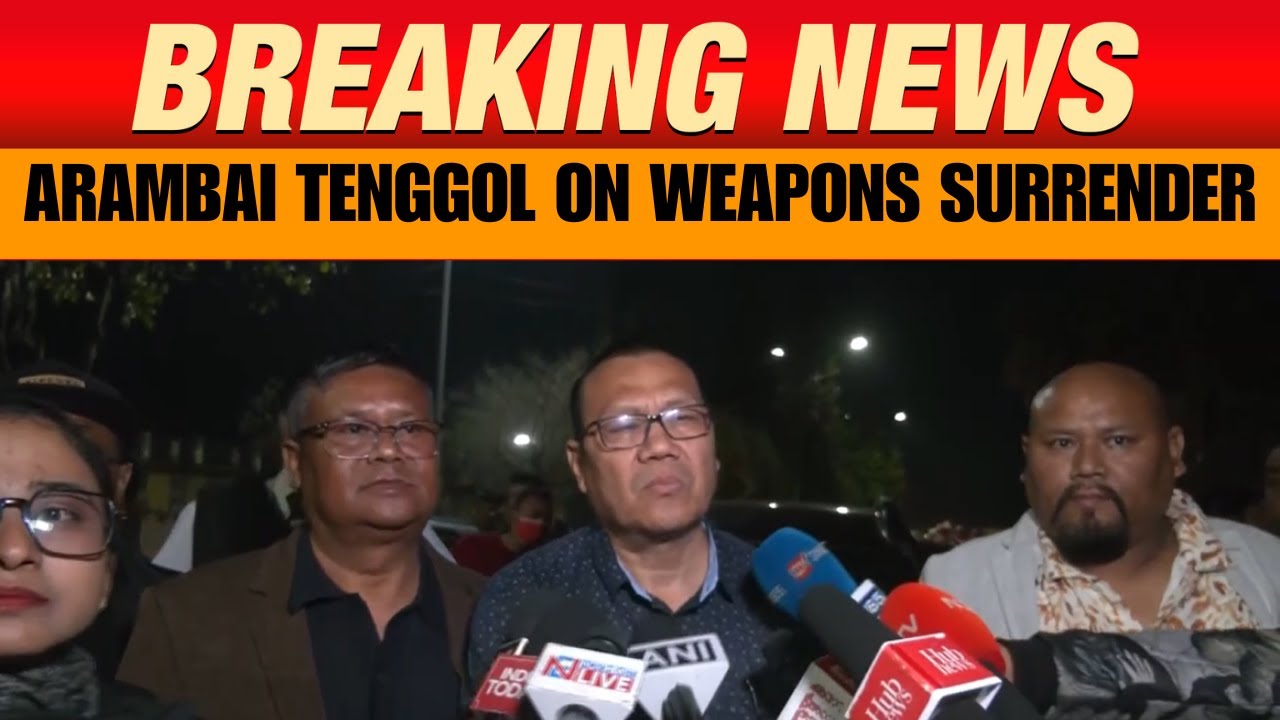
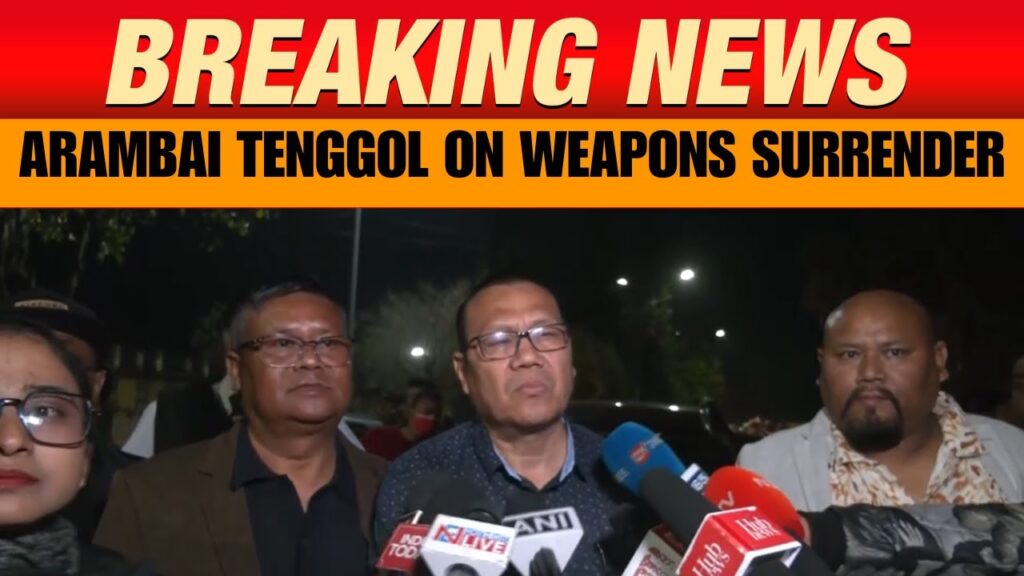 By Rabindra Nath Sinha There has been a hardening of postures of the two warring sides in Manipur since Union home minister Amit Shah issued certain strongly-worded directives after a security situation review meeting on March 1.This meeting was attended, among others, by Governor Ajay Bhalla, who is in command since the state was brought […]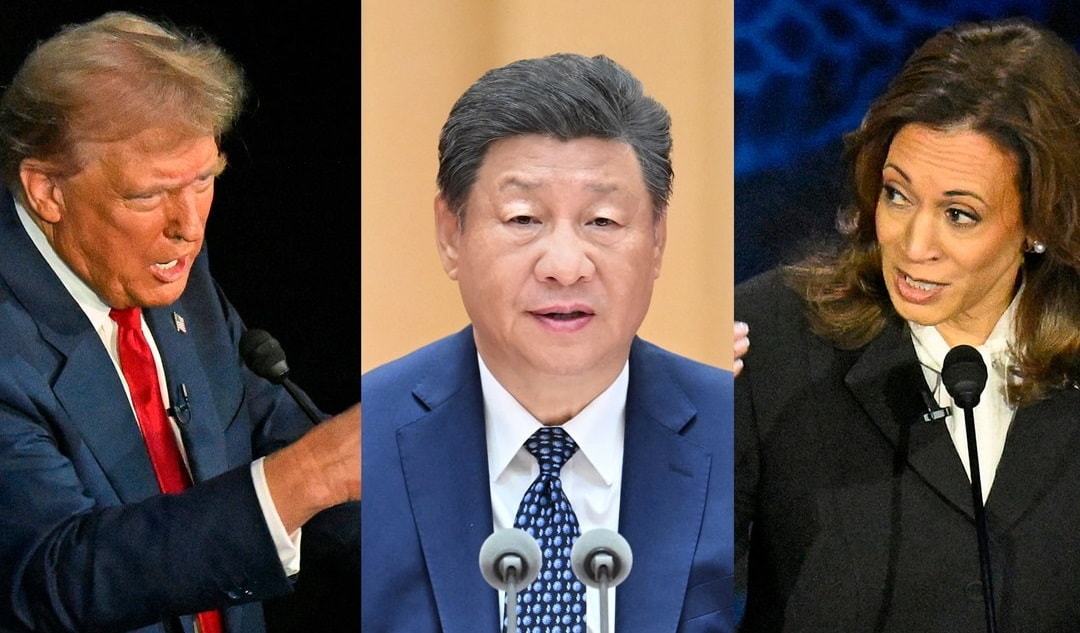
 By Nitya Chakraborty How is China, the second largest economic and military power of the world after the United States is planning to confront the second term U.S. President Donald Trump’s resurgence disrupting the so long established global order to impose his total domination on international politics? Every political analyst is looking at the current […]
 By Dr. Sobhanlal Datta Gupta A controversy has erupted centring around CPI(M)’s position expressed in the Draft Political Resolution for the ensuing 24th Party Congress that the present Narendra Modi Government is not fascist, but marked by fascist tendencies. This stand has been subjected to criticisms by other Left parties on the ground that this […]
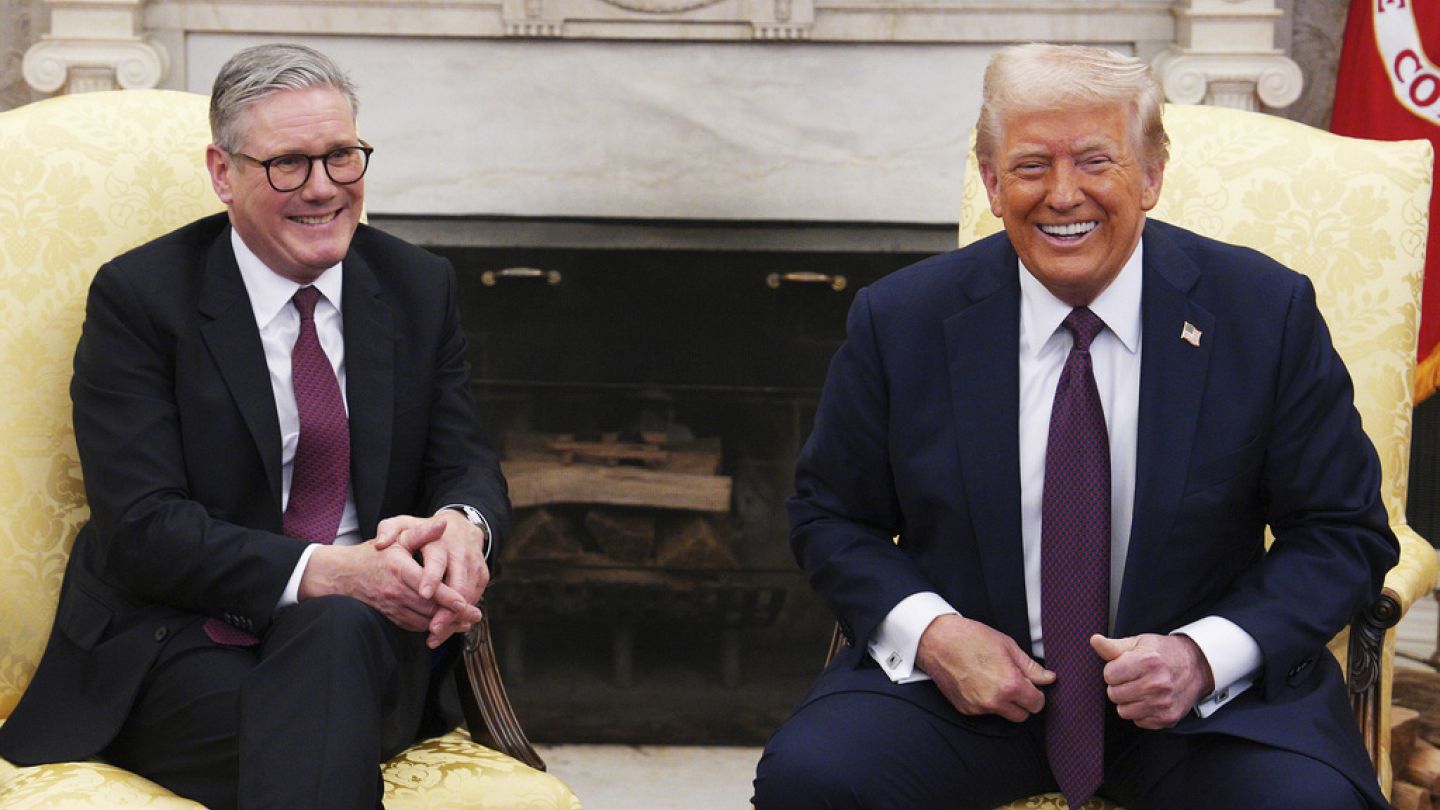
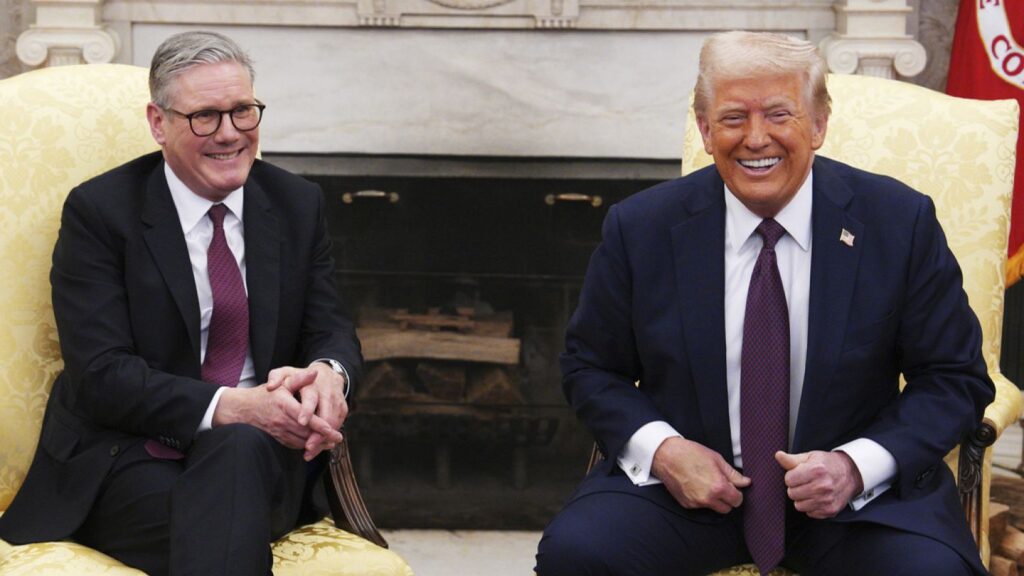 By Nitya Chakraborty The U.S. President Donald Trump has fired his missile on Europe, especially, France, UK and Germany by suspending arms aid to Ukraine after categorically making it clear that President Zelensky has to agree to the peace and security deal proposed by Trump on Friday in the White House meeting. The deal is […]
 By Nantoo Banerjee If the United States of America is the provider of the largest trade surplus to India year after year, there is no reason for India to impose unreasonable tariffs on merchandise imported from its best trading partner. In fact, the import tariff should not be allowed to be a bone of contention […]
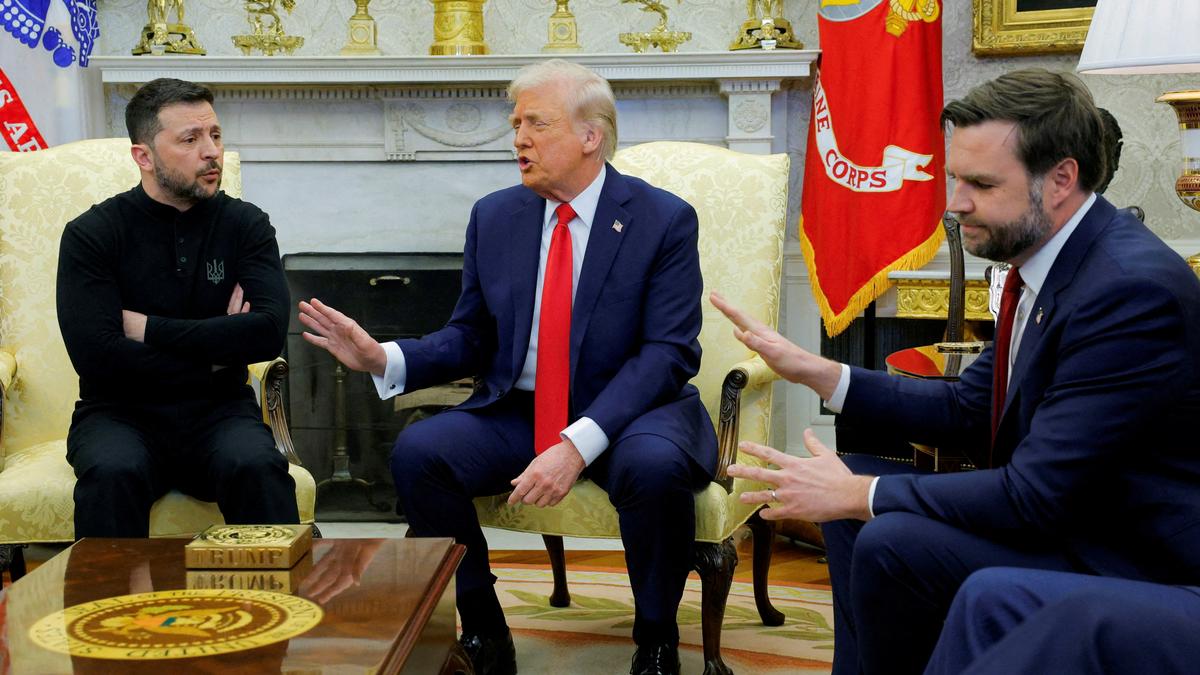
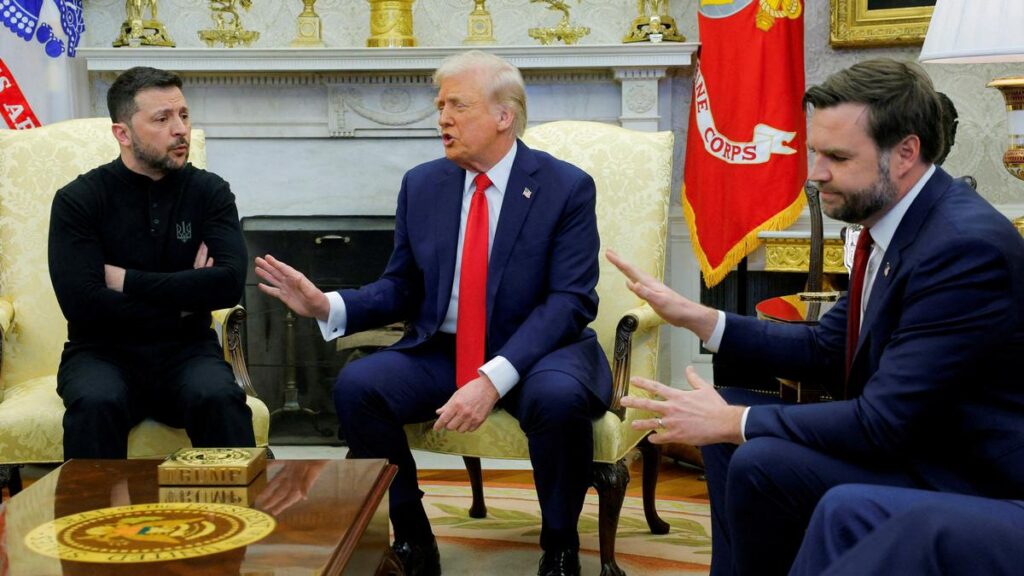 By Nitya Chakraborty Is the global geopolitics moving a full circle after 80 years since the end of the Second World War in 1945? The question is now extremely relevant after the world saw on Friday in TV channels the unprecedented spat between the United States president Donald Trump and the Ukrainian president Volodymyr Zelenskyy. […]

 By Raju Kumar BHOPAL: Madhya Pradesh, often referred to as the “Heart of India,” is renowned for its rich historical, cultural, and natural heritage. The state government has implemented various initiatives to develop the tourism sector and attract investments. The Global Investors Summit 2025 in Bhopal has raised hopes for a renewed focus on the […]
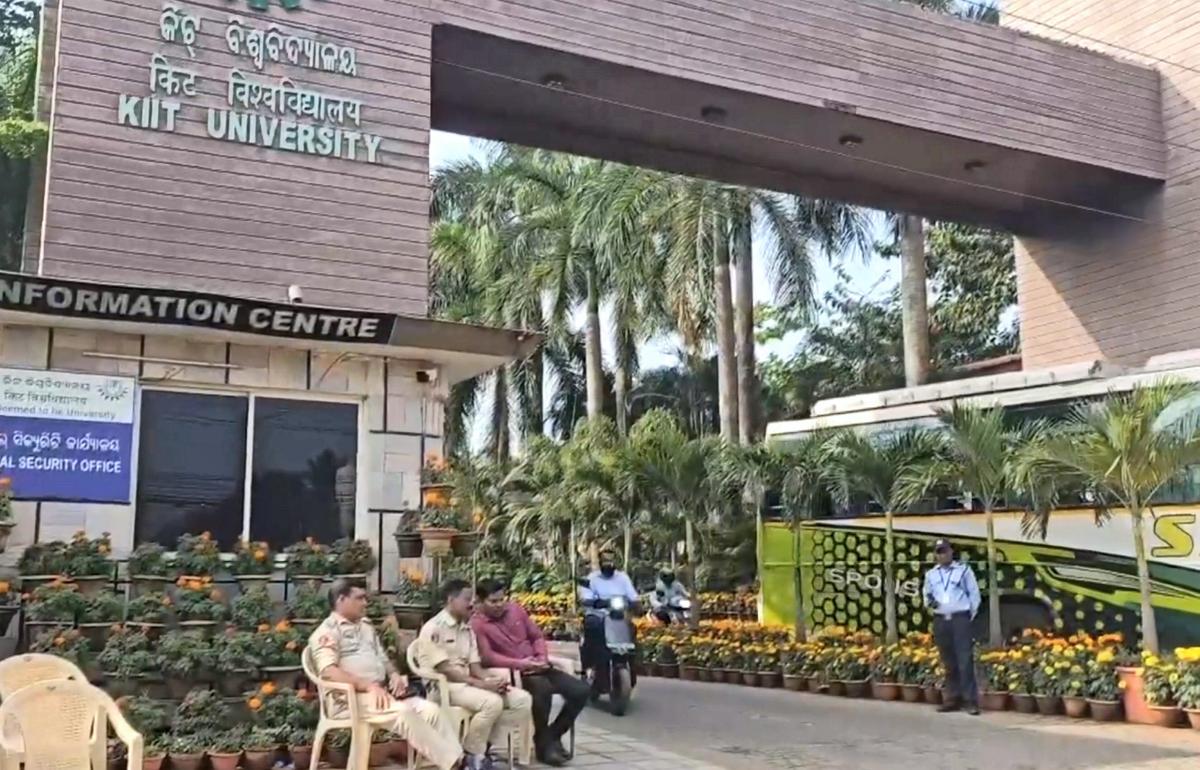
 By Aditi Jha The tragic death of Prakriti Lamsal, a Nepali B.Tech student at Kalinga Institute of Industrial Technology (KIIT), a private engineering college in Bhubaneswar, Odisha, in February 2025, exposed serious problems of institutional incompetence and poor management. Prakriti’s death was followed by protests by Nepali students who claimed that the university administration had […]
 By Sushil Kutty External Affairs Minister S Jaishankar never seems to finish his thoughts. People might mistake him to be a hesitant hacker. But that isn’t the case. EAM Jaishankar is the second longest serving foreign minister after Jawaharlal Nehru, who kept the external affairs portfolio with him, for the entirety of his tenure as […]