News related to
City

Bill Gates’ seminal essay on the dominance of content—aptly titled “Content is King”—has proven remarkably prescient as we navigate the digital landscape of 2024. His prediction that the future of online attention and revenue would pivot around content creation has come to fruition, with creators becoming pivotal players in a burgeoning trillion-dollar economy. Yet, despite the centrality of creators in this landscape, SocialFi platforms, which marry social media and decentralized finance, have yet to fully capture the mainstream audience’s imagination. For the true potential of SocialFi to be realized, a hybrid approach that synergizes its inherent benefits with traditional social media mechanics may be key.

At the heart of SocialFi’s promise is its commitment to empowering Web3 natives—those who operate within the decentralized realm of blockchain and cryptocurrency. These platforms aim to reimagine how creators monetize their content by integrating financial incentives directly into the social engagement ecosystem. Theoretically, this model is compelling: creators can earn from their work not just through indirect means, such as advertising revenue or sponsorships, but through direct interactions and transactions facilitated by blockchain technology. This could revolutionize the way content creators operate, giving them more control and financial reward.

However, the promise of SocialFi remains largely untapped outside of the Web3 niche. Mainstream users, who are more accustomed to traditional social media platforms like Instagram, TikTok, and Twitter, have yet to fully embrace the benefits of decentralized finance. One reason for this hesitation is the complexity and unfamiliarity of blockchain technology for the average user. SocialFi platforms often require a degree of technical understanding and crypto-literacy that can be a barrier to entry for many potential users. Moreover, the user experience on these platforms often lacks the polish and simplicity that mainstream social media giants have perfected over the years.

To address these challenges, SocialFi platforms could benefit from adopting a hybrid approach that blends their core decentralized features with elements from established social media platforms. This would involve creating a more user-friendly interface and offering seamless integration with existing social media accounts. By lowering the barrier to entry, SocialFi platforms could potentially attract a broader audience, including those who are less familiar with blockchain technology but are interested in the financial opportunities it presents.

Moreover, incorporating features from mainstream social media could enhance user engagement on SocialFi platforms. For instance, platforms could integrate familiar content discovery algorithms and social sharing features that users have come to expect. This would not only make SocialFi more accessible but also more engaging for users who are accustomed to scrolling through content feeds and interacting with a variety of posts.

Another significant factor in boosting SocialFi’s mainstream appeal is enhancing the creator experience. While financial incentives are a compelling draw, creators also seek robust tools to manage their content and interact with their audience. SocialFi platforms need to offer comprehensive analytics, easy content management systems, and effective community-building tools. By addressing these needs, SocialFi can provide creators with a compelling reason to transition from traditional social media platforms to a decentralized model.

The hybrid approach could also involve partnerships with existing social media platforms. By collaborating with these giants, SocialFi platforms could leverage their established user bases and technological infrastructure to introduce decentralized features gradually. For instance, a partnership could involve integrating SocialFi’s financial incentives into existing social media platforms, allowing users to earn rewards for engagement without requiring them to switch platforms entirely. This could serve as a bridge for mainstream users to experience the benefits of SocialFi without the need for a complete overhaul of their online habits.

Furthermore, education plays a crucial role in this transition. For SocialFi to gain traction, there needs to be a concerted effort to demystify blockchain technology and its applications. Educational campaigns, workshops, and simplified guides can help bridge the knowledge gap and make the concept of decentralized finance more approachable to the general public. As more users become familiar with the benefits and mechanics of SocialFi, the adoption rate is likely to increase.

SocialFi platforms also have an opportunity to differentiate themselves by focusing on niche communities and specialized content. While mainstream platforms cater to a broad audience, SocialFi can carve out a space for more targeted communities and content creators. By providing a platform for niche interests and specialized content, SocialFi can attract dedicated user bases that are passionate about specific topics, thus fostering a more engaged and supportive community.


By Satyaki Chakraborty Massive global protests in the last four days of September in all the major cities of the world including New York, Washington, London, Paris, Berlin and finally Tel Aviv against Israel Prime Minister Benjamin Netanyahu’s rigid attitude to the ceasefire proposal to end the Gaza war, have led to some positive reaction […]
The surge of generative AI tools has dramatically transformed the landscape of scientific publishing, raising concerns about the integrity of research papers. As AI systems become increasingly sophisticated, the ability to produce convincing yet fabricated scientific content has grown, threatening the reliability of academic work. While AI technology promises to streamline research, the emerging risks of falsified papers are becoming a growing problem for the global scientific […]

Abu Dhabi and Dubai have unveiled a new integrated parking permit system designed to streamline parking management across the emirates. The initiative aims to simplify the permit process, enhance user experience, and improve regulatory enforcement by creating a unified framework that spans both major cities. The new system merges previously separate parking permit schemes into a single, cohesive platform accessible to residents and visitors alike. This integration […]

Banks in the United Arab Emirates are increasingly poised to expand their lending activities, driven by a robust economic outlook and improving asset quality, according to the Central Bank of the UAE (CBUAE). This shift reflects growing confidence in the stability and potential of the financial sector, fostering a more dynamic lending environment. The CBUAE’s latest report highlights that the UAE’s economic stability has strengthened significantly, supporting […]

Tourism in the UAE has seen a substantial boost in the first half of 2024, positioning the country as the leading destination in the Gulf Cooperation Council (GCC) region. According to recent figures, the UAE has outpaced its neighbors in attracting international visitors, driven by a combination of strategic marketing, major events, and ongoing investment in tourism infrastructure.

The UAE’s Ministry of Economy reported a significant increase in tourist arrivals, with Dubai and Abu Dhabi leading the charge. The country welcomed over 10 million international tourists from January to June 2024, marking a 15% increase from the same period last year. This surge has been fueled by a series of high-profile events and a continued emphasis on enhancing the visitor experience.

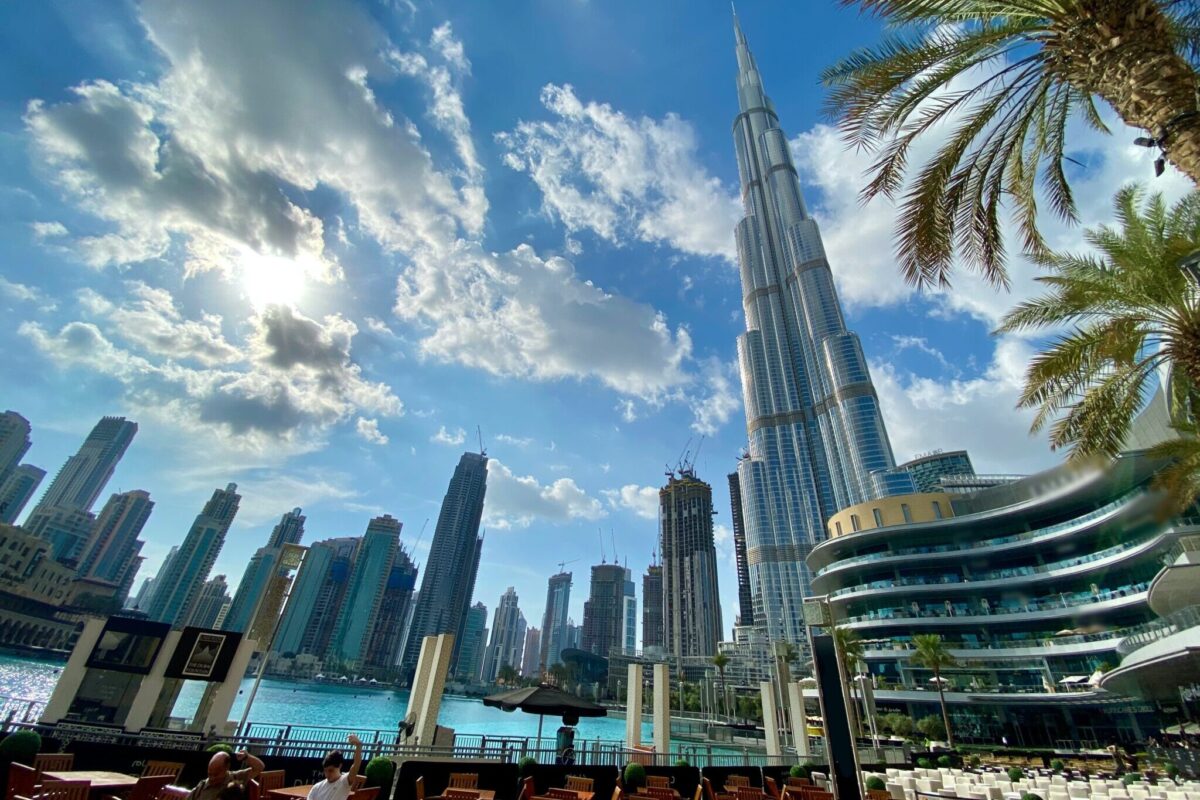
Dubai, known for its luxury tourism and major attractions like the Burj Khalifa and Dubai Mall, has witnessed a notable uptick in visitor numbers. The city’s ambitious strategy to diversify its tourism offerings and invest in world-class infrastructure has paid off. Major events such as the Dubai Shopping Festival and the Expo 2024 have drawn large crowds, contributing significantly to the rise in tourism figures.

Abu Dhabi, the UAE’s capital, has also seen a remarkable increase in tourist numbers. The city’s cultural and entertainment offerings, including the Louvre Abu Dhabi and Yas Island, have become major attractions. Recent investments in expanding hospitality services and promoting cultural tourism have bolstered Abu Dhabi’s position as a key player in the GCC tourism sector.

Other GCC countries have also experienced growth in their tourism sectors, but none have matched the UAE’s pace. Saudi Arabia, for instance, has made considerable strides with its Vision 2030 initiative, which aims to diversify the economy and promote tourism. However, while Saudi Arabia has seen growth, the scale and speed of the UAE’s tourism boom remain unmatched in the region.

Qatar and Oman have also reported increased tourist numbers, but the UAE’s strategic advantages in terms of infrastructure, marketing, and event management have given it a competitive edge. Qatar’s World Cup legacy continues to attract sports tourists, while Oman’s natural landscapes appeal to adventure and eco-tourism enthusiasts. Yet, the UAE’s well-established tourism ecosystem and its ongoing efforts to innovate and enhance the visitor experience have set it apart.

One of the key factors contributing to the UAE’s success is its continuous investment in tourism infrastructure. The UAE government has committed to expanding its hospitality sector, with numerous new hotels and resorts opening in recent months. Additionally, major projects such as the expansion of Dubai International Airport and the development of new tourism districts in Abu Dhabi are expected to further boost tourist numbers.

Another significant element is the UAE’s strategic marketing campaigns, which have effectively targeted key international markets. The UAE has focused on promoting its diverse attractions, ranging from luxury shopping and fine dining to cultural heritage and adventure tourism. This multifaceted approach has resonated with a broad spectrum of travelers, from affluent tourists seeking luxury experiences to those interested in cultural exploration and outdoor activities.

The UAE’s ability to host major global events has also played a crucial role in its tourism success. Events such as the Abu Dhabi Film Festival and Dubai Design Week attract international visitors and media attention, further enhancing the country’s profile as a leading tourist destination. These events not only draw visitors but also contribute to the UAE’s reputation as a hub for cultural and creative industries.

ACWA Power, a leading player in global energy and water desalination, is set to develop a new independent water plant in Sharjah, UAE, with an investment totaling $680 million. This major initiative marks a significant expansion of the company’s operations in the Middle East and aims to bolster the region’s water security and infrastructure.

The new facility will be located in the Al Hamriya area of Sharjah and is expected to substantially increase the Emirate’s water production capacity. ACWA Power has secured a 35-year concession for the project, which aligns with its broader strategy to enhance its footprint in the region’s water and energy sectors.

The plant, named the Sharjah Independent Water Plant (SIWP), is slated to have a production capacity of 600,000 cubic meters per day. It will utilize advanced reverse osmosis technology, which is both energy-efficient and environmentally friendly. This technology will help reduce the carbon footprint associated with water desalination, addressing sustainability concerns while meeting growing water demands.

The Sharjah Independent Water Plant is part of the broader UAE Water Security Strategy 2036, which aims to secure sustainable water sources and enhance the efficiency of the water sector. By investing in cutting-edge technology and infrastructure, ACWA Power is contributing to the UAE’s goal of ensuring a reliable and sustainable water supply for its population.

In addition to bolstering water security, the project is expected to create numerous job opportunities and stimulate local economic growth. Construction of the plant will involve a range of activities, from civil engineering to specialized technology installation, providing a boost to local businesses and workforce.

The financing for the project includes a combination of equity and debt, with significant contributions from international and local financial institutions. This financial backing reflects the confidence in the project’s viability and its alignment with regional development goals. The plant’s construction is anticipated to create a substantial number of jobs, both directly and indirectly, benefiting the local community.

The announcement comes as part of a series of strategic moves by ACWA Power to enhance its portfolio and reinforce its position as a leader in the water and energy sectors. The company’s commitment to innovation and sustainability is evident in its choice of technology and its adherence to international standards for environmental protection and operational efficiency.

ACWA Power’s CEO, Paddy Padmanathan, emphasized the strategic importance of the SIWP in meeting the growing demand for water in the UAE and supporting the country’s environmental objectives. He noted that the project represents a significant step forward in advancing the company’s mission to provide reliable and sustainable solutions for critical infrastructure.

This development follows a trend of increased investment in water infrastructure across the Middle East. The region, characterized by its arid climate and growing population, faces ongoing challenges related to water scarcity and the need for efficient resource management. The Sharjah Independent Water Plant is expected to play a key role in addressing these challenges by improving water supply reliability and contributing to the overall resilience of the regional water network.

The plant’s design incorporates state-of-the-art technology to ensure high efficiency and minimal environmental impact. The use of reverse osmosis technology is particularly notable for its lower energy consumption compared to traditional desalination methods. This choice aligns with global trends toward more sustainable and eco-friendly practices in water treatment.

Construction is projected to commence shortly, with completion anticipated within a few years. The timeline reflects the complexity of the project and the commitment to ensuring that the plant meets the highest standards of performance and reliability.

The SIWP will also contribute to the UAE’s broader goals of economic diversification and sustainability. By investing in advanced water infrastructure, ACWA Power supports the country’s efforts to reduce its dependence on traditional water sources and enhance its resilience against potential water shortages.

Advertisements

With its luxury resorts, emerald waters and iconic new landmarks, Phu Quoc – the world’s second best island – is becoming a must-visit destination for Indian tourists during the year-end travel season. PHU QUOC, VIETNAM – Media OutReach Newswire – 5 September 2024 – In 2023, Viet Nam welcomed over 392,000 Indian tourists, a 231 per cent increase compared to 2019, according to the Viet Nam National […]

By Dr. Gyan Pathak Farmers have been demanding legal guarantee for Minimum Support Price (MSP), but the Centre has announced 7 new big schemes for farm sector worth Rs14,000 crore on September 2. Modi government said that the schemes intended for farmers welfare, but farmers have been saying that their well-being depend on the legally […]


A tragic shooting unfolded at a Georgia high school where a 14-year-old student opened fire, killing four individuals and injuring nine others, sparking renewed demands for stronger gun safety measures. The shooting occurred during school hours, sending shockwaves through the community and reigniting a national debate on gun control and school safety. Authorities have apprehended the suspect, whose name has not been released due to his age, […]

IIT Delhi has inaugurated its first international campus in Abu Dhabi, marking a significant milestone in the institution’s expansion strategy. The new facility, situated in the UAE capital, represents IIT Delhi’s commitment to globalizing its world-renowned STEM education and research programs. This move is part of a broader initiative to enhance international collaboration and extend the institution’s educational reach beyond India’s borders.

The campus, located within the Abu Dhabi University district, is equipped with state-of-the-art facilities designed to foster advanced research and innovation. This expansion aims to build on IIT Delhi’s established reputation for excellence in engineering and technology, bringing its expertise to a new geographical region. The initiative aligns with the UAE’s strategic goals of enhancing educational offerings and fostering innovation-driven growth.

IIT Delhi’s new international campus will offer a range of undergraduate and postgraduate programs tailored to local and regional needs, including specialized courses in artificial intelligence, data science, and sustainable engineering. The institution has emphasized that the Abu Dhabi facility will serve as a hub for collaborative research, drawing on the UAE’s growing emphasis on technological advancement and smart city development.

The decision to establish a campus in Abu Dhabi reflects both IIT Delhi’s strategic vision and the UAE’s broader educational objectives. The UAE has been making substantial investments in higher education and research, aiming to position itself as a global leader in innovation. The partnership between IIT Delhi and UAE institutions is expected to strengthen the region’s academic and technological landscape.

This expansion is also seen as a response to the increasing global demand for high-quality STEM education and research opportunities. By leveraging its established reputation and expertise, IIT Delhi seeks to attract students and researchers from around the world, thereby enhancing its global footprint and influence.

The launch of the Abu Dhabi campus comes amid growing interest in international education partnerships, with many institutions seeking to broaden their global reach. For IIT Delhi, this venture not only represents an opportunity to extend its impact but also to contribute to the UAE’s educational and technological ambitions. The partnership is expected to yield mutual benefits, including collaborative research projects, student exchange programs, and joint ventures with local industries.

The new facility has been designed with a focus on cutting-edge technology and sustainability. It includes advanced laboratories, collaborative workspaces, and high-tech classrooms, all intended to support a dynamic learning and research environment. The campus is set to become a key player in the region’s academic and technological advancements, reinforcing IIT Delhi’s role as a leading global institution.

IIT Delhi’s international campus in Abu Dhabi is poised to attract students and researchers from across the globe, positioning itself as a significant educational hub in the Middle East. This move is expected to enhance the institution’s global network and influence, while contributing to the development of the UAE’s educational infrastructure and research capabilities.

Nissan has unveiled its latest iteration of the Patrol SUV during a high-profile event in Abu Dhabi, marking a significant milestone for the automotive brand. This new model is designed to embody both luxury and rugged capability, catering to a market known for its appreciation of powerful and sophisticated vehicles.

The launch event, held at a prominent Abu Dhabi venue, drew attention from automotive enthusiasts and industry experts alike. The new Patrol is distinguished by its enhanced design features and advanced technology, promising to set new standards in the SUV segment. The vehicle’s debut underscores Nissan’s commitment to innovation and its strategic focus on the Middle Eastern market, which is a key player in the global SUV landscape.

Key features of the new Nissan Patrol include a redesigned exterior that enhances its robust appearance while integrating sophisticated aerodynamic elements. The interior has been upgraded with premium materials and state-of-the-art infotainment systems, aimed at delivering an elevated driving experience. The SUV also boasts improved performance capabilities, including a more powerful engine and advanced suspension systems designed to handle diverse driving conditions.

The global premiere in Abu Dhabi highlights the city’s role as a pivotal hub for automotive launches, reflecting its growing influence in the international automotive industry. The event featured a showcase of the Patrol’s capabilities through live demonstrations and interactive exhibits, allowing attendees to experience the vehicle’s performance firsthand. The unveiling was accompanied by a series of presentations and discussions led by Nissan executives, who emphasized the brand’s vision for the future of automotive innovation and sustainability.

Nissan’s decision to debut the Patrol in Abu Dhabi is also seen as a strategic move to align with the region’s high demand for luxury SUVs. The Middle East market, with its preference for large, powerful vehicles capable of tackling both urban environments and rugged terrains, is an ideal platform for the new Patrol. The SUV’s advanced features, including its off-road capabilities and cutting-edge technology, are tailored to meet the expectations of consumers in this region.

The launch event was attended by a mix of dignitaries, industry professionals, and media representatives, all of whom witnessed the new Patrol’s impressive array of features. The vehicle’s performance was highlighted through a series of dynamic demonstrations, showcasing its capabilities in various driving conditions. The event also included a detailed presentation of the SUV’s design philosophy, emphasizing how it aligns with Nissan’s broader goals of innovation and customer satisfaction.

The new Nissan Patrol aims to build on the success of its predecessors by offering a more refined driving experience while maintaining the robust performance characteristics that have made the model popular in markets around the world. Its launch represents a significant investment in the brand’s future, with a focus on leveraging the latest technologies to enhance vehicle performance and driver comfort.

By K Raveendran The drop in crude oil prices below the $75 per barrel threshold has raised significant concerns within the oil market, particularly for the OPEC+ cartel, which has been striving to maintain prices near the desired $100 mark. The decline, influenced by a potential resolution of the Libyan political crisis and underlying economic […]

HKSTP’s 14 Park Companies Showcase Pioneering Robots, AI-Powered Safety System, Smart Building and ESG Solutions at Asia’s Most Comprehensive Built Environment Event HONG KONG SAR – Media OutReach Newswire – 4 September 2024 – Hong Kong Science and Technology Parks Corporation (HKSTP) is leading 14 innovative partner companies to the International Built Environment Week (IBEW) 2024, held from 4-6 September at Marina Bay Sands, Singapore. This participation […]

The detention of Telegram founder Pavel Durov at Le Bourget Airport near Paris on August 24 has sparked significant global concern, with the United Nations expressing apprehension over potential human rights violations. Durov, a Russian-born tech billionaire, was taken into custody by French authorities under a warrant related to his management of Telegram, a platform that has faced widespread scrutiny for its encrypted communication services and perceived […]

With bold ventures across multiple industries, Vingroup exemplifies Vietnam’s potential on the world stage, becoming a symbol of innovation, ambition, and national pride. HANOI, VIETNAM – Media OutReach Newswire – 4 September 2024 – Founded in 1993 by Pham Nhat Vuong, Vingroup has rapidly transformed into Vietnam’s largest private conglomerate. Over the past three decades, the company has played a crucial role in the nation’s development, reshaping […]

Sharjah’s first independent water project, the Hamriyah Independent Water Project (IWP), is set to become a reality through a landmark partnership between ACWA Power and the Sharjah Electricity, Water, and Gas Authority (SEWA). This significant development represents a major step forward in the region’s efforts to enhance its water infrastructure and ensure sustainable water management. The agreement between ACWA Power and SEWA marks a pivotal moment in […]

Saudi Aramco is set to retain its 10% stake in the joint venture between Renault and Geely, underscoring its commitment to expanding partnerships in the automotive sector. The move signifies Aramco’s strategic focus on strengthening its position within the evolving landscape of automotive technology and sustainable energy solutions.

The alliance between Renault and Geely, formed in early 2024, aims to develop advanced powertrains and enhance vehicle electrification. Aramco’s involvement, first reported in March 2024, was seen as a significant step given its expertise in energy and automotive technologies. The company’s decision to maintain its stake highlights its long-term vision of integrating its energy solutions with the automotive industry’s shift towards sustainability.

Recent industry developments indicate a growing trend of traditional energy companies investing in automotive technologies. This trend reflects a broader shift towards electrification and hybrid powertrains, as automakers and energy firms align strategies to address climate change and evolving consumer preferences.

Aramco’s decision aligns with its broader strategy to diversify its investments and reduce its reliance on traditional oil and gas revenues. The company’s engagement in the Renault-Geely venture is part of a larger effort to position itself at the forefront of energy innovation. By holding onto its stake, Aramco aims to leverage the growing market for electric and hybrid vehicles, which is expected to see substantial growth over the next decade.

The joint venture between Renault and Geely, based in China, represents a significant collaboration in the global automotive industry. Renault, a major player in European automotive markets, and Geely, a key Chinese automotive manufacturer, have combined their resources to accelerate the development of new technologies and expand their market reach. Aramco’s involvement brings additional expertise and resources to the table, enhancing the venture’s capacity for innovation.

Aramco’s focus on maintaining its stake also signals its intention to explore further partnerships within the automotive and technology sectors. The company is reportedly in discussions with other automakers and technology firms to identify new opportunities for collaboration. This strategy is in line with Aramco’s goal of integrating its energy solutions with emerging technologies to drive growth and sustainability.

Analysts view Aramco’s commitment to the Renault-Geely venture as a strategic move that positions the company favorably in the rapidly changing automotive industry. The investment aligns with global trends towards sustainable transportation and energy efficiency. As the automotive industry continues to evolve, Aramco’s role in these developments could play a crucial part in shaping future innovations.

The Renault-Geely joint venture is set to benefit from Aramco’s expertise in energy and its substantial financial resources. This partnership is expected to facilitate the development of advanced technologies and accelerate the adoption of sustainable practices in the automotive sector. The continued collaboration reflects a shared vision of addressing environmental challenges and meeting the demands of a changing market.

With the automotive industry increasingly focusing on sustainability and technology integration, Aramco’s strategic investments are likely to have a significant impact. The company’s decision to retain its stake in the Renault-Geely venture underscores its commitment to being at the forefront of these changes. As the industry progresses, Aramco’s involvement in such partnerships could enhance its influence and drive innovation across the sector.

AD Ports Group’s Noatum has launched a new rail logistics solution designed to enhance the efficiency of cargo transportation across the region. This development comes as part of a broader strategy to bolster the capabilities of the logistics sector and address increasing demands for more sustainable and reliable supply chain operations.

The new rail solution aims to streamline the movement of goods by integrating advanced technology and infrastructure improvements. It features state-of-the-art railcar systems and enhanced track management to ensure a smoother, faster, and more efficient transportation process. The initiative is expected to significantly reduce transit times and operational costs, benefiting both businesses and consumers.

Noatum’s rail logistics solution includes a comprehensive digital platform that provides real-time tracking and analytics. This platform is intended to offer greater visibility into the logistics chain, allowing businesses to monitor shipments more closely and make informed decisions based on up-to-date data. By leveraging these technological advancements, the solution aims to minimize delays and optimize cargo handling processes.

The introduction of this solution aligns with AD Ports Group’s strategic objectives to expand its logistics network and enhance its service offerings. The company has been investing heavily in modernizing its infrastructure and adopting cutting-edge technologies to meet the evolving needs of the global logistics market. The new rail solution is a testament to these efforts, reflecting the group’s commitment to driving innovation in the logistics sector.

In addition to improving operational efficiency, the rail logistics solution is also expected to have a positive environmental impact. By promoting the use of rail transport over other modes of transportation, the initiative supports AD Ports Group’s sustainability goals. Rail transport is generally considered more environmentally friendly compared to road transport due to its lower carbon emissions per ton of cargo.

The implementation of the rail solution will involve significant upgrades to existing rail infrastructure. This includes the installation of advanced signaling systems and the enhancement of railcar capabilities. These improvements are designed to increase the capacity and reliability of the rail network, addressing the growing demand for efficient freight transport.

AD Ports Group has emphasized that the new rail solution will play a crucial role in supporting the region’s economic growth. By facilitating more efficient cargo movement, the solution is expected to boost trade and contribute to the development of key industrial sectors. The initiative is also likely to create new job opportunities within the logistics and transportation industries, further supporting economic advancement.

The launch of this rail logistics solution follows a series of successful projects and partnerships that AD Ports Group has undertaken in recent years. The company has established itself as a leader in the logistics sector, with a focus on integrating innovative technologies and expanding its operational capabilities. This latest development reinforces its position as a key player in the global logistics market.

Delivery Hero, the global food delivery service, has enlisted Emirates NBD and Morgan Stanley to guide the upcoming initial public offering (IPO) of its Dubai-based subsidiary, Talabat. This strategic move underscores Delivery Hero’s commitment to strengthening its presence in the Middle Eastern market and capitalizing on the burgeoning e-commerce sector.

The IPO, anticipated to be one of the significant market events in the region this year, aims to raise capital that will support Talabat’s expansion and enhance its competitive edge in a rapidly evolving industry. The decision to hire Emirates NBD and Morgan Stanley reflects Delivery Hero’s intent to leverage the expertise of prominent financial institutions in executing the listing.

Emirates NBD, one of the largest banks in the Middle East, brings extensive regional knowledge and a robust network to the table. The bank’s involvement is expected to facilitate a smooth transition for Talabat into the public market, given its deep understanding of local investor sentiment and market dynamics. Morgan Stanley, a global financial services firm, complements this with its international reach and expertise in managing high-profile IPOs, ensuring that the offering attracts a diverse pool of investors.

The selection of these two firms follows a competitive bidding process, wherein Delivery Hero sought advisors with a proven track record in handling major IPOs and a comprehensive grasp of both regional and global market trends. The collaboration aims to position Talabat effectively in the market, aligning with broader trends in the food delivery and e-commerce sectors.

The IPO is expected to be a pivotal moment for Talabat, which has established itself as a leading player in the Middle East’s food delivery market. The company, founded in 2004 and acquired by Delivery Hero in 2019, has seen substantial growth, driven by an increasing demand for online food delivery services. This growth trajectory has been bolstered by changing consumer behaviors and the rise of digital platforms, which have reshaped how consumers interact with food service providers.

Market analysts predict that Talabat’s IPO will attract significant interest from both institutional and retail investors, given the company’s strong market position and growth potential. The offering is anticipated to be a key indicator of investor confidence in the Middle Eastern tech and e-commerce sectors, which have seen a surge in investment and interest over the past few years.

The timing of the IPO is strategic, as it aligns with broader economic trends in the region. The Middle East has been experiencing a period of economic transformation, with an increasing focus on technology and innovation as drivers of growth. The successful listing of Talabat could serve as a catalyst for further investment in the region’s tech and e-commerce sectors, highlighting the Middle East’s potential as a hub for technological advancement and digital innovation.

Delivery Hero’s decision to list Talabat in Dubai is also a reflection of the city’s growing prominence as a global financial center. Dubai has become a key destination for IPOs, attracting companies looking to tap into its dynamic market and leverage its strategic location as a bridge between East and West. The city’s financial infrastructure and supportive regulatory environment provide a conducive backdrop for the successful execution of high-profile IPOs.

Economic sentiment across the Gulf Cooperation Council (GCC) remains largely positive despite facing significant challenges. Leaders from the region’s six member states—Saudi Arabia, the United Arab Emirates, Qatar, Kuwait, Oman, and Bahrain—are projecting continued economic growth driven by strategic diversification and investment in key sectors.

Saudi Arabia’s Vision 2030 continues to shape its economic landscape. The Kingdom is expanding its non-oil industries, particularly focusing on tourism, technology, and entertainment. Major projects like NEOM, a futuristic city planned to be powered entirely by renewable energy, are set to bolster economic diversification efforts. Despite fluctuations in oil prices and global economic uncertainties, Saudi Arabia’s economic policies aim to position the country as a global hub for innovation and investment.

The United Arab Emirates is also charting a course of strategic growth. Dubai, in particular, is enhancing its status as a global business and tourism center. The emirate’s emphasis on sustainable development, with initiatives such as the Dubai Clean Energy Strategy 2050, underscores its commitment to a diversified economy. Additionally, Abu Dhabi’s investments in renewable energy and technology sectors are expected to drive future economic stability.

Qatar’s economy is benefiting from its robust infrastructure projects and strategic investments. The country has been preparing for the 2022 FIFA World Cup, which is anticipated to provide a substantial boost to the hospitality and tourism sectors. Additionally, Qatar is focusing on strengthening its natural gas sector, positioning itself as a leading global exporter. This economic strategy aims to maintain Qatar’s high growth trajectory despite regional geopolitical tensions.

Kuwait is working towards economic diversification through its Vision 2035 plan, which seeks to reduce dependency on oil revenues by investing in sectors such as finance, technology, and healthcare. Despite facing budget deficits and economic pressures, Kuwait’s government is committed to implementing reforms and enhancing the investment climate to attract foreign capital.

Oman’s economic policies are geared towards improving its economic resilience through diversification. The Sultanate is investing in industries such as mining, tourism, and manufacturing. Oman’s efforts to enhance its business environment, coupled with regional trade agreements, are designed to foster economic growth. The government is also focusing on developing its infrastructure to support economic activities.

Bahrain is making strides in transforming its economy through investments in banking, finance, and technology. The Kingdom’s focus on becoming a fintech hub reflects its strategy to attract international businesses and foster innovation. Additionally, Bahrain’s efforts to enhance its human capital and improve its regulatory framework are expected to contribute to its long-term economic stability.

Virgin Atlantic Airways is set to expand its global footprint with a new service to Riyadh, Saudi Arabia, marking its first direct route to the Kingdom. This move comes amid a surge in travel demand as Saudi Arabia continues to emerge as a significant player in the global tourism sector.

The new route will operate three times a week starting from next month, aiming to connect Riyadh with London’s Heathrow Airport. This expansion aligns with Saudi Arabia’s Vision 2030, which seeks to diversify the economy and boost tourism as a key sector. Virgin Atlantic’s entry into the Saudi market reflects a broader trend of international airlines increasing their presence in the region.

Saudi Arabia’s tourism industry has witnessed substantial growth due to the government’s efforts to open up the country to international visitors. Initiatives such as the introduction of new visa programs and the development of large-scale tourist attractions are contributing to this growth. The country’s investment in infrastructure, including the expansion of airports and the construction of luxury hotels, further supports this upward trajectory.

Virgin Atlantic’s decision to add Riyadh to its network comes as part of the airline’s strategy to leverage the increasing travel demand in the Middle East. The route is expected to cater not only to business travelers but also to tourists exploring Saudi Arabia’s cultural and historical landmarks. Riyadh, the capital city, has seen a rise in international visitors, drawn by its vibrant culture and economic opportunities.

This move is also significant in the context of competition within the Middle Eastern aviation market. Major carriers like Emirates, Qatar Airways, and Etihad have long dominated the region, but Virgin Atlantic’s entry represents a shift in the competitive landscape. The airline’s expansion strategy includes targeting key emerging markets, with Riyadh being a prime example of this approach.

Virgin Atlantic’s new service will offer passengers a range of amenities, including state-of-the-art cabin features and high-quality in-flight services. The airline is positioning itself as a premium choice for travelers between the UK and Saudi Arabia, differentiating itself with a focus on customer experience and modern aircraft.

The addition of Riyadh to Virgin Atlantic’s route map also highlights the growing importance of the Middle East as a travel hub. The region’s strategic location between Europe, Asia, and Africa makes it a key transit point for international travelers. As global travel patterns continue to evolve, airlines are increasingly looking to the Middle East to drive growth.

Saudi Arabia’s push to enhance its global tourism appeal includes not only traditional landmarks but also new attractions and events. The country’s efforts to host international conferences, festivals, and sporting events are part of its strategy to become a top tourist destination. Virgin Atlantic’s new route will likely benefit from these initiatives, as increased tourism activities drive demand for air travel.

The expansion also underscores the role of airlines in supporting economic development and cultural exchange. By connecting Riyadh with London, Virgin Atlantic is facilitating greater connectivity between two major global cities, promoting business and leisure travel. This service will likely foster increased bilateral trade and investment opportunities, benefiting both the UK and Saudi Arabia.

The Avenues Riyadh, a $4.58 billion project, has achieved 44.5% completion and is projected to open in early 2026. Located in northern Riyadh, this ambitious development promises to reshape the city’s retail landscape with its grand scale and distinctive design.

Spanning 390,000 square meters, the Avenues Riyadh is set to become one of the largest shopping destinations in the Middle East. The project is noted for its Salmani architectural style, which blends traditional Saudi elements with modern design principles. This fusion is expected to create a visually striking landmark in the region.

The Avenues Riyadh will feature a vast array of retail spaces, entertainment venues, and dining options, aiming to attract both local residents and international visitors. The development is being spearheaded by the Al Habtoor Group, which has a track record of delivering high-profile projects across the region.

Construction progress has been steady, with significant milestones achieved in the development of the mall’s infrastructure and exterior. The project’s design incorporates sustainable practices, including energy-efficient systems and environmentally friendly materials. This aligns with Riyadh’s broader urban development goals and sustainability initiatives.

Industry experts highlight the project’s potential to drive economic growth in the area. By attracting major global brands and providing a high-quality retail experience, the Avenues Riyadh is anticipated to boost tourism and create numerous job opportunities. The project also underscores Riyadh’s ambitions to enhance its status as a major regional commercial hub.

As construction continues, the focus will shift towards the interior development and finalizing tenant agreements. The Avenues Riyadh is set to feature a blend of luxury retail stores, entertainment options, and dining experiences, reflecting the city’s evolving consumer preferences and lifestyle aspirations.

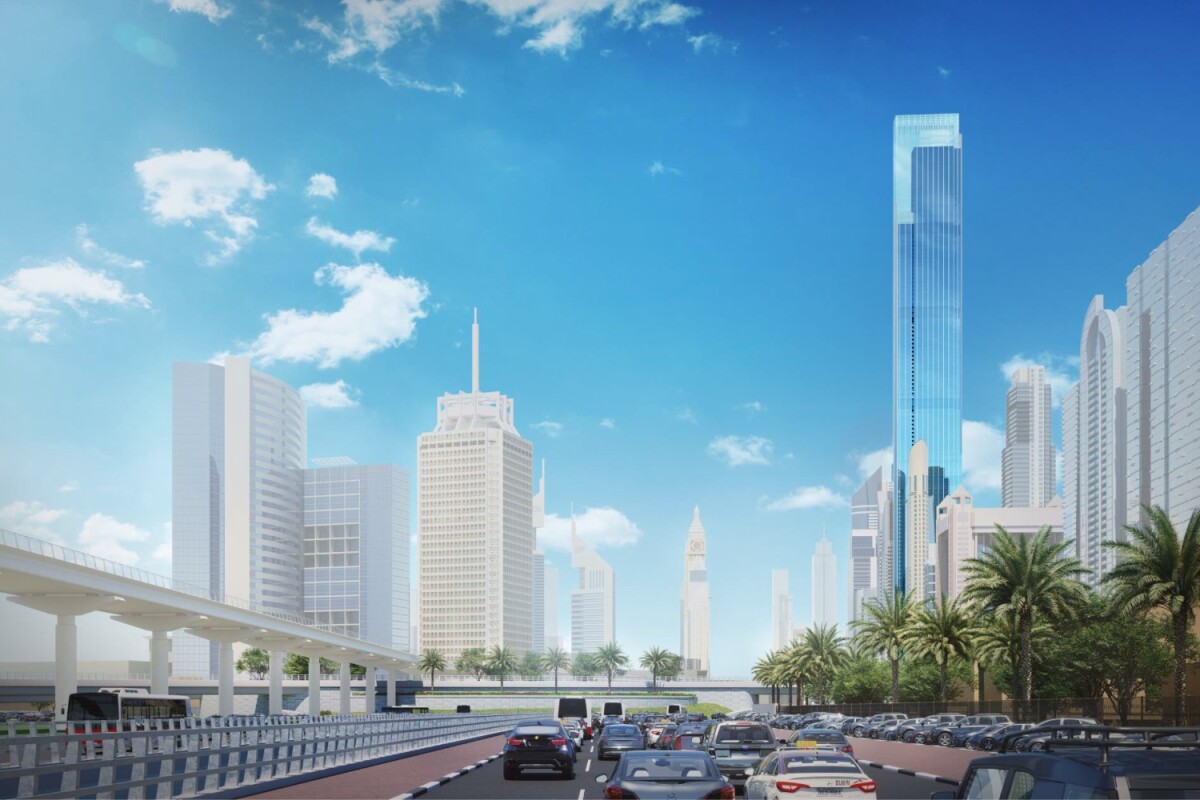
Dubai’s skyline is set to be transformed with the unveiling of Burj Azizi, a striking new landmark poised to become the world’s second-tallest tower. Azizi Developments, one of the UAE’s leading private developers, has announced that the tower will soar to an impressive height of 725 meters. This ambitious project underscores Dubai’s enduring commitment to architectural innovation and its role as a global hub for luxury real estate.

Located on Sheikh Zayed Road, Burj Azizi will not only be an architectural marvel but also the only freehold property on this prestigious thoroughfare. This unique aspect of the development is expected to attract significant interest from international investors and residents alike, offering a rare opportunity to own property in one of Dubai’s most sought-after locations.

The tower is designed to be much more than just a residential or commercial space. Azizi Developments has revealed plans for a vertical retail center that will span seven floors, providing a diverse range of shopping and dining experiences. In addition to this, the tower will feature a luxury ballroom and a beach club, catering to the city’s affluent residents and visitors. These amenities are intended to enhance the lifestyle offering of Burj Azizi, making it a destination in its own right.

Burj Azizi’s design is inspired by the rich cultural heritage of the UAE, incorporating elements that reflect the region’s history while also embracing contemporary architectural trends. The tower will be a symbol of Dubai’s forward-thinking vision, blending tradition with modernity to create a structure that is both iconic and functional.

The development is set to have a significant impact on the local real estate market. Analysts predict that the launch of Burj Azizi will drive up property values in the surrounding area, particularly given its status as the only freehold property on Sheikh Zayed Road. The project is also expected to boost Dubai’s tourism sector, attracting visitors from around the world who are eager to experience the city’s latest architectural wonder.

Azizi Developments has a strong track record of delivering high-quality projects, and Burj Azizi is no exception. The company is known for its attention to detail and commitment to excellence, qualities that are reflected in the design and execution of this project. The tower is set to become a benchmark for luxury living in Dubai, offering residents unparalleled views, world-class amenities, and a prime location in the heart of the city.

Construction of Burj Azizi is already underway, with completion expected within the next few years. The project is being developed in collaboration with some of the world’s leading architects and engineers, ensuring that it meets the highest standards of design and construction. Once completed, Burj Azizi will be a testament to Dubai’s ambition and its ability to realize even the most ambitious architectural visions.

The announcement of Burj Azizi has been met with enthusiasm from both the local and international real estate communities. Investors are particularly keen to secure a stake in the project, recognizing its potential to generate significant returns. The tower’s unique location, combined with its status as the world’s second-tallest building, makes it an attractive proposition for those looking to invest in Dubai’s burgeoning real estate market.

Azizi Developments has also emphasized the sustainability aspects of the project. The tower is being designed with energy efficiency in mind, incorporating the latest green technologies to minimize its environmental impact. This focus on sustainability is in line with Dubai’s broader efforts to promote environmentally responsible development and reduce the city’s carbon footprint.

VISHNU RAJA
RYO YAMADA
HITORI GOTOH
IKUYO KITA