News related to
City

Dubai has launched a suite of groundbreaking initiatives aimed at enhancing the city’s safety and technological infrastructure, with a focus on future-facing innovation. His Highness Sheikh Mohammed bin Rashid Al Maktoum, Ruler of Dubai, revealed a series of projects worth a total of Dhs2 billion, solidifying the Emirate’s reputation as a leader in cutting-edge law enforcement technology. These initiatives are designed to modernize the operational capabilities of […]

Mubadala Investment Company and commodities trader Trafigura are exploring the sale of their assets in Brazil’s iron-ore sector, specifically Porto Sudeste, a key iron ore port in Rio de Janeiro, and the Mineração Morro do Ipê mining project in Minas Gerais. Both entities are working with UBS BB and Goldman Sachs to facilitate the sale, a move that could be completed within the next six to nine […]

Dubai has marked a new milestone in its push to become a leader in futuristic transport solutions with the commencement of construction for the city’s first air taxi station. Located close to Dubai International Airport (DXB), this development is a pivotal step toward integrating urban air mobility (UAM) into the city’s transportation infrastructure. This ambitious project, spearheaded by Dubai’s Roads and Transport Authority (RTA) in collaboration with […]

The Saudi Public Investment Fund (PIF), a major sovereign wealth fund under the Saudi government, has executed a notable transaction by divesting over $1 billion worth of shares in the Saudi Telecom Company (STC). This decision aligns with the PIF’s strategy to rebalance its investment portfolio, shedding portions of domestic holdings to fund international acquisitions and domestic development initiatives, particularly in high-growth sectors outside of oil.

This strategic move involved the sale of a 4% stake in STC through a secondary share placement. A major player in the Saudi economy, STC is considered a blue-chip stock on the Saudi exchange, Tadawul, where it holds a considerable influence on market performance. The transaction came after months of market speculation about potential PIF divestitures, spurred by the Fund’s stated ambition to optimize capital flows toward diverse global and domestic investments, potentially in technology and renewables, where PIF sees long-term growth opportunities.

The secondary share placement, conducted through a structured auction, attracted significant interest from both institutional and retail investors in Saudi Arabia and abroad. Market analysts report that this interest underlines the strong international appetite for shares in Saudi Arabia’s robust telecom sector, a pivotal component of the Vision 2030 economic reform plan. Under this framework, which aims to reduce Saudi Arabia’s dependency on oil revenue, sectors like technology and telecommunications are prioritized for growth.

Prior to the sale, PIF held a 64% stake in STC, which translates to substantial influence over the company’s strategic direction. By reducing its stake by 4%, PIF remains the controlling shareholder while monetizing a portion of its holdings, a strategy that reflects the Fund’s ongoing recalibration toward agile capital allocation. PIF’s latest divestiture follows a similar move in 2021 when it sold a 6% stake in STC, raising approximately $3.2 billion, a transaction that bolstered its financial flexibility for reinvestment.

Market observers suggest that this sale is likely to bolster investor confidence in Saudi corporate equities, given PIF’s role in maintaining liquidity and investor interest in Tadawul-listed firms. As PIF diversifies its holdings, the Fund has attracted global interest for its capacity to influence capital flow into emerging market sectors and sustainable development projects, often supported by Saudi state-owned enterprises and investments from foreign sovereign funds.

The timing of this transaction aligns with PIF’s mandate to sustain a diversified portfolio that supports domestic projects like the Red Sea tourism initiative, NEOM, and Qiddiya, in addition to investments in international tech and innovation enterprises. Analysts point out that the sale proceeds may be allocated toward similar domestic mega-projects or invested abroad to capture strategic returns from fast-growing sectors such as artificial intelligence, energy storage, and automation. A notable aspect of PIF’s recent portfolio strategy includes collaborations with international technology firms, signaling an interest in assets that foster cross-border digital infrastructure.

The shift also reflects STC’s own strategic trajectory, as the company continues to expand its service offerings, venturing into digital services and content creation. As part of the broader telecom transformation in Saudi Arabia, STC aims to tap into areas like cloud services, cybersecurity, and data management, all seen as integral to supporting Saudi Arabia’s growing digital economy. PIF’s partial divestment does not signify a reduction in STC’s importance but rather indicates the Fund’s confidence in STC’s operational independence and market resilience.

For international investors, this transaction highlights STC’s status as a critical component of Saudi Arabia’s evolving economic structure. The company remains positioned as a cornerstone of Saudi Arabia’s Vision 2030, which emphasizes developing sectors like entertainment, tourism, and technology. Analysts suggest that, by divesting a stake in STC, PIF frees up capital that can be redirected to reinforce these high-growth industries, underpinning Saudi Arabia’s long-term economic diversification efforts.

Following the transaction, STC’s stock initially witnessed moderate fluctuations, reflecting standard market responses to significant share movements. Market analysts anticipate that, in the near term, STC’s stock price may stabilize, buoyed by investor confidence in its fundamentals. Observers also emphasize that the transaction reflects positively on the Saudi stock exchange, underscoring Tadawul’s growing role as a hub for institutional and foreign investors seeking exposure to Middle Eastern equities.

STC, on its part, remains committed to its expansion strategy, which involves fortifying its digital platforms and expanding telecommunications infrastructure. These initiatives align with the demands of a more digitally interconnected society and the anticipated increase in data consumption across Saudi Arabia, partly driven by high smartphone penetration and rising demand for e-government services. Industry insiders point out that STC’s ongoing investment in 5G infrastructure and data centers positions it well to capture market share in the expanding Gulf tech landscape.

HO CHI MINH CITY, VIETNAM – Media OutReach Newswire – 13 November 2024 – coocaa, a high-aesthetic home appliance brand, is committed to a passionate pursuit of design and aesthetics, blending fashion and art into every product. This unique approach has made it a favorite among young consumers and a top TV brand in the Asia-Pacific region. As part of the year-end promotional season, Coocaa is partnering […]

Rhodolith beds, critical marine ecosystems formed by free-living coralline algae, are increasingly vulnerable to the accelerating impacts of ocean climate change. These habitats, often referred to as “marine rainforests,” are vital for supporting marine biodiversity by providing shelter and feeding grounds for a wide variety of marine species. However, research indicates that both the structural integrity of these beds and the underlying sediments are under significant threat […]

KUALA LUMPUR, MALAYSIA – Media OutReach Newswire – 13 November 2024 – As China solidifies its influence across Southeast Asia, it becomes the region’s largest trading partner and a crucial investor in areas like infrastructure, technology, and renewable energy. This release explores how China’s expanding economic reach shapes Southeast Asian markets, from Indonesia’s booming coal exports to Vietnam’s tech transformation, and provides a glimpse into future growth […]

Advertisements

Dubai is advancing its goal to become a global pioneer in urban air mobility, unveiling plans for its first vertiport station, strategically located adjacent to Dubai International Airport (DXB). The station, spanning 3,100 square meters, represents a key element in Dubai’s vision to implement a sustainable air taxi network, which is projected to serve as many as 170,000 passengers annually once operational in 2026.

In collaboration with Dubai’s Roads and Transport Authority (RTA), Skyports Infrastructure, and Joby Aviation, the vertiport will mark a significant milestone for Dubai’s aviation ambitions, aiming to connect seamlessly with Dubai Metro and other public transport systems. The facility will include an elevated deck to allow for the vertical take-off and landing of electric vertical take-off and landing (eVTOL) aircraft, essential for efficient air taxi operations in urban environments. Foster + Partners, an architectural firm known for its innovative designs, is leading the terminal’s design, integrating it with Dubai’s urban landscape to reflect both modernity and sustainability. The architectural design promises an open, elevated layout that prioritizes passenger comfort while offering panoramic views of both the city and aircraft activity.

Dubai’s air taxi service, a key aspect of the emirate’s urban mobility strategy, was initially announced by Sheikh Mohammed bin Rashid Al Maktoum earlier in 2024, with the aim of achieving operational readiness by 2026. With this vision, Dubai seeks to establish itself as the first city globally to operate a dedicated network of vertiports for air taxis, an achievement expected to bring a new wave of innovation to the city’s public transportation system. The initiative, which aligns with the UAE’s commitment to sustainable development, will enable eVTOL aircraft to traverse Dubai’s most prominent locations, including the Downtown area, Palm Jumeirah, and Dubai Marina.

TAIPEI, TAIWAN – Media OutReach Newswire – 12 November 2024 – The 2024 Austronesian Languages Revitalization Forum, organized by Taiwan’s Indigenous Languages Research and Development Foundation (ILRDF), centers on the theme of “Building Indigenous Language-Friendly Environments.” At the forum, representatives from various countries discussed strategies and measures to promote indigenous language-friendly environments, enhance language education, and encourage community involvement, all with the goal of raising societal awareness […]

The United Kingdom is preparing to roll out blockchain-powered digital government bonds within the next two years, marking a significant step towards modernizing its financial markets. This initiative is expected to streamline the process of issuing gilts, traditionally used by the UK government for borrowing, by leveraging blockchain technology. The formal announcement of the project is anticipated on November 14.

City Minister Tulip Siddiq has been a key advocate for this move, which aims to enhance efficiency and reduce the costs associated with traditional bond issuance processes. Blockchain’s ability to provide transparency and cut out middlemen is seen as a major advantage. Supporters of the initiative argue that it could also offer greater security and streamline the trading process by reducing administrative burdens.

However, the proposal has encountered resistance, particularly from the UK Debt Management Office (DMO), which has expressed concerns about the feasibility of implementing such a system at scale. The DMO, which manages the issuance and redemption of government debt, has voiced reservations regarding the technical challenges of transitioning to a fully digital platform. These concerns center on the complexity of blockchain integration into existing financial structures and the readiness of key stakeholders to adopt the new technology.

Despite this, Siddiq remains steadfast in her belief that blockchain represents a crucial step forward. She has pushed for the adoption of blockchain to not only modernize the financial sector but also to maintain the UK’s competitive edge in global markets. The proposal could potentially place the UK at the forefront of adopting blockchain in public sector financial services, offering a model for other nations to follow.

The world’s cities are witnessing a concerning and sustained reduction in green spaces, a trend documented in recent studies and environmental reports that highlight a variety of contributing factors, from rapid urbanization to climate impacts. As metropolises expand and populations grow, urban vegetation, including parks, tree cover, and green corridors, continues to disappear at alarming rates, posing a range of health, environmental, and economic concerns. Research has […]

Emaar Properties, one of the largest real estate developers in the UAE, has reported a modest growth in its profits for the first nine months of the year. The company’s net income rose compared to the same period last year, driven primarily by strong performance in its core real estate development and retail segments. The Dubai-based developer, which operates a diverse portfolio of real estate and hospitality […]

Fertiglobe, a major player in the global fertilizer industry, remains confident about securing tax credits for its ambitious hydrogen project in Texas, despite potential regulatory challenges that could arise with the re-election of former President Donald Trump. As one of the largest producers of nitrogen-based fertilizers, Fertiglobe has been investing in clean energy solutions, with a specific focus on low-carbon hydrogen production to support its commitment to […]

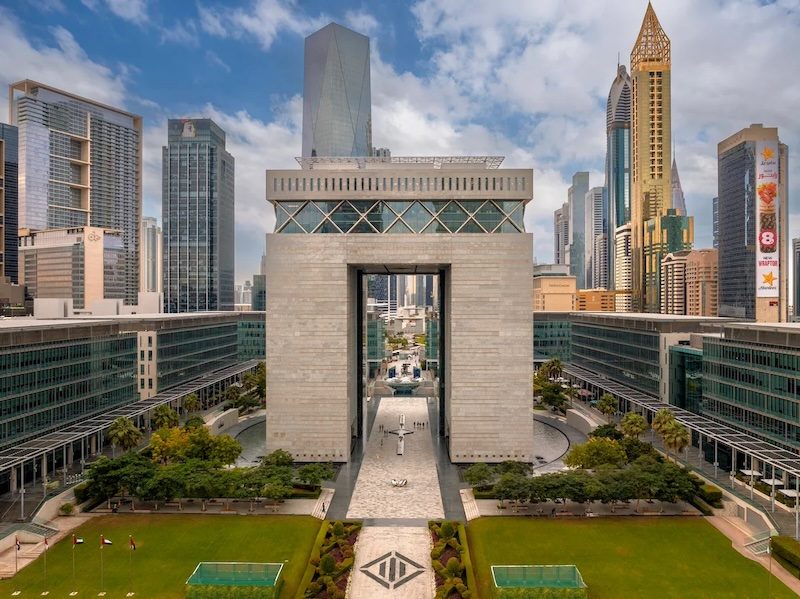
The Dubai International Financial Centre (DIFC) has repaid a $700 million sukuk, a significant milestone in its ongoing development efforts. This bond, originally issued to finance the expansion of the DIFC, helped fund key infrastructure projects, including the growth of its real estate sector and the development of the Gate Avenue retail precinct, which has become a central feature of the financial hub.

The repayment of the sukuk demonstrates the DIFC’s strong financial position, underscoring its ability to service its debt while continuing its mission to evolve as a global financial hub. The sukuk was part of a broader strategy to enhance the DIFC’s infrastructure and attract further investment to the region, reinforcing its status as one of the world’s leading financial centers.

Launched in 2004, the DIFC has seen exponential growth over the past two decades, with its strategic location and favorable business environment making it an attractive destination for international and regional firms. The expansion of DIFC’s real estate and retail offerings, particularly the Gate Avenue precinct, aligns with broader efforts to diversify its revenue streams and cement its position as a global business and lifestyle destination.

The Gate Avenue project, which was central to the sukuk issuance, transformed the DIFC area into a vibrant, mixed-use space combining commercial, retail, and residential offerings. The development has played a critical role in supporting the growth of the financial district, not only as a hub for businesses but also as a dynamic space for leisure and commerce. Gate Avenue features high-end retail outlets, restaurants, art galleries, and a host of premium office spaces, positioning the DIFC as a global destination for business and tourism alike.

The financial success of the sukuk reflects the increasing confidence in the DIFC’s ability to attract investment, maintain a strong credit rating, and manage large-scale projects effectively. The successful completion of the sukuk repayment follows a broader trend of fiscal responsibility within the Dubai government and its key development areas, including the Dubai Economic Agenda and the vision for the city’s continued diversification into non-oil sectors.

Dubai has steadily strengthened its position as a financial center, not just regionally but globally, through strategic investments in infrastructure, fintech, and real estate development. By repaying the sukuk, DIFC reaffirms its reputation as a key pillar of Dubai’s ambitious economic agenda. This action signals to both international investors and local stakeholders that DIFC remains a secure and attractive investment destination.

The sukuk’s issuance and repayment were also a part of the larger trend of Islamic financing mechanisms that have been growing in popularity in the UAE and other parts of the Gulf region. Sukuk, a Sharia-compliant alternative to conventional bonds, are increasingly viewed as an effective tool for raising capital for large-scale infrastructure and development projects. With the growing interest in sustainable finance, sukuk structures are adapting to include green and socially responsible investment components, further broadening their appeal.

The DIFC’s continued investment in its infrastructure is also reflected in its increasing number of financial firms, including major international banks, wealth management firms, and insurance companies, which have made the center their regional base. This is a testament to DIFC’s ability to provide a competitive and secure environment for financial operations, from asset management to fintech innovation.

The development of Gate Avenue, which connects the DIFC’s two main buildings with a series of bridges and corridors, offers not only commercial and office spaces but also cultural experiences that draw visitors and residents alike. This expansion helps differentiate the DIFC from other global financial hubs by offering a comprehensive lifestyle experience beyond the traditional financial operations. Its blend of culture, art, and luxury retail spaces makes it a unique offering in the competitive global financial landscape.

The repayment of the sukuk comes at a time when Dubai is positioning itself as a major player in the global financial and fintech sectors. As part of the Dubai 2040 Urban Master Plan, the city is focused on further expanding its financial infrastructure, which aligns with the UAE’s broader goal of diversifying its economy and attracting foreign investment. Projects like the DIFC’s development and the Gate Avenue precinct are designed to support this long-term vision and are expected to continue to bolster the UAE’s competitive edge.

DIFC’s financial success, evidenced by its ability to meet debt obligations, is closely tied to the broader economic strategies set out by Dubai and the UAE. The city has made substantial investments in becoming a global leader in fintech, with regulatory frameworks designed to foster innovation, while also strengthening its existing financial infrastructure. These efforts are part of a greater strategy to ensure Dubai’s place at the center of international finance, even as global markets face uncertainty.

As the DIFC looks to the future, it will likely continue its focus on sustainable development, leveraging its strategic location to attract global financial institutions and investors. The success of the sukuk repayment highlights the district’s ongoing stability and growth, which in turn strengthens Dubai’s position as a critical financial and business hub in the Middle East and beyond.


Nakheel, a leading Dubai-based developer, has unveiled plans for a collection of luxury waterfront villas located on the iconic Palm Jebel Ali. The development is set to redefine high-end living, with exclusive designs aimed at offering a prestigious lifestyle on one of the world’s most sought-after real estate locations. The new project will feature a series of ultra-luxurious homes, offering sweeping views of the Arabian Gulf. The […]

Apollo Global Management and Mubadala Investment Company have agreed to extend their high-profile partnership, a move that aims to bolster Apollo’s Capital Solutions business. The extension will allow both entities to expand their reach and enhance their ability to originate investment opportunities across various asset classes, solidifying their long-term collaboration.

The extended partnership, which involves several billion dollars, is a significant development in the investment world. It builds upon the strategic relationship that began several years ago, positioning both Apollo and Mubadala for future growth in a rapidly evolving global market. By pooling their resources, the two firms plan to tap into new investment opportunities, with a focus on large-scale, complex transactions across sectors such as real estate, infrastructure, and private equity.

As part of the agreement, Apollo will leverage Mubadala’s global network and significant financial backing to drive its Capital Solutions platform forward. This platform, which specializes in providing flexible, innovative financing solutions, will be further strengthened through this partnership. Apollo has long been a leader in alternative investment strategies, and the continued support from Mubadala enhances its ability to execute its high-value transactions worldwide.

Mubadala, which is the sovereign wealth fund of Abu Dhabi, has long been a key player in the global investment arena. Its robust portfolio spans multiple industries, including energy, technology, and healthcare. By deepening its ties with Apollo, Mubadala gains access to Apollo’s wide-ranging expertise in alternative investments, which is particularly advantageous given the volatile global economic climate.

The extension of the partnership is also expected to accelerate the deployment of capital into high-impact investments. Apollo’s Capital Solutions business, known for structuring and managing bespoke financing arrangements, will benefit from Mubadala’s substantial capital reserves. The partnership’s focus will be on identifying attractive opportunities in both established markets and emerging sectors. This will allow the firms to be well-positioned to respond to market dynamics and provide value to investors.

In addition to the financial and strategic advantages, the expanded collaboration between Apollo and Mubadala is expected to bring greater innovation to the investment management space. The firms will work together to identify new methods for creating value, from investment structuring to risk management. By combining their expertise, the partners aim to develop differentiated solutions for investors, which could include specialized vehicles, bespoke financing options, and new asset classes.

This partnership extension is particularly significant in the context of growing competition in the global investment sector. With rising interest rates and market volatility, institutional investors are looking for partners with proven track records and the capacity to adapt to changing conditions. Apollo and Mubadala’s collaboration offers just that, with both firms having established reputations for managing complex investments and delivering strong returns for their stakeholders.

As part of the broader strategic goals, the extended partnership also aligns with Mubadala’s long-term investment vision. The sovereign wealth fund is keen to diversify its portfolio and deepen its engagement with global markets. By aligning with Apollo’s expertise, Mubadala strengthens its position in the alternative investments space, which has become an increasingly important segment for institutional investors looking for non-traditional assets that offer higher returns.

Apollo’s experience and track record in the global capital markets are another factor that makes this partnership particularly appealing. With a strong presence in private equity, real estate, and credit, Apollo has consistently demonstrated its ability to generate value for investors in both favorable and challenging market environments. Mubadala, by extending its relationship with such a prominent player, ensures it has access to top-tier investment opportunities across the spectrum of asset classes.

The partnership extension also underscores the growing importance of cross-border collaborations in today’s interconnected financial markets. As global investors seek to broaden their exposure to diverse markets and asset types, relationships like the one between Apollo and Mubadala play a crucial role in facilitating capital flows across regions. This is particularly relevant as both companies continue to pursue their respective strategies in global markets, positioning themselves for future success amid evolving macroeconomic conditions.

Looking forward, the partnership is expected to deepen in the coming years, with both Apollo and Mubadala exploring new opportunities for collaboration. This could include expanding their joint investments into new geographies, further diversifying their asset portfolios, or exploring emerging sectors like technology and clean energy. The firms have already shown an appetite for exploring innovative investment structures and new technologies, which could become key drivers of their future success.

A significant step forward in Azerbaijan’s energy infrastructure modernization came with the announcement of a joint venture deal valued at $480 million, aimed at overhauling the country’s gas distribution network. The deal, which combines the expertise of several industry leaders, is poised to significantly enhance the operational efficiency and safety of gas distribution systems across the country, aligning with Azerbaijan’s broader energy sector goals.

The partnership, formed by Presight, a key player in the energy sector, and local Azerbaijani firms, will target several areas in the gas distribution system, including upgrading pipelines, boosting the capacity of compressor stations, and improving metering systems. This overhaul is expected to deliver improved service reliability, reducing gas losses, and enhancing customer satisfaction.

With Azerbaijan increasingly focused on maintaining its energy security and integrating cleaner technologies, the deal will also help streamline the country’s natural gas operations, making them more sustainable and resilient to market fluctuations. The modernization is seen as a pivotal project in the country’s long-term energy strategy, which aims to position Azerbaijan as a regional leader in energy distribution.

The country has long depended on its oil and natural gas resources for economic stability, but with rising global energy demands and environmental concerns, there’s an urgent need to upgrade and diversify its energy infrastructure. This development reflects Azerbaijan’s commitment to maintaining robust, efficient energy systems while also responding to both domestic needs and international expectations for higher environmental standards.

The joint venture deal is the result of years of meticulous planning, as energy companies have been assessing and identifying weaknesses within Azerbaijan’s existing gas grid. The country’s government has also recognized the necessity of modernizing its energy infrastructure to meet both current demand and the growing aspirations for energy security in a rapidly changing global market. Additionally, the Azeri government has pledged to prioritize sustainable development practices in its energy sector, ensuring that economic growth does not come at the expense of environmental preservation.

For Presight, the deal marks a significant milestone in its global expansion strategy, as the company continues to build on its successes in the Middle East and North Africa. By partnering with local Azerbaijani firms, Presight will leverage local knowledge and expertise to navigate regulatory complexities and tailor its solutions to the specific needs of the region.

The collaboration highlights the growing trend of international energy companies partnering with local enterprises to implement large-scale infrastructure projects in emerging markets. By combining global expertise with a deep understanding of regional needs, these partnerships create opportunities for innovation and more efficient energy solutions.

Local businesses in Azerbaijan stand to benefit substantially from this partnership, as it will bring both capital investment and technical know-how to the region. The deal is expected to create new jobs, with skilled labor being required to implement the various components of the modernization effort. Additionally, local suppliers and contractors will have opportunities to support the project, further strengthening the Azerbaijani economy.

Energy experts view this deal as a critical piece of Azerbaijan’s broader strategy to enhance its energy security. The country’s position as a major transit hub for energy supplies between Europe and Asia underscores the importance of maintaining a reliable and safe energy infrastructure. With its expanding role as a regional energy supplier, the modernization of its gas distribution network will help ensure that the country remains a key player in the global energy market.

Beyond economic factors, environmental sustainability has also been a key consideration in the project’s design. Modernizing the gas network is expected to reduce methane emissions, one of the most potent greenhouse gases, by curbing gas leaks and improving system monitoring. This aligns with global climate commitments and enhances the country’s environmental credentials as it seeks to balance energy demands with climate goals.

Azerbaijan’s natural gas reserves are among the largest in the world, with the country playing a pivotal role in the diversification of Europe’s energy sources. This deal is an example of the strategic importance of Azerbaijan’s energy sector, particularly as global energy security becomes a priority amid geopolitical shifts and fluctuating energy prices. Azerbaijan is positioning itself not just as a supplier of energy, but as a leader in energy innovation and sustainability.

Azerbaijan has long been a central player in the geopolitics of energy, balancing its relationships with Europe, Russia, and neighboring countries. As energy markets evolve, the country’s ability to modernize its infrastructure is seen as an essential part of its efforts to navigate these shifting dynamics. The latest deal with Presight underscores Azerbaijan’s strategy to maintain its place as a reliable and efficient energy exporter.

Dubai’s morning peak traffic has seen a significant reduction, with travel times decreasing by as much as 30%. This shift comes in the wake of widespread adoption of flexible working hours and remote work policies that have reshaped daily commutes across the city. The transformation highlights the growing impact of workplace changes on urban mobility patterns and traffic congestion.

The move towards more adaptable work schedules, accelerated by the pandemic, has seen a marked decline in the number of commuters rushing to the office during traditional hours. As companies continue to embrace hybrid work models, employees have greater autonomy over when they begin their workday, thus spreading out peak travel times.

Dubai, one of the world’s most bustling cities, had long struggled with traffic congestion. The morning rush hour often brought gridlock to key roads, with long waits on highways and delays in public transportation. However, the integration of flexible hours has provided a unique solution. According to traffic management experts, the reduction in office-bound commuters during the congested morning period has relieved pressure on the city’s infrastructure.

The Dubai government’s push for digital transformation and work flexibility has been central to this change. Various private and public sector organizations implemented remote work and staggered hours as part of their long-term business strategies. These policies have allowed workers to avoid the intense traffic rush typical of the early morning commute, particularly along major roads like Sheikh Zayed Road and Emirates Road.

For commuters, the effects of these changes are tangible. Daily travel times have shortened, not only for those who work from home but also for individuals who now choose to drive or take public transportation during non-peak hours. Traffic reports indicate a steady decline in congestion around office-heavy districts such as Business Bay and Dubai International Financial Centre (DIFC).

Dubai’s government has also introduced new traffic management strategies, which include rerouting certain traffic flows and expanding the metro network. These measures, combined with flexible work policies, have created a more efficient and less stressful commuting experience. Authorities have noted that traffic data collected over the past few months shows improved traffic speeds during the early hours of the workday, corroborating the positive effects of these adjustments.

Experts argue that this shift could have long-term benefits for the city’s infrastructure. By spreading out commuting times and reducing the number of vehicles on the road at any given moment, Dubai may be able to delay or even avoid costly investments in road expansions or additional public transport services. Furthermore, the environmental impact is expected to be favorable, with fewer vehicles idling during peak hours, reducing emissions and contributing to the city’s sustainability goals.

Flexibility in the workplace is also expected to continue influencing the way people travel. While Dubai has long been known for its emphasis on innovation, the trend of remote and hybrid working is likely to become a permanent fixture in the city’s labor landscape. This shift also aligns with global trends, as more businesses worldwide adopt similar policies in response to employee demands for better work-life balance.

Local businesses have taken notice of these changes and adjusted their operations accordingly. Companies are increasingly offering employees the option to work from home or choose flexible hours as part of their standard benefits packages. As a result, more people are opting to work remotely for at least part of the week, which further contributes to the reduction in commuter traffic during the busiest hours.

Public transport systems have also seen a positive shift, with trains, buses, and taxis benefiting from a more balanced distribution of passengers throughout the day. The Dubai Metro, which serves as a key mode of transportation for many, has experienced less overcrowding in the morning, offering a more comfortable ride for those who continue to commute to work.

The shift to remote work and flexible hours has also led to noticeable changes in the behavior of businesses. Firms in sectors like technology, finance, and consulting have been quick to embrace hybrid work models, recognizing both the benefits to employee satisfaction and the reduction in operational costs. For employees, this new approach to work offers greater autonomy, allowing them to optimize their schedules for productivity and personal well-being.

Despite these successes, some challenges remain. Although traffic congestion has been alleviated, certain areas of Dubai, particularly near popular commercial hubs, continue to see significant numbers of commuters at specific times of the day. Some business owners worry that widespread adoption of remote work could have unintended consequences, such as a decline in in-person collaboration and innovation. However, many firms are mitigating these concerns by establishing clear guidelines for when employees should be in the office, ensuring that face-to-face meetings and team-building activities continue to play a vital role in business operations.

Dubai is such a vast and diverse city, yet it has certain neighborhoods where most people would love to live. Colife Dubai, an all-in-one solution for modern tenants, property owners, and private investors headquartered in Dubai, highlights the city’s most sought-after neighborhoods. Most often, tenants request rental housing in Marina, JLT and Business Bay. Why? These areas offer a variety of lifestyles to suit anyone’s needs. The […]

Crafting an Unforgettable Celebration MACAU SAR – Media OutReach Newswire – 11 November 2024 – Galaxy Macau™ Presents Tatler Off Menu took place from November 8 to 10 at the Galaxy Macau™ Cabana at Banyan Tree Macau, Asia’s most highly awarded luxury integrated resort. Following its successful debut in Macau last year, this year’s festival returned with an even more impressive lineup of chefs and elevated gourmet […]

Perfumes are produced in different scents and models for various uses, like the memories of a romantic evening with a special person that often includes the lingering trace of a captivating fragrance. That’s why perfumes have a notable role in romantic and friendly dates. Due to their long lasting and pleasant scents, best Perfume for date is highly recommended. In addition, the notes of night time perfume […]

Solana’s native cryptocurrency, SOL, has soared to a significant milestone, surpassing a $100 billion market capitalization for the first time. The rise in SOL’s price to $212 marks its highest value in over three years, reflecting a broader surge in the cryptocurrency market. This rally is being fueled by multiple factors, including the increasing momentum following Bitcoin’s own breakthrough above $80,000, alongside recent market catalysts such as Donald Trump’s electoral victory and the Federal Reserve’s decision to cut interest rates.

As the broader crypto market rebounds, Solana has emerged as one of the key beneficiaries, marking a dramatic rise that has reinvigorated investor interest in the digital assets space. This surge places Solana firmly in the ranks of the top five cryptocurrencies by market capitalization, signaling its growing influence in the industry. Despite the volatility that often characterizes digital currencies, Solana has managed to carve out a niche with its innovative approach to blockchain technology, which offers scalability and faster transaction speeds compared to many competitors.

The price surge is seen as a continuation of Solana’s broader recovery since the sharp decline in its value experienced during the crypto winter of 2022. Over the past year, the blockchain has regained substantial traction, driven by both technical advancements and increasing adoption by developers and decentralized finance (DeFi) platforms. As of now, Solana’s price stands well above its March-April cycle highs, marking an important psychological level for traders and investors.

Much of Solana’s recent growth is tied to its ecosystem’s increasing popularity in decentralized applications (dApps) and non-fungible tokens (NFTs). The blockchain’s high throughput capabilities, combined with low transaction fees, make it a preferred platform for developers building on Web3 and DeFi applications. These characteristics have garnered Solana a significant user base and investment, which is now paying off as market conditions favor the broader crypto sector.

The crypto rally has also been propelled by the changing economic landscape. The Federal Reserve’s decision to cut interest rates has had a ripple effect across financial markets, contributing to increased liquidity and risk appetite among investors. Cryptocurrencies, often seen as a hedge against inflation and traditional financial systems, have benefited from this environment. As the Fed’s monetary policy continues to evolve, many market participants see digital assets as a safer investment compared to traditional stocks and bonds, especially in uncertain economic times.

Meanwhile, Bitcoin’s rise above $80,000 has created a halo effect for other cryptocurrencies, including Solana. The world’s largest cryptocurrency has often set the tone for market movements, and its surge has bolstered investor confidence in the broader digital asset class. Many traders view the rally in Bitcoin as an indication that the overall cryptocurrency market is in the midst of a bull phase, with altcoins like Solana and Ethereum seeing heightened interest from institutional and retail investors alike.

Solana’s technological advancements also play a crucial role in this price surge. The blockchain’s focus on scalability through its Proof of History (PoH) mechanism allows it to process thousands of transactions per second, which significantly enhances its capacity to handle large-scale decentralized applications. This technology has made Solana an attractive choice for developers looking to build decentralized exchanges (DEXs), NFT marketplaces, and other dApps that require high throughput and low transaction fees.

Another key factor contributing to Solana’s growth is the backing it has received from prominent venture capitalists and institutional investors. Over the past few years, Solana has secured major funding rounds, positioning it as one of the most well-funded projects in the cryptocurrency space. This has helped solidify its position as a strong competitor to Ethereum, which has historically dominated the decentralized application space but has struggled with scalability issues due to high transaction costs and slower confirmation times.

Despite these positive developments, the cryptocurrency market remains volatile, and Solana’s price could still face significant fluctuations. While many analysts remain bullish on the future of Solana, there are concerns regarding broader market corrections, regulatory scrutiny, and the sustainability of the current rally. Some experts caution that the rapid rise in Solana’s price could be driven by speculation rather than fundamental growth, which could lead to a pullback in the future.

Solana’s ability to maintain its current market momentum will likely depend on its ability to scale and meet the growing demand for decentralized applications. While its technical advantages set it apart from many of its competitors, the blockchain space remains highly competitive, with Ethereum and other Layer-1 chains continuously improving their offerings. Moreover, the potential regulatory challenges posed by governments and financial institutions around the world could impact Solana and other cryptocurrencies in the coming months.

Singapore Science Park is set to become a hive of activity for live-action role-playing, interactive games, workshops and pop culture. SINGAPORE – Media OutReach Newswire – 7 November 2024 – Singapore Science Park, renowned for its vibrant ecosystem of deep tech, life sciences and sustainability companies, will play host to a series of immersive, exploratory experiences for gamers, collectors, families and young adults seeking a more rewarding […]

Iceland’s reputation as a sustainable data hub is strengthening as atNorth, a Nordic high-performance computing and colocation provider, scales its Iceland operations in response to rising global demand for artificial intelligence (AI) and high-performance computing (HPC). Leveraging the country’s abundant geothermal and hydroelectric energy, atNorth is set to expand its infrastructure, which supports sectors from scientific research to advanced AI model training, by enhancing capacity at its […]

VISHNU RAJA
RYO YAMADA
HITORI GOTOH
IKUYO KITA